
Light Tower Washdown: Approved Methods, Ingress Risks and Release Checks
Plan light tower washdown around approved cleaning methods, safe shutdown, water-entry risks and documented inspection before return to service.
Light tower washdown should begin with the manufacturer's cleaning instructions, a safe shutdown and an assessment of where water or cleaning chemicals could cause damage. Do not pressure-wash the machine merely because a lamp or enclosure has an IP rating. Identify prohibited spray areas, approved materials, isolation requirements and the checks needed before return to service. If those instructions are unavailable, pause wet cleaning and ask the manufacturer for a method suitable for the delivered configuration.
This guide concerns exterior cleaning of a mobile light tower after ordinary site use. It does not authorize internal electrical cleaning, flood recovery, battery servicing or work on a live machine. The useful outcome is a repeatable cleaning and inspection record that separates appearance from a documented decision to release the equipment.
Decide what contamination actually needs removal
Record what is on the machine before choosing a method. Dry dust, mud, salt residue, oil and unidentified deposits are different cleaning problems. Photograph relevant areas before cleaning where there is damage, a leak or a possible warranty issue. Removing the visible evidence too early can make later diagnosis harder.
An unknown deposit should be identified before adding water, detergent or a solvent. Consult the relevant safety information and responsible site specialist where hazardous contamination is possible. A routine hire-yard wash is not a substitute for a specialist decontamination process. Hold equipment suspected of hazardous contamination so that it is not passed to a cleaner without adequate information.
Define the cleaning objective. Removing mud from an accessible external surface differs from cleaning an optical lens or checking a suspect seal. Separating those tasks helps avoid using one aggressive process on every component. The work order should describe the areas and method, rather than simply request a complete wash and leave every decision to the operator.
Read the instructions for the whole machine
Find the cleaning section for the delivered tower and any relevant component instructions. Identify permitted materials, methods and areas that must remain protected. Check whether coatings, lenses, seals, connectors or ventilation paths have separate restrictions. A method appropriate for the steel base may be unsuitable for a control panel or lamp surface.
Do not turn an enclosure rating into a blanket cleaning permission. The rating refers to a specified component and set of test conditions; it does not establish resistance to every nozzle, chemical, temperature or cleaning technique. Service wear, an incorrectly closed cover or a damaged gasket can also change the real condition. Ask for written clarification if the proposed cleaning method is not addressed.
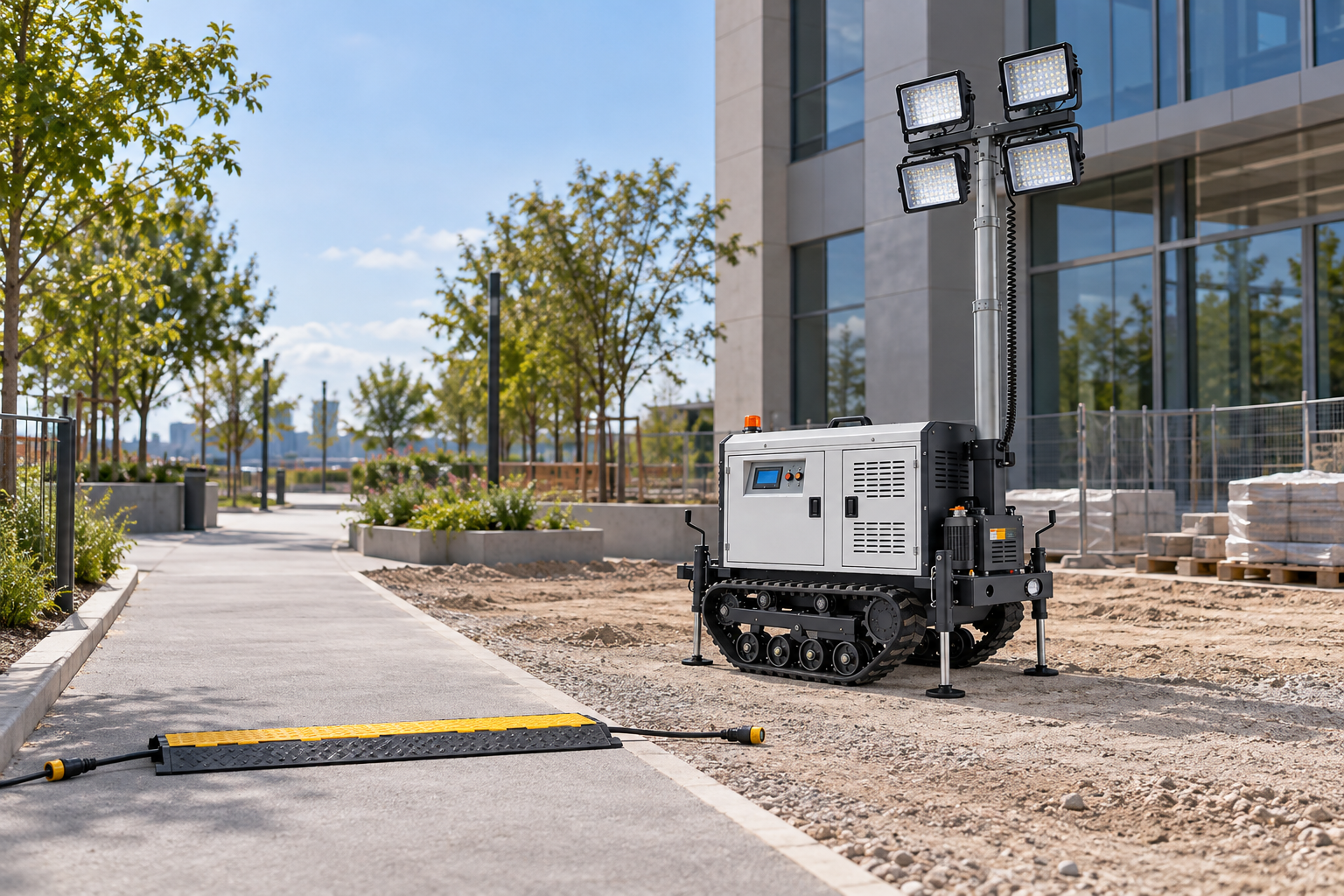
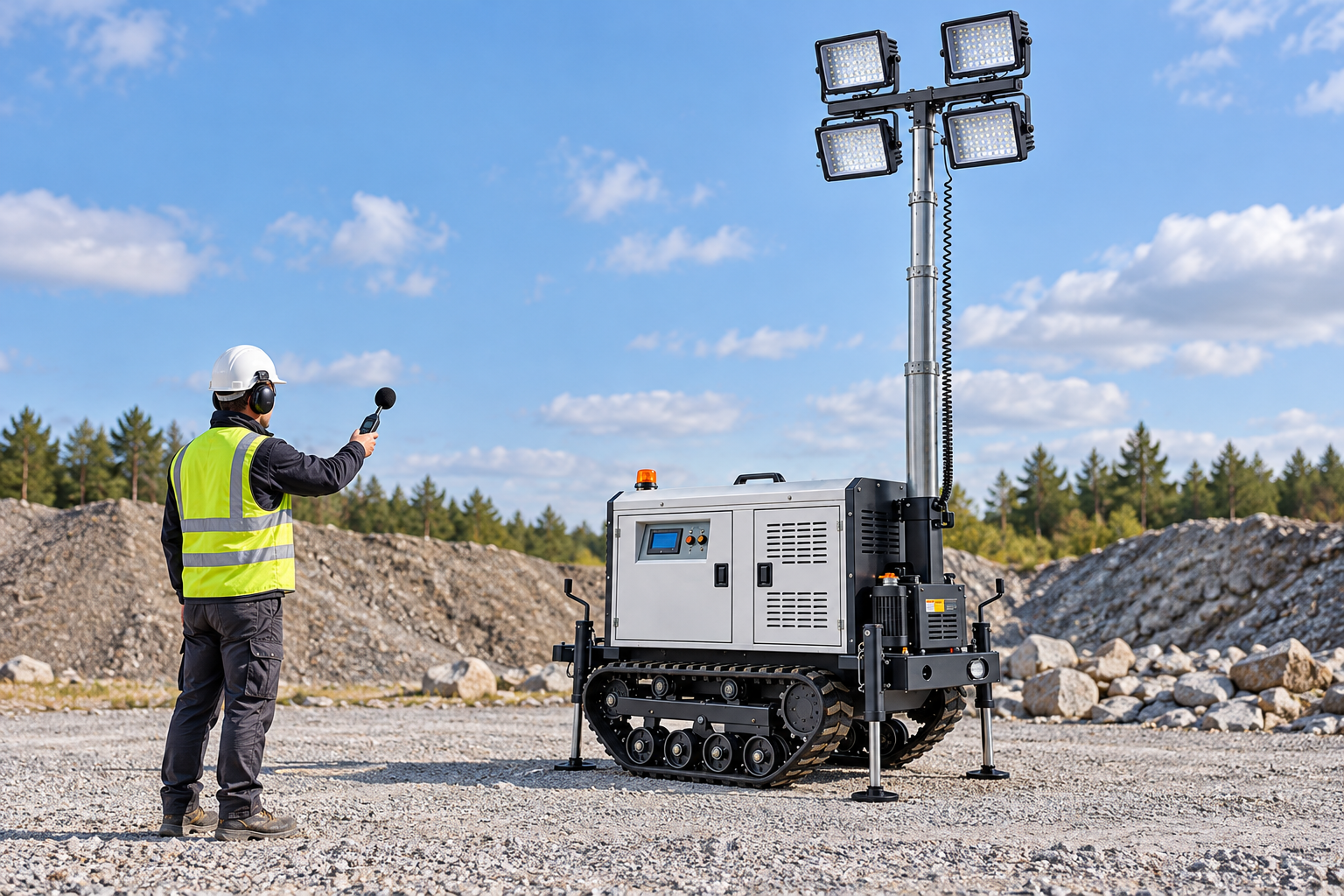
The pictured tower provides the physical reference: a cabinet, tracked base, support legs and a four-head mast assembly. It does not prove that a pressure washer, steam cleaner or particular detergent is approved. Avoid deciding compatibility from the machine's colour, finish or apparent construction. Approval should come from instructions applicable to the actual delivered equipment.
Prepare a safe cleaning state
Have competent personnel follow the machine's shutdown and hazardous-energy procedure before cleaning. Depending on the configuration, hazards may include electrical supplies, stored energy, heat and movement. A stopped lamp or dark display is not enough to establish a safe condition. Establish who controls isolation and how the cleaner knows that work may start.
Allow required cooling and prepare the mast and attachments only as specified by the manufacturer. Do not climb the tower or place a ladder against its mast to reach the lamps. If an area cannot be accessed using the approved method, arrange a separately assessed access solution. Cleaning convenience must not create an improvised work-at-height task.
Remove loose items and check that the required covers are correctly secured without defeating ventilation or safety functions. Do not open an electrical compartment simply to make drying faster. Any temporary protection needs to be appropriate, accounted for and removed at the correct stage. A forgotten covering can cause a different problem when the tower returns to operation.
Choose the least aggressive approved method
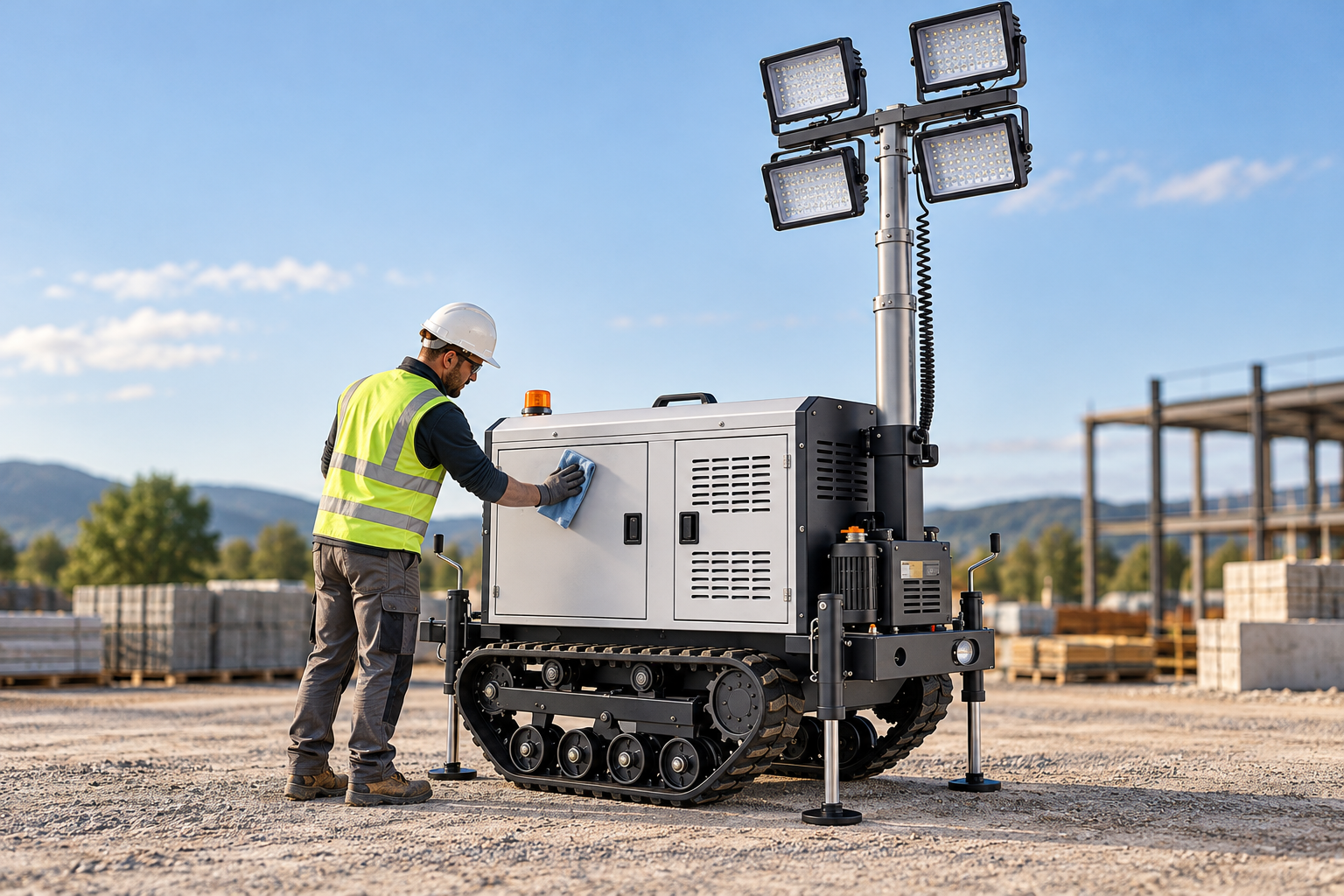
Where the instructions permit it, controlled wiping or other gentle exterior cleaning may be appropriate for accessible surfaces. Use only approved materials and follow the stated method. Avoid presenting a particular dilution, pressure, temperature or drying interval as universal. Those values must come from the relevant instructions and the actual task assessment.
Keep cleaning tools away from vulnerable openings unless the approved method explicitly addresses them. Forcing water toward vents, control interfaces or damaged seals can create problems that are not immediately visible. Never use high pressure to compensate for an unidentified stain or inaccessible surface. Stop and obtain guidance when contamination cannot be removed within the approved method.
Separate tools used on oily chassis areas from those intended for lamps or finished panels. Dirt carried on a cloth can scratch a surface or spread contamination. Inspect cleaning materials as the job progresses and replace contaminated items. This is a practical quality-control step; it does not establish chemical compatibility or replace the manufacturer's instructions.
Plan the cleaning area and waste route
Use an area suitable for the approved process and the contamination involved. Identify drains, nearby electrical equipment, vehicle traffic and pedestrian access. Determine how any wash water, absorbent material and removed deposits will be managed under the site's environmental rules. Do not assume that outdoor cleaning makes discharge to the ground acceptable.
Check the cleaning equipment itself where it is part of the task. Water and portable electrical equipment introduce a separate set of hazards. HSE's guidance on maintaining electrical equipment safety highlights the need to consider equipment condition, environment and appropriate checks. The site's competent person should resolve the applicable precautions before a water-based process starts.
Set a boundary that keeps bystanders out of splash and slip areas. Maintain access to the tower without creating trapping points around the tracks and support legs. If the floor becomes slippery or runoff moves outside the controlled area, pause and restore control. Finishing a side of the machine is less urgent than preventing an exposure elsewhere in the bay.
| Condition or task | Decision or assessment | Evidence to retain |
|---|---|---|
| Unknown deposit | Pause routine cleaning | Identify contamination and required specialist process |
| Missing cleaning instructions | Do not improvise pressure or chemicals | Obtain an applicable manufacturer method |
| Damaged cover or suspected water entry | Keep the unit out of service | Competent assessment and required repair or checks |
| Cleaning complete but checks outstanding | Keep release separate from appearance | Named person confirms applicable return-to-service checks |
Inspect condition after cleaning
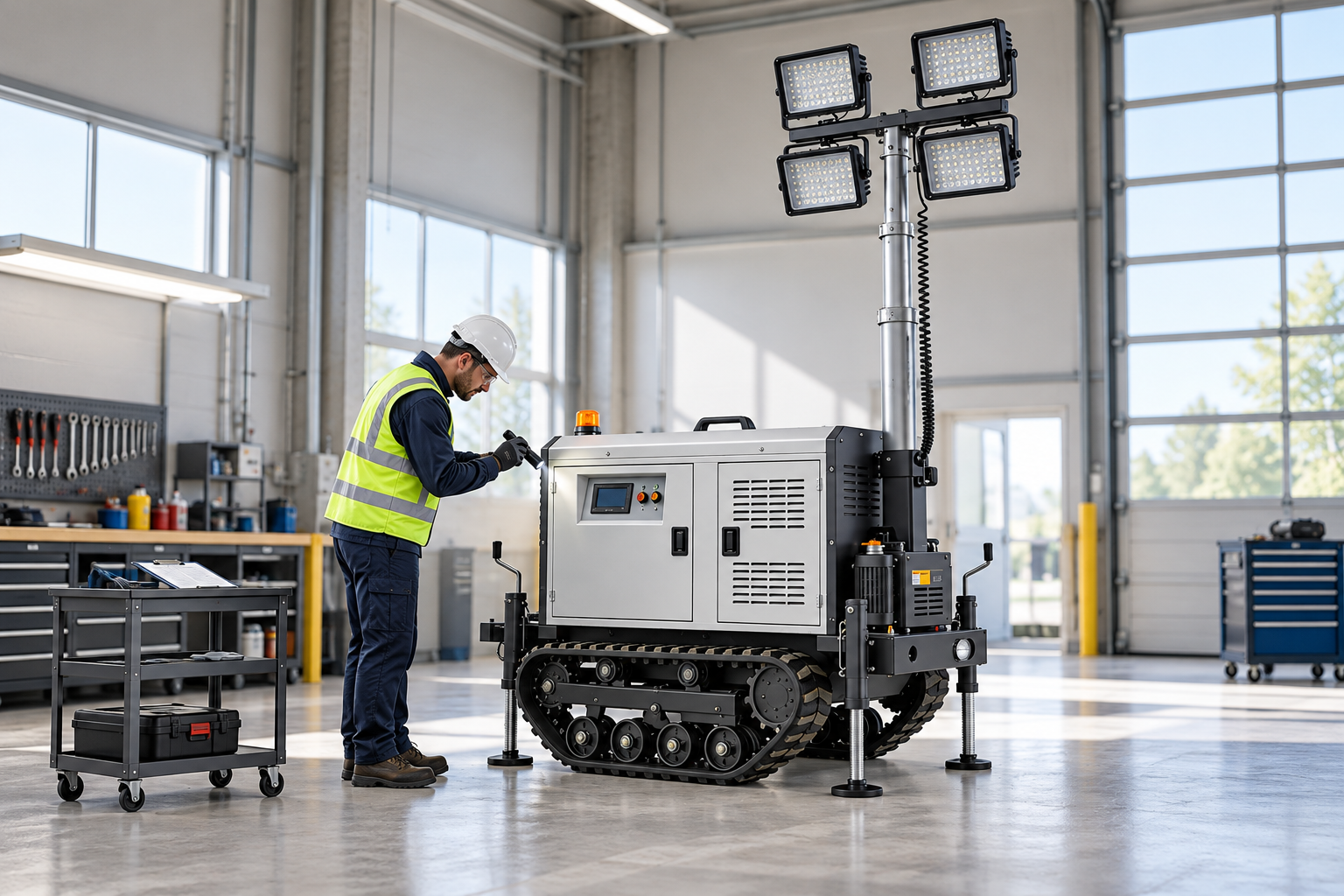
Cleaning can reveal defects previously hidden by dirt. Look at accessible external surfaces for damaged covers, cracked lenses, loose fittings, missing markings and signs of leakage. Record findings without dismantling guarded or electrical assemblies. The person cleaning should have a clear route to report a defect and place the tower on hold.
A surface that looks dry does not establish the internal condition of an enclosure. If water entry is suspected, keep the machine out of service and refer it to a competent person using the manufacturer process. Do not attempt to prove safety by briefly powering the unit. A successful start cannot establish that contamination or moisture has caused no damage.
Check that cleaning has not erased identification or obscured safety information. Where a label becomes unreadable, obtain the correct replacement through the authorized route; do not guess the wording or apply a generic rating. Keep before-and-after photographs where the work order involved a defect or disputed damage. They should describe the condition, not imply certification.
Make release a separate decision
The cleaning record should identify the machine, date, method, materials and any restrictions encountered. Record the person completing the work and the person responsible for the required inspection and release. A clean-machine tick box is insufficient where the task revealed damage or an uncertainty about ingress.
Return to service only after the applicable inspection and checks are complete and any temporary protective measures have been addressed. The release process may require a competent technician rather than the cleaner. Do not invent a fixed waiting period as a substitute for those checks. The correct decision depends on what was cleaned, how it was cleaned and the condition found.
For example, if a technician finds damage near an enclosure seal, record the exact location and keep the hold open until the required repair and verification are complete. Repeating the wash or wiping away the visible mark does not close the defect. The next shift should be able to see why the machine is unavailable and who can authorize release.
Build feedback into the maintenance system
Review repeated contamination patterns. Mud accumulating in one location, recurring salt exposure or frequent fluid deposits may indicate a need to change placement, inspection or maintenance arrangements. A cleaning log becomes more useful when it records those patterns rather than counting washes alone. Escalate suspected leaks instead of treating them as a housekeeping issue indefinitely.
Keep the washdown record distinct from the maintenance interval register and the flood-damage process. Routine cleaning does not renew a service interval or clear equipment exposed to flooding. Link the records where a finding triggers additional work, but preserve the original event and its release conditions. This prevents a normal cleaning entry from concealing an unresolved safety issue.
Before purchase or hire, ask for the tower's cleaning instructions, approved materials, restricted areas and service escalation route. Confirm whether the expected site contamination can be managed within that method. These questions help specify an achievable maintenance process without claiming that the reference tower has a particular washdown rating or chemical resistance.
Equipment and related planning
Check the delivered configuration against the Keyyou tracked lifting light tower product reference. Continue with the Light Tower Maintenance and Troubleshooting, plus understanding enclosure IP ratings, hazardous-energy isolation planning.
Neutral safety education
ESFI explains commercial electrical safety during disasters. Its water-damage awareness supports the hold-and-escalate response when cleaning raises a suspicion of water entry; it is not a routine washdown procedure or approval to clean this tower with water.
Watch the educational video on YouTube.
Frequently asked questions
Does an IP rating allow pressure washing?
Not by itself. Follow the cleaning instructions for the actual machine and components; a rating does not approve every pressure, chemical or method.
Can a clean-looking machine be returned immediately?
Only after the applicable inspection and release requirements are met. Appearance alone cannot establish the condition of internal equipment.
Should the operator open electrical panels to dry them?
No. Do not open electrical compartments as an improvised drying method. Suspected ingress needs competent assessment under the manufacturer process.
Is routine washdown the same as flood recovery?
No. Equipment exposed to flooding needs a separate assessment. A normal cleaning record does not clear flood-damaged equipment.
Sources and scope
The following HSE sources explain relevant principles in Great Britain. Apply the manufacturer instructions and the rules for the destination; these references do not certify the pictured tower or supply a machine-specific procedure.