

Light Tower Binding Tariff Classification Request: Build the Evidence File
Prepare a light tower classification dossier with confirmed configuration records, applicant responsibilities and a clear customs decision handover.
A light tower binding tariff classification request should describe the actual equipment being traded, the destination customs jurisdiction and the supplied configuration before anyone selects a tariff code. For EU imports, Binding Tariff Information, or BTI, is a formal customs classification route. A product photograph, a supplier's previous export code or another company's published decision is not a substitute for a decision applicable to your goods. The practical starting point is a controlled technical dossier: identify what the machine does, how its main systems work and exactly which equipment accompanies the shipment. Obtain competent customs advice when classification remains uncertain.
Separate the classification question from the purchase description
A purchase order may describe a machine as a mobile light tower because that phrase is clear to the customer. Customs classification needs a sufficiently precise account of the goods. A mast, lighting assembly, enclosure, propulsion arrangement and power system can all matter to the factual description. Their presence does not establish a particular heading by itself. Avoid turning a list of visible components into an unsupported legal conclusion about the product's essential character or principal function.
Write a short factual identity statement before preparing arguments. Identify the supplier model, configuration revision, intended operating function and whether the consignment contains a complete unit or separately supplied items. Keep information that is confirmed apart from questions still awaiting a supplier response. A candid uncertainty log is more useful to an adviser than a confident specification assembled from unrelated catalogues. The buying team should review this statement against the actual order rather than against a generic family brochure.
Define the customs territory and responsible applicant
The European Commission explains the EU BTI system, while individual national authorities administer applications. A shipment involving Great Britain, Northern Ireland or an EU destination can require a different route. Confirm the relevant customs territory with the adviser before starting a portal application. Do not select a process solely because a destination postal address contains a familiar country name, and do not apply the EU process to an unrelated jurisdiction.
Nominate the person responsible for the request, the supplier contact who can answer technical questions and the person authorized to approve the description. This is a recommended procurement workflow, not a replacement for the authority's applicant eligibility rules. If a broker assists, agree who submits, who receives correspondence and who checks the final goods description. Store that agreement with the dossier so an absent buyer does not leave an unanswered technical request stranded in an individual mailbox.
Build a configuration-specific evidence pack
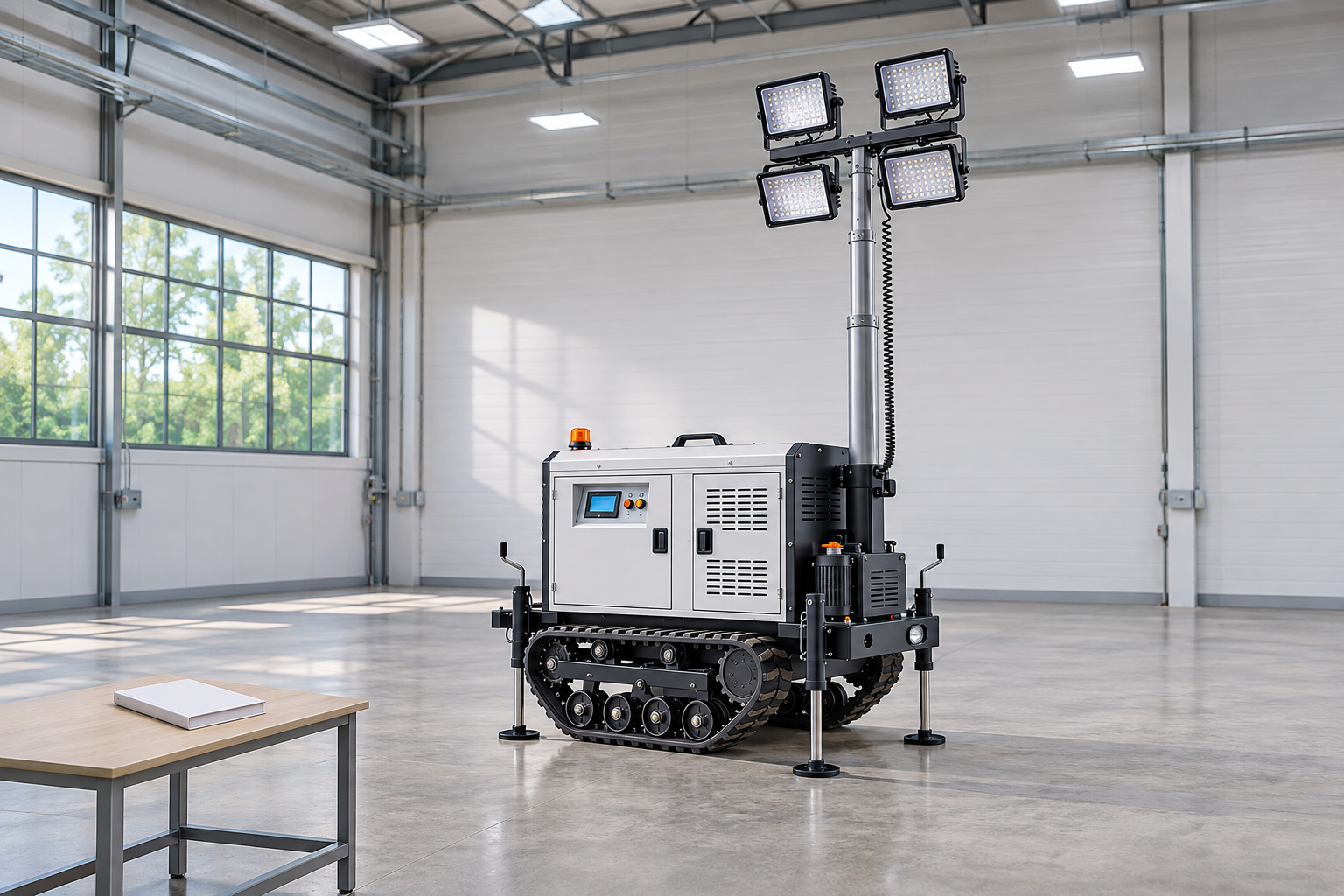
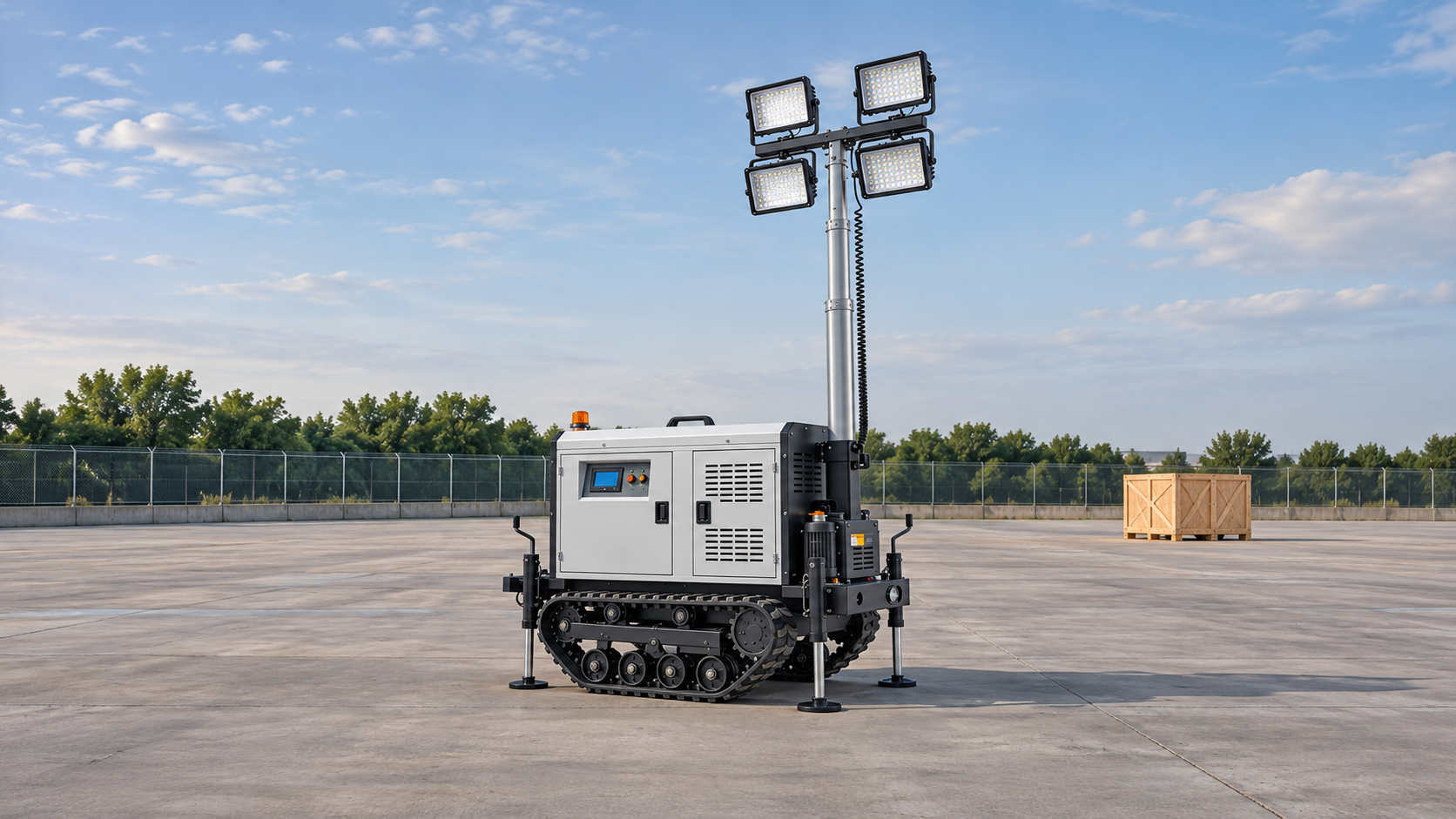
Start with the supplied model's current technical documentation and order confirmation. Request photographs of the actual configuration, a clear description of its functions and a component or system explanation where needed. Ask the supplier to identify variations rather than quietly combining specifications from several versions. For example, the image of a tracked unit is evidence of appearance only; it does not independently establish electrical ratings, generating capacity, internal energy storage or the legal treatment of those systems.
Include manufacturer drawings or manuals only when their revision and applicability can be confirmed. A useful document index records the filename, revision, issuing party, configuration covered and question the document answers. A reviewer should be able to distinguish a transport outline from an operating drawing and a general brochure from a unit-specific record. This distinction reduces requests for clarification without pretending that a larger attachment bundle automatically makes a classification argument stronger.
Prepare an explicit list of separately packed accessories and spares. Explain whether each accompanies the main machine and whether it is separately ordered or invoiced. Have the customs adviser assess the treatment of those items rather than assuming the entire shipment follows one code. The same discipline applies when the shipment contains incomplete assemblies. Describe their actual condition at the relevant customs stage and obtain advice about what additional evidence is needed.
Use a dossier review table before submission
| Condition | Review or action | Evidence or responsibility |
|---|---|---|
| Jurisdiction and applicant | Confirm correct authority and responsible holder | Customs adviser and applicant |
| Machine identity | Match model and revision to order | Supplier-confirmed technical file |
| Functions and components | Distinguish confirmed facts from proposed reasoning | Manuals and technical responses |
| Accessories and delivered condition | Describe all separately supplied goods | Order and packing records |
| Published decision research | Identify similarities and material differences | Adviser review, not borrowed protection |
| Decision handover | Confirm applicability to actual shipment | Applicant and declaration preparer |
This qualitative coordination checklist supports the workflow discussed here; apply the jurisdiction and scope of the European Commission: European Binding Tariff Information. It provides no universal numeric acceptance limit.
Describe functions without inventing specifications
A helpful function description follows the equipment's operating sequence at a high level: transport to the site, positioning, mast use and illumination. Include only activities supported by the supplied documentation. Explain the role of the crawler system and the lighting assembly in plain factual terms. Do not state that one function determines classification unless the competent classification analysis supports that conclusion. Keeping the factual account separate from the proposed reasoning makes both easier to review.
Where a technical value matters, identify its source and unit. If the supplier has not confirmed a value, record the question rather than copying a figure from a similar machine. A screenshot with no model identification is a weak basis for an official submission. If documents disagree, resolve the disagreement with the issuer and retain the corrected record. Quietly selecting the more convenient value can leave the application inconsistent with the equipment delivered later.
Use published decisions as research leads
Published classification decisions can help identify questions that an adviser should investigate. They are especially useful for understanding the level of detail authorities may need. Compare the description of the goods, configuration and stated reasoning before drawing any connection to your proposed shipment. Similar marketing names do not prove that two products are identical for classification purposes. Record material differences as carefully as similarities.
Do not present another holder's decision as your own binding protection. Ask the adviser how it may be used as background within the relevant legal framework. Also avoid assuming that an old search result reflects a current decision. Keep the reference and the date consulted, and have the relevant status checked through the appropriate official service. This research record should support a reasoned application, not serve as a shortcut around the actual goods description.
Manage authority questions and supplier changes
After submission, keep incoming questions in a single register with an owner and response status. Send technical questions to the person who can answer for the supplied machine. Review responses against the existing dossier before returning them. A fresh photograph can introduce a different mast or lighting arrangement inadvertently; confirm whether it documents the same configuration or an actual change. Clear version control helps the authority understand what is being assessed.
If the order changes while a request is being considered, notify the adviser promptly. Changing the power arrangement, accessories or delivered condition may affect the description that was submitted. The appropriate next step depends on the circumstances and authority process. Do not assume that a buyer's commercial acceptance of a substitution also resolves the customs question. Keep purchase change approval and classification review linked but separately recorded.
Convert the decision into a shipment control
When a decision is received, the responsible adviser should check its holder, goods description, effective conditions and practical use. The buying team should then map the described goods to the order and planned shipment. A decision document should not become an isolated PDF that the shipping coordinator never sees. Give the declaration preparer the relevant reference through the agreed secure process, with enough configuration information to check applicability.
For subsequent orders, use a release check rather than automatically copying a previous declaration. Confirm that the model and supplied arrangement still match the assessed goods and that any relevant status checks have been performed. Record discrepancies before dispatch. An invoice description should remain an accurate account of what is sold, rather than being rewritten to imitate a decision about different equipment. Ask the adviser to resolve any genuine mismatch.
Keep classification separate from other import approvals
A classification decision addresses its particular customs question. It should not be described as a product safety certificate, origin determination, tax exemption or guarantee of clearance. Assign separate owners for the other shipment requirements. This prevents a successful classification workstream from hiding missing transport, commercial or market access documentation. The purpose of the dossier is accurate identification and a reliable decision trail, not a universal approval label.
Before booking the shipment, hold a short evidence review between procurement, the supplier and the customs representative. Confirm which questions are closed, which remain open and what event requires another review. Keep the final description, supporting documents, correspondence and decision together. This practical handover makes the work usable when the next purchase order is placed and helps a new coordinator understand why the selected treatment was used.
Equipment and related guidance
Identify the equipment context using the Keyyou tracked lifting light tower product page. Request documentation for the actual supplied configuration. Read the Light Tower for Sale: A Practical Procurement Guide and related guidance on temporary customs admission planning, certificate of origin documentation.
Further learning: Export Documentation
The International Trade Administration explains export documentation. This US educational overview supports evidence organization only; it does not explain the EU BTI application process or decide classification.
Watch the educational video on YouTube.
Frequently asked questions
Can a light tower tariff code be chosen from its photograph?
A photograph helps identify visible features but does not provide every fact needed for classification. Obtain configuration-specific technical evidence and competent customs advice.
Does another company’s published BTI protect my shipment?
Do not assume that. Have a customs adviser assess its relevance as background and determine the decision or classification process applicable to your own goods.
Does BTI confirm product safety compliance?
No. Keep the classification question separate from product safety, origin, valuation and other requirements applicable to the transaction.
What happens if the ordered configuration changes?
Give the adviser the actual change and revised evidence before relying on the earlier description. Follow the authority process appropriate to the circumstances.
Sources and scope
These sources support the specific background principles discussed above. Their jurisdictions and subjects differ; they do not certify the pictured equipment or approve an individual shipment or installation.


