

Light Tower AEO Authorisation Change Evidence: A Practical Handover File
Organise equipment importer records when premises, systems or personnel change under an existing UK AEO authorisation.
Light tower AEO authorisation change evidence should explain what changed in an authorised business, when it changed, which controls were affected and who reviewed the consequences. For a UK importer, a new receiving site, replacement records system or staff handover deserves a clear assessment against the actual authorisation. This guide helps procurement organise equipment information for that assessment. It does not establish that any Keyyou customer holds AEO status, and a light tower purchase does not itself prove that a notification is required. The authorisation holder must apply current HMRC guidance to its own circumstances.
Start with the existing authorisation
A change file needs a reliable starting point. Ask the responsible person for the identity of the authorisation holder, the approved scope relevant to the operation and the person designated to communicate with HMRC. Procurement usually needs the relevant extract and a confirmed owner rather than unrestricted access to every compliance document. An invoice buyer, warehouse operator and group parent can be different legal entities; write down the actual relationship instead of treating a shared trading name as proof of common authorisation.
Keep the existing authorisation reference alongside a short description of the tower purchasing and receiving activity. Explain whether the business imports equipment for its own projects, receives stock for resale or coordinates deliveries through a third party. These facts help the holder identify affected controls. Avoid copying a previous shipment's approval wording into a new project, particularly when the receiving address or contracting entity has changed.
HMRC's maintaining-standards guidance describes changes that can affect AEO eligibility and the notification process. Use the current source and the holder's conditions to determine the route and timing. A project schedule should therefore include an early review point, rather than waiting until the truck is dispatched. The buyer's commercial deadline does not determine whether a changed arrangement is acceptable.
Describe the change before proposing a conclusion
Write a factual before-and-after statement. For a premises change, identify the existing receiving location and the proposed one, the intended first-use date and the activities moving there. For a software change, identify which records move, which interfaces change and how users will obtain the information they need. For a personnel change, identify the duties that need a new owner, including holiday cover and unresolved cases.
Separate a proposal from an implemented change. If management has only approved a plan, label it accordingly. If a change has already occurred, preserve the actual implementation date and describe the present arrangements. Do not alter a meeting note to make a late review appear to have happened earlier. A later reconstruction can still be useful when its author, date and supporting records are visible.
A useful change description also states what remains uncertain. The team may know the new warehouse address while still checking whether records access will be available there. Put that question into an action list with an owner. A blank box marked complete obscures the practical problem and makes the eventual handover less reliable.
| Condition | Review or action | Evidence or responsibility |
|---|---|---|
| Premises | Compare existing approved address and the proposed receiving area | Holder checks approval scope and notification needs |
| Systems | Map old and new records, access and recovery arrangements | System owner preserves test evidence |
| Personnel | Identify outgoing duties and replacement access | Designated contact verifies responsibilities |
| Equipment records | Keep model, order and shipment references connected | Procurement supplies factual identification |
| Follow-up | Retain submitted material and actual HMRC correspondence | Authorisation holder tracks outstanding actions |
This qualitative coordination checklist supports the workflow discussed here; apply the jurisdiction and scope of the Notify HMRC of changes that affect your Authorised Economic Operator status – GOV.UK. It provides no universal numeric acceptance limit.
Connect the tower to the affected process
Identify the actual equipment from the accepted order and supplier confirmation. The tracked tower shown here provides product context: cabinet, crawler chassis, stabilisers, mast and lamp assembly. It does not identify a shipped unit, establish the contents of a container or demonstrate any customs authorisation. Obtain the configuration and shipment information for the supplied equipment separately.
A receiving-site change can affect where the tower is presented, who checks its identity and where the packing list is retained. A records-system change can affect how an invoice is connected to a declaration reference. A staff change can leave a question about responsibility for supplying missing technical information. Describe that specific connection. Do not list every equipment component as an authorisation issue when it has no relationship to the change being assessed.
Use a small order map that connects the purchase order, supplier invoice, packing list and transport reference. Where unit identification is supplied, keep it with the relevant record. If a model designation changes during production, ask the supplier for a factual explanation and preserve the earlier version. This gives the reviewer a usable chain without asking procurement to determine the customs consequences.

Review a receiving-location change with the people using it
Walk through the intended information flow with the warehouse contact, logistics coordinator and authorisation owner. Ask where incoming documents arrive, how discrepancies reach the responsible person and how records remain available after the carrier leaves. This is an administrative review; it is not permission to move or operate a machine in an unsuitable bay.
If a third-party facility is involved, record the contractual contact and the tasks it actually performs. Receiving freight, storing documents and handling customs messages are separate responsibilities. Request written confirmation of the agreed arrangement rather than relying on a driver knowing the location. The authorisation holder should decide whether the proposed change affects its authorisation and whether other approvals are relevant.
Keep equipment handling outside this article's administrative checklist. The receiving team needs the actual supplier instructions and competent people for unloading, moving and positioning the tower. A photograph of a machine in a factory cannot establish safe clearances, floor capacity or lifting arrangements. Any proposed operational change should receive its own appropriate review.
Make a records-system migration testable
A software replacement is easier to assess when the business can demonstrate retrieval of a complete sample transaction. Choose an actual equipment order with permission from the record owner. Record how the reviewer locates the original invoice, associated packing information, amendment history and the relevant declaration reference. Test access using the role that will perform the work after migration, rather than only an administrator account.
Document differences between the old and new systems. A renamed field may be harmless; a lost attachment or broken reference can prevent the team from answering a later question. Keep the test outcome and the person responsible for correction. Do not delete the earlier record merely because a new summary has been created. Agree access and retention arrangements with the responsible business owner.
Include a practical interruption scenario. If the ordinary application is unavailable, who can retrieve the required records and how will they check that the copy is current? This is a proposed control question, not a claim that a particular backup design satisfies HMRC. The holder should assess the evidence and determine whether it meets the conditions applicable to its business.
Preserve responsibility through a personnel handover
List the duties transferring from the outgoing person and the cases still awaiting action. The replacement needs the relevant instructions, access and escalation contact. An email announcing a job title change does not show that the person can retrieve records or recognise an unresolved customs query. Ask the receiving owner to confirm the practical handover steps that have actually occurred.
Review shared mailboxes and distribution lists with the authorised system owner. Important correspondence should not disappear because it was sent only to a former employee's individual account. Follow the business's access controls; this guide does not authorise copying personal messages or sharing credentials. Store the relevant business evidence through the approved process.
The file should identify the designated contact responsible for the official notification route. Current HMRC instructions govern who may complete the notification. A supplier can provide order information and answer factual equipment questions, but that supporting role does not make the supplier the holder's authorised contact. Keep preparation, approval and submission responsibilities explicit.

Record notification and follow-up without assuming approval
Prepare an index of the material the designated contact decides to submit. Include a concise explanation of the change and reference the supporting records without sending unrelated commercial information. The holder should check the current official form, route and required information. Do not substitute a general document-upload service simply because it produces an acknowledgement.
After submission, preserve the exact version sent and the actual acknowledgement or correspondence received. Record the date of any further question and who owns the response. A message saying that information was received is evidence of receipt; it should not be relabelled as approval of a new site, a system or a changed business arrangement.
If the team receives conditions or further instructions, translate them into specific actions with owners and an agreed review point. Retain the original correspondence beside that working list. When an action is closed, link the evidence that supports closure. Avoid replacing the authority's wording with an optimistic internal paraphrase that changes its meaning.
Example: moving the importer records desk
Consider a hypothetical business that is moving its equipment receiving team to another building while keeping the same purchasing entity. The tower order remains unchanged, but the staff now use a different document mailbox and retrieve shipment records through a new application. Procurement first records those facts and identifies the owner of the existing authorisation. It does not announce that the move is automatically covered.
The system owner tests retrieval of the order and associated documents. Logistics confirms the intended delivery address and the receiving contact. The designated authorisation contact reviews the change against the applicable conditions and current guidance, then determines the required communication. These are distinct steps with evidence, rather than one general statement that the project is ready.
If the planned delivery precedes the review outcome, the logistics lead should raise that conflict before dispatch. Preserve the resulting instruction and any revised delivery arrangement. The example gives an internal coordination method only; it does not determine the legal result for another business or promise a particular authority response.
Close the file with a usable evidence index
A reviewer should be able to find the baseline, change description, affected transactions, control tests, approved communication and actual follow-up without searching several personal inboxes. Use meaningful document names and retain version dates. Restrict access according to the content, while ensuring that the people responsible for the operation can obtain the information they need.
At the next tower order, check whether the earlier assumptions still match the real arrangement. A later change of carrier, receiving facility or records owner can reopen a practical question even when the equipment specification is identical. The objective is a maintained operational record that supports the authorisation holder's decisions, rather than a decorative certificate in a purchasing folder.
Equipment and related guidance
Identify the equipment context using the Keyyou tracked lifting light tower product page. Request documentation for the actual supplied configuration. Read the Light Tower Customs Debt Liability Evidence: UK Buyer File and related guidance on initial AEO readiness, customs authorisation decision review.
Further learning: UAEO
This Dubai Customs educational video introduces the international AEO concept. It gives background only: UK changes, notification routes and authorisation conditions must be checked against current HMRC guidance and the holder’s own authorisation.
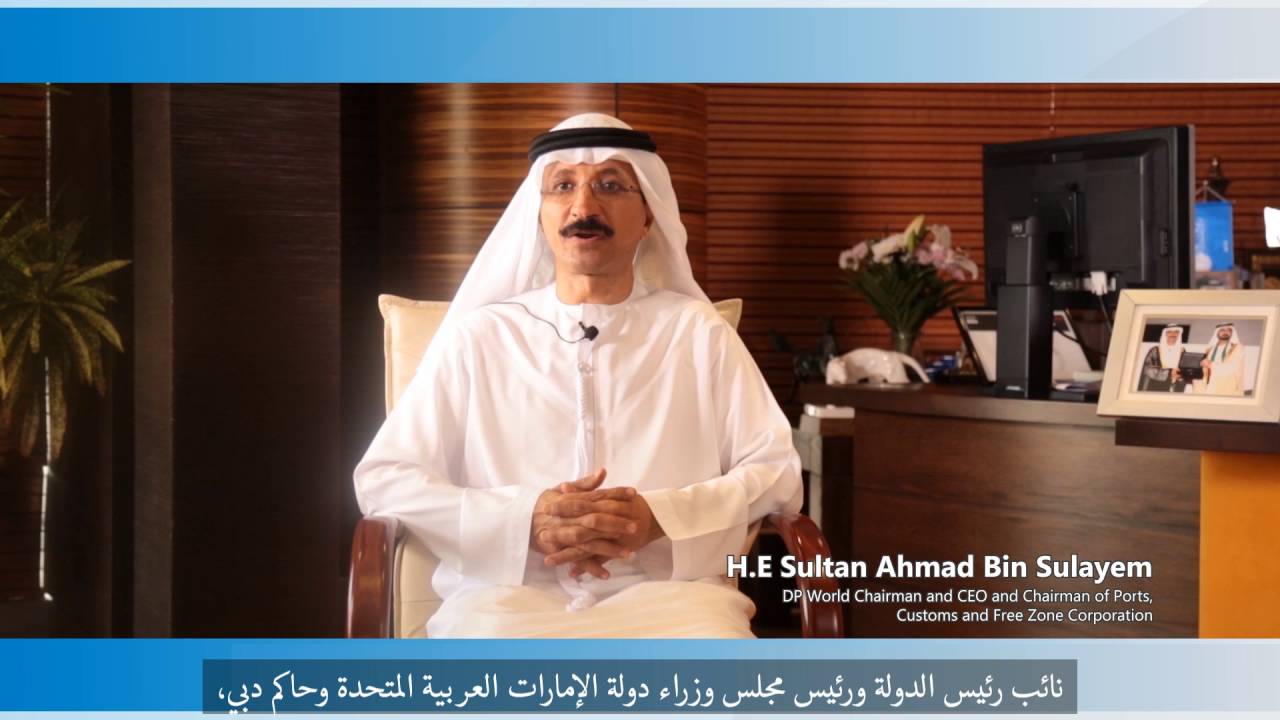
Watch the educational video on YouTube.
Frequently asked questions
Does buying another light tower itself change AEO status?
Do not infer a status change from a purchase alone. The authorisation holder must assess whether the actual operational change affects its criteria or conditions.
Can a supplier submit a change notification for the importer?
Supplier records can support the file, but the holder must follow the current official contact and submission requirements. Do not assume the supplier is authorised to submit.
Does an acknowledgement mean a new location is approved?
No. Preserve the acknowledgement and obtain the actual decision or confirmation required for the proposed operation.
Should a retrospective explanation replace the original system record?
No. Keep the original and identify any later explanation by its actual creation date and author.
Sources and scope
These sources support the specific background principles discussed above. Their jurisdictions and subjects differ; they do not certify the pictured equipment or approve an individual shipment or installation.


