

Light Tower Customs Warehouse Stock Count Discrepancy Evidence: Trace the Difference
Build a traceable light tower stock discrepancy file, separating receipt shortages, later movements, equipment identity and the warehousekeeper’s response.
Light tower customs warehouse stock count discrepancy evidence should preserve the original stock record, the observed equipment and package count, the relevant movement history and the warehousekeeper’s response. A buyer should establish what differs before asking anyone to correct a record. A missing accessory package, an unrecorded internal relocation and a missing machine are different findings. This guide helps procurement and receiving teams organise an investigation file for goods in a UK customs warehouse. It does not approve stock adjustments, determine customs liability or replace the warehousekeeper’s reporting obligations.
Start with a dated observation rather than a loss conclusion
Write down the count location, observation time, people involved and the record used for comparison. Describe what the team could actually see. If a covered package was not opened, say so. If access to a storage aisle was restricted, record that limitation. A statement such as one labelled crate observed in bay C is more useful than complete shipment checked when the contents were never inspected. Preserve the count sheet before adding explanations received from other teams.
Ask the warehousekeeper which stock reference and goods status apply. A procurement order can span several deliveries, while a physical crate can contain a machine and separately described accessories. Establish the counting unit before comparing totals. Do not interpret a difference between two cartons and one equipment unit as a shortage without checking the packing evidence. Record each conversion or grouping explicitly so another reviewer can reproduce the comparison without relying on the original counter’s memory.
Separate receipt differences from later stock differences
The first question is when the mismatch arose. Compare the warehouse receipt with the declaration and original shipment evidence, then compare later movements with the present count. If the initial receipt already showed the missing package, the investigation starts with that arrival. If the arrival matched and the discrepancy appeared later, follow transfers, removals, handling records and subsequent counts. Keeping these timelines separate avoids applying a receiving explanation to an unexplained later absence.
HMRC’s guidance on receiving goods into a customs warehouse addresses differences between declared and received goods. Its warehousekeeper guidance separately addresses missing stock and reporting. Have the responsible warehousekeeper or representative identify the applicable route and timing promptly. Do not wait for an internal buyer investigation to finish before telling that responsible party about the observation. The coordination file supports their decision; it should not prescribe a universal notification deadline for every kind of discrepancy.
Connect the actual lighting tower to the affected stock line
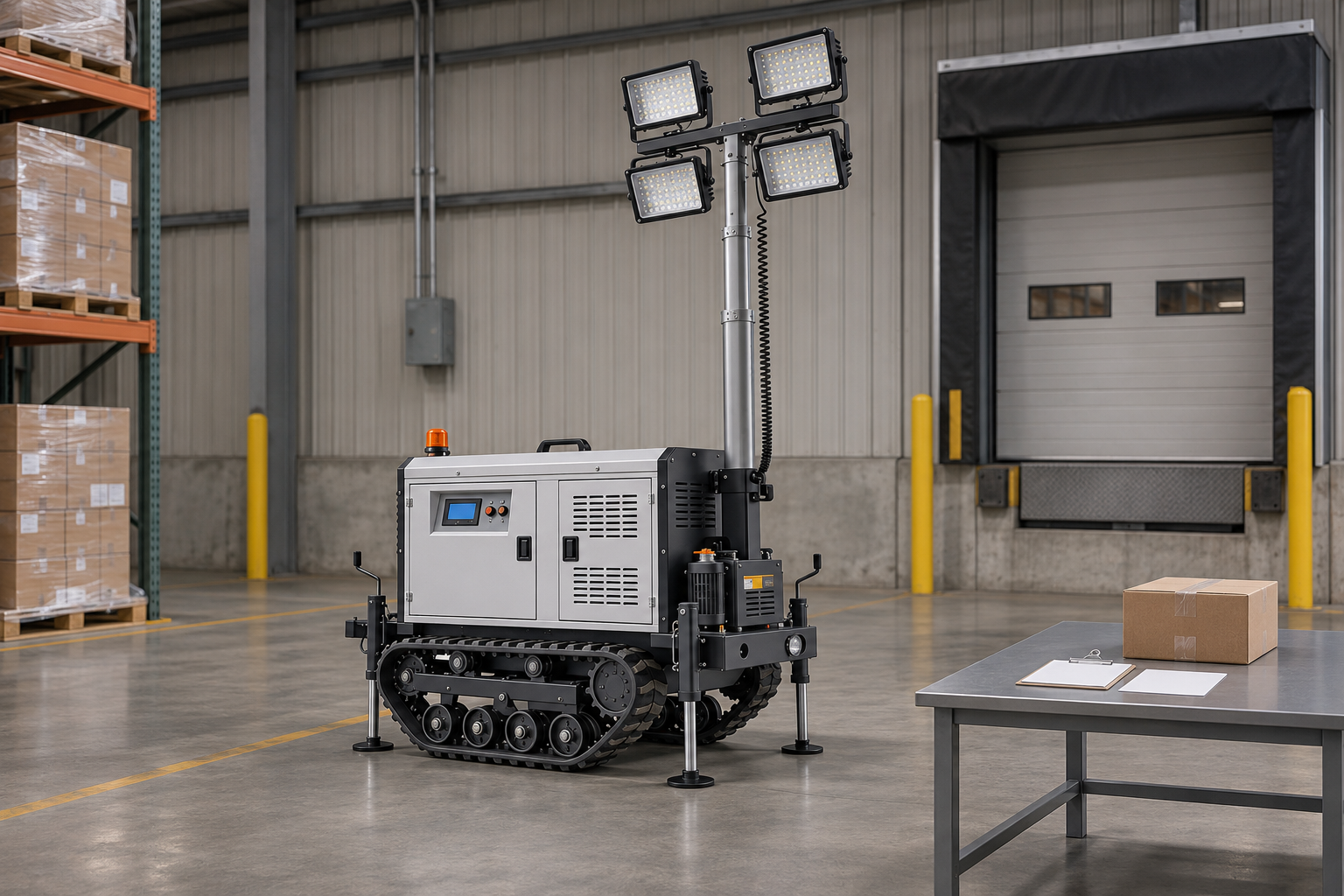
Build an equipment map using the supplied model, available unit identifier, packing reference, consignment and warehouse stock reference. Keep those fields distinct. The website’s tracked tower image provides a recognisable equipment category, but it cannot identify the specific imported unit or prove which accessories travelled with it. Obtain the actual supplied configuration from the commercial and technical records. Where a serial or equipment identifier is unreadable, record that problem and request confirmation through the authorised receiving process.
For a tracked lighting tower, the receiving file may describe the machine separately from transport packing or accessory packages. Do not invent the package contents from the lamp arrangement shown in a photograph. Compare the packing list with the supplier’s actual shipment record and the warehouse observation. If descriptions use different model abbreviations, ask the issuer to explain the relationship. Keep the explanation attached to the affected stock line rather than silently replacing one description with another.
Use an exception table that preserves competing explanations
An investigation table should help the next person decide what evidence to request. Avoid a single notes cell containing several unresolved issues. Give each difference its own row and keep the original expected quantity visible. Record whether the difference concerns location, quantity, identity, condition or customs status. These categories guide the next check without predetermining the outcome. A machine that is physically present in another approved location raises a different factual question from an unidentified machine in the expected bay.
| Condition | Review or action | Evidence or responsibility |
|---|---|---|
| Quantity | Compare the agreed counting unit with the observed count | Preserve original count and packing evidence |
| Location | Ask the operator to trace an apparent missing machine | Keep movement times and location records |
| Identity | Match unit and consignment references before reassignment | Refer uncertain identifiers to the responsible party |
| Timing | Compare physical event time with extract and entry times | Retain the original extract and movement trail |
| Resolution | Obtain the operator’s explanation and resulting action | Keep notification or correction evidence where applicable |
This qualitative coordination checklist supports the workflow discussed here; apply the jurisdiction and scope of the Special procedure: customs warehousing – Applying to be approved as a warehousekeeper – Guidance – GOV.UK. It provides no universal numeric acceptance limit.
The table is an internal coordination aid. It should link to original count sheets and movement documents rather than become the only surviving record. Keep sensitive commercial attachments in the controlled shipment file and share only the information each reviewer needs. If a worksheet value is corrected, retain the previous version and explain why. The warehousekeeper decides how the official stock record should be maintained and whether any proposed correction requires further action under the applicable authorisation.
Reconstruct movements across the count cut-off
Ask for receipts, authorised removals, transfers and other movements around the time of the count. Record the time each event happened separately from the time someone entered it into a system. This distinction can explain why an earlier extract disagrees with a later observation. Do not resolve a mismatch simply by choosing the newest spreadsheet. Compare the event evidence and identify which record represents the relevant point in time. Keep the source extract that triggered the investigation.
Check whether the machine was temporarily elsewhere for an authorised activity and whether the records identify that location. Procurement should ask the operator for evidence rather than instruct staff to move goods to make the count agree. An internal delivery request or customer demonstration booking does not establish that removal was permitted. If the operator cannot connect a location change to its records, preserve the unanswered question and assign it to a named contact for resolution.
Preserve evidence before requesting a stock correction
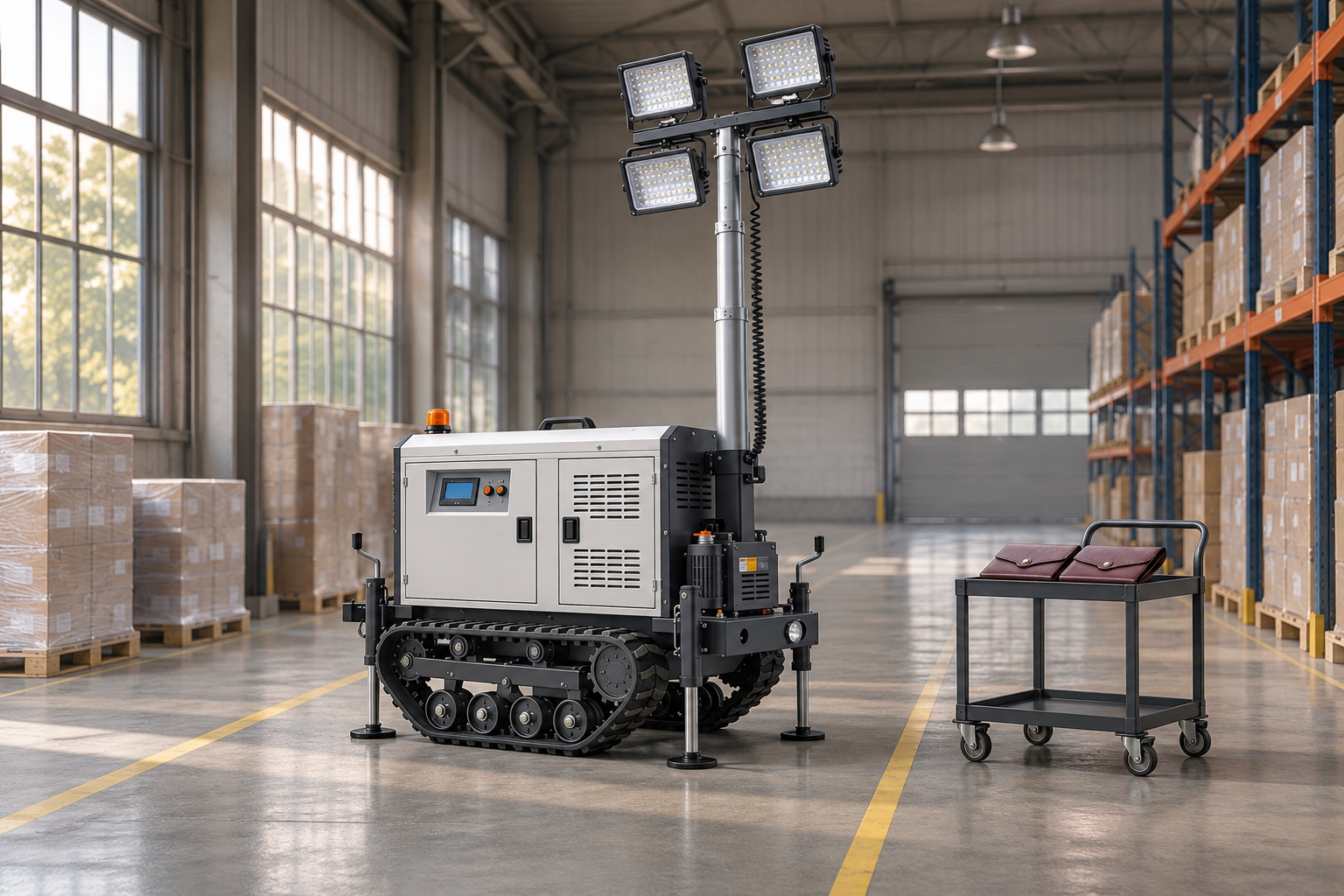
Keep the original warehouse extract, count sheet, relevant photographs where permitted, packing documents and correspondence. Give each attachment a useful date and description. A photograph can support an observation about visible identity or location, but it does not explain every prior movement. Record who took it and what it depicts. Do not stage a replacement image of another tower to fill a missing evidence item. The illustrations in this article demonstrate equipment context, not an actual count or shipment.
If a supplier provides a revised packing list, retain the earlier version and the reason for revision. Ask whether the change corrects a document mistake or reports a genuine change in what was shipped. Those answers lead to different investigations. Likewise, a later statement that all equipment arrived should identify its factual basis. Attach the signed receiving record or other supporting evidence instead of using an unsupported assurance as the reason to close the discrepancy.
Give the warehousekeeper a concise escalation pack
Send the responsible contact a clear description of the difference, affected stock reference, observation time, equipment map and relevant attachments. Distinguish confirmed facts from possible explanations. State which questions remain open and identify the person who can supply each missing record. Ask for acknowledgement and the next action rather than demanding an immediate stock adjustment. This allows the operator to investigate without losing the original issue in a long chain of forwarded emails.
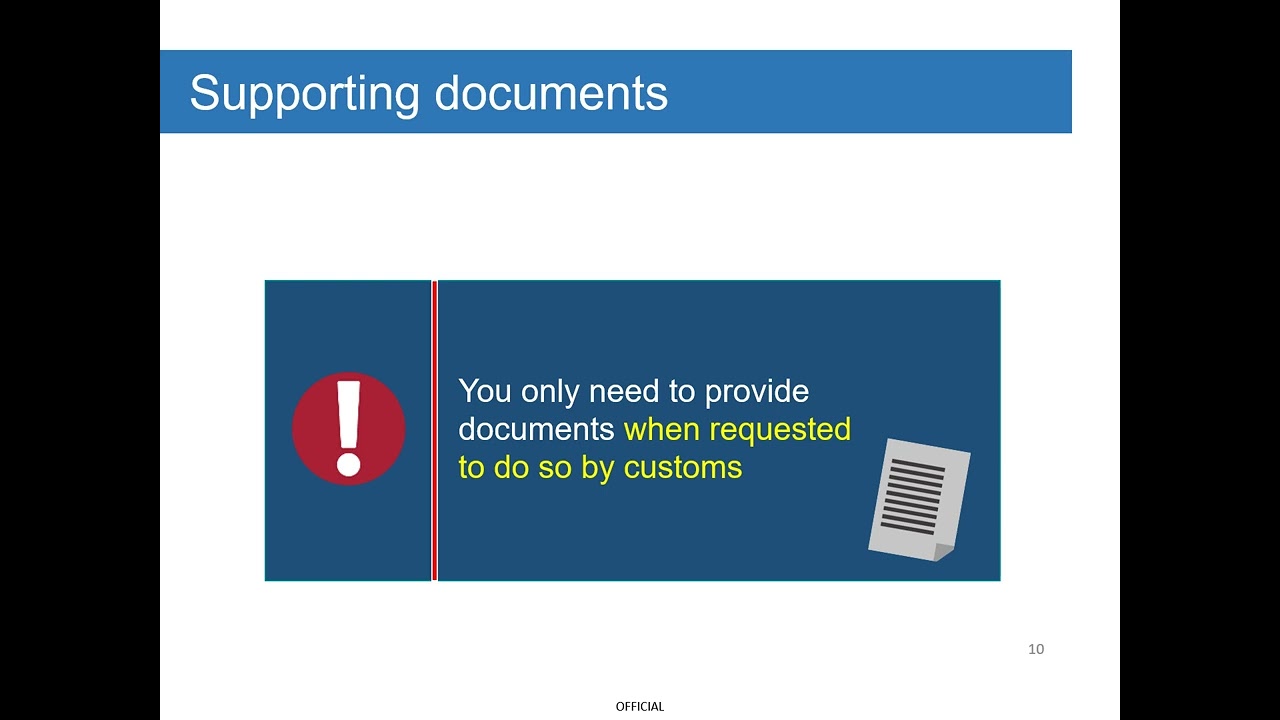
Where evidence needs to be submitted through an official channel, follow the actual request and service instructions. The HMRC secure upload tutorial below is relevant to supporting-document handling when CDS evidence is requested; it is not a warehouse discrepancy reporting procedure. Keep the request, the submitted files and any acknowledgement together. Avoid describing an upload receipt as acceptance of the explanation. Ask the representative or warehousekeeper what further response is required before recording the matter as resolved.
Work through a machine-present, accessory-missing example
Suppose a buyer expects one tracked tower and a separately packed accessory box. The warehouse count finds the tower but cannot locate the box. First establish whether the box was a separate package on the actual packing and receipt records. If the original receipt already noted it as absent, trace the arrival discrepancy. If it was recorded as received, review later movements and locations. The existence of the machine does not establish that the accessory was received or subsequently removed.
If another team finds a similar box, compare the relevant identifier and consignment evidence before assigning it to this order. Two boxes with similar dimensions may belong to different equipment. Ask the operator to confirm the match and any record action. If the answer remains uncertain, communicate the specific outstanding package question to the buyer. Do not state that the complete tower order is ready for collection merely because the main machine can be seen in the bay.
Close the investigation with a traceable outcome
The closing note should identify the finding, evidence, responsible decision maker and resulting record or notification action. An explained timing difference can close with a documented event trail. A confirmed shortage needs the appropriate operator response and any required authority communication. A commercial replacement order is a separate action; it does not erase the original stock event. Keep those outcomes distinguishable so finance, procurement and the warehouse do not each assume another team completed the remaining step.
Before handing over, have a colleague follow the file from the original discrepancy to the final explanation. They should be able to identify the affected goods, reconstruct the comparison and find the operator’s response. List any residual actions, such as awaiting a corrected document or confirmation of a submitted notification. A case can be administratively tracked while still open. Use an accurate status and a named next owner rather than hiding uncertainty behind a complete label.
Equipment and related guidance
Identify the equipment context using the Keyyou tracked lifting light tower product page. Request documentation for the actual supplied configuration. Read the Light Tower for Sale: A Practical Procurement Guide and related guidance on warehouse discharge evidence, declaration data report reconciliation.
Further learning: How to use the secure file upload service on the Customs Declaration Service
This HMRC tutorial explains supporting-document upload when CDS evidence is requested during an investigation. It does not demonstrate the warehouse discrepancy notification route or approve a stock adjustment.
Watch the educational video on YouTube.
Frequently asked questions
Does a different package count prove a missing tower?
No. Establish how machines, accessory packages and invoice lines are counted before interpreting the difference.
Can procurement adjust the warehouse stock record?
The responsible warehousekeeper controls the applicable record and reporting process. Procurement should preserve facts and refer the discrepancy to that party.
Does finding a similar carton close an accessory shortage?
No. Match the actual package and consignment evidence before treating it as part of the affected order.
Can a replacement purchase erase the original discrepancy?
No. Keep the original stock event and its resolution separate from the commercial replacement action.
Sources and scope
These sources support the specific background principles discussed above. Their jurisdictions and subjects differ; they do not certify the pictured equipment or approve an individual shipment or installation.