

Light Tower Advance Valuation Ruling Preparation: Build a Clear Transaction File
Prepare a light tower advance valuation ruling file with equipment identity, transaction evidence, confidential documents and a controlled customs handover.
Light tower advance valuation ruling preparation starts with a clear description of the intended import transaction, a consistent equipment identity and a documented question about the valuation method. For a buyer planning imports into Great Britain, gather the commercial facts before asking an authorised customs adviser whether a ruling would help. This guide explains how procurement teams can organise that file. It does not select a valuation method, calculate a customs value or submit an application. A photograph of a tracked tower supports identification; it cannot establish the price arrangements or legal scope of a ruling.
Define the question before collecting a large file
An application file should help a reviewer understand a specific uncertainty. Write a short problem statement: which equipment will be imported, who buys it, who sells it, what commercial arrangement applies and why the proposed valuation approach needs confirmation. Avoid a broad question such as whether the shipment is compliant. Classification, origin, product conformity and valuation require different evidence and may involve different decisions.
Keep the question prospective. HMRC describes its advance valuation ruling service as a way to obtain a decision about the method before the relevant import declaration; retrospective correction is a different workflow. Ask the importer or authorised representative to confirm the proper timing for the actual shipment. Procurement should flag an approaching dispatch date rather than imply that an internal document checklist reserves a place in the decision process.
Identify the actual tower and supplied configuration
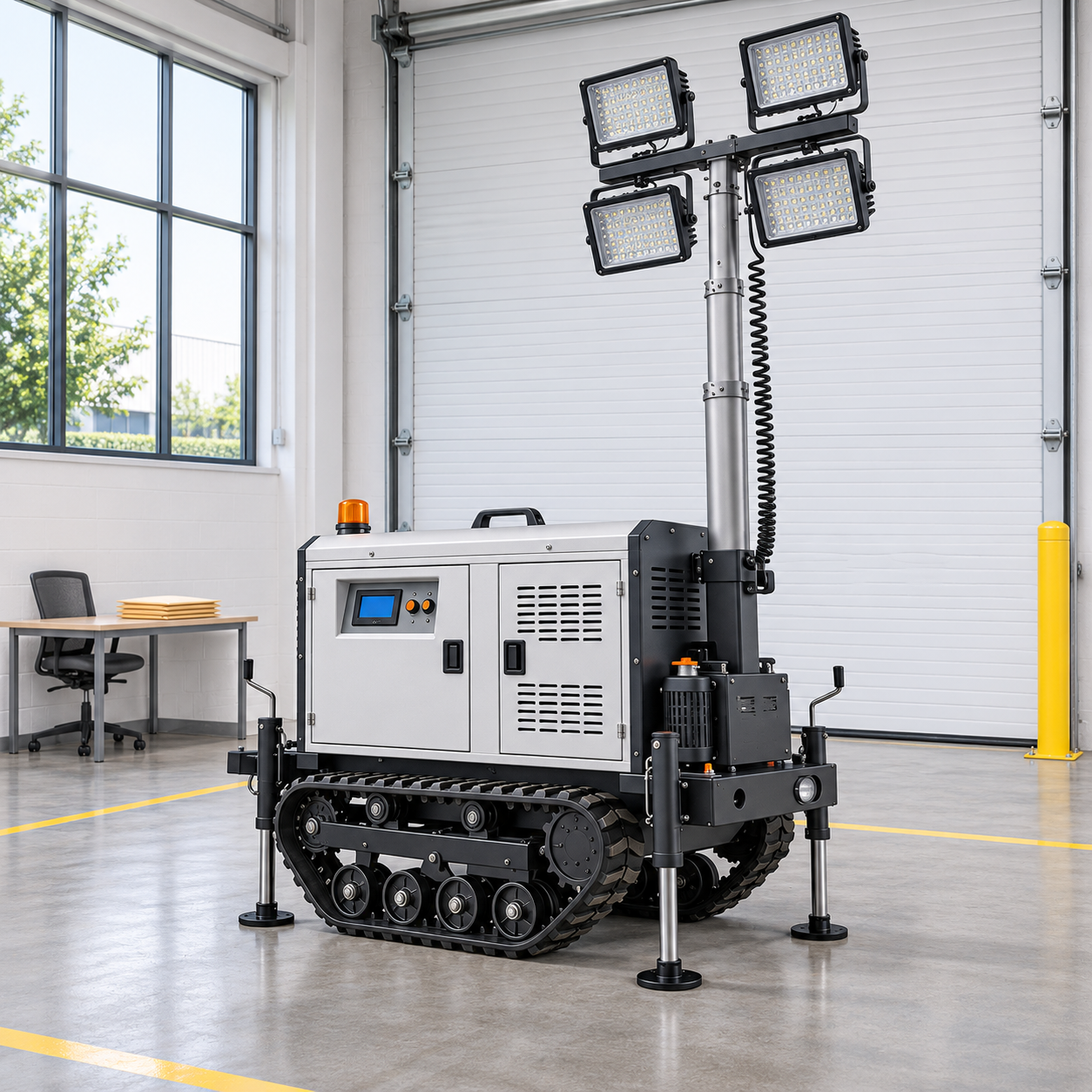
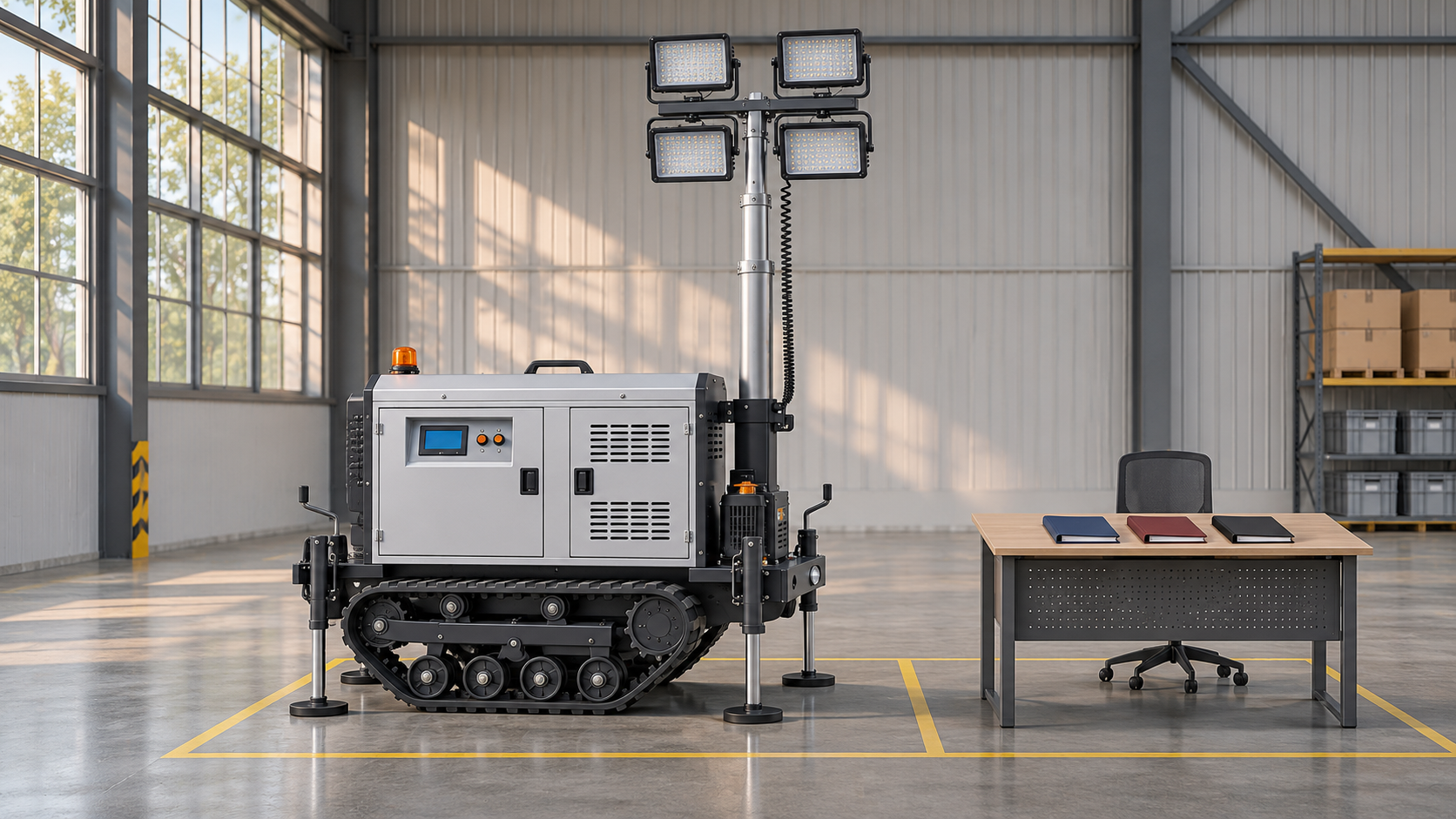
Create an equipment description that connects the purchase order to the supplier's specification. For a tracked light tower, that description can identify the tracked chassis, cabinet, lifting mast and lighting assembly without guessing power ratings or customs classifications. Record the ordered configuration and any separately supplied accessories. Where serial numbers are not yet allocated, distinguish the order-level description from later unit-level identification.
Use photographs as supporting records, with their date and purpose explained. Website photographs illustrate the product family; they do not prove what a particular consignment contains. At dispatch, obtain the actual packing list and unit records. If a quote shows a different mast or head arrangement from the final specification, resolve that discrepancy with the supplier before presenting the file as a coherent description of the goods.
Build a transaction map across the commercial documents
Draw a simple internal map of the parties, orders, invoices and payments. A purchase from a distributor may involve a different commercial chain from a direct purchase from the manufacturer. Record who issues each invoice, which agreement controls the purchase and where supporting cost information originates. The reviewer needs an intelligible transaction story, rather than a pile of documents that happen to mention the same machine.
Match revisions carefully. A provisional invoice, negotiated discount and final invoice can all be authentic while describing different stages. Keep each original, label its status and identify which version is proposed as the current source. Explain separately quoted services and accessories so the adviser can consider them. Do not assume that every separate charge is excluded from customs value, or that every amount printed on a quote must be included.
Use an evidence matrix to expose missing facts
The following table is a practical coordination aid. It assigns questions to the people who can supply the underlying records. It is not an official application form, a valuation calculation or a list that guarantees acceptance. The required evidence depends on the proposed method and the transaction facts.
| Condition | Review or action | Evidence or responsibility |
|---|---|---|
| Equipment identity | Reconcile order configuration and unit records | Supplier and purchasing coordinator |
| Commercial chain | Connect purchase order, invoice and controlling agreement | Procurement and finance |
| Valuation question | Describe the uncertainty and proposed method for review | Authorised customs adviser |
| Supporting originals | Index current contracts and cost explanations | Document owners |
| Issued ruling | Check holder, goods, scenario and declaration handover | Importer and declarant |
This qualitative coordination checklist supports the workflow discussed here; apply the jurisdiction and scope of the Apply for an Advance Valuation Ruling – GOV.UK. It provides no universal numeric acceptance limit.
After the first review, add a status column to your own working copy: received, inconsistent, awaiting explanation or not applicable with a reason. Give each open question an owner and a next action. A missing agreement should remain visibly missing; replacing it with an unsupported sentence in a covering letter makes the file look cleaner without resolving the uncertainty.
Separate factual disclosure from the proposed method
The customs adviser should identify the proposed valuation method and explain the reasoning. Procurement supports that work by disclosing the commercial facts, including relationships between parties, conditions of sale and relevant agreements. A useful covering note distinguishes confirmed facts from questions still awaiting supplier or finance confirmation. Never convert an assumption into a fact simply because a form requires an answer.
The WTO technical explanation describes transaction value as the central starting point, subject to conditions and adjustments, with other methods used in a prescribed framework. That background does not let a buyer select a convenient method by preference. If there is uncertainty over an arrangement, preserve its evidence and request competent analysis. The purpose of the internal file is to make that analysis possible and traceable.
Protect sensitive commercial material without hiding relevant facts
A ruling file can contain pricing agreements, supplier cost information or other sensitive material. Arrange controlled access inside the buying organisation and agree who can provide documents to the authorised representative. HMRC guidance instructs applicants to mark commercially sensitive information confidential. Follow the actual submission instructions; an internal folder name alone does not communicate a confidentiality request to the authority.
Retain original files and create a readable index. Avoid editing supplier invoices to remove inconvenient wording or replace currencies. If a translation or explanatory extract is necessary, identify it as an aid and keep it alongside the original. Check that the file names, index and covering note refer to the same versions. This prevents an adviser from building an explanation around a superseded contract while finance holds the current one.
Plan the handover to the applicant
Nominate the person responsible for the application decision and the person responsible for collecting evidence. These may be different people. A purchasing coordinator can assemble the file, but that role does not itself authorise representation of the importer. Confirm the applicant's identity and the representative's authority through the actual process used by the business.
Hold a brief readiness review before submission. Ask the reviewer to repeat the goods description, transaction chain, proposed method and unresolved matters in their own words. If those points cannot be explained consistently, the file needs further work. Keep an approved version of the evidence index so subsequent requests for clarification can be answered from the same starting point rather than a changing folder of attachments.
Review the issued decision before using it
When a decision arrives, compare its holder, goods description, scenario, dates and method with the intended import. A ruling for one arrangement should not silently become a blanket instruction for every tower ordered by the group. Record who completed this comparison and where the full decision is stored. A spreadsheet entry containing only the reference number is not enough to explain its scope later.
Provide the declarant with the complete relevant instruction, including the reference and approved method, through an authorised handover. If a shipment changes, return to the adviser with the new facts rather than adapting the ruling by intuition. The same product family may be purchased under a materially different contract. Commercial continuity needs evidence, even where the equipment looks identical in the warehouse.
Keep an exception route for changes and uncertainty
Consider a hypothetical buyer that initially orders one complete tracked tower and later adds separately supplied parts and a service agreement. The procurement team should preserve both order versions, identify what changed and ask whether the existing analysis still fits. It should not edit the initial description to conceal the new scope or assume that the added lines have no valuation relevance.
Keep a short change log with the date, document, factual difference, reviewer and disposition. Record whether a question is open, resolved internally or referred for official clarification. This makes the handover usable by a replacement colleague. It also helps distinguish a missing supplier document from a genuine disagreement over interpretation; those problems need different responses.
Close the preparation task with a usable record
A good preparation file lets another authorised person locate the goods description, follow the transaction, understand the question and find the supporting originals without reconstructing an email history. Ask someone outside the collection process to test the index. If they cannot identify the current invoice or the reason an agreement matters, improve the navigation before handover.
Keep the ruling review separate from operational acceptance of the tower. Product inspection, safe commissioning and technical documentation remain their own tasks. The evidence package described here supports a customs valuation discussion about the actual transaction. Its success is the quality of the handover and the clarity of the remaining questions, not a promised ruling outcome or an assumed reduction in duty.
Equipment and related guidance
Identify the equipment context using the Keyyou tracked lifting light tower product page. Request documentation for the actual supplied configuration. Read the Light Tower Commercial Invoice Shipment Reconciliation: Dispatch Checks and related guidance on valuation assists evidence, customs debt responsibility records.
Further learning: Customs Valuation 30-year Commemoration Event
This WTO institutional event explains the customs valuation framework. It is background education, not a tutorial for a UK ruling application or a decision about this equipment.
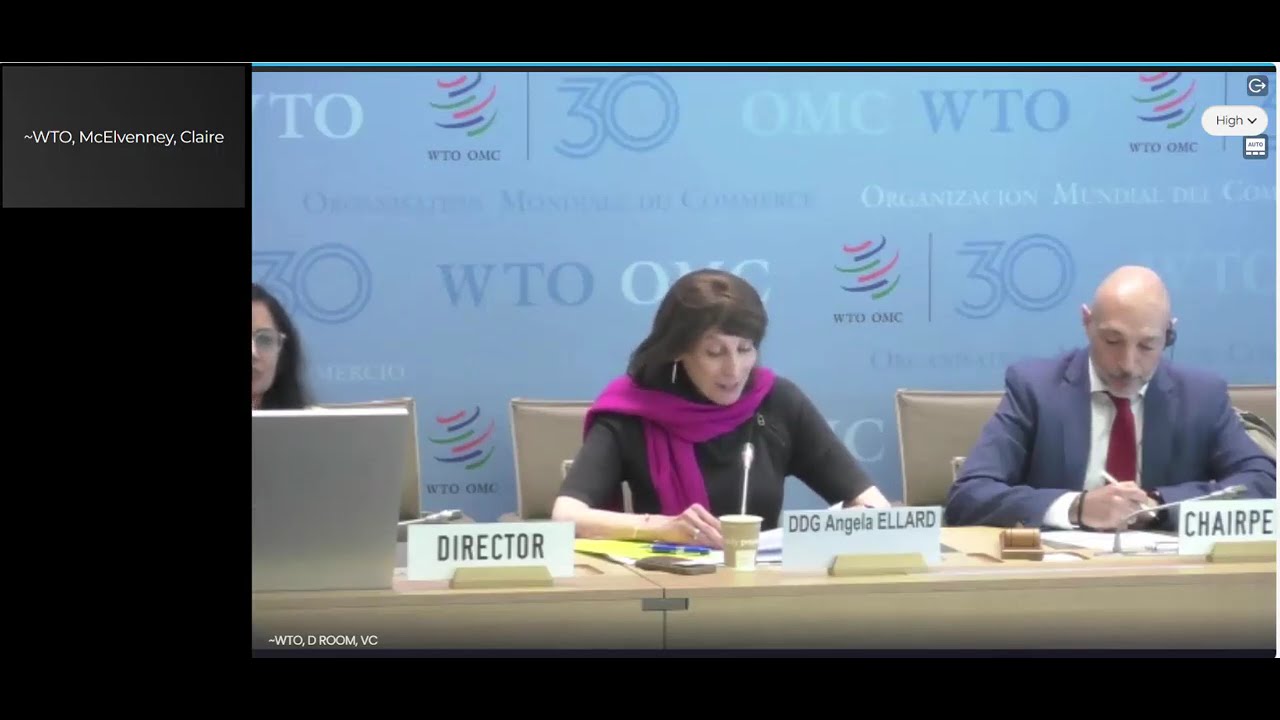
Watch the educational video on YouTube.
Frequently asked questions
Does a product photograph establish customs value?
No. It supports equipment description but does not prove the commercial transaction, price arrangements or applicable valuation method.
Can procurement choose the method by preference?
The proposed method needs competent analysis of the actual facts and applicable framework. Procurement should provide complete records and identify uncertainties.
Is a ruling the same as a tariff classification decision?
No. This preparation workflow concerns valuation method. Classification and origin have different questions and evidence.
Can one ruling automatically cover every later tower order?
Review the holder, goods and transaction scenario before relying on it. A changed agreement or configuration should be referred to the authorised adviser.
Sources and scope
These sources support the specific background principles discussed above. Their jurisdictions and subjects differ; they do not certify the pictured equipment or approve an individual shipment or installation.