

Light Tower Customs Records Disaster Recovery Readiness: Test the Evidence Chain
Build and test a recoverable light tower import record file, connecting equipment identity, declarations, permissions and later corrections.
Light tower customs records disaster recovery readiness means proving that your business can restore a usable shipment evidence chain after files or systems become unavailable. Start with one completed import, recover its records into a controlled test location, and check that equipment identity, commercial documents, declarations and later decisions still connect. A backup notification alone does not establish that result. The practical goal is to let the responsible customs team explain what happened to a particular unit without guessing, silently replacing originals or treating a supplier’s duplicate invoice as proof of customs release.
Define what recovery must explain
For a tracked lighting tower, the record chain begins with the commercial order and actual supplied configuration. It may continue through packing, transport, customs entry, procedural permissions and receipt. The importer should identify which of those records it holds and which remain with a representative or other party. A drawing or photograph helps identify the equipment but cannot replace the declaration or a decision issued by an authority.
Decide what questions a recovered file should answer. Which business imported this unit? Which order and shipment were involved? Which declaration reference belongs to it? Was there a correction, examination or subsequent procedure? A test that only retrieves the latest quotation leaves those questions unanswered. Write the expected record list before selecting files so that an attractive sample does not conceal an important missing category.
Separate customs requirements from backup design
HMRC’s AEO record-keeping guidance discusses audit trails, protection of information and the ability to archive and retrieve records. Its context is AEO assessment; it is not a claim that every equipment buyer holds AEO status. New Zealand’s cyber-security guidance addresses backup and restoration practice. It supports the technical recovery discussion rather than changing UK customs rules. Use each source within that boundary.
The business should obtain advice on the retention duties applying to its own procedure and jurisdiction. There is no single period in this article that replaces those duties. Equally, a long retention promise does not prove that encrypted attachments can be opened or that a departed employee’s account can be accessed lawfully. The records owner and IT owner need a shared plan that covers content, access and practical retrieval.
Build an equipment-centred record index
Create a small index linking the purchase order, supplier model description, available unit identifiers and shipping references. Record the origin of each identifier. Do not invent a serial number because a product photograph has an unreadable plate. If a shipment contains several similar towers, identify how the packing list and receiving record distinguish them, and preserve any uncertainty for the responsible reviewer to resolve.
Include the version and custodian of each important file. The final invoice may differ from a quotation; an amended declaration may follow the original entry. Keep those distinctions visible. A recovery folder that gives every version the same generic filename can be technically complete yet commercially misleading. The index should point to the actual file and explain whether it is original, corrected, reproduced by another party or still missing.
Choose a meaningful restoration sample
Use a completed shipment that includes enough variation to exercise the process: for example, a revised packing record or correspondence returned by an agent. This is an internal test design suggestion, not an instruction to create artificial customs events. Keep the sample proportionate and avoid copying credentials or unnecessary personal information into the test environment. The IT owner should define the permitted location and access before recovery begins.
Ask someone who did not assemble the original shipment folder to follow the index. Can that person find the declaration attachment, open the invoice and connect them to the correct equipment? Record missing software, broken links and inaccessible attachments as findings. Do not count a file as restored merely because its filename appears in a directory. Successful recovery requires readable content and enough context for its intended business use.
Use a practical recovery checklist
| Condition | Review or action | Evidence or responsibility |
|---|---|---|
| Identify | Select a completed light tower shipment and list its connected records | Customs lead defines the evidence chain |
| Recover | Restore copies into an isolated test location | IT owner documents the actual restore result |
| Validate | Open files and reconcile equipment, shipment and declaration references | Procurement and customs review the same sample |
| Reconcile | Identify changes created after the recovered copy | Responsible staff log corrections without overwriting originals |
| Close | Record unresolved files and repeat the failed part of the test | Named owner approves a usable recovery pack |
This qualitative coordination checklist supports the workflow discussed here; apply the jurisdiction and scope of the Authorised Economic Operator (AEO) – Authorised Economic Operator Criteria – Record Keeping – Guidance – GOV.UK. It provides no universal numeric acceptance limit.
The table divides the exercise into responsibilities so that a server restore does not get mistaken for a completed customs review. Keep the actual outcomes beside the checklist, including the time of the test and the sample chosen. Where a step fails, identify the affected record and next action. Avoid a single green status that hides an unreadable document or unresolved declaration reference.
Reconcile activity after the backup
A recovered copy represents an earlier state. Procurement may have received a corrected invoice after that point, and the customs team may have exchanged later messages. List the sources of those subsequent changes before returning recovered records to operational use. Preserve the original restored material and add the later evidence through a controlled reconciliation process rather than overwriting it without explanation.
For example, an internal receiving note may show one tower while a later packing correction explains a separate accessory crate. Keep both records and the explanation that connects them. This illustrative example makes no claim about an actual Keyyou shipment. The useful lesson is to resolve differences with evidence, authorship and dates rather than assuming whichever file was recovered last must be the authoritative version.
Plan for records held by an intermediary
Agree how the importer can obtain copies of declarations, supporting attachments and relevant messages from its representative. Establish a business contact and fallback contact that remain usable when an individual is absent. Do not assume the supplier or carrier holds the same record set. Each participant sees a different part of the transaction, and a transport delivery receipt may not answer a question about a customs decision.
During a test, request a sample through the agreed route or verify that the existing return arrangement is documented. Make clear that the request is a recovery exercise and does not authorise a new declaration or correction. If a party cannot provide a record, log the limitation and seek the proper source. A reconstructed narrative should never be presented as an original authority message.
Protect recovery access as well as files
The backup plan must consider who can restore data when normal access is unavailable. Use approved administrative arrangements and secure credential handling; do not put passwords inside the shipment folder or share a general login among suppliers, agents and purchasing staff. Keep the means of recovery available to authorised people while limiting access to the underlying commercial information.
Cyber-security guidance encourages testing restoration and separating backups so a failure affecting the main system does not necessarily affect every copy. The exact design should suit the organisation and be checked by its IT specialists. This article does not prescribe a product, certify a network or guarantee resilience against an attack. Its procurement contribution is to identify which equipment records must remain recoverable and how to check their usefulness.
Record a failure without rewriting history
If a test reveals a missing certificate or message, record when it was discovered and which transaction is affected. Search the approved archives and contact the responsible custodian. Any later copy should retain its provenance, including who supplied it and when. Do not backdate the recovery note or describe a newly written explanation as if it had existed at the shipment date.
Where the missing record affects a current customs question, the importer should obtain appropriate procedural advice. A successful IT repair does not settle liability, establish release or approve continued use of a procedure. Keep the operational question with the responsible customs lead while the technical team restores access. That division helps both teams work without creating an unsupported legal conclusion.
Close the exercise with usable evidence
The completion pack should name the shipment tested, the restored record set, the checks performed and unresolved items. Record who verified equipment identity and who checked procedural correspondence. If the first restoration failed, preserve the failure and the later retest result. This creates a practical learning record and prevents the next reviewer from assuming an untested archive is reliable.
Set the next exercise according to business change and risk rather than treating a calendar reminder as proof of readiness. A new records platform, agent or filing arrangement may change what needs testing. Include the customs records owner when those changes are planned, so the recovery requirement is understood before the old arrangement disappears.
Ask for the right supplier contribution
When preparing a purchase or replacement record pack, ask the supplier for the order reference, actual model description, final commercial documents and available identification photographs. Specify which versions are required and how they should be named. Request accurate copies of existing records rather than a blanket statement that all customs obligations have been satisfied. The supplier can explain equipment and its own transaction documents; other parties retain responsibility for their own procedural evidence.
Before relying on the pack, compare the returned documents with the receiving and declaration records already held. Resolve configuration or quantity differences through the appropriate business contacts. The result should be a recoverable chain that a reviewer can follow from equipment to shipment and procedure, with gaps clearly marked. That is a stronger readiness outcome than a large archive whose contents have never been opened or reconciled.
Equipment and related guidance
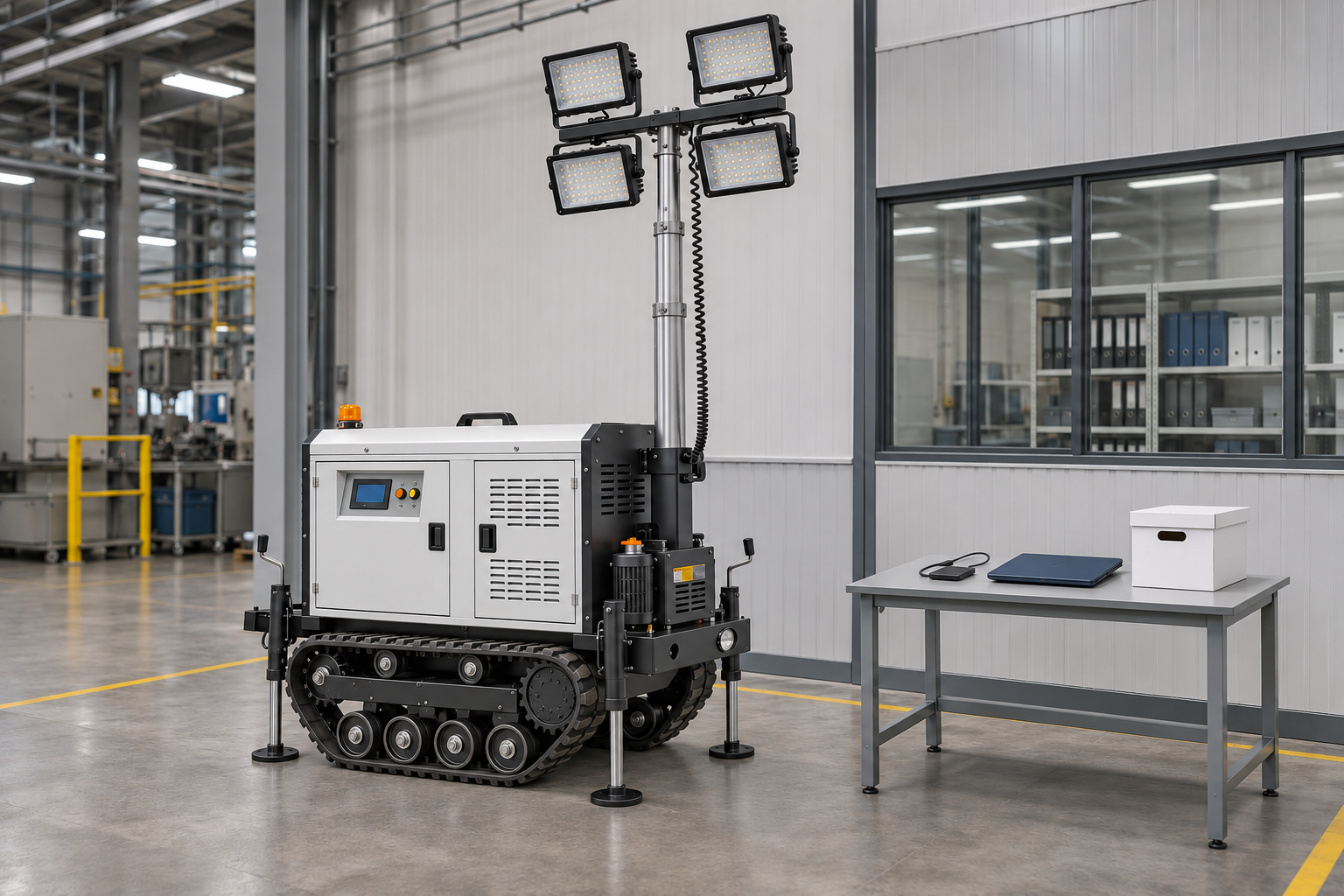
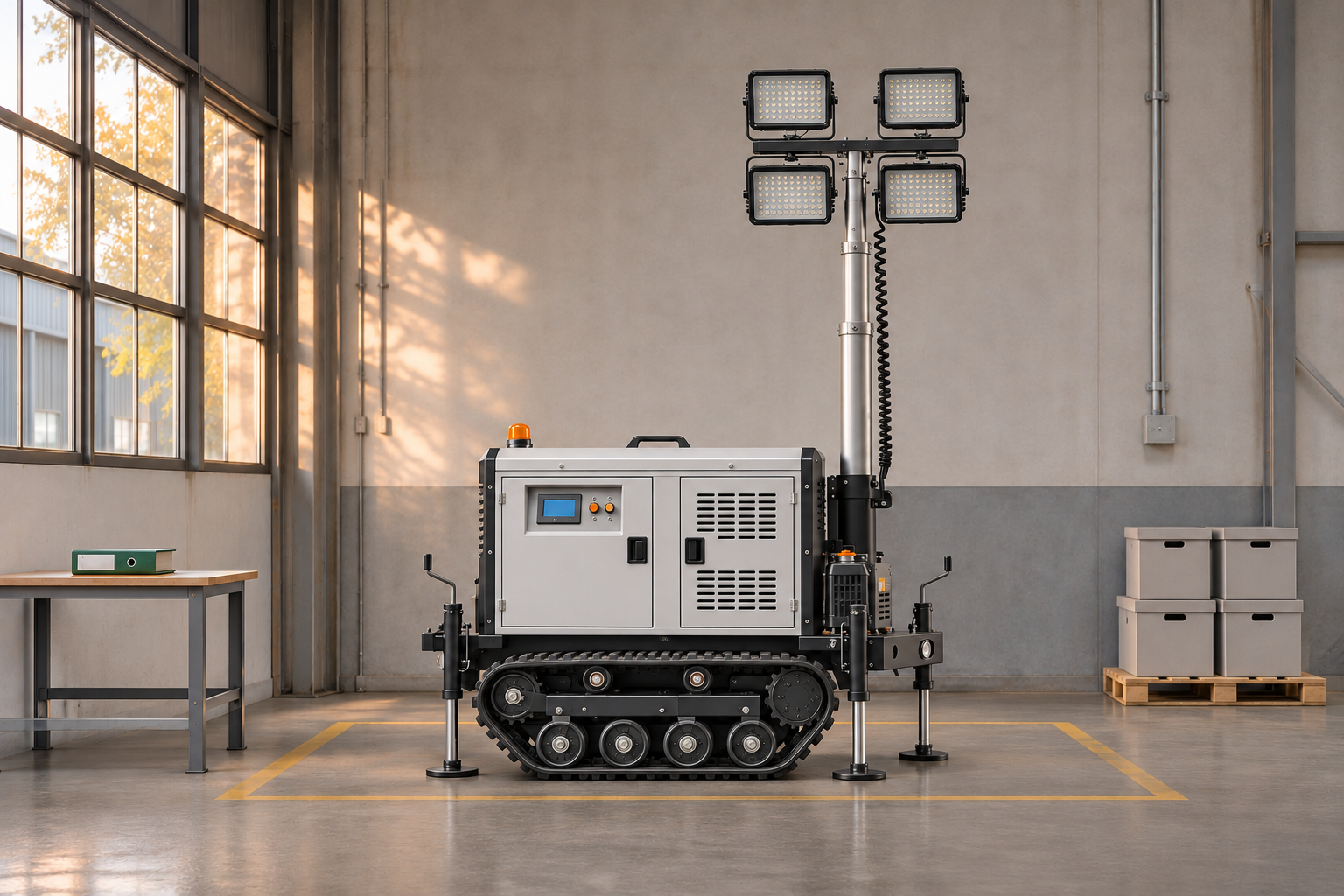
Identify the equipment context using the Keyyou tracked lifting light tower product page. Request documentation for the actual supplied configuration. Read the Light Tower for Sale: A Practical Procurement Guide and related guidance on AEO change evidence, penalty evidence chronology.
Further learning: Data backups and the NCSC 3-2-1 rule
The Local Government Association explains data backups and the NCSC 3-2-1 rule for a non-technical council audience. The general backup concept supports this records-recovery discussion; it does not prescribe customs retention periods or certify a particular system.
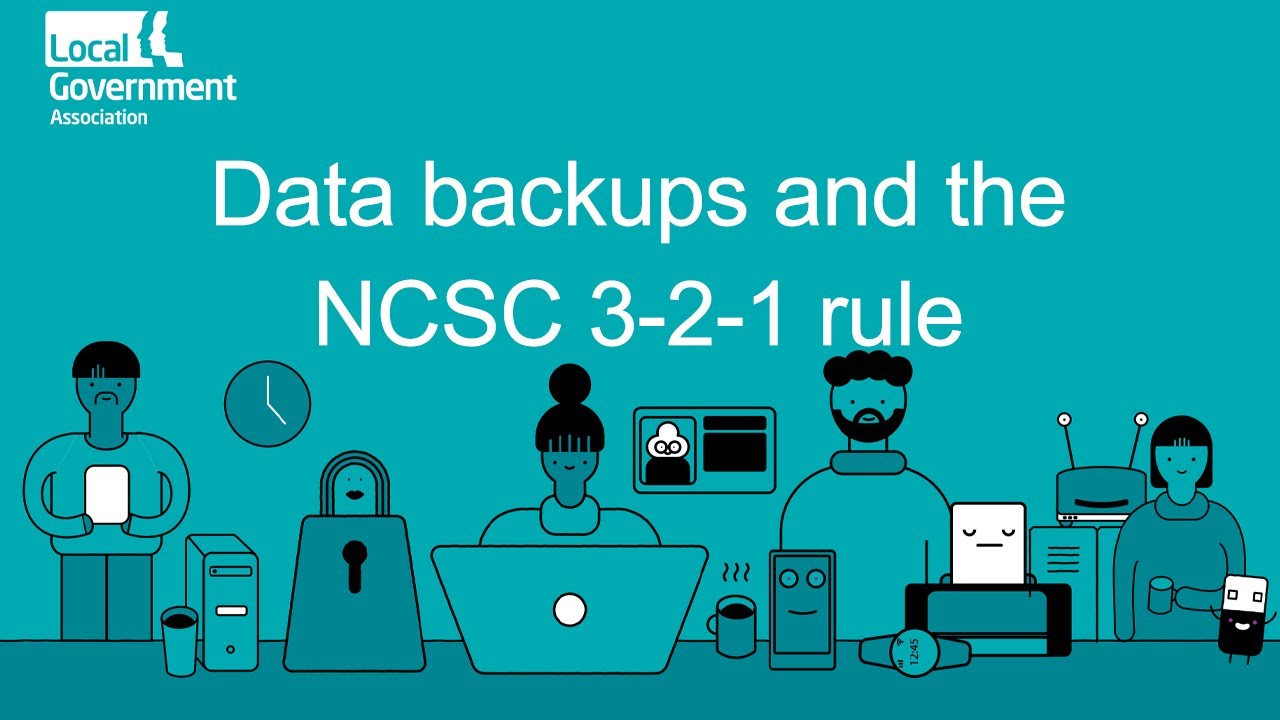
Watch the educational video on YouTube.
Frequently asked questions
Is an email archive a complete customs recovery plan?
No. It may contain some records, but the recovery test must also cover connected declarations, attachments, decisions, equipment identification and access arrangements.
Does a successful backup notification prove recovery?
No. Restore a sample, open it and check its links and versions before relying on the notification.
Can a supplier replace every missing customs record?
No. A supplier may reproduce its own commercial records, while the importer, representative or authority may hold different procedural evidence.
Does this checklist set a universal retention period?
No. Confirm the retention duties applicable to the procedure, jurisdiction, authorisation and records involved.
Sources and scope
These sources support the specific background principles discussed above. Their jurisdictions and subjects differ; they do not certify the pictured equipment or approve an individual shipment or installation.


