

Light Tower RoHS Supplier Evidence: Scope, Records and Change Control
Connect the supplied light tower configuration to a competent scope review, traceable supplier documentation and controlled evidence updates.
Light tower RoHS supplier evidence should connect the exact equipment configuration to a documented scope assessment and the relevant material, component and conformity records. A generic logo or an undated statement is not enough to explain what was assessed. First establish the destination market and the actual supplied product with a competent compliance reviewer. Then request the evidence needed for that conclusion. This article provides a buyer’s document review workflow, not a finding that a Keyyou machine is in scope, excluded, certified or compliant. EU and UK arrangements require their own current assessment; do not treat them as interchangeable.
Establish market and product scope before requesting certificates
Write down where the equipment will be placed on the market, which legal entities are involved, and the configuration being supplied. The European Commission explains that RoHS restricts hazardous substances in electrical and electronic equipment, with specific exclusions. The presence of lamps does not resolve every scope question for a complete machine. Ask a competent reviewer to document the applicable reasoning rather than drawing a conclusion from the catalogue photograph. Read the cited European Commission: RoHS Directive guidance.
Keep the review tied to a specific model and revision, including separately supplied equipment where relevant. If the supplier proposes an exclusion, ask for the technical facts and legal basis supporting it. Record any assumptions that still need confirmation. This article does not determine whether a tracked tower, a particular lamp assembly or an optional accessory meets an exclusion or exemption condition.
Distinguish a scope exclusion from a substance exemption
These questions should have separate entries in the review file. A scope conclusion concerns whether the relevant rules apply to the identified equipment. A claimed exemption concerns a permitted application under the applicable framework and conditions. The reviewer must establish which question is being answered, what evidence supports the answer, and whether the supplied configuration matches that evidence.
Avoid accepting the word exempt without explanation. Request the precise reference, intended application and relevant validity conditions from the supplier for review. The European Commission provides official RoHS information and links to implementation resources. For Great Britain, official UK guidance explains that its exemption system operates separately from the EU system. Do not assume one market’s answer settles another market’s assessment.
| Condition | Review or action | Evidence or responsibility |
|---|---|---|
| Market and configuration | Identify actual product and destination | Competent scope assessment |
| Exclusion claim | Request facts and applicable legal basis | Documented reviewer conclusion |
| Exemption claim | Identify application and validity conditions | Current jurisdiction-specific reference |
| Supplier records | Map declarations and reports to actual parts | Evidence index and issuer clarification |
| Product changes | Review affected evidence before reliance | Supplier notification and revision record |
| Release decision | Keep unresolved gaps visible | Authorized compliance owner |
This qualitative coordination checklist supports the workflow discussed here; apply the jurisdiction and scope of the European Commission: RoHS Directive. It provides no universal numeric acceptance limit.
Build an evidence map for the supplied configuration
Create an index that links the ordered machine to the technical documents used in the review. The supplier should identify the records that support its position and explain how those records connect to the finished equipment. A large folder of certificates is less useful when nobody can establish which cable, lamp assembly, control unit or production revision each document covers.
Use confirmed component identities rather than a buyer’s guess about the materials inside the machine. Where the supplier maintains confidential design information, agree an appropriate way for the responsible reviewer to obtain sufficient evidence. Do not demand public release of an entire proprietary design merely to populate a checklist. The goal is a traceable conclusion supported by suitable records, with unresolved areas clearly identified.

Read declarations for identity and actual meaning
Check the issuer, product identification, applicable legislation, date and authorization details against the actual transaction. A declaration covering one component cannot automatically be treated as a declaration for the whole machine. Equally, a document title that says certificate does not establish the issuer’s role, the procedure used or the scope of the underlying assessment.
Ask the supplier to explain any mismatch before relying on the document. Examples include a different model suffix, an unlisted accessory or an issuer name that cannot be reconciled with the manufacturing arrangement. Keep the original file and the clarification together. Do not edit a declaration yourself to make the model name match the purchase order. Corrections belong with the authorized issuer and need a controlled record.
Assess test reports through the responsible technical reviewer
Where testing forms part of the evidence, ask what sample was examined and how it relates to the supplied product. A report needs enough identification for the reviewer to understand the material or component scope, method, results and limitations. A photograph of a laboratory instrument or a pass mark in a spreadsheet cannot answer those questions.
Do not prescribe an improvised sampling plan or ask warehouse staff to cut open equipment to collect material. The responsible specialists should determine whether further evidence or testing is needed and arrange an appropriate procedure. This guide provides no test method, instrument setting or acceptance calculation. A result from one sample should not be extended to other suppliers, finishes or production changes without a documented technical basis.
Explain why a CE mark does not replace the technical file
The European Commission describes CE marking as the manufacturer’s declaration under the applicable product rules, rather than approval by an EU authority. Its relevance depends on the legislation applicable to the identified product. A buyer should therefore review the supporting documentation and applicable scope, not use a photograph of a mark as the entire substance-compliance assessment.
Keep the RoHS question distinct from other requirements that may apply to the tower. Electrical safety, machinery, electromagnetic compatibility and waste obligations do not all ask the same question. A document addressing one subject is not a substitute for all the others. This article neither supplies a complete market-access checklist nor declares which additional rules apply to a particular machine; that needs the actual product and market review.
Control supplier and component changes
Ask the supplier how relevant evidence is maintained when a component source, material, finish or design revision changes. Record the actual change against the equipment and evidence index. A replacement that looks identical may still require a review of the supporting information. Conversely, the buyer should not assume every administrative document revision represents a material change to the product.
Agree who notifies whom and which records must be reconsidered before further supply. In the purchasing file, keep the approved configuration separate from proposed alternatives. If the buyer requests a substitute accessory late in production, send that request through the same review route. Do not allow a commercial email accepting a substitute to become an undocumented conclusion that every existing compliance record still covers it.

Resolve missing evidence without inventing a pass
A useful discrepancy note names the exact gap and the decision it prevents. For example, the supplier may have provided a declaration for the lamp assembly while the responsible reviewer still needs the basis for the complete equipment scope. That is more actionable than saying documentation incomplete. Assign an owner, request the missing information and keep the affected release decision with the authorized party.
Distinguish an unavailable record from evidence of non-compliance. Both may require action, but they are different findings. Avoid marking an unresolved question compliant simply because delivery is approaching. The buyer’s team should obtain a clear decision from the responsible compliance owner based on the available facts and applicable requirements. An article checklist has no authority to waive a legal obligation or approve release.
Keep responsibilities clear across the supply chain
UK guidance sets out different duties for manufacturers, importers and distributors within its scope. The appropriate role depends on the actual business and transaction. Put legal entity names and contacts into the project file so questions reach the right owner. A purchasing agent forwarding documents is not necessarily the party entitled to make the manufacturer’s declaration or the importer’s compliance decision.
Where equipment will be marketed under another business’s name or modified, obtain advice on the resulting responsibilities. Do not assume a supplier’s general statement settles the obligations of every downstream party. Keep the original manufacturer evidence available to the authorized reviewer and preserve the chain of clarifications. This helps distinguish what the supplier has stated from what the buyer has independently verified.
Assemble a usable handover rather than a document archive
Close the review with an index showing the configuration, market, scope conclusion, supporting records, remaining limitations and the person responsible for the decision. Link every conclusion to identifiable evidence. For recurring orders, include the review date and the conditions that should cause the file to be reopened. A folder containing many old reports is not proof that the latest machine has been assessed.
Give sales, purchasing and receiving teams the instructions they need without turning technical conclusions into broad advertising claims. If the evidence only supports a defined component or market, preserve that boundary in the wording. For the next order, confirm whether the model, supply chain and destination remain the same. A careful evidence file supports an accurate decision and an efficient handover; it does not create a certification that the underlying records do not establish.
Equipment and related guidance
Identify the equipment context using the Keyyou tracked lifting light tower product page. Request documentation for the actual supplied configuration. Read the Light Tower for Sale: A Practical Procurement Guide and related guidance on electromagnetic compatibility documentation, photobiological assessment evidence.
Further learning: EU Single Market Certifying Your Product with the CE Marking
The International Trade Administration introduces CE marking and the manufacturer declaration context. This is background for understanding documentation, not a RoHS scope determination or approval of the pictured equipment. Apply current official requirements for the actual market.
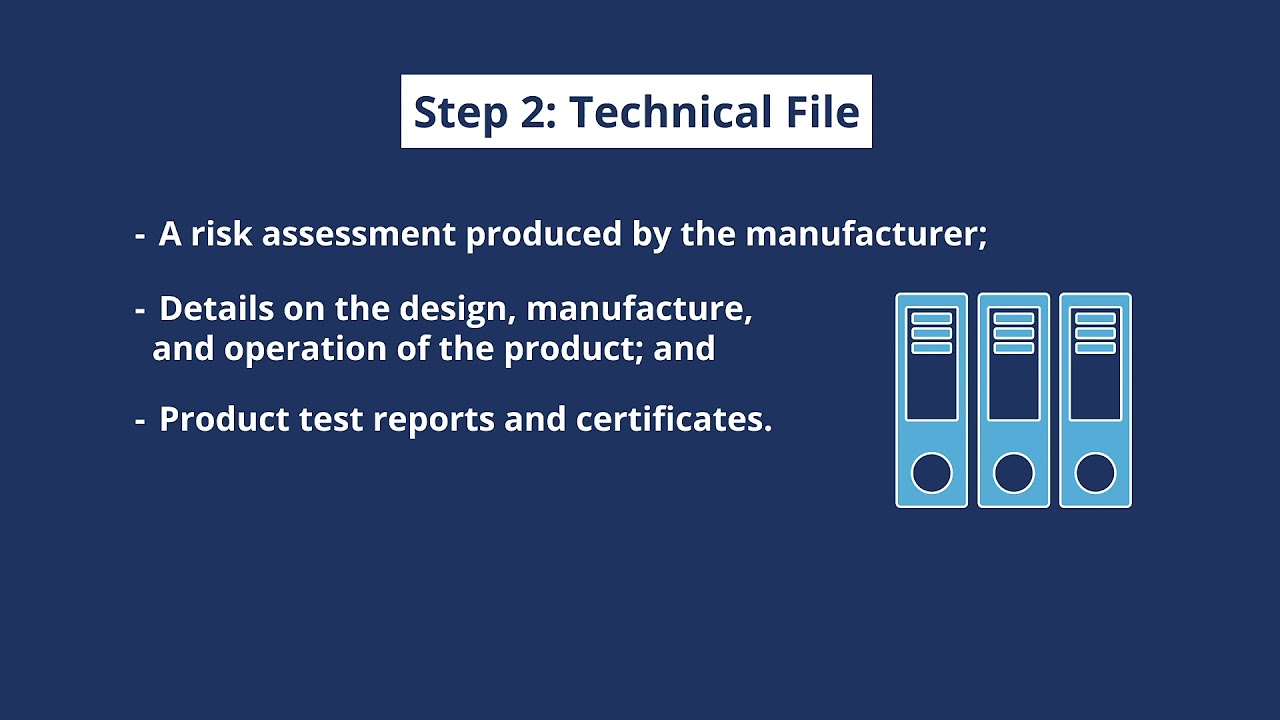
Watch the educational video on YouTube.
Frequently asked questions
Does this guide declare a Keyyou tower RoHS compliant?
No. It explains how to organize evidence. Actual scope and compliance need a competent review of the specific product, market and supporting documentation.
Can a lamp declaration cover the entire tower?
Do not assume that. Establish what product or component the declaration identifies and what evidence supports the conclusion for the complete supplied configuration.
Is a CE logo enough to verify substance compliance?
No. Review the relevant scope, declaration and supporting technical documentation. A mark is not a replacement for the evidence behind it.
Can an EU exemption be assumed valid in Great Britain?
No. UK guidance explains that Great Britain operates its own exemption system. Obtain a current assessment for the actual destination market.
Sources and scope
These sources support the specific background principles discussed above. Their jurisdictions and subjects differ; they do not certify the pictured equipment or approve an individual shipment or installation.