
Pipeline Construction Light Towers: Spacing and Relocation
Plan pipeline construction light towers for changing trench fronts, welding stations, pipe handling, temporary access routes, and safe relocation after each shift.
Pipeline construction light towers should follow the changing workfront, illuminate the actual task and approved access, and remain clear of trench and handling restrictions. Plan relocation and power routes before assigning spacing, then inspect the accepted layout at each new work section.
Plan lighting as the pipeline work front moves
Pipeline construction light towers need a relocation plan linked to the actual work front. Distinguish the open trench, pipe handling area, joint preparation or welding station, and temporary access route. A tower position that serves joint work today may sit in tomorrow’s vehicle corridor. Put the permitted locations and relocation triggers on the work sketch, including who checks the changed arrangement before the next shift begins.
The geometry of pipe sections and the trench can obstruct a task even where the surrounding ground is bright. Review the view from the crew’s actual position, and obtain an approved task-light arrangement where general lighting cannot reveal the required detail. Avoid placing a mobile unit at a trench edge simply to shorten the lighting distance. Ground stability, buried services, excavation restrictions, supports, and mast clearances require the responsible site team’s review.
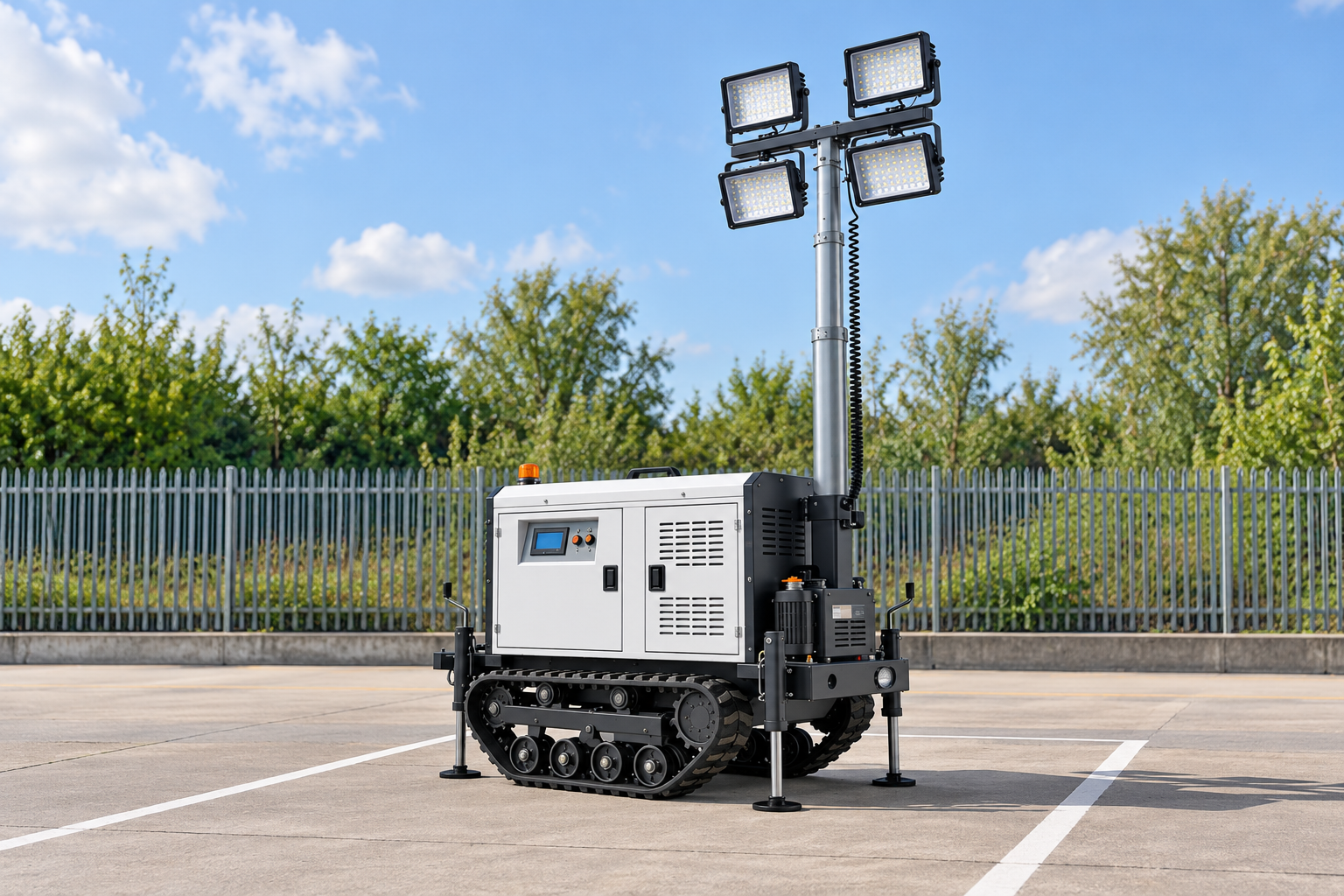
A relocation should include the exact model’s shutdown, mast-lowering, movement, and setup procedure. Recheck cable routes, traffic approaches, glare, and the lighting of access points after movement. Keep a record of the installed position and output mode so that successive shifts do not assume the previous layout remains valid. This article addresses a linear construction front; permanent station lighting and work inside a classified pumping facility involve a separate assessment and should not be inferred from the pipeline trench arrangement.
Die fünf Probleme, die die Entscheidung bestimmen
| Entscheidungsbereich | Was zu überprüfen ist |
|---|---|
| Linear workfront | Divide the pipeline workfront into the activities actually taking place: access, excavation, handling, joining, inspection, and reinstatement. |
| Relocation path | Plan where each tower can travel, where it can be deployed, and how it can be serviced as the work advances. |
| Cable management | Identify whether the proposed tower is self-contained or needs an external electrical supply. |
| Traffic separation | Show tower locations together with pipe deliveries, lifting positions, crew access, and the site’s traffic controls. |
| Verifizierung | Inspect the proposed layout at night under a controlled arrangement before the next work section uses it. |
1. Linear workfront
Divide the pipeline workfront into the activities actually taking place: access, excavation, handling, joining, inspection, and reinstatement. The crew’s required views vary between stages, so a straight line of equally spaced towers is only a proposal to assess. Record work boundaries, obstructions, and permitted observer positions on the current workfront drawing. Ask the supervisor which tasks need close lighting in addition to area coverage. Do not assume that illuminating the ground beside the trench reveals a connection hidden behind the pipe or handling equipment.
2. Relocation path
Plan where each tower can travel, where it can be deployed, and how it can be serviced as the work advances. Check crossings, soft ground, excavations, and interactions with lifting or delivery equipment. Use the exact tower’s transport and movement instructions; being mobile does not mean that it may move with its mast raised. Reserve the complete support footprint at the next location before relocation begins. The supervisor should authorize the move and the subsequent lighting check before the new section becomes the active workfront.
3. Cable management
Identify whether the proposed tower is self-contained or needs an external electrical supply. For external power, the responsible electrical team should review protection, connections, cable routes, and the conditions along the changing workfront. Keep temporary leads out of approved vehicle and handling movements through a reviewed arrangement. Do not extend the route by adding unapproved connections as the trench advances. The handover should identify the authorized supply configuration and who checks it after relocation, damage, heavy weather, or a changed crossing.
4. Traffic separation
Show tower locations together with pipe deliveries, lifting positions, crew access, and the site’s traffic controls. A clear area beside the trench can still be needed for a vehicle turn or equipment setup. Review service access so that charging, refuelling, or inspection does not introduce a person into an uncontrolled movement route. Check lamp direction from the relevant vehicle approach and pedestrian position. Lighting supports the workfront’s traffic plan; it does not replace exclusion zones, the required communication procedure, or an approved access arrangement.
5. Verifizierung
Inspect the proposed layout at night under a controlled arrangement before the next work section uses it. Review task detail, trench edges, access, and equipment shadows from authorized positions. Record aiming and the representative pipe, vehicle, and equipment configuration, together with any required measurements. Define who can authorize a lighting change and the failure response for affected work. Recheck after a moved workfront, new pipe storage, altered crossing, tower exchange, or revised supply route instead of treating the initial installation as approval for the whole pipeline.
Establish the unit of work for each relocation
Describe the pipeline section the lighting proposal must support, including its present boundaries, access crossings, pipe storage, handling positions, and inspection tasks. Different stages can occupy the same corridor while needing different views. A joining task, a delivery, and reinstatement should not be represented by one undifferentiated coverage area. Ask the supervisor to identify the active activities and any tasks that will run concurrently.
Request the supplier’s layout and fixture information for that particular section. The proposal should state its assumptions about mounting, obstructions, operating period, and power. Keep the exact offered tower configuration identifiable so that a subsequent substitution does not silently change the deployed footprint or light distribution. Photographs of another project can illustrate an equipment family but cannot verify the arrangement beside this excavation.
Make the relocation boundary explicit. Record which conditions allow the lighting record to carry forward and which require a new assessment. Even where the trench remains straight, a crossing, stockpile, parked machine, or different joining position can alter the required views. The workfront drawing and acceptance record should therefore describe the installed section rather than imply approval of the entire pipeline route.
Stage the next position before the work advances
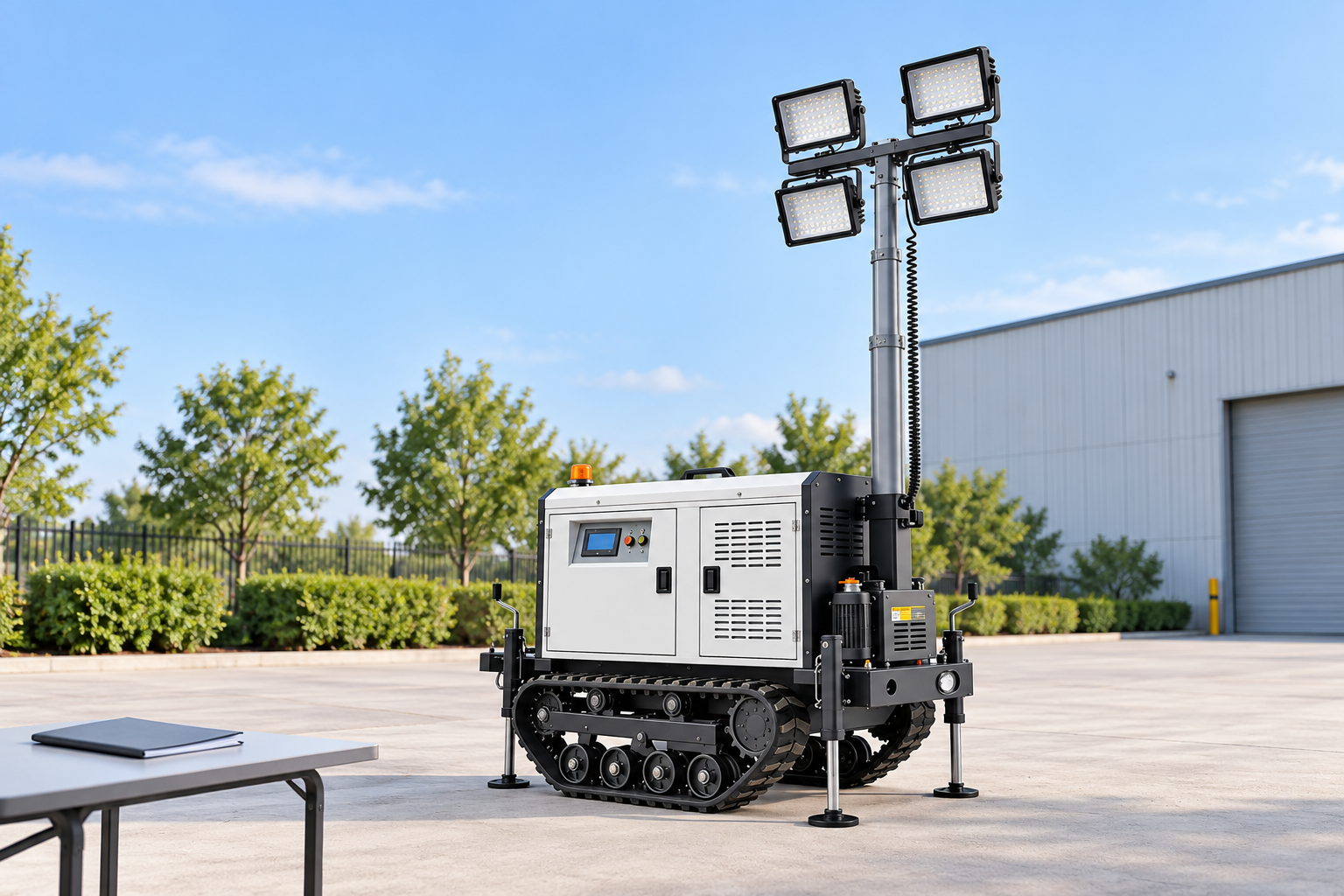
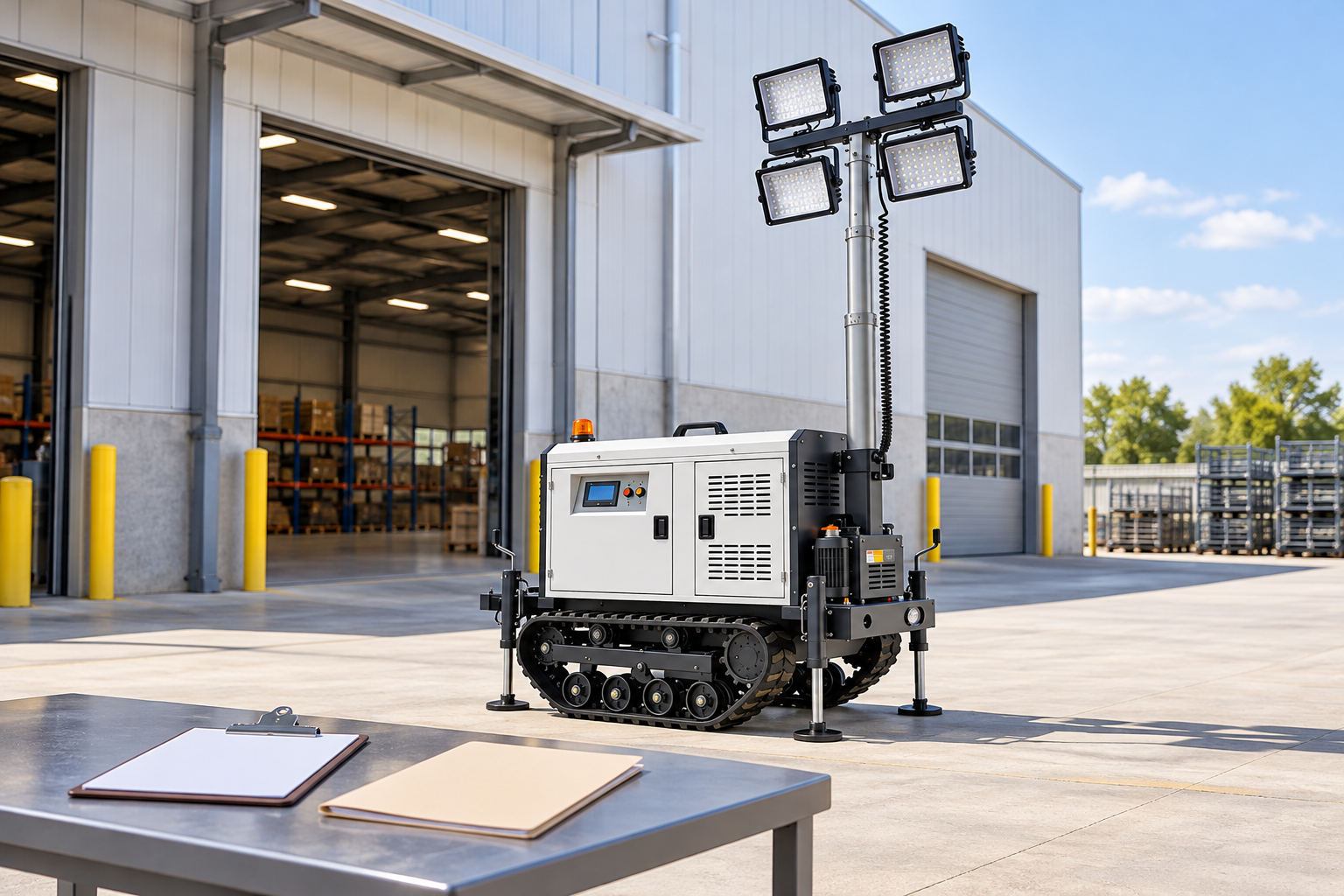
Coordinate the next deployment with the supervisor before the current workfront moves. Review the travel route, ground, approved support location, access for servicing, and interactions with deliveries or lifting equipment. Follow the exact tower’s movement and mast instructions. A tracked chassis or towable base does not authorize movement in every operating state or on every part of the corridor.
Where external cables are used, include the next supply route in that review. The responsible electrical team should determine the permitted protection, connections, and crossing arrangement. Do not create a chain of unreviewed extensions as the work advances. Record who inspects the revised supply and how equipment damage or a changed vehicle route is reported before affected work resumes.
Accept the new section under a controlled nighttime check. Review the required connection, access, edge, and equipment observations from authorized positions. Include representative pipe storage and handling equipment because they can change the shadows. Retain the tower identity, aiming, mode, installation conditions, and project measurements with the section record. A familiar setup can still need adjustment when the new location introduces different obstructions.
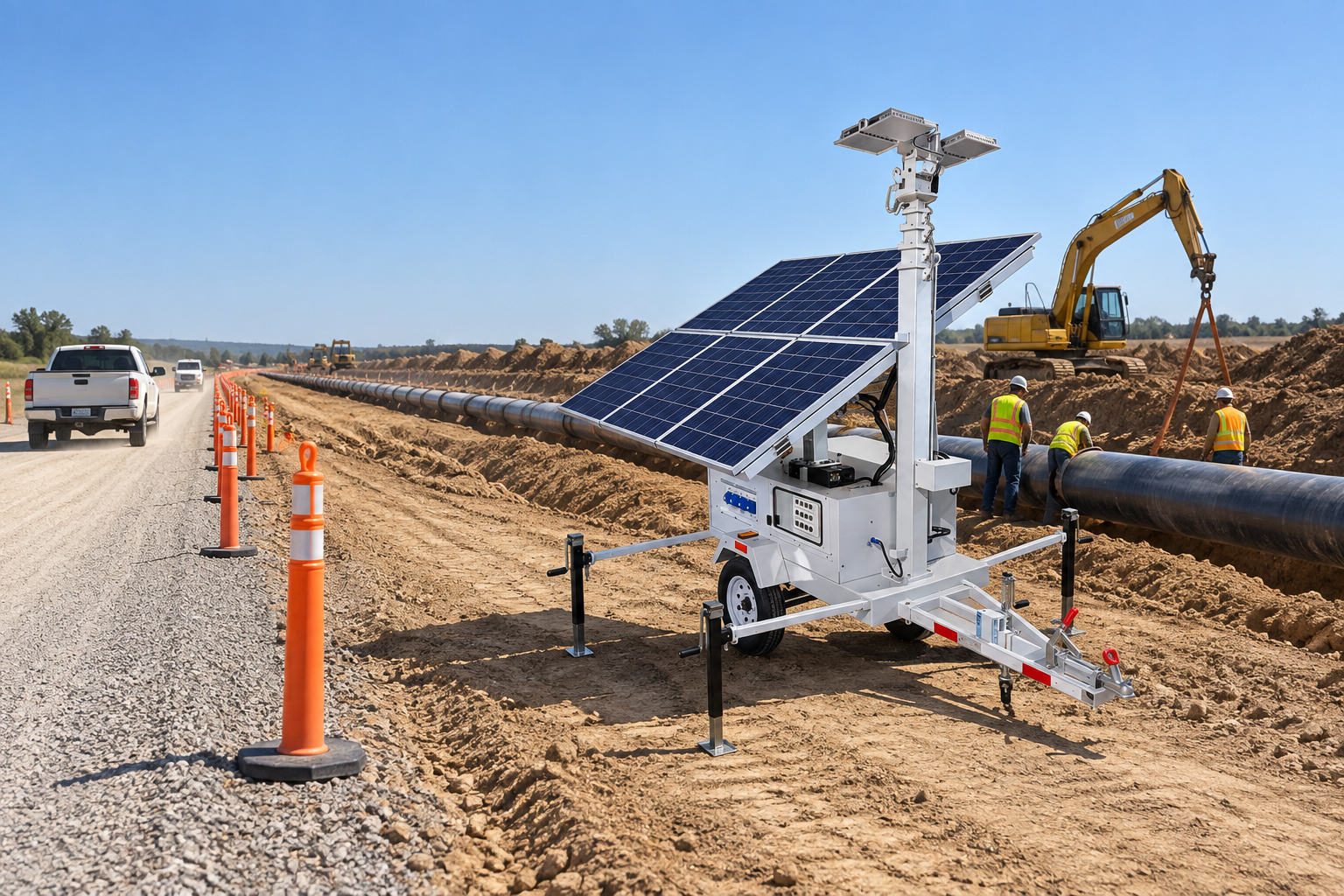
Compare continuous-operation and relocation costs
Specify the full lighting window, including setup, production, inspection, shift overlap, and permitted service activities. Ask how the proposed power arrangement supports that duty. An attractive runtime claim is of little practical use if the unit needs charging when the corridor has no approved charging location or service access. Have the supplier explain the mode and conditions behind its energy figures.
Compare quotations using the same relocation frequency and service assumptions. Include the time required to lower, move, deploy, inspect, and accept the equipment through approved procedures. Consider crew availability, transport access, an authorized power arrangement, and the parts or replacement equipment needed if a defect interrupts work. Do not infer these operating costs from the delivered price alone.
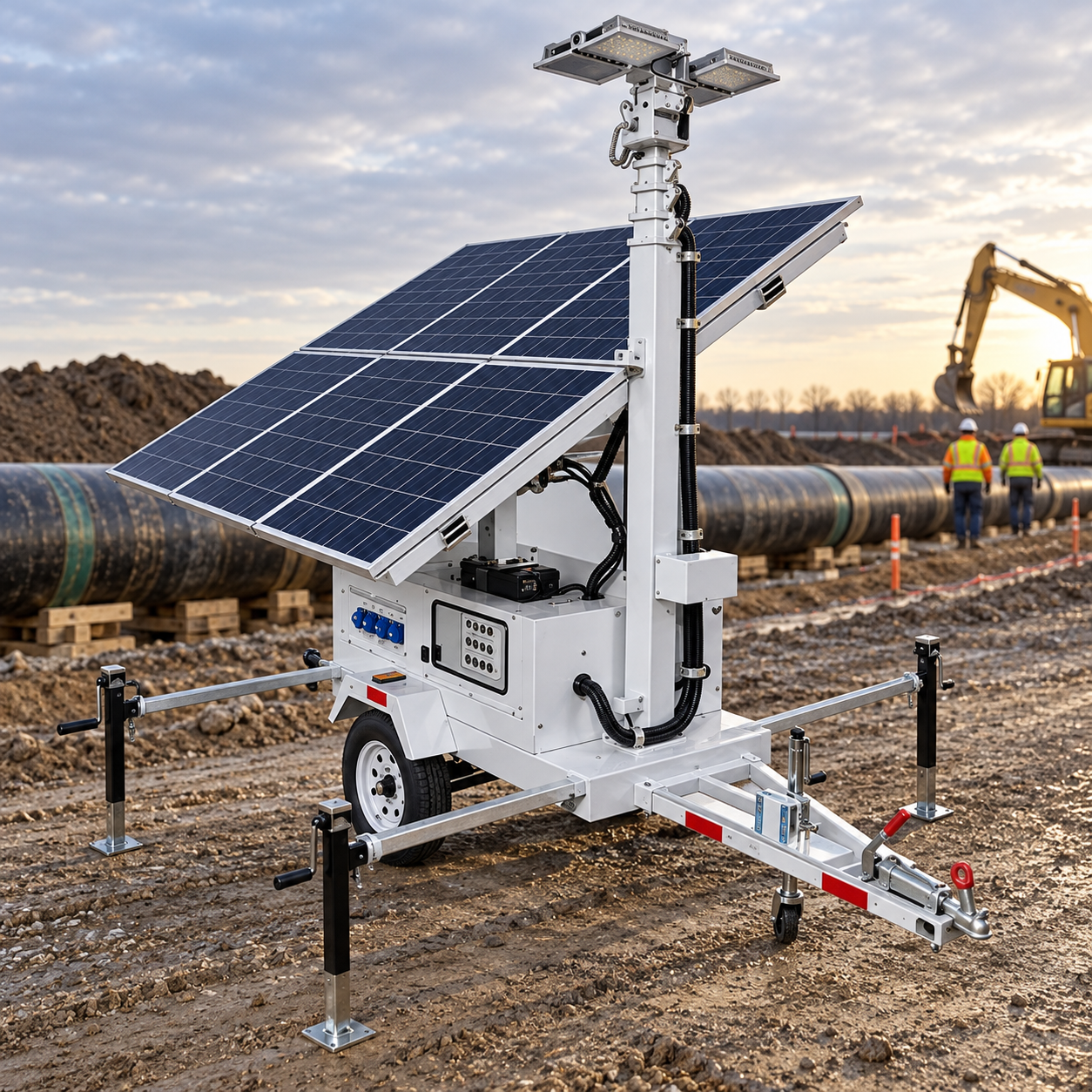
A replacement tower needs its own configuration check. Confirm the manual, footprint, lamp arrangement, and operating limits rather than assuming that two products described as solar trailers are interchangeable. Repeat the affected visibility checks after deployment. The supervisor should know which tasks depend on the lighting and how those tasks are controlled while an approved replacement is being established.
Keep a section-by-section lighting handover
The handover should identify the accepted workfront, current tower positions, permitted cable routes, and the changes expected during the next shift. Record obstructions or activities that were absent from the acceptance check and need further review. Assign responsibility for relocation and for confirming the new arrangement. This gives the next crew a practical boundary for using the existing record instead of asking them to interpret a broad statement that the pipeline lighting was checked.
At project review, compare actual moves and service interruptions with the original assumptions. That information can improve the next quotation brief without inventing a universal tower spacing. Successful arrangements remain tied to their observed geometry, approved equipment locations, and work sequence; the next corridor still requires its own responsible assessment.
Verwandte Anleitungen für Lichttürme
- Pflanzenlicht-Ratgeber
- light tower selection guide
- Lichtmast-Spezifikationen
- light tower safety guide
Die relevante Keyyou-Referenz lautet: the referenced Keyyou mobile light tower product. Die Fotografie identifiziert die Produktfamilie; die endgültigen Maße und Grenzen müssen aus der bereitgestellten Konfiguration stammen.
Generator exhaust and the power arrangement
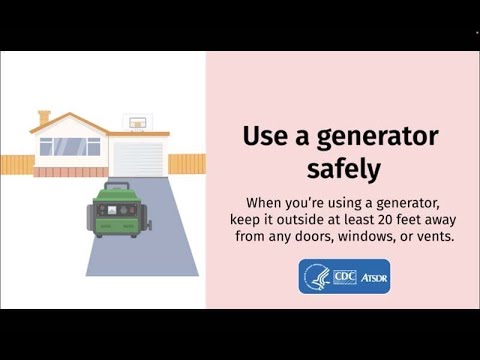
Where the lighting arrangement uses generator power, review exhaust, servicing, fuel handling, and the full operating window with the responsible site team. Keep exhaust from entering occupied spaces and follow the exact equipment instructions. The CDC video below explains carbon-monoxide precautions; its household examples do not specify this project installation. It does not demonstrate the construction or mining task, teach stored-energy isolation, or replace the relevant work procedure. If the offered tower uses another power source, obtain the appropriate charging or electrical-supply documentation instead of assuming that the generator example applies.
Häufig gestellte Fragen
Can the same tower spacing cover the entire pipeline?
Divide the pipeline workfront into the activities actually taking place: access, excavation, handling, joining, inspection, and reinstatement. The crew’s required views vary between stages, so a straight line of equally spaced towers is only a proposal to assess. Record work boundaries, obstructions, and permitted observer positions on the current workfront drawing.
Can a lighting tower move with its mast raised?
Plan where each tower can travel, where it can be deployed, and how it can be serviced as the work advances. Check crossings, soft ground, excavations, and interactions with lifting or delivery equipment. Use the exact tower’s transport and movement instructions; being mobile does not mean that it may move with its mast raised.
How should cables follow the advancing workfront?
Identify whether the proposed tower is self-contained or needs an external electrical supply. For external power, the responsible electrical team should review protection, connections, cable routes, and the conditions along the changing workfront. Keep temporary leads out of approved vehicle and handling movements through a reviewed arrangement.
What changes require another pipeline lighting check?
Inspect the proposed layout at night under a controlled arrangement before the next work section uses it. Review task detail, trench edges, access, and equipment shadows from authorized positions. Record aiming and the representative pipe, vehicle, and equipment configuration, together with any required measurements.