
Demolition Site Lighting: Dust, Glare, and Equipment Movement
Plan demolition site lighting around falling debris, dust, changing structures, machine movement, exclusion zones, and safe inspection from protected positions.
Demolition site lighting should reveal the current work face, equipment movements, and approved access while controlling glare and changing shadows. Review visibility with the demolition supervisor and revise the layout as structures, debris, and exclusion areas change.
Reassess lighting as demolition changes the scene
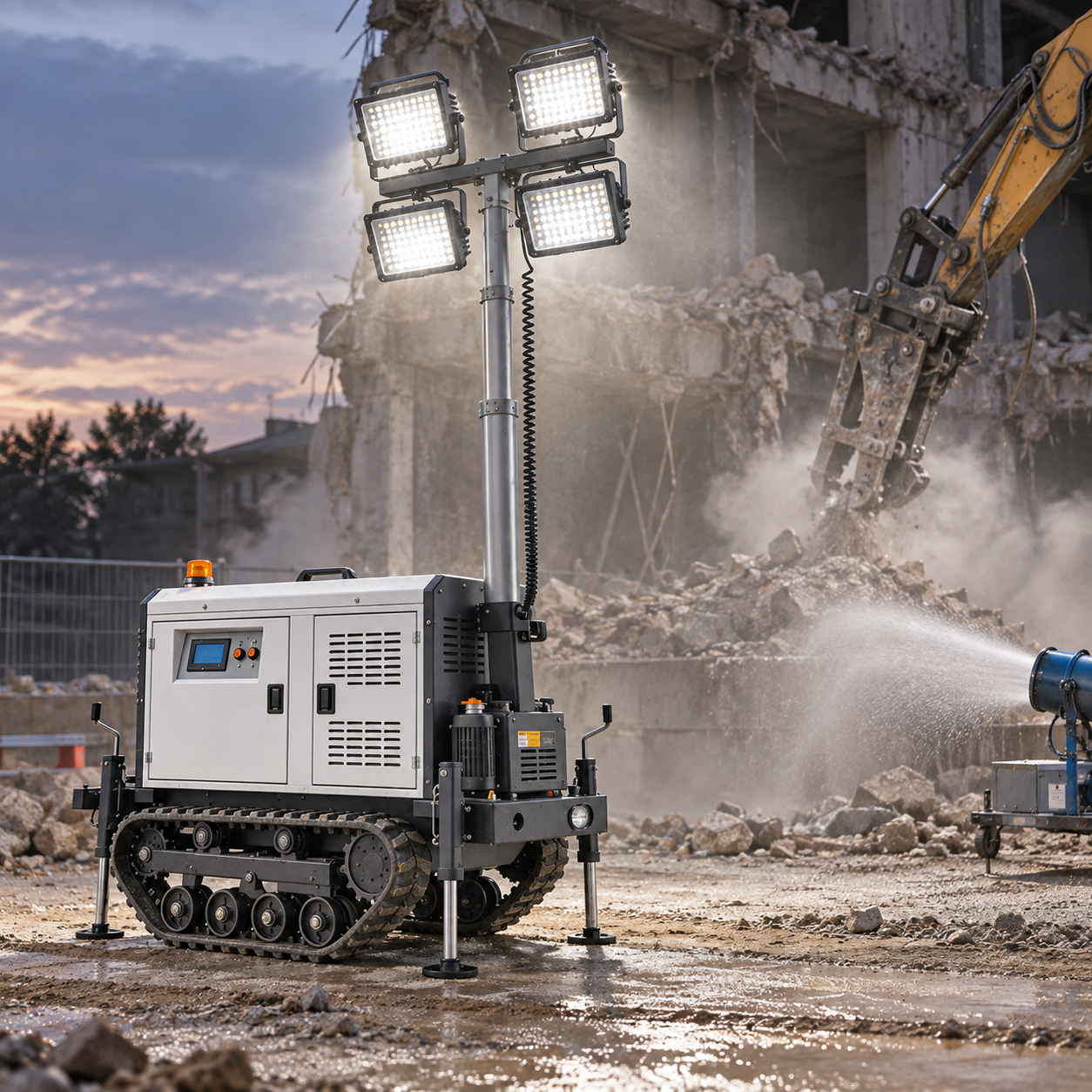
Demolition changes both the working surface and the structures that obstruct light. Identify the active demolition zone, debris handling area, plant routes, protected pedestrian access, and observation positions on the current work plan. Keep lighting equipment outside the site’s defined fall and exclusion zones. A position that was convenient before a wall or roof section was removed may become exposed or obstruct the next stage of the operation.
Review illumination from the protected positions people actually use. Dust and debris can change the apparent view, while machines can block the single lighting direction at a critical moment. Extra brightness from the same direction may fail to reveal the obstructed area. Coordinate permitted alternative positions or appropriate task lights with the demolition supervisor. Do not enter an active exclusion zone merely to adjust a lamp or take a measurement.
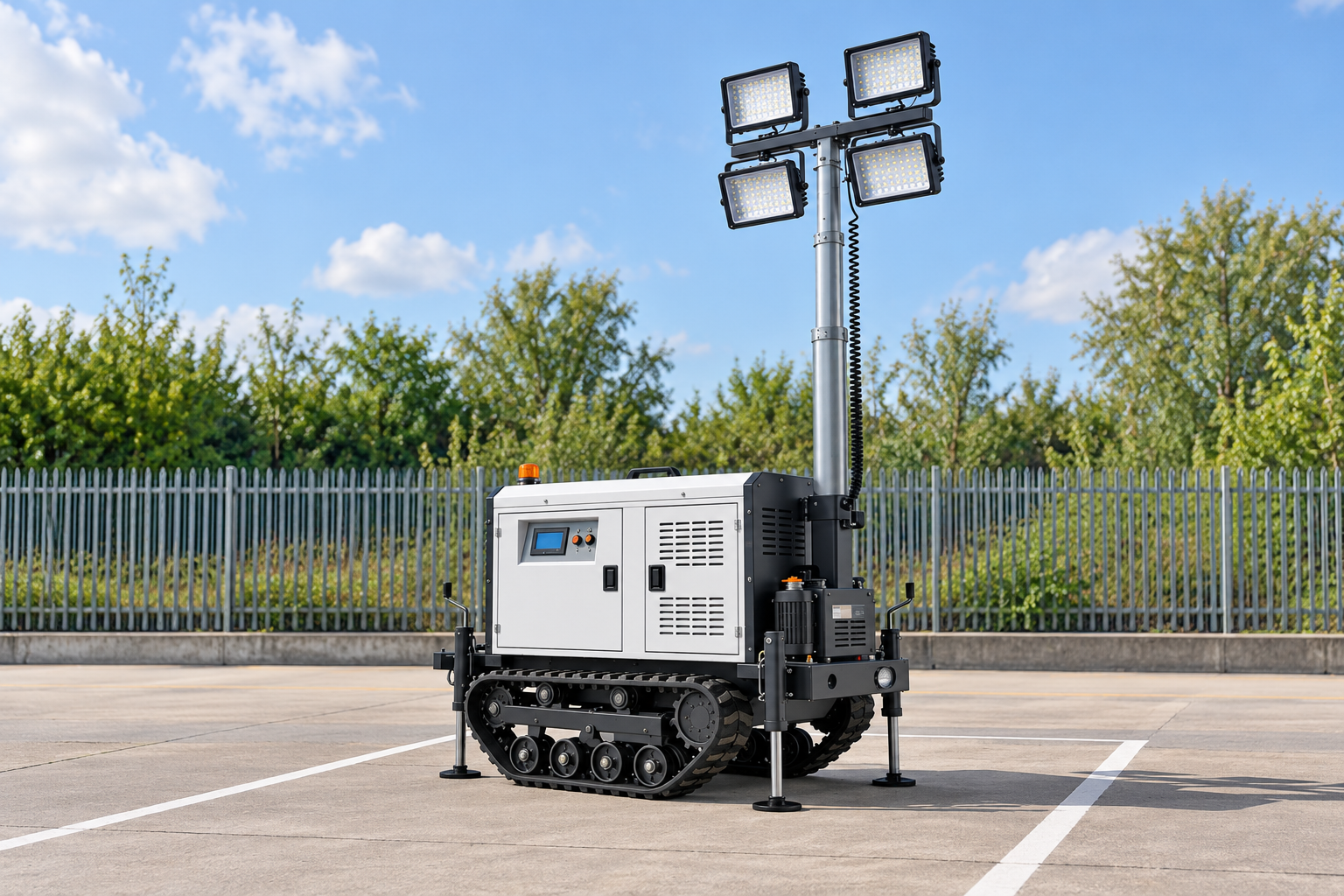
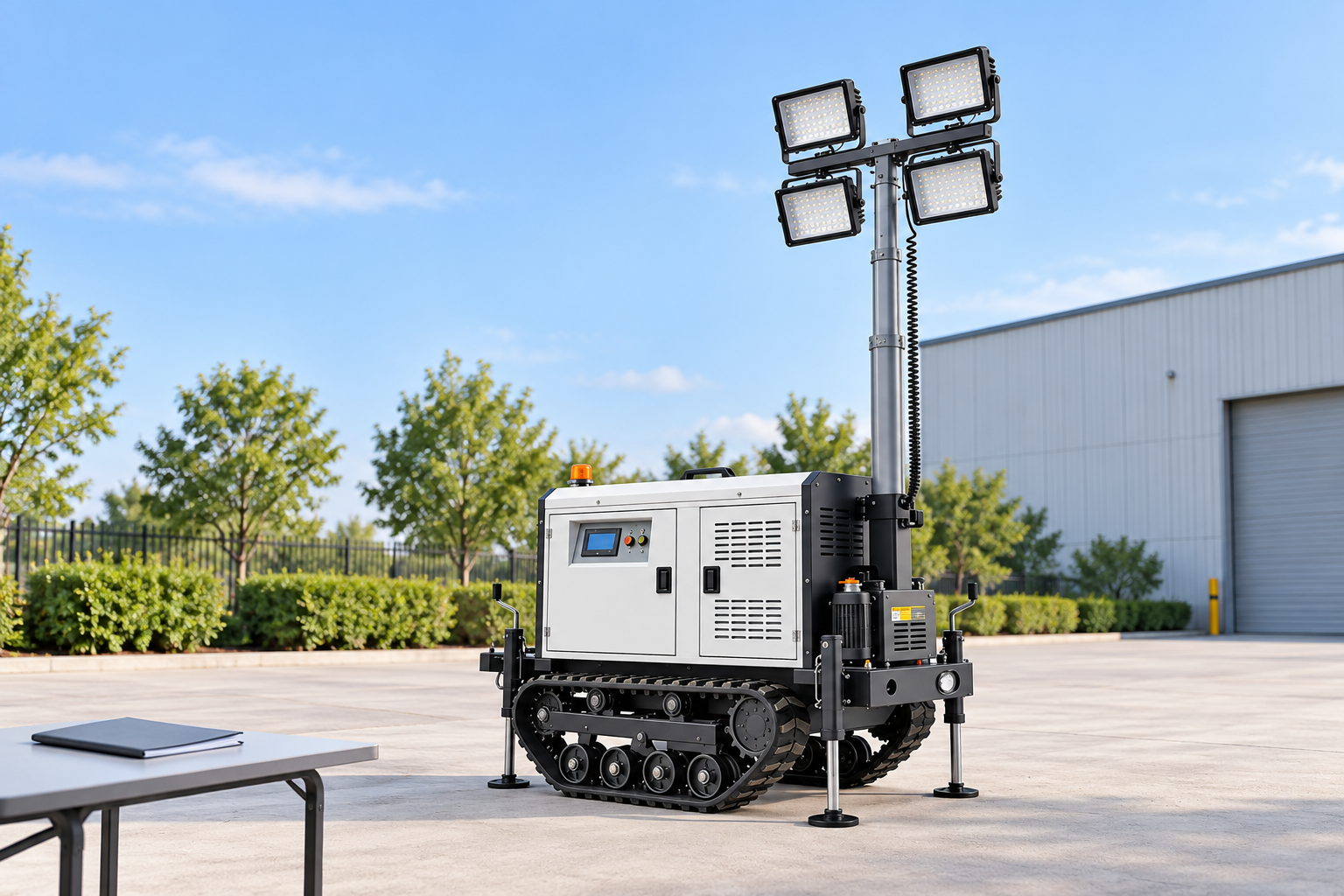
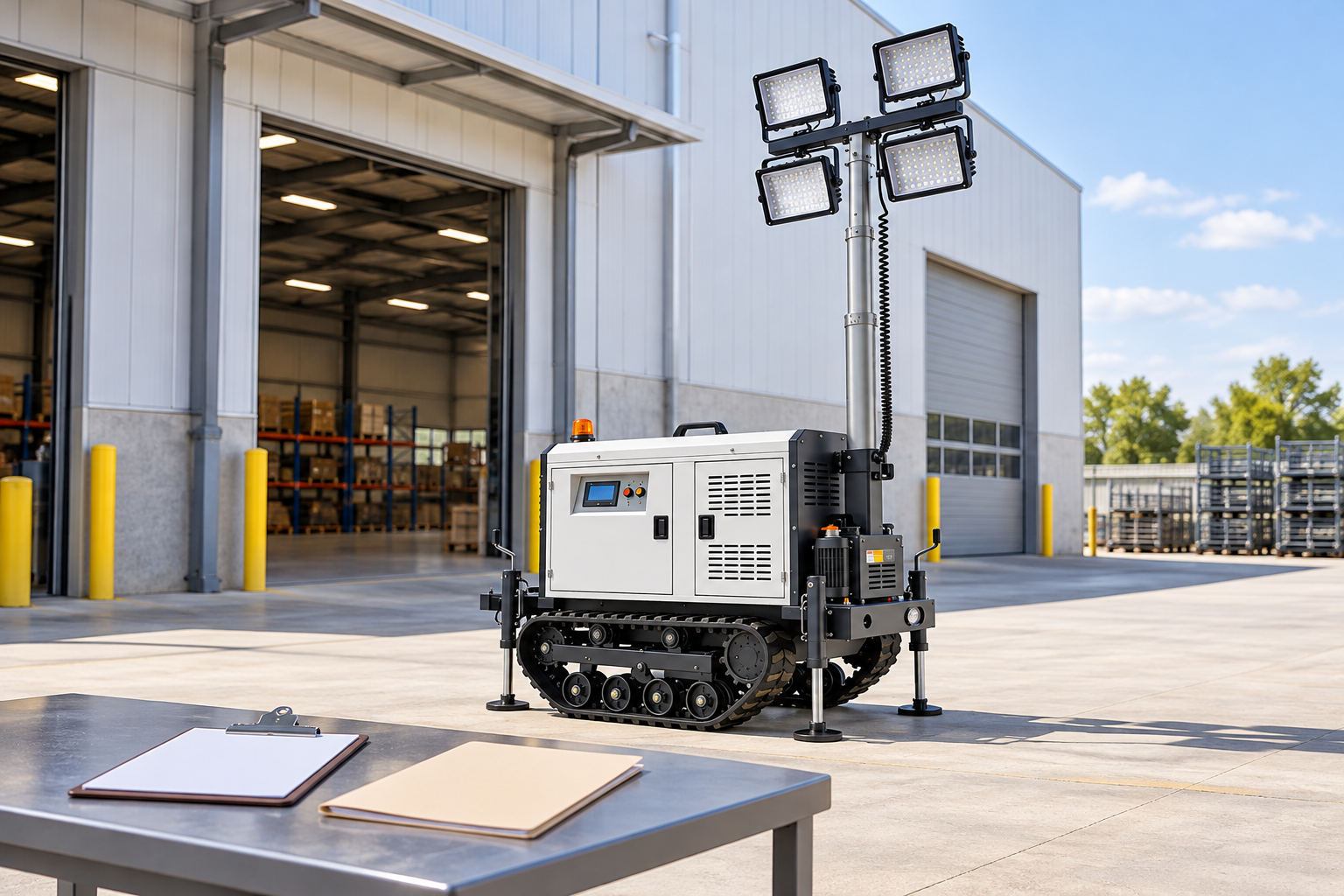
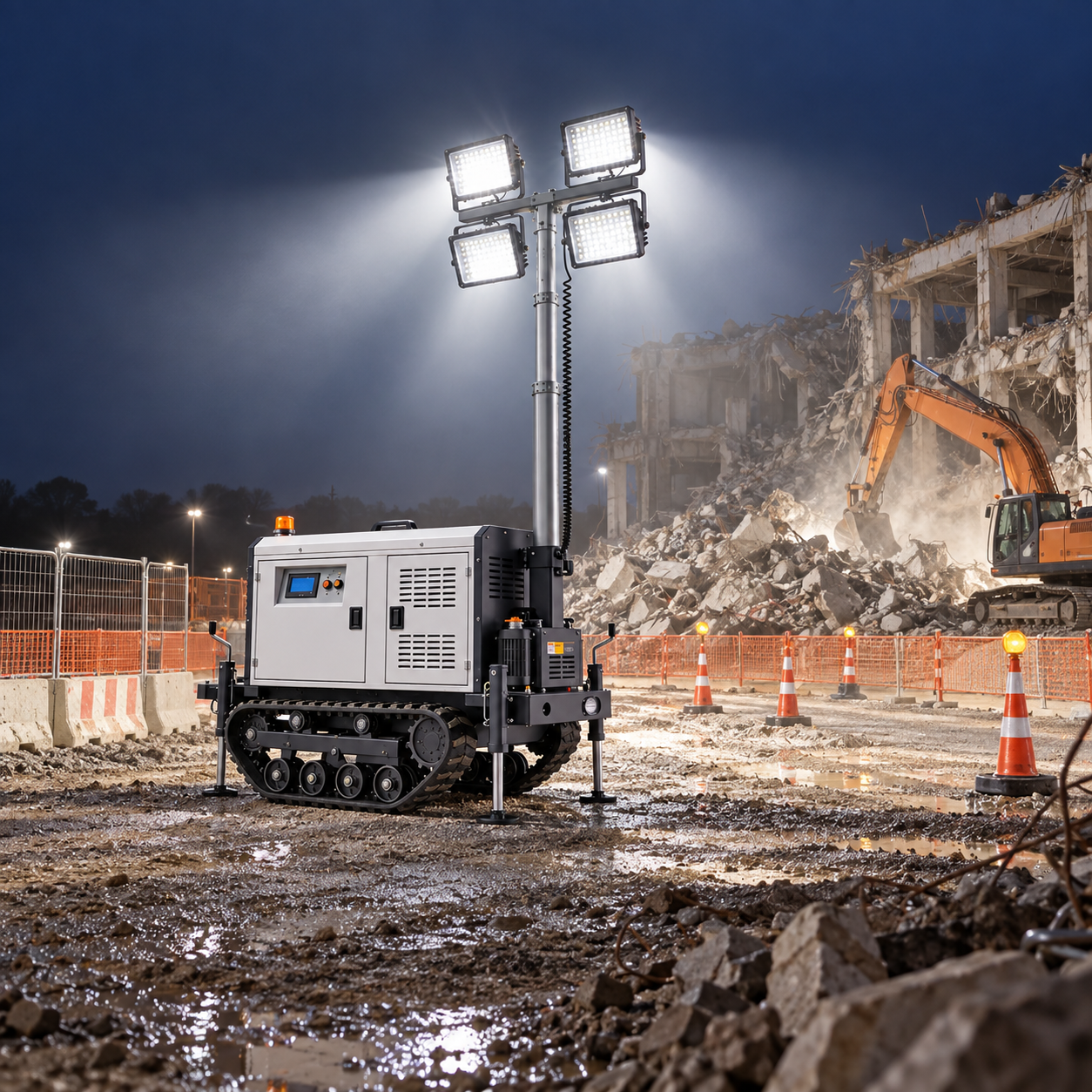
Before each changed work stage, confirm the tower’s ground condition, support arrangement, mast clearance, vehicle separation, and service access. Review lighting after changes to debris piles, temporary barriers, or machine routes. Define how the affected operation responds to a lighting outage and who can approve restoration. Any unit subjected to impact, visible damage, or unusual movement needs the exact manufacturer’s inspection procedure before reuse. Photographs illustrate the referenced product family; they cannot establish the site’s safe distance, structural stability, dust exposure limit, or an equipment protection rating.
Die fünf Probleme, die die Entscheidung bestimmen
| Entscheidungsbereich | Was zu überprüfen ist |
|---|---|
| Dust control | Evaluate visibility with the demolition supervisor under the conditions expected for the planned work. |
| Hintergrundbeleuchtung | Review direct lamp glare and reflections from surviving structures, wet surfaces, and equipment. |
| Equipment movement | Map machine travel, rotation, material handling, and truck loading together with the lighting footprint. |
| Exclusion zones | The demolition plan controls restricted areas and the sequence in which structures or materials are removed. |
| Verifizierung | Record the accepted lighting arrangement for the particular demolition stage, including required observations, tower position, support setup, mast arrangement, and lamp direction. |
1. Dust control
Evaluate visibility with the demolition supervisor under the conditions expected for the planned work. Airborne dust can obscure boundaries and can change the apparent glare from bright lamps. Illumination cannot substitute for dust controls or authorize work when the supervisor’s visibility conditions are not met. Agree on the observations that must remain possible and the response when they cannot be made. Inspect and clean lighting equipment according to its instructions, using an authorized service window outside active demolition and equipment movement areas.
2. Glare sources
Review direct lamp glare and reflections from surviving structures, wet surfaces, and equipment. The excavator operator and authorized ground personnel can have very different sightlines. Check both through a controlled inspection using representative machine positions. An adjustment that reveals one working face may send intense light toward another observer or a public boundary. Have the responsible team review the aiming and approved equipment configuration. Repeat every affected observation after adjustment rather than judging the result only from beside the tower.
3. Equipment movement
Map machine travel, rotation, material handling, and truck loading together with the lighting footprint. Keep tower supports, access, and any power leads outside approved movement routes. An apparently unused patch of ground may be within a rotating machine’s envelope or needed later for loading. Review relocation and servicing with the demolition supervisor. Do not move a tower into an active work area to eliminate a shadow without authorization, and do not infer permissible terrain or movement conditions from a tracked chassis photograph.
4. Exclusion zones
The demolition plan controls restricted areas and the sequence in which structures or materials are removed. Lighting positions must respect those controls and avoid requiring servicing access inside a prohibited area. Review possible changes to the work boundary as demolition progresses, including the position of remaining structures and debris. A bright view of a hazardous area does not make entry safe. Obtain the exact tower’s ground and mast instructions and have the supervisor approve deployment, adjustment, and removal in relation to the current work sequence.
5. Verifizierung
Record the accepted lighting arrangement for the particular demolition stage, including required observations, tower position, support setup, mast arrangement, and lamp direction. Inspect access and equipment shadows under authorized nighttime conditions. Define the response to a failed lamp or loss of power while work is underway. Changes to the structure, debris piles, machine position, exclusion zone, or tower aiming require review of the affected views. Keep the accepted limitations with the work package so that the next crew does not assume that an earlier stage’s check remains valid.
Specify lighting for the current demolition stage
Provide the lighting supplier with the current demolition boundaries, approved equipment routes, surviving structures, material-handling areas, and authorized observer positions. Explain the sequence in which the working face will change. A proposal for an open yard may not reveal a task behind a remaining wall or a stockpile. Ask which views the suggested arrangement supports and which depend on supplementary task lighting.
Request fixture information and the exact tower’s deployment documentation. The offered model should be identifiable by configuration rather than by a general family brochure. Obtain the ground, support, mast, wind, movement, and service instructions relevant to the proposed unit. Where a power cable or external supply is required, include the electrical team’s review in the work preparation rather than relying on a lighting supplier’s coverage sketch.
The demolition supervisor should review the proposal against the authorized sequence and restricted areas. A convenient tower position may later become inaccessible or fall within an expanded exclusion area. Record those dependencies before approval. The lighting equipment must adapt to the demolition plan; visibility is not a reason to place personnel or equipment inside a prohibited area.
Inspect visibility without creating another exposure
Arrange the nighttime assessment through the supervisor with work and equipment states controlled. Review the observations from permitted positions rather than asking someone to approach the demolition face because that provides a better view. Include representative plant and surviving structures in the check. Record the conditions present so that an empty-site inspection is not mistaken for a review of the operating arrangement.
Check both the working view and access. An illuminated machine or face can coexist with a shadowed walking surface behind it. Observe the effect of lamp aiming from operator positions and other relevant viewpoints. Where numerical measurements are required, use the project’s criteria and agreed measurement positions. Brightness near the tower cannot establish acceptable visibility across the whole changing work area.
If an observation fails, identify the cause before adding output. A changed lamp direction, another approved tower location, or an authorized task fixture may address an obstruction. Each proposal needs review of its own footprint, glare, supply, and effect on other observations. Increasing brightness does not resolve lost visibility through dust or make a restricted location suitable for service access.
Plan power and maintenance around access restrictions
Describe the full working and service window in the quotation brief. Include setup, the demolition shift, material clearance, and any inspection that needs lighting after the principal activity ends. Ask the supplier how its proposed operating mode supports that duty and what service conditions it assumes. Obtain the relevant energy and charging information for the actual assembly rather than applying runtime from another model.
Identify approved access for inspection, cleaning, refuelling, or charging as applicable. Demolition progress may change that access before a planned service visit. Have the supervisor coordinate service activities with the current work restrictions. Follow the equipment instructions for cleaning and defect inspection, and do not improvise maintenance beside active demolition merely because the unit is running low on energy.
Prepare an interruption response that describes the affected tasks and the approval needed to resume. A spare unit must have a permitted deployment and service arrangement. Its configuration and light distribution may differ from the failed tower even if it belongs to the same equipment family. Recheck the required views after installing it and record the accepted replacement rather than treating delivery to the site as restoration of the approved layout.
Close the record as the structure changes
Keep the lighting drawing and acceptance with the demolition-stage documentation. Identify which structure and debris positions were present during the inspection, which observations passed, and which changes require review. Include the person responsible for adjustment or relocation. This is particularly useful at handover when the next crew may see a substantially different work face from the one shown in the original photograph.
After each authorized move, review the new ground, supports, mast envelope, power route, aiming, and required views. Report defects and changed conditions through the site’s process. The lighting record confirms only the evaluated visibility and equipment arrangement; structural stability, hazardous materials, demolition methods, and other controls remain the responsibility of the applicable project procedures and qualified personnel.
Verwandte Anleitungen für Lichttürme
- Pflanzenlicht-Ratgeber
- light tower selection guide
- Lichtmast-Spezifikationen
- light tower safety guide
Die relevante Keyyou-Referenz lautet: the referenced Keyyou mobile light tower product. Die Fotografie identifiziert die Produktfamilie; die endgültigen Maße und Grenzen müssen aus der bereitgestellten Konfiguration stammen.
Generator exhaust and the power arrangement
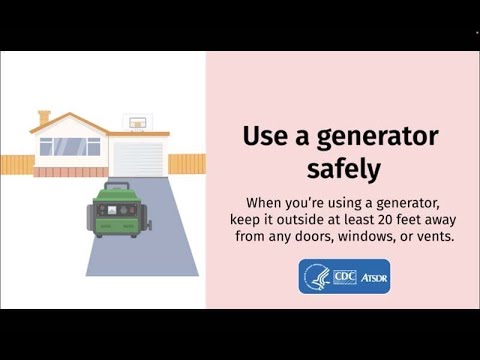
Where the lighting arrangement uses generator power, review exhaust, servicing, fuel handling, and the full operating window with the responsible site team. Keep exhaust from entering occupied spaces and follow the exact equipment instructions. The CDC video below explains carbon-monoxide precautions; its household examples do not specify this project installation. It does not demonstrate the construction or mining task, teach stored-energy isolation, or replace the relevant work procedure. If the offered tower uses another power source, obtain the appropriate charging or electrical-supply documentation instead of assuming that the generator example applies.
Häufig gestellte Fragen
Does brighter lighting resolve demolition dust?
Evaluate visibility with the demolition supervisor under the conditions expected for the planned work. Airborne dust can obscure boundaries and can change the apparent glare from bright lamps. Illumination cannot substitute for dust controls or authorize work when the supervisor’s visibility conditions are not met.
Where should glare be checked during demolition?
Review direct lamp glare and reflections from surviving structures, wet surfaces, and equipment. The excavator operator and authorized ground personnel can have very different sightlines. Check both through a controlled inspection using representative machine positions.
Can a tower be moved into the machine working area?
Map machine travel, rotation, material handling, and truck loading together with the lighting footprint. Keep tower supports, access, and any power leads outside approved movement routes. An apparently unused patch of ground may be within a rotating machine’s envelope or needed later for loading.
Does a lighting check authorize entry into a demolition exclusion area?
The demolition plan controls restricted areas and the sequence in which structures or materials are removed. Lighting positions must respect those controls and avoid requiring servicing access inside a prohibited area. Review possible changes to the work boundary as demolition progresses, including the position of remaining structures and debris.