
IP-Schutzklasse des Lichtturms: Lampen, Gehäuse und Belichtung separat prüfen
Überprüfen Sie die IP-Schutzklasse eines Lichtturms, indem Sie die eingestuften Komponenten identifizieren, die Dokumentation prüfen, die tatsächliche Belastung bewerten und den Zustand des Gehäuses untersuchen.
A light tower IP rating describes ingress protection for a specified enclosure or component under stated test conditions. It is not automatically a weatherproof rating for the entire machine. When a product page lists IP65 lamps, confirm which lamp assembly the statement covers and obtain the corresponding documentation for the offered configuration. Review electrical cabinets, connectors, controls, and any battery enclosure separately. The practical purchasing question is whether each exposed part is suitable for the actual dust, water, cleaning, and maintenance conditions at your site, with its intended covers and connections correctly installed.
Read the two digits within their scope
The IEC IP code uses numerals to classify protection associated with solid foreign objects and water. Do not treat a higher-looking number as a universal score for all environments. Read the exact code, relevant standard edition, tested construction, and conditions together. A component rating may depend on installation details that are easy to lose when the component is fitted to a larger machine. Request clarification when a quotation uses only words such as weatherproof or outdoor grade.
A lamp rating also does not identify every other environmental characteristic that matters. Corrosion resistance, mechanical impact, ambient operating limits, UV exposure, and electrical suitability require their own evidence. Keep those subjects separate in the specification rather than assuming one ingress code covers all of them. The IEC source and independent laboratory explanation below establish the code's purpose; they do not certify a Keyyou machine or replace the delivered assembly's test documents.
Identify exactly what the published claim covers
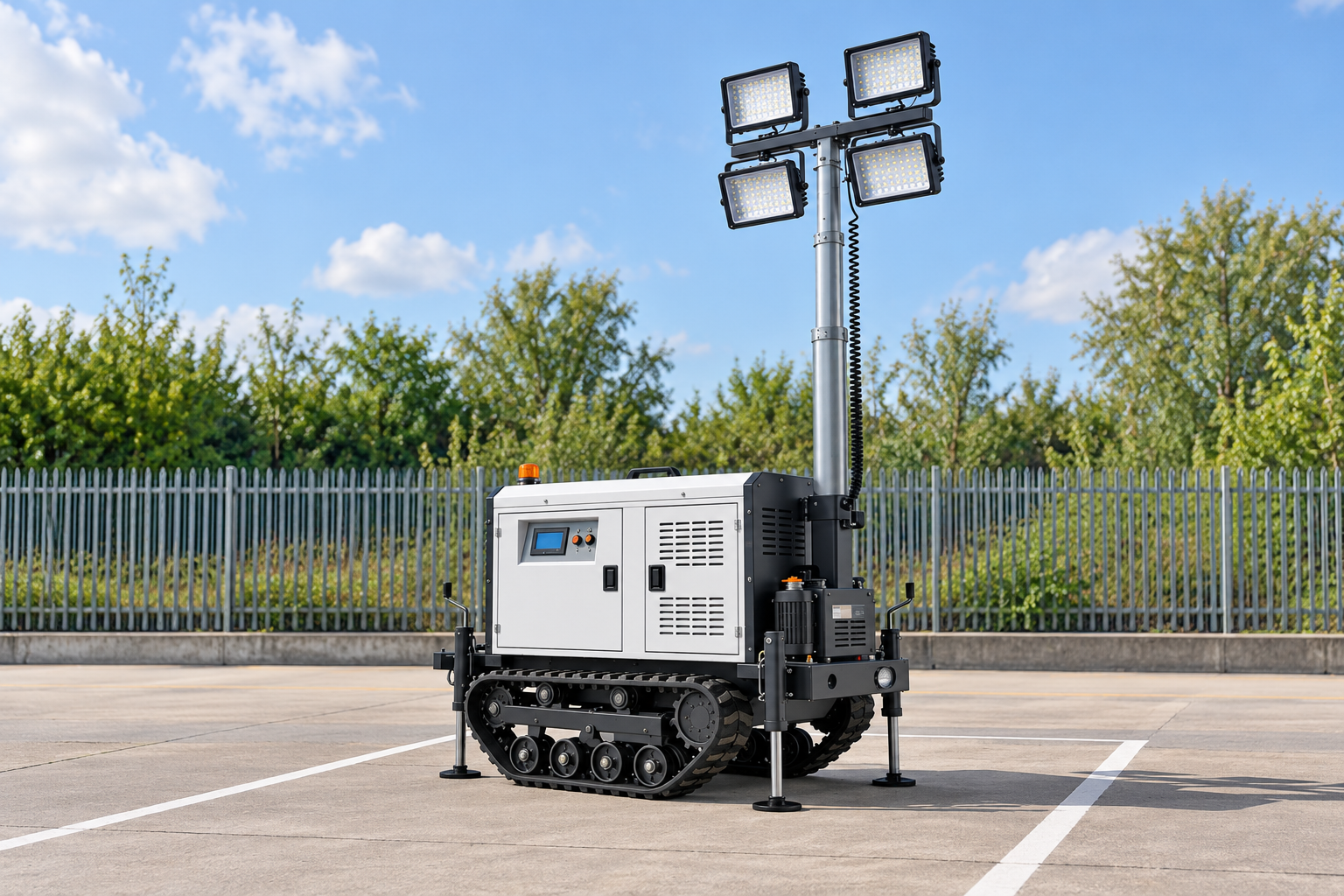
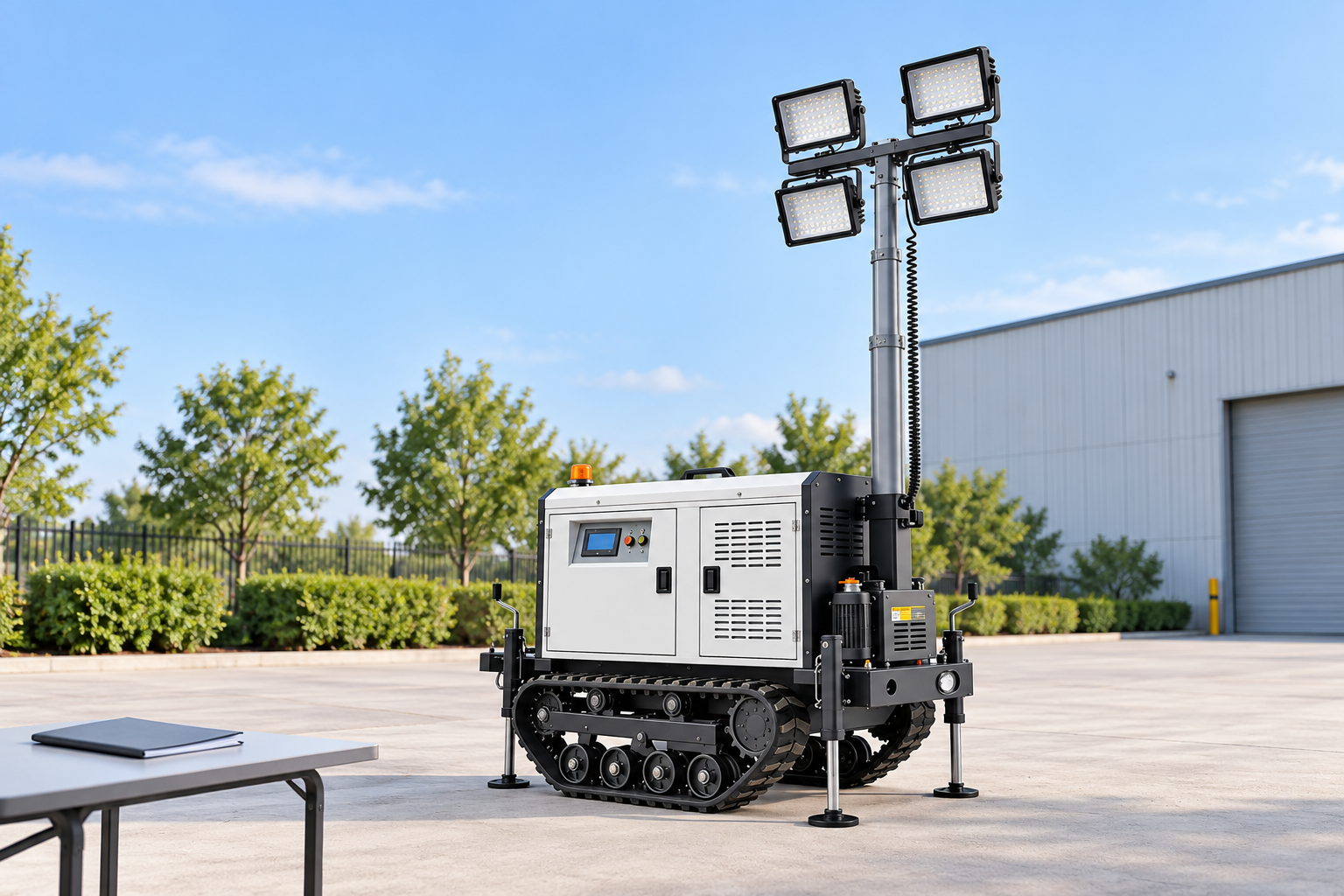
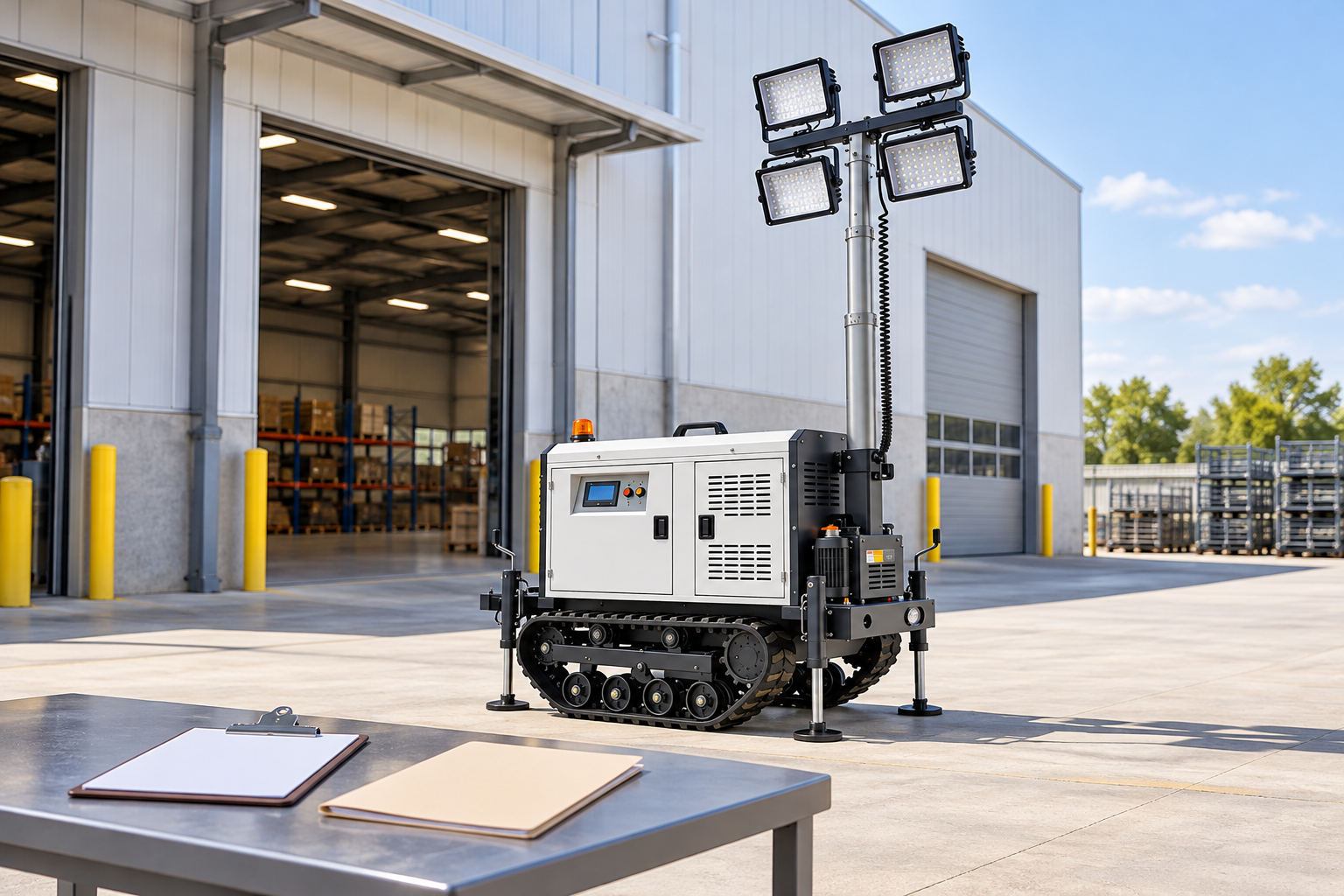
The current crawler lighting tower product page lists an IP65 ingress protection grade in its light-system specification. Treat this as a product-page statement about the lamp system, then ask the supplier to identify the lamp model, relevant document, and offered configuration. Do not extend it to the chassis, generator, cabinet, battery, controller, or every optional electrical connection. Product pages may list selectable components, so the purchased configuration must be identified independently of the illustration.
Use an equipment boundary list. Record each lamp assembly, exposed connector, operator interface, electrical cabinet, and any supplied charging connection. Note whether the part is exposed during operation, transport, maintenance, or storage. A socket that is protected only with its cap fitted needs a different operational review when a plug is inserted. The completed machine must be considered as it will actually be used, rather than as a collection of favorable component labels.
Inspect the actual enclosure condition
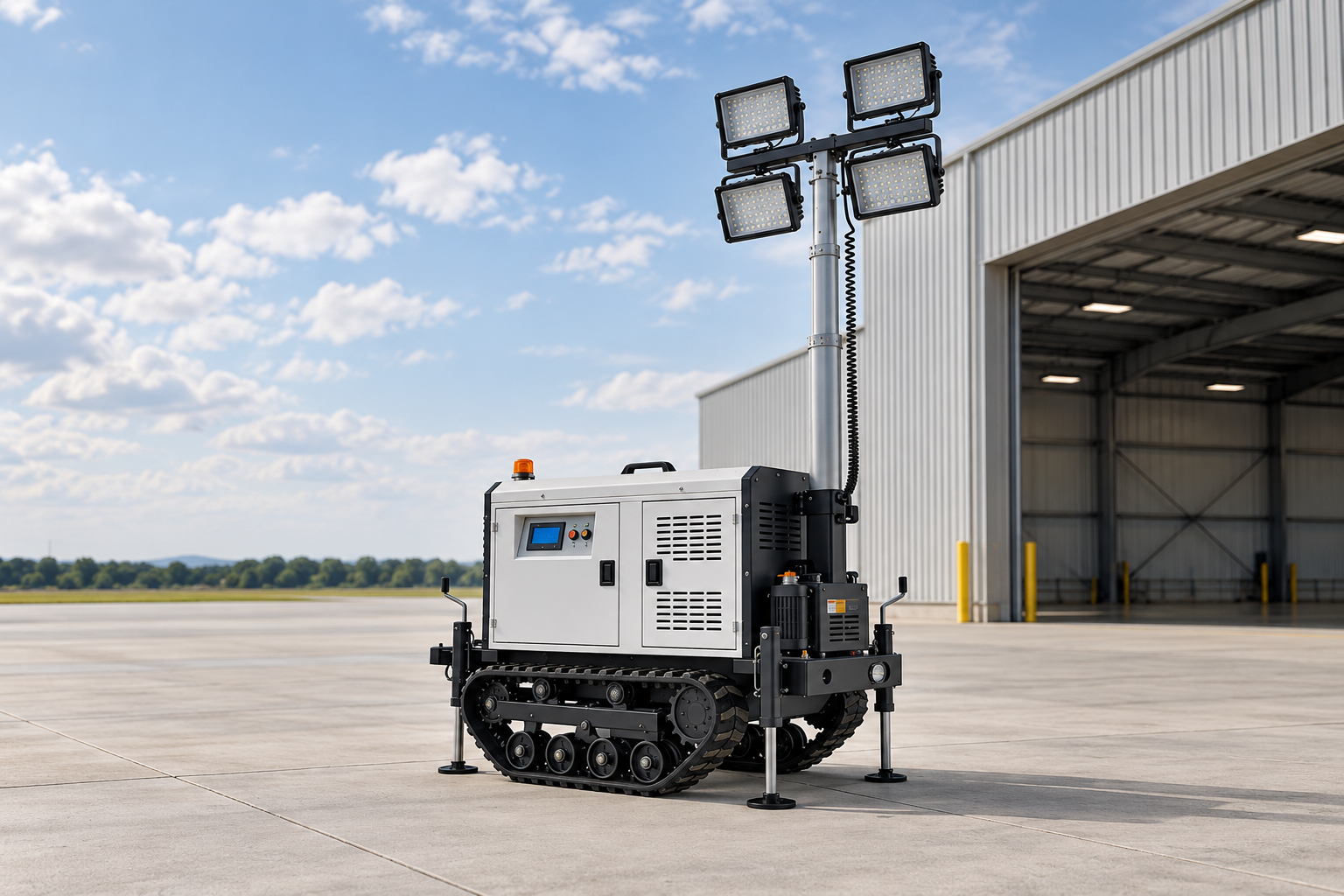
Ingress protection depends on the relevant construction remaining intact. During an authorized visual inspection, look for damaged covers, missing fasteners, cracked lenses, disturbed seals, loose cable entries, and unapproved modifications. Compare the actual condition with the supplied instructions. Do not dismantle a sealed assembly merely to confirm a rating. Where internal inspection or electrical work is necessary, use the approved isolation and qualified-work arrangements for the actual machine.
Photograph defects and record which component is affected. A general note saying the unit looks acceptable is less useful than identifying a cracked lamp lens or a missing connector cap. Keep the equipment out of unsuitable service while the responsible person decides the repair and reinspection needed. Replacing a seal with a similar-looking material or drilling a drainage hole can change the construction covered by the original claim. Ask for the appropriate repair method rather than improvising one.
Describe the site's exposure before selecting equipment
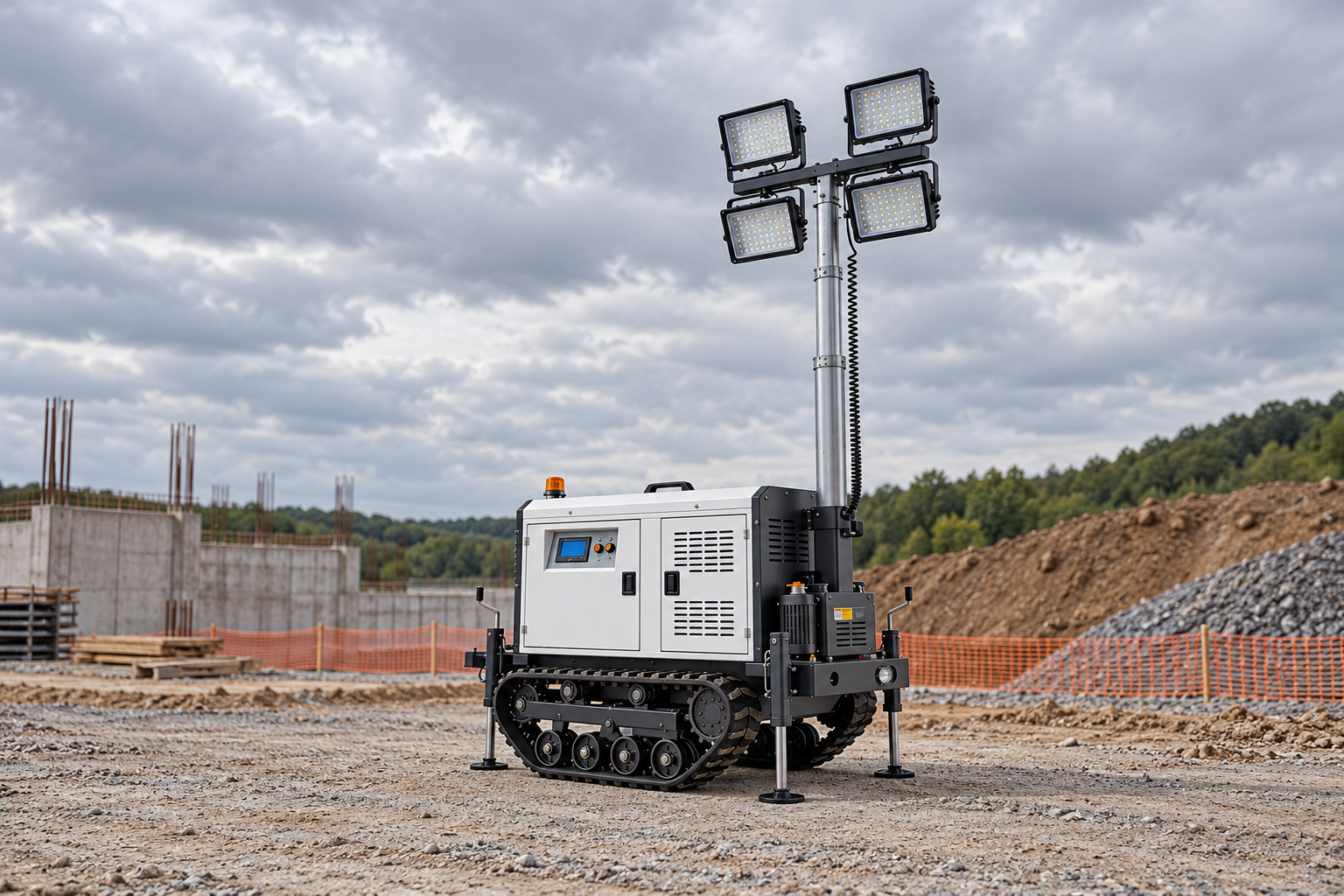
Write down where water and dust come from. Rain, windblown dust, vehicle spray, cleaning operations, and temporary flooding create different questions. Include how the equipment is positioned and whether it may be moved while wet or dirty. Consider storage and transport as well as the operating shift. Do not use a generic outdoor label to approve immersion, direct high-pressure washing, or an exposed electrical connection without evidence that addresses the actual condition.
Identify foreseeable changes. A dry construction stage may later involve cutting dust, washdown, or heavy vehicle movement. A lighting position may move closer to a drainage route or an excavation. Review the exposure assessment when these conditions change. If the correct equipment cannot be established, alter the arrangement or obtain a competent review before deployment. Selecting a numerical code first and inventing a matching site description afterwards produces a weak specification.
Keep water exposure separate from cleaning permission
A stated water-ingress classification does not itself provide a cleaning procedure. Obtain the supplied instructions for cleaning agents, methods, isolation, drying, and inspection. Keep cleaning staff informed about controls, connectors, ventilation openings, and other sensitive areas. Avoid directing jets at a machine simply because its lamps carry an ingress label. The entire cleaning arrangement needs to match the equipment actually delivered and the condition in which it will be returned to service.
Do not create an informal site test with a hose or pressure washer. Such a demonstration lacks the defined apparatus, conditions, and acceptance process of a standard test and may create electrical or mechanical hazards. Use documented laboratory evidence or a supplier-approved verification process when the project requires formal evidence. Site inspection is valuable for condition and configuration checks, but it cannot casually reproduce a type test or establish a new protection classification.
Use a component-specific procurement table
| Equipment element | Anzufordernde Beweismittel | Installation or use question |
|---|---|---|
| Lamp assembly | Exact model and relevant ingress documentation | Does the supplied lamp match the documented construction? |
| Cable entry | Supplied gland and installation requirements | Are the entries complete and undamaged in the installed arrangement? |
| Exposed connector | Rating and conditions for the relevant connection state | Is protection maintained when connected as actually used? |
| Steuerschnittstelle | Scope of the supplied interface documentation | Are seals, covers, and access arrangements intact? |
| Electrical or battery cabinet | Assembly-specific documentation and instructions | Are ventilation and access requirements compatible with the site? |
| Complete machine | Configuration list and operating limitations | Which exposures remain restricted despite component claims? |
This is a qualitative purchasing checklist. It does not assign a rating to an untested component or declare every listed part necessary on every machine. Use only the rows applicable to the offered configuration and add documented exceptions. A good supplier response should identify the actual item and limitation rather than repeat one code across the whole table.
Assess documentation without overstating certainty
Match the document to the model, construction, and claim being purchased. Record the issuing organization, referenced standard, relevant model identifiers, and any installation conditions. A test report for a different lamp or enclosure is not automatically transferable. Where a family of variants is covered, ask how the offered variant falls within that coverage. Keep the response with the quotation so the acceptance team can compare the delivered components with the agreed evidence.
A declaration on a website, a component label, and an independent test report are different kinds of evidence. Describe what has actually been supplied. If formal documentation is still missing, mark it as outstanding rather than rewriting the statement as independently certified. This distinction helps procurement decide whether to request further evidence, restrict the intended use, or select another configuration. It also prevents marketing language from becoming an accidental engineering acceptance criterion.
Plan the inspection at delivery and after repair
At delivery, compare the offered list with the installed lamps, cabinets, cables, connectors, and relevant markings. Record obvious transport damage and missing protection parts before release. Retain the supplied instructions where operators and maintenance personnel can access them. An acceptance inspection should be practical enough to repeat after a repair or component replacement. It should not depend on the original buyer remembering which page contained the rating claim.
After maintenance, confirm that covers, seals, fasteners, and cable entries have been restored according to the approved procedure. Check whether the replacement component matches the intended specification and whether any new restriction applies. Record the work and release decision. A rating does not remove the need for ongoing condition checks, and a repair record alone does not prove the enclosure was reassembled correctly. Reinspection closes that gap within the scope of authorized work.
Keep electrical safety and environmental claims connected
Water or dust exposure can have electrical consequences, but an ingress label is not an electrical-work permit. Follow applicable site arrangements and the supplied equipment instructions for isolation and qualified work. Do not handle a damaged connection as routine operator maintenance unless the actual procedure permits it. The official electrical-work references below support these boundaries and should be read for the relevant application; they do not establish the machine's environmental rating.
End the specification with a clear acceptance statement: identify the actual lamp system, the components requiring separate review, the intended exposures, and any unresolved documents. Assign responsibility for closing those items before unsuitable service begins. This produces a useful decision even when the answer is that a proposed site condition remains unverified. The value of the IP code is precise communication about a defined enclosure, not a broad promise that every part of a mobile tower can tolerate every outdoor condition.
Ausstattung und ergänzende Planung
Identifizieren Sie die dargestellte Plattform auf dem Keyyou-Crawler-Leuchtstrahler-Produktseite. Starten Sie mit dem Handbuch zur Planung mobiler Leuchtmasten, dann verwenden Sie die Handbuch zur Voroperationstestung und Checkliste für die Übergabe des Schichtwechsels für ergänzende betriebliche Aufzeichnungen.
How an independent laboratory demonstrates ingress testing
IB-Lenhardt demonstrates ingress protection testing. This independent testing-laboratory explanation helps distinguish formal test conditions from an informal site hose test. It does not certify the illustrated machine; use the relevant documents for the actual component.
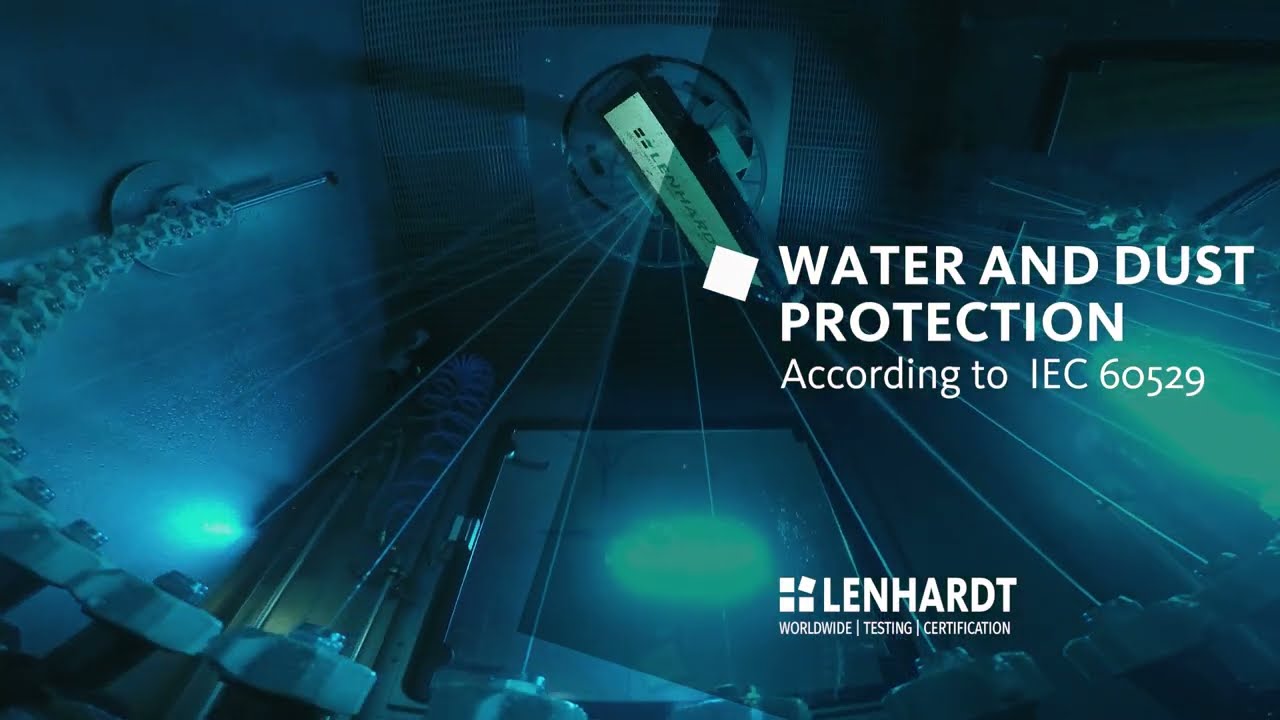
Watch IP Protection Class Testing.
Häufig gestellte Fragen
Does IP65 on a lamp mean the whole tower is IP65?
No. Identify the exact lamp claim and review exposed connectors, cabinets, controls, and other relevant assemblies separately.
Does an ingress code approve pressure washing?
No. Use the cleaning method and limits supplied for the actual equipment. Do not treat a lamp label as a cleaning instruction for the entire machine.
Can a visual inspection establish an IP classification?
No. It can identify condition and configuration concerns, but it does not replace applicable documented test evidence.
Quellen und Umfang
The IEC source defines the scope of enclosure ingress classification; the independent laboratory source illustrates testing. These sources do not certify a Keyyou assembly. Official electrical-work guidance supports the isolation and qualified-work boundary only.