
Leuchtturm
Definitions of Light Towers
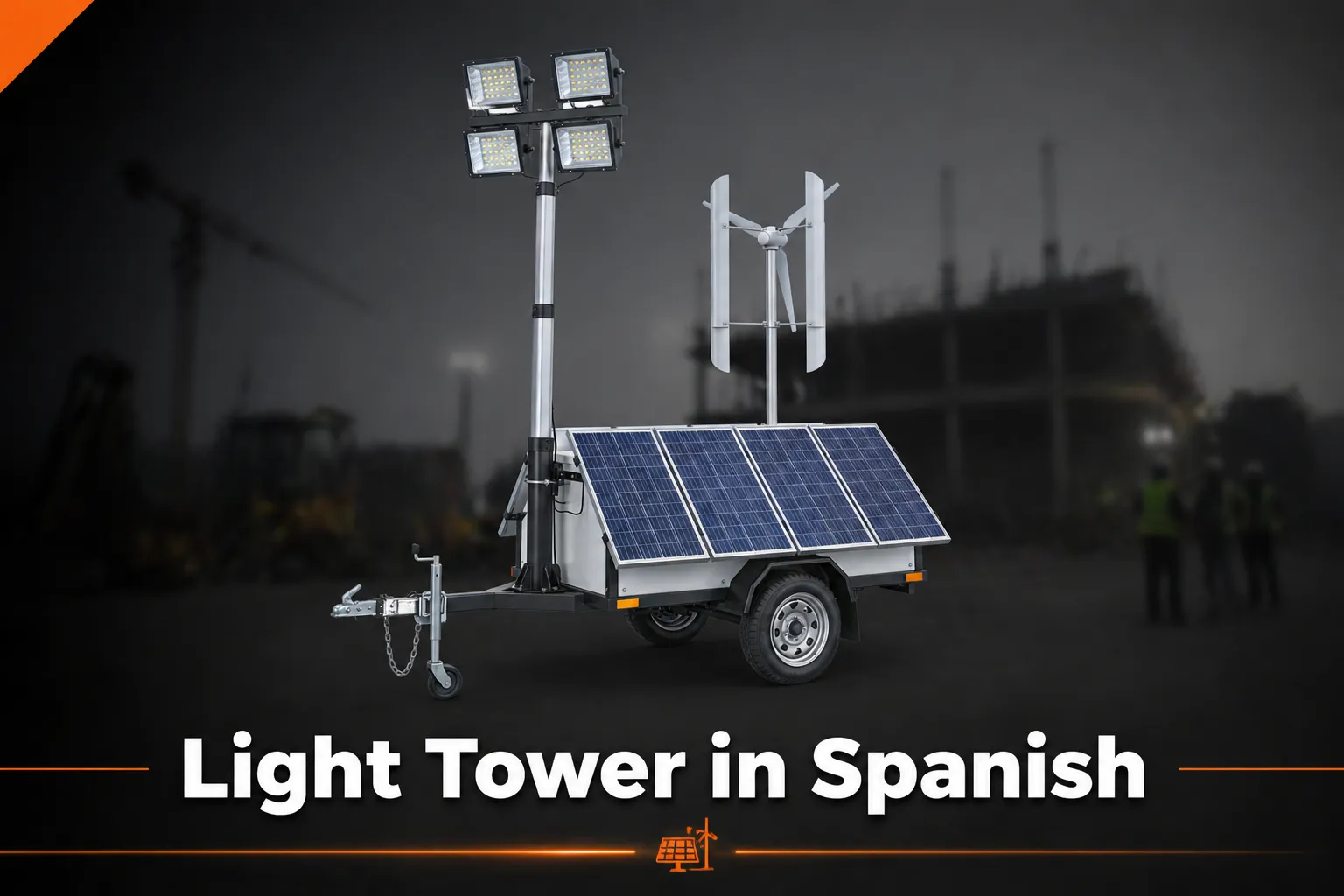
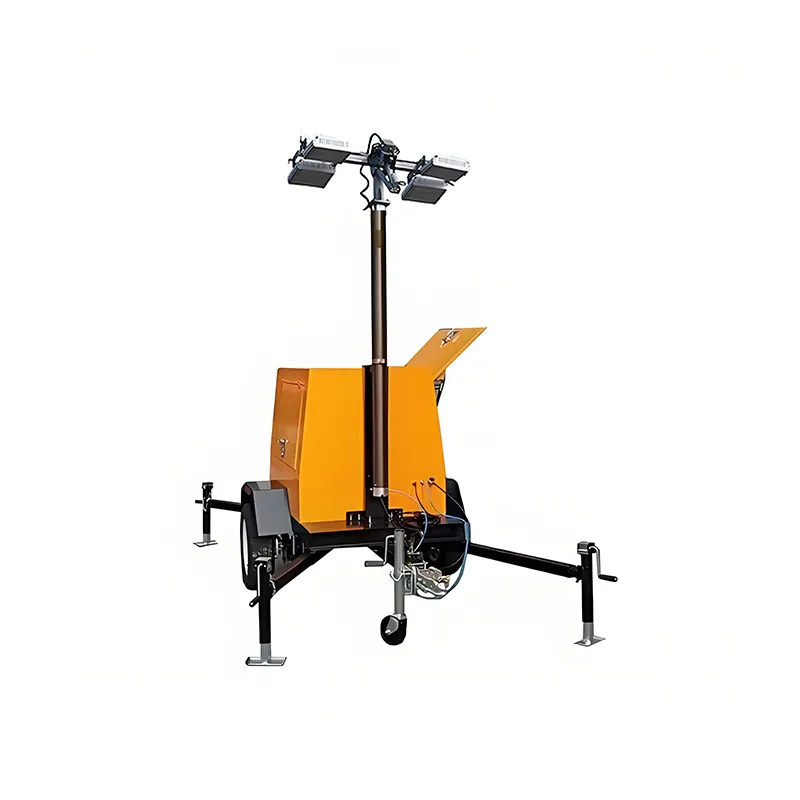
A light tower is a portable lighting unit used to illuminate large areas of outdoor or indoor space. It typically consists of powerful LED or metal-halide lamps on a telescoping mast, secured to a sturdy base with wheels or skids for mobility. Light Towers are powered by diesel, solar, or hybrid methods, making them crucial for nighttime work or in areas with insufficient light.Why Seek a Light Tower with Spanish Manuals?
If your crew primarily speaks Spanish or your project site is located in a Spanish-speaking country, having manuals, operating instructions, and support in Spanish significantly boosts efficiency and improves communication. Additionally, manufacturers providing Spanish-language guides highlight their commitment to serving a diverse customer base, making them reliable partners. For example, in construction projects in Latin America or Spain, light towers equipped with operational instructions in Spanish enable workers to quickly set up, troubleshoot, and safely operate the equipment.Where Can I Find Light Tower Manuals in Spanish?
Several established light tower manufacturers provide extensive product documentation in multiple languages, including Spanish. Brands like Allmand and Generac have an international presence, and many offer downloadable manuals in Spanish on their websites. When ordering equipment, ensure the following:- Check for a “resources” or “downloads” section on the manufacturer’s website.
- Consult your local distributor for Spanish documentation availability.
- Verify that technical support in Spanish is offered for questions or repairs.
Types of Light Towers Available
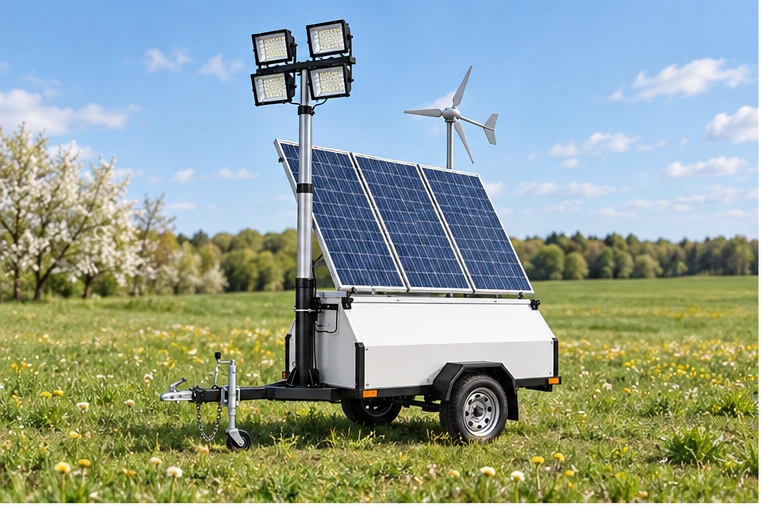
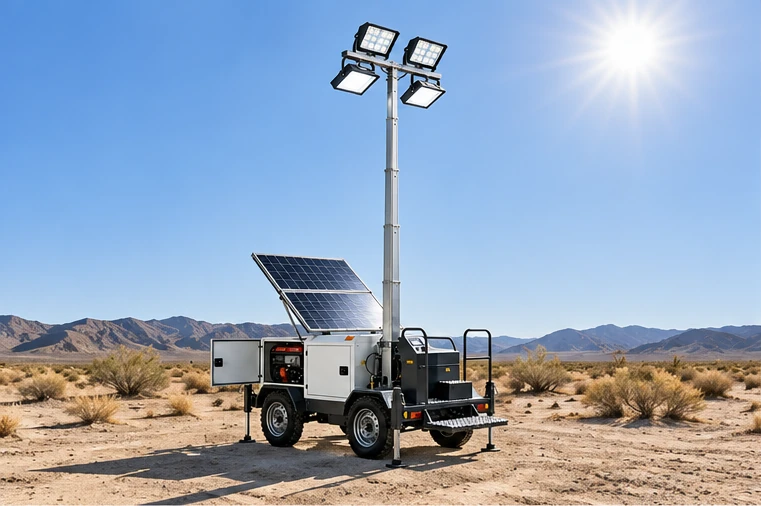
Whether you need a portable light tower or a larger solution, several types of light towers are suited to different project requirements: 1. Diesel-Powered Light Towers: These are ideal for remote locations without an electric power source. Durable and efficient, they are the most reliable option for large-scale industrial projects. 2. Solar-Powered Light Towers: Powered by solar energy, these eco-friendly towers produce no emissions and provide adequate brightness. They are perfect for environmentally conscious projects or sunny outdoor areas. 3. Hybrid Light Towers: Utilizing solar energy combined with traditional fuel power, hybrid towers offer versatility and cost savings. Their quieter operations make them ideal for residential zones or personal events.Light Towers Can Be Used Across Many Spanish-Speaking Regions
Light towers have diverse applications across industries globally, including Spanish-speaking regions. Common uses include:- Construction: Nighttime operations, roadwork, and bridge construction.
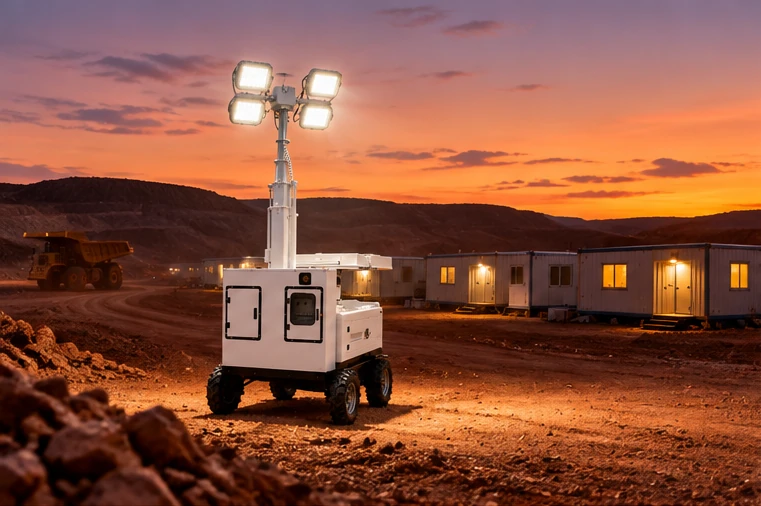
- Mining: Remote or deep mining operations requiring proper lighting and visibility.
- Event Management: Lighting for festivals, concerts, and outdoor sports events.
- Emergency and Disaster Relief: Illuminating areas without electricity or after natural disasters.
Selecting a Light Tower
When choosing your light tower, especially one with Spanish documentation and support, consider the following: 1. Power Source: Would you prefer diesel, hybrid, or solar-powered options? 2. Portability: Will your light tower be moved across construction sites or remain stationary? 3. Lighting Needs: Assess the lumens required for your projects. Softer lighting suits events, while brighter, focused lights are needed for construction. 4. Climate and Environment: Factor in weather resistance and durability for extreme conditions. 5. Documentation and Support: Verify the availability of manuals, troubleshooting guides, and customer service in Spanish.Zugehörige Ressourcen für Lichtmasten
- Was ist ein Lichtturm?
- Lichtmast-Spezifikationen
- So wählen Sie einen Lichtmast aus
- Flutlichtmast-Produktpalette
Practical selection and acceptance table
| Entscheidungsbereich | Input required | Acceptance method |
|---|---|---|
| Work area | Tasks, boundaries, obstacles and viewpoints | Approved layout and field walk |
| Beleuchtung | Fixture, optics, height, tilt and distribution | Photometric review and measurement |
| Bereitstellung | Access, ground, movement and weather limits | Setup demonstration |
| Macht | Load, energy source and operating hours | Shift-representative test |
| Support | Training, inspection, parts and warranty | Document handover |
Häufig gestellte Fragen
1. Wo finde ich einen Lichtmast mit Spanisch als Sprache?
Die meisten Hersteller und Vertriebspartner stellen deutschsprachige Hilfsmittel und Handbücher zur Verfügung. Wenden Sie sich an Unternehmen wie Generac oder Allmand oder bitten Sie Ihren örtlichen Händler um Unterstützung.
2. Werden mobile Lichtmasten die ganze Nacht hindurch ununterbrochen laufen?
Ja, die meisten mobilen Lichtmasten können je nach Faktoren wie Tankgröße, Beleuchtungslast und Art der Stromquelle (Diesel oder Solar) 8 bis 24 Stunden lang betrieben werden.
3. Gibt es umweltfreundliche Lichtmasten auf dem Markt?
Ja, umweltfreundliche Lichtmasten mit Solar- und Hybridtechnologien sind verfügbar, wodurch der Kraftstoffverbrauch und die CO2-Emissionen reduziert werden.
4. Was ist erforderlich, um einen Lichtmast ordnungsgemäß zu warten?
Die routinemäßige Wartung umfasst das Reinigen der Leuchten, das Überprüfen der Anschlüsse, das Inspizieren des Kraftstoffsystems (falls zutreffend) und das Heranziehen von Benutzerhandbüchern zur Fehlerbehebung. Stellen Sie sicher, dass Ihr Wartungsteam bei Bedarf Zugang zu spanischsprachigen Handbüchern hat.
5. Ist es möglich, in einem spanischsprachigen Land einen Lichtmast zu mieten oder zu leasen?
Yes, light towers are available for rent globally, including Spanish-speaking countries, with many dealers offering rental units featuring Spanish-language documentation and support.
Finding the right Leuchtturm does not have to be difficult. With numerous portable and industrial light towers available worldwide, coupled with comprehensive Spanish resources and support, you can equip your projects effectively while ensuring accessibility for your team. Understanding what to look for when purchasing a light tower allows you to save time, enhance safety, and maximize efficiency across various applications, whether in construction, events, or emergency relief operations.