

Ubicación de torres de luz con motor: Seguridad por monóxido de carbono
La seguridad frente al monóxido de carbono en las torres de luz comienza con evitar que los gases de escape del motor lleguen a las personas.
Light tower carbon monoxide safety starts with preventing engine exhaust from reaching people. Keep engine-powered equipment out of enclosed and partly enclosed spaces, assess nearby doors and air intakes, and arrange competent exposure assessment when conditions warrant it. A diesel engine, an outdoor location or a lack of visible smoke does not prove that breathing conditions are safe. This guide addresses exhaust exposure during temporary lighting operations; it does not replace the equipment manual, occupational hygiene advice or a site emergency plan. Choose the tower position around both the lighting task and the people who could receive its exhaust.
Separate exhaust exposure from engine emissions compliance
A procurement certificate or engine emissions designation answers a different question from whether workers can safely occupy a particular location. The exposure question depends on the engine, operating conditions, air movement, enclosure and where people spend time. Do not convert an emissions label into permission to operate beside an occupied doorway. Equally, do not describe a diesel unit as carbon-monoxide-free. Assess the complete exhaust hazard, including contaminants other than carbon monoxide, rather than treating one monitor as a complete diesel-exhaust assessment.
Start the job file with equipment identity, power source and the proposed work area. Record which engines may run at the same time: other generators, vehicles, pumps and compressors can affect the same occupied space. A clean-looking lighting unit does not cancel these other sources. The site supervisor should identify who is competent to assess exposure and who may stop work if conditions change.
Map people and openings before choosing the position
Walk the area in daylight with the lighting plan and a current site sketch. Identify cabins, welfare buildings, workshops, temporary shelters, loading bays and excavations. Mark occupied doors, windows and ventilation intakes, including openings on the far side of a building. Ask where night workers take breaks; a small shelter that looks unused in daylight may become occupied later. Note routes where workers wait for instructions rather than only the active workface.
Select a location that permits safe setup and useful light without directing exhaust toward these receptors. Do not prescribe a universal safe distance for every engine-powered tower. Household portable-generator separation advice is useful hazard education, but it is not an engineered placement calculation for an industrial installation. Obtain the manufacturer’s restrictions and the site’s competent assessment. Record the chosen location and the reason it was accepted so that the next crew can recognize an unauthorized move.
Treat partial enclosure as a reason to reassess
A roof without complete walls can still create a problematic work area. Temporary sheeting, stockpiles, retaining walls and containers may restrict air movement or create a route toward an occupied opening. Weather protection added after setup can materially change the original assessment. Do not run an engine inside a tent, garage or similar enclosure because a door is open or an ordinary fan is operating.
Where the work requires illumination inside an enclosed or partly enclosed area, examine an arrangement that keeps combustion outside and supplies suitable lighting by another method. That alternative still requires electrical, cable-route, emergency-lighting and access checks. Do not improvise a long exhaust extension, modify an enclosure or connect an unapproved ventilation arrangement to make an unsuitable location appear acceptable. Ask the equipment supplier and competent site specialists for an approved solution before work begins.
Verify placement against changing site conditions
The approved position is a controlled condition, not a permanent guarantee. A change in wind, new barriers, relocated cabins or another engine arriving nearby can require a new assessment. Include these changes in the shift briefing and in any relocation request. Consider start-up, idling and shutdown periods as well as steady lighting operation; people may gather near equipment during those tasks.
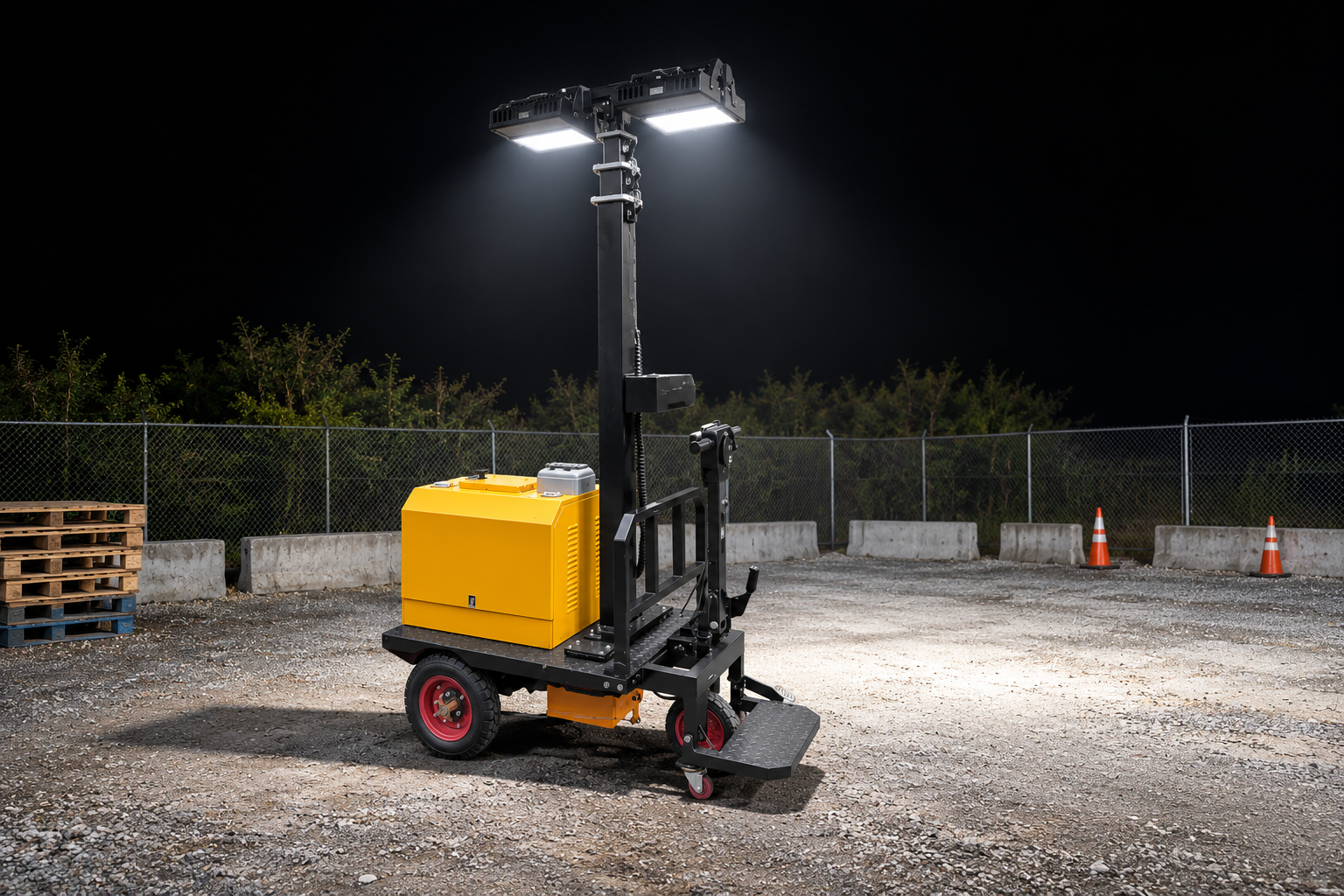
Use the external walkaround to confirm the tower remains where the plan shows it. The photograph below illustrates open-air positioning, not a validated separation distance. If the equipment is the site’s tracked model, confirm movement and stabilizer arrangements in the actual manual. Product mobility should make an approved position achievable, rather than encourage informal moves toward the nearest work area. An operator who notices exhaust entering an occupied area should follow the stop and escalation plan instead of waiting for the next routine inspection.
Specify monitoring through a competent exposure plan
Where monitoring is required, the competent assessor should specify the instrument, contaminants, locations, duration, alarm settings and response. A general-purpose gas detector may not measure every component of diesel exhaust. Confirm sensor suitability, calibration status and any required functional checks before relying on readings. Record the instrument identifier and the task conditions so results can be interpreted later.
A single low reading at the tower does not establish safe exposure inside a cabin or at a worker’s breathing position. Monitoring needs to reflect the actual receptors and changing work pattern. Do not publish an invented safe limit or set an alarm from an unrelated application. The applicable jurisdiction, exposure standard and assessment method must guide decisions. Residential alarms, where recommended for occupied accommodation, provide an additional warning function; they do not authorize engine operation in an otherwise unsuitable location or replace occupational exposure assessment.
Use a clear stop, evacuation and escalation sequence
Carbon monoxide cannot be reliably identified by smell or sight. If a gas alarm activates, someone develops concerning symptoms, or exhaust is observed entering an occupied space, follow the site emergency plan and move people to a safe area. Call emergency services when poisoning is suspected and provide the location, suspected source and number of affected people. Do not send an unprotected colleague into a suspect space to retrieve a worker or silence an alarm.
Shut down the source only when the planned action can be taken safely without delaying evacuation or exposing another person. Prevent entry and restart until the responsible authority has assessed the area and authorized the next step. An employee feeling better after moving outside is not a technical clearance for the equipment to restart. The supervisor should preserve the relevant operating and monitoring records while giving emergency responders and medical professionals priority.
Build a practical placement and response record
Use the decision table as a starting point for a site-specific record. Each row needs a named owner and a current observation, not just a tick copied from the previous shift. Attach a simple sketch identifying the engine position and nearby occupied spaces. Keep the emergency contact route accessible to both operators and people working inside cabins.
For example, a tower accepted on an open laydown area may become unsuitable when a temporary office is moved beside it. The correct response is to pause and reassess the changed layout, not retain the old approval because the tower itself has not changed. Record what changed, what was checked and who accepted the revised arrangement. This makes the file useful to the incoming crew and avoids creating an unsupported claim that a particular number of metres is always safe.
| Observed condition | Registro o verificación requerida | Límite de decisión |
|---|---|---|
| Occupied opening near proposed position | Record opening and occupancy; obtain placement assessment | Do not start until accepted |
| New shelter or changed wind | Review exhaust pathway and worker positions | Pause and reassess |
| Alarm or suspected exposure | Move people to safety and activate emergency response | Prevent entry and restart |
| Monitoring proposed | Confirm instrument scope, checks and competent interpretation | Do not use one reading as blanket clearance |
Esta tabla cualitativa de decisiones es una herramienta de planificación que debe interpretarse junto con las directrices oficiales que se indican a continuación y el procedimiento aplicable en el emplazamiento; no contiene límites específicos para ningún equipo.
Check supplier information without inventing protections
Ask the supplier for the exact engine and exhaust arrangement, operating restrictions, shutdown instructions and maintenance requirements for the supplied configuration. Establish whether any carbon monoxide sensing or automatic shutdown is actually fitted, what it measures and its limitations. Do not infer these features from an ordinary control panel, a beacon or a photograph. A product image demonstrates visible construction, not an invisible safety system.
The Portable lifting lighting tower (standard model) supplies the visible equipment context for this guide; verify the actual delivered configuration against its applicable instructions. Use the actual supplied documentation to evaluate it. Keep the equipment selection question separate from approval of a particular worksite position. If a safe combustion-engine arrangement cannot be established, discuss an appropriate alternative power and lighting configuration rather than promise that a larger fan or a cleaner fuel will resolve the exposure question.
Brief the crew using authoritative generator guidance
The CDC educational video below explains why generator exhaust requires deliberate safety controls. It supports the discussion of exhaust migration and emergency awareness; it is not a product certification or an industrial exposure survey. In a toolbox talk, ask workers to identify the nearest occupied opening and describe whom they would contact if an alarm sounded. Check understanding through the local site layout rather than a memorized slogan.
cURL Too many subrequests by single Worker invocation. To configure this limit, refer to https://developers.cloudflare.com/workers/wrangler/configuration/#limits cURL Too many subrequests by single Worker invocation. To configure this limit, refer to https://developers.cloudflare.com/workers/wrangler/configuration/#limits, cURL Too many subrequests by single Worker invocation. To configure this limit, refer to https://developers.cloudflare.com/workers/wrangler/configuration/#limits, cURL Too many subrequests by single Worker invocation. To configure this limit, refer to https://developers.cloudflare.com/workers/wrangler/configuration/#limits cURL Too many subrequests by single Worker invocation. To configure this limit, refer to https://developers.cloudflare.com/workers/wrangler/configuration/#limits.
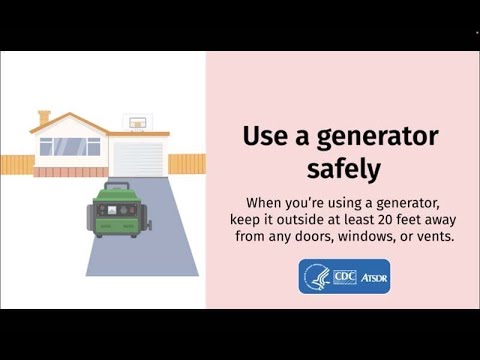
Watch the educational video on YouTube.
Preguntas antes de la siguiente operación
Does a diesel light tower create a carbon monoxide risk?
Los gases de escape de los motores de combustión requieren una evaluación que incluya el monóxido de carbono y otros contaminantes. La denominación diésel o un certificado de emisiones no demuestran que una ubicación sea segura. Utilice la documentación real del motor y una evaluación realizada por personal competente que tenga en cuenta a las personas, las aberturas y las condiciones de funcionamiento.
¿Es suficiente colocarlo en exteriores?
No. Los gases de escape pueden llegar a aberturas cercanas, tomas de aire o zonas de trabajo parcialmente cerradas. La instalación al aire libre debe evaluarse teniendo en cuenta también la ocupación, la distribución del espacio y el movimiento del aire. Vuelva a evaluar la situación cuando cambien la distribución o las condiciones, en lugar de confiar en una aprobación de instalación anterior.
¿Puede una alarma de monóxido de carbono sustituir a los controles de ubicación?
No. Las alarmas apropiadas o el monitoreo ocupacional pueden formar parte de un plan más amplio, pero no hacen que una ubicación inadecuada del motor sea aceptable. La selección de instrumentos, configuraciones y respuestas debe seguir asesoramiento competente y los requisitos aplicables del sitio.
cURL Too many subrequests by single Worker invocation. To configure this limit, refer to https://developers.cloudflare.com/workers/wrangler/configuration/#limits
Siga el plan de emergencia del sitio, mueva a las personas a un lugar seguro y solicite asistencia de emergencia cuando se sospeche de intoxicación. Evite volver a entrar y reiniciar hasta que la autoridad responsable despeje el área. No intente realizar un rescate sin protección ni trate uno más tarde, considerándolo como autorización automática.
Orientaciones oficiales y límites de aplicación
cURL Too many subrequests by single Worker invocation. To configure this limit, refer to https://developers.cloudflare.com/workers/wrangler/configuration/#limits.
- cURL Too many subrequests by single Worker invocation. To configure this limit, refer to https://developers.cloudflare.com/workers/wrangler/configuration/#limits
- cURL Too many subrequests by single Worker invocation. To configure this limit, refer to https://developers.cloudflare.com/workers/wrangler/configuration/#limits
Configuración del producto y guía de compra relacionada
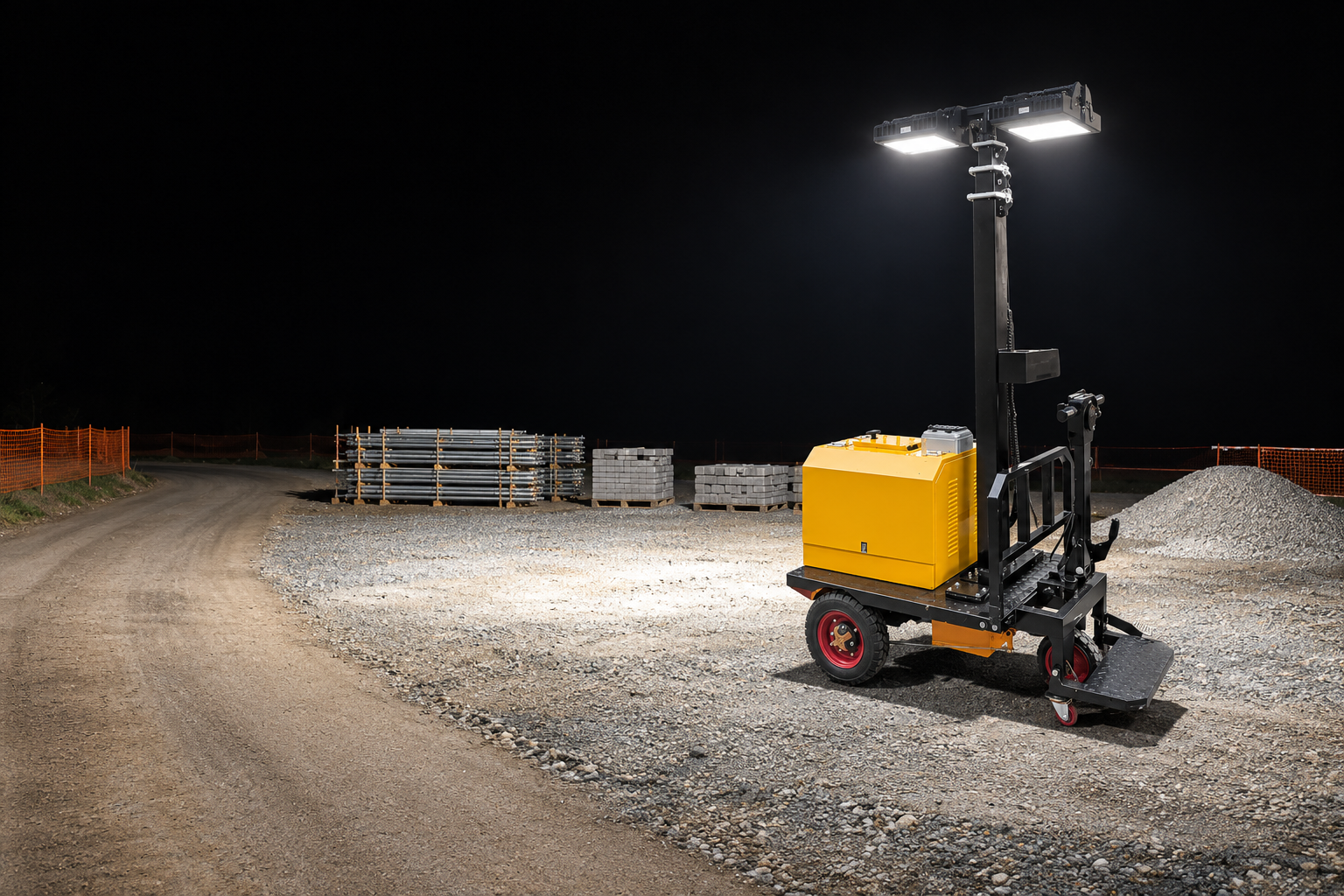
The Portable lifting lighting tower (standard model) is the real product reference used in the outdoor night images for this guide. The visible configuration, including yellow three-wheel driving chassis, standing platform and lighting mast, provides a concrete equipment context for open-air engine-powered deployment. Confirm the actual engine configuration, nearby openings and the open-air deployment position against the delivered configuration before making an operational or purchasing decision.
Guía relacionada de compra y servicio: Diesel light tower. Utilice esta guía más amplia junto con las verificaciones específicas en este artículo. Para una consulta específica del modelo, consulte el Torre de iluminación portátil elevable (modelo estándar) y pregunte qué configuración documentada y opciones están incluidas. Una fotografía del producto establece el contexto visible del equipo; no establece una clasificación medida, inspección aprobada o función opcional soportada.
Ver también cómo elegir una torre de luz y mantenimiento de torres de iluminación.


