

Iluminación de seguridad en obras de construcción fuera del horario laboral
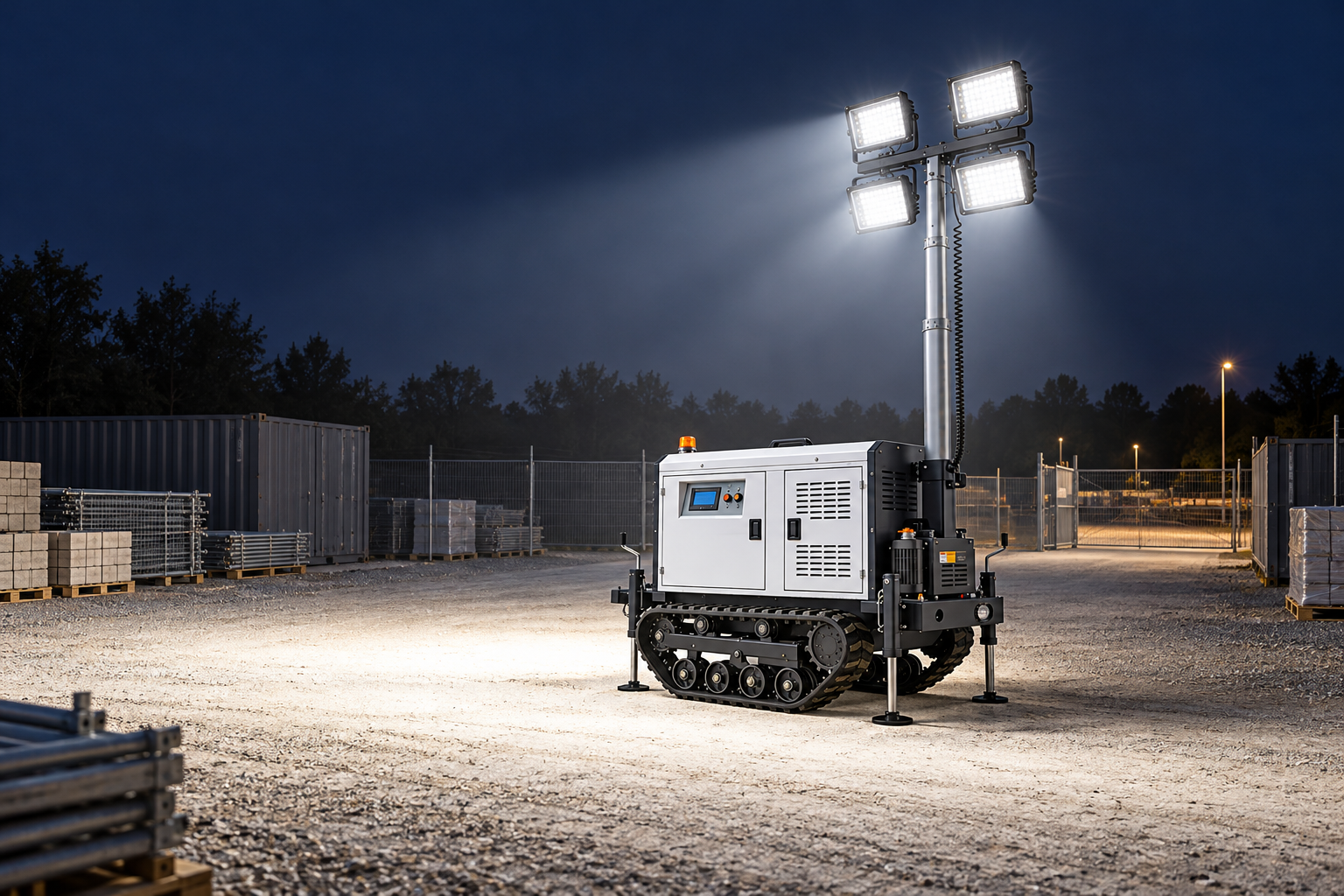
Planifique la iluminación de seguridad de las obras de construcción teniendo en cuenta la visibilidad desde los accesos, las zonas de sombra en los almacenes, las rutas de patrulla, los deslumbramientos, el funcionamiento documentado de la alimentación eléctrica y los sistemas de cámaras verificados por separado.
Construction site security lighting should make accepted gates, perimeter approaches, patrol routes, and selected storage areas usable after working hours. Begin with the security team's observation and response functions, then assess lamp direction, shadows, power, and changes as the site develops. Lighting supports the security plan but does not prevent theft by itself, replace access control, or prove that an ordinary light tower includes surveillance cameras. This guide addresses temporary outdoor lighting during construction, with any surveillance equipment, recording function, and response arrangements specified and reviewed separately.
Distinguish security duty from construction work lighting
Construction work and after-hours observation use the site differently. A task arrangement aimed at an active workface may leave the gate or patrol approach poorly supported when the crew departs. Define the functions that remain in use after the working shift: checking an arriving vehicle, reading a gate sign, inspecting a storage boundary, or moving along an accepted patrol route.
Keep those functions separate from claims about construction illumination compliance. OSHA's construction illumination requirements apply within their stated scope; a security layout is not accepted merely because a tower was used for daytime work. The responsible site team determines the criteria for each activity. A clear separation also prevents an overnight operator from treating an illuminated unfinished area as an approved working or walking route.
Set the observation point before choosing tower positions
Identify where a guard or other authorized observer will stand and which directions must be visible. Evaluate the gate, vehicle approach, and surrounding boundary from that position. The appearance of the site from beside the tower is a different view and may hide a direct lamp exposure or a shadow behind a container.
Describe the observation task in the supplier brief. Reading a sign, identifying a person at a reporting point, and seeing movement beyond a fence are different requirements. If a camera system is separately specified, its responsible provider must assess the final camera view as well. A broad output figure cannot establish that an observer or recording system can obtain the information required by the security plan.
Control glare toward people using the gate
Inspect the driver's approach, the guard's normal direction of view, and the pedestrian reporting point. Bright lamp heads in those views can make a gate uncomfortable to use even while the ground appears well illuminated. Reflective signs, wet surfaces, glazing, and vehicle mirrors can create additional problems that are absent in a simple site photograph.
Adjust position and aiming within the accepted footprint, then repeat the check with representative movement. Do not increase output automatically when the underlying issue is direction. Record the accepted configuration so a later maintenance visit does not reset it without review. DOE's outdoor-lighting resources provide lighting-design context, but the delivered equipment and the actual gate arrangement still require their own evaluation.
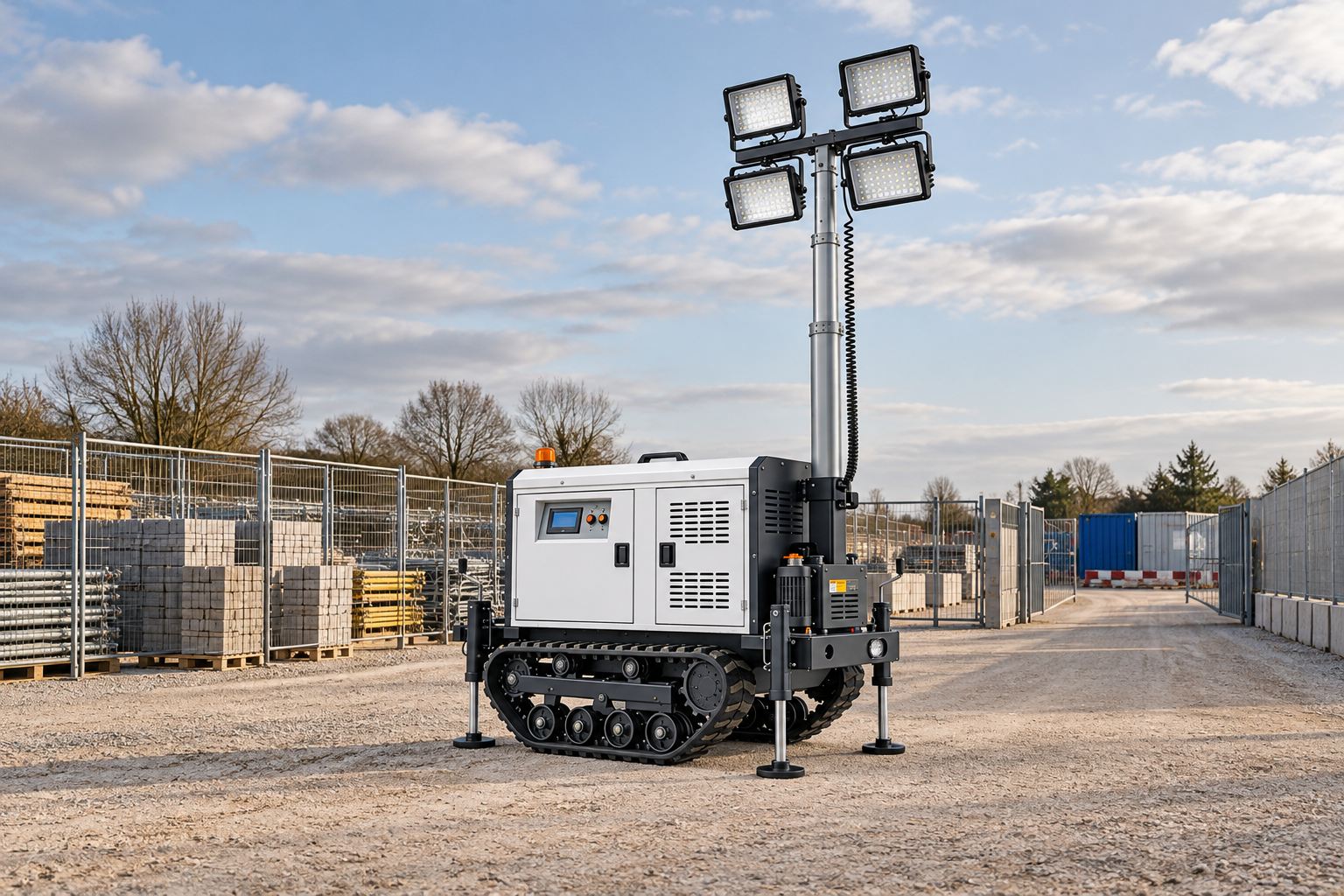
Review shadows as storage and structures change
Stacks, parked equipment, site cabins, and containers can interrupt a useful beam. Review the arrangement with those objects in their intended positions, including the edge and rear of the area to be observed. A brightly exposed front face can coexist with an obscured approach behind it. Increasing light on that face may do little for the hidden point.
Treat the evolving construction layout as part of the security-lighting record. A new storage stack or temporary structure can require another check even when no lamp setting changes. Identify the person who receives layout-change notices and can approve a repositioning. This connects lighting maintenance with site development instead of waiting until a guard reports that a previously useful view is no longer available.
Coordinate illumination with the physical boundary
Use the accepted fence, gate, restricted areas, and patrol routes as the basis of the layout. Tower supports and connections must remain within an approved equipment area. Avoid placing the machine where opening a gate or inspecting the boundary requires stepping through its support envelope. Allow for mast recovery and service activity as well as normal operation.
Check whether the light unintentionally emphasizes an unapproved route or obscures a boundary sign. Lighting should reinforce the site's arrangements rather than inviting movement into an unfinished area. Access-control decisions and response procedures remain with the security organization. A tower photograph does not establish either of them, and the procurement brief should avoid implying that illumination alone secures the site.
Keep camera performance outside unverified tower claims
A lighting tower and a surveillance system may be deployed on the same site without being one product. Do not infer cameras, recording, detection, or remote monitoring from the shape of the mast. Specify any such capability separately and request evidence for the exact offered equipment. The tracked tower used as this article's product reference is discussed as area-lighting equipment.
Where cameras are separately installed, ask the responsible system provider to check the actual image at the intended observation distance, direction, and night setting. Lamps can appear directly in the view, and reflective surfaces can affect what the system records. The lighting acceptance record should capture the settings that were checked with that provider, without promising recognition or detection performance from an unverified tower specification.
Use a security-function review table
This qualitative table is an original planning aid. DOE material supports the discussion of outdoor lighting, while OSHA material provides context for construction work illumination. Neither source establishes a security outcome or confirms a camera capability for the illustrated product.
| Security function | Inspect from the real user position | Change that triggers review |
|---|---|---|
| Gate reporting | Driver and guard glare; faces and signs | Cabin, gate, or reporting-point relocation |
| Storage observation | Shadows behind representative stacks | New container or revised stacking layout |
| Accepted patrol route | Visible transitions and equipment footprint | Fence, excavation, or route changes |
| Separate camera system | Actual recorded image with lamp setting | Camera aim, exposure, or tower relocation |
| Overnight service | Clear operator approach and retained function | Charging or fuel support schedule changes |
Size the operating duty from the overnight schedule
cURL Too many subrequests by single Worker invocation. To configure this limit, refer to https://developers.cloudflare.com/workers/wrangler/configuration/#limits.
cURL Too many subrequests by single Worker invocation. To configure this limit, refer to https://developers.cloudflare.com/workers/wrangler/configuration/#limits.
cURL Too many subrequests by single Worker invocation. To configure this limit, refer to https://developers.cloudflare.com/workers/wrangler/configuration/#limits
cURL Too many subrequests by single Worker invocation. To configure this limit, refer to https://developers.cloudflare.com/workers/wrangler/configuration/#limits.
cURL Too many subrequests by single Worker invocation. To configure this limit, refer to https://developers.cloudflare.com/workers/wrangler/configuration/#limits.
cURL Too many subrequests by single Worker invocation. To configure this limit, refer to https://developers.cloudflare.com/workers/wrangler/configuration/#limits
cURL Too many subrequests by single Worker invocation. To configure this limit, refer to https://developers.cloudflare.com/workers/wrangler/configuration/#limits.
cURL Too many subrequests by single Worker invocation. To configure this limit, refer to https://developers.cloudflare.com/workers/wrangler/configuration/#limits.
Conduct an after-dark walk-through
Inspect the gate and routes from the directions used by drivers, guards, and authorized personnel. Include representative parked vehicles and storage. Check the observation points, reflected light, shadowed approaches, and transitions between lit areas. Where measurements are required, the responsible team specifies the method and criteria for the actual function.
Document issues specifically and repeat the affected check after adjustment. Record mast position, aiming, power mode, surrounding objects, and any separate camera settings evaluated by their provider. A broad statement that the site is bright offers little help when the next shift encounters a changed stack or another vehicle. The record should make the accepted scope and its limits visible to people who were absent during setup.
Procure against a bounded lighting scope
Provide the supplier with the outdoor security functions, equipment footprint, duty, service access, and documentation required at acceptance. Request configuration-specific instructions, drawings, and relevant photometric information. Specify any separate surveillance features under their own evidence requirements. Avoid unverified promises about crime prevention, camera recognition, automatic response, or remote monitoring.
The Keyyou tracked mobile tower product page provides a real equipment reference for discussion. Confirm the offered lamp arrangement, power system, support envelope, and operating limits directly. The reference-based illustrations do not establish a particular output or runtime and do not show an integrated surveillance product. Purchase the equipment against the accepted lighting task, then verify it within the site's physical and operational security arrangements.
Planificación de equipos y guías complementarias
Discuta la configuración exacta ofrecida con el equipo de producto de la torre móvil rastreada Keyyou. Utilice la guía de torres de luz móviles para el contexto más amplio del equipo, luego consulte planificación de control de deslumbramiento y mantenimiento de torres de iluminación para decisiones complementarias.
Educación sobre seguridad con generadores
Este video del CDC explica las precauciones contra monóxido de carbono para generadores portátiles. Apoya la discusión de planificación de energía mencionada anteriormente y no certifica la torre ilustrada, establece su especificación de potencia ni aprueba la instalación propuesta. Aplique las instrucciones exactas del equipo y la revisión responsable del sitio a cualquier sistema de generación integrado.
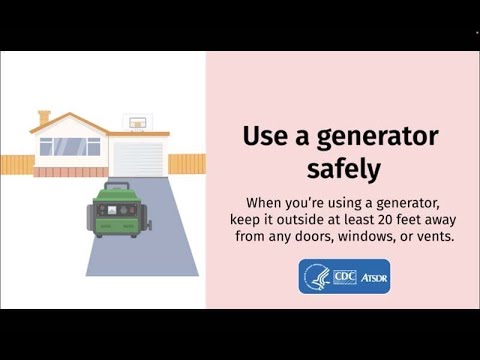
Ver CDC: Uso seguro de un generador.
Preguntas frecuentes
Does a lighting tower automatically include surveillance?
No. Especifique cámaras, grabación, detección y monitoreo por separado y verifique esas capacidades para el equipo exacto ofrecido. La torre rastreada mencionada aquí se discute como equipo de iluminación de área. Una fotografía del mástil o un encabezado de cotización no establecen una función de vigilancia integrada.
¿Una iluminación más brillante siempre es mejor para la vigilancia de las puertas de acceso?
No. La dirección de la lámpara, el deslumbramiento, los reflejos y los objetos intermedios afectan la vista útil. Verifique las posiciones reales del guardia y del conductor con vehículos y superficies representativos presentes. Corrija el problema específico y repita la observación; una figura de salida por sí sola no puede aceptar la disposición de la puerta.
When should an after-hours layout be reviewed?
Revíselo después de cambios en pilas de almacenamiento, cabañas, contenedores, cercas, rutas de patrulla o configuraciones de cámaras. También vuelva a evaluar después de la reubicación de torres o un horario revisado de energía y servicios. Mantenga las configuraciones aceptadas con el plan de seguridad para que otro turno no herede una configuración inexplicada.
Fuentes de referencia y alcance
Estas referencias respaldan el contexto organizacional, de tarea, acceso o seguridad del generador descrito anteriormente. No respaldan el equipo Keyyou ni establecen su salida, tiempo de funcionamiento, certificación o aceptación en el sitio. La tabla de decisiones es una herramienta de planificación cualitativa original; los criterios exactos deben provenir del equipo responsable.


