
Roadwork Flagging Station Lighting Without Driver Glare
Plan roadwork flagging station lighting so drivers can see the flagger and instructions without glare, while preserving escape routes and changing traffic control.
Roadwork flagging station lighting should make the authorized flagger position and traffic instruction recognizable from each controlled approach while limiting driver glare. Choose tower positions within the approved traffic-control arrangement and verify them from representative driver and worker views.
Evaluate the flagger from the driver’s approach
Roadwork flagging station lighting should be coordinated with the approved traffic-control plan. Mark the flagger’s position, the approaching traffic view, the instruction or signal being used, and the escape route. Do not evaluate the station only from beside the light tower. The useful test is whether the intended road user can distinguish the person and instruction without facing distracting bare lamps or a confusing background.
Keep the tower footprint, supports, cables, and servicing activity away from the flagger’s escape route and the approved traffic paths. The responsible traffic-control team must determine permitted positions, signs, separation, and changes to the arrangement. A nominal lamp wattage or lighting radius does not establish adequate visibility at a particular approach. Review the installed view when work vehicles, barriers, and signs occupy their actual nighttime positions.
When the flagging station moves, recheck the tower location and aiming with it. A direction suitable for one approach can point directly toward drivers at the next location. Review both approaches where the control arrangement involves alternating traffic, and establish what the crew does if illumination fails. Service or refueling must not leave the active station unexpectedly dark. Keep records of the accepted station arrangement and reported glare issues. This guidance concerns the temporary lighting assessment; it does not replace the jurisdiction’s traffic-control requirements or the site authority’s instructions for flagging operations.
Les cinq problèmes qui régissent la décision
| Zone de décision | Que vérifier |
|---|---|
| Flagger visibility | Review the flagger’s assigned position and the traffic-control device with the responsible traffic-control supervisor. |
| Approach sightlines | Assess each controlled approach, including curves, grade changes, and transitions into the illuminated work area. |
| Protection | Discuss fixture direction and any proposed shielding with the supplier and responsible site team. |
| Traffic separation | Reserve the full tower footprint, support arrangement, mast movement, service access, and cables outside permitted traffic movements and pedestrian routes. |
| Verification | Complete the authorized nighttime check for the installed control point and keep a record of the accepted views, tower location, aiming, and operating mode. |
1. Flagger face visibility
Review the flagger’s assigned position and the traffic-control device with the responsible traffic-control supervisor. The relevant question is whether approaching drivers can recognize the person and intended instruction under the approved work-zone arrangement. A lamp directed only at the ground may not reveal either. Conduct the nighttime assessment from permitted, controlled observer locations and representative approaches. Do not move a flagger to an unapproved position to suit a convenient lighting location; revise the lighting layout within the established traffic-control plan.
2. Approach sightlines
Assess each controlled approach, including curves, grade changes, and transitions into the illuminated work area. Identify the observations drivers must make before reaching the control point. A view from beside the flagger does not represent the approaching driver’s position. Arrange the inspection through the supervisor without placing observers in live traffic. Include representative signs, barriers, and parked vehicles because they can change the view. The lighting assessment supports the approved traffic plan rather than establishing speed, stopping distance, or control-point placement independently.
3. Protection
Discuss fixture direction and any proposed shielding with the supplier and responsible site team. The aim is to reveal the authorized control position without directing intense light into approaching drivers’ eyes. Do not improvise covers that may obstruct ventilation or change the equipment’s safety. Check the approved arrangement from every affected approach and worker position after adjustment. A reduction in glare on one side can leave a necessary view dark on the other, so acceptance must cover the entire relevant control arrangement.
4. Traffic separation
Reserve the full tower footprint, support arrangement, mast movement, service access, and cables outside permitted traffic movements and pedestrian routes. Check the supervisor’s traffic-control drawing before choosing the base location. A tower near a flagging station can still obstruct an escape route or create an obstacle for passing equipment. Coordinate servicing and relocation with the work-zone controls. Keep the flagger’s authorized working position and escape arrangements available; illumination does not compensate for an equipment placement that compromises those controls.
5. Vérification
Complete the authorized nighttime check for the installed control point and keep a record of the accepted views, tower location, aiming, and operating mode. Confirm the response if lighting fails while traffic is controlled and identify who can authorize a changed arrangement. Repeat the affected observations after moving the station, altering signs or barriers, changing the approach, replacing equipment, or adjusting lamps. Retain those conditions with shift handover so that acceptance at a previous position is not mistaken for approval of the next one.
Start with the approved traffic-control arrangement
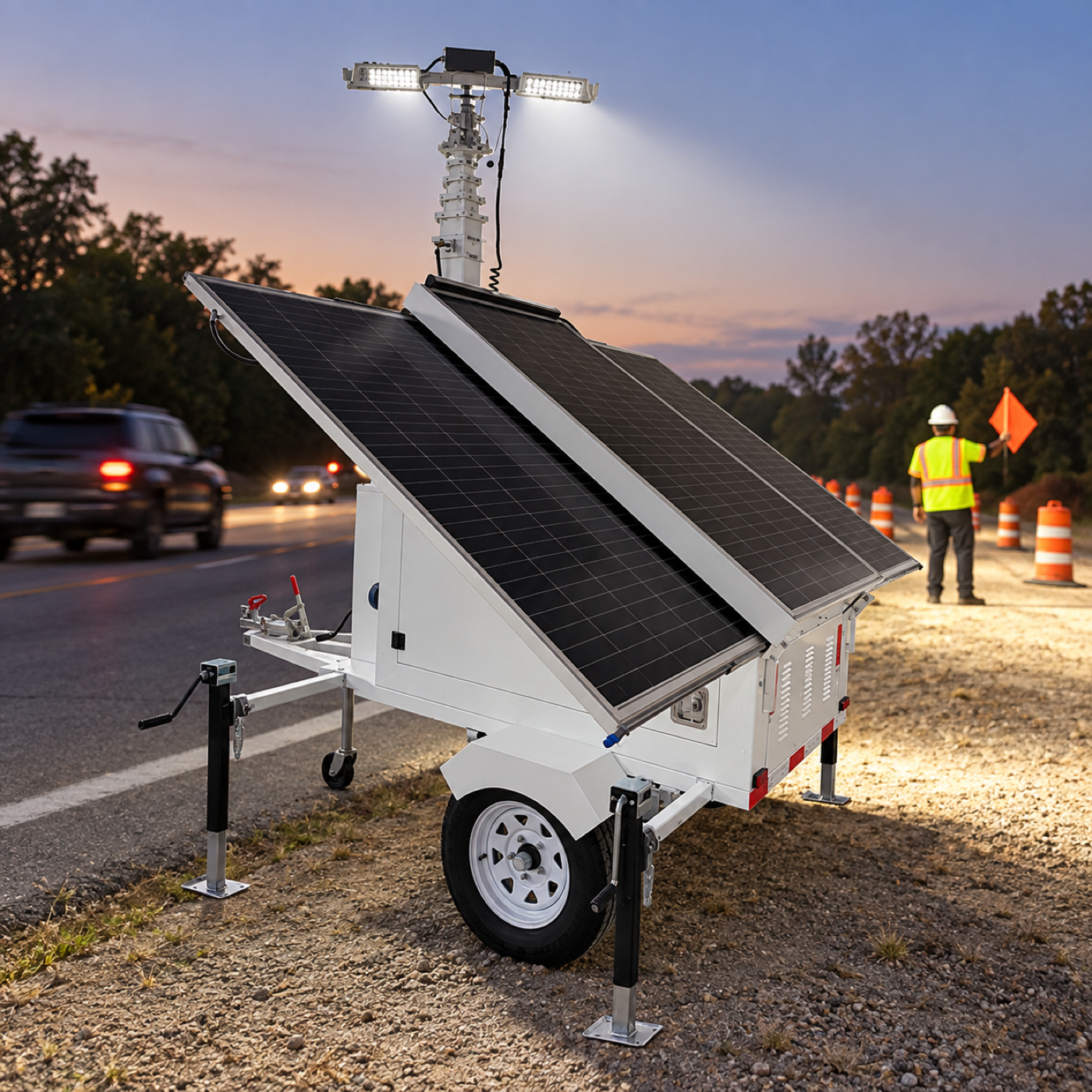
Prepare the lighting brief from the traffic-control supervisor’s layout. Identify the assigned flagging position, the instruction drivers must recognize, each controlled approach, escape arrangements, and permitted tower locations. Include signs, barriers, and nearby equipment that may obstruct the view. These details matter more than a general claim that a lamp can illuminate a particular area.
Request fixture information for the proposed mounting and aiming arrangement. Ask which assumptions the supplier makes about observer position, road geometry, reflections, and operating mode. Keep the exact equipment configuration and deployed footprint identifiable. A product image or a coverage sketch for an empty straight road does not establish a suitable arrangement at a curved approach with different signs and vehicle movements.
The responsible traffic-control team determines the operating plan and the relevant recognition requirements. The lighting proposal supports that plan rather than establishing the flagging location, approach speed, or stopping arrangements independently. Do not transfer a lighting recommendation from another road without reviewing the new approaches and restrictions. Record the permitted working and equipment positions before deployment.
Conduct the approach check under controlled conditions
Arrange the nighttime inspection through the supervisor so that observers do not stand in an uncontrolled traffic lane. Use representative driver positions and approach directions and review both the flagger and the traffic-control device. Check whether other lamps, signs, or parked equipment alter recognition. A satisfactory view at the control point itself is not proof of a satisfactory approaching-driver view.
Inspect the transition into the lit area as well as its brightest part. Review direct glare and the effect of approved aiming or shielding with the responsible team. If an adjustment improves one approach, repeat the other relevant observations. Do not require the flagger to change an assigned position merely to avoid glare from a poorly located tower.
Record the accepted fixture direction, base location, mast arrangement, mode, inspection conditions, and required project measurements. Include any limitation involving nearby vehicles or equipment. The record should explain what was observed and from where, so that a later shift can identify whether the conditions remain applicable or whether a changed sign, barrier, or approach needs another check.
Match power and servicing to the control period
Define how long the flagging operation and its required supporting activities need illumination. Include setup, handover, delays, and removal where the plan requires lighting. Ask the supplier to state runtime or energy information for the actual offered mode and configuration. A maximum runtime claim with reduced lamp output may not describe the accepted arrangement.
Review servicing access while traffic is controlled. Fuel, charging, or an external electrical supply needs an approved arrangement that does not compromise the flagger’s position, escape route, or traffic movements. The relevant equipment instructions and site teams determine those controls. Do not route an unreviewed cable through a protected position or place a service vehicle where it obscures the instruction being given to drivers.
Agree on the response to light or power failure with the traffic-control supervisor. The plan should identify affected operations, the responsible person, and the conditions for restoration. A replacement tower needs a permitted location and a recognition and glare check of its own. A spare unit’s availability does not establish that it can be deployed safely while the current traffic arrangement remains in use.
Compare the practical operating proposals
Give suppliers the same approaches, required observations, available base locations, duty period, and servicing constraints. Compare the assumptions and installation needs before comparing price. If one proposal needs a location prohibited by the traffic plan, resolve that mismatch rather than treating it as a cheaper equivalent. Include relocation effort where the control point will move during the project.
Keep the accepted layout and changes with the traffic-control handover. Describe which positions and sign arrangements were inspected, who can authorize lighting adjustments, and when another check is required. A familiar tower can produce a different view at the next station because the grade, approach direction, background, or barriers differ.
The operating result to seek is recognizable, authorized traffic instruction supported by a maintainable lighting arrangement. Equipment output is one input to that result. It does not replace trained flaggers, the approved traffic-control procedure, or the responsible team’s review of the actual road conditions.
Guides sur les tours d'éclairage associés
- guide des plantes lumineuses
- light tower selection guide
- caractéristiques de la tour d'éclairage
- light tower safety guide
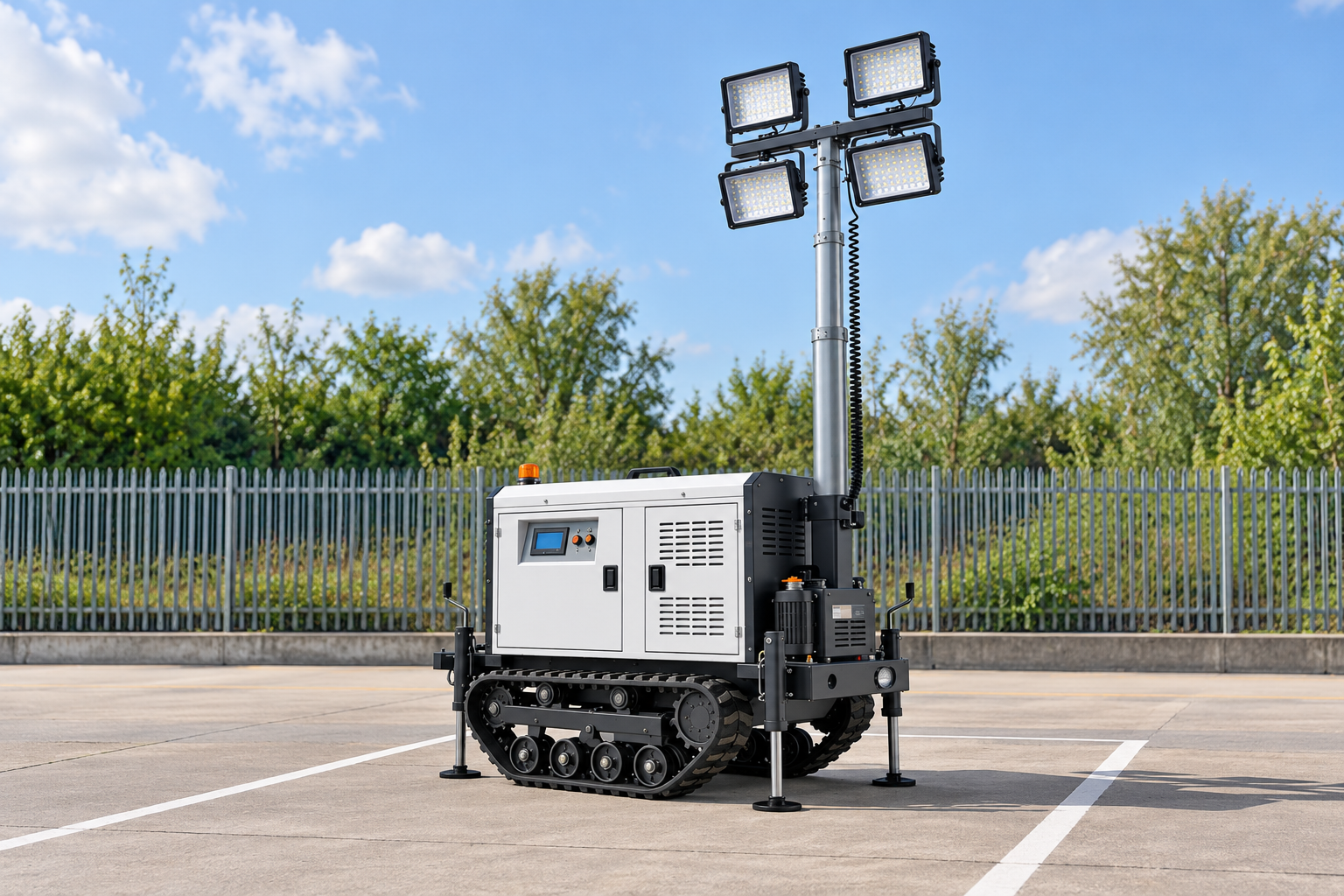
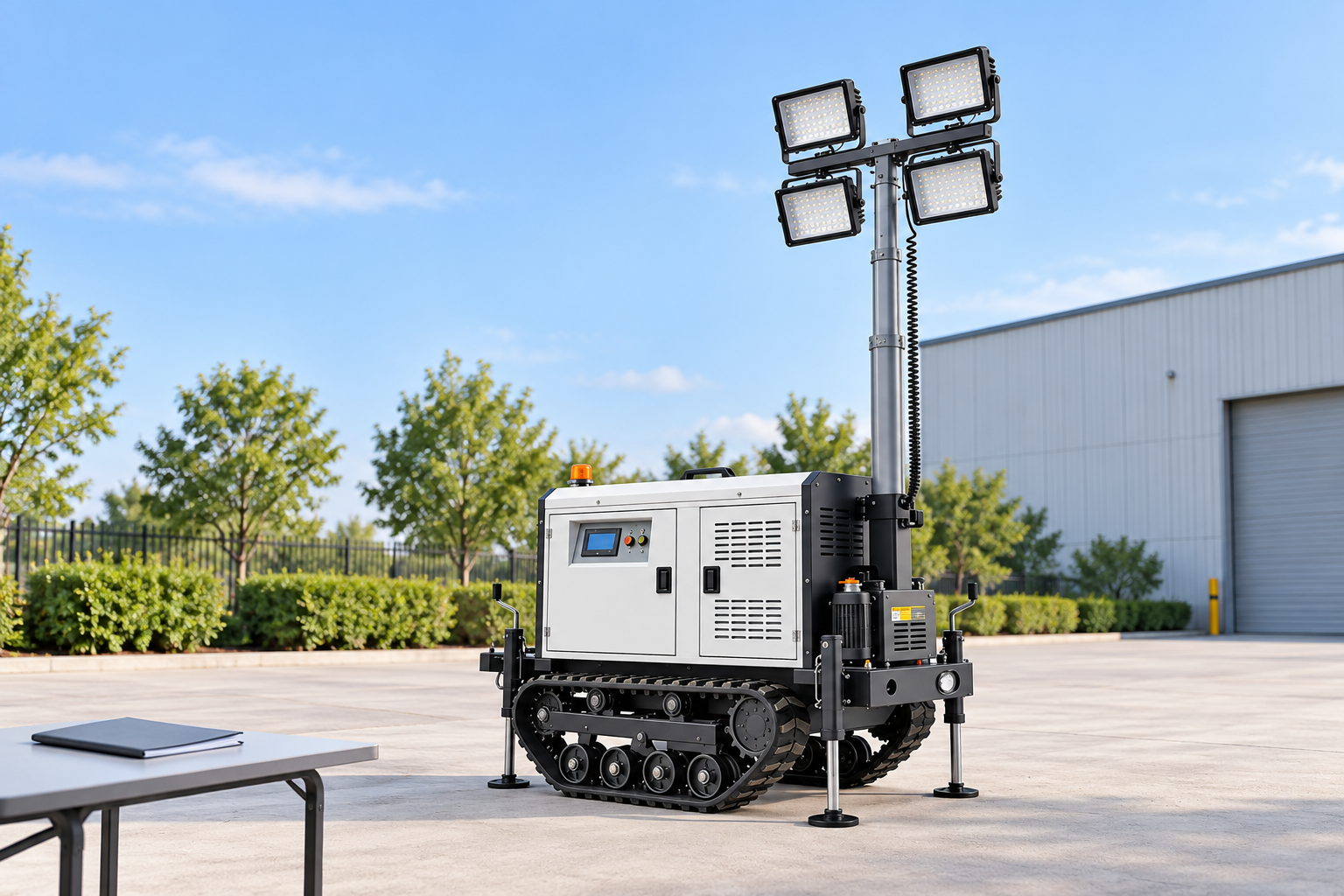
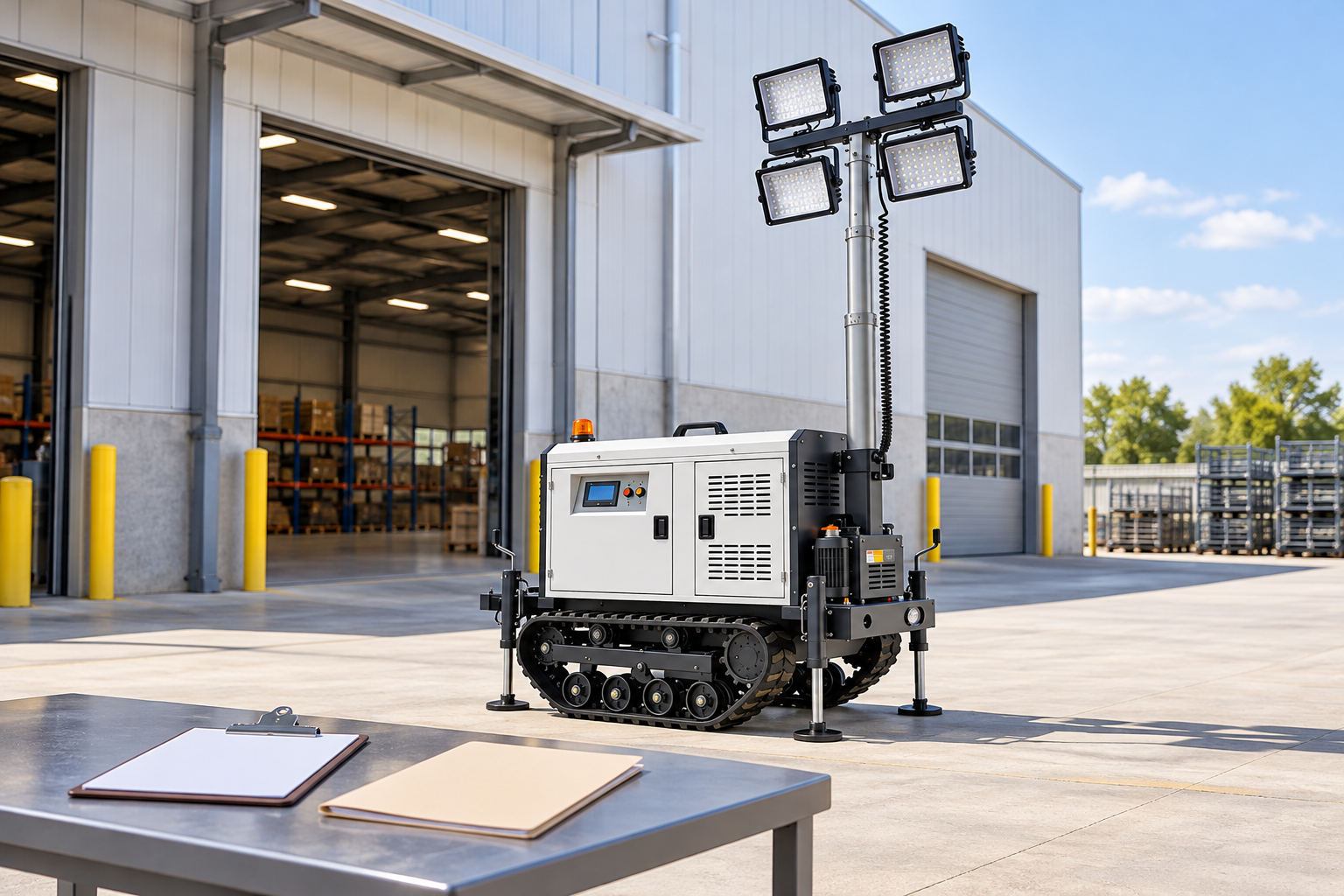
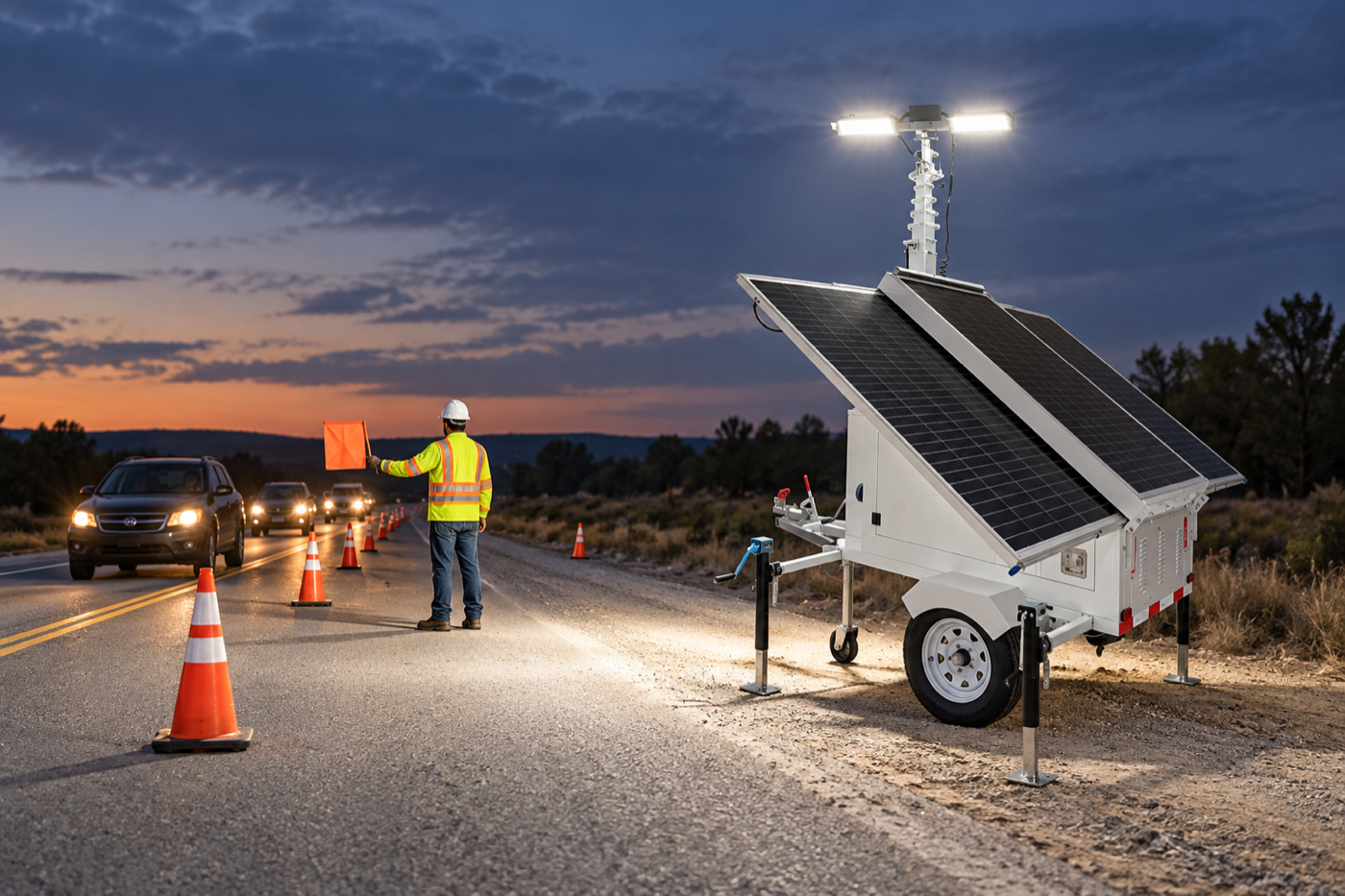
La référence pertinente à Keyyou est la the referenced Keyyou mobile light tower product. Cette photographie identifie la famille de produits ; les dimensions et les limites finales doivent être conformes à la configuration fournie.
Generator exhaust and the power arrangement
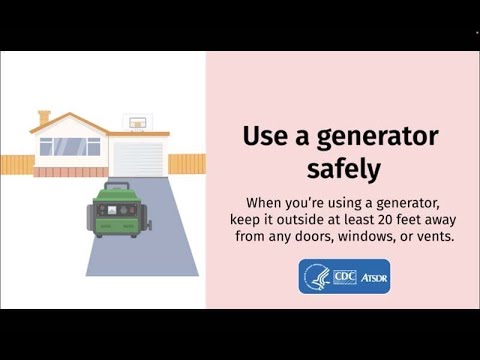
Where the lighting arrangement uses generator power, review exhaust, servicing, fuel handling, and the full operating window with the responsible site team. Keep exhaust from entering occupied spaces and follow the exact equipment instructions. The CDC video below explains carbon-monoxide precautions; its household examples do not specify this project installation. It does not demonstrate the construction or mining task, teach stored-energy isolation, or replace the relevant work procedure. If the offered tower uses another power source, obtain the appropriate charging or electrical-supply documentation instead of assuming that the generator example applies.
Foire aux questions
Does lighting the road surface make the flagger recognizable?
Review the flagger’s assigned position and the traffic-control device with the responsible traffic-control supervisor. The relevant question is whether approaching drivers can recognize the person and intended instruction under the approved work-zone arrangement. A lamp directed only at the ground may not reveal either.
Where should a flagging-station approach be inspected?
Assess each controlled approach, including curves, grade changes, and transitions into the illuminated work area. Identify the observations drivers must make before reaching the control point. A view from beside the flagger does not represent the approaching driver’s position.
Can shielding be improvised on the lamp?
Discuss fixture direction and any proposed shielding with the supplier and responsible site team. The aim is to reveal the authorized control position without directing intense light into approaching drivers’ eyes. Do not improvise covers that may obstruct ventilation or change the equipment’s safety.
Can a tower occupy the flagger escape route?
Reserve the full tower footprint, support arrangement, mast movement, service access, and cables outside permitted traffic movements and pedestrian routes. Check the supervisor’s traffic-control drawing before choosing the base location. A tower near a flagging station can still obstruct an escape route or create an obstacle for passing equipment.