
Classes de corrosion des tours de lumière : spécifiez l’exposition et vérifiez l’état de la finition
Évaluer les allégations de corrosion des tours de lumière en fonction de l’exposition, des matériaux des composants, des preuves relatives au système de protection, des contrôles effectués, des réparations homologuées et de la responsabilité en matière de maintenance.
Light tower corrosion classes are useful only when the buyer can connect the stated exposure category to a documented protective system and the actual components being supplied. A painted enclosure, bright mast, or clean product photograph cannot establish a corrosion classification. Begin with the intended environment, identify the materials and finishes of each exposed assembly, and request traceable evidence with clear limitations. Keep coating specifications separate from electrical ingress protection and hazardous-area suitability. This guide explains how to organize that procurement review without assigning an unverified class, service life, or certification to the illustrated Keyyou tower.
Start with the environment rather than a class label
Describe where the tower will operate, where it will wait between assignments, and how it will be transported and cleaned. Coastal salt exposure, industrial deposits, damp storage, repeated wetting, and cleaning chemicals can create different demands. A statement such as outdoor duty gives the supplier too little information to evaluate the requirement. Describe the actual exposure and ask what evidence supports suitability for that exposure, including any restrictions or additional maintenance obligations.
Separate the installation assessment from the appearance of nearby equipment. A tower on a sheltered inland yard and one working near marine cargo handling may encounter different conditions even if both are described as industrial sites. The person specifying protection should identify the applicable classification method and edition, explain why it fits the exposure, and document assumptions. Do not choose a category from an internet photograph or a general-purpose product description.
Identify which part of the tower the claim covers
A mobile lighting tower is an assembly of parts rather than one uniform coated object. The enclosure panels, chassis, mast sections, support legs, hinges, fasteners, lamp housings, electrical entries, and joints can use different materials and finishes. A report for one coating system or one lamp housing does not automatically cover every component. Ask for a component schedule that links each relevant surface to its specified material, finish, and supporting documents.
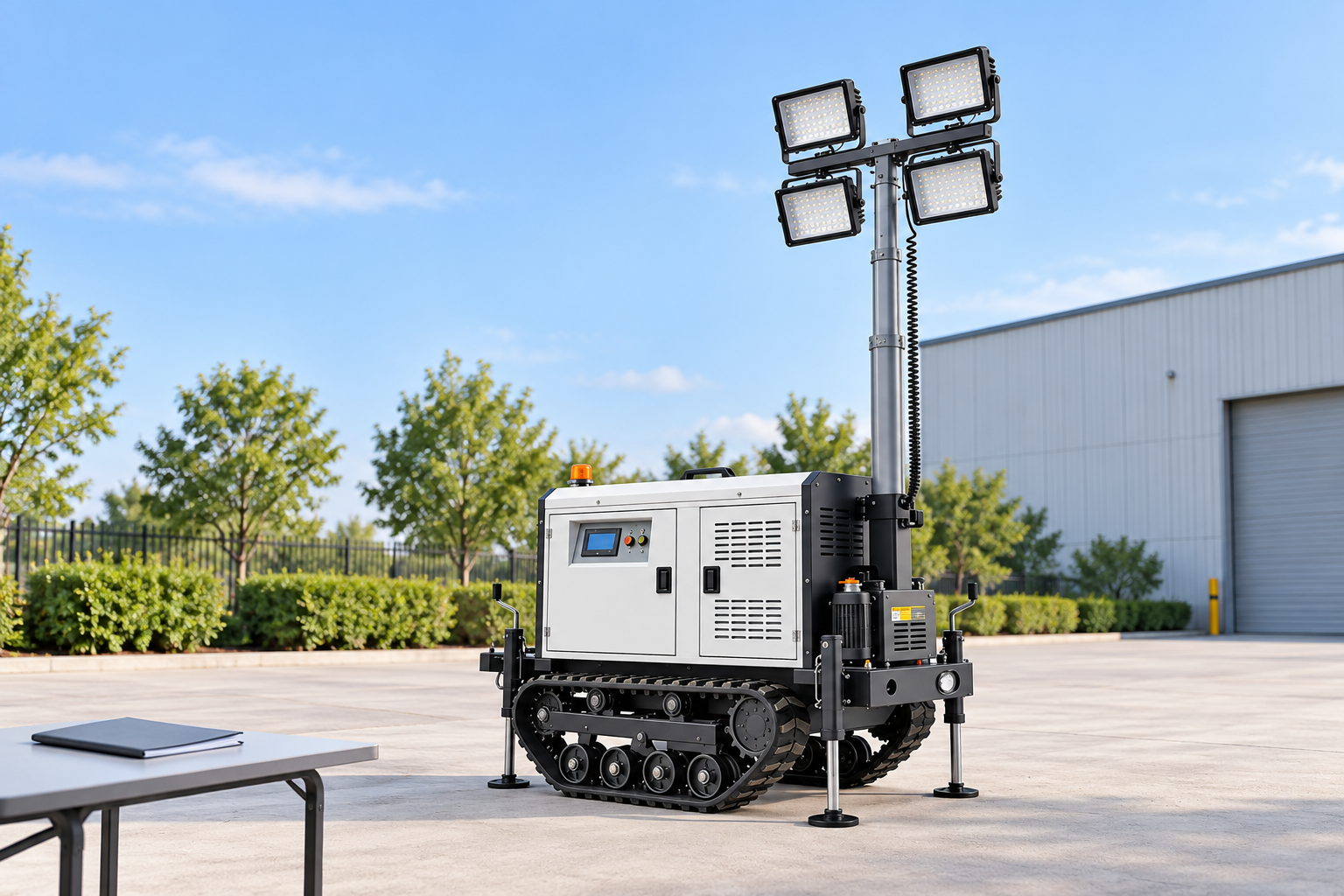
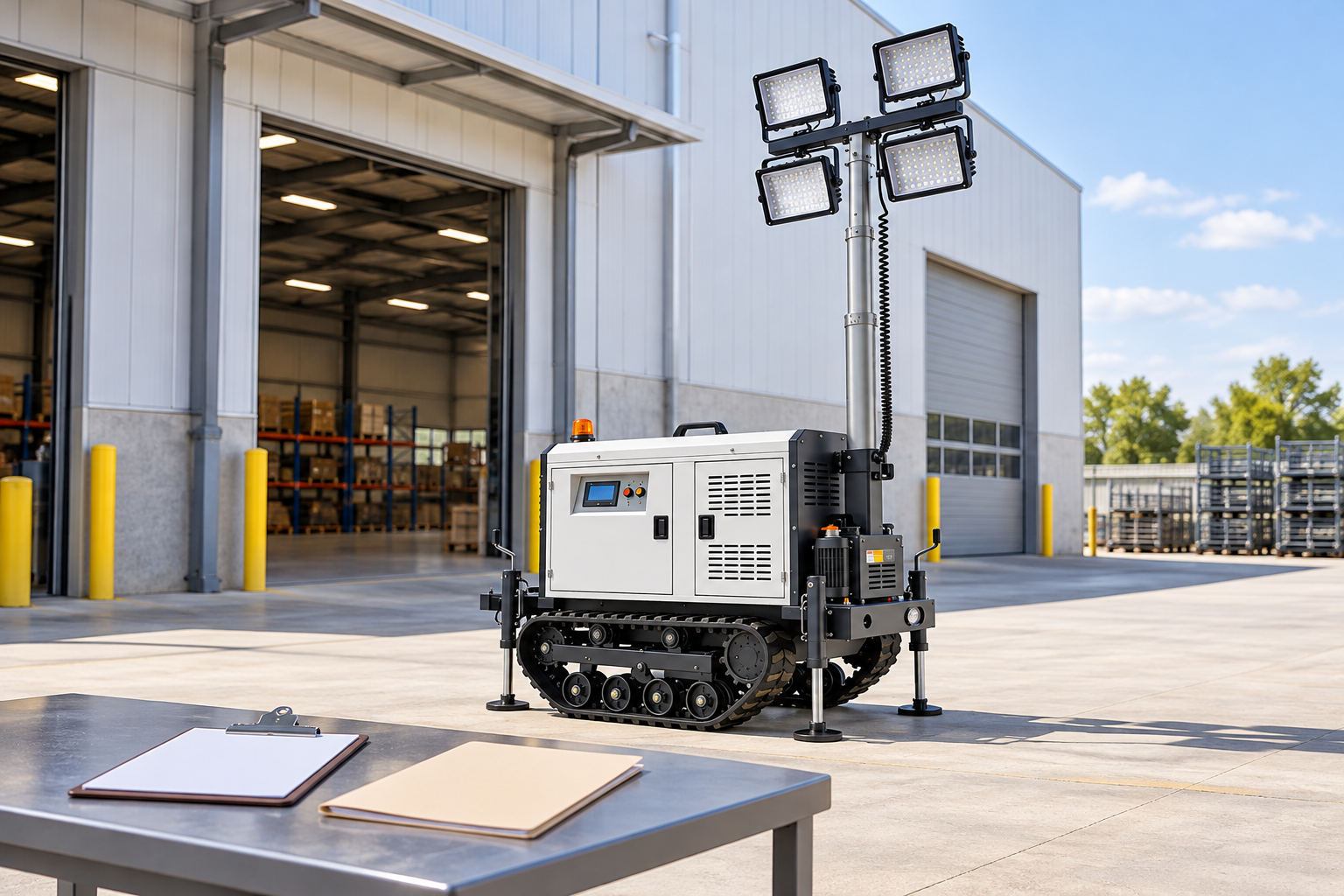
The referenced crawler product shows a white enclosure, black tracked base, support legs, silver mast, and four lamp heads. Those visible features help identify the product arrangement, but they do not prove substrate grades, coating composition, preparation quality, thickness, test conditions, or protection classification. The same limitation applies to stainless-looking hardware. Confirm the supplied material and finish from traceable records rather than inferring them from color or reflectivity.
Turn the requested class into an evidence request
Ask the supplier to state the scope of its claim in ordinary language before accepting a short code. Which classification method is being used? Which substrate and coating system does it describe? Does it cover the complete supplied assembly or named components only? What preparation and application controls belong to that system? Which operating conditions, cleaning practices, and repair procedures are assumed? A clear answer should connect the documents to the actual order.
Retain the document identity, revision, issuing organization, sample description, relevant test conditions, and any exclusions. Distinguish a material supplier's coating data sheet from a test report and from production inspection records. These documents answer different questions. A generic brochure may explain the intended system, yet it does not establish that the delivered unit received that exact preparation and application. Resolve missing links before treating the evidence as acceptance of the ordered equipment.
Compare protection offers with the same scope
Two offers can use similar language while covering different surfaces or assumptions. One may describe enclosure panels only; another may include chassis preparation and a defined repair procedure. Compare the documented scope, not the length of the warranty headline. Ask whether changes in color, substrate, fasteners, accessories, or production location affect the evidence. Record any proposed equivalent system for review rather than assuming a substitute finish preserves the same claim.
Keep the desired service period, inspection responsibilities, maintenance expectations, and commercial warranty distinct. A coating assessment under specified conditions cannot promise that an entire mobile machine will remain maintenance-free in every environment. Avoid converting a test duration directly into years of field service. Field exposure, preparation, application, damage, and maintenance all affect performance. The cited public guidance supports reviewing those factors; it does not establish a Keyyou service-life figure.
Use a component evidence table during procurement
| Assembly or question | Éléments de preuve à demander | Acceptance boundary to record |
|---|---|---|
| Painted enclosure and chassis surfaces | Substrate identity, preparation requirement, complete coating system and application record | Named surfaces and any excluded edges, cavities or accessories |
| Mast and support assemblies | Material and finish schedule with approved care instructions | Moving interfaces, contact points and repair restrictions |
| Hinges, fasteners and mixed-material joints | Material identification and compatibility review | Actual supplied combinations and replacement requirements |
| Lamp housings and electrical entries | Component documents and assembly instructions | Separate corrosion evidence from ingress protection claims |
| Transport or handling damage | Receiving record, photographs and approved repair method | Damage remains open until reviewed and accepted |
| Long-term maintenance | Inspection triggers, cleaning guidance and repair responsibilities | No invented universal interval or maintenance-free promise |
Use this table to organize evidence, not to assign a classification. The NPL coating-adhesion guidance concerns manufacturing assurance and inspection methods, while FHWA's maintenance-painting note concerns existing steel bridge coatings. They provide useful principles about evidence and preparation. Their structures, methods, and acceptance criteria are not automatically specifications for a light tower.
Examine finish quality at receiving inspection
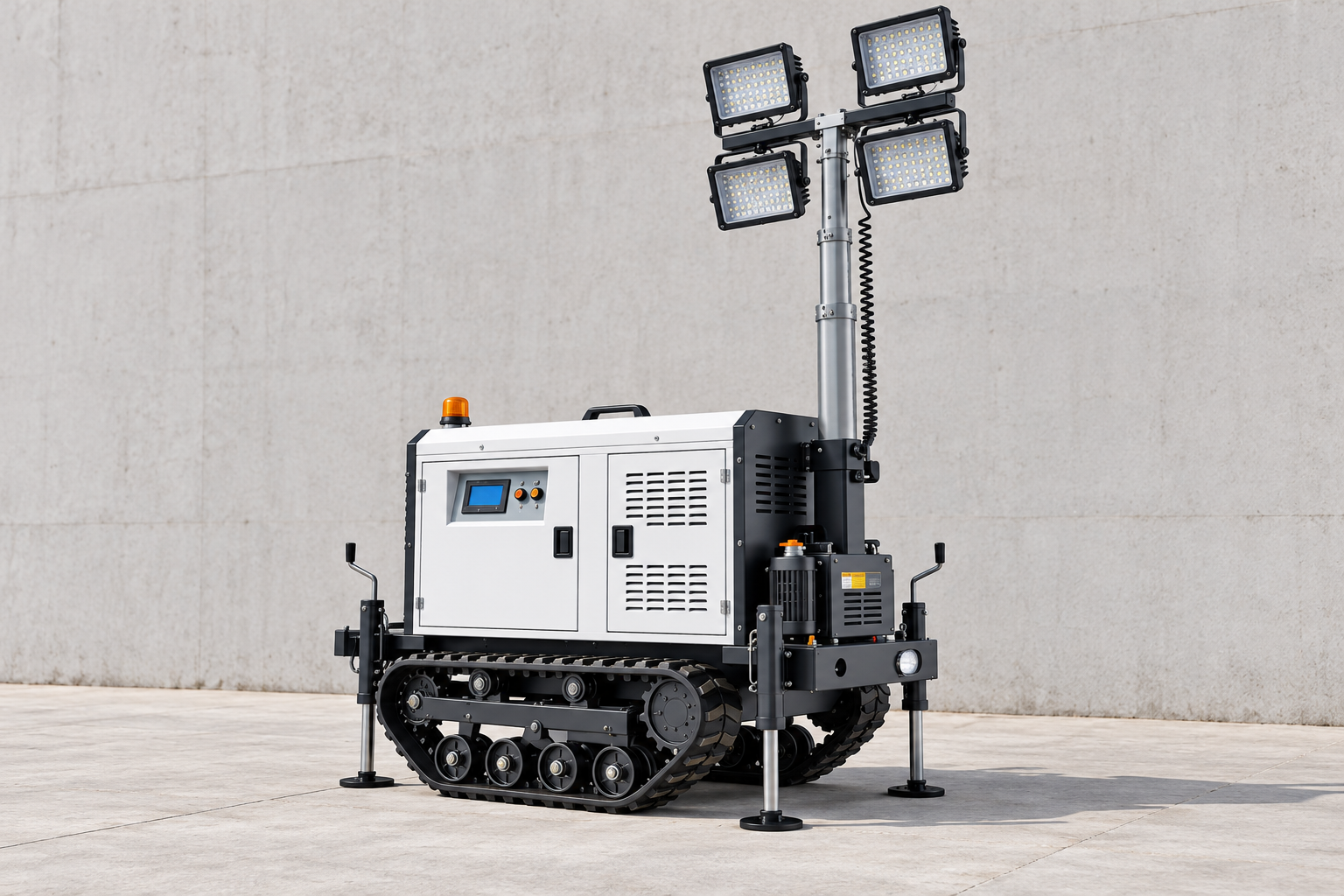
Inspect the delivered unit using the agreed receiving procedure before putting it into service. Connect the equipment identity to the order and check visible finish condition, damaged edges, disturbed fasteners, scratches, trapped contamination, and any signs of deterioration. Record what can actually be observed. Do not call a surface defect harmless merely because the machine starts, and do not diagnose hidden coating performance from a single photograph.
A receiving inspection is also an opportunity to confirm that the maintenance documents and repair instructions arrived with the equipment. If the supplier requires a particular repair system, obtain it before authorizing local touch-up. A convenient aerosol paint may produce a visually similar surface while failing to restore the intended protective system. Keep affected surfaces and unresolved questions in the discrepancy log, with a named reviewer and a clear release decision.
Keep coating repairs compatible with the original system
The FHWA overcoating note illustrates why the condition of retained coating and preparation matters when applying another coating. Use that principle cautiously: it does not prescribe bridge-maintenance products or methods for this equipment. For a tower, follow the approved supplier repair procedure for the actual material and finish. Identify the affected area, existing condition, preparation requirement, permitted materials, application conditions, and inspection evidence before work begins.
Do not coat functional surfaces indiscriminately. Electrical contact arrangements, vents, seals, moving mast interfaces, labels, drainage paths, and operating controls may have requirements that painting could compromise. Authorized personnel should determine what can be repaired and how. Protect equipment and people from the hazards of the actual preparation and coating process. A cosmetic improvement is not evidence that the original protective specification has been restored.
Plan storage and cleaning around the supplied instructions
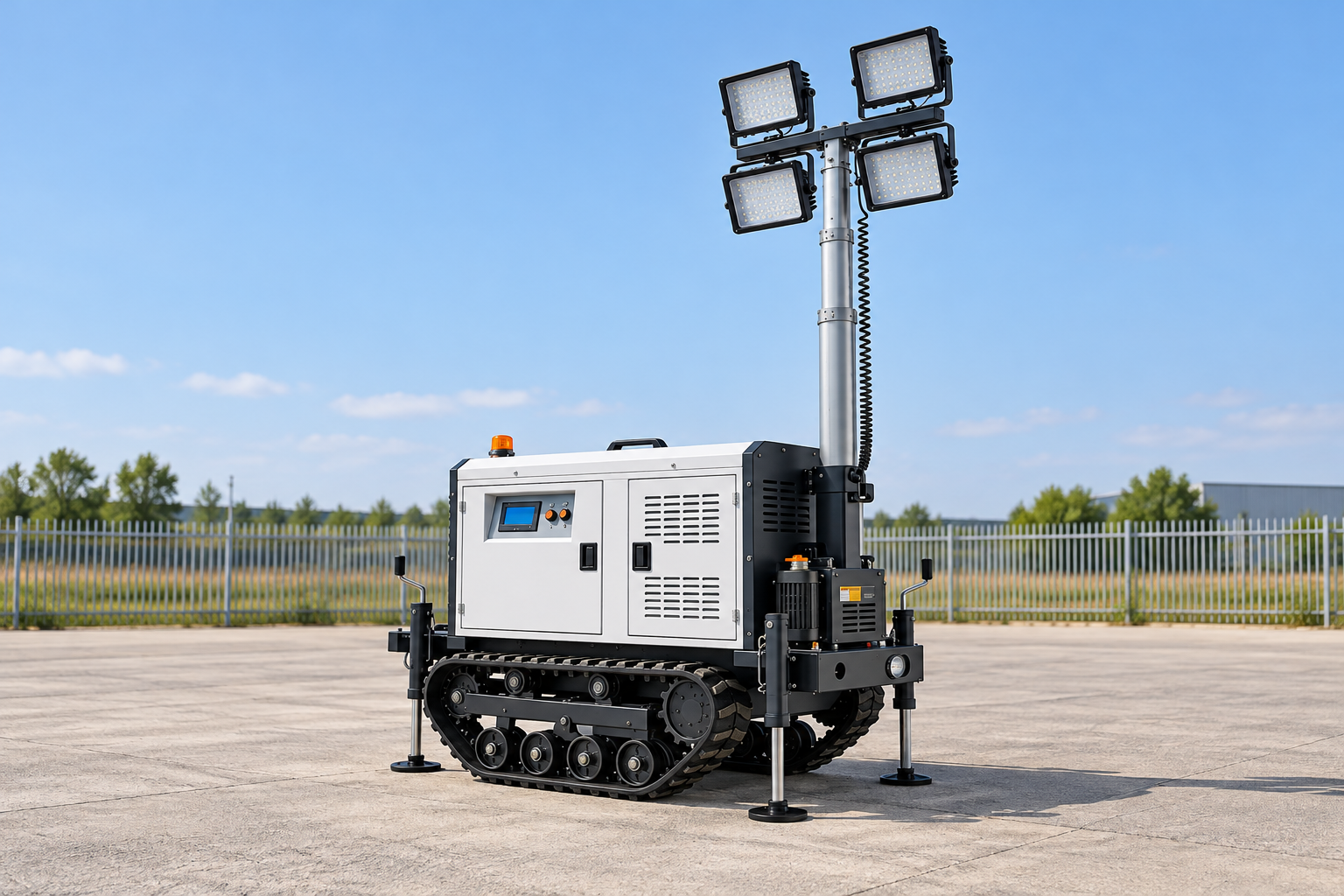
Storage can change exposure even when the tower is not operating. Review drainage, ventilation, accumulation of dirt or salts, contact with standing water, and the condition of covers or packaging. Follow the supplied preservation requirements and inspect after relevant exposure events. Avoid creating a humid enclosure around equipment with an improvised cover. Keep the machine accessible for the inspections and maintenance required by its actual configuration.
Cleaning methods must suit the components and their finishes. Do not assume a water-resistant lamp permits unrestricted pressure washing of the whole tower. Confirm permitted cleaning materials, methods, and restrictions for electrical entries, controls, coatings, and moving assemblies. Record unusual exposure and cleaning actions so later inspections can interpret changes in condition. If the instructions do not address the intended cleaning environment, obtain clarification instead of experimenting on the delivered equipment.
Separate corrosion from other equipment ratings
An ingress-protection statement concerns a specified enclosure and specified test conditions. It does not by itself establish resistance to a corrosive atmosphere. An impact-protection statement addresses another set of conditions. Neither should be presented as proof of coating suitability, whole-machine durability, or hazardous-area approval. Keep each claim in its own evidence column with the component and configuration to which it applies.
This distinction is especially useful when comparing lighting products. A lamp data sheet may contain a rating that the equipment brochure repeats. Ask whether that statement refers to the lamp, control enclosure, connector, or complete assembly. Review replacement components and accessories as well, because a change in supplied hardware can alter the scope of an earlier document. Resolve the mismatch before recording acceptance rather than attaching unrelated certificates to the equipment file.
Define inspection triggers and responsibility
Agree who reviews deterioration, what observations must be recorded, and when qualified assessment is required. Triggers can include delivery damage, relocation to a more aggressive environment, unusual contamination, coating disturbance during service, or a visible change in condition. Use the supplied maintenance instructions and actual exposure assessment to set intervals. A universal schedule invented for an article cannot account for every material, environment, configuration, and operating history.
Make the escalation path practical. Operators should know how to report a concern and identify the unit without deciding the full technical consequence themselves. Reviewers need access to the original finish specification and repair history. Keep restrictions attached to the equipment record until an authorized person closes them. If deterioration might affect structural integrity or electrical safety, follow the relevant equipment procedures and assessment rather than treating it as a routine paint task.
Ask for a clear, bounded quotation response
Send the supplier a concise package containing exposure description, operating and storage locations, required classification method where specified by the project, component scope, evidence expectations, and maintenance assumptions. Ask for exceptions to be stated explicitly. A supplier may need additional information or a different protective arrangement. Resolve that before ordering rather than assuming that every unit in a product family shares a single environmental approval.
For the illustrated Keyyou crawler tower, use the product page to identify the visible equipment category and request configuration-specific protection evidence through the normal enquiry process. Do not describe it as certified to a corrosion class on the strength of these illustrations. A useful purchasing decision ends with a traceable agreement about the actual supplied surfaces, supporting records, maintenance requirements, and unresolved limits, so the receiving team can check the delivery against something concrete.
Equipement et planification complémentaire
Compare the visible equipment arrangement on the Page produit de la tour d’éclairage Keyyou crawler. Utilisez le Guide de planification pour tour de lumière mobile for selection context, the Guide d'inspection préalable à l'opération for release preparation, and the Liste de contrôle de la remise for shift records.
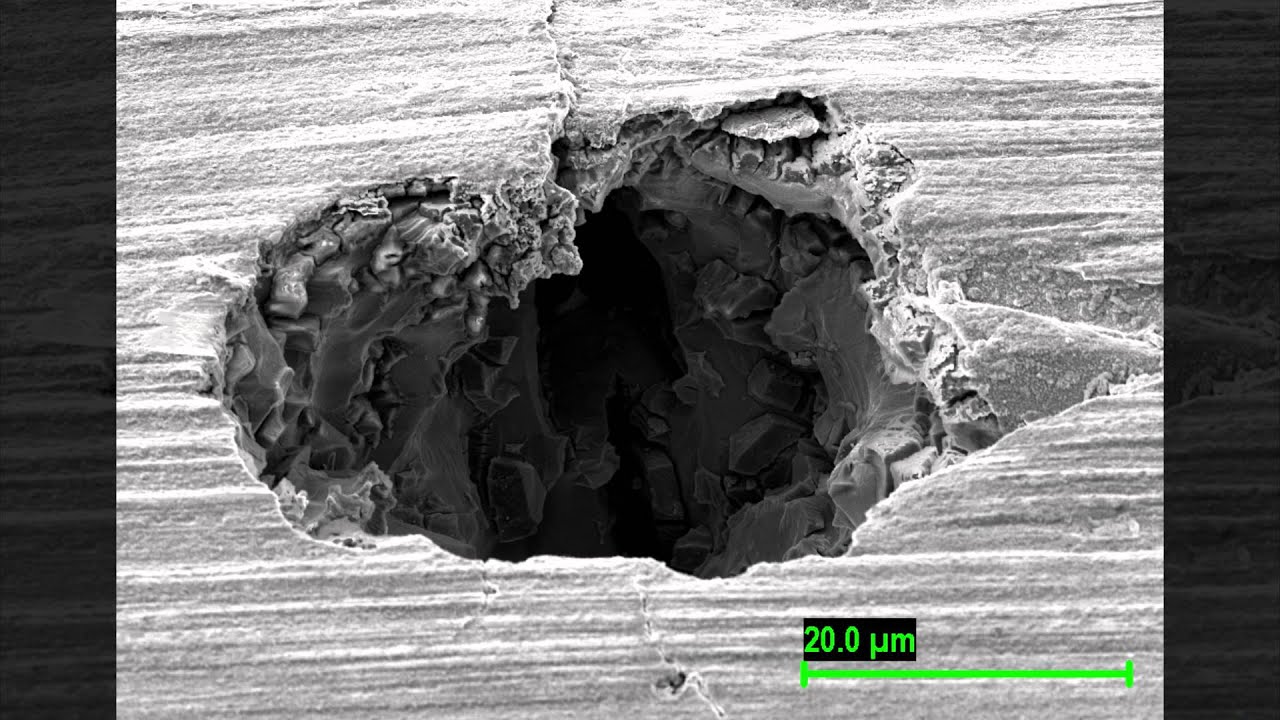
Corrosion science from the National Physical Laboratory
The National Physical Laboratory explains corrosion as an independent scientific learning resource. The video supports understanding of the deterioration process; it does not certify the illustrated tower or assign a protective-system class.
Foire aux questions
Does an IP rating establish a corrosion class?
No. An ingress-protection statement has its own component scope and conditions. Request separate evidence for the protective materials, finish, exposure and actual supplied configuration.
Can a product photograph prove a coating classification?
No. A photograph can identify visible condition and product arrangement. It cannot establish substrate identity, coating composition, preparation, application quality or a tested classification.
Can any matching paint repair a damaged finish?
No. Use the approved procedure for the actual protective system, including preparation, compatible materials and inspection. A visually similar finish does not demonstrate restoration of the original protection.
Sources et portée
These public resources support evidence review, coating inspection and the importance of the existing surface during repair. FHWA discusses steel bridge maintenance, whose specific criteria are not automatically applicable to mobile equipment. No product corrosion classification is asserted.