
Crane Lift Lighting for Night Construction
Plan crane lift lighting for night construction with clear views of the load, landing area, rigging crew, signals, and crane approach without operator glare.
Crane lift lighting should reveal the load, landing area, and required operator and signal views throughout the approved lift sequence. Check glare and shadows before the lift, keep towers outside the full movement and exclusion areas, and agree on the lighting-failure response.
Check the load, landing area, and signal positions
Crane lift lighting should support the approved lifting plan, including the load’s starting position, travel path, landing area, rigging activity, and designated communication positions. Review these views with the lifting supervisor before the operation. A brightly lit ground area does not establish that the load, connection points, or signals are visible from the crane operator’s position. Lighting should never be used as a reason to bypass the operation’s communication and visibility requirements.
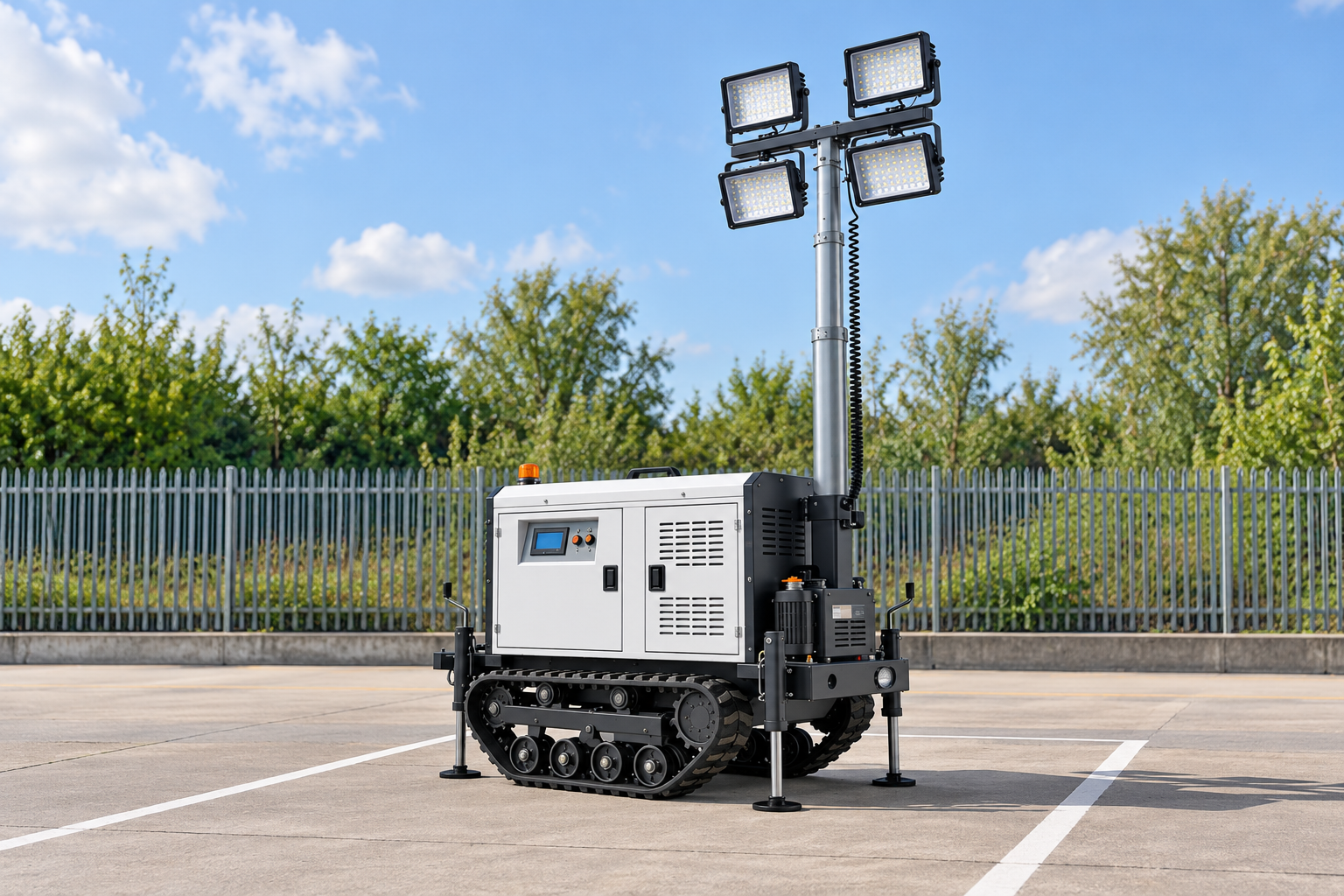
Mark the permitted tower footprint separately from crane supports, vehicle routes, and the load exclusion zone. Account for mast movement and any overhead electrical constraints before setup. Avoid a position where the tower creates an obstacle to rigging access or could be struck by a rotating machine or handled load. Use the lighting model’s actual support, wind, mast, and movement instructions; a photograph of an upright unit does not validate deployment under the planned lift conditions.
Evaluate glare from the operator’s and designated signal person’s actual sightlines during a controlled nighttime check. Check shadows at the landing position when representative equipment is in place. Agree on what happens if lighting fails or a tower needs adjustment during the lift, including who stops the operation and authorizes a changed arrangement. Recheck the affected views when the load, crane position, signal location, or landing area changes. Retain the installed layout and aiming record with the relevant work package rather than treating lighting as an isolated rental decision.
Les cinq problèmes qui régissent la décision
| Zone de décision | Que vérifier |
|---|---|
| Lift zone | Identify the load’s starting point, permitted travel path, landing position, and authorized rigging access from the approved lift plan. |
| Boom visibility | Ask the lifting supervisor which observations the crane operator and designated personnel need throughout the planned sequence. |
| Contrôle de la luminosité | Review direct lamp exposure at the operator station and each authorized signal position. |
| Exclusion zones | Reserve the entire tower footprint independently of crane supports, machine rotation, vehicle access, and the load exclusion area. |
| Verification | Complete the authorized nighttime check before the lift depends on the lighting. |
1. Lift zone
Identify the load’s starting point, permitted travel path, landing position, and authorized rigging access from the approved lift plan. Each may require a different view. Check the required detail with the lifting supervisor under controlled conditions before the lift. A well-lit ground patch cannot establish that the load connection or landing area is visible to the people responsible for the operation. Keep the lighting layout with the work package and document the equipment positions used for acceptance, including obstructions that will be present during the lift.
2. Boom visibility
Ask the lifting supervisor which observations the crane operator and designated personnel need throughout the planned sequence. Area illumination should support those views without being treated as permission to bypass the operation’s visibility or communication requirements. Review shadows and lamp direction from the actual operator position, using the approved inspection arrangement. Do not prescribe a lighting target for every boom configuration from a general tower brochure. A changed crane position, load geometry, or obstruction can require a new assessment even if the tower remains where it was.
3. Glare control
Review direct lamp exposure at the operator station and each authorized signal position. Include views toward the load and landing area rather than testing only the ground near the base. Reflections from structures or equipment can create a second glare source. Adjust the lighting through the responsible procedure and repeat all affected checks. Do not ask personnel to work around glare by standing outside their authorized positions. If a tower cannot reveal the required view from an approved location, revise the lighting proposal with the lifting supervisor.
4. Exclusion zones
Reserve the entire tower footprint independently of crane supports, machine rotation, vehicle access, and the load exclusion area. Review the mast envelope through setup, adjustment, and removal, including overhead constraints. An acceptable final position does not guarantee safe access for maintenance while lifting continues. Provide a service arrangement coordinated with the lift plan and follow the exact lighting model’s support, ground, wind, and movement instructions. A photograph of a stable-looking machine is not evidence that it can be deployed beside the particular crane operation.
5. Vérification
Complete the authorized nighttime check before the lift depends on the lighting. Record the required observations, representative equipment positions, tower identity, deployed configuration, aiming, operating mode, and acceptance. Agree on who stops the operation if light or power is lost, and who authorizes adjustment or replacement. Recheck after changes to the crane, load, signal position, landing area, or lighting equipment. Keep those changes with the lift documentation rather than assuming that a rental handover or an empty-site lighting test establishes approval for the planned lift.
Give the supplier the lift’s required views
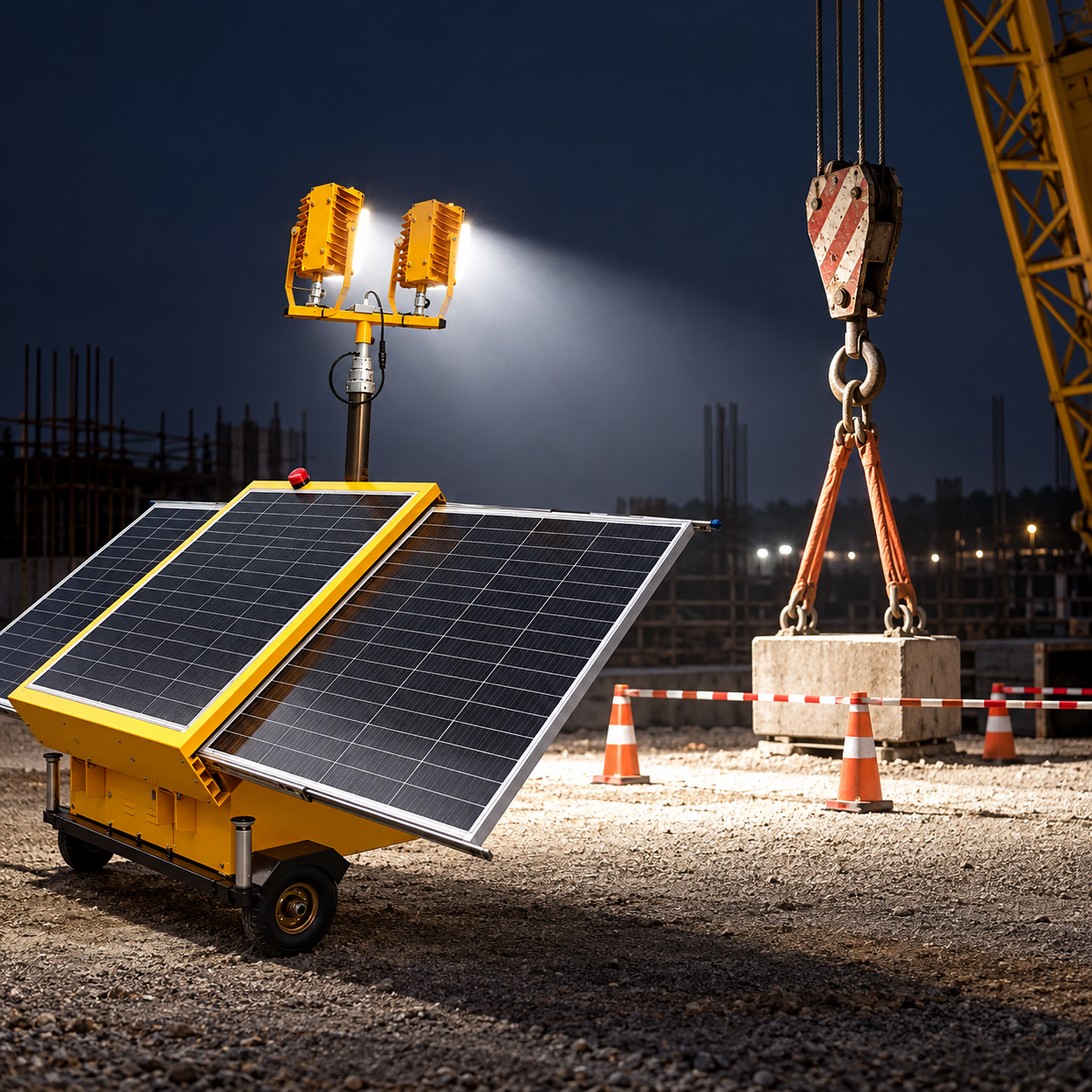
Prepare a lighting brief from the approved lifting plan. Include the crane and load arrangement, starting and landing positions, equipment obstructions, permitted signal positions, and the views required by the lifting supervisor. Explain which observations must remain possible at each stage. A plan that shows only the illuminated ground area omits the operator and signal views that may determine whether a proposal is useful.
Ask the supplier for fixture distribution information for the proposed mounting and aiming arrangement. Request the exact tower’s deployed dimensions, setup sequence, operating limits, and service instructions. Keep the offered configuration identifiable through delivery so that a changed mast, fixture, or support arrangement is reviewed. A model-family image cannot establish the geometry or performance of the delivered installation.
Record the assumptions behind any coverage statement. The supplier should identify the measurement plane, criterion, operating mode, and unobstructed conditions used in its proposal. The responsible lighting specialist and lifting supervisor decide how those figures relate to the planned observations. Do not assume that meeting a general ground-level illumination value demonstrates visibility of a suspended load or its connections.
Install before the lift area becomes restricted
Coordinate setup and the nighttime assessment with the lifting supervisor. Confirm the approved base position, support arrangement, mast envelope, and any electrical constraints before deployment. Follow the exact lighting model’s instructions and the site’s authorized procedure. Check the route for servicing or removal as well as the final operating location; a tower that cannot be reached during the lift needs that limitation documented.
Inspect with representative equipment and load conditions under the approved arrangement. Evaluate the views from operator and signal positions without putting observers into an active load or machine movement area. Check the landing position and any authorized rigging access separately. Keep the required measurements and observations with the lift package, together with the tower identity, lamp direction, and mode.
An aiming change can affect more than the observation that prompted it. Repeat the relevant operator, signal, landing, and access checks before treating the new direction as accepted. If the proposal cannot reveal the required views from permitted locations, review a revised arrangement with the supervisor. Moving a tower into the load exclusion area is not an acceptable improvised substitute for that review.
Define a lighting interruption procedure
Discuss light and power failure before the operation begins. Identify who stops affected work, how the situation is communicated, and which authority approves restoration or adjustment. The applicable lifting procedure controls the load and equipment response; this article does not prescribe how to handle a suspended load during an interruption. The lighting plan should connect clearly to that existing procedure.
Describe the expected duty from preparation through the final required inspection. Ask how the proposed power source supports the whole window and when it needs service. A quoted runtime for one lamp mode cannot establish continuity in another mode. Review charging, fuel, supply protection, and servicing as appropriate to the actual equipment and site arrangement.
A backup proposal should explain its permitted position and the steps needed for acceptance. A spare machine can have different optics, mast geometry, or deployment limits. Confirm those features before substitution and repeat the affected visibility checks. Having rental equipment available does not establish that it can safely restore the approved arrangement without a review or interruption.
Compare proposals by the lift conditions they support
Give competing suppliers the same approved views and permitted equipment locations. Compare their assumptions, documentation, installation effort, power arrangement, inspection needs, and replacement process. A less expensive tower that requires an unavailable base location or service window is not an equivalent proposal. Resolve those differences before comparing purchase or rental price.
At shift handover, state the accepted crane and load arrangement, signal positions, landing area, tower configuration, and limitations. Identify any planned change that needs another check. Preserve the acceptance and subsequent modifications with the lift record. This helps the next responsible team understand which operation was assessed rather than relying on a general statement that the night-work area has lighting.
Once the lift is complete, inspect and remove the lighting through its authorized procedure. Record defects for maintenance before the next job. Reuse of the equipment does not transfer approval to another lift with a different load, crane position, communication arrangement, or landing geometry.
Guides sur les tours d'éclairage associés
- guide des plantes lumineuses
- light tower selection guide
- caractéristiques de la tour d'éclairage
- light tower safety guide
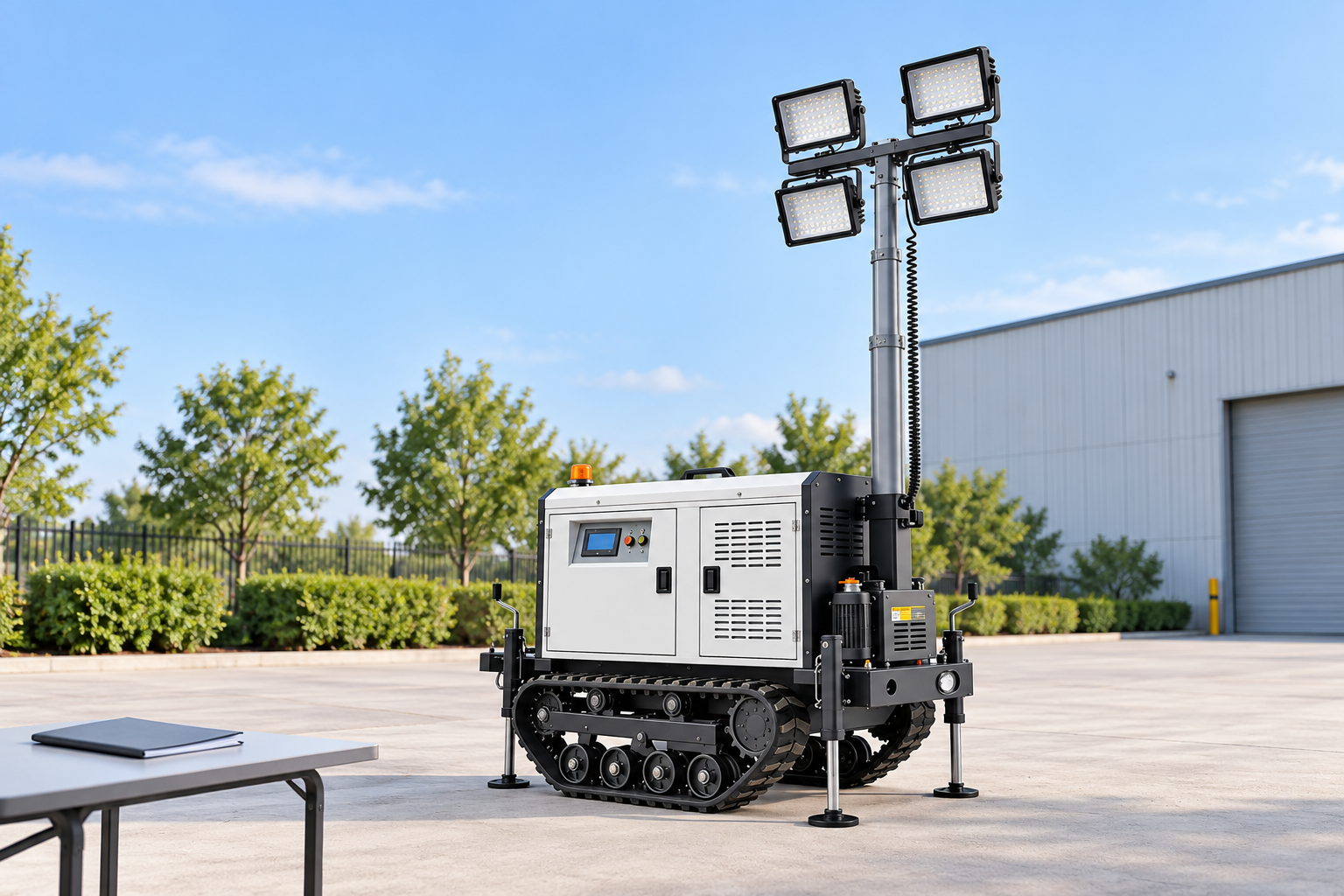
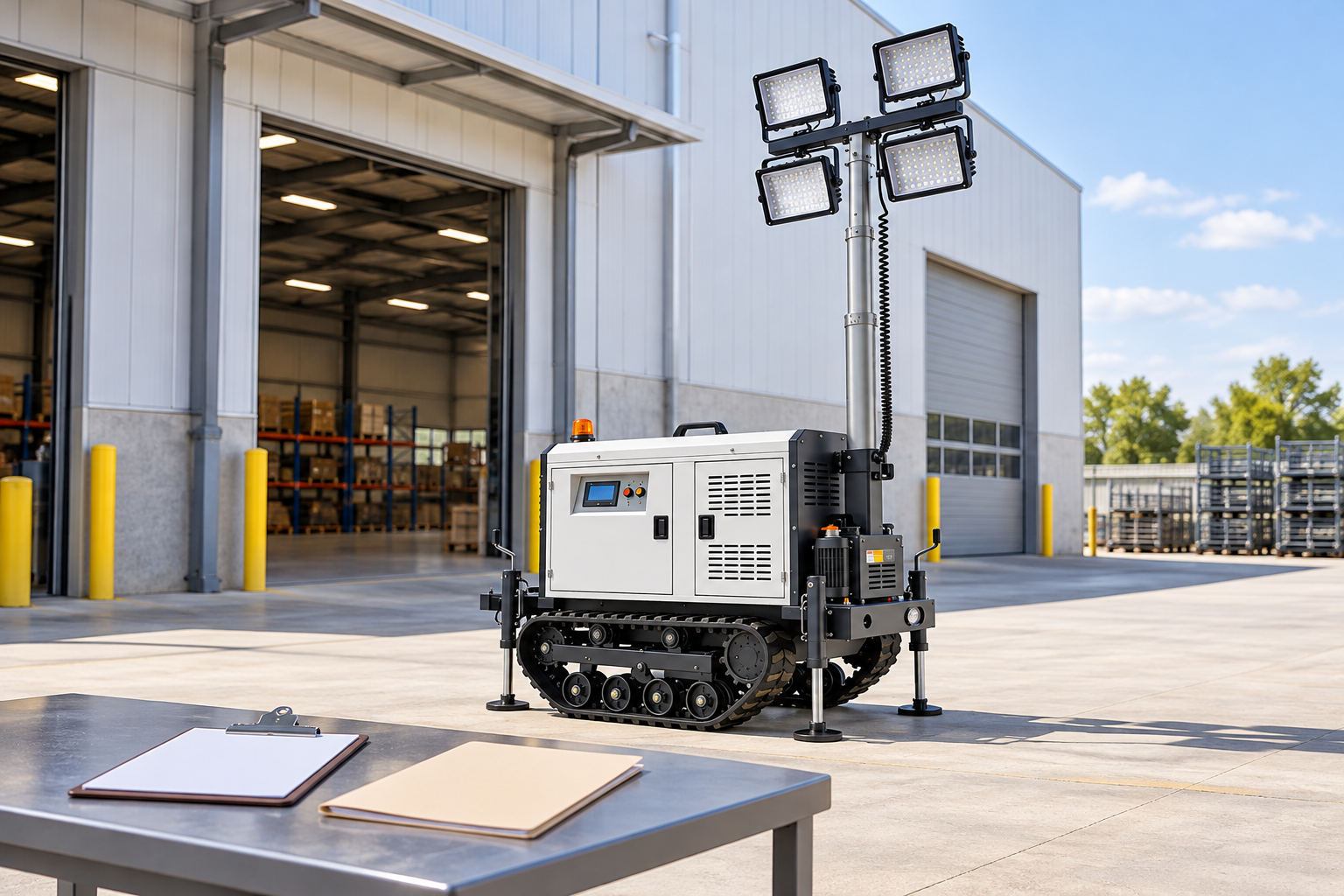
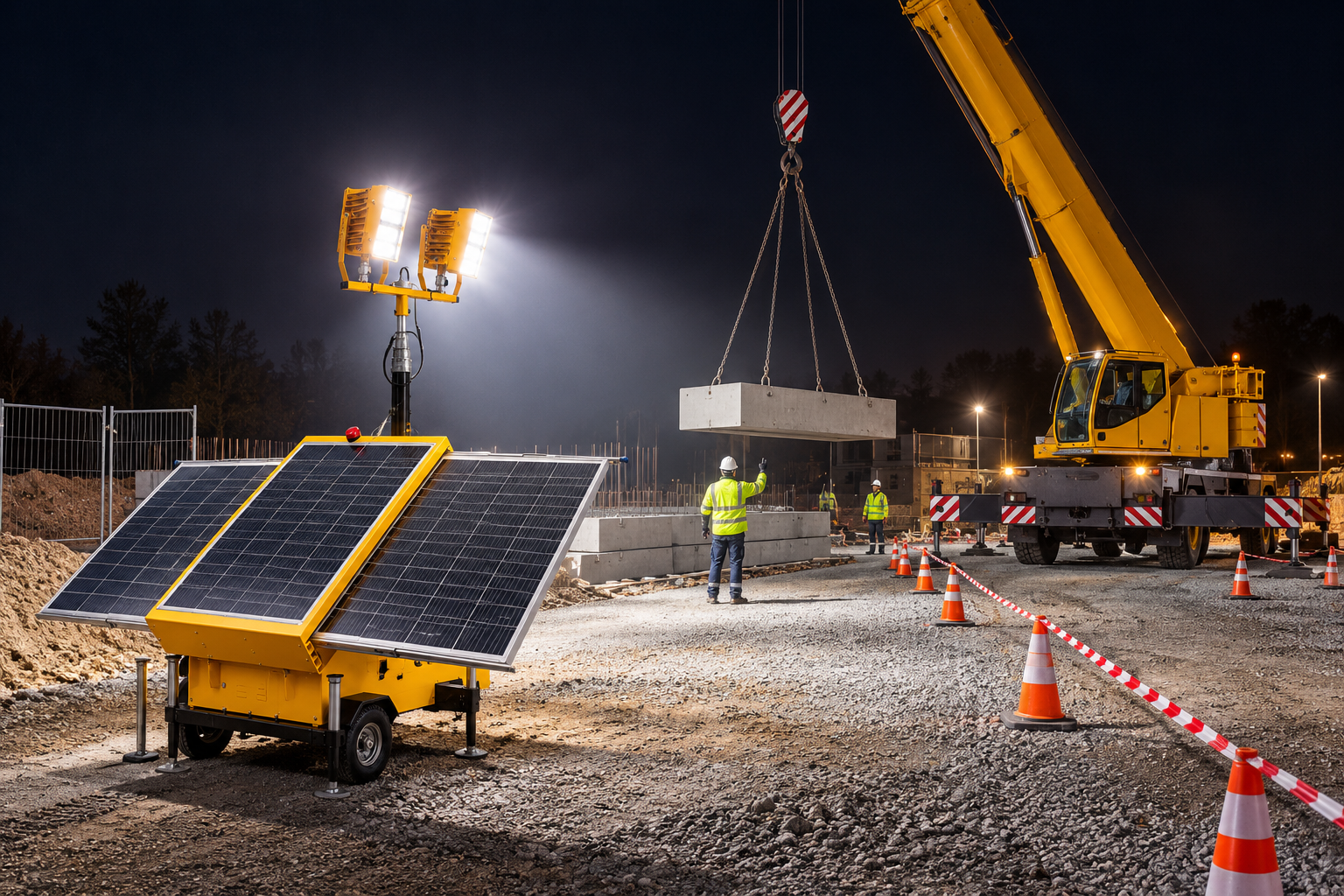
La référence pertinente à Keyyou est la the referenced Keyyou mobile light tower product. Cette photographie identifie la famille de produits ; les dimensions et les limites finales doivent être conformes à la configuration fournie.
Generator exhaust and the power arrangement
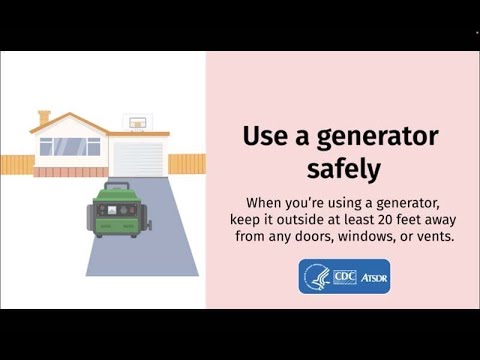
Where the lighting arrangement uses generator power, review exhaust, servicing, fuel handling, and the full operating window with the responsible site team. Keep exhaust from entering occupied spaces and follow the exact equipment instructions. The CDC video below explains carbon-monoxide precautions; its household examples do not specify this project installation. It does not demonstrate the construction or mining task, teach stored-energy isolation, or replace the relevant work procedure. If the offered tower uses another power source, obtain the appropriate charging or electrical-supply documentation instead of assuming that the generator example applies.
Foire aux questions
Does a bright ground area prove that the lift is visible?
Identify the load’s starting point, permitted travel path, landing position, and authorized rigging access from the approved lift plan. Each may require a different view. Check the required detail with the lifting supervisor under controlled conditions before the lift.
Which crane views need a lighting assessment?
Ask the lifting supervisor which observations the crane operator and designated personnel need throughout the planned sequence. Area illumination should support those views without being treated as permission to bypass the operation’s visibility or communication requirements. Review shadows and lamp direction from the actual operator position, using the approved inspection arrangement.
Where should a tower stand beside a crane lift?
Reserve the entire tower footprint independently of crane supports, machine rotation, vehicle access, and the load exclusion area. Review the mast envelope through setup, adjustment, and removal, including overhead constraints. An acceptable final position does not guarantee safe access for maintenance while lifting continues.
When does the crane lighting record need review?
Complete the authorized nighttime check before the lift depends on the lighting. Record the required observations, representative equipment positions, tower identity, deployed configuration, aiming, operating mode, and acceptance. Agree on who stops the operation if light or power is lost, and who authorizes adjustment or replacement.