
Devrais-je louer ou acheter une tour d'éclairage ?
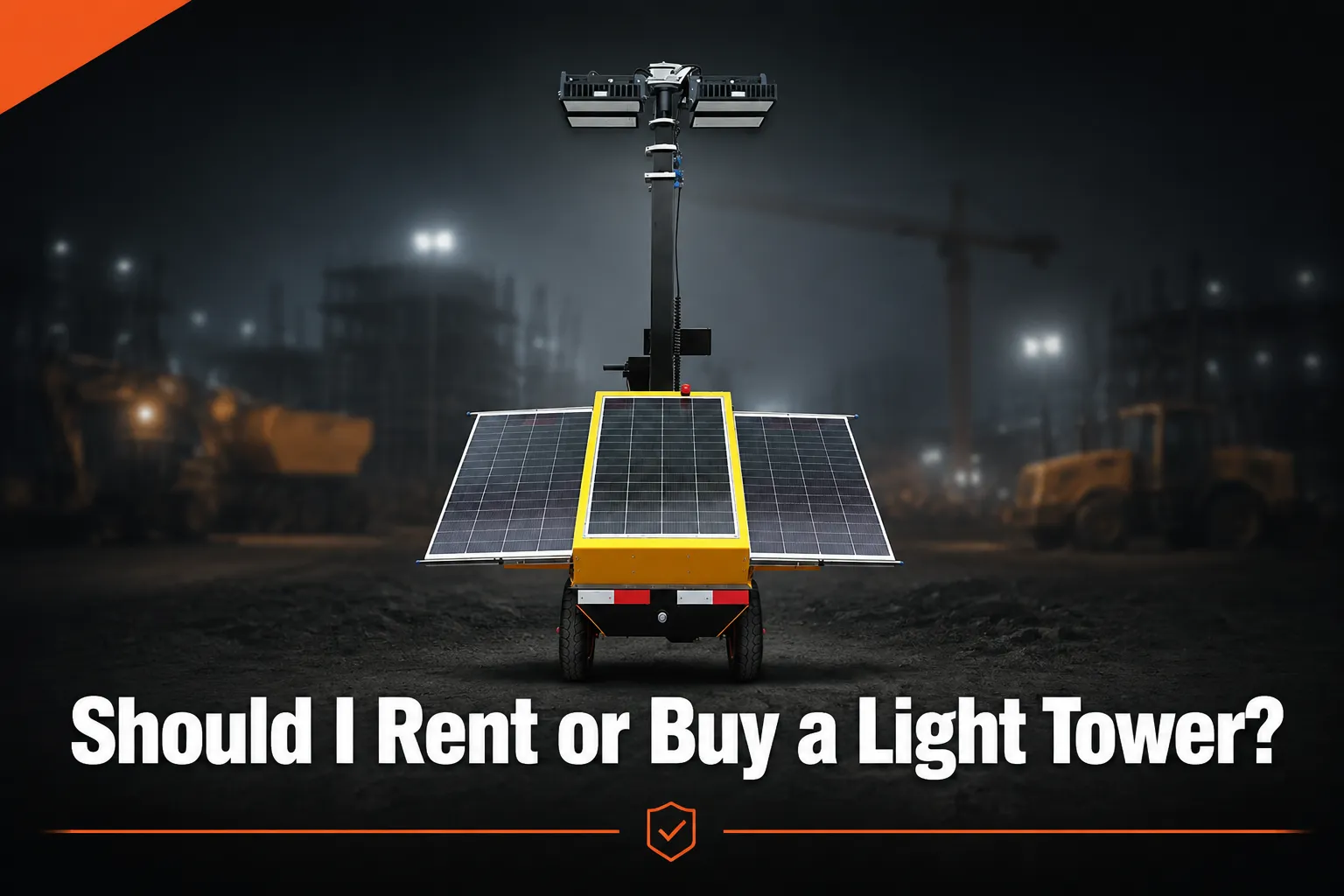
What is the Purpose of a Light Tower?
A portable light tower is mobile equipment fitted with strong lights on an extendable mast. It is highly valuable for nighttime construction, outdoor events, or emergencies because of its ability to efficiently illuminate large areas. Its durability and mobility make it suitable for temporary lighting requirements in diverse situations.Benefits of Purchasing a Light Tower
If you foresee frequent use across projects or have a business dependent on lighting equipment, buying can be an effective decision. Consider these advantages of owning one: 1. Long-Term Cost Savings: Owning eliminates recurring rental expenses for multiple long-term projects, delivering cost benefits over time. 2. Guaranteed Availability: Having your own light tower ensures it’s always accessible, sparing you the hassle of coordinating rental availabilities. 3. Customization: Ownership enables choosing a tailored model to meet your requirements, such as added fuel efficiency, solar power options, or adjustable mast capabilities. 4. Business Asset: As a business asset, a purchased light tower offers resale value if you decide to upgrade in the future.Advantages of Renting a Light Tower
Renting is particularly appealing for short-term or infrequent needs. Here are its main benefits: 1. Lower Upfront Costs: Light towers for rent offer cost-efficient access without the burden of a sizeable upfront investment. 2. Flexibility: Rentals allow easy access to different sizes or models based on specific project needs, negating the necessity to purchase multiple units. 3. No Maintenance Responsibilities: Repairs or maintenance are typically covered by the rental company, reducing expenses and logistical concerns. 4. No Storage Needs: There is no requirement for storage space when renting light towers temporarily, freeing up space at your worksite.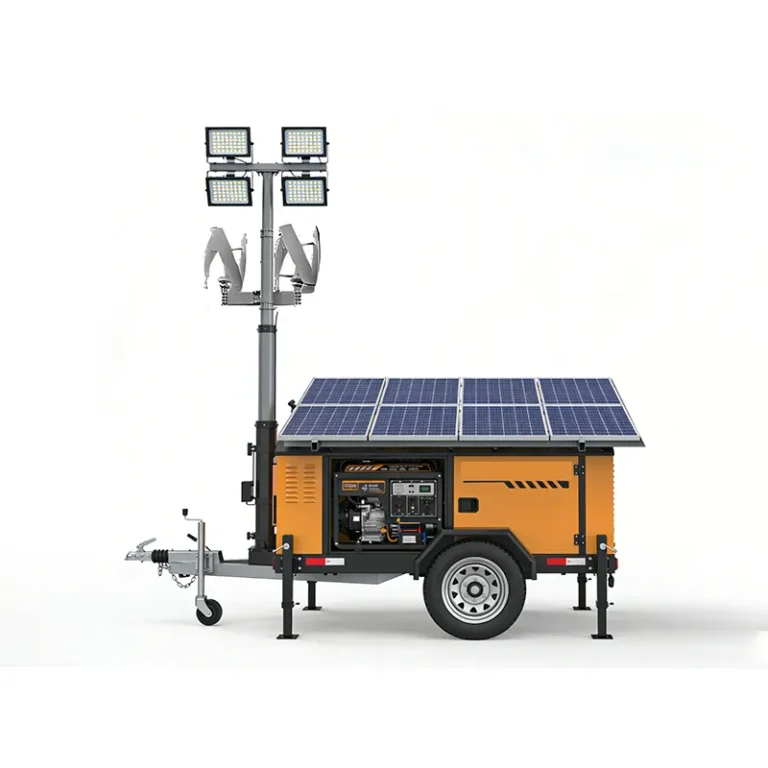
Cost of Renting a Light Tower
The rental price for light towers fluctuates based on location, duration, and the type of tower selected. On average, light tower rental prices range between $50 and $150 per day. Weekly rentals may cost between $200 and $600, while monthly rentals typically go for $600 to $1,500 depending on features like size and fuel source. Rental discounts are often provided for long-term bookings, so discussing terms in-depth with the company is advisable. Additionally, remember to account for extra charges such as transport, fuel, and insurance when calculating overall expenditures.Buy or Rent: Critical Considerations
Weigh these factors to decide between renting or purchasing: 1. Usage Frequency: If consistently required for ongoing projects, buying is ideal. Conversely, rentals suit irregular or one-off scenarios. 2. Financial Constraints: Rentals offer flexibility without requiring a significant upfront investment, unlike purchases. 3. Project Scope: Evaluate the magnitude, timeframe, and specific lighting requirements. Renting provides access to customized solutions for diverse tasks. 4. Storage and Maintenance: A lack of storage or maintenance capability weighs the decision toward renting.Common Scenarios for Renting vs. Buying
Use case examples to guide you in making a decision: – Temporary construction or roadwork projects: Renting is the preferred cost-efficient option. – Prolonged large-scale construction work: Buying may be more cost-effective for continuous usage. – Emergency situations: Both options are feasible based on emergency response frequency. – Single-occasion outdoor events: Renting fits one-time events like weddings, concerts, or sports.Ressources associées aux tours d'éclairage
- Qu'est-ce qu'une tour d'éclairage ?
- Spécifications de la tour d'éclairage
- Comment choisir un mât d'éclairage
- Gamme de mâts d'éclairage
Cadre de comparaison des acheteurs
| Zone de décision | Question à poser | Éléments de preuve à conserver |
|---|---|---|
| Application mobile de fitness | La configuration correspond-elle à la zone de travail et au facteur de marche ? | Cahier des charges et mise en page |
| Performance | Les revendications concernant l'éclairage, l'alimentation et l'autonomie sont-elles spécifiques à la configuration ? | Fiche technique et base d'essai |
| Déploiement | L'unité peut-elle être transportée et installée sous le contrôle du site ? | Dessin, manuel et démonstration |
| Support | Qui fournit les pièces, la formation et l'intervention en cas de panne ? | Garantie et contrat d'entretien |
| Coût total | Quels sont les coûts qui se poursuivent après la livraison ? | Feuille de calcul des coûts du cycle de vie commun |
Frequently Asked Questions (FAQ)
Quels sont les avantages de la location par rapport à l'achat ?
La location offre des coûts initiaux réduits, de la flexibilité, l'élimination des responsabilités d'entretien et évite les problèmes de stockage pour les besoins temporaires.
Combien coûte la location d'un mât d'éclairage ?
Prix de location de tours d'éclairage varient généralement entre $50 et $150 par jour, entre $200 et $600 par semaine, ou entre $600 et $1 500 par mois, en fonction de la durée de location et des caractéristiques du modèle.
Quand dois-je envisager d'acheter un mât d'éclairage ?
Si des tours d'éclairage sont nécessaires souvent ou sur de longues périodes, l'achat offre une meilleure rentabilité et des options de personnalisation, tout en constituant un actif pour l'entreprise.
Y a-t-il des frais supplémentaires pour la location ?
Oui, les coûts cachés potentiels comprennent le transport, le carburant et l'assurance. Confirmez-les auprès des loueurs avant de finaliser un accord.
Peut-on louer des tours d'éclairage solaires ?
Yes, solar-powered light towers are available through contractors and provide eco-friendly and more cost-efficient energy options.
The decision to rent or buy a light tower depends on usage frequency, budget, and project specifics. Regular usage across multiple projects suits buying, while infrequent or short-term needs align with exploring tower light for rent opportunities.
Consider the pros and cons carefully and consult industry professionals if required. Opt for a dependable supplier offering high-quality equipment and outstanding customer service. Regardless of your choice, ensure the selected option illuminates your work effectively.