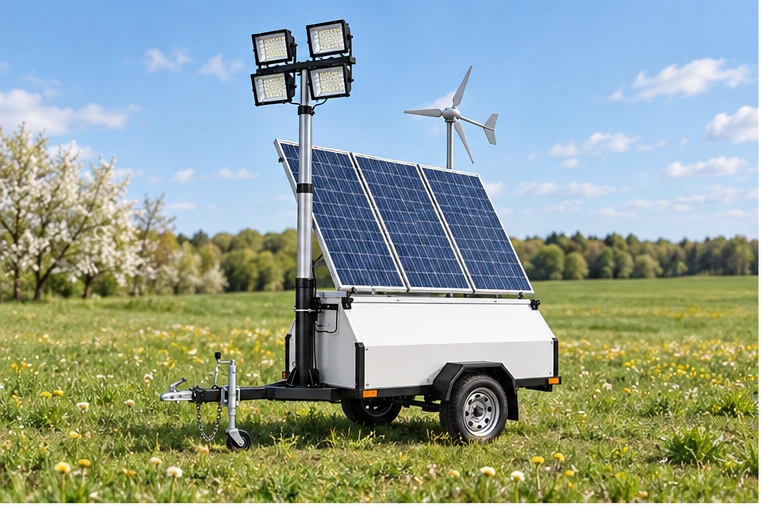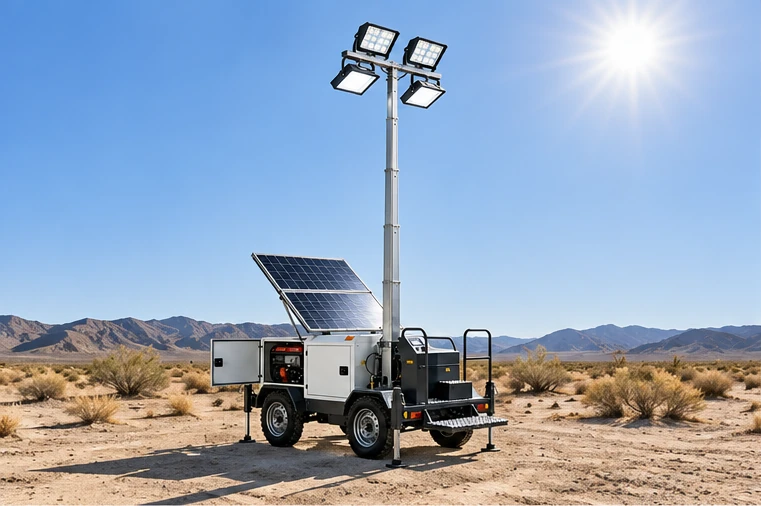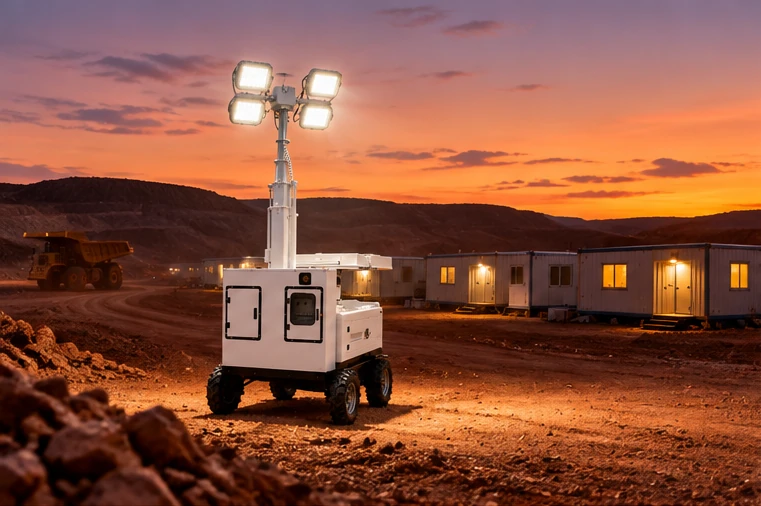

Que doit contenir une liste de contrôle des conditions de vent pour un mât d'éclairage ?
A light tower wind condition checklist records forecast triggers, mast raise/lower rules, outrigger and ballast checks, and who can order a shutdown; it is an operations control, not a promise that any tower survives every storm. Use it to put forecast triggers and shutdown authority on one page. It is a checklist for project buyers and site teams — not sizing or approval for light-tower-wind-condition-checklist.
Part 1. Why Does Wind Need Its Own Checklist?
Wind loads rise with mast height and sail area. A generic pre-start list often omits forecast triggers and lower-mast rules.
Readers searching for liste de contrôle des conditions de vent pour tour d'éclairage usually need a project checklist, not a catalog slogan.
Part 2. Which Forecast Triggers Should Be Written?
Define who reads the forecast, which wind threshold pauses raising, and which threshold forces lowering. Vague wording creates arguments at dusk.
| Checklist item | Propriétaire | Preuve |
|---|---|---|
| Forecast trigger | Shift lead | Logged threshold |
| Outrigger/level | Operator | Photo or tick sheet |
| Mast lower rule | Supervisor | Time stamp |
| Authority name | Site manager | Contact list |
Part 3. What Mechanical Checks Belong Before Raising?
Confirm outriggers, leveling, ballast if used, mast pins, and any manufacturer hold points for the offered model before the mast goes up.
Important : Never invent a wind rating in a blog checklist; use the manufacturer manual for the offered model and the site wind rule. (Source: Manufacturer operating manual / site HSE procedure.)
Part 4. How Should Teams Handle Rising Wind Mid-Shift?
Write the communication path and the maximum time allowed to lower. Mid-shift changes need authority names, not improvised calls.
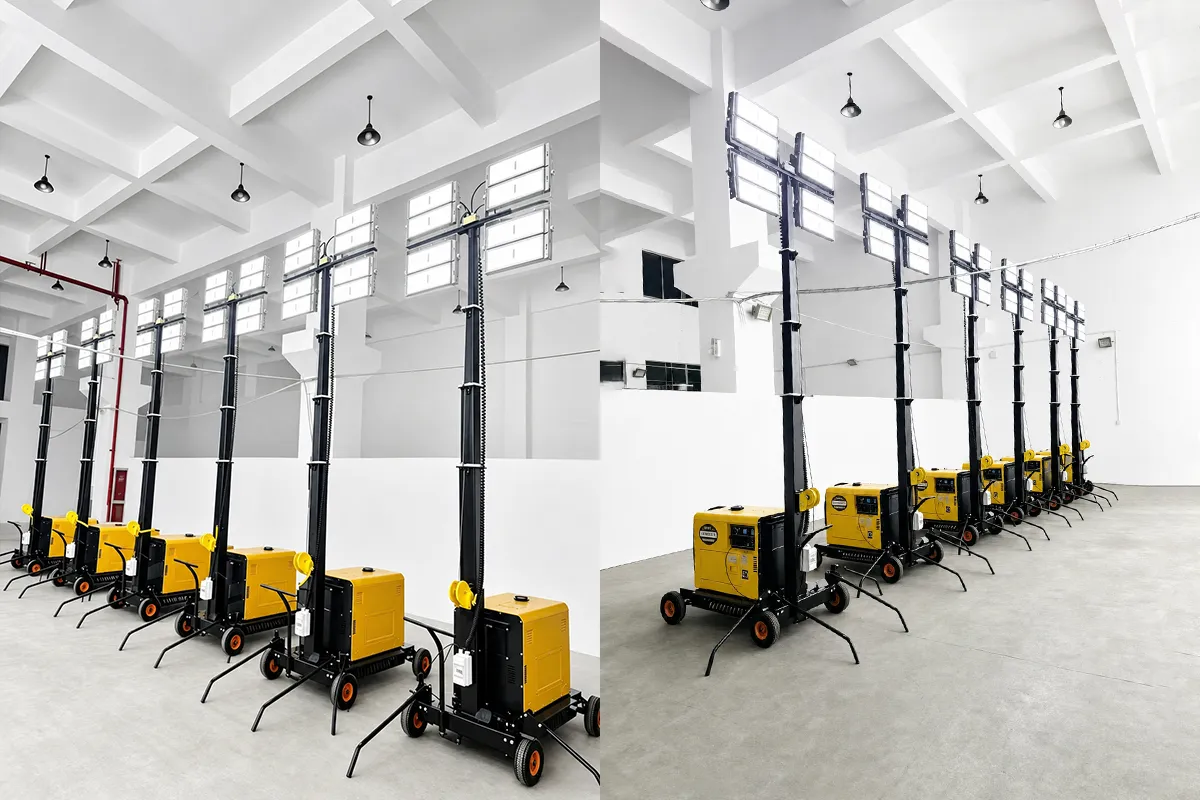
Part 5. Which Site Exposures Raise Risk?
Open ridges, coastal gusts, and canyon winds change exposure. Note local channeling that forecasts may understate.
Part 6. Which Keyyou Routes Fit Wind-Aware Fleets?
When wind rules are attached, discuss compact cart or trailer routes and keep manufacturer manuals for the selected model with the checklist.
| Project signal | Keyyou route | Send with inquiry |
|---|---|---|
| Written wind ops rule | Cart-type hand-cranked tower | Checklist draft, site exposure notes |
| Fleet discussion | Trailer-style light tower range | Manual hold points for selected model |
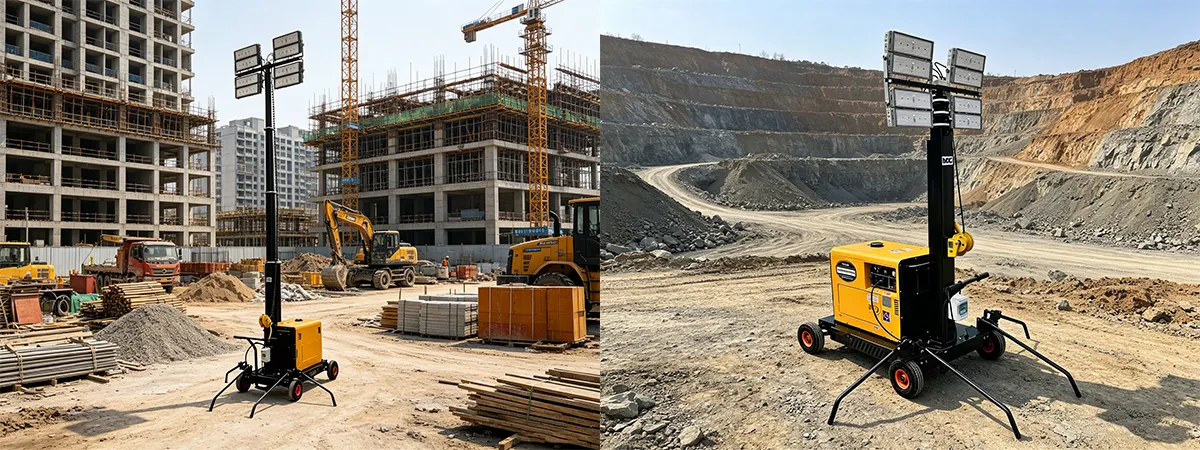
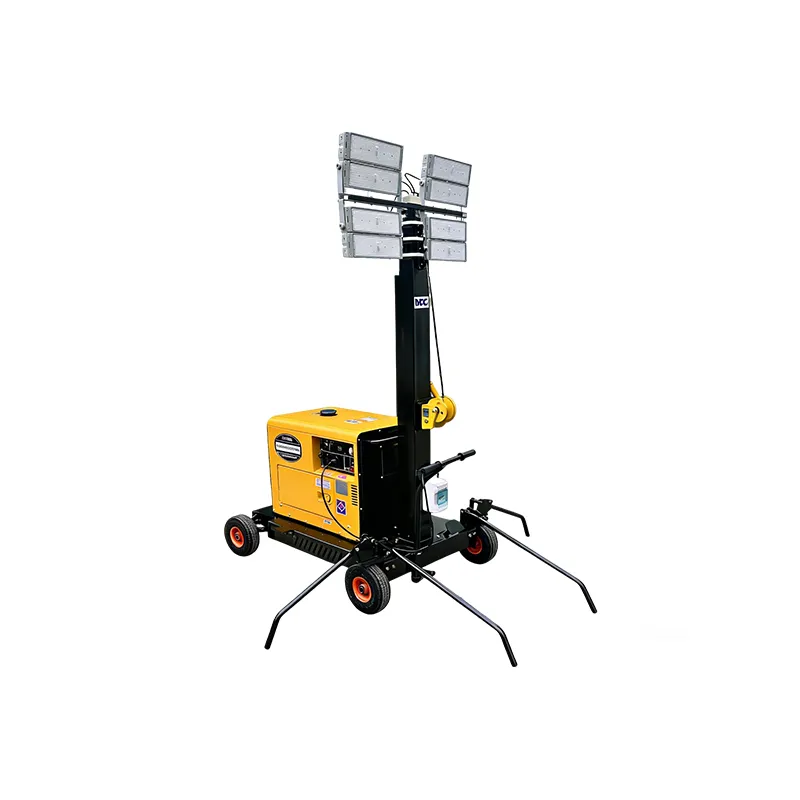
- Cart-Type Hand-Cranked Lighting Tower — compact route when wind and move rules are written.
Related articles: – light tower pre-operation inspection – liste de contrôle pour l'installation d'une tour d'éclairage sur remorque – skid vs trailer mounted light tower
Keep the wind rule with the Keyyou trailer-style mobile light tower range inquiry, or contact Keyyou for model manual expectations.
Why not: Do not keep a mast fully raised against a rising forecast because the shift is almost finished.
Part 7. What Are the Fit Boundaries?
This checklist frames operations language. It does not publish wind ratings or certify storm performance.
FAQ
Qu'est-ce qu'une liste de contrôle des conditions de vent pour un mât d'éclairage ?
Il s'agit d'une liste d'opérations qui associe des déclencheurs de prévisions, des règles de mât et des contrôles mécaniques à une autorité désignée.
Qui devrait définir le seuil de vent ?
Le site de l'autorité HSE ainsi que les consignes du fabricant pour le modèle utilisé.
Que faut-il vérifier avant de hisser le mât ?
Outriggers, level, pins, ballast if used, and any hold points in the manual.
What happens if wind rises mid-shift?
Follow the written lower rule and authority path; do not improvise.
Do open sites need stricter rules?
Often yes. Exposure and channeling can exceed a generic forecast.
Can a blog publish a universal wind speed limit?
No. Limits come from the model manual and site procedure.
Does this page certify storm readiness?
No. It only structures the checklist conversation.