
Comment les tours d'éclairage à chargement automatique transforment-elles la planification du transport ?
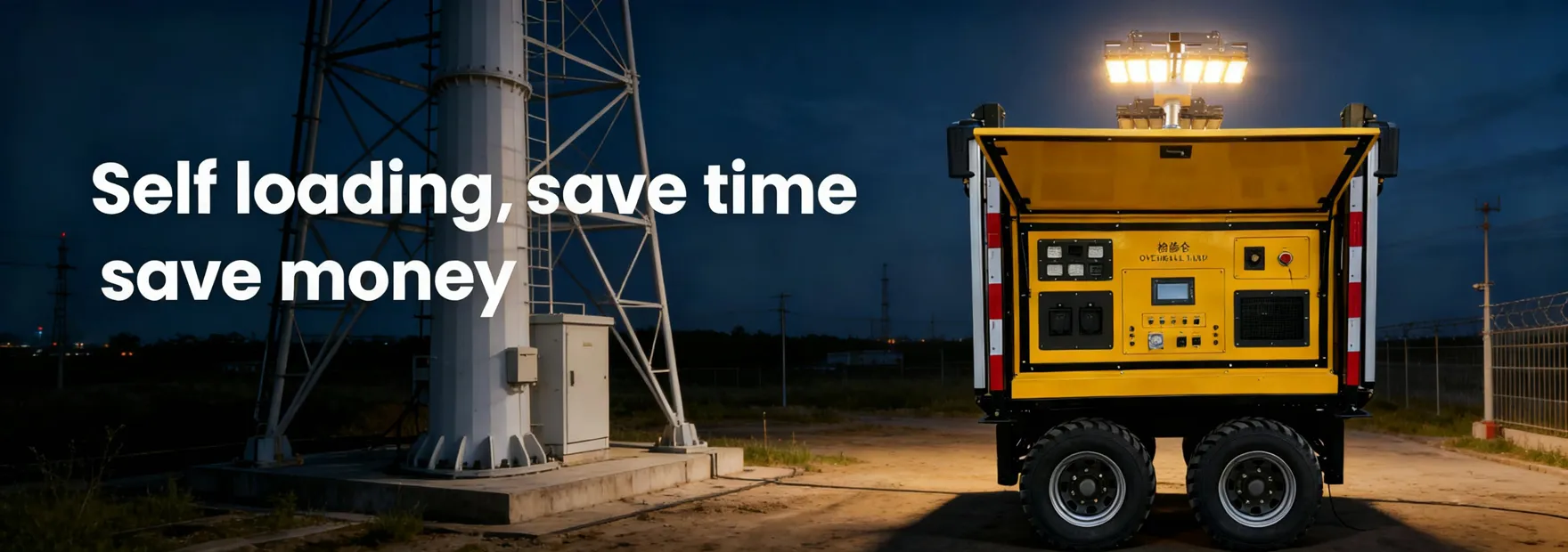
A self-loading lighting tower carries its own loading mechanism, so transport planning shifts from booking cranes at both ends to pairing the unit with a suitable carrier vehicle, confirming loading areas, and re-sequencing crew roles—each confirmed against the unit’s documents. The unit changes the logistics question, not just the product line.
Part 1. What does self-loading change in transport planning?
A conventional skid or containerized unit needs lifting equipment wherever it is loaded or unloaded. A self-loading unit brings its own mechanism, so the plan stops asking “which crane, at which end, at what time” and starts asking “which carrier, which loading area, and who operates the cycle.”
What the unit is and how it deploys on site already live in the self-loading mobile lifting light tower guide. This article plans the journey between sites.
Part 2. How does vehicle pairing work for self-loading units?
Pairing is a documents question. The unit’s manual defines which carrier deck heights, load ratings, and attachment interfaces its mechanism serves—ask for those pages rather than assuming any truck works.
| Pairing input | What to record | Pourquoi c'est important |
|---|---|---|
| Carrier deck type and height | Vehicle spec sheet | Mechanism must reach and land the deck |
| Carrier load rating | Vehicle documents | Unit weight must sit within rating |
| Attachment interface | Unit manual pages | Wrong interface stops the cycle |
| Route constraints | Height, weight, surface notes | Carrier choice narrows with the route |
| Return-trip plan | Same or different carrier | Affects fleet scheduling |
Motor-vehicle rule families such as OSHA 1926.601 show the transport-side language inspectors use; the governing local rule defines the requirement.
Part 3. What happens at origin and destination without a crane?
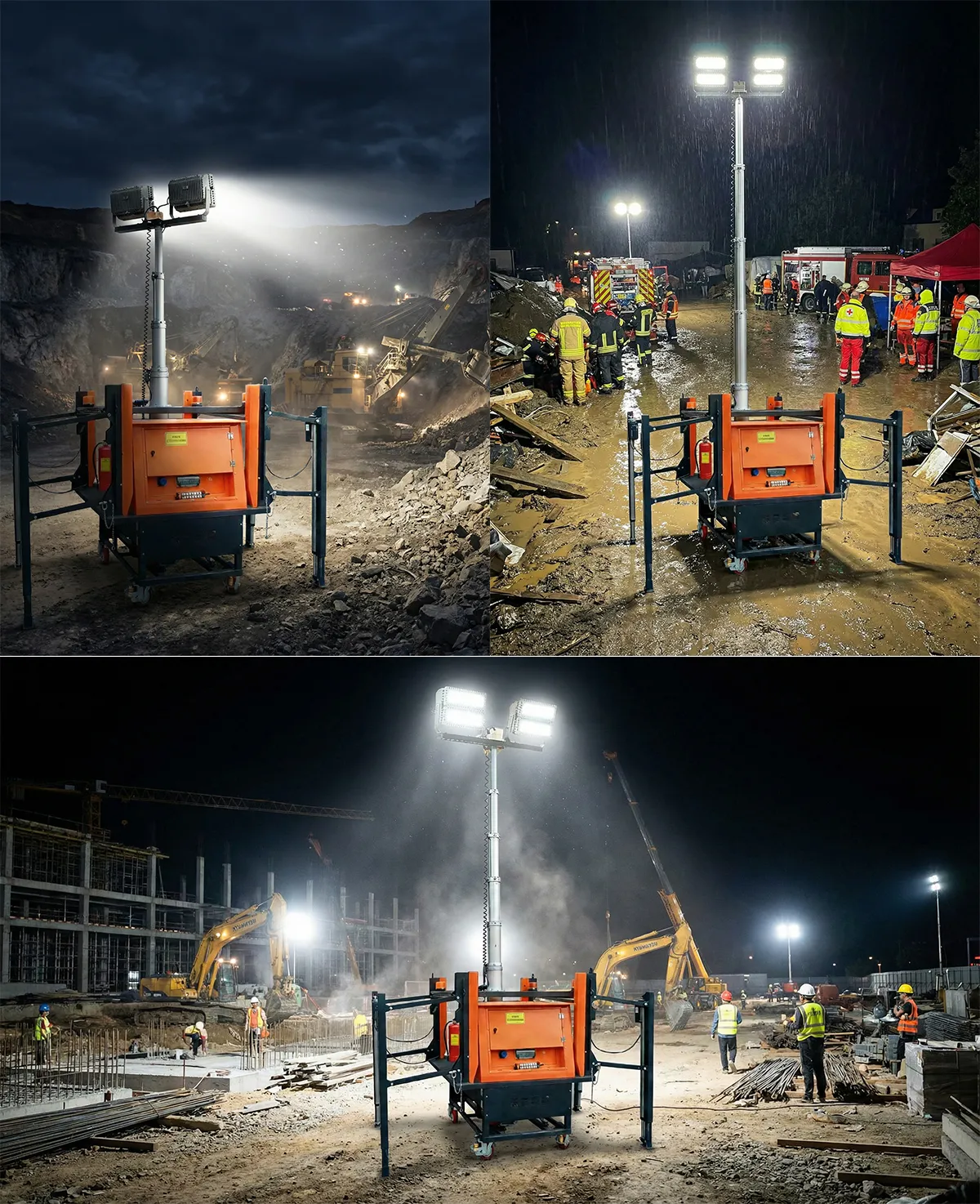
The self-loading cycle replaces destination lifting equipment for the unit itself, but it does not remove handling discipline. Equipment-handling rule families such as OSHA 1926.600 still frame how plant is handled on site.
Confirm three things at each end before relying on the mechanism:
- A loading area the manual’s cycle can actually use.
- An operator trained for the unit’s loading sequence.
- A clear exclusion zone while the cycle runs.
Important : The self-loading cycle follows the unit manual, not habit; run it only on surfaces and clearances the manual permits. Source: unit manual requirement; OSHA 1926.600 handling language.
Part 4. How do crew roles and schedules change?
Crane-based moves hold schedules hostage to third-party lift bookings at both ends. Self-loading moves compress that: the carrier driver and a trained operator can complete the cycle, which changes who must be present and when.
| Planning item | Crane-based move | Self-loading move |
|---|---|---|
| Third-party lift booking | Often at both ends | Not needed for the unit itself |
| Critical staff | Rigger, lift operator, driver | Trained unit operator, driver |
| Schedule dependency | Lift windows | Carrier availability |
| Typical failure point | Missed lift slot | Unsuitable loading area |
Work-zone practice resources such as the FHWA practices library treat equipment moves as planned activity; keep the same discipline even when the move gets easier.
Part 5. Which loading-area conditions must be confirmed before dispatch?
Ask each end for surface bearing, slope, overhead clearance, approach path, and turning room, and compare the answers with the manual’s requirements. The dispatch-side habits in the trailer transport checklist transfer directly: documents, securing, and route checks still apply to the carrier leg.
Photograph both loading areas when possible. A mechanism that works in the yard can still fail on a sloped, soft, or obstructed destination pad.
Part 6. Which RFQ inputs belong with a self-loading transport plan?
Send carrier vehicle details, route notes, loading-area dimensions and surfaces at both ends, crew availability, and schedule targets, and request the manual pages covering the loading cycle, carrier interface, and weight data.
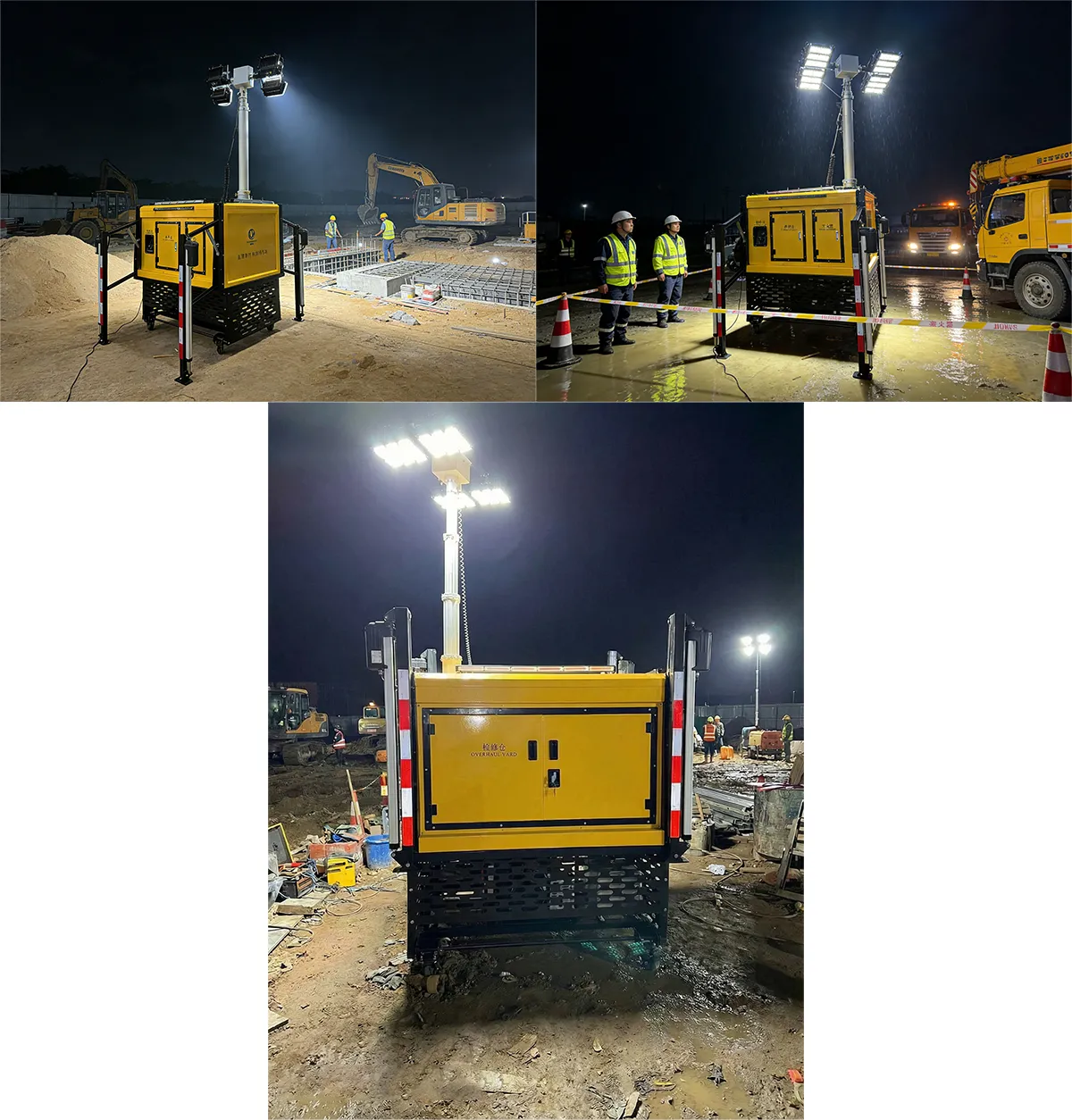
Product recommendation: use the listed self-loading standard model as a document-review starting point when self-loading transport is on the shortlist. The page names a configuration; it does not state weights, ratings, or carrier compatibility for your fleet. Related configurations sit under the self-loading mobile lifting light tower range.
Fit Boundary
This guide is suitable for building a transport plan and RFQ. It is not suitable as a lifting plan, a road-compliance ruling, or a Keyyou capability commitment. For a configuration discussion, send the carrier and loading-area notes.
Part 7. When is transport planning not the real question?
Stop planning transport when the destination itself is unconfirmed—an unprepared site blocks the cycle no matter how good the carrier plan is, and that preparation question deserves its own checklist. Arrival readiness also stays separate: every delivered unit still starts its first shift through the pre-operation inspection checklist.
FAQ
Qu'est-ce qui rend un mât d'éclairage autotracté (ou autochargeur) différent pour la planification du transport ?
Il intègre son propre mécanisme de chargement, de sorte que le plan est centré sur l'association des transporteurs et les zones de chargement plutôt que sur la réservation d'équipements de levage aux deux extrémités.
Quel camion ou véhicule associe-t-on à une tour d'éclairage autochargeuse ?
Quels que soient les transporteurs répertoriés dans le manuel de l'unité comme compatibles par pont, calibre et interface. Demandez ces pages du manuel ; ne supposez pas qu'un plateau fonctionne.
Une unité autochargeuse élimine-t-elle le besoin d'une grue à destination ?
Pour l'unité elle-même, c'est l'intention de conception, sous réserve d'une zone de chargement conforme et d'un opérateur formé. D'autres cargaisons lors du même transport pourraient encore nécessiter un levage.
Comment le chargement automatique modifie-t-il la planification des équipages et des horaires ?
Les réservations de nacelles élévatrices auprès de tiers sortent du chemin critique ; la disponibilité du transporteur et un opérateur qualifié deviennent les éléments déterminants.
What loading-area conditions must be confirmed before dispatch?
Surface bearing, slope, overhead clearance, approach path, and turning room at both ends, compared against manual requirements.
How is this different from the self-loading deployment guide?
The deployment guide explains the unit and its on-site use. This article plans the between-site move: vehicles, areas, crews, and schedules.
What transport inputs belong in an RFQ for self-loading units?
Carrier details, route notes, loading-area data for both ends, crew availability, schedule targets, and a request for cycle and interface manual pages.