
Search and Rescue Scene Lighting With Mobile Towers
Plan search and rescue light tower use for incident staging, equipment preparation, approved access, glare control, power, and scene changes.
Search and rescue light tower planning should support a named scene function under incident command: staging, equipment preparation, an approved access route, or another assessed ground task. It does not make unstable ground, an exclusion area, or an unsearched structure safe to enter. Begin with the current incident boundaries and the views responders need, then select a power and deployment arrangement that can be installed without obstructing the response. Record the lighting’s scope, accepted settings, and failure response as the scene develops.
Define the scene function before deployment
A search and rescue scene can involve command, equipment staging, vehicle access, medical support, search sectors, and restricted hazards. List which functions need temporary area illumination. A tower positioned for the equipment compound may help preparation and handover without illuminating the search location itself. Keep those functions distinct so the presence of one bright installation does not imply coverage everywhere.
FEMA’s National Incident Management System provides a United States reference for coordinated incident management. The applicable local command and operational arrangements govern the specific scene. The lighting team should obtain its work area and objectives through that organization. Record who approves installation, who can request changes, and which hazards or areas remain outside the lighting task. This avoids an equipment crew selecting a convenient position that conflicts with response operations.
Obtain current access and exclusion boundaries
Use the scene plan current at the time of installation. Identify the permitted arrival route, work compound, pedestrian paths, vehicle interfaces, and places where equipment must not stand. The tower’s complete deployment needs consideration: supports, mast envelope, controls, power equipment, and service space. The small transport footprint does not describe the space occupied when the machine is working.
Ground stability, debris, damaged utilities, and other hazards require the responsible team’s assessment. Lighting does not certify any of them. If the proposed position cannot be accepted, review another location or another approved source. Avoid moving into an exclusion area merely to improve brightness at a distant task. The incident’s hazard boundaries take priority over convenience of lamp coverage.
Make equipment preparation usable
Responders preparing tools may need to recognize controls, inspect components, read markings, and distinguish equipment assigned to different tasks. General area light may support the compound but leave detail in shadow behind a vehicle or open cabinet. Identify the actual preparation positions and whether approved local task lighting is needed.
Inspect how the layout changes during the response. Vehicles arrive, equipment piles expand, and workstations move. A position accepted at the beginning can be obstructed later. Keep the preparation layout and the illumination record connected. When a dark spot develops, report the actual blocked view rather than simply raising the mast or turning output up without checking its effect on the rest of the scene.
Review responder and driver glare
Observe the light from permitted pedestrian routes, vehicle approaches, and any response position identified by the command team. Bright direct light can interfere with recognition of instructions or people. Wet surfaces, reflective equipment, and damaged structures can produce a different view from the dry initial setup. Check the current conditions rather than relying on a daylight placement photograph.
The acceptable adjustment may involve location, aiming, output, or a separate approved task light. Stay within the equipment instructions and accepted scene plan. Do not improvise optical covers or attach extra hardware to the mast. Repeat the relevant observations after each accepted change. The aim is to reveal the named task while preserving other essential views, not to maximize the brightness seen from the command compound.
Understand what area lighting cannot reach
Trees, vehicles, rubble, terrain, and structures can block a mast source. A tower near staging should not be described as a universal solution for a search sector. Record the distance and terrain boundary of the assessed task without inventing a coverage promise from lamp wattage. The responsible search team determines what lighting and other equipment its actual operation requires.
Portable task lights may be appropriate for particular inspected locations under the relevant work arrangement, but they need their own supply, handling, and environmental review. Do not route a cable through unknown or restricted terrain merely because a lamp can be carried there. Lighting supports the authorized method; it does not determine whether the search method, access, or rescue technique is acceptable.
A scene-lighting planning table
This table defines decisions for the incident team. It contains no asserted rescue capability, scene clearance distance, or certification for the depicted tower.
| Scene function | Question to resolve | Record to keep |
|---|---|---|
| Staging | Can personnel prepare and inspect assigned equipment? | Actual task positions and remaining shadows |
| Accès | Are permitted routes and transitions recognizable? | Current scene boundaries and route observations |
| Vehicle interface | Does glare obscure people or instructions? | Driver views and accepted lamp direction |
| Power continuity | What happens during failure or service? | Named backup purpose and responsible owner |
| Evolving scene | Which changes invalidate earlier acceptance? | Reinspection triggers and change authority |
Select power for an uncertain response duration
An incident may outlast the first estimate. Specify the planned initial operating window and how the installation can continue through an approved extension. Ask for runtime at the intended lamp mode and conditions. Include preparation and recovery, not only the most active response period. A favorable demonstration at reduced output is not evidence for another setting throughout a prolonged night.
Compare service access, fuel availability, charging capacity, and the ability to replace or recover equipment. For engine-powered lighting, review exhaust near occupied vehicles, buildings, tents, and enclosed or partly enclosed spaces. CDC guidance explains the carbon-monoxide risk; outdoor operation still requires a location review. Battery systems need a credible replenishment plan, and hybrids need their automatic engine behavior included in the incident’s service and location decisions.
Plan installation without blocking the response
Coordinate arrival and deployment with the incident team. The equipment delivery vehicle and setup activity can obstruct an access route even when the final tower position is acceptable. Identify the installation sequence, responsible personnel, and when the machine is ready for the task. Follow the manufacturer’s transport and mast instructions and keep the accepted work boundary visible to the setup crew.
Draw any external supply and cable routes with their interfaces identified. The qualified electrical team should review connection and protection. Avoid creating trip or traffic conflicts in a compound that becomes busier after dark. Keep controls and recovery access available so the installation can be shut down or removed under the approved process without rearranging the response scene at short notice.
Verify with the people using the light
Inspect at night with representative vehicles, barriers, and equipment present. Check the actual preparation and access tasks alongside the additional views identified by incident command. Where measurements are required, record criteria, instrument, plane, positions, and conditions. Photographs can document the arrangement but cannot prove that the relevant task detail or glare criteria are met.
Resolve the specific observations before the team depends on the installation. Record what is illuminated, what requires separate approved lighting, and what remains outside the scope. Preserve the mast setting, aiming, output mode, and source. These details make a handover usable and help the next crew distinguish an accepted arrangement from a convenient but unreviewed change.
Maintain change control through the response
New vehicles, changed task locations, altered barriers, weather, or a revised exclusion boundary can affect both the physical installation and useful visibility. Identify those reinspection triggers in the scene handover. The command team should know who can adjust the lighting and how the change is communicated to affected users.
Plan service and removal with the same coordination as setup. Essential tasks may continue while one source is being refueled or charged, so the backup function must be accepted and available. Recovery requires its own illumination and route arrangements. A successful scene installation remains tied to the incident’s current objectives and boundaries from arrival through final equipment release.
Equipment documentation for this application
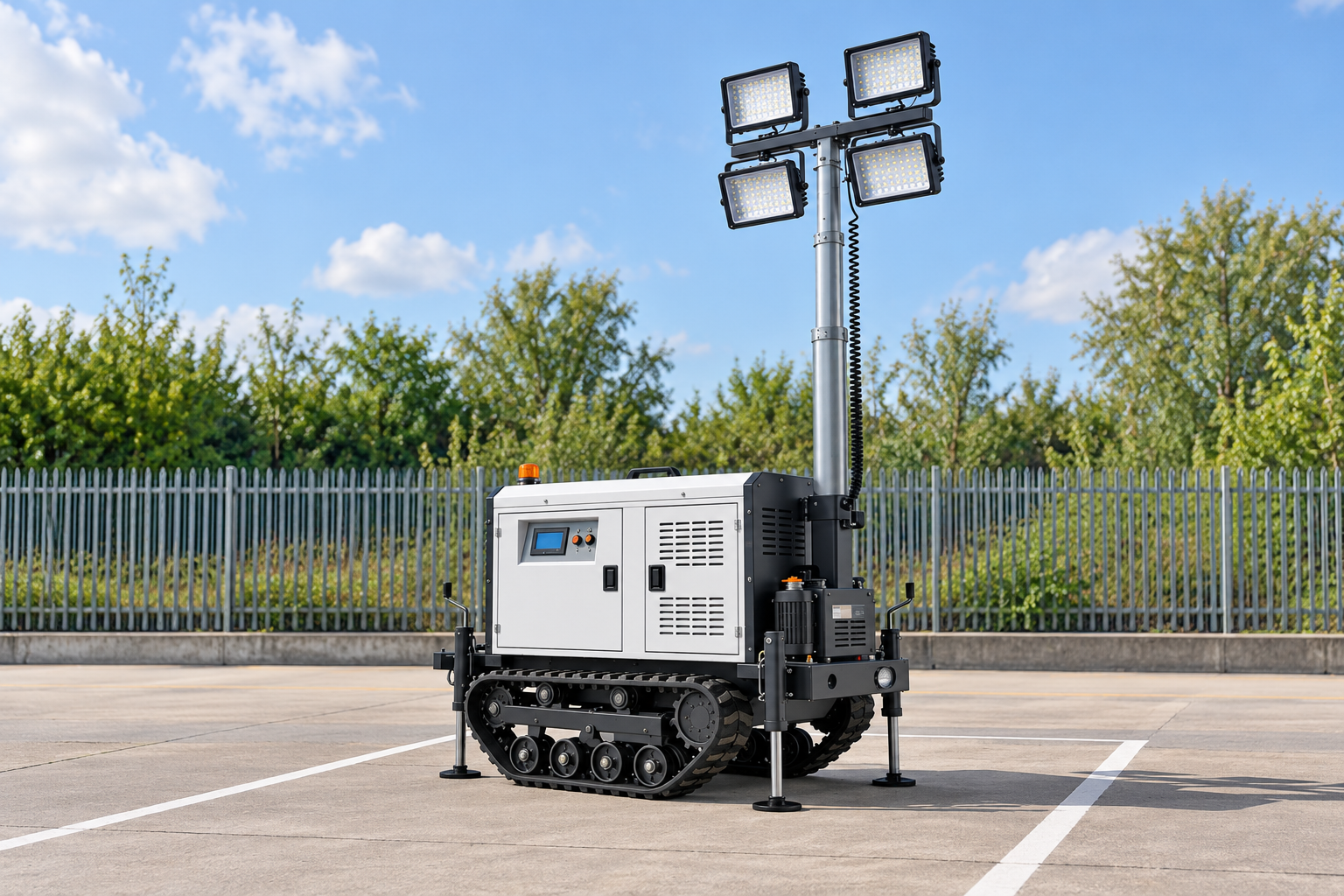
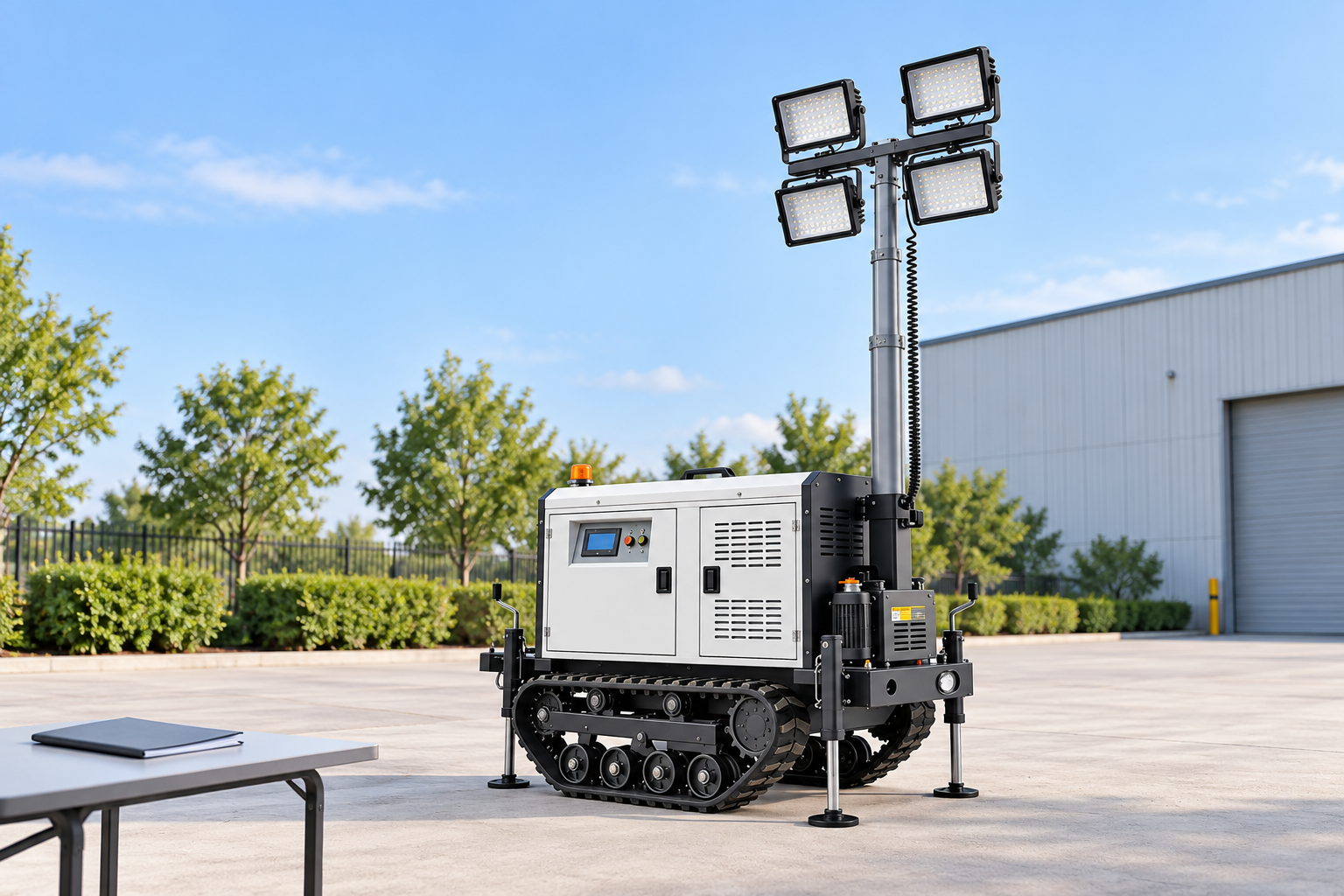
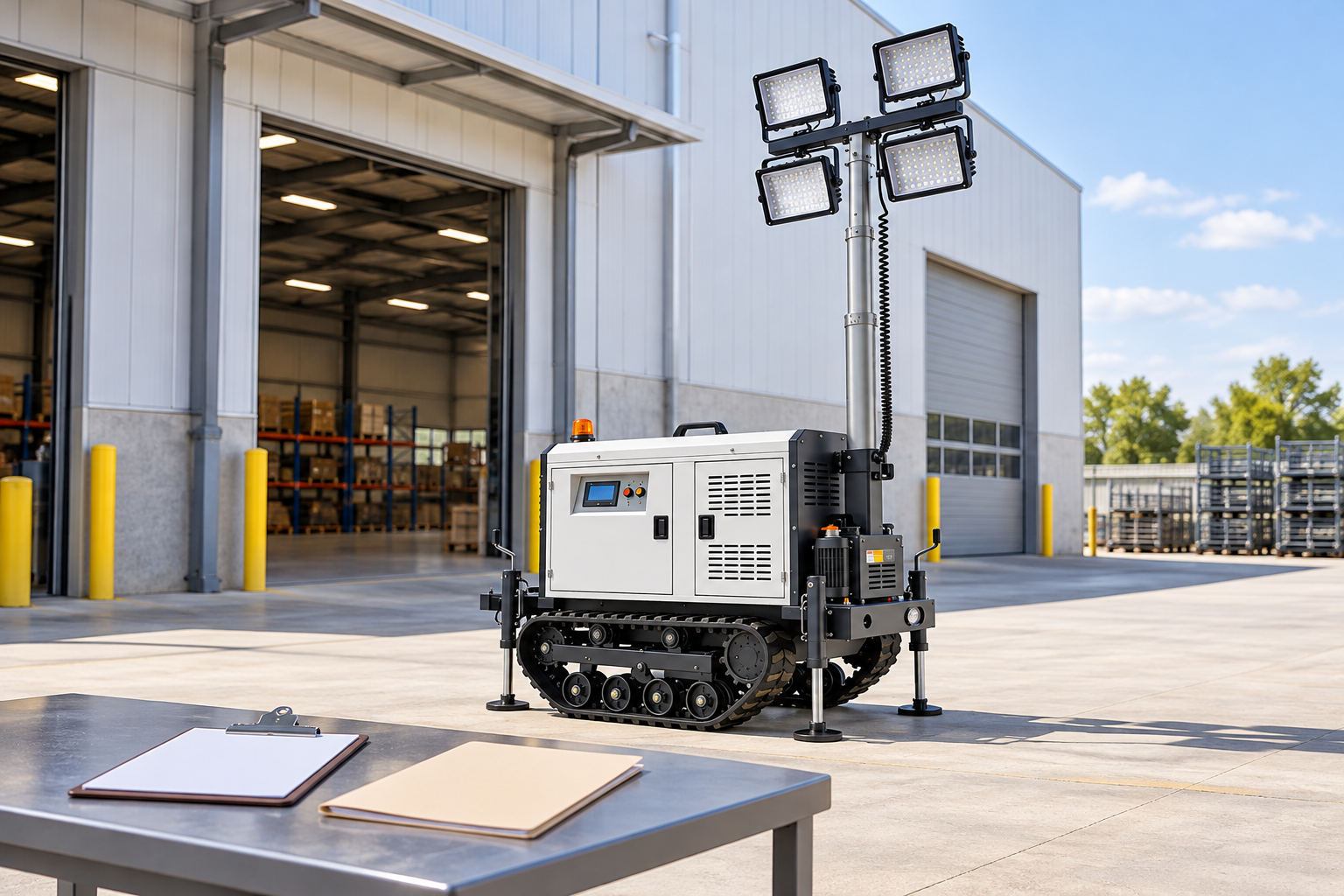
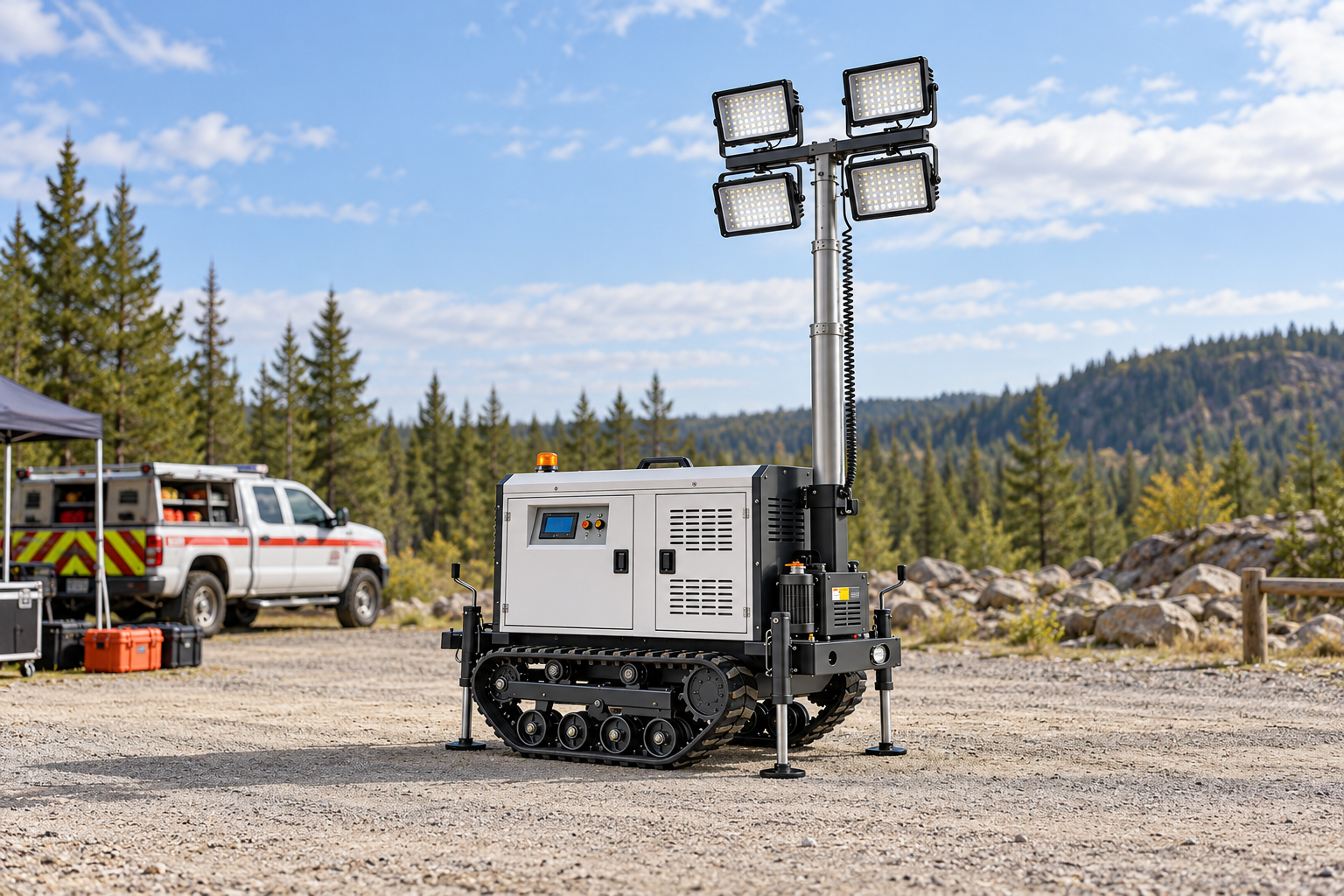
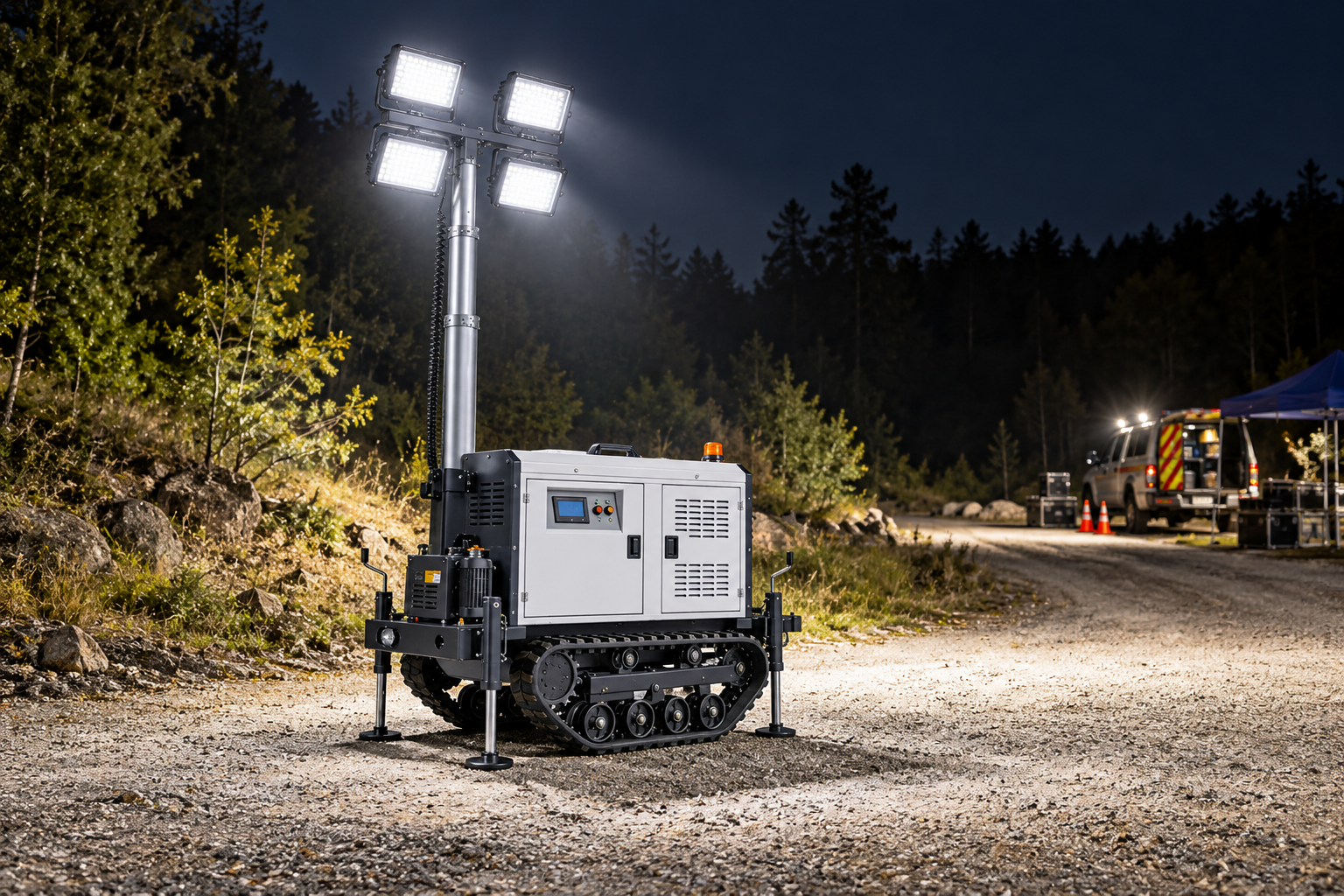
The pictured Keyyou tracked lifting light tower identifies the product category discussed here. Its appearance is not evidence of runtime, environmental certification, or suitability for every proposed work location. Request the current configuration-specific documents and compare them with the accepted task, deployed envelope, power arrangement, and service plan. If those records do not establish a match, resolve the configuration with the responsible team before relying on the installation.
For broader equipment planning, read the guide pour tour de lumière mobile. Use the separate glare-control guide when reviewing observer views, and the maintenance and troubleshooting guide when arranging inspection and service. These resources support their own tasks; they do not replace acceptance of the current site layout.
Generator safety education and reference scope
Where the selected power arrangement includes an engine, the CDC video below explains carbon-monoxide precautions. Its household examples provide introductory education, not a site installation approval. The responsible team must review the exact equipment, exhaust location, occupied spaces, fuel handling, and electrical arrangement. Battery-only operation has a different power scope, and hybrid engine-start conditions still require review.
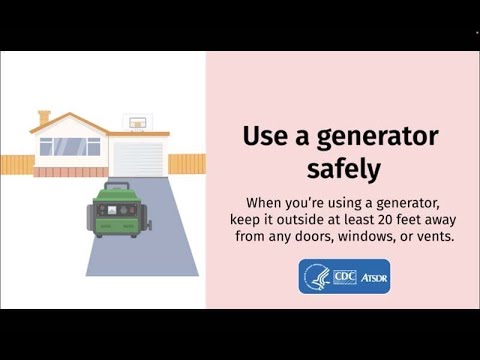
Watch Use a Generator Safely from the CDC.
Foire aux questions
Does an illuminated scene become safe to enter?
No. Lighting supports the authorized task and access arrangement; it does not certify ground stability, damaged utilities, structural condition, or rescue methods. Obtain current boundaries through incident command and keep restricted areas outside the installation scope. If required visibility cannot be achieved from an accepted position, resolve the lighting arrangement without crossing an exclusion boundary.
Can a staging tower illuminate the complete search sector?
Terrain, trees, vehicles, structures, and debris can interrupt the source. Record the actual area and tasks assessed rather than inferring sector coverage from lamp wattage. The search team determines its own approved method and lighting needs. Additional sources and cable routes require review for the places where they will be used.
Which changes require another scene-lighting check?
New vehicles, moved equipment, revised boundaries, changed tasks, weather, and different lamp settings can alter both useful visibility and the permitted installation. Include these triggers in handover and identify who can authorize adjustments. Preserve the accepted configuration and power plan so the next crew can distinguish a reviewed arrangement from an informal change.