
Ruído da Torre de Luz: Escolha de Equipamento e Exposição dos Trabalhadores
Uma avaliação da exposição ao ruído da torre de luz avalia o som que chega aos trabalhadores durante as suas tarefas reais e o tempo que passam em cada condição.
A light tower noise exposure assessment evaluates the sound reaching workers during their real tasks and the time they spend in each condition. It cannot be completed from a brochure dBA rating or a single reading beside the cabinet. Identify exposed roles, assess representative operating modes and nearby sources, select suitable measurements, then verify controls under the rules that apply to the workplace. Keep the task log, instrument record and responsible assessor's conclusions together.
This guide helps site managers and fleet coordinators prepare a useful assessment. It does not provide a medical diagnosis, declare a universal safe distance or replace a competent occupational noise assessment. Equipment purchasing data and worker exposure data answer different questions, even when both use the same decibel unit.
Begin with people and tasks
List the roles that may work near the tower: setup crews, inspection staff, security personnel, drivers waiting nearby and workers at the illuminated task. Describe where each person actually spends time. The operator who checks a control panel briefly may have a different exposure pattern from someone stationed beside the equipment for much of a shift.
Include breaks, vehicle movements and changes of workface when they affect the exposure picture. Ask workers which activities are loudest and which conditions are unusual. A tidy site drawing may miss the real waiting point, the preferred sheltered position or a task that repeatedly brings someone closer to an engine. Use these observations to design the survey rather than to replace measurement.
Separate source ratings from exposure
A manufacturer's sound figure may use a defined distance, operating load and measurement method. It can support equipment comparison when those conditions are compatible. It does not show what an individual worker experiences throughout a shift. Site reflections, orientation, nearby plant and time spent in different locations can all change the assessment.
NIOSH identifies an occupational recommended exposure limit of 85 dBA averaged over an eight-hour shift. That is a stated NIOSH recommendation, not a worldwide legal limit or a promise that all other exposures are harmless. The responsible assessor should identify the applicable jurisdiction, assessment criteria and required actions. Do not mix results calculated under different criteria without explanation.
Document the actual operating modes
Record the tower's serial number, power arrangement, lamp setting and any permitted auxiliary loads. If the tower changes engine speed, charges a battery or enters a different cooling state, note when that occurs. The quietest observed mode is not representative if workers spend substantial time near a louder mode later in the shift.
Include other equipment operating at the same time. A tower can be only one contributor among compressors, vehicles, pumps or cutting work. Conversely, a measurement taken while another machine briefly dominates may not characterize the tower itself. The survey needs enough context to distinguish a source investigation from a worker exposure assessment.
Choose measurements that answer the question
An area survey using a suitable sound level meter helps show how sound varies between working positions. Personal monitoring can help capture a worker's exposure across changing tasks. The assessor should select the instrument, settings, duration and method for the decision being made. A single peak on a screen cannot establish a complete daily exposure result.
Record instrument identification and the checks required by the measurement procedure. Note the microphone position, environmental conditions and any limitations. Avoid allowing handling noise, clothing contact or an unrepresentative position to be interpreted as normal workplace exposure. If part of the measurement is invalid, mark it and explain how the assessment will address the gap.
A phone application may help identify a concern or support initial screening when used within its limitations. It should not be assumed equivalent to a suitable calibrated occupational measurement system. Before using any result for compliance or programme decisions, confirm that the method is accepted for that purpose and that someone competent has interpreted it.
Keep a time-linked task record
Synchronize the task log with the measurement record. Note when the worker approaches the tower, moves to another workface, enters a vehicle or encounters another noise source. Describe the activity rather than merely writing a location code that nobody can interpret later. A useful log helps explain the result and identify which controls are likely to matter.
Choose a period that represents the work being assessed. If the normal shift includes an intermittent noisy operation that never occurred during sampling, do not label that operation assessed. Likewise, a short unusually quiet period cannot establish a safe full shift. Record missing conditions and arrange appropriate additional work rather than extrapolating without a defensible basis.
Turn observations into a control plan
Use the following qualitative table to keep the different evidence types separate. The distinction between source information, exposure measurement and control verification follows the occupational assessment approach described by NIOSH and HSE. The table assigns no universal distances, exposure durations or hearing-protector ratings.
| Condição ou evidência | Decisão necessária | Registo ou limitação |
|---|---|---|
| Brochure noise rating | Use it to compare stated equipment test conditions. | Do not treat it as the worker’s daily exposure |
| Area sound survey | Map operating positions and nearby contributors. | Retain locations, modes and measurement settings |
| Personal exposure monitoring | Follow representative tasks across the assessment period. | Keep a task log alongside the instrument record |
| Control verification | Repeat relevant observations after relocation or changes. | Confirm both exposure reduction and safe communication |
Start with changes that reduce the noise reaching people. Consider suitable quieter equipment, a different approved operating mode or an alternative layout. Any movement of the tower must also preserve lighting quality, stability, exhaust clearance, access and other site controls. Moving a source away from one worker should not simply transfer the exposure to another occupied position.
Avoid unsafe acoustic modifications
Do not wrap the tower in improvised sheeting or obstruct air paths to make a local reading look better. An enclosure or barrier can affect cooling, exhaust, maintenance access and fire conditions. Have any proposed acoustic treatment assessed for the complete machine and operating environment, including the manufacturer's restrictions.
Maintain equipment under its authorized service instructions. Abnormal rattles, missing panels or a damaged exhaust arrangement should enter the defect process rather than becoming accepted background noise. A noise survey is not permission to open guards or adjust running machinery. Separate operator observations from work that requires isolation and qualified service personnel.
Use hearing protection within a programme
Where hearing protection is required, select and manage it through the workplace assessment and applicable programme. Fit, compatibility with other protective equipment, training and consistent use all matter. Do not subtract a package rating from a field measurement and declare the worker safe without the accepted evaluation method.
Check communication and warning signals under the actual working conditions. Workers need to receive instructions and recognize relevant alarms while protected. Agree how radios, visual signals or other arrangements will be used. An earplug instruction without a communication plan may leave another risk unresolved, particularly around mobile equipment during a night shift.
cURL Too many subrequests by single Worker invocation. To configure this limit, refer to https://developers.cloudflare.com/workers/wrangler/configuration/#limits
cURL Too many subrequests by single Worker invocation. To configure this limit, refer to https://developers.cloudflare.com/workers/wrangler/configuration/#limits.
cURL Too many subrequests by single Worker invocation. To configure this limit, refer to https://developers.cloudflare.com/workers/wrangler/configuration/#limits.
cURL Too many subrequests by single Worker invocation. To configure this limit, refer to https://developers.cloudflare.com/workers/wrangler/configuration/#limits
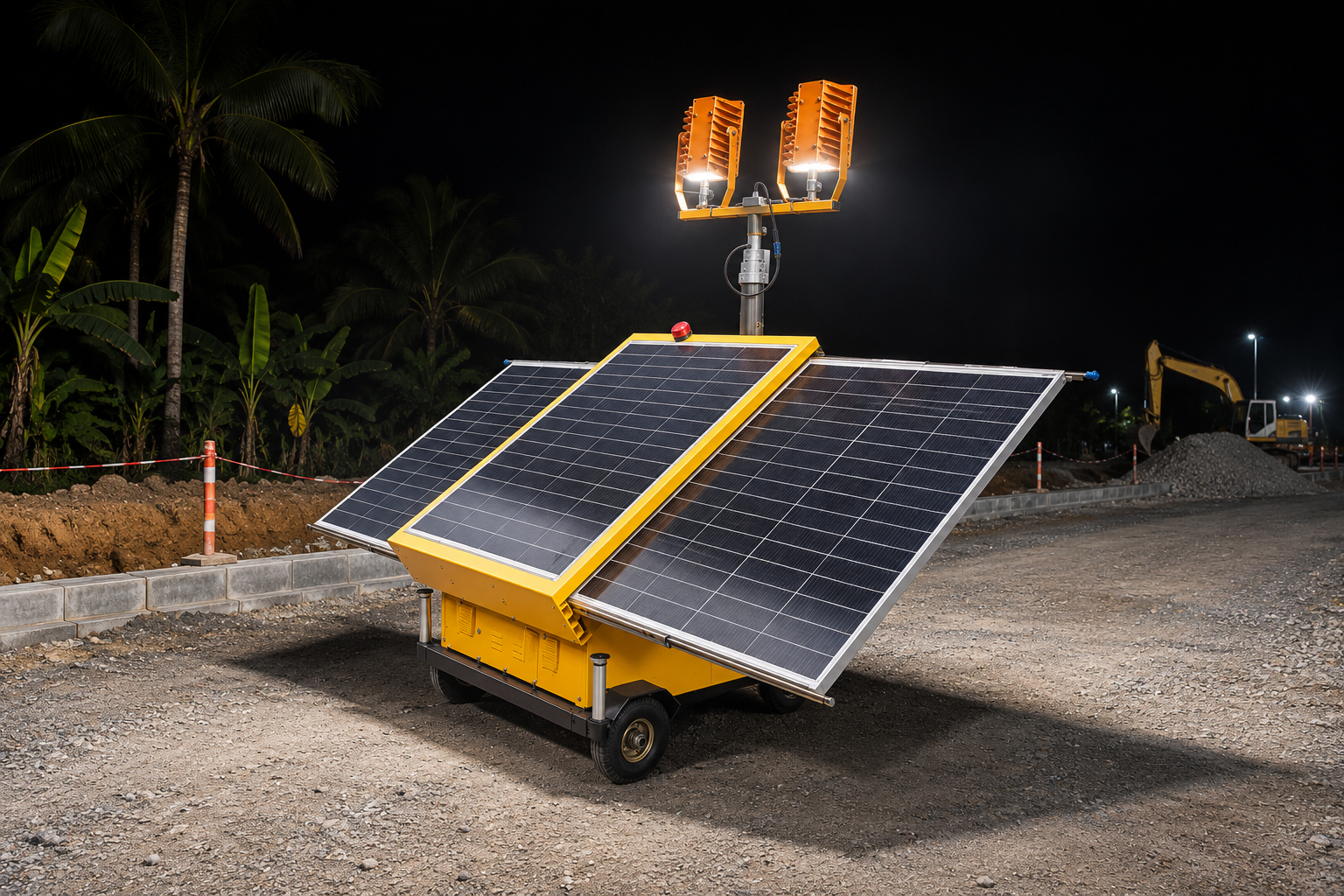
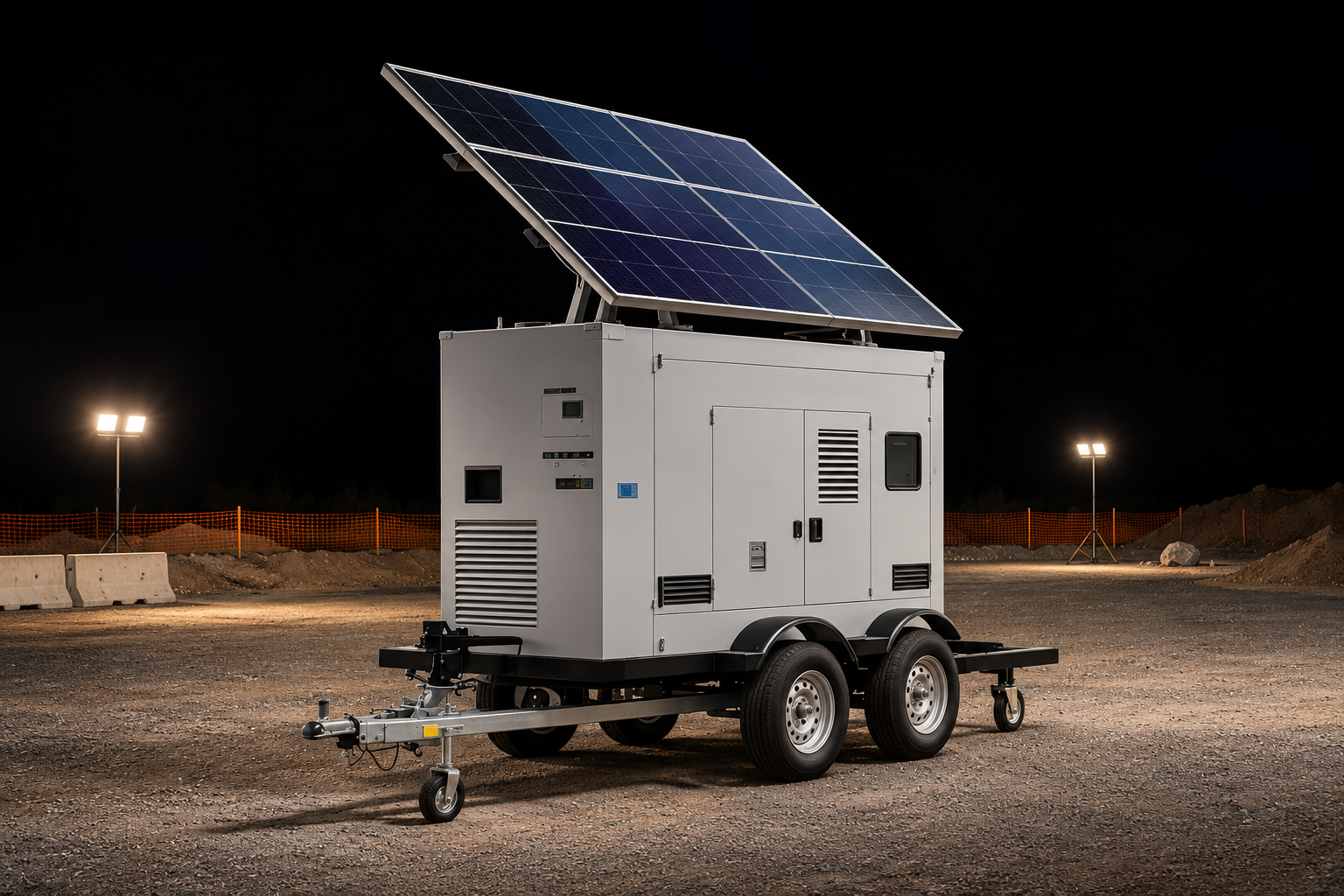
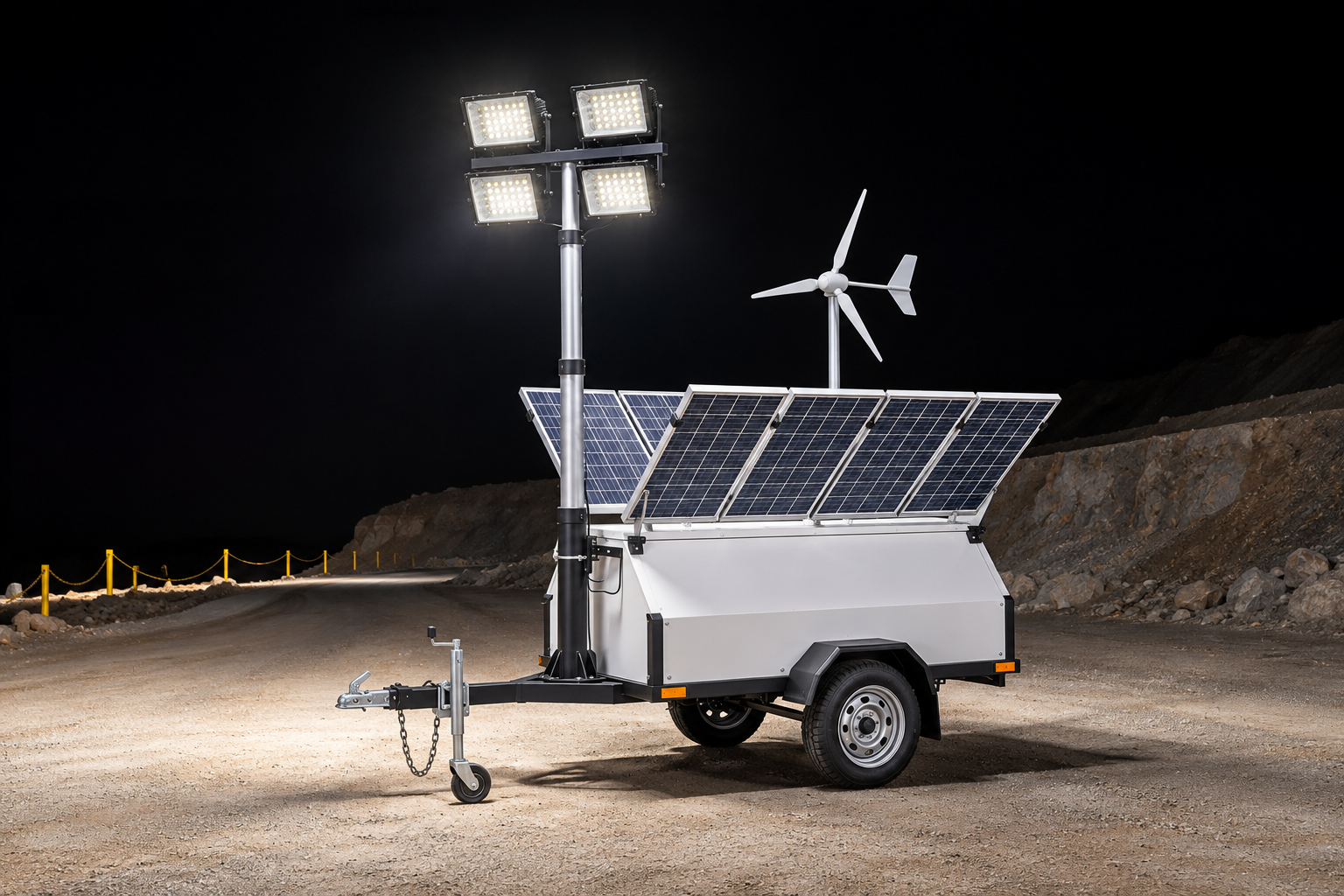
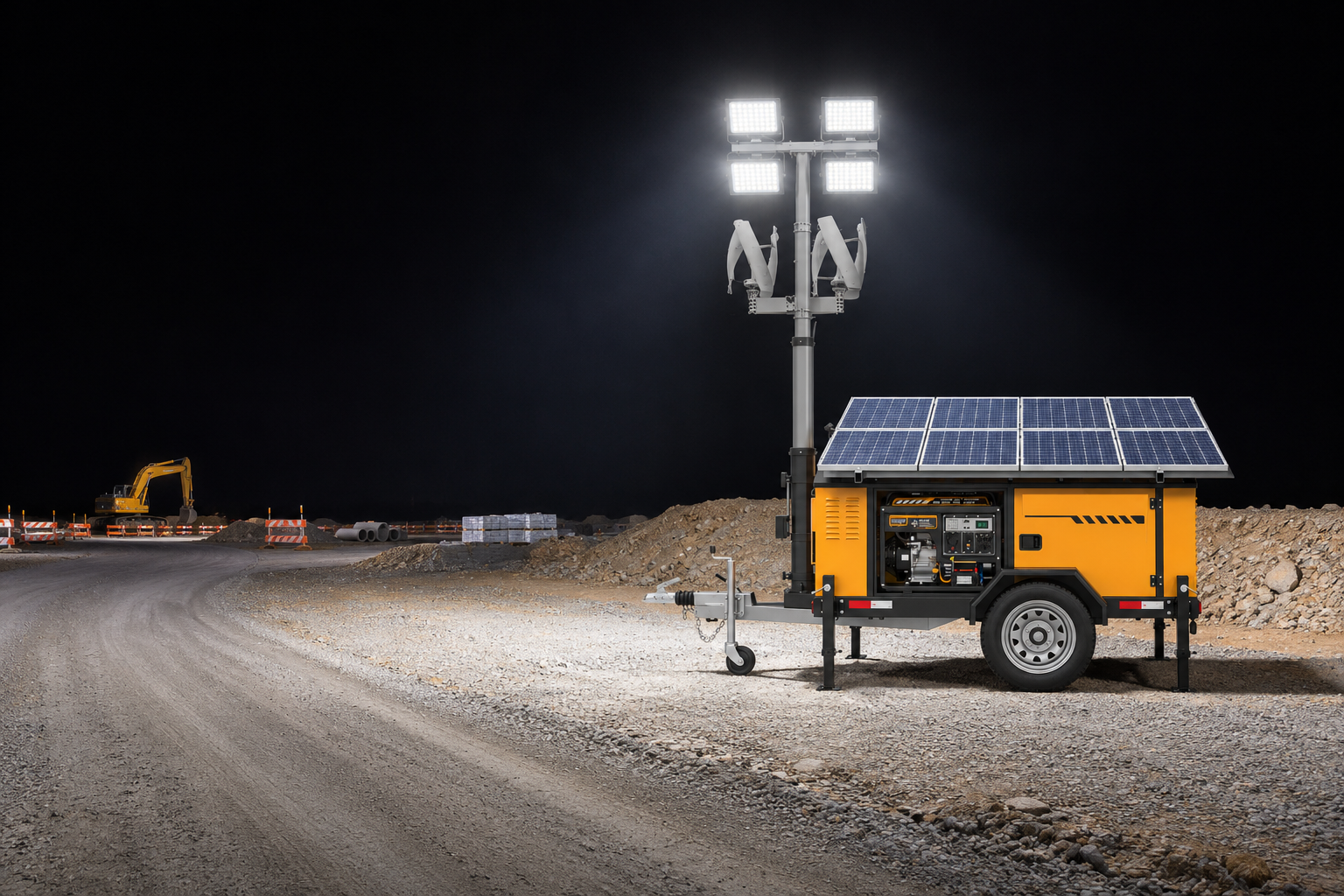
A torre de iluminação móvel elevatória híbrida eólica-solar (versão reboque) fornece o contexto visível do equipamento para este guia; verifique a configuração efetivamente entregue em conformidade com as respetivas instruções aplicáveis. A sua fotografia não estabelece nem uma classificação de ruído nem um resultado de exposição do operador. Ao comprar ou alugar, forneça ao fornecedor a função pretendida, os modos de funcionamento e as restrições do local, e solicite informação sonora específica da configuração com as condições de ensaio declaradas.
cURL Too many subrequests by single Worker invocation. To configure this limit, refer to https://developers.cloudflare.com/workers/wrangler/configuration/#limits.
Equipamento e planejamento complementar
A torre de iluminação móvel elevatória híbrida eólica-solar (versão reboque) fornece o contexto visível do equipamento para este guia; verifique a configuração efetivamente entregue em conformidade com as respetivas instruções aplicáveis. Continue com a Segurança e Operação da Torre de Iluminação, além de comparar as classificações de ruído do equipamento e os registos de passagem de turno noturno.
Educação de segurança neutra
O WorkSafeBC explica como o ruído perigoso no local de trabalho afeta a audição. Utilize-o para informar os trabalhadores sobre o motivo pelo qual a avaliação da exposição e os controlos selecionados são importantes; não fornece uma classificação sonora da torre nem um cálculo da distância de segurança.
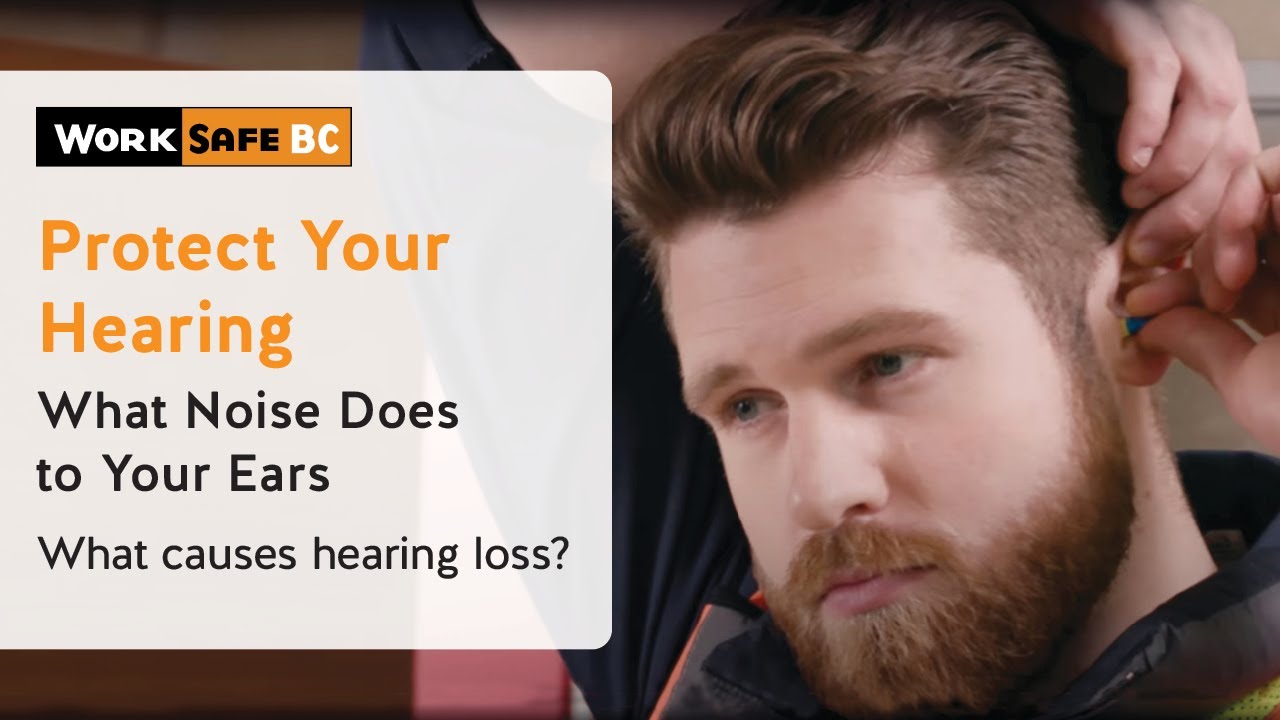
Watch the educational video on YouTube.
Configuração do produto e guia de compra relacionado
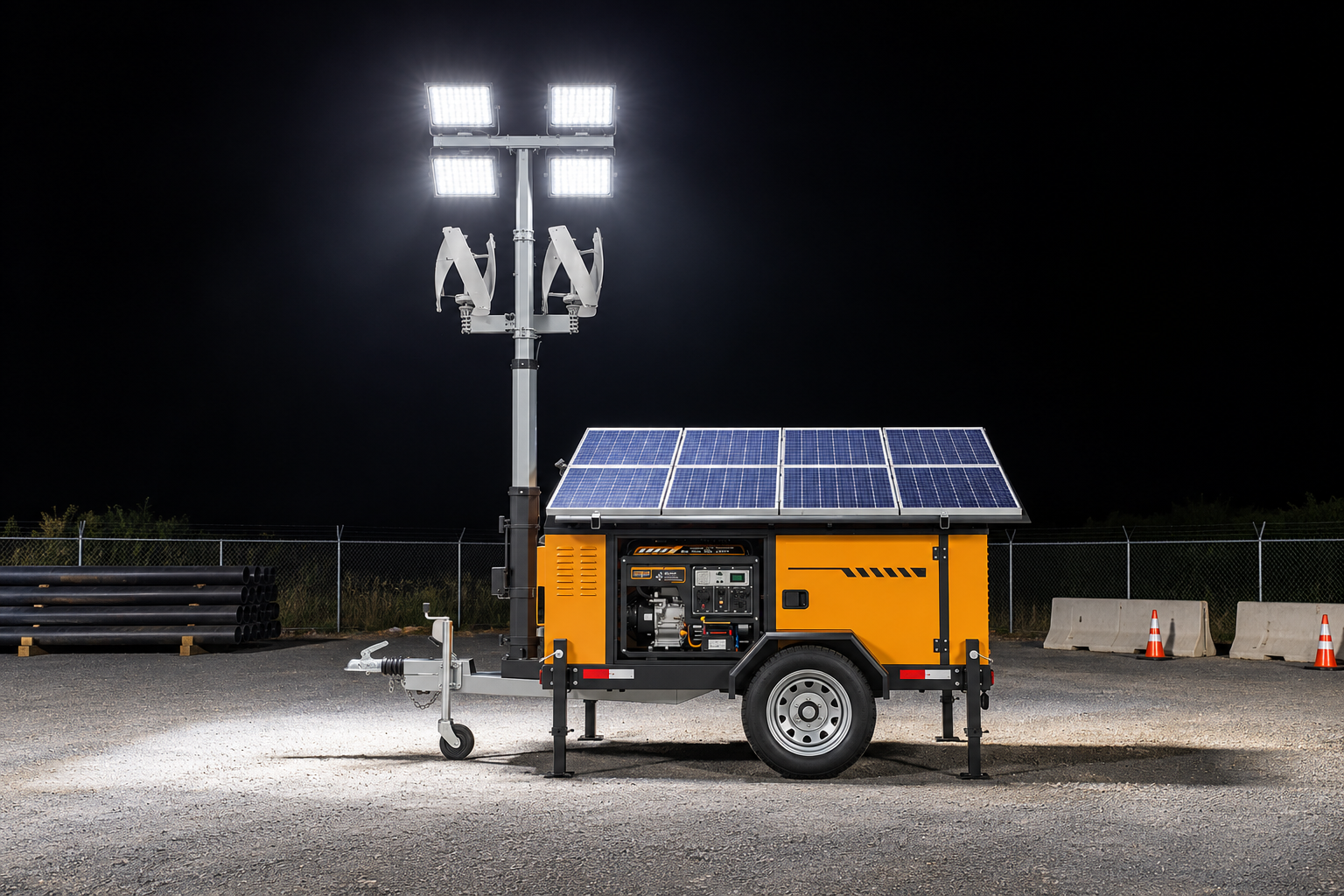
A torre de iluminação móvel elevatória híbrida eólica-solar (versão reboque) é a referência real do produto utilizada nas imagens noturnas ao ar livre para este guia. A configuração visível, incluindo o reboque amarelo, o painel solar e as duas turbinas eólicas de eixo vertical, fornece um contexto concreto do equipamento para o planeamento do ruído de equipamento exterior. Confirme o modo de funcionamento real, a posição do trabalhador e a duração da exposição em relação à configuração entregue antes de tomar uma decisão operacional ou de compra.
Orientações relacionadas de compra e serviço: Torre de luz híbrida. Use este guia mais amplo juntamente com as verificações específicas neste artigo. Para uma consulta específica do modelo, consulte o Torre de iluminação móvel elevatória híbrida eólica e solar (versão com reboque) e pergunte qual a configuração documentada e as opções incluídas. Uma fotografia do produto estabelece o contexto do equipamento visível; não estabelece uma classificação medida, inspeção aprovada ou função opcional suportada.
Veja também como escolher uma torre de luz e manutenção de torre de iluminação.
Perguntas frequentes
A classificação em dBA de um fornecedor pode comprovar que um turno de trabalho é seguro?
No. A product sound rating describes particular test conditions. Worker exposure depends on sound at the ear, time spent in each task, other sources and the assessment method.
Uma medição efetuada com um telemóvel é suficiente para uma avaliação formal?
Uma ferramenta de triagem pode indicar a necessidade de investigação adicional, mas decisões formais requerem instrumentos e métodos adequados à avaliação aplicável e uma interpretação competente.
A proteção auditiva deve ser a primeira medida de controlo?
Priorize a redução do ruído na fonte e através do layout de trabalho sempre que possível. A proteção auditiva e quaisquer medidas necessárias de conservação auditiva permanecem parte do programa avaliado.
Quando deve ser revista a avaliação do ruído?
Revisão após alterações nos equipamentos, modos de operação, locais de trabalho, turnos, fontes ou controles circundantes, e sempre que a avaliação existente deixar de representar a exposição real.
Sources and scope
As fontes abaixo apresentam princípios gerais. Aplique as instruções efetivas do fabricante, a avaliação do local de trabalho e as regras aplicáveis ao destino; estas referências não certificam esta torre de iluminação.