
Preparação de Evidências de Decisão de Origem da Torre de Luz Avançada: Fatos sobre Fabricação de Mapas
Prepare um ficheiro de decisão de origem de avanço da torre de luz ligando os passos de fabrico, as evidências dos componentes, a configuração real e a rota comercial proposta.
Light tower advance origin ruling evidence preparation starts with the actual manufacturing facts, the proposed import or export and the precise origin question. Build a file that connects the ordered configuration to materials, production steps and the rule your customs adviser considers relevant. A sales brochure or shipping address cannot establish the origin of an assembled tower. This guide concerns preparation for Great Britain and uses the tracked Keyyou light tower as equipment context. It does not assign an origin, promise preferential duty or imply that the pictured product already holds a ruling. Northern Ireland has a different decision route.
Define the decision before collecting documents
A ruling request needs a real question. Ask the responsible importer or exporter to describe the intended trade movement, the goods involved and the uncertainty that needs an official decision. For example, the team may need to understand how a particular manufacturing route interacts with an applicable origin rule. Do not replace that question with a broad request for a certificate covering every product the supplier sells.
Record who will apply, who will use the decision and who can explain the underlying manufacturing facts. HMRC describes the Great Britain service as prospective rather than a way to obtain a retrospective decision. The responsible adviser should confirm eligibility, timing and the appropriate route before the team promises that a shipment can rely on an application. An application being prepared is not a ruling being granted.
Keep classification, customs valuation and origin questions distinguishable. They can share documents, but each asks something different. A commodity description helps identify the goods; a price helps explain a transaction; production facts help assess origin under a relevant rule. A favourable answer in one area does not automatically settle another. Use a short scope note so suppliers receive precise requests instead of a confusing list of unrelated certificates.
Freeze the tower configuration used in the request
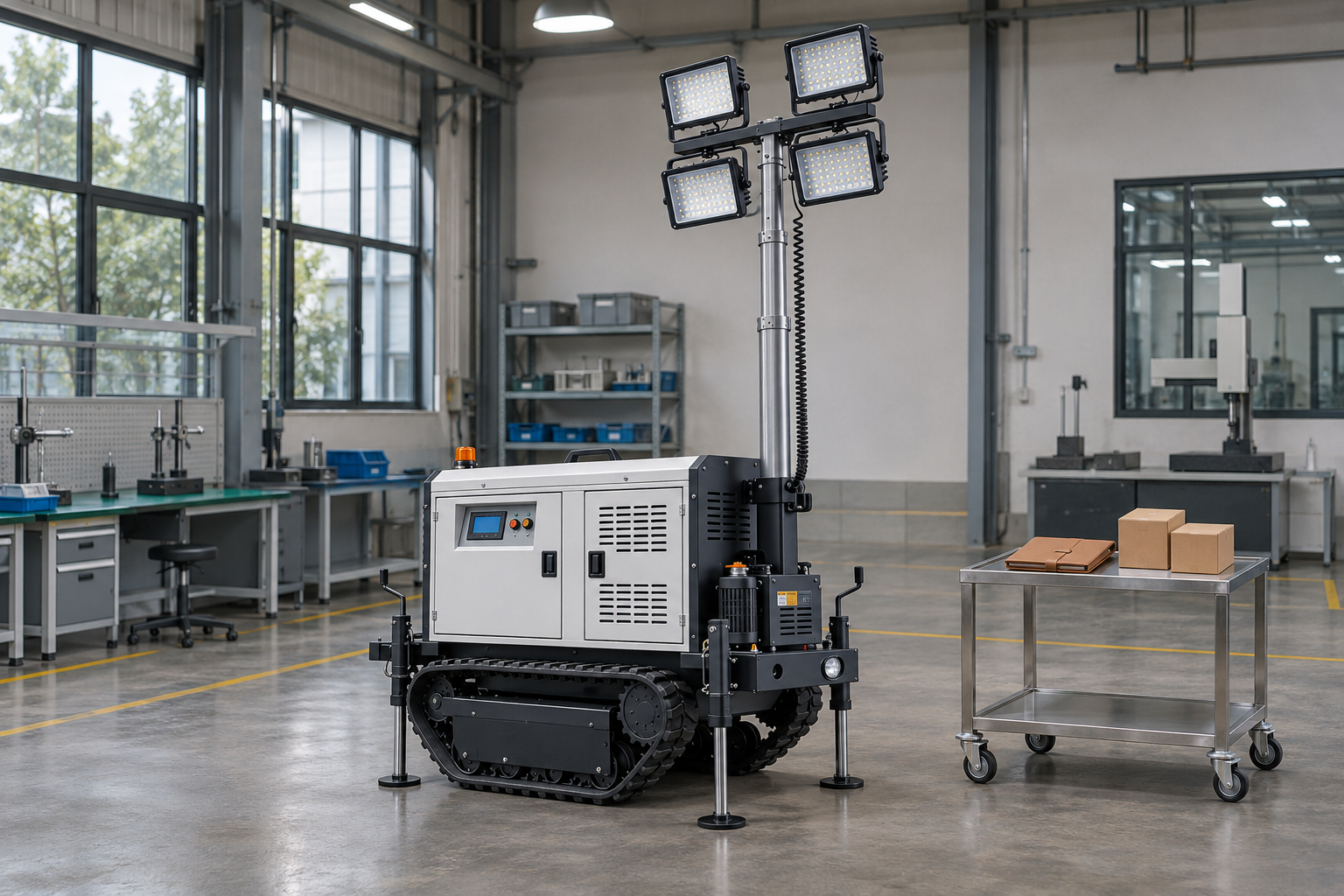
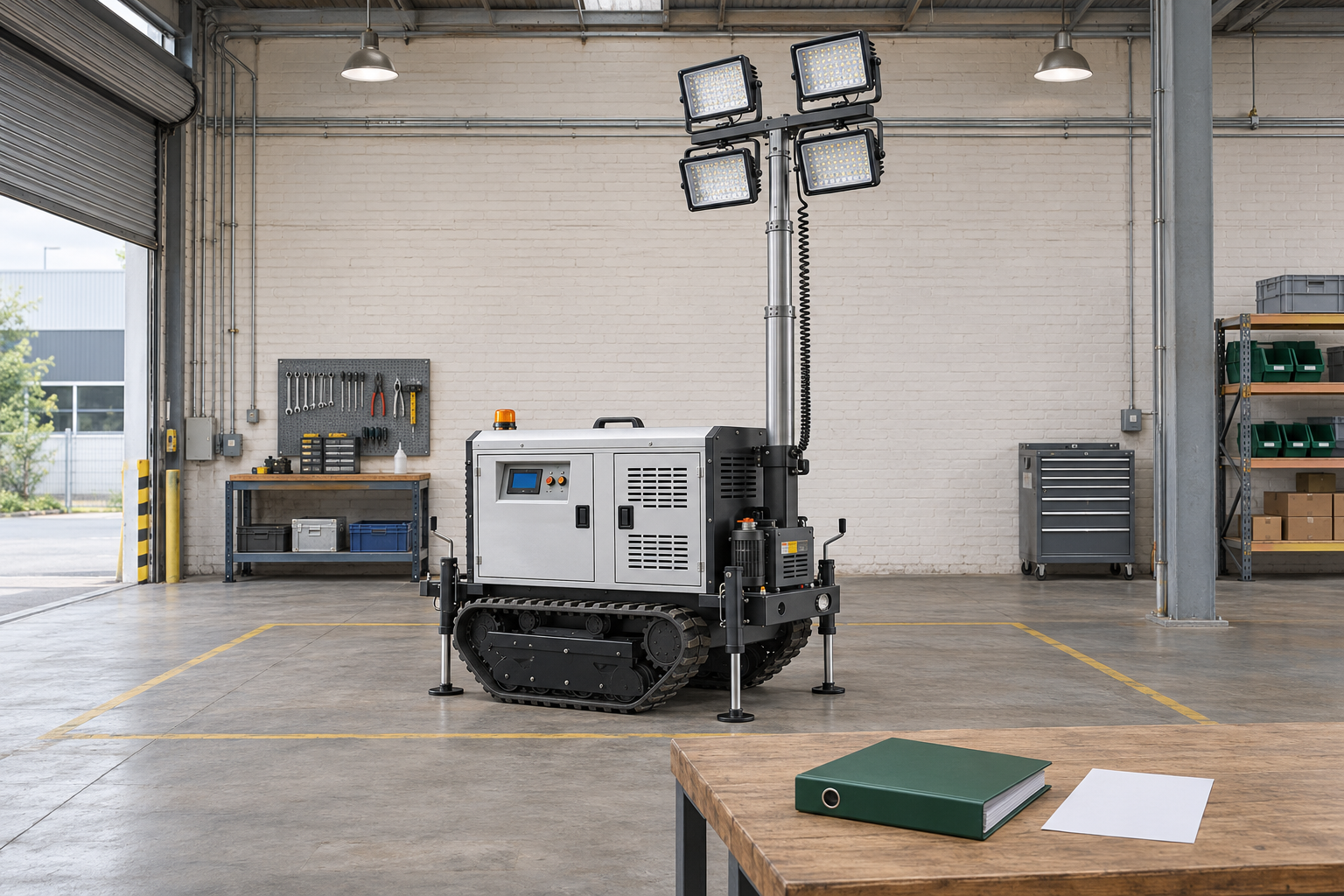
Create an equipment description based on the current purchase specification and manufacturer records. For a tracked tower, useful descriptive features may include the tracked chassis, cabinet, mast assembly and lighting arrangement. These are identification prompts, not proof that every unit has identical components or production history. Do not derive a formal model, capacity or country of manufacture from an editorial photograph.
Link the description to the quotation revision, purchase order and any available configuration schedule. If several configurations are being discussed, identify them separately and ask the adviser whether one application can properly cover the intended goods. A generic family name can hide meaningful changes in assemblies or manufacturing processes. The file should make those differences visible before the applicant declares that its description is complete.
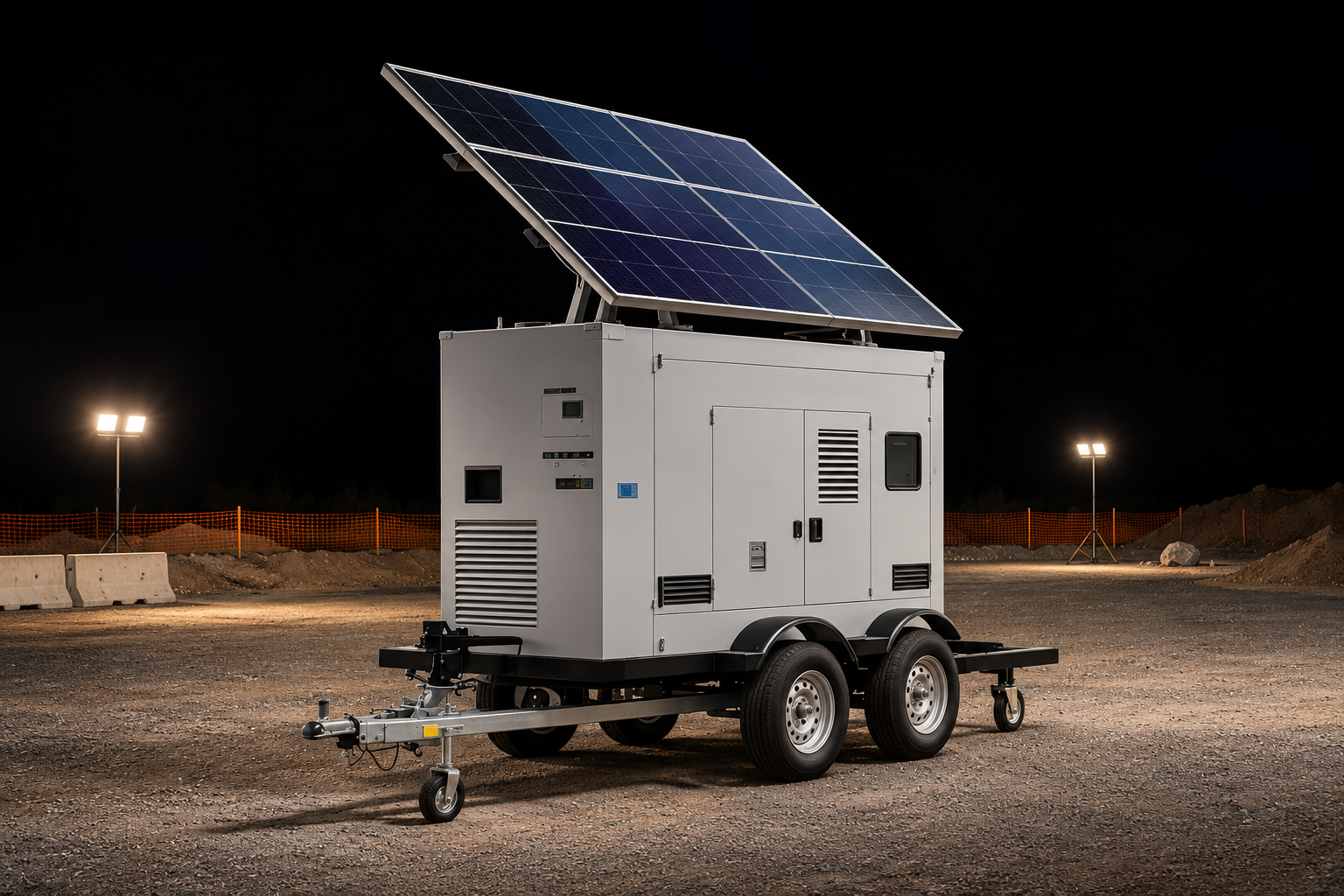
Photographs can support identification when their source and relationship to the goods are known. Keep original supplier photographs or technical drawings with their issue information. Generated article illustrations are not shipment evidence and should never be inserted into a ruling file as actual production photographs. Ask for authentic records of the goods being considered, particularly where the appearance does not reveal an important material or assembly difference.
Map manufacturing steps to attributable records
Request a factual production narrative from the party able to verify it. It should identify where relevant operations occur, which organisation performs them and how intermediate components become the finished goods. An assembly location alone may not answer the origin question. Equally, a purchasing coordinator should not decide that a process is legally sufficient simply because it involves substantial workshop effort.
Use the narrative to ask targeted follow-up questions. If an assembly is purchased complete, identify that fact instead of describing it as locally manufactured. If a production step is performed by a subcontractor, ask who holds its records. Where the supplier cannot substantiate a statement, mark it unresolved. Filling an empty cell with an assumption makes the file look complete while reducing its usefulness for a formal assessment.
HMRC's application guidance identifies manufacturing procedures and materials information as important inputs. The exact records needed depend on the goods and the rule being considered. Organise supplied descriptions, tariff classifications, origin information and costs so the adviser can see their source and scope. Procurement should gather and reconcile these facts; the responsible reviewer should determine which rule applies and whether the evidence addresses it.
Keep component origin separate from purchase location
An invoice tells the team who sold a component and what was charged. It does not necessarily show where that component acquired its origin. Likewise, a warehouse dispatch note describes a movement rather than a manufacturing history. HMRC's rules guidance explains that the origin country may differ from the country where goods were purchased or shipped. Preserve these distinctions in the evidence index.
Ask suppliers what their statements actually cover. Does a document refer to the complete mast assembly, a batch of lights or only one constituent material? Does it apply to the current supplier revision? Avoid requesting a sweeping declaration that the supplier cannot responsibly issue. A narrow, attributable explanation is more useful than an impressive-looking statement with no traceable goods or period.
Cost records may be commercially sensitive. Identify the permitted recipients and a suitable submission arrangement with the adviser rather than circulating detailed supplier information indiscriminately. If a supplier prefers to provide supporting facts directly through an approved channel, record that arrangement and the missing visibility in the buyer's working file. Restricted access should be managed explicitly, not disguised as evidence that the buyer has personally checked.
Use a preparation matrix to reveal gaps
The following qualitative table is a coordination tool for assembling the file. It is not an official application form or a test that determines origin. Its purpose is to give each unresolved fact an owner and make the connection between the actual goods and the proposed question clear. Use the linked HMRC guidance to assess the application requirements for the intended movement.
| Condição | Revisão ou ação | Evidence or responsibility |
|---|---|---|
| Actual goods | Identify the tower configuration and planned transaction | Purchasing provides the current order and configuration record |
| Manufacturing route | Record where each relevant production step happens | Manufacturer provides an attributable process description |
| Components | Connect materials to descriptions origin and costs where required | Supplier and adviser identify missing evidence |
| Proposed rule | Explain the actual origin question for review | Customs adviser assesses applicable rule and classification |
| Ruling use | Compare supplied goods and production with the decision scope | Importer and representative control the declaration handover |
Esta lista de verificação de coordenação qualitativa apoia o fluxo de trabalho discutido aqui; aplique a jurisdição e o âmbito do Apply for an Advance Origin Ruling – GOV.UK. Não fornece um limite de aceitação numérico universal.
For each line, add the document owner, version and open question in the team's own working register. A green status should mean the identified fact has supporting evidence, not that a legal conclusion has been reached. Separate an unverified supplier assertion from an attributable manufacturing record. This helps the reviewer decide what additional evidence is worth requesting before the application is submitted.
Explain the proposed basis without inventing a conclusion
The applicant needs a coherent explanation of the origin it believes applies and the relevant rule. Give the adviser the facts required to develop that explanation. Do not copy an example percentage, manufacturing test or country conclusion from an unrelated product. Origin rules vary with the goods, agreement and circumstances; a lighting tower article cannot replace that assessment.
Where the team uses a worksheet, retain original inputs and identify the source behind each material figure. State whether amounts concern one unit, a batch or an accounting period. Currency and scope inconsistencies can make an otherwise careful comparison misleading. Have the reviewer resolve the basis before figures are used in an explanation; do not silently adjust supplier values to make a preferred answer appear.
Make uncertainty visible in the narrative. For instance, a production record may be available while the origin basis of a bought-in assembly is still outstanding. Describe the missing fact and who is obtaining it. A controlled draft can remain incomplete; an application should not conceal material gaps behind confident prose. The business responsible for the submission must be satisfied with its accuracy and completeness.
Control submission and later use as separate stages
Before submission, check that the final description, supporting attachments and applicant details refer to the same goods and intended transaction. Preserve the exact package sent, including its attachment index. If further information is requested, connect the reply to the original question and keep both versions. A receipt or acknowledgement records a procedural event; it does not establish the substantive result.
When a decision arrives, the responsible reviewer should examine the named holder, goods, production circumstances and conditions. HMRC's guidance makes continued correspondence between the actual goods and the ruling facts important. Do not distribute a short favourable extract without the scope that makes it meaningful. Provide the customs representative with the complete relevant decision and clear instructions on the intended use.
Ruling use and proof of origin are separate controls. HMRC states that proof is still needed on importation and exportation even when an Advance Origin Ruling exists. Assign responsibility for that evidence and the declaration handover. Keep the ruling file linked to the operating procedure so the team does not treat an official decision as a permanent substitute for shipment records.
Recheck changes before repeating the same instruction
A later order may look the same while using a different bought-in assembly, production location or manufacturing route. Ask procurement and the manufacturer to flag changes that could affect the facts considered in the ruling. Refer those changes to the responsible adviser before assuming that an existing decision still covers the goods. Preserve the original baseline so comparisons remain possible.
For an enquiry, request the current configuration, available production description, evidence owners and intended destination. These requests support a meaningful discussion without promising origin status or duty savings. Keep product selection, commercial ordering and the official customs assessment connected through reliable facts, with each decision made by the party responsible for it.
Equipment and related guidance
Identifique o contexto do equipamento utilizando a página do produto da torre de iluminação elevatória Keyyou. Solicite a documentação relativa à configuração efetivamente fornecida. Consulte as Light Tower Customs Debt Liability Evidence: UK Buyer File e as orientações relacionadas sobre preference verification response, cURL Too many subrequests by single Worker invocation. To configure this limit, refer to https://developers.cloudflare.com/workers/wrangler/configuration/#limits.
Further learning: Rules of origin recorded webinar
This HMRC webinar explains rules of origin under the UK-EU Trade and Cooperation Agreement. It supports understanding the evidence behind origin rules; its agreement-specific examples do not establish the origin of a tower or replace an Advance Origin Ruling application.
Watch the educational video on YouTube.
Perguntas frequentes
Uma fotografia de produto estabelece a origem?
No. It helps describe the goods, while origin depends on the applicable rules and evidence of materials and manufacturing.
Um Parecer de Origem Avançado pode corrigir alguma reivindicação histórica de origem?
Não assuma isso. A HMRC descreve um serviço prospectivo; correções históricas ou verificações precisam de sua própria avaliação.
Does a ruling remove the need for proof of origin?
Não. A HMRC afirma que a prova de origem ainda é necessária na importação e exportação.
What if production changes after the ruling?
Preserve a alteração e peça ao revisor responsável para avaliar se a decisão ainda cobre os bens e a produção reais.
Sources and scope
Estas fontes sustentam os princípios específicos de enquadramento acima abordados. As respetivas jurisdições e matérias são diferentes; não certificam o equipamento apresentado nem aprovam qualquer envio ou instalação individual.