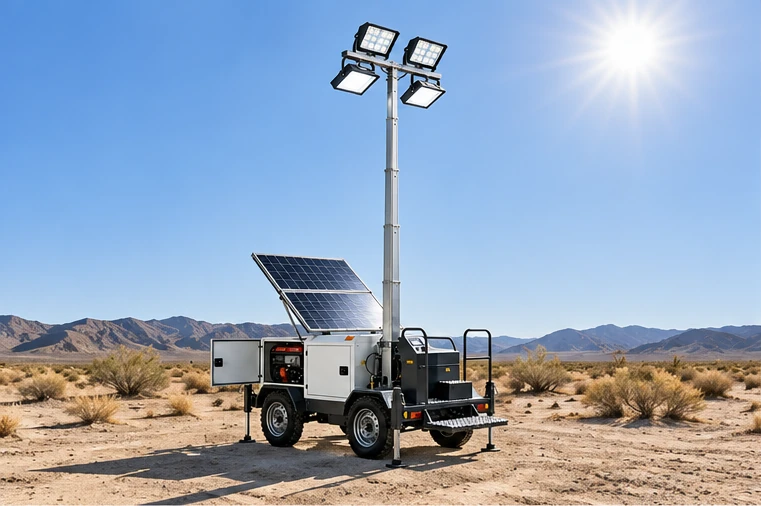

How Should Buyers Select a Mobile Command Center Power Setup?
Select a command-center power configuration by naming the load classes and duty windows the mission must survive, writing the source mix and resilience expectations as questions, and demanding supplier documents for capacity, outputs, transfer behavior, and limits—never by trusting a single headline figure. A command post that loses power stops being a command post; the configuration file exists to prevent that quietly.
Part 1. What does the power configuration decision cover?
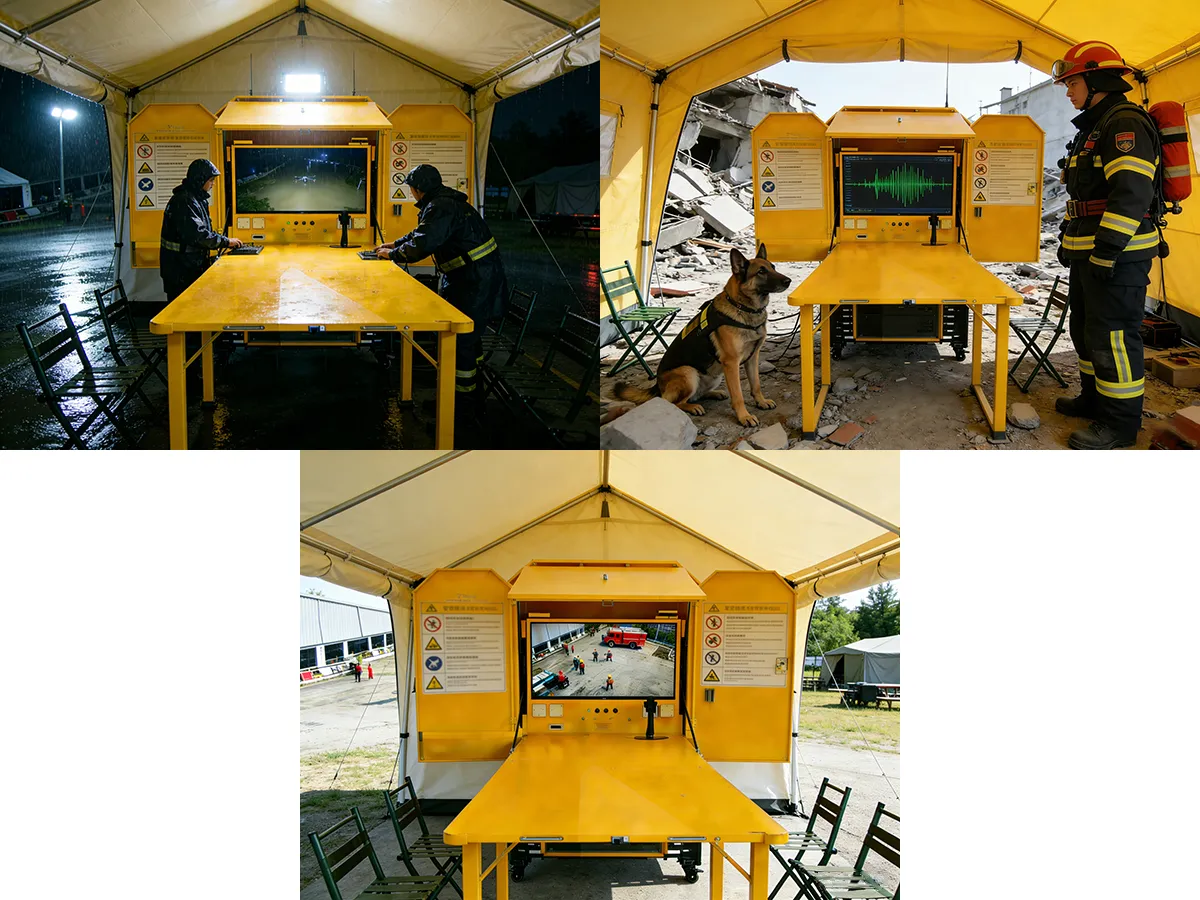
It covers how a mobile command center keeps its loads alive: which energy sources it carries, how they hand over to each other, and how long the mission survives on each. It does not design the electrical system and it does not choose radios or screens—it defines the power duty those systems will demand.
Continuity planning resources such as Ready.gov’s business preparedness pages start from critical functions; the power configuration is those functions translated into energy terms.
Part 2. Which load classes must be named first?
Name the loads in classes with owners, exactly as load-list discipline works elsewhere—the off-grid lighting load estimation guide shows the method for lighting duty, and a command post extends it.
| Load class | Typical owner | Record |
|---|---|---|
| Communications and networking | Response coordination | Device classes and counts |
| Displays and workstations | Command staff | Unit counts and duty hours |
| Lighting—interior and area | All crews | Duty description |
| Climate and equipment protection | Asset owner | Conditions to hold |
| Device and tool charging | Visiting crews | Charger classes |
Classes and counts stay in the buyer’s file; electrical figures arrive with the supplier’s documents.
Part 3. Which duty windows drive the configuration?
Write the windows the mission must survive: the first response hours, the sustained-operation days, and the recovery tail. Outage planning framing—see Ready.gov’s power outage guidance—treats duration honestly instead of hoping events stay short.
Important: Select against the longest window the mission claims to serve, not the average one; a configuration that survives the average event fails the one that matters. Source: continuity-planning discipline, Ready.gov business preparedness.
Part 4. How should the source mix be written as questions?

Most command-center configurations mix stored energy with a replenishment source. Write the mix as questions for suppliers, not as a design.
- Which stored-energy capacity options exist for this configuration, with documents?
- Which replenishment sources can it accept—generator, grid, solar—and how do they hand over?
- What does each source add in weight, noise, and service demand?
- How does the storage side compare on the questions in the battery capacity estimation guide?
Solar source basics are public—the DOE solar explainer covers the principle—but panel behavior for a specific cabin must come from that cabin’s documents.
Part 5. Which resilience and standby expectations belong in the file?
State what must never drop, what may degrade gracefully, and in what order loads shed when energy runs low. Then state the standby life: where the unit waits, who checks it, and how fast it must deploy—readiness framing that workplace preparedness resources such as OSHA’s emergency preparedness pages treat as a maintained state.
Ask suppliers to document transfer behavior between sources and standby consumption for the offered configuration.
Part 6. Which supplier documents close the configuration file?
Demand a numbered set: configuration description, capacity and output pages, source and transfer behavior notes, environmental limits, standby data, transport and loading instructions, service intervals, and warranty terms—each mapped to a requirement line.
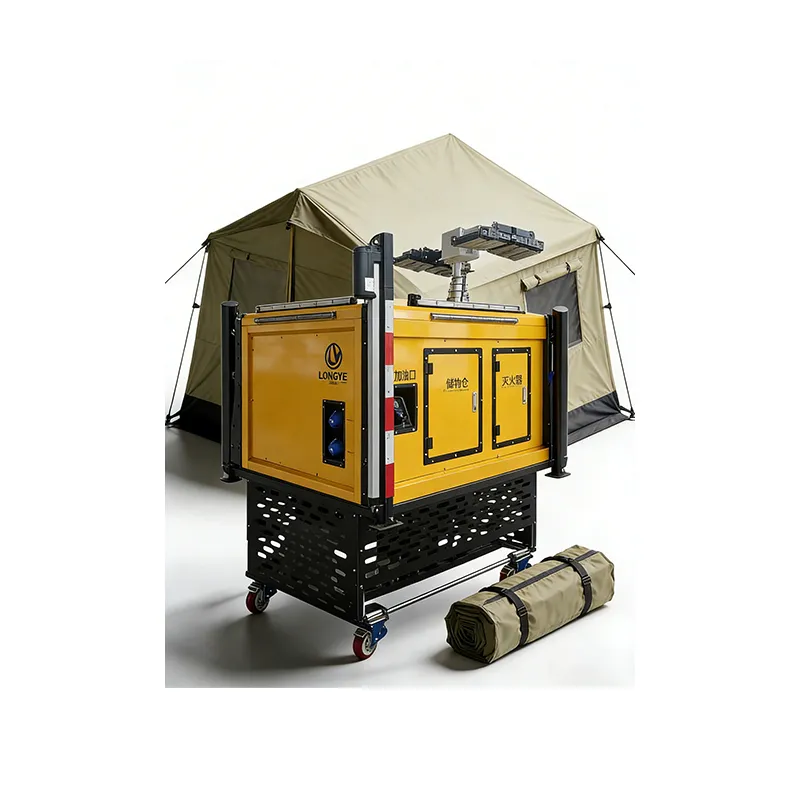
Product recommendation: use the listed mobile command center as a document-review starting point when a deployable command asset is on the shortlist. The page names a configuration; it does not state capacity, outputs, or runtime for your load classes. Related energy assets sit under the energy storage system range.
Fit Boundary
This guide is suitable for building a configuration selection file and RFQ. It is not suitable as an electrical design, a communications plan, or a Keyyou capability commitment. For a document-level review, send the load classes and duty windows.
Part 7. When is a command-center configuration not the answer?
Skip the command-center class when the mission only needs area lighting—mast units covered in the emergency lighting tower comprehensive guide serve that simpler need—or when the load demands a permanent installation. The command-center configuration earns its place when coordination functions must move and must not go dark.
FAQs
What loads does a mobile command center power configuration serve?
Communications, displays and workstations, interior and area lighting, climate protection, and device charging—named as classes with owners.
Which duty windows should the power configuration be selected against?
The first response hours, the sustained-operation days, and the recovery tail—selected against the longest window the mission claims to serve.
How should buyers think about source mix for a command center?
As documented questions: stored capacity options, accepted replenishment sources, transfer behavior, and what each source adds in weight, noise, and service.
What resilience expectations belong in the configuration file?
What must never drop, what degrades gracefully, load-shedding order, and documented transfer behavior between sources.
Which environmental and standby conditions affect the choice?
Temperature range, exposure, storage location, standby consumption, check ownership, and required deployment speed.
What supplier documents should buyers demand for a power configuration?
Configuration description, capacity and output pages, transfer notes, environmental limits, standby data, transport instructions, service intervals, and warranty.
How is this different from buying a generator or a light tower?
Those assets serve single duties. A command-center configuration keeps a coordination mission alive across sources, windows, and standby life.