
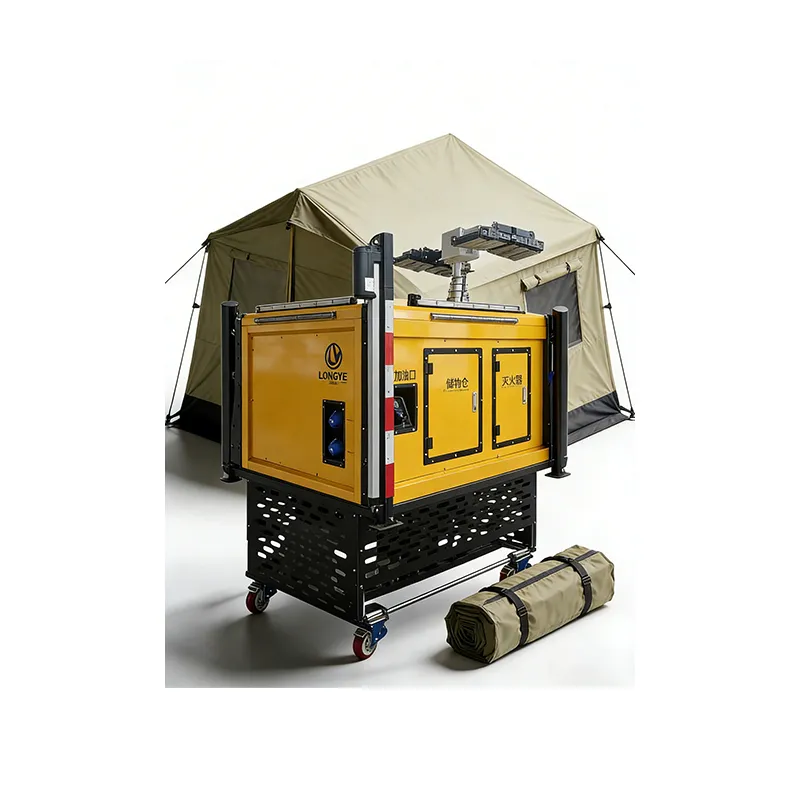
Mobile Command Center
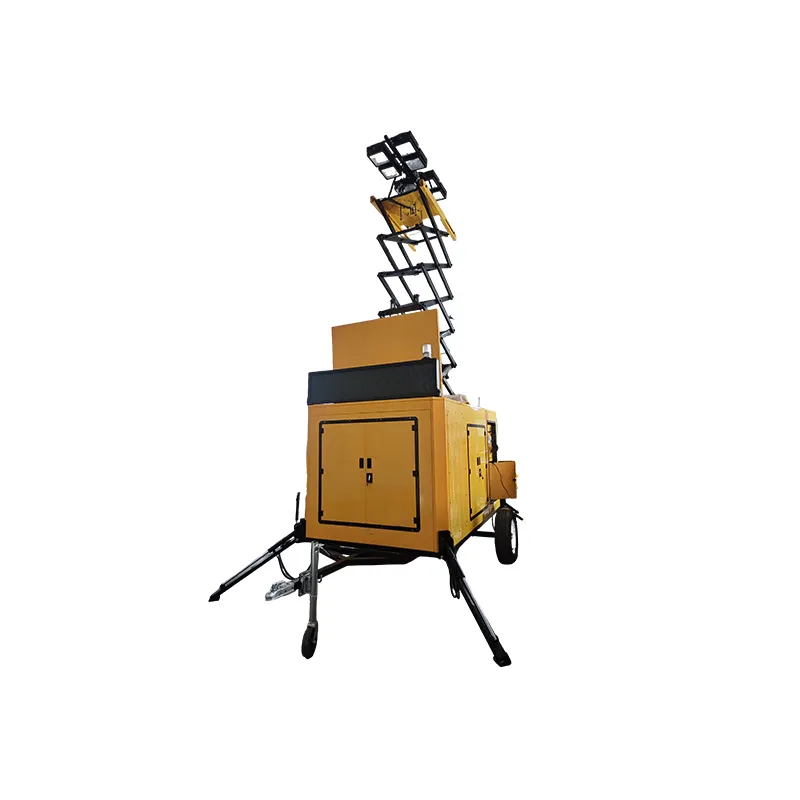
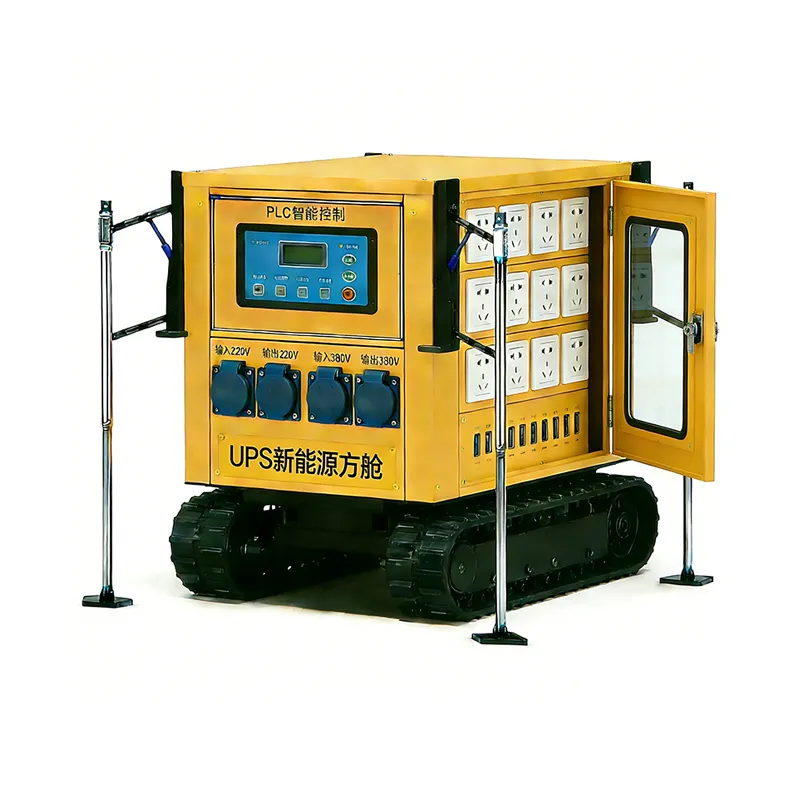
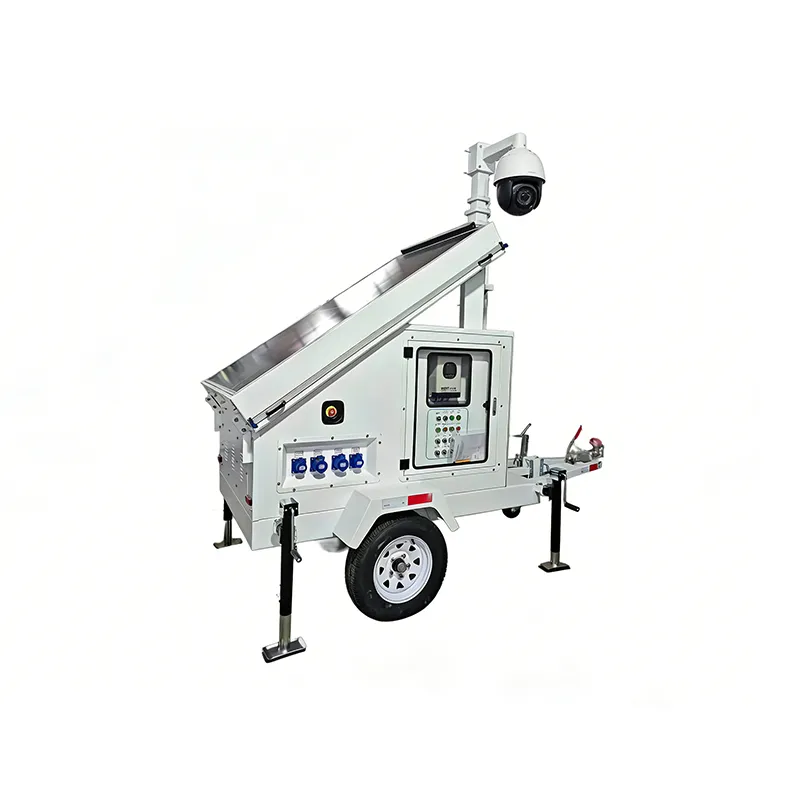
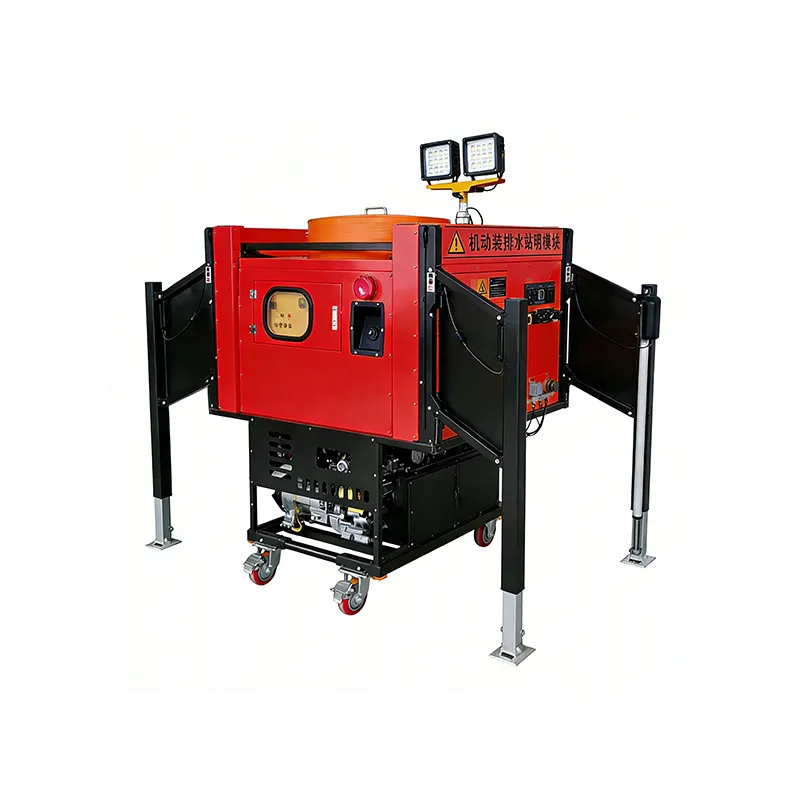
1. Not only an emergency beacon, but also an emergency center.
2. Comes with a tent, resistant to wind and rain, very suitable for large-scale meetings, camping and rest.
3. Equipped with a LED screen, capable of remote monitoring and discussion during meetings.
4. Can be moved short distances using wheels or tracks.
5. Optional self-balancing system, allowing for smooth meetings even on uneven roads.
Mobile Command Center
As a result of flooding which resulted in three villages in Bangladesh becoming disconnected from each other, an international non-government organization (NGO) built a mobile command centre on top of a damaged bridge, providing support and installing a 65-inch LED television screen with live drone feeds of the inaccessible areas in just 40 minutes after arriving at the scene. Emergency warning lights assisted to direct the rescue boats to the location of the mobile mobile command centre. For twelve consecutive days, this single mobile command centre served as the operation coordination centre for five relief teams, with power supplied exclusively from the unit’s silent diesel generator and battery bank.
Mobile command centers are designed for any organisation that needs more than just a tent and a generator. This self-contained mobile command consists of an expandable light masts, weather-resistant shelter, high-visibility LED displays, and many communication systems. The mobile command is based on a self-containing platform, which is able to be transported using wheels or tracks and can be provided with an optional self-balance or stabilisation system that enables the mobile command to be transported on varying slopes while keeping the interior of the mobile command level. Mobile command centres provide unique capabilities for transforming any location into a tactical headquarters in support of military field training, disaster management agencies, and large public (spectacular) events.
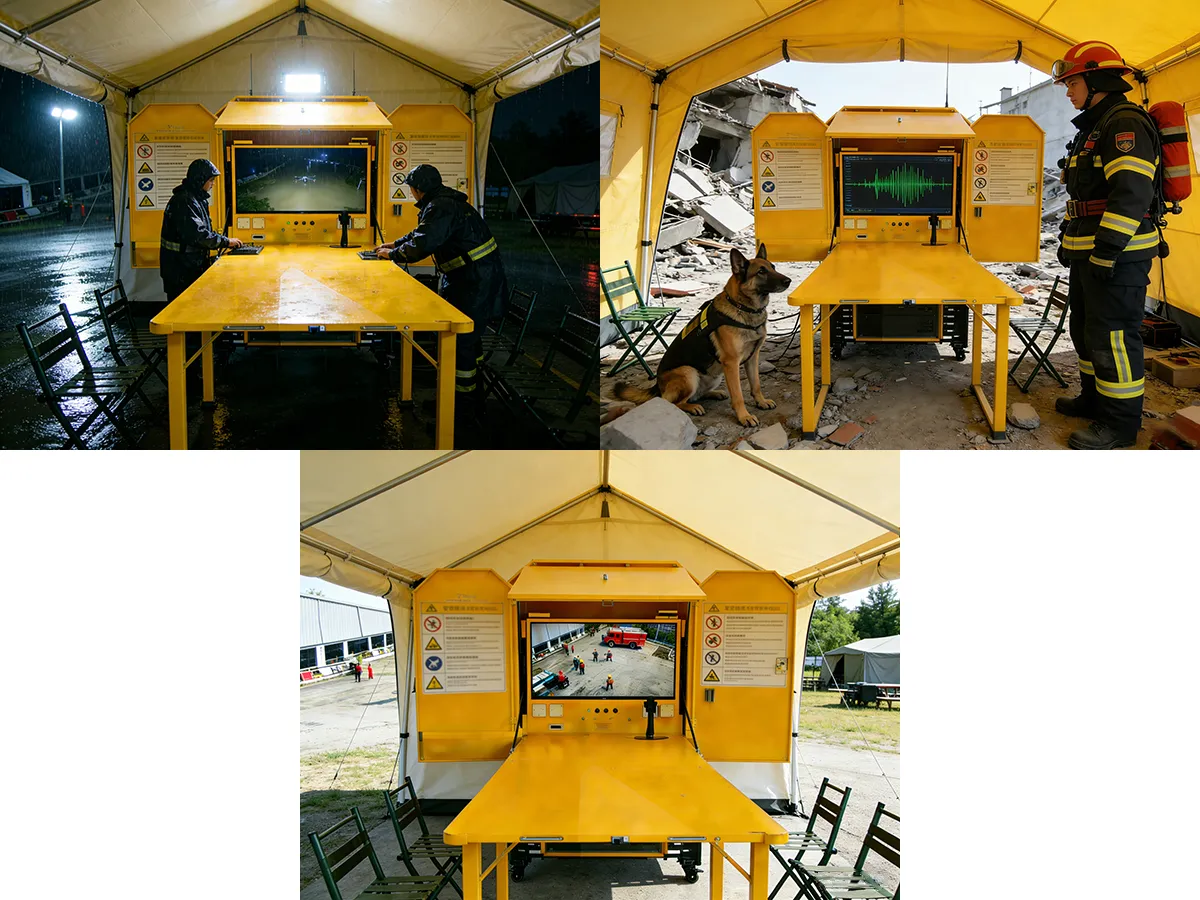
Proven Deployments – Where the Mobile Command Center Operates
| Sector | Real-World Case | Capability Delivered |
|---|---|---|
| Emergency Management | During wildfire season in Portugal, the civil protection authority positioned a Mobile Command Center at a ridge-top staging area. The mast-mounted IP65 floodlights illuminated the entire base camp at night while the 60-inch screen displayed real-time satellite heat maps. The tent sheltered the incident commander, GIS specialist, and radio operator in wind gusts exceeding 60 km/h. | All-weather command visibility with integrated data monitoring for rapid decision-making. |
| Large-Scale Public Events | A city marathon organiser used two Mobile Command Centers at the start and finish lines. The LED screen displayed live race timing and safety announcements, while the tent served as a medical triage area. The units were moved between locations on tracks across parkland without damaging the grass. | Dual-purpose crowd management combining public information display and on-site emergency care. |
| Defence Training | During a joint force exercise in northern Norway, a Mobile Command Center was airlifted to a remote plateau. The self-balancing legs automatically corrected a 7-degree slope, keeping the tent floor level for the mission planning table. The 50-inch screen mirrored UAV feeds, and the Bluetooth broadcasting system delivered alerts across the camp. | Stable, off-grid operations centre in extreme terrain and sub-zero temperatures. |
| Mining & Exploration | An Australian exploration company deployed the unit as a remote sample lab and safety briefing room. The tent withstood desert sandstorms while the onboard generator powered microscopes and communication gear. The extendable mast provided wide-area lighting for night-shift operations. | Multi-function field shelter that protects personnel and sensitive equipment in harsh environments. |
Technical Specifications
| No. | System | Parameter | Available Options |
|---|---|---|---|
| 2 | Light System | LED Lamp | 50W / 100W / 150W / 200W / 300W / 400W / 500W / 1000W |
| 3 | Input Voltage | AC220V | |
| 4 | IP Grade | IP65 | |
| 5 | Lamp Quantity | 2 / 4 / 6 / 8 | |
| 6 | Auxiliary Lighting Lamp | LED 18W | |
| 7 | Quantity | 2 | |
| 8 | Emergency Warning Lights | LED 18W | |
| 9 | Quantity | 2 |
Tent sizes from 12m² to 60m², LED screens up to 65 inches, and self-balancing legs for uneven terrain. Configure your unit for the next mission.
Request a Mission Quote
Flexible MOQ • OEM Branding • Global Logistics • Full Documentation
OEM/ODM Command Center Manufacturing
Custom-Built Mobile Headquarters
Each Deployment Entity is utilizing a mobile command center in a different fashion; therefore, each deploying entity can configure their mobile command center with specific variables such as tent size, LED screen size, generator wattage capacity, battery chemistries, and communications systems. Each unit will be equipped with a complete set of CE documentation (including material certificates) and will be shipped in fumigation-free packaging. The self-loading frames, mast materials, and mobility systems (track/wheel) will be selected once the design review process for each unit has been completed.
How to Specify Your Mobile Command Center
Three critical parameters that define how effectively the unit supports your field operations.
Tent Size & Interior Configuration
A tent that has an area that is 12 square meters can accommodate a 4-person executive team that works in incident response. It is equipped with a planning area and a screen. A 36 or 60 square meter base will serve as a multi-agency coordination center, divided into separate areas for briefing and communication equipment. When you are using these bases for support, include all personnel who are part of your deployment.
Power Architecture for Continuous Operation
Select a generator capable of supplying power to lights, displays, and communication systems. A diesel generator with a maximum output of 20KW from its fuel tank will operate for 24 hours when placed 36m² away from the power source; if you want to keep these areas quiet, then a lithium ion battery bank will do the trick.
Mobility & Terrain Adaptation
Wheels are used on flat ground, while tracks are for rough ground such as sand or mud or snow. By using self-balancing, our equipment stays in place even on slopes making it possible to work from inside the shelter.
Frequently Asked Questions
How long does it take to set up the Mobile Command Center on site?
With the tent and the integrated lifting legs, a team of 2 trained 2-person crews may erect the tents, setup the mast, activate the generator for use throughout the system, in approximately 20-30 minutes dependent on a combination of tent size and complexity of the terrain.
Can the tent withstand severe weather conditions?
The tent is designed to hold up against high winds, it is also waterproof, and has been used in heavy rain during monsoon season, extremely strong winds of sandstorms in the desert, as well as extremely cold temperatures defined as -50 degrees f. Optional ground anchor and tie-down kit are available for very windy areas.
What type of information can be displayed on the LED screen?
You can connect HDMI and VGA sources to this display, which can be used with laptops, satellite receivers, UAV’s (unmanned aerial vehicles) ground stations, and video conferencing equipment. The display can also present both drone video and/or GIS (geographic information systems) maps, weather radar, and other mission planning data.
Is the unit air-transportable?
The unit meets military and humanitarian air cargo requirements, with a weight of 800 kg and external dimensions of 2800 x 1700 x 1750 mm. Self-loading of the unit reduces the amount of equipment and workforce required to load/unload the unit. The crates will not require fumigation thus allowing air transport to take place.