

Extending a Light Tower Rental: Service, Duty and Cost Checks
Before extending a light tower rental, check whether the current machine still matches the work, whether servicing will fall due and what the extra period will cost.
Before extending a light tower rental, check whether the current machine still matches the work, whether servicing will fall due and what the extra period will cost. A longer hire can be reasonable for an uncertain completion date, but repeated extensions may justify comparing another machine or purchasing equipment for sustained use. Start with the actual hired tower and its agreement, not a generic weekly rate. This guide supports contractors deciding whether to continue an existing hire. Keyyou's product examples provide equipment context; they do not represent an offer of rental services.
Check the changed job against the actual tower
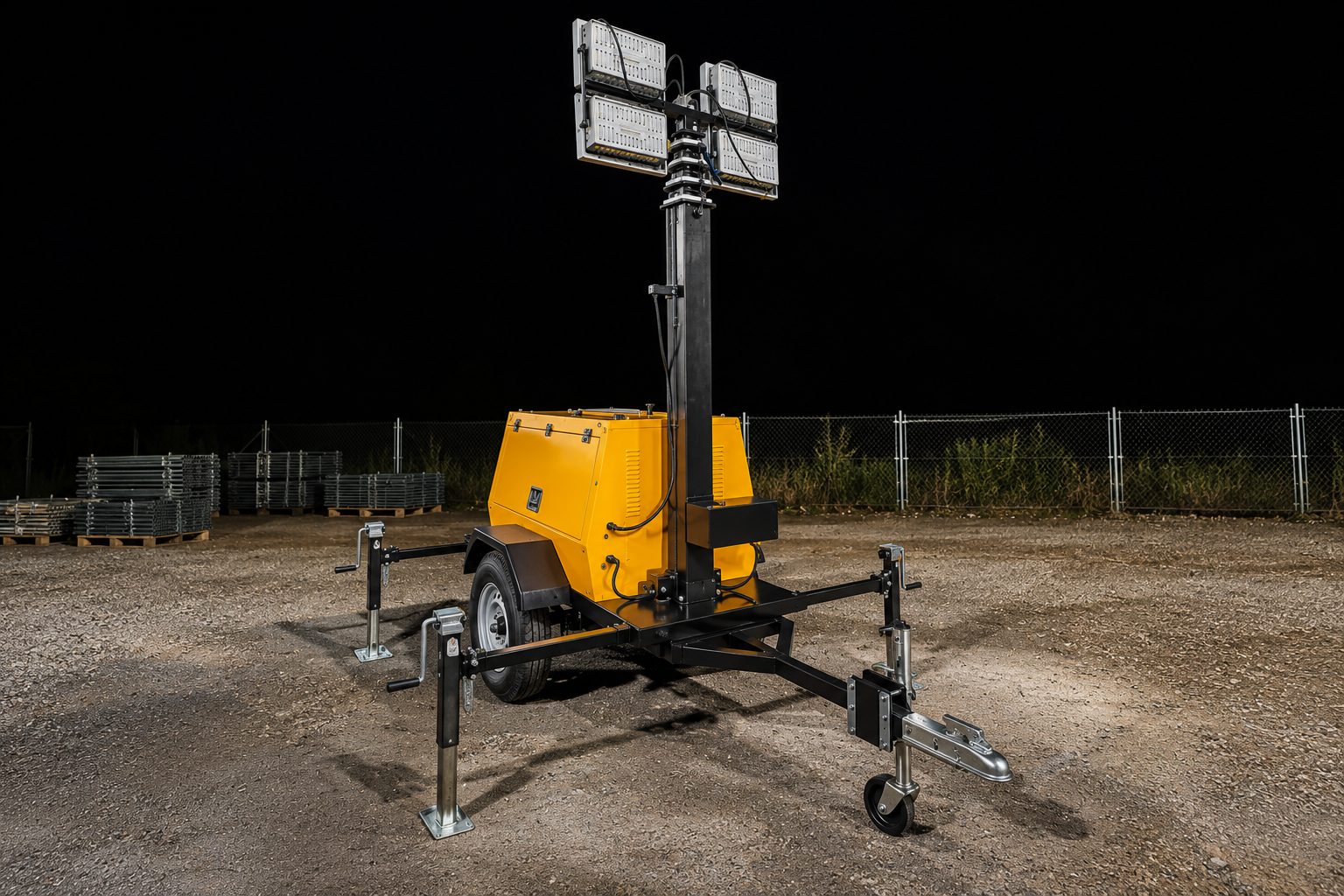
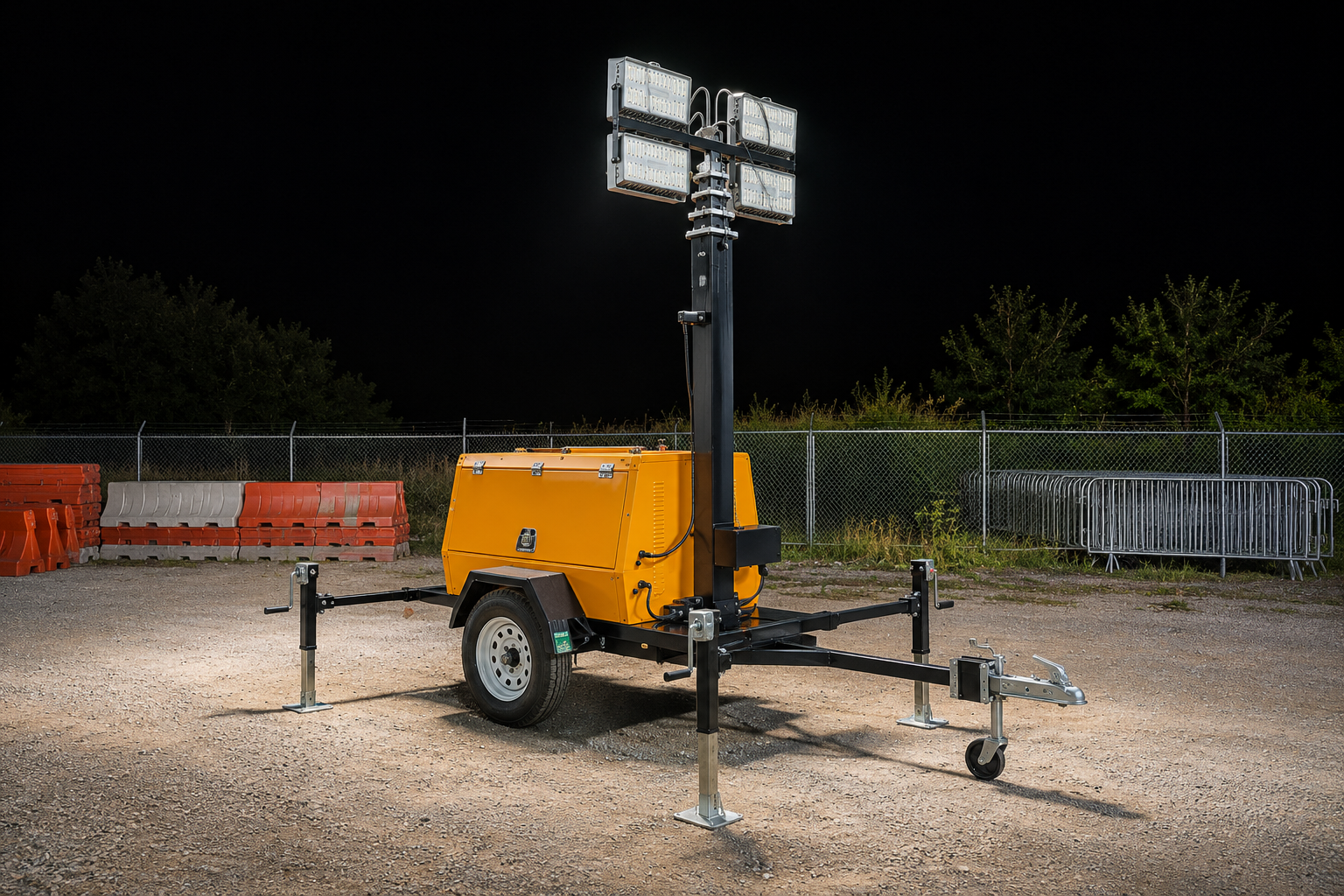
An extension often follows a change in the construction programme. The lighting task may have moved, the number of working hours may have increased or another trade may now share the same area. Confirm that the mast, lamp arrangement, power source and deployed footprint remain suitable. The electric-mast trailer illustrated here is a product example; an electrically lifted mast does not by itself tell you how the lamps are powered. Read the delivered specification before estimating fuel or charging needs. If the revised work requires more useful coverage than the current arrangement provides, extending the hire simply preserves the existing limitation. Ask the site team what must be lit and what access is available before requesting the commercial extension.
| Item to compare | Information to request | Practical purchasing check |
|---|---|---|
| Revised task | Hours, workface and deployed footprint | Keep or exchange the actual tower |
| Service during extension | Instructions, condition and service access | Arrange a safe interruption plan |
| Additional cost | Hire, energy, transport and service charges | Compare actual quotations |
| Project duration | Uncertain short finish or sustained repeat work | Review hire, exchange or ownership |
Compare the full extension cost with realistic alternatives
Ask for the additional hire period, applicable rate, transport changes and any service charges under the actual agreement. Add the project's expected energy supply, maintenance access and interruption costs. Compare those items with exchanging the tower, returning it and hiring later, or buying equipment for an established long-term requirement. Use actual quotations rather than invented market averages. Distinguish a project that may finish next week from a contractor that has continuous night work across several sites. Ownership can bring storage, maintenance and transport obligations that are absent from the headline purchase price. Equally, repeated collection and delivery can make short bookings less economical. A comparison is useful only when the alternatives can deliver the required lighting through the same period.
Agree what happens if servicing interrupts a night shift
Ask when the supplier expects access for planned maintenance and what arrangements apply if a fault occurs. Record how the site requests assistance and whether a replacement is included, chargeable or subject to availability. Do not assume an approved extension also approves continued use of defective equipment. If lighting is essential to the planned task, organise an acceptable continuity arrangement before releasing the tower for service. Confirm who supplies fuel or charging access and who checks the unit before use. These are practical questions about keeping the project lit, rather than reasons to produce another generic responsibility register. When the end date becomes clear, schedule the final collection so the equipment does not remain on hire solely because nobody arranged access.
Describe what changed in the request
Start with the reason for the extension. The original task may simply take longer, or the machine may be needed for a different phase, location, shift pattern or work area. Those are different situations. Record the proposed end date, expected operating pattern and activities that now depend on the lighting.
Compare the revised need with the original selection and site assessment. A tower selected for one work zone may not cover a larger excavation or a new access route. Longer operation can also change servicing access, fuel or energy logistics and the effect on nearby workers or neighbours. Do not assume that unchanged equipment means unchanged conditions.
Ask the site lead to identify which assumptions still hold and which need review. Where the work is moving, obtain the revised layout and relevant constraints before approving a relocation. If the new task exceeds the documented suitability of the machine, consider an appropriate alternative rather than stretching the meaning of the original handover.
Confirm the unit and its current release status
Match the extension request to the physical tower and its manufacturer identity, not just a rental line item. Check that any substitution, repair or component replacement during the hire has been recorded. The machine currently on site may differ from the one named on the first delivery note, especially after an emergency replacement.
Review open defects, restrictions and service holds. Ask whether operators have reported abnormal operation, damage, water entry or other concerns. An unresolved hold should remain visible during the commercial decision. Extending the contract does not turn a unit awaiting competent assessment into equipment available for unrestricted use.
Separate facts from assumptions about current condition. A tower that has continued running without a complaint has not necessarily received the required checks. Obtain the relevant inspection and service evidence and identify gaps. If the equipment cannot be verified sufficiently for the intended use, resolve the gap or arrange suitable replacement through the responsible parties.
Plan servicing through the revised period
Compare the proposed operating pattern and available records with the actual maintenance requirements. Use the delivered tower and relevant component instructions rather than a generic fleet interval. Some requirements may depend on usage, some on elapsed time, and others on events or condition. This article does not assign a universal service schedule.
Agree who will arrange competent service, where it can happen and how access will be provided. The rental supplier may be responsible for a task but unable to perform it if the site does not release the equipment or provide a suitable work area. Put that coordination into the extension plan rather than leaving it until an overdue warning appears.
Plan continuity for any interruption. If the tower supports active work or a critical access route, decide how that function will be maintained while the unit is unavailable. A replacement booking, revised work sequence or other approved lighting arrangement may be needed. The need for continuity does not justify deferring necessary work or bypassing a safety hold.
The table is a review of continuing hire, not a rental contract. Apply the actual agreement and relevant duties when assigning responsibility. An unresolved item needs a named owner and decision date, rather than a note that everyone will coordinate later.
Make the commercial decision with the technical facts visible
Confirm the proposed period, rates and any agreed collection, service or replacement arrangements in the actual commercial record. Identify what is included and what remains subject to a separate approval. Avoid allowing a short email saying continue as before to conceal changes in duty, location or responsibility that have already occurred.
Where the extension is conditional, state the condition clearly. For example, continued hire may be commercially agreed while operation remains on hold pending a competent assessment. The record should not force every activity into a single approved label when the real statuses differ. Make the distinction visible to dispatch and site personnel.
If replacement is the better option, coordinate the transition and preserve the affected unit’s history. Do not erase the old hire record or present a substituted machine as though it had been present throughout. A clear transition protects service evidence, cost allocation and the understanding of which equipment supported each phase of work.
Set a review point and prepare the eventual return
An open-ended extension can allow the original assumptions to fade. Set a next review point appropriate to the project and known service needs, with a named person responsible for the decision. That is a management choice for the actual circumstances, not a universal number of days prescribed by this article.
Track whether the tower is actually needed and used. Continued billing, physical presence and productive lighting service are different facts. If the equipment is retained for contingency, record that purpose and its availability requirements. Do not inflate a utilization measure by counting every extended rental day as productive operation.
Prepare the eventual off-hire process before the final shift. Agree contact arrangements, condition records, accessories and collection access, while keeping technical release for the next customer separate. Returning equipment ends one hire; it does not establish that every reported fault has been resolved or that the machine is ready for immediate reissue.
Product reference and related buying guides
For a model-specific enquiry, start with the Trailer Type Mobile Lighting Tower (Electric Pole). Describe your actual task and ask for the offered configuration, applicable instructions and relevant support information.
- How to Choose a Light Tower
- Should I Rent or Buy a Light Tower?
- Light Tower Total Cost of Ownership: Calculate Costs and Test Assumptions
- Light Tower Off Hire Inspection: Return Evidence, Holds and Fleet Release
Further learning
WorkSafeBC: The Supervisor | WorkSafeBC. This educational resource explains background concepts; it does not establish the performance or certification of the pictured machine.

Frequently asked questions
Does paying for an extension approve a defective tower for use?
No. The equipment must remain suitable and any restriction must be resolved through the appropriate technical route.
Should a contractor buy instead of extending rental?
Compare actual future utilisation, quotations, maintenance and transport obligations. The answer depends on the project and fleet, not a universal number of hire weeks.
Does Keyyou offer the rental service described here?
This guide explains a contractor decision. Product examples do not establish a Keyyou rental service or replace the actual hire agreement.
Sources
Use the applicable machine instructions for product-specific decisions. The following sources support general principles within their stated scope.


