
Light Tower Off Hire Inspection: Return Evidence, Holds and Fleet Release
Record a light tower rental return with asset identity, baseline condition, accessories, custody, technical holds and a documented release for the next job.
A light tower off hire inspection records the returned unit's identity, condition, accessories and unresolved faults against the agreed hire and issue records. It should separate the commercial end of hire, the collection handover and the technical release for another customer. Those events may happen at different times. This guide provides a return-evidence workflow for lighting fleets and contractors. It does not define a rental company's charges, decide liability for damage or authorize towing, lifting or electrical testing. Use the actual agreement, equipment instructions and a competent inspection plan for the delivered configuration.
Confirm what off hire means in the agreement
Before collection, identify the required notice, contact channel, collection arrangements and responsibilities in the hire agreement. A message saying the equipment is no longer needed does not necessarily mean it has been collected or inspected. Record each event with a date, time and named contact. If the agreement is unclear, obtain written clarification rather than assuming a universal industry rule.
Keep the commercial status distinct from the physical asset status. The unit may be awaiting collection, in transit, received at the depot, on technical hold or released for service. A single spreadsheet cell saying returned can conceal important differences. The workflow should show where the machine is, who controls it and whether it is safe and authorized for its next activity.
Retrieve the issue record before inspecting the return
Find the original asset identification, issue photographs, accessory list and known condition notes. Check that these records belong to the returned unit, not another tower from the same fleet. Where several units moved through one project, reconcile the individual asset numbers before comparing condition. Similar paint and lamp arrangements are not sufficient identification.
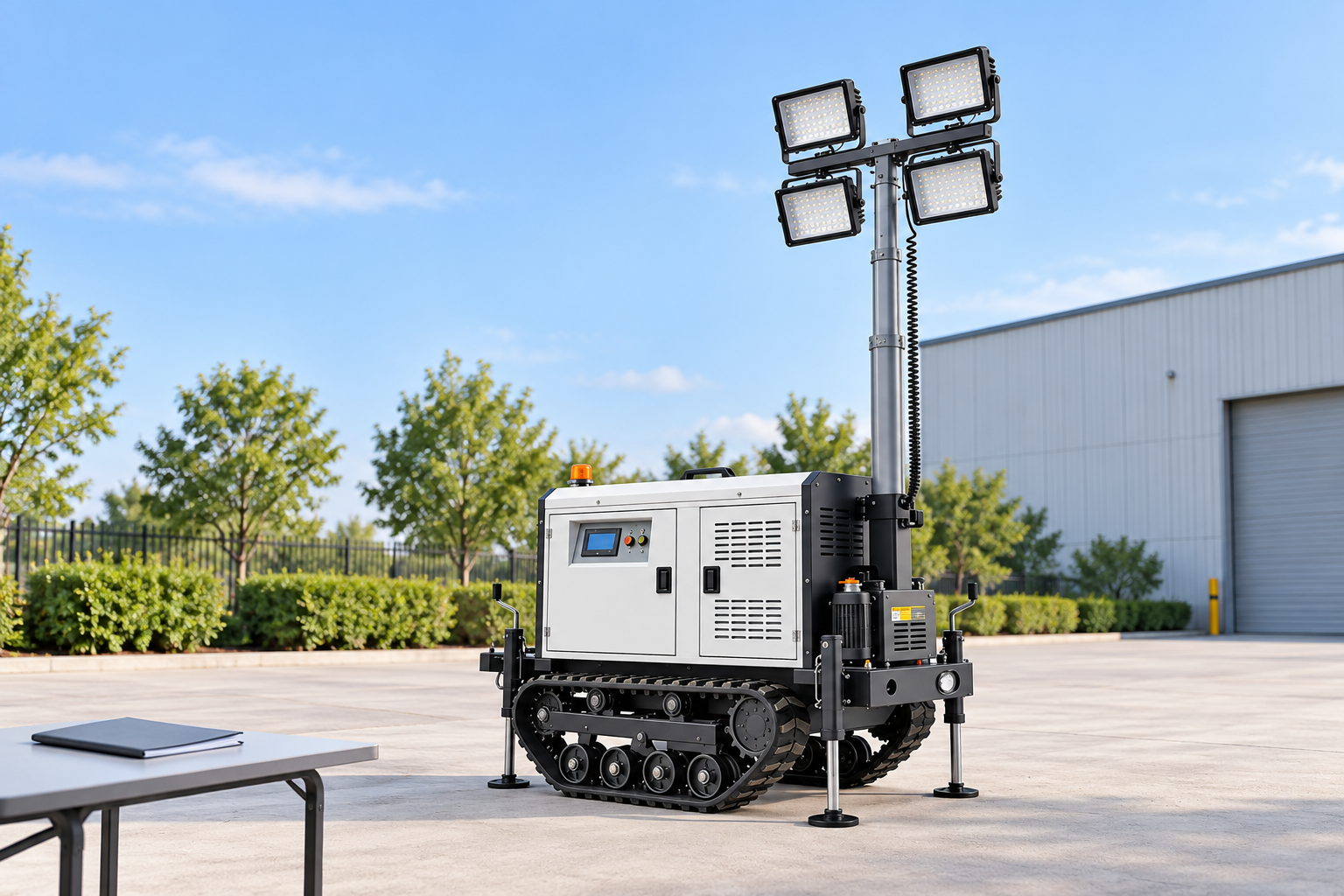
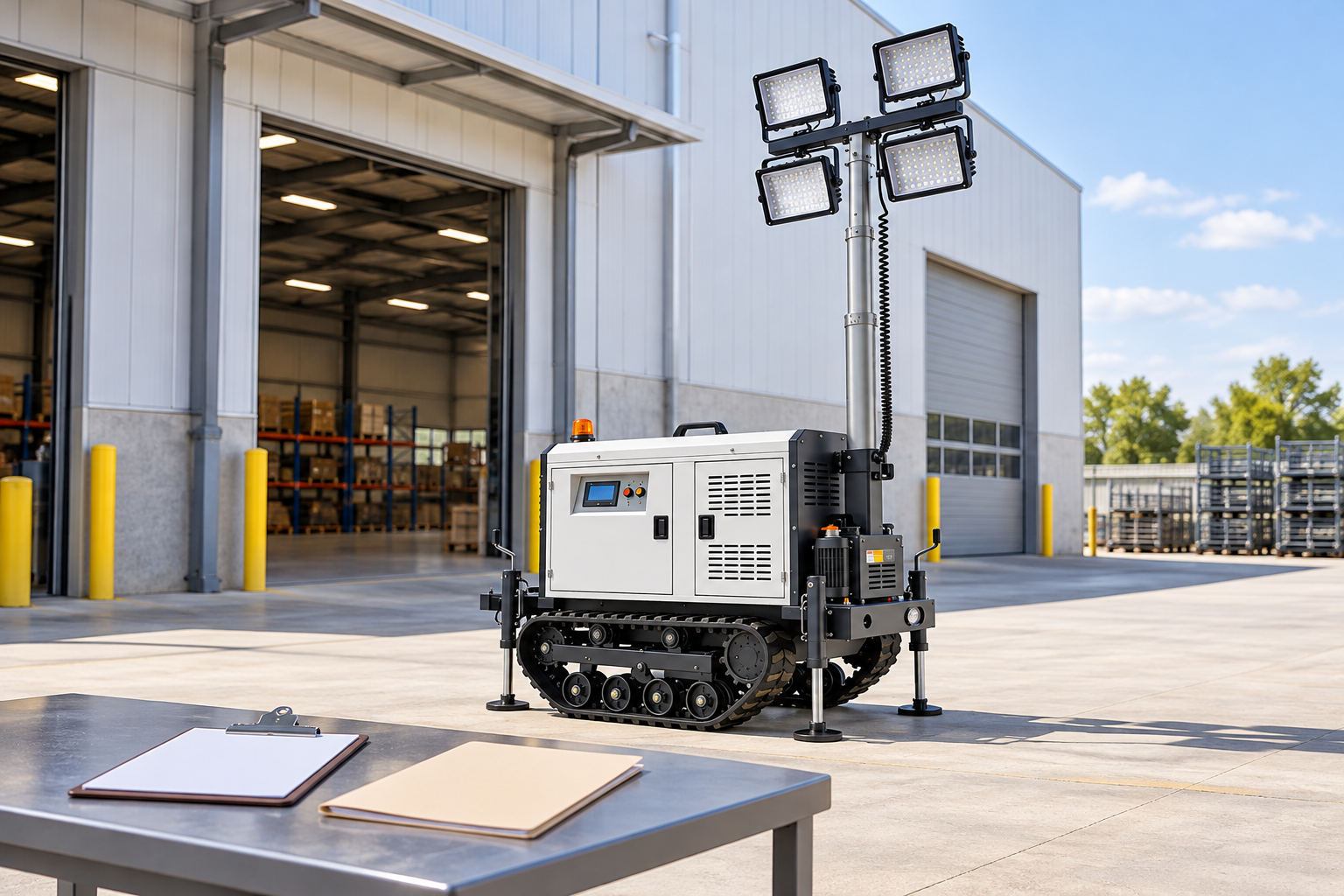
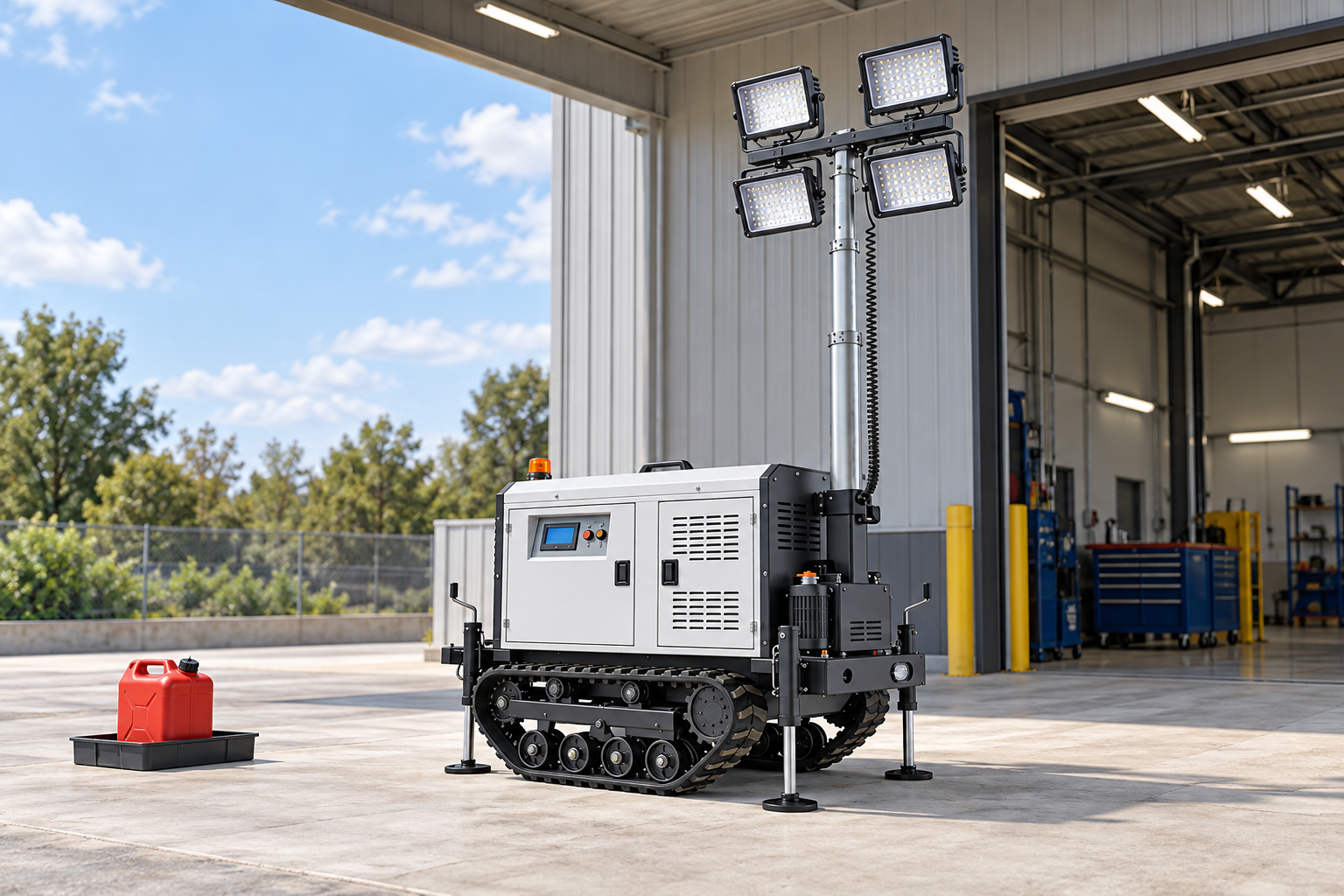
The Keyyou crawler tower in the illustrations is a reference-based example of the equipment family, not a record of a rental return or a damaged unit. A real return inspection needs photographs and documents for the actual asset. Retain the baseline evidence in its original form. If an issue record is missing, state that limitation explicitly rather than recreating a convenient starting condition from memory.
Agree a safe collection handover
The site team and collector should confirm access, the equipment location and any known defect that affects movement or handling. Identify who prepares the machine for transport and what instructions apply. A rental return is not an opportunity to improvise a towing connection, lifting point or ramp arrangement. Use the actual transport method approved for the configuration.
Work Safe Queensland's loading and unloading film explains why changing ground conditions, suitable ramps and exclusion zones matter around powered mobile plant. Those principles support collection planning, but the film does not specify a transport method for this crawler tower. Record hazards and limitations before the transport team arrives. If the unit cannot be prepared safely, stop and obtain an appropriate recovery plan.
Make the first condition record before cleaning
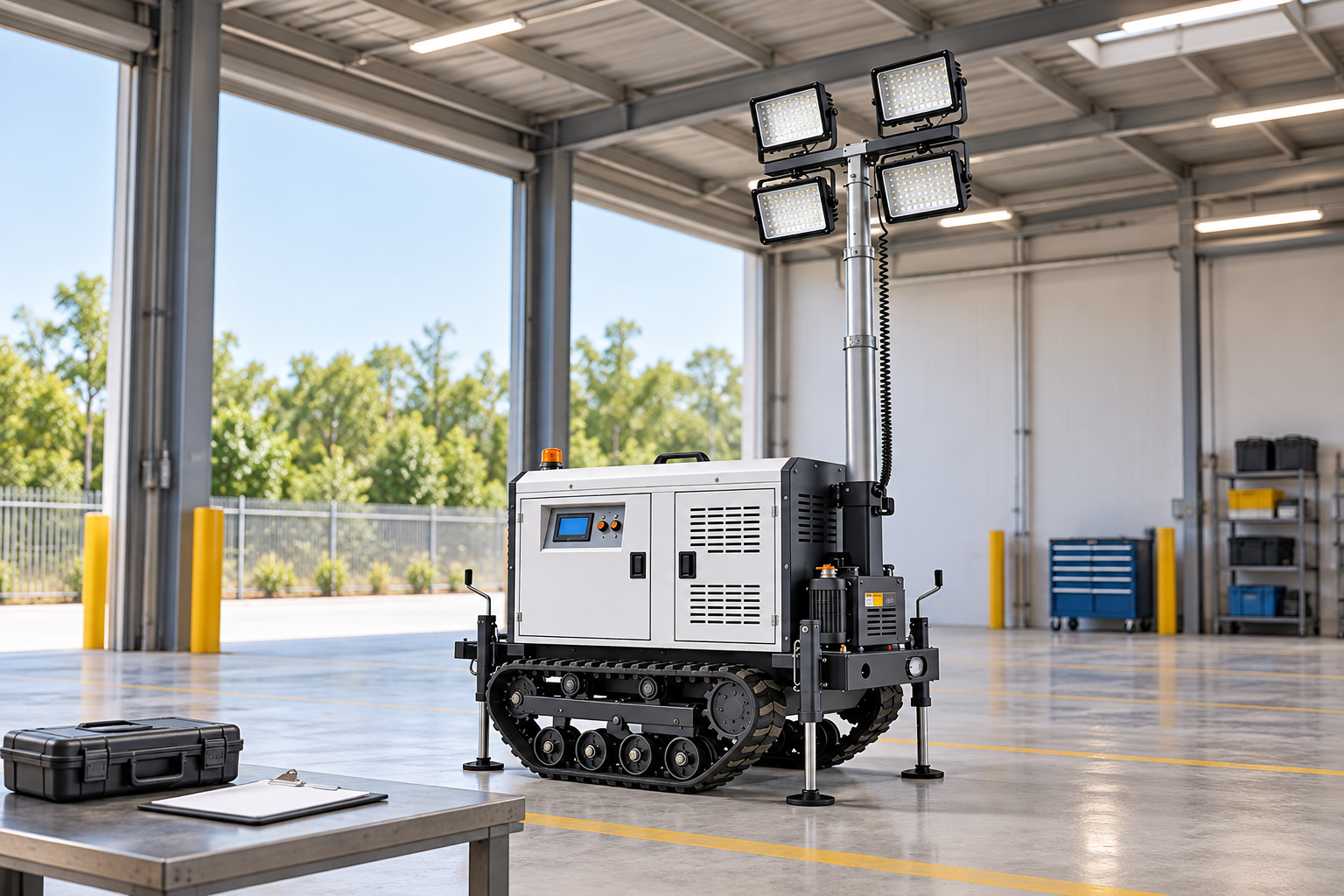
On receipt, record the visible condition before washing, repainting or dismantling. Capture overall views and relevant close-ups from safe positions. Note obvious leaks, missing covers, damaged supports or abnormal lamp and mast condition without approaching an unstable component. An inspection record should preserve what was received, rather than only showing how the machine looked after workshop preparation.
Cleaning can reveal defects, but it can also remove evidence of a leak or contamination. Record the sequence and who authorized further work. Where the condition presents a hazard, follow the safe-isolation and response procedure first. Do not delay necessary safety controls to obtain a more complete photo set. State which areas could not be inspected safely at intake.
Count accessories against the actual issue list
Check keys, manuals, approved support materials and other supplied accessories against the signed issue record. Distinguish items supplied with the machine from site-owned materials. A mat visible in a site photograph is not automatically part of the hire package. Record identification or quantity where that is relevant and explain any discrepancy without immediately assigning responsibility.
For a crawler unit, do not include trailer-specific accessories simply because a generic checklist lists them. Other configurations may have towing components, charging equipment or removable remote controls that need their own entries. The return form should be generated from the actual asset package. A shorter accurate list is more useful than a long template with irrelevant items ticked by habit.
Record hours and fuel with their limitations
Capture the displayed hour-meter and fuel indications where safe and appropriate. Identify the reading method and any uncertainty. A gauge estimate is not a precise fuel-volume measurement, and an hour meter may not distinguish every operating mode. If a commercial calculation depends on a measured quantity, use the method agreed in the hire terms rather than converting a photograph into an unsupported number.
Keep operating records and billing decisions separate. A changed hour reading can support a usage record without proving misuse. Fuel condition, missing material and service requirements also need evidence before conclusions are drawn. If a reading appears inconsistent with the issue record, preserve both and refer the discrepancy to the responsible person. Do not overwrite the original to make the numbers match an expectation.
Use a return table that supports decisions
| Return stage | Record to create | What the record establishes | What it does not establish |
|---|---|---|---|
| End-of-use notice | Time, recipient and agreement reference | Notice was sent through an identified route | Automatic acceptance of every hire charge |
| Collection handover | Asset, location, known faults and responsible parties | Physical custody and declared condition | Technical release for another job |
| Depot intake | Safe condition photographs and accessory count | What was received and what was not inspected | Cause or liability for each defect |
| Workshop assessment | Authorized findings and required work | Technical action and asset status | A commercial decision without agreement review |
| Return-to-service release | Completed checks and named authorization | Approved readiness for the next assignment | Permanent freedom from future faults |
This is an original record structure. HSE guidance on work-equipment inspection and maintenance supports risk-based inspection and competent maintenance; the actual hire agreement governs commercial responsibilities. Do not use this example as a universal return standard or a substitute for the manufacturer's required checks.
Categorize findings before discussing charges
Use neutral categories such as no discrepancy observed, item missing, condition requires assessment and unsafe condition identified. Describe the evidence for each finding. Avoid calling a scratch misuse or a failed lamp customer damage without an appropriate basis. The technical finding, probable cause and contractual treatment may require different reviewers and supporting records.
If a dispute is likely, preserve the original photographs, issue comparison and inspection sequence. Give both parties a clear description of the item under discussion. A photograph may show a condition without establishing when it occurred. Where the baseline is incomplete, the record should say so. A transparent uncertainty is more defensible than a confident statement unsupported by the available evidence.
Put unresolved faults on a visible technical hold
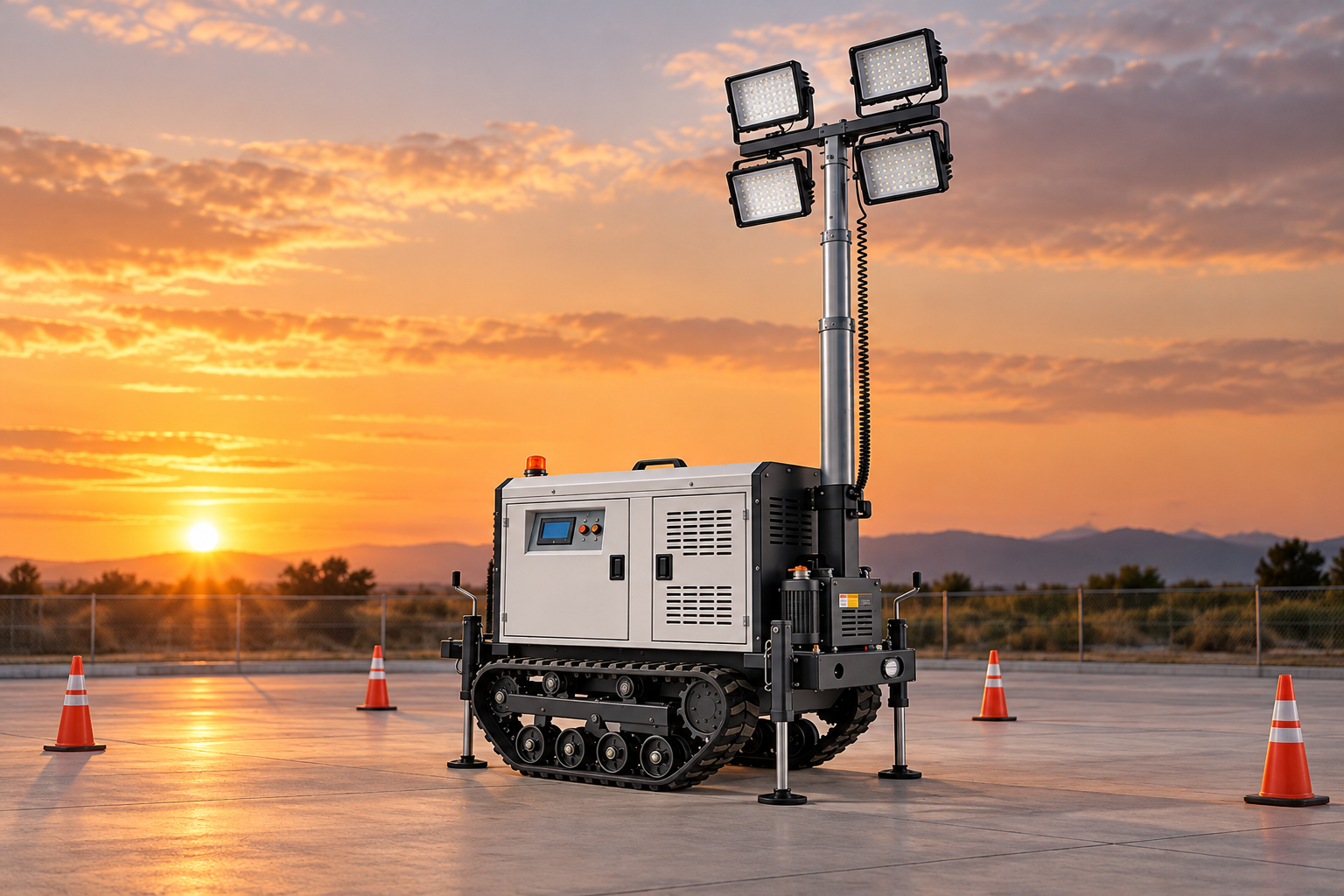
A returned unit with an unresolved safety-relevant fault should not quietly re-enter the available fleet. Follow the organization's process for marking its status and controlling access. Link the hold to the asset, finding and responsible reviewer. A cone in a photograph is an illustration of area separation, not a complete isolation method or a substitute for the approved process.
Record the assessment and repair work separately from the return intake. Authorized technicians may need to inspect electrical systems, mast components, supports or power equipment using the relevant instructions. Do not use a quick start and lamp check as the only basis for release where a known condition requires more. The work scope should follow the actual defect and equipment requirements.
Release the asset through a documented check
Before the next assignment, confirm that required work is complete, accessories are reconciled and the appropriate checks have been performed. Identify the person authorizing release and the configuration being released. If a component or operating arrangement changed, update the asset file and documents that depend on it. A technically acceptable change still needs the relevant authorization and traceability.
The return workflow should also update the scheduling system so an unavailable unit is not promised to another project. Record any restriction that remains after release. An asset may be approved for a specific configuration or use without being suitable for every job. The next deployment needs its own site and lighting assessment rather than inheriting an assumed approval from the previous hire.
Improve the next issue process
Review repeated discrepancies across returns. Missing baseline photographs, unclear accessory lists and inconsistent reading methods can be corrected before the next handover. Use confirmed findings to improve the issue form and staff training. Avoid turning an unverified allegation from one return into a fleet-wide operating rule or a claim about a product family.
For buyers establishing a fleet, ask suppliers for the asset documents, configuration details, service instructions and accessory identification needed for a repeatable issue-and-return process. The useful outcome is a clear chain from dispatch to site use, collection, assessment and release. That chain supports availability and fair communication while keeping technical readiness separate from commercial assumptions.
Equipment and complementary planning
Identify the illustrated equipment on the Keyyou crawler lighting tower product page. Read the Trailer and Towable Light Tower Guide, then consult Light Tower Inspection Checklist: Pre-Use to Shutdown and What Should a Mobile Light Tower Handover Checklist Cover?.
Further learning: Loading and unloading mobile plant
This Work Safe Queensland educational film explains safe planning, ground conditions and access control during powered-plant loading and unloading. It supports the collection-handover discussion. It does not specify a transport method for this Keyyou tower or determine rental charges.

Watch Loading and unloading mobile plant.
Frequently asked questions
Does an off hire notice prove the unit has been collected?
No. Record notice, collection, depot receipt and technical release as separate events under the agreement.
Can a return photograph prove who caused damage?
Not by itself. Compare the baseline, chronology and other evidence and keep uncertainty visible.
Can a returned unit go straight to the next job?
Only after the required assessment, maintenance and authorized release for its condition and configuration.
Sources and scope
HSE provides inspection and maintenance context for Great Britain; the principles of suitable records and competence inform the workflow. The actual agreement and applicable jurisdiction govern hire terms. No billing, damage liability or transport approval is inferred.