
Light Tower Refueling Procedure: Shutdown, Spill Controls and Restart
Plan light tower refueling around the correct fuel, replacement lighting, approved shutdown, cooling, spill controls and authorized restart.
A light tower refueling procedure should identify the correct fuel, provide replacement lighting before shutdown, secure the equipment against unintended starting, allow the engine to cool as instructed, control ignition and spill risks, and record a safe return to service. The exact filling method, shutdown sequence and waiting period must come from the manual for the delivered machine. Do not infer them from a cabinet photograph or another generator model. This guide is a planning framework for diesel-powered lighting equipment, including crawler installations; it is not permission for an untrained person to refuel or service a particular Keyyou tower.
Begin with the actual engine and fuel system
Read the equipment identification and the supplied engine and tower instructions. Establish the required fuel specification and which tank and filling point belong to the machine. A lighting fleet may include diesel, petrol, battery-only and hybrid equipment. A familiar enclosure or similar asset number does not prove that two units accept the same fuel. Confirm the unit before bringing a container to it.
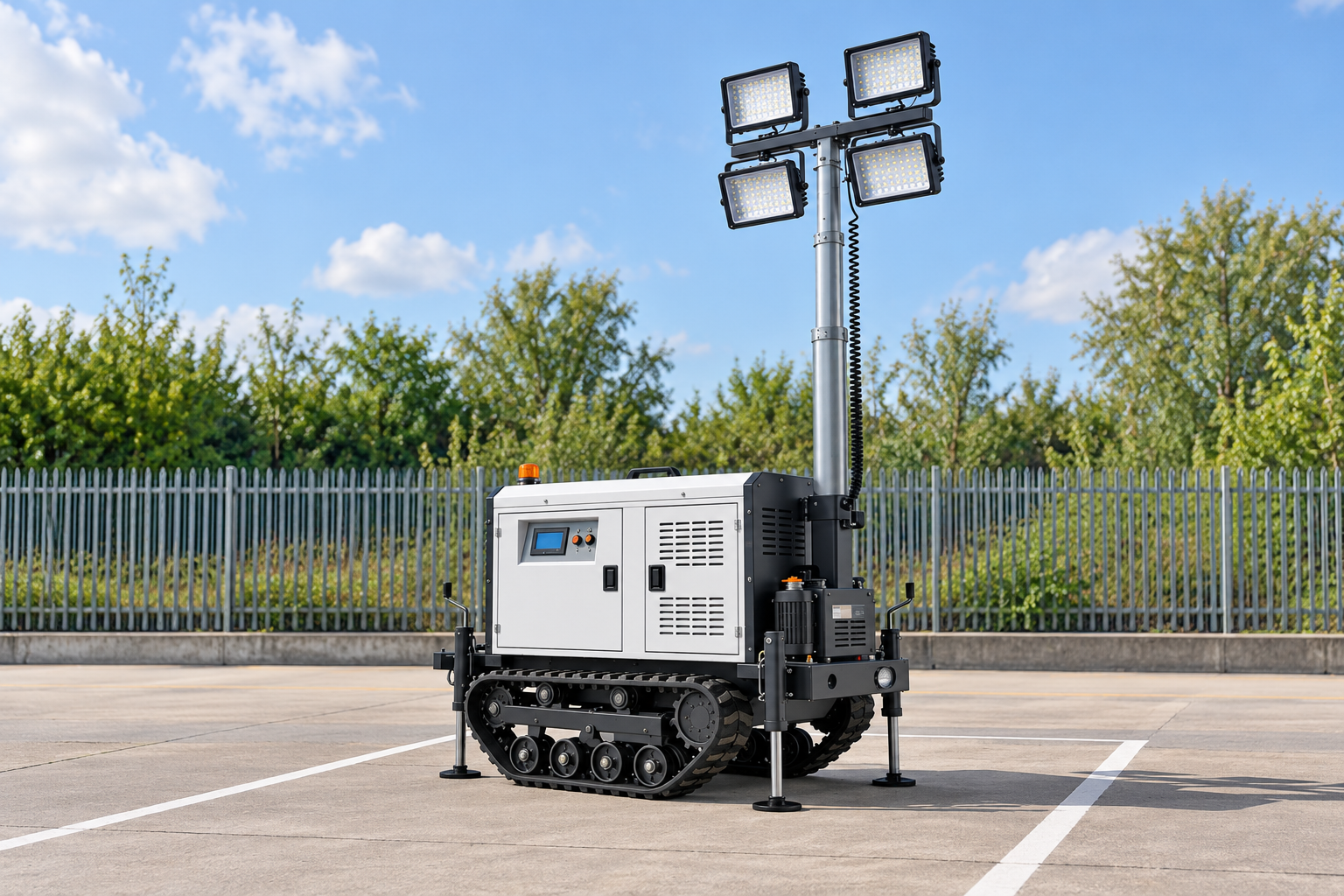
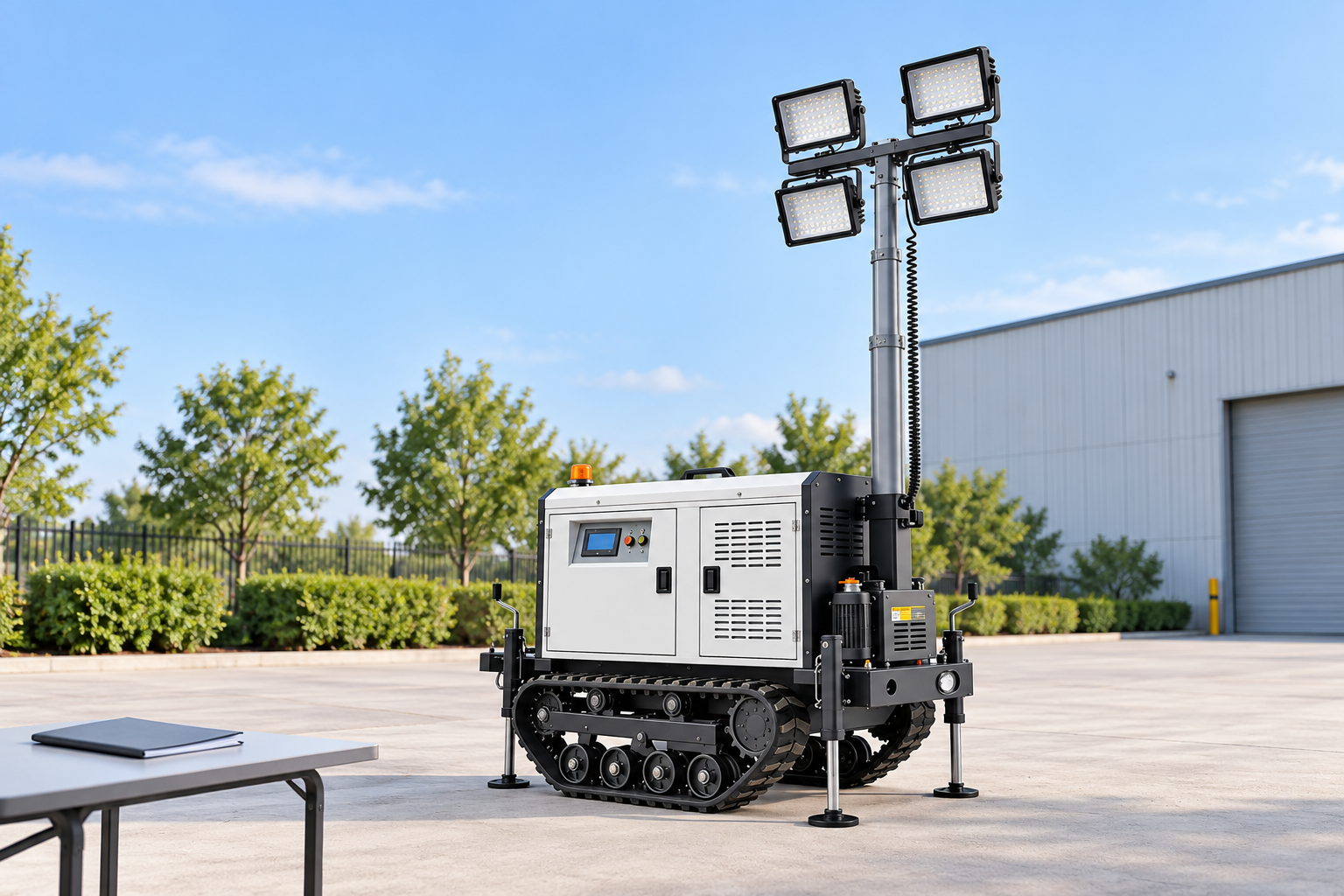
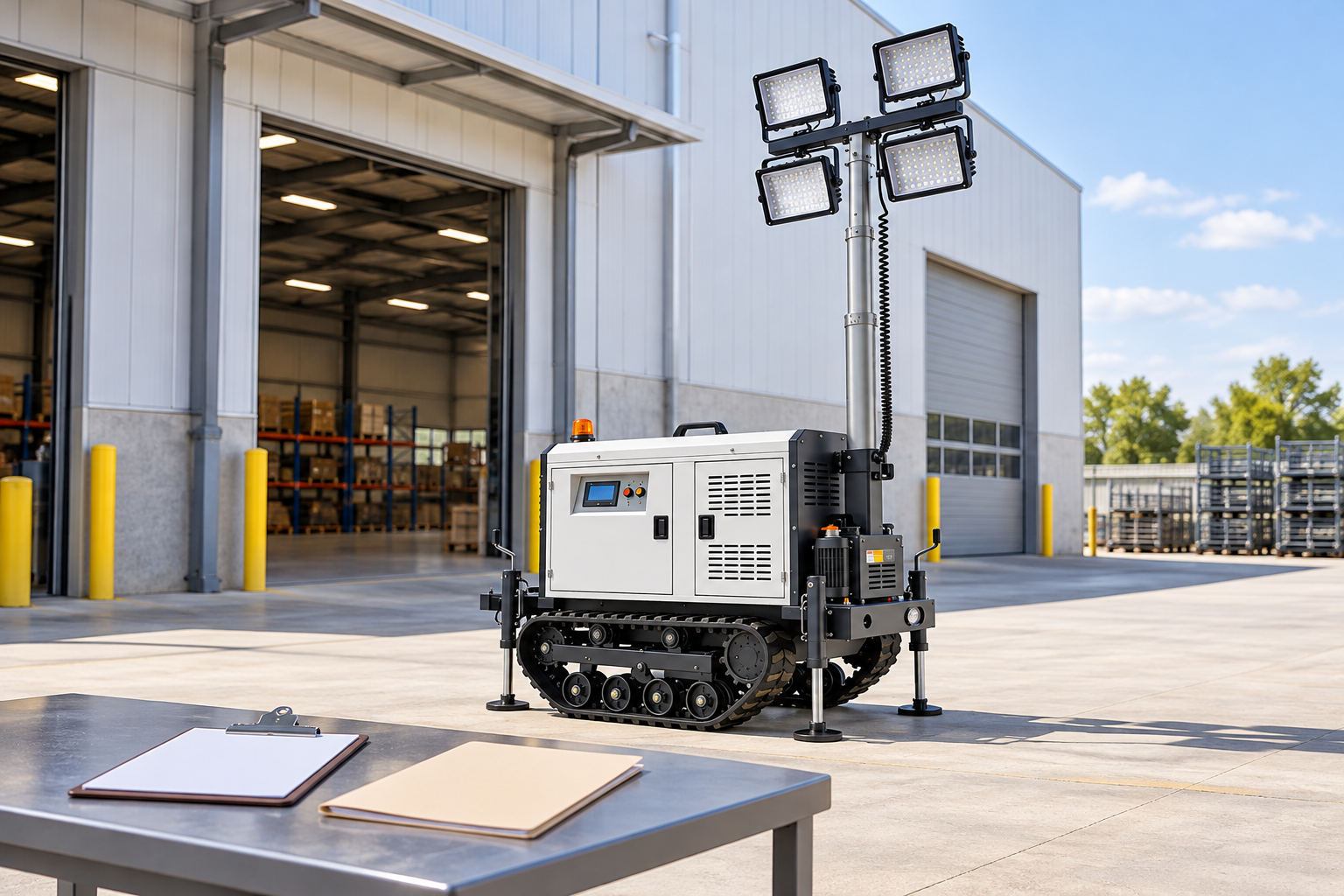
The Keyyou crawler product illustrated here establishes the visible equipment family only. Internal tank construction, capacity, fuel connections and automatic-start arrangements require configuration-specific documents. No filling port is identified in these illustrations. Keep the external cabinet shut during the planning discussion and obtain a supplier explanation if the correct access or fuel type is unclear. Guessing creates avoidable contamination and fire risks.
Plan the lighting interruption before stopping
A tower may illuminate traffic movements, emergency access or a work crew. Switching it off without coordination can create a separate hazard even when the refueling itself is controlled. Agree with the supervisor when the interruption can occur and whether an independently safe lighting arrangement is needed. Do not depend on workers using vehicle headlights or handheld phones as an improvised replacement for a planned lighting service.
Record who can release the work area and who confirms that adequate lighting remains available. Where several towers operate together, check whether the remaining units actually serve the affected task area. A brightly lit background does not prove that access steps or a work face are illuminated. The decision to proceed should follow the site plan, rather than a fuel gauge alone.
Treat shutdown and restart permission separately
The operator should follow the manufacturer's shutdown instructions, including any specified load reduction or cooling sequence. Prevent an automatic or remote start during the work using the approved isolation arrangements. A stopped engine is not necessarily secured against restarting. Hybrid controllers, timers and remote commands need explicit consideration if they are present on the actual configuration.
This is not an instruction to disconnect unknown wiring or defeat a controller. The person responsible must know which approved controls establish a safe state and how that state is verified. If the necessary instructions or competence are unavailable, stop and ask the supplier or service provider. Keep the restart authorization with the responsible person until the filling activity and the surrounding-area checks are complete.
Choose a suitable refueling location
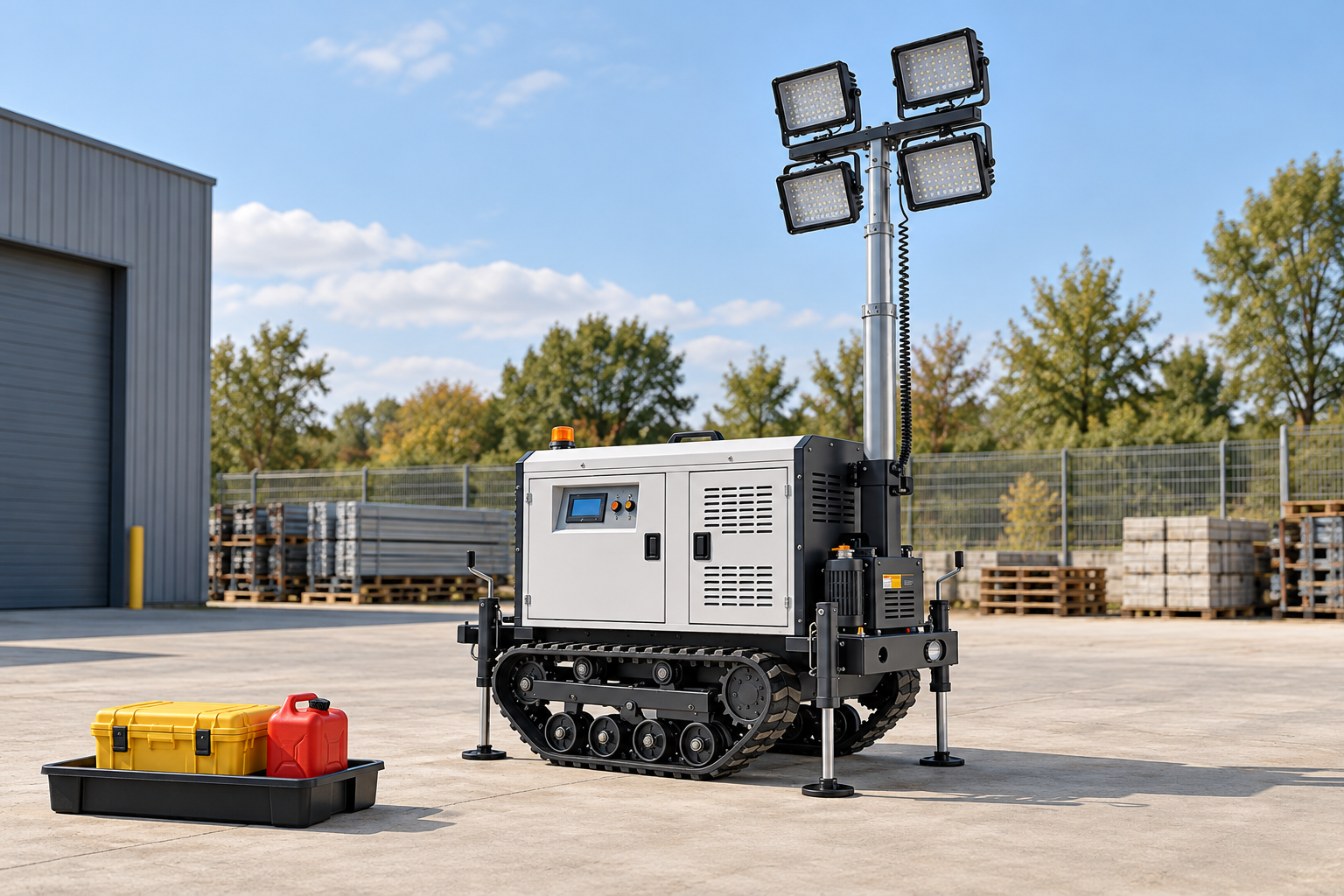
Assess the surface, drainage, traffic and proximity to ignition sources. Provide a stable arrangement that follows the machine instructions and keeps the work away from moving vehicles and unauthorized people. Identify nearby drains or waterways before opening a fuel container. Environmental controls must match the location and material; a generic small tray is not automatically sufficient for every filling operation.
The images show closed containers and planning arrangements, rather than a live refueling demonstration. They intentionally do not depict hoses connected to undocumented ports. Decide the actual delivery method with the supplier and site team. A mobile refueling vehicle, a portable container and a fixed dispensing point create different access and handling requirements. The work plan should name the method rather than leaving it to whoever arrives first.
Allow cooling and control ignition sources
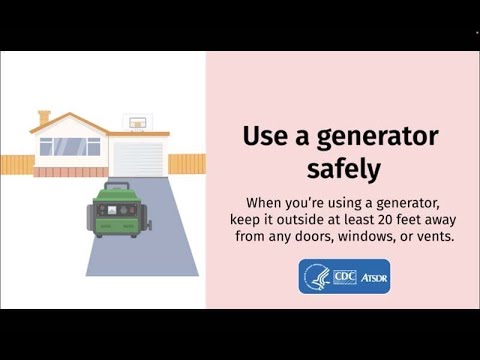
CDC generator-safety guidance advises turning a generator off and letting it cool before refueling, because fuel spilled on hot engine parts can ignite. Apply the equipment manufacturer's instructions for the actual engine and installation. There is no universal waiting time in this article: a number copied from another machine would create false confidence about surface temperatures and the supplied filling arrangement.
Remove smoking and other ignition sources from the controlled area and provide the controls required by the site's assessment and applicable rules. Do not treat diesel as harmless because it behaves differently from petrol. Follow the safety data and handling instructions for the actual fuel. If a leak, unusual odor or damaged container is observed, pause the activity and follow the site's reporting and response procedure.
Use clean, identified equipment and authorized handling
Only use containers and dispensing equipment suitable for the actual fuel and the intended task. Check their condition and identification before use. Protect the fuel from contamination and keep incompatible materials separate. A container's color is not a complete identification system, especially where suppliers or jurisdictions use different conventions. The label, contents and work instructions should agree.
Follow the manufacturer's filling limit and approved method. Do not overfill, improvise a funnel from an unsuitable material or assume a convenient opening is a tank filler. The site procedure must also cover manual-handling limits and any relevant bonding or grounding requirements for the dispensing arrangement. Those decisions depend on the system and applicable requirements and must not be guessed from a general blog article.
Put the hold points into the work record
| Work stage | Evidence required | Responsible decision | Reason to stop |
|---|---|---|---|
| Identify the asset | Asset and engine identification with fuel specification | Confirm correct machine and fuel | Conflicting label or missing manual |
| Maintain the lighting service | Approved interruption and alternative-lighting plan | Release the affected work area | Uncontrolled dark access or traffic route |
| Secure the equipment | Documented shutdown and restart-prevention method | Verify the approved safe state | Automatic-start status is uncertain |
| Prepare the work area | Suitable surface, exclusion and spill-response arrangement | Confirm filling can proceed | Leak, damaged container or unprotected drain |
| Complete and release | Filling point secured, area checked and record completed | Authorize restart under the manual | Unresolved spill or abnormal condition |
This is an original planning table. The linked CDC safety information supports the cooling and generator-location discussion; the equipment instructions and site controls define the actual operation. The table does not replace a competent risk assessment, training or a fuel supplier's handling information. Keep each signature tied to a specific responsibility rather than using one general tick for the entire activity.
Make spill response usable before it is needed
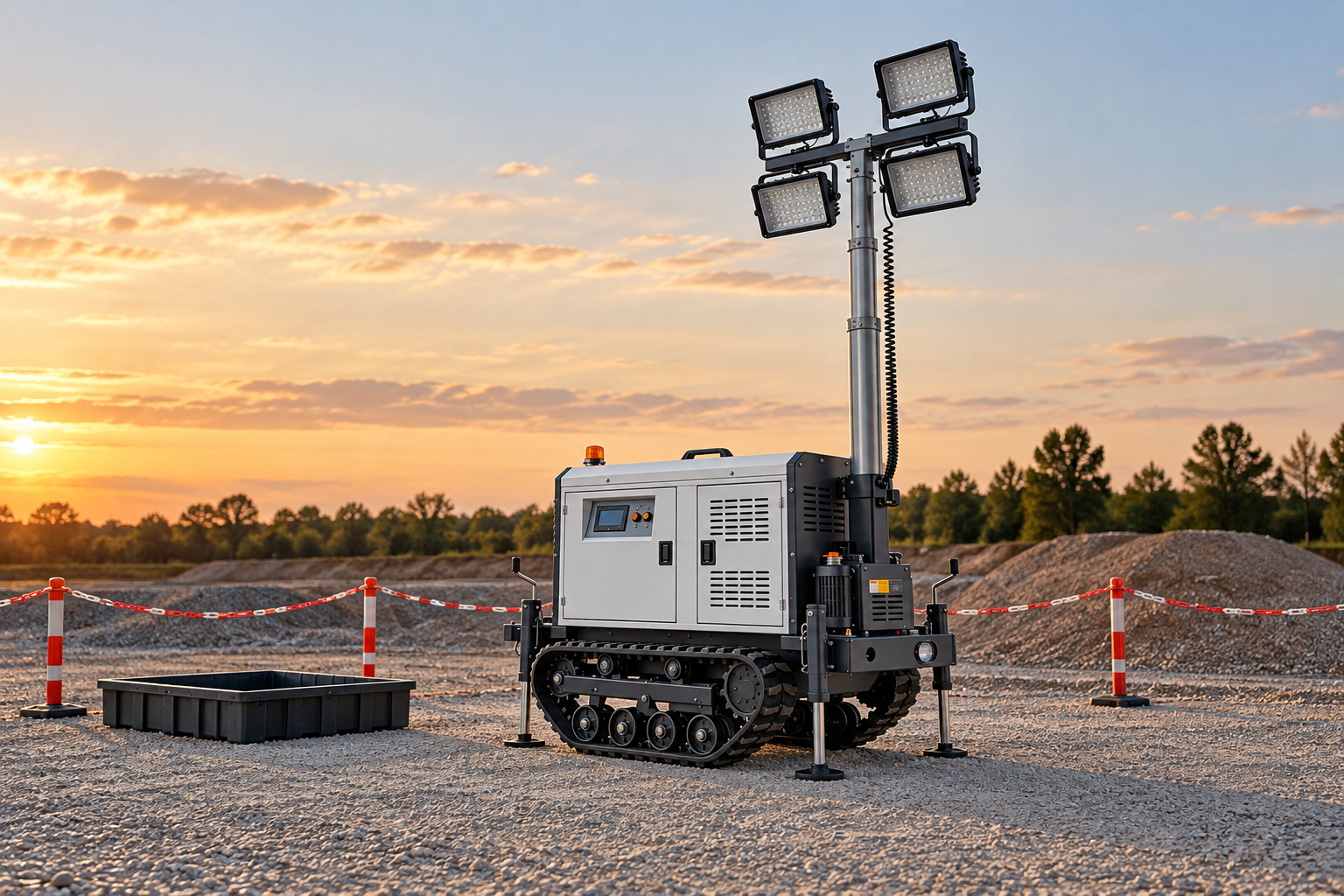
Identify the response equipment, reporting contact and procedure before handling fuel. People involved should know how to stop the activity safely and obtain help without spreading the material or exposing themselves. A spill kit that is locked in a distant vehicle may not support the planned operation. Check that the chosen controls are available and appropriate for the fuel and location.
If a spill or leak occurs, suspend the activity and follow the site's emergency and environmental response process. Do not restart the engine to move an unsafe unit unless the approved response specifically allows the action. Do not wash fuel into a drain. The responsible person should decide the area-control and recovery measures using the applicable procedure, rather than improvising a cleanup to meet the next shift deadline.
Return to service through a clear release
Before restart, confirm that the filling point is secured, containers and equipment have been removed as required, leaks or spills are resolved and people are clear. Restore controls only through the approved sequence. Where automatic operation was inhibited, the responsible person should confirm what operating mode is being restored and who has command authority. An unexplained change of mode can create an unexpected later start.
Check the lighting service after the authorized restart. Record any abnormal indication and the action taken. Do not bypass a protective function to keep the tower running. The objective is a documented return to an approved operating condition, with adequate lighting for the work, rather than simply hearing the engine run again. Refer unresolved issues to the responsible service provider.
Use records to improve fuel planning
Record the date, asset, engine hours where available, fuel identity, quantity delivered using an appropriate measurement and any exception. Keep measured quantities separate from gauge estimates. These records help identify supply needs and investigate unexpected fuel use, but a single refueling event does not establish a rated consumption figure. Compare equivalent operating conditions before drawing performance conclusions.
For an enquiry, request the fuel specification, tank documentation, approved filling access, shutdown instructions, automatic-start arrangements and training requirements. Ask which optional equipment changes the procedure. Maintain a current controlled copy at the site. A procedure is useful when it describes the delivered unit and the real lighting interruption; it loses value when it is copied unchanged across different machines and work areas.
Equipment and complementary planning
Identify the illustrated equipment on the Keyyou crawler lighting tower product page. Read the Diesel Generator Light Tower Guide, then consult Diesel Light Tower Fuel Quality: Storage, Water, and Contamination and Spill Containment for Diesel Light Towers on Sensitive Sites.
Further learning: Use a Generator Safely
This CDC educational video explains generator safety. It complements the cooling, safe operating location and return-to-service discussion; it does not show a Keyyou filling point or replace the delivered engine and tower instructions.
Frequently asked questions
Can the engine remain running during refueling?
Follow the delivered instructions. The CDC advises shutting a generator off and allowing it to cool before refueling.
Does engine shutdown prevent every automatic start?
Not necessarily. Verify the approved prevention of automatic or remote starting for the actual configuration.
Does this guide identify a Keyyou filling port?
No. Obtain the correct fuel-system and filling instructions for the delivered unit.
Sources and scope
CDC supports general generator precautions. The cited US construction provision provides handling context where applicable; the actual jurisdiction, fuel system, equipment manual and site assessment govern the operation. No universal cooling time or filling limit is supplied.