
ما الذي يجب أن يغطيه الفحص قبل تشغيل برج الإضاءة؟
A light tower pre-operation inspection should confirm visible condition, support readiness, mast-path clearance, controls or alerts, and a stop/go record before the shift relies on the lights. It is a shift-start readiness check after the unit is already positioned, not a transport, first-deployment, or maintenance procedure.

Part 1. What does a pre-operation inspection decide?
It decides whether the positioned unit is ready for the coming operating period. It does not decide how to tow the unit, how to complete first deployment, or which maintenance interval applies later.
| قرار | Belongs here | Belongs elsewhere |
|---|---|---|
| Shift-start stop/go | Yes | — |
| First-deployment positioning | لا | Trailer setup checklist |
| Pre-dispatch transport readiness | لا | Trailer transport checklist |
| Routine service observations | لا | Field maintenance checklist |
| Mast-height shortlisting | لا | Mast height selection guide |
Part 2. When should the checklist be run?
Run it before each operating period that will rely on the lights, after setup is complete and before the crew depends on the unit. OSHA 1926.1412 includes example language about beginning a visual inspection prior to each shift for covered equipment. Use that only as a planning prompt; follow the selected model manual and the rules that govern the site.
نصيحة: If the unit was just relocated, finish the setup checklist first, then run pre-operation checks before lighting work begins. Source: trailer setup checklist; selected operator manual.
Part 3. Which visible condition checks come first?
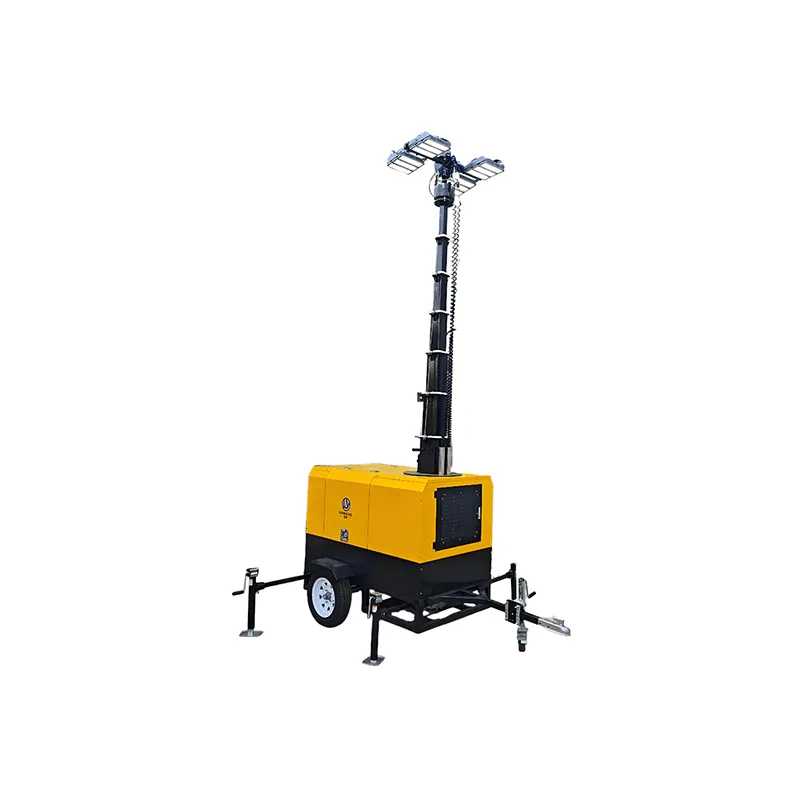
OSHA vehicle-inspection guidance supports correcting apparent defects before equipment is placed in service. Begin with a walk-around while the unit is in a safe condition.
| Check group | Observe | Stop condition |
|---|---|---|
| Structure and covers | Impact damage, missing guards, insecure doors | Safety concern unresolved |
| Leaks / odours | Fluid, fuel, or unusual odour where applicable | Defect open |
| Cables and connectors | Cuts, abrasion, exposed conductors | Damaged electrical path |
| Lights and lenses | Cracks, contamination, loose-looking fittings | Fixture integrity uncertain |
| Labels and manuals | Required documents unavailable | Cannot confirm procedure |
Part 4. Which support, mast, and work-zone items belong on the form?
Confirm the parking position still matches the approved support method, the mast path remains clear, and the exclusion area is controlled. OSHA aerial-lift guidance emphasizes solid support and work-zone awareness.
| Area | سجل | Do not improvise |
|---|---|---|
| Supports / outriggers / level | Set as the manual requires | Guessed pad size or span |
| Mast pins / locks / cables | Visible condition before movement | Generic lock sequence |
| Overhead and side clearance | Lines, scaffolds, crane paths | “Looks clear enough” |
| Work-zone control | People and vehicles outside the path | Uncontrolled raise |
Part 5. Which controls, alerts, and lighting observations matter?
Check the control interface for warnings, confirm required switches or breakers are in the documented state, and verify lighting function only through the approved start sequence. Industry daily checklists often group engine/power, electrical readiness, and mast/light heads as separate sections—import only the items the selected manual assigns to operators.
If a warning appears, capture the exact message, time, and operating context before resetting or continuing.
Part 6. Which records and RFQ inputs improve the next shift?
Record unit ID, inspector, date/time, open defects, alert text, and the stop/go decision. For configuration review, ask for the model manual, known recurring alerts, shift pattern, and whether the unit must be relocated during the project.
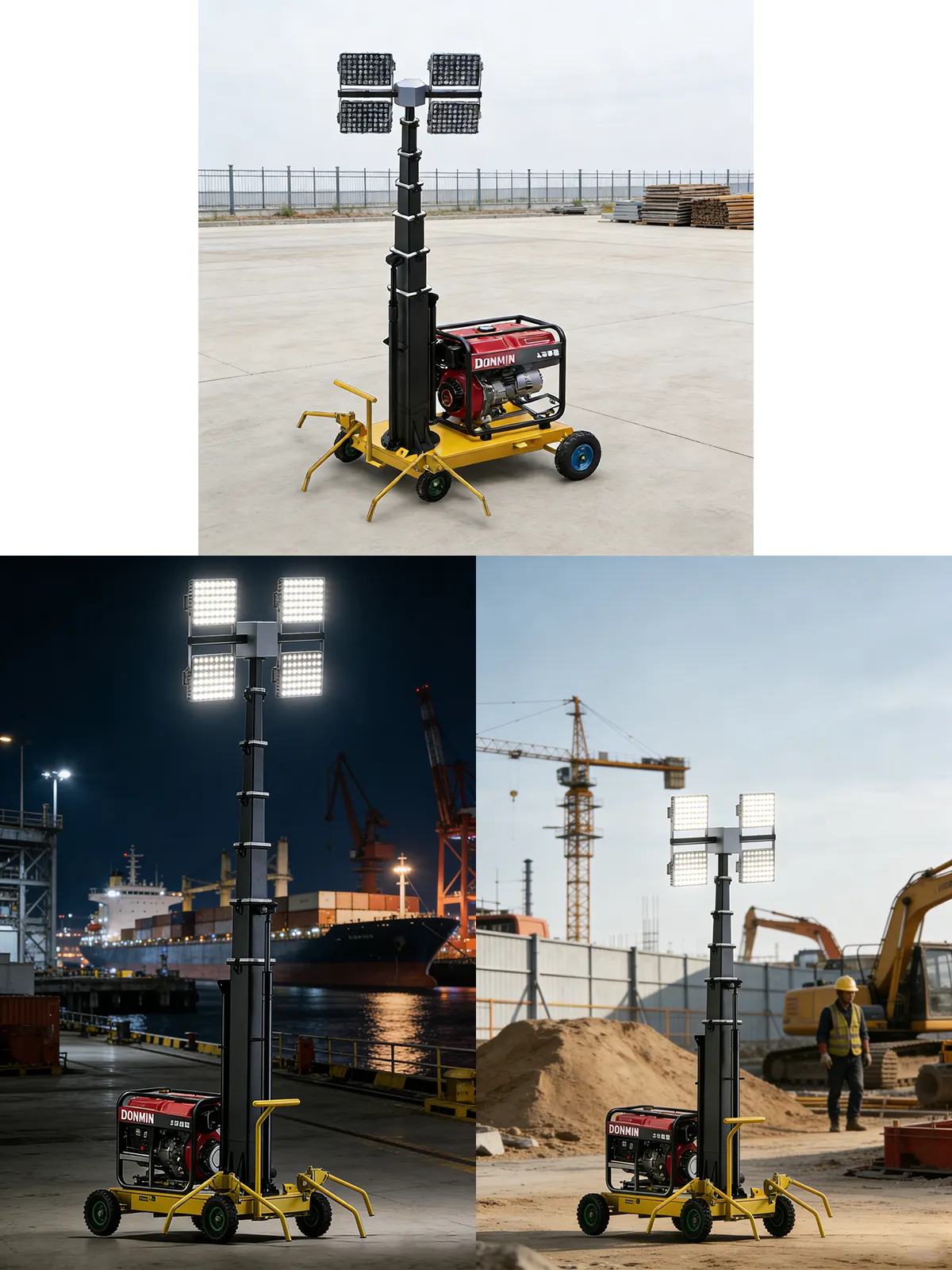
Product recommendation: use the listed trailer solar light-tower configuration as a document-review starting point when that construction matches the fleet. It does not prove an inspection interval or site approval. Related constructions appear under the مجموعة أبراج الإضاءة المتنقلة على شكل مقطورة.
Fit Boundary
This checklist is suitable for shift-start readiness. It is not suitable as a transport form, first-deployment setup guide, electrical repair manual, or Keyyou maintenance commitment. For a configuration discussion, send the model and shift context.
Part 7. When should operation stop?
Stop and escalate when a required support or mast check is incomplete, a visible defect remains open, an unexplained warning persists, the manual is unavailable, or work-zone control is not in place. Do not convert an incomplete form into “operate carefully.”
الأسئلة الشائعة
ما الذي يجب فحوصه قبل تشغيل برج الإضاءة؟
تأكد من الحالة المرئية، وجاهزية الدعم، وخلو مسار الصاري، وعناصر التحكم/التنبيهات، وقرار التوقف/التحرك المسجل باستخدام الدليل المحدد.
هل الفحص قبل العملية يختلف عن الإعداد؟
نعم. يقوم الإعداد بتحديد المواقع وتثبيت الوحدة بعد الوصول. وتؤكد عملية ما قبل التشغيل الجاهزية قبل كل فترة تشغيل.
أي صاري وأدوات دعم تنتمي إلى النموذج اليومي؟
الدعم/المستوى، وأقفال السواري أو الكابلات حسب الاقتضاء، والخلوص العلوي، والتحكم في منطقة العمل - تماماً كما يتطلب الدليل.
ما هي العيوب المرئية التي يجب أن توقف الاستخدام؟
تلف هيكلي، كابلات تالفة، تسربات غير معالجة، أغطية غير آمنة، تلف في التركيبات، أو أي حالة غير آمنة يتم تحديدها يدويًا.
Does maintenance replace a pre-operation check?
No. Maintenance covers ongoing service observations. Pre-operation is the shift-start stop/go record.
What should be recorded before the shift starts?
Unit ID, inspector, time, open defects, alert text, and the stop/go decision.
What belongs in an RFQ related to inspection readiness?
Model details, shift pattern, known alerts, relocation needs, and requested operator/service documents.