
Battery Enclosure IP Ratings for Outdoor Light Towers
Read light tower battery enclosure IP ratings correctly. Separate cabinet, lamp and connector ratings, compare NEMA types, and inspect the actual outdoor assembly.
A light tower battery enclosure IP rating describes tested protection against access to hazardous parts and the entry of solids and water for a specified enclosure condition. It is not a blanket “waterproof” claim for the entire trailer, solar array, charging connector or an open service door. For outdoor lighting towers, buyers should ask which cabinet or component was tested, which edition of IEC 60529 applies, what state the doors and cable entries were in, and whether the supplied configuration matches the test. This guide explains how to read an IP code and turn it into a practical field inspection without inventing a rating for the pictured Keyyou product.
Read the two digits as different tests
IEC’s IEC 60529 publication concerns degrees of protection provided by electrical-equipment enclosures. After “IP,” the first characteristic numeral addresses access to hazardous parts and entry of solid foreign objects; the second concerns entry of water under defined tests. An “X” in a position means that the corresponding numeral is not specified, not that the product has zero protection. A test rating belongs to the tested assembly and condition. It is not a promise that seals remain perfect after towing, field repair, dust accumulation and years of sun exposure.
Do not compare IP codes as if they were a single linear score. IP65 and IP67 differ in the water-exposure test represented by the second numeral, but a rating for temporary immersion does not automatically answer every high-pressure water-jet or washdown question. Ask what the actual exposure is: windblown dust, rain, splashing, hose cleaning or accidental puddling. Match the documented test to that exposure and any local electrical rules. A sealed battery cabinet also needs a safe thermal strategy; closing every vent without engineering review can create a different problem.
What exactly is being rated on a mobile light tower?
A tower combines a battery/control cabinet, luminaires, solar modules on some models, cable glands, a mast, possibly an external charging inlet, and other components. Each may have its own rating and orientation. A supplier might legitimately quote IP65 for a lamp head, while the battery enclosure has a different protection level. The rating of the head should not migrate into a page headline about the battery. An open service hatch or uncapped cable entry changes the assembly condition and may invalidate the basis for the published cabinet rating.
| Component | Protection question | أدلة للطلب |
|---|---|---|
| Battery/control cabinet | Which closed-door assembly was tested? | Cabinet drawing, model, IP test report and closure instructions |
| Door seal and latch | Does the seal remain compressed after routine service? | Inspection and replacement instructions |
| Cable gland or inlet | Is its rating valid when mated, capped or both? | Connector or gland rating and installation conditions |
| Vent or pressure equalizer | How is required airflow maintained without losing protection? | Approved thermal design and installed-part details |
| LED head | Is its separately quoted rating being confused with the cabinet? | Luminaire model and test scope |
| As-delivered trailer | Did accessories or field wiring change the tested assembly? | Final bill of materials and conformity evidence |
Photographs are useful for identifying the enclosure and visible cable paths, but cannot establish a test result. A good evidence package states the standard edition, exact model, tested configuration and any necessary installation conditions. Check the serial or option code on delivery. If the supplier changes an inlet or gland, request confirmation that the rating remains valid for the new assembly.
IP versus NEMA enclosure types
North American buyers may receive a NEMA enclosure type instead of an IP code. These are not interchangeable naming systems. NEMA’s technical bulletin on NEMA and IP ratings explains that NEMA enclosure types address additional hazards such as corrosion, icing, oil or coolant in relevant categories, so there is no complete two-way equivalence. Its illustration of a multi-component installation also shows why the weakest applicable enclosure or fitting condition matters. Do not translate “IP65” into “NEMA 4X” by guesswork or treat a NEMA label on one component as the rating for the whole tower.
Where a purchasing specification lists both systems, ask the manufacturer for separate evidence against each applicable standard. A component certified or tested to one scheme may meet some tests of another, but that conclusion belongs in a documented assessment, not a marketing conversion chart. NEMA’s enclosure-type summary can help frame the environmental question, while the actual design decision must use the exact cabinet and deployment site.
Why a higher water digit is not the only procurement goal
Consider the duty cycle. Batteries, chargers and inverters can produce heat during charging and operation; an enclosure must manage that heat within component limits. A heavily sealed enclosure without an appropriate thermal path may derate equipment, shorten life or cause protective shutdown. Conversely, an exposed vent can be a dust and water path if it is not part of the approved design. Our battery thermal-management guide covers temperature considerations; the IP question is specifically whether the protective construction has documented ingress performance in the required operating condition.
Vibration and transport are also relevant. A trailer travels over rough ground, while the laboratory test describes a defined assembly. Inspect latches, hinges, glands and seals after transport and service. Avoid washing an electrical cabinet with a pressure jet unless its instructions explicitly permit that exposure. If water is suspected inside, isolate the unit according to the manufacturer’s procedure and have qualified personnel assess it before energizing or charging. An IP mark should never be used as permission to ignore visible damage.
It is useful to keep a simple before-and-after transport record. Photograph the closed door edge, cable entry and mast interface when a unit enters service, then compare those same locations after towing and after any enclosure repair. A change in a seal gap, a loose blanking plug or a new cable penetration is a reason to stop and inspect, even if the original factory document remains valid for an untouched unit. This field check does not reproduce an IEC laboratory test; it identifies changes that may make the delivered configuration different from the tested one. Agree in advance who has authority to replace a seal and whether the repair requires a documented reinspection.
Build a field inspection around the rated condition
- Identify the cabinet. Match the enclosure and option code to the test document, not merely a similar tower photograph.
- Check closures. Verify doors are fully latched and seals are clean, continuous and seated as specified. Do not force a damaged latch closed.
- Inspect cable entries. Confirm approved glands, unused-entry plugs and connector caps are present and correctly fitted. Report improvised penetrations.
- Look for water and dust paths. Examine the top edges, mast interface, panel support, drain points and any low cable loop without opening an energized enclosure.
- Respect the use condition. A cabinet may have a different permitted state while charging, servicing or transporting. Follow the exact manual.
- Record corrective action. Replace damaged seals or fittings only with approved parts, then recheck the closure and any necessary conformity documentation.
In U.S. workplaces, OSHA’s portable electrical equipment rule separately calls for location-appropriate equipment and inspection of cord-connected equipment. An enclosure IP rating does not replace those duties; applicability varies by installation and jurisdiction. The AC charging standards guide handles the supply and connector side when an approved mains-charging configuration exists.
Questions to send with a product RFQ
Request the IP code for the battery/control enclosure rather than only for the lamp heads. Ask for the test report or declaration with exact model, IEC edition, test orientation, doors, vents, glands and connectors. Confirm whether the claim covers the as-delivered configuration, a charging cable connected, and any optional remote controls. Define the site’s likely rain, dust and cleaning exposure, ambient temperature, maintenance access and corrosion environment. If a washdown or coastal application is involved, ask for evidence addressing those hazards specifically rather than assuming an IP number covers them. For an off-grid fleet, combine enclosure choices with the cloudy-weather reserve plan; weather protection does not create more stored energy.
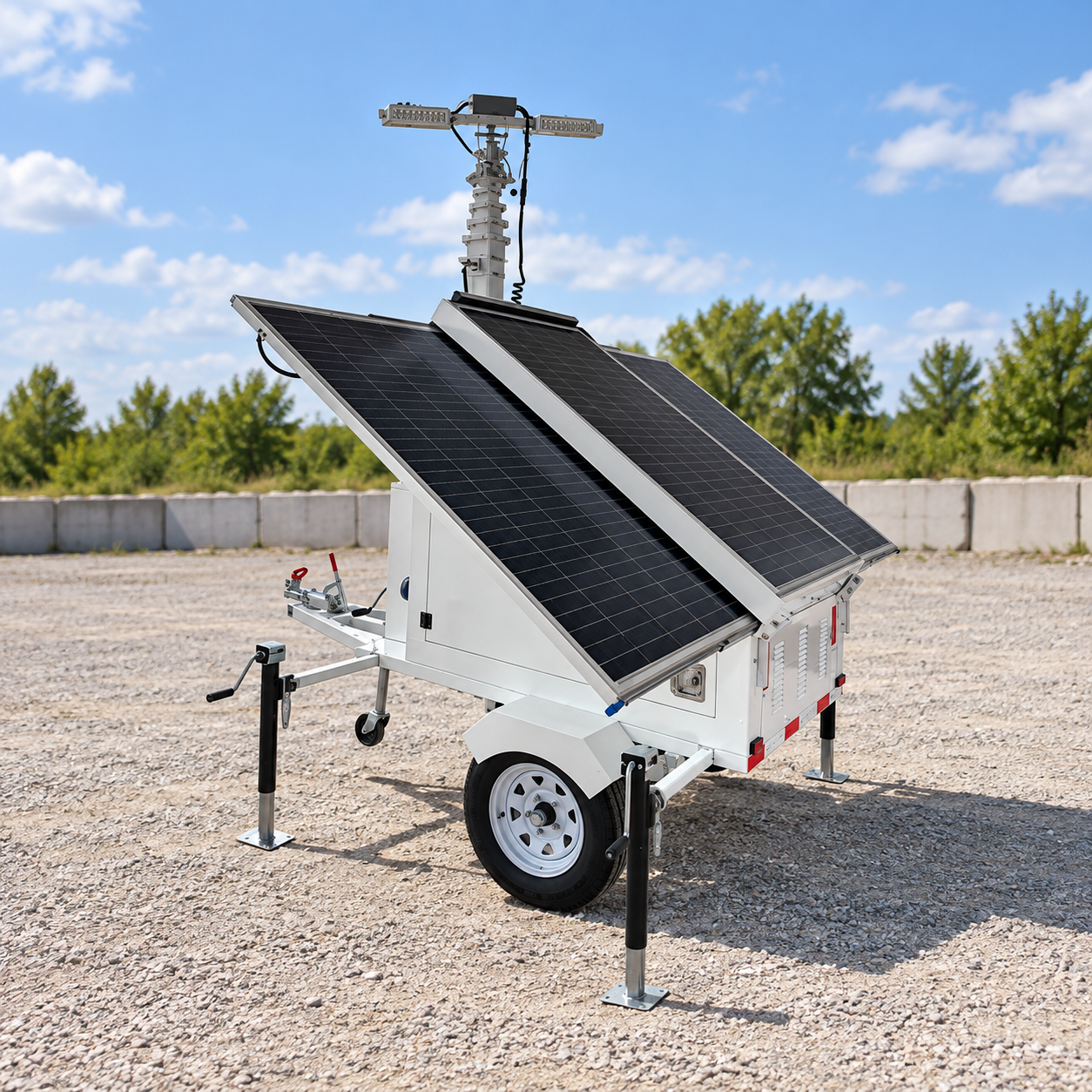
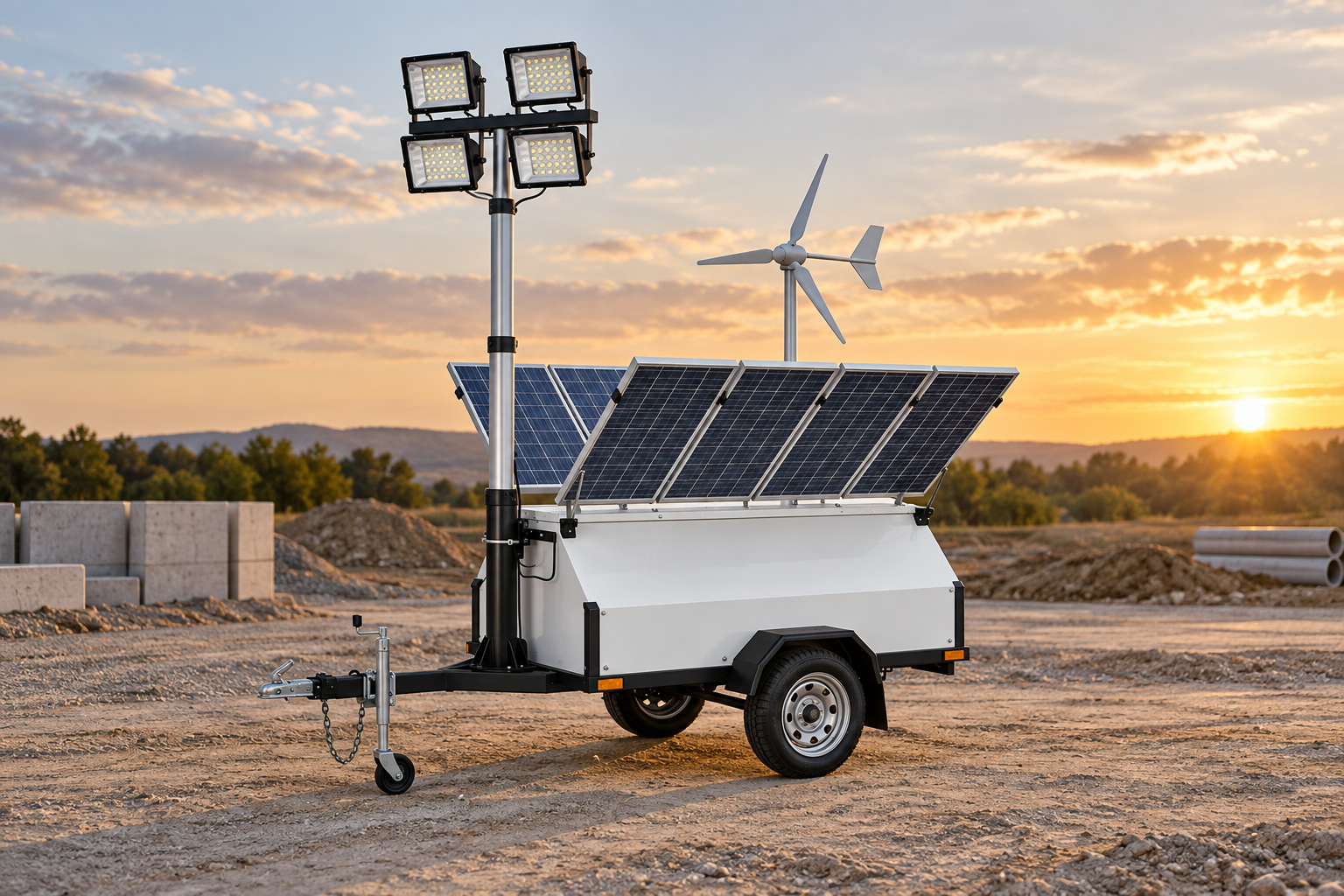
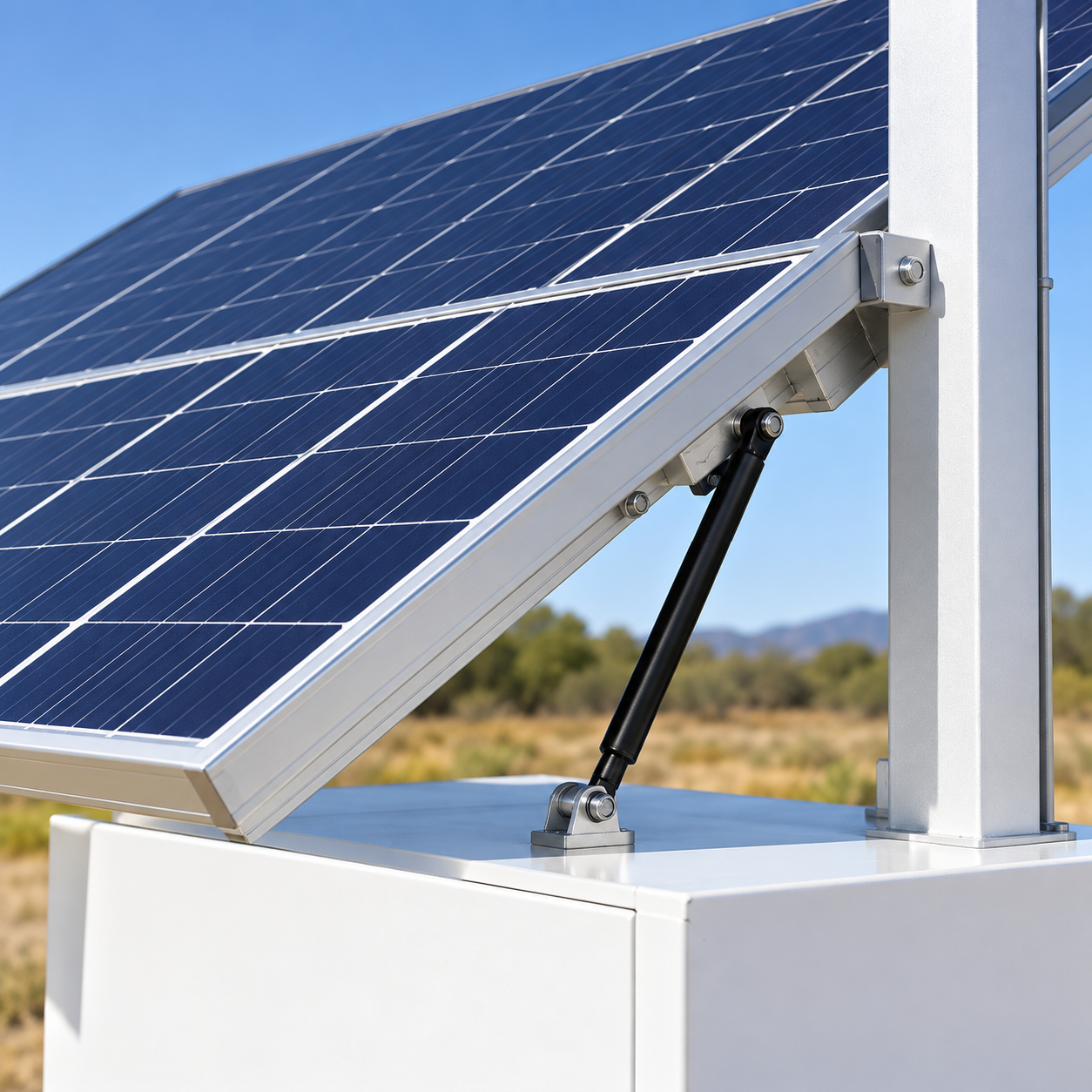
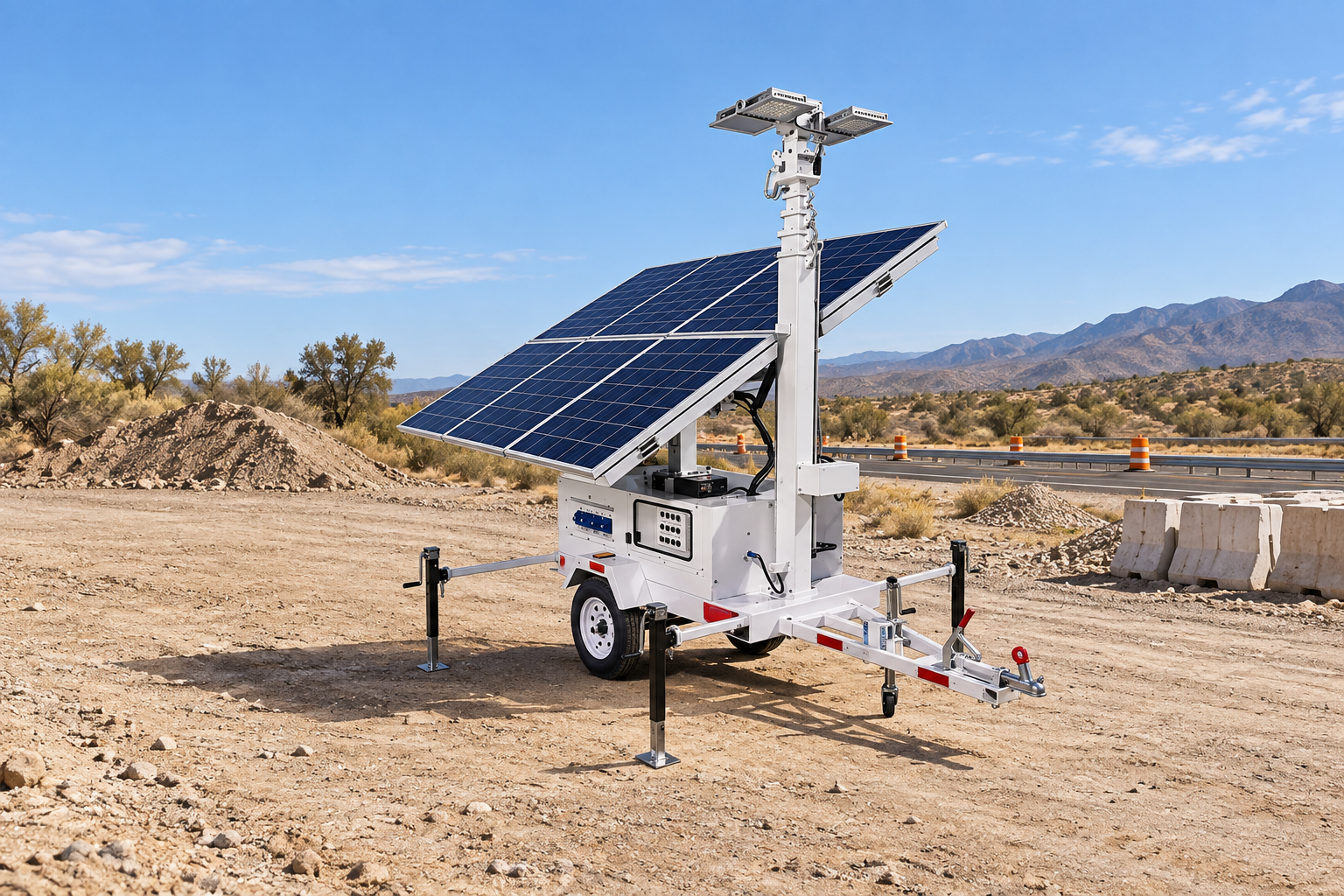
ال Keyyou trailer-model solar lighting tower is a relevant physical example: solar wings sit above a compact white control cabinet on a stabilized trailer. These photos provide a grounded reference for where an enclosure may be inspected. They do not establish an IP rating for the battery cabinet. Request the exact option’s documentation before writing a rating into the contract. If the evidence is unavailable, record it as an unanswered procurement question, not as an inferred product specification.
Further learning: NEMA enclosure selection
The RealPars educational video below explains NEMA enclosure types. It is useful for understanding why U.S. enclosure terminology is not a direct substitute for an IEC IP test. Verify every final requirement against the governing standard and actual product documentation.
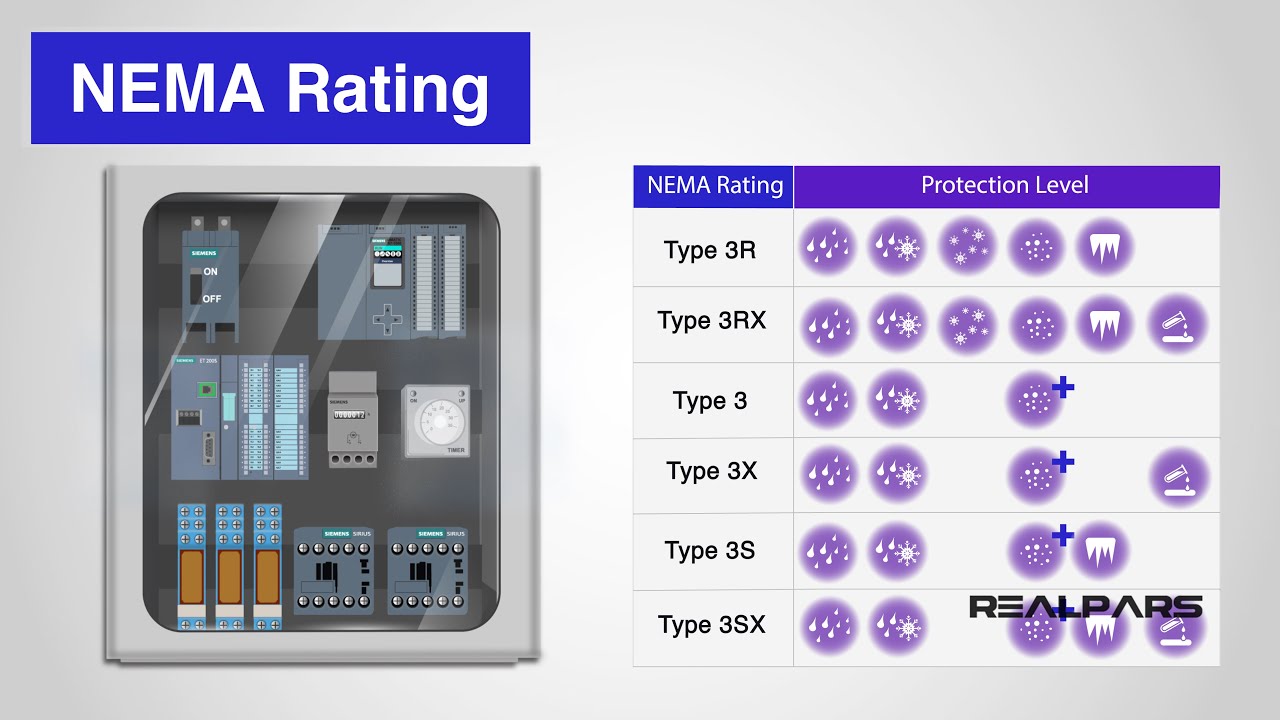
Watch the NEMA ratings explainer.
الأسئلة الشائعة
Does an IP65 lamp mean the battery enclosure is IP65?
No. Each claim must identify the tested component and assembled condition. Ask specifically for the battery cabinet’s documented rating.
Is IP67 automatically better than IP65 for every outdoor site?
No. They represent different water tests. Match the actual exposure and inspect the complete assembly, including connections and thermal design.
Can I convert an IP rating directly into a NEMA type?
No. NEMA types can address additional environmental hazards, and the two schemes are not fully equivalent. Request separate applicable evidence.
Can I open an enclosure during rain if it has a high rating?
Do not assume so. Ratings commonly depend on the tested closed condition. Follow the manufacturer’s service and electrical isolation procedure.