
Quarry Lighting With Mobile Light Towers
Plan quarry lighting with mobile light towers for loading areas, changing benches, haul routes, dust, highwall shadows, and night-shift coverage checks.
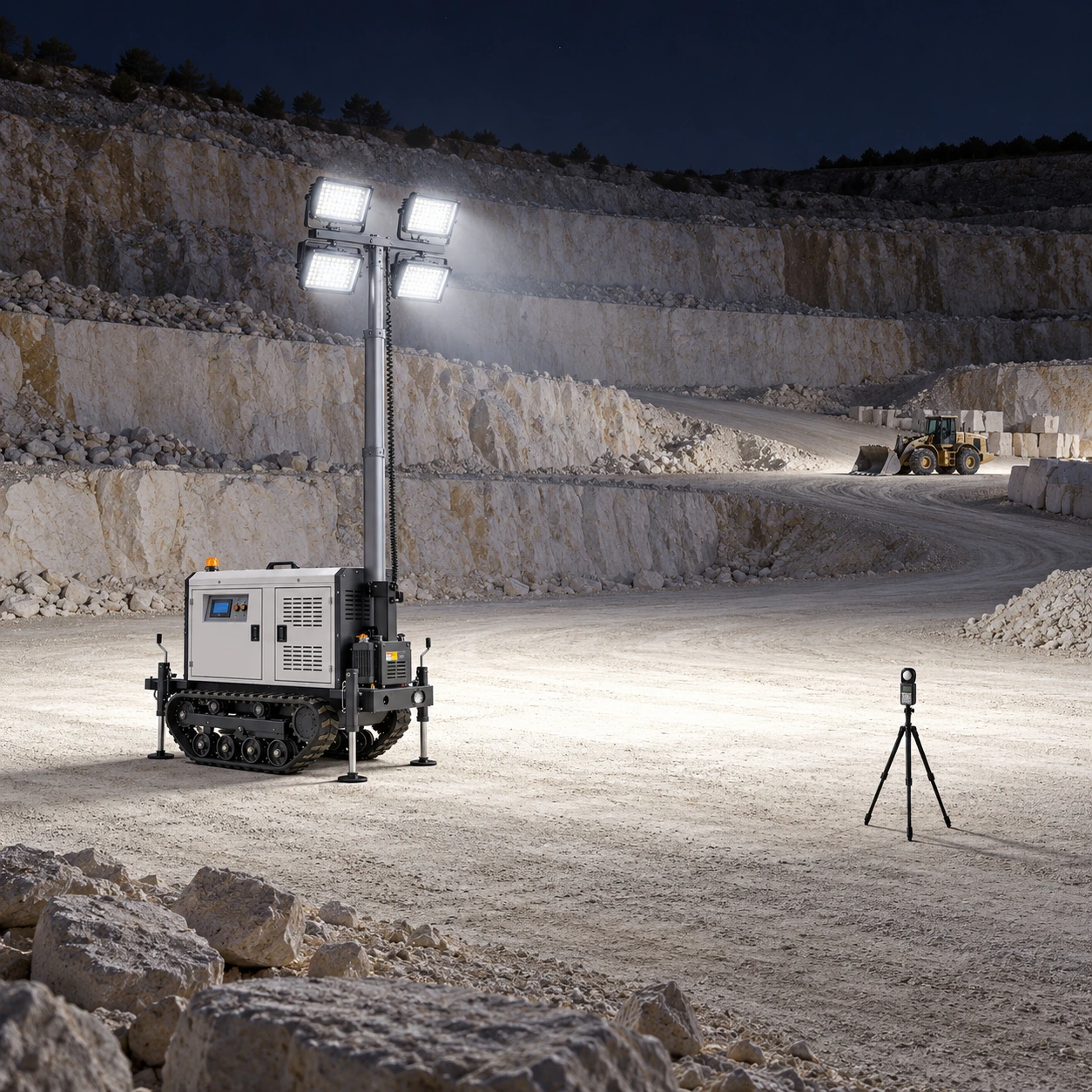
Quarry light towers should illuminate the defined loading, access, and service tasks from positions approved for the current quarry stage. Inspect shadows and driver glare, keep the complete tower footprint outside restricted and movement areas, and review changes as benches, stockpiles, and routes develop.
Use the current quarry bench and traffic arrangement
Quarry lighting should be planned for the current bench, loading area, crusher approach, maintenance tasks, and haul routes rather than a general illuminated acreage. Draw the current work geometry and permitted equipment positions. A highwall, stockpile, or large vehicle can obstruct light at a critical working point even when the surrounding yard appears bright. Identify where the approved arrangement needs another direction of area lighting or a task-specific fixture.
Evaluate the actual truck and machine approaches during a controlled nighttime inspection coordinated by quarry operations. Avoid directing bright lamps into the driver’s view, especially where vehicles leave a darker route and enter the work area. Keep the lighting equipment footprint and servicing activity outside the approved traffic and handling zones. The exact tower’s ground, support, wind, mast, and movement instructions remain necessary even where its chassis looks suited to rough terrain.
Review the layout after bench progression, stockpile changes, altered vehicle routes, or a move of production equipment. Dust conditions and equipment positions should be recorded with any field measurements so that later comparisons are meaningful. Agree on the lighting failure response and any permitted backup arrangement before a shift relies on the tower. A quarry setting does not by itself validate a tower’s coverage, operating slope, environmental protection, or mine-related approval. Use model-specific evidence and the responsible quarry authority’s requirements when evaluating the supplied configuration.
الخمس قضايا التي تحكم القرار
| منطقة القرار | ما الذي يجب التحقق منه |
|---|---|
| Bench geometry | Review the proposed lighting positions against the quarry’s approved bench and working-area arrangement. |
| Dust and vibration | Ask for documentation for the offered fixture and complete tower assembly under the expected environment. |
| Haul routes | Focus lighting assessment on the relevant junctions, loading approaches, and approved service locations around the quarry. |
| Highwall shadows | Structures, material piles, terrain, and the working face can create shadows at a task even when the surrounding area looks bright. |
| التحقق | Arrange the nighttime inspection for the current quarry stage and document the tower configuration, positioning, aiming, required observations, and measurements. |
1. Bench geometry
Review the proposed lighting positions against the quarry’s approved bench and working-area arrangement. Identify access, loading, maintenance, and authorized observation points rather than treating the whole excavation as a flat illuminated area. The quarry’s responsible personnel control ground, edge, and highwall restrictions. A tower image does not establish an acceptable setback or operating slope. Obtain the exact model’s deployment limits and reserve the full supports and mast envelope at an approved location, including a route for relocation and servicing.
2. Dust and vibration
Ask for documentation for the offered fixture and complete tower assembly under the expected environment. Do not infer resistance to quarry dust, vibration, or cleaning methods from a rugged-looking chassis. Review visibility under representative operations and identify the conditions requiring escalation. Lighting cannot replace dust controls or authorization to stop affected work. Plan fixture inspection and cleaning through the manufacturer’s instructions and the quarry’s permitted service process. Keep maintenance access clear of active extraction, loading, and heavy-vehicle movements.
3. Haul routes
Focus lighting assessment on the relevant junctions, loading approaches, and approved service locations around the quarry. Check the view from representative vehicle cabs as well as authorized pedestrian positions. Towers should not occupy turning areas, road-maintenance movements, or other approved equipment routes. Review direct lamp glare, shadowed instructions, and transitions between lit and unlit locations. The quarry’s traffic plan establishes operating controls; a tower proposal cannot independently establish the route’s speed, driver procedures, or suitability for a particular class of truck.
4. Highwall shadows
Structures, material piles, terrain, and the working face can create shadows at a task even when the surrounding area looks bright. Inspect the actual required observation from an approved position with representative equipment present. Do not move the tower toward a restricted face or beneath an unreviewed area to eliminate a shadow. The responsible quarry team must approve any changed deployment location. If area light cannot reveal a close task from permitted positions, review a suitable supplementary lighting arrangement through the authorized work procedure.
5. التحقق
Arrange the nighttime inspection for the current quarry stage and document the tower configuration, positioning, aiming, required observations, and measurements. Include the representative equipment and storage positions used in the check. Define the response to light failure and who authorizes changes before affected work resumes. Recheck after bench development, altered stockpiles, road grading, relocated loading, or tower adjustment. A previous stage’s visibility check cannot establish the next stage’s acceptance, and the lighting record does not certify highwall stability or other quarry controls.
Give the lighting supplier the quarry stage drawing
Describe the current loading, access, service, and vehicle arrangements rather than specifying illumination for the quarry as one open area. Include bench geometry, approved boundaries, stockpiles, and equipment positions that affect the required views. Ask the quarry team which observations are necessary at the proposed work locations and which locations are available for towers. The lighting supplier does not determine ground or highwall restrictions.
Request the exact offered tower’s deployment and service documentation together with the fixture information needed by the responsible lighting specialist. Identify supports, mast arrangement, ground requirements, operating limits, and the conditions behind any runtime or coverage claim. Keep the configuration linked to the delivered unit so that a changed fixture or chassis arrangement receives review.
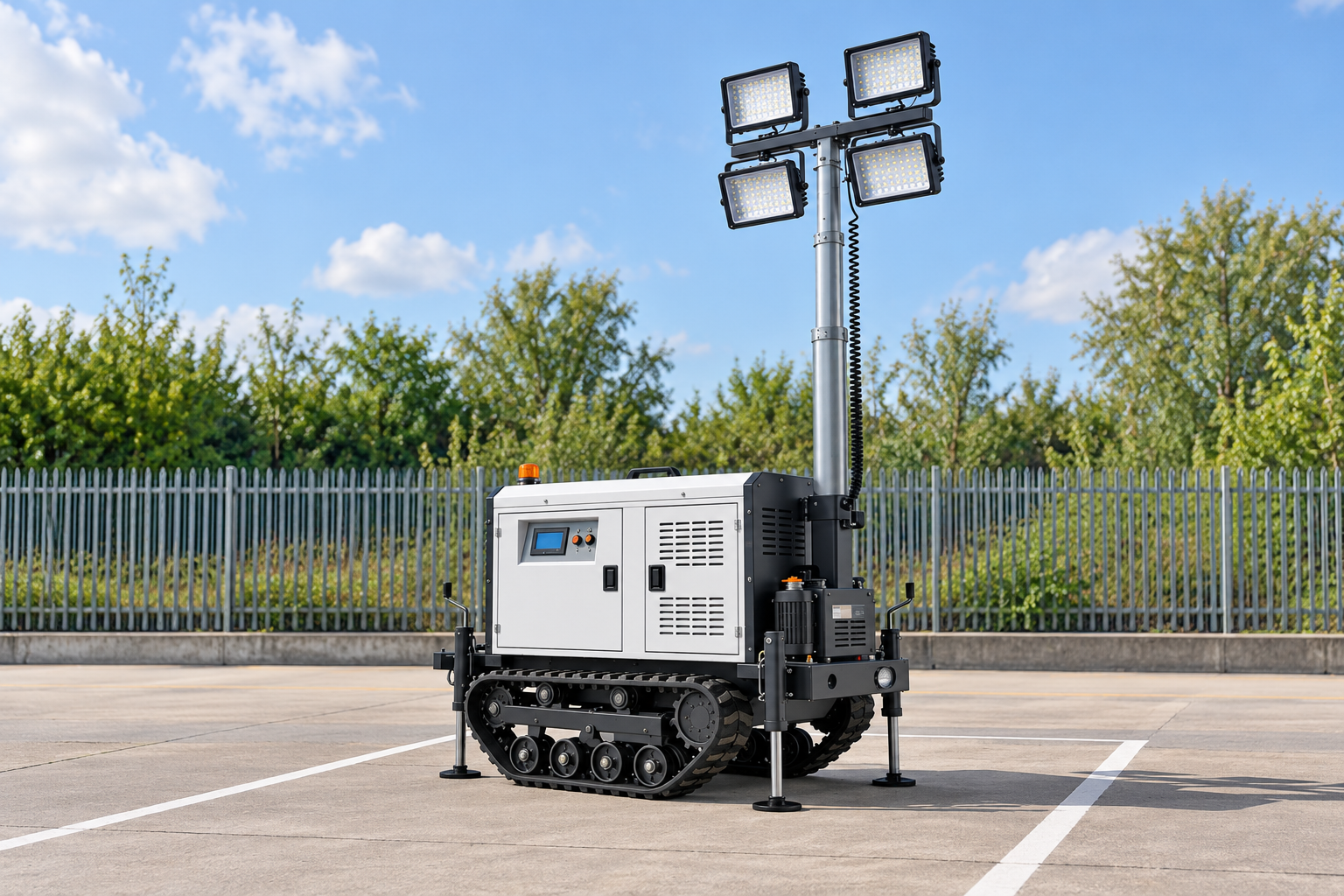
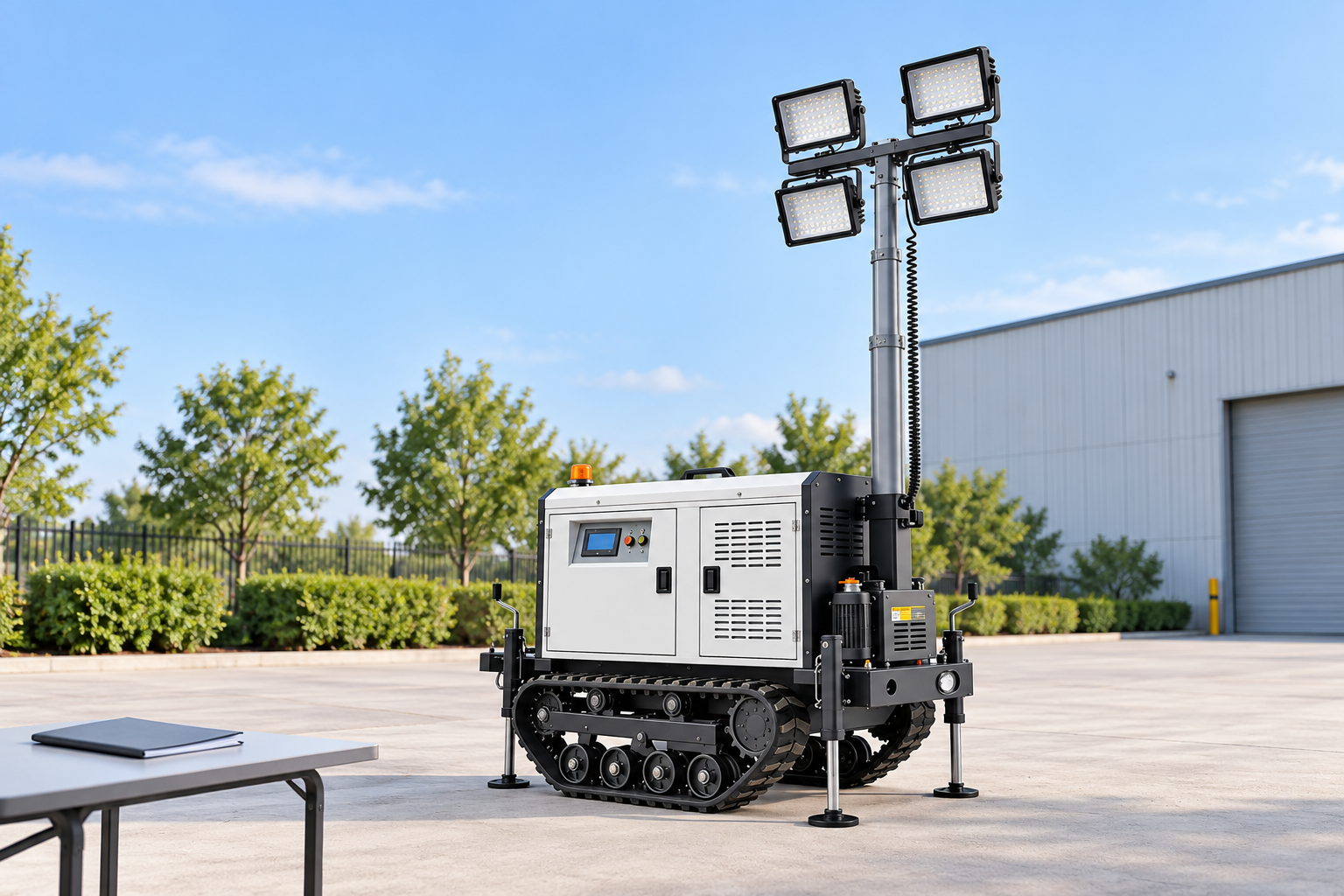
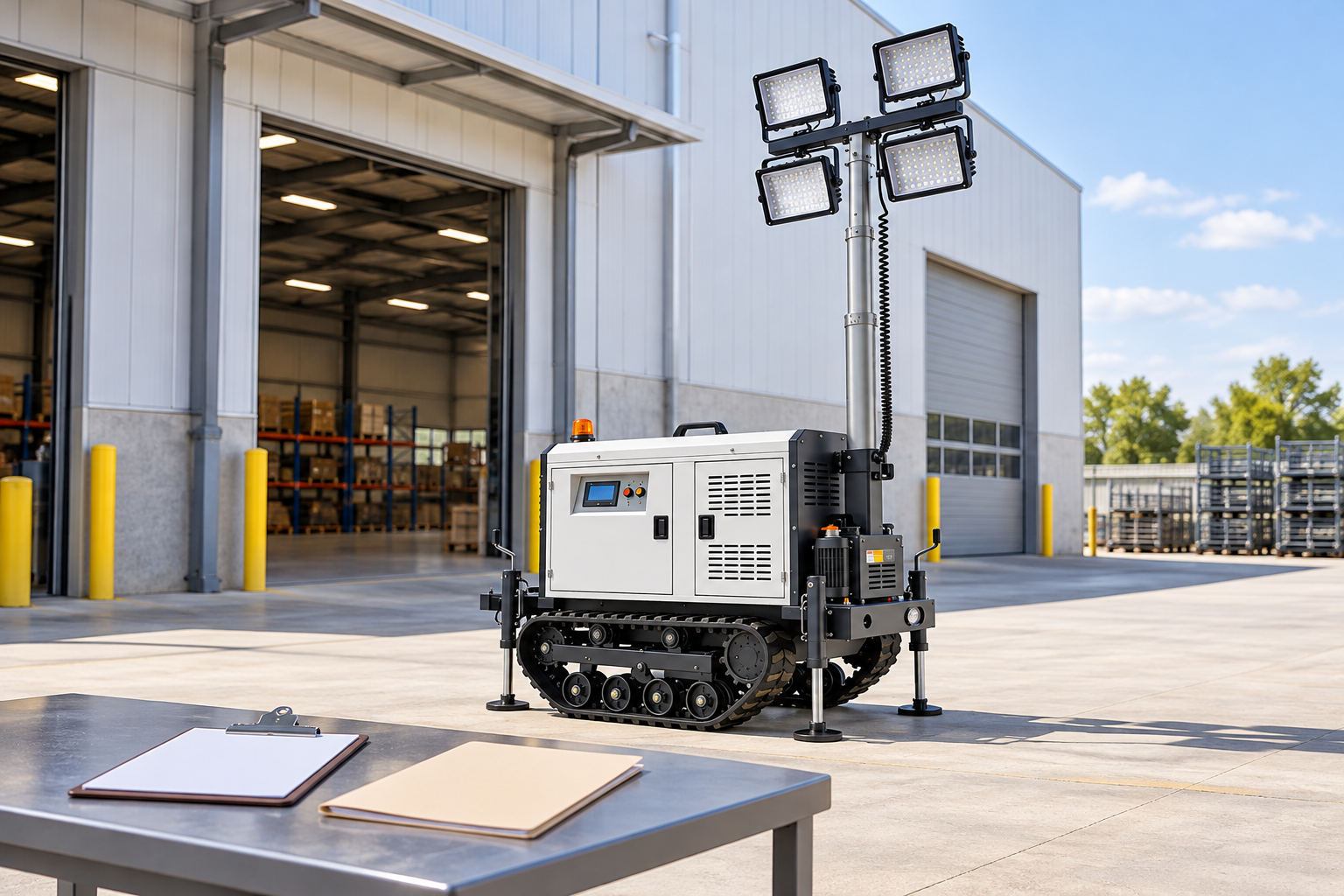
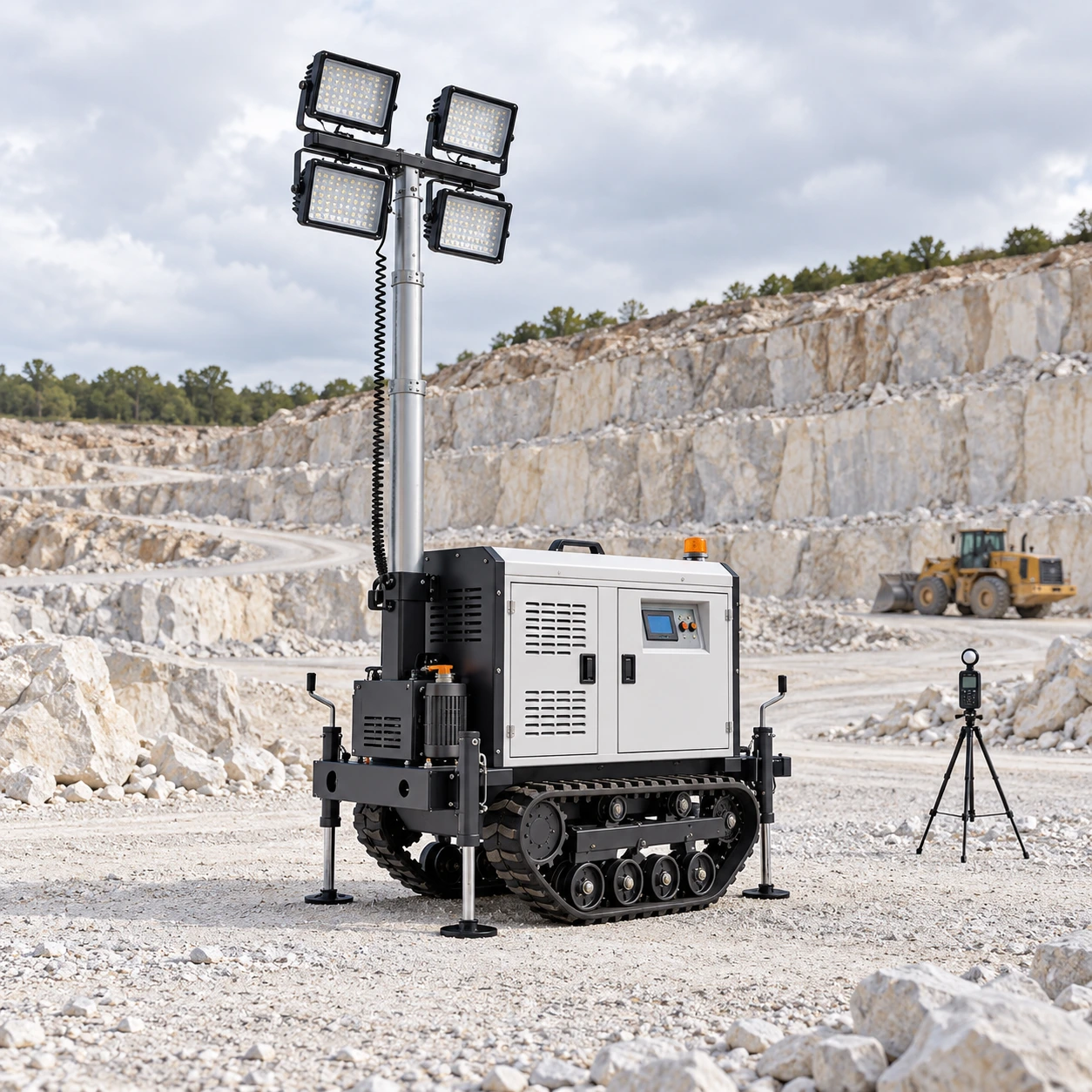
Do not use the product illustration as evidence of mining approval, ground capacity, or operating slope. It identifies the referenced equipment structure and an illustrative setting. Quarry personnel must assess the actual installation and applicable requirements. Where an external power arrangement is proposed, involve the responsible electrical team in supply, protection, routing, and the relevant environmental review.
Coordinate the nighttime acceptance with operations
Arrange an authorized inspection with equipment states and observer positions controlled. Review loading approaches, access, approved work positions, and relevant driver views. Include representative plant and material positions, because shadows and obstructions can differ substantially between an empty location and its normal operating arrangement. Do not put an observer in an active haul route to obtain a driver’s-eye photograph.
Record numerical measurements where the quarry’s lighting criteria require them, together with the installed configuration and observation points. Check what can be distinguished from the authorized task and cab positions as well. A measurement beside the tower does not reveal whether an instruction is obscured at a junction or a service task remains shadowed behind equipment.
Review an unsuccessful observation with the responsible team before adding brightness. A revised lamp direction, approved tower location, or supplementary fixture may be appropriate, but each change needs its own deployment and glare assessment. Bringing a tower closer to a restricted face is not an automatic solution. The quarry’s ground and work restrictions continue to control the available arrangements.
Plan maintainable power and replacement access
Define the complete lighting window, including preparation, loading, servicing, inspection, and handover where applicable. Ask the supplier for energy or runtime information in the intended lamp mode and actual offered configuration. Confirm the assumptions about charging, fuel, or external supply rather than treating a maximum runtime figure as guaranteed shift coverage.
Reserve approved service access and coordinate it with quarry traffic and work restrictions. The manufacturer’s inspection and cleaning instructions should control maintenance of the exact equipment. Dust and other environmental exposure need the relevant documentation and site review. A rugged-looking enclosure does not demonstrate suitability for every quarry location or maintenance method.
Compare quotations using the same working locations, observations, duty, and access constraints. Include relocation effort, permitted service windows, inspections, replacement availability, and parts support. A cheaper unit requiring an unavailable base location or charging arrangement does not provide the same operating proposal. Ask suppliers to state those dependencies clearly before comparing prices.
Carry the limitations into the next quarry stage
Keep tower identity, accepted position, support setup, mast arrangement, aiming, operating mode, observations, and required measurements with the current work information. Identify which bench, stockpile, loading, and route conditions were present during acceptance. The next crew should be able to recognize whether the record still applies or whether development has changed the relevant view.
Define the response to a light or power failure and who authorizes a replacement. A substitute unit can differ in optics, support footprint, or operating limits even when its nominal output is similar. Review the offered configuration and repeat the affected observations before treating the arrangement as restored. Coordinate access and installation with the quarry’s responsible personnel.
After relocation or development changes, review the new ground, mast envelope, access, supply, and views through the authorized process. Use recorded operating experience to improve future briefs without inventing a universal tower spacing. The lighting acceptance covers the evaluated arrangement and visibility; it does not certify highwall stability, traffic design, extraction methods, or other quarry controls beyond that assessment.
أدlete برج الإضاءة ذات الصلة / أدلة أبراج الإضاءة ذات الصلة
المصدر الرئيسي لـ Keyyou هو the referenced Keyyou mobile light tower product. تحدد الصورة عائلة المنتج؛ يجب الحصول على المقاسات والحدود النهائية من التكوين المرفق.
Generator exhaust and the power arrangement
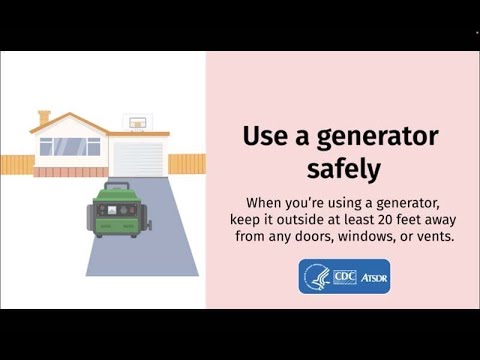
Where the lighting arrangement uses generator power, review exhaust, servicing, fuel handling, and the full operating window with the responsible site team. Keep exhaust from entering occupied spaces and follow the exact equipment instructions. The CDC video below explains carbon-monoxide precautions; its household examples do not specify this project installation. It does not demonstrate the construction or mining task, teach stored-energy isolation, or replace the relevant work procedure. If the offered tower uses another power source, obtain the appropriate charging or electrical-supply documentation instead of assuming that the generator example applies.
الأسئلة الشائعة
Does a tracked tower image establish an approved quarry setback?
Review the proposed lighting positions against the quarry’s approved bench and working-area arrangement. Identify access, loading, maintenance, and authorized observation points rather than treating the whole excavation as a flat illuminated area. The quarry’s responsible personnel control ground, edge, and highwall restrictions.
Does a rugged enclosure demonstrate quarry suitability?
Ask for documentation for the offered fixture and complete tower assembly under the expected environment. Do not infer resistance to quarry dust, vibration, or cleaning methods from a rugged-looking chassis. Review visibility under representative operations and identify the conditions requiring escalation.
Where should driver glare be checked around a quarry?
Focus lighting assessment on the relevant junctions, loading approaches, and approved service locations around the quarry. Check the view from representative vehicle cabs as well as authorized pedestrian positions. Towers should not occupy turning areas, road-maintenance movements, or other approved equipment routes.
Does lighting acceptance certify the quarry highwall?
Arrange the nighttime inspection for the current quarry stage and document the tower configuration, positioning, aiming, required observations, and measurements. Include the representative equipment and storage positions used in the check. Define the response to light failure and who authorizes changes before affected work resumes.