

ديزل أم بنزين لبرج إضاءة متنقل: أيهما يناسب موقعك؟
اختر الديزل عندما تكون الخدمة الطويلة دون مراقبة، والأحمال الليلية الأكبر، وخدمات لوجستيات الديزل في الموقع هي السائدة؛ وفكر في البنزين فقط للخدمة القصيرة الخفيفة الخاضعة للمراقبة حيث تكون قواعد توريد وتخزين البنزين قابلة للإدارة - ثم أكد كل شيء مقابل مستندات المحرك المقدم. قرار الوقود... The fuel decision is a duty-pattern decision first and a catalog decision last.
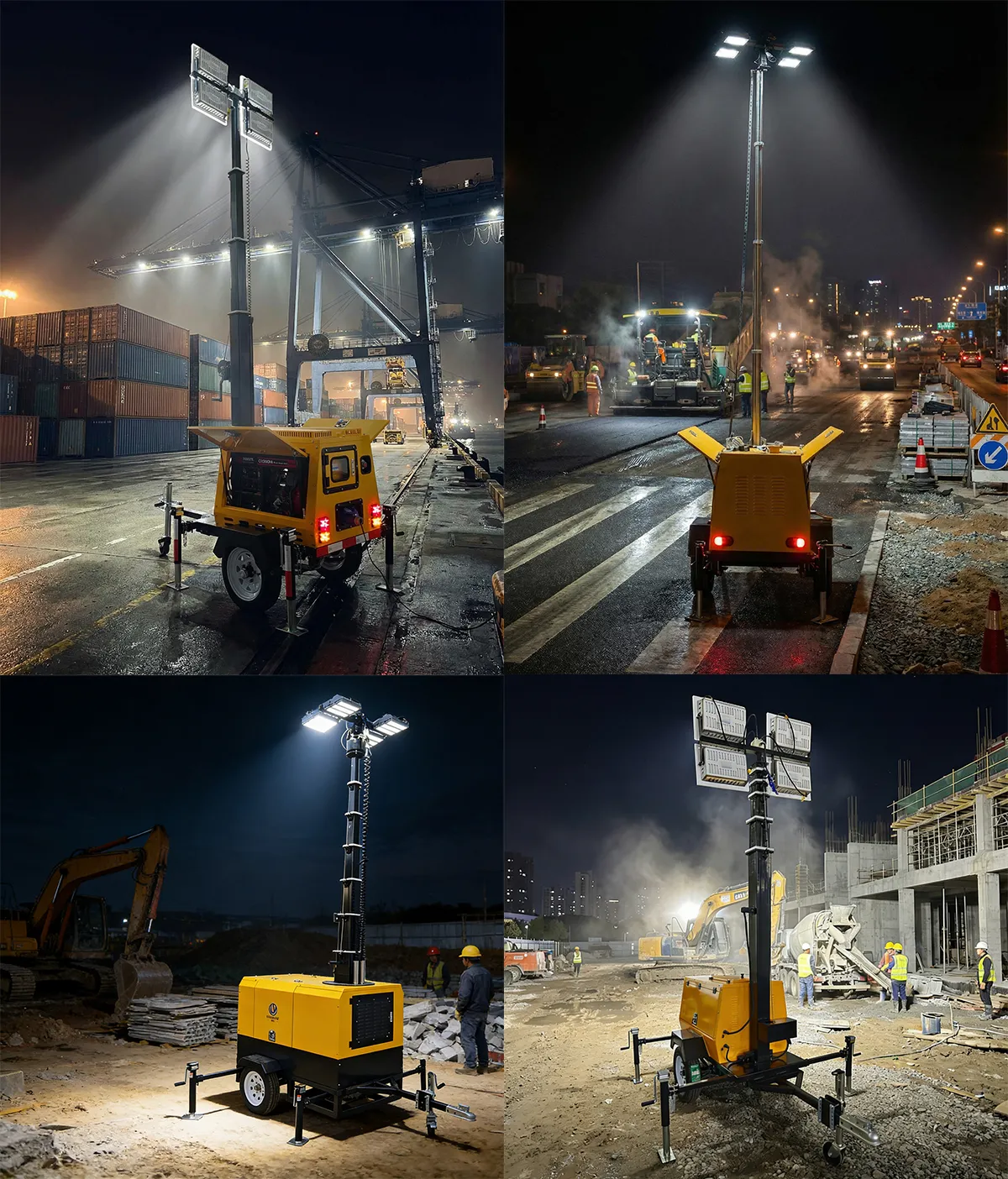
Part 1. What does the diesel vs gasoline decision actually cover?
It covers the engine fuel of an engine-driven mobile light tower: how the unit is fueled, stored, started, and serviced across the project. It does not decide between engine power and solar power—that comparison already lives in the solar vs diesel light tower comparison.
Buyers who already know they want diesel can go deeper with the portable diesel light tower guide. This article stays on the fork between the two combustion fuels.
Part 2. Which duty patterns favor each fuel?
تطبق على إرشادات اختيار شركة أطلس كوبكو starts from the application, and fuel choice follows the same logic. Write the duty pattern down before reading any brochure.
| Duty input | Leans diesel | Leans gasoline |
|---|---|---|
| Shift length | Long nightly runs, multi-week projects | Short attended tasks |
| Attendance | Unattended overnight duty | Operator stays with the unit |
| Load size | Larger fixture and accessory loads | Small single-task loads |
| Site fuel supply | Diesel already delivered for other plant | Only gasoline available locally |
| Fleet mix | Diesel machines dominate the site | Mixed light-duty equipment |
Most trailer-class lighting units in heavy site fleets are diesel because the surrounding machines already run on it. Gasoline shows up in smaller portable classes where duty stays short and attended.
Part 3. How do runtime and refueling logistics compare?
Runtime always depends on the load and the tank of the specific unit, so treat every published figure as conditional. Industry articles such as نظرة عامة على المولد بواسطة جيه سي ديفيس keep runtime tied to load for exactly this reason.
| Logistics question | ما يجب تسجيله | لماذا يُعد ذلك مهمًا |
|---|---|---|
| Refueling interval target | Hours between planned refuels | Sets tank and fuel-delivery needs |
| Fuel delivery path | Bulk delivery vs cans | cURL Too many subrequests by single Worker invocation. To configure this limit, refer to https://developers.cloudflare.com/workers/wrangler/configuration/#limits |
| cURL Too many subrequests by single Worker invocation. To configure this limit, refer to https://developers.cloudflare.com/workers/wrangler/configuration/#limits | cURL Too many subrequests by single Worker invocation. To configure this limit, refer to https://developers.cloudflare.com/workers/wrangler/configuration/#limits | cURL Too many subrequests by single Worker invocation. To configure this limit, refer to https://developers.cloudflare.com/workers/wrangler/configuration/#limits |
| cURL Too many subrequests by single Worker invocation. To configure this limit, refer to https://developers.cloudflare.com/workers/wrangler/configuration/#limits | cURL Too many subrequests by single Worker invocation. To configure this limit, refer to https://developers.cloudflare.com/workers/wrangler/configuration/#limits | cURL Too many subrequests by single Worker invocation. To configure this limit, refer to https://developers.cloudflare.com/workers/wrangler/configuration/#limits |
| cURL Too many subrequests by single Worker invocation. To configure this limit, refer to https://developers.cloudflare.com/workers/wrangler/configuration/#limits | cURL Too many subrequests by single Worker invocation. To configure this limit, refer to https://developers.cloudflare.com/workers/wrangler/configuration/#limits | Both fuels need a written procedure |
نصيحة: Ask the supplier for the documented tank capacity and the load basis behind any runtime line before comparing units. Source: JC Davis generator overview.
Part 4. How do climate and cold starts change the choice?
Cold sites raise start-and-run questions for both fuels: diesel can gel in severe cold without the right blend or heater options, while gasoline engines face their own cold-start and storage-life issues. Neither fuel wins by default; the offered engine’s cold-weather documents decide.
Record the site’s coldest expected conditions and ask the supplier which cold-start provisions the offered configuration carries. High heat and altitude also derate engine output, so note both extremes in the duty record.
Part 5. Which storage and safety questions apply to each fuel?
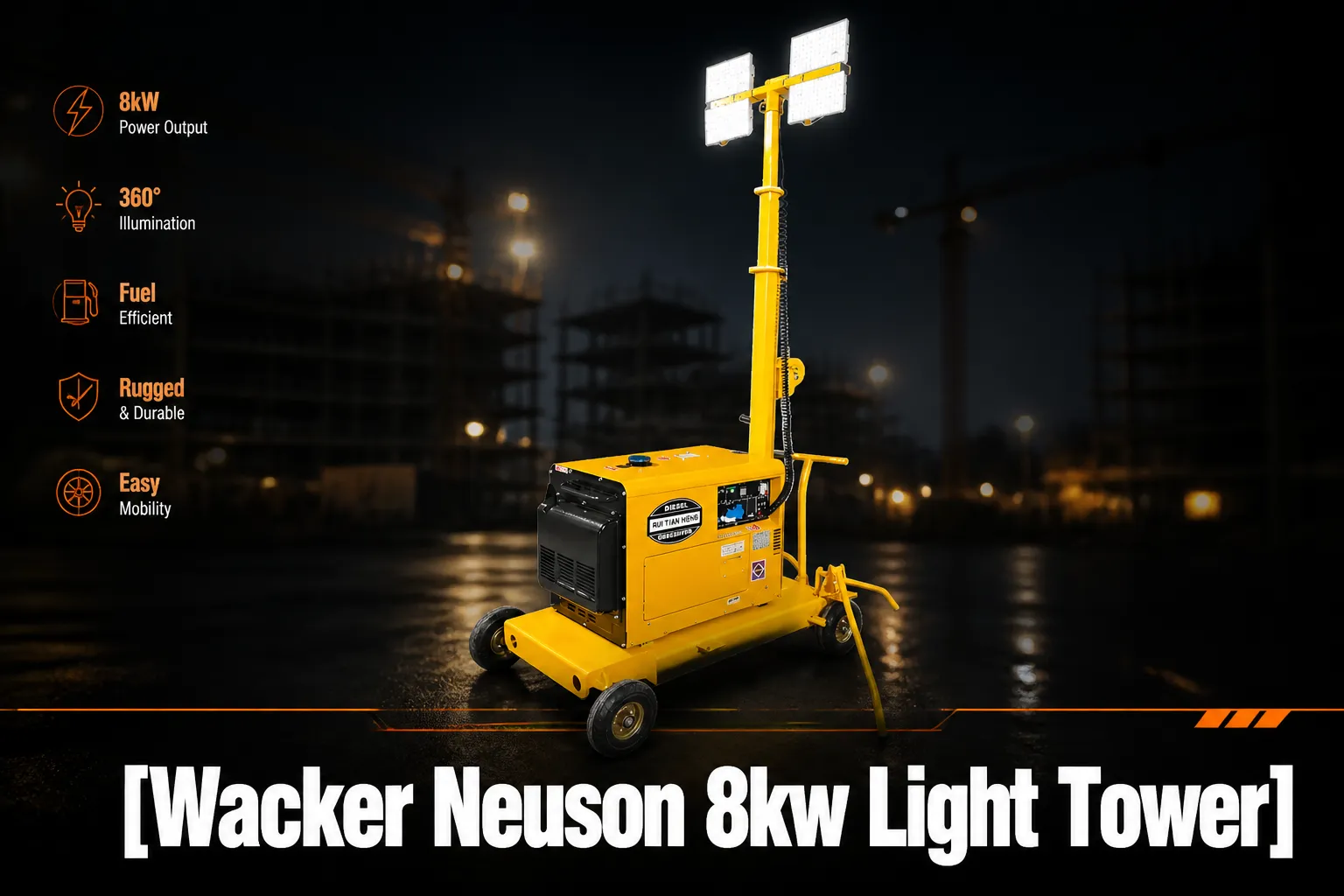
Gasoline is the more volatile fuel and usually draws tighter site storage handling; diesel simplifies some storage questions but still requires containment and clean-fuel practice. Flammable-liquid rule families such as OSHA 1926.152 show the kind of storage language inspectors use; the governing local rule defines the real requirement.
Emission rules also differ by engine family and market. Rule families exist for nonroad engines—see the EPA engine emission regulations overview—so ask for the emission documentation of the exact engine offered for your delivery market rather than assuming a tier.
Part 6. Which RFQ inputs settle an undecided fuel type?
Send the duty pattern, nightly load list, refueling access notes, climate extremes, storage constraints, and governing rule references, and ask each supplier to answer with engine documents for both fuel options where available.
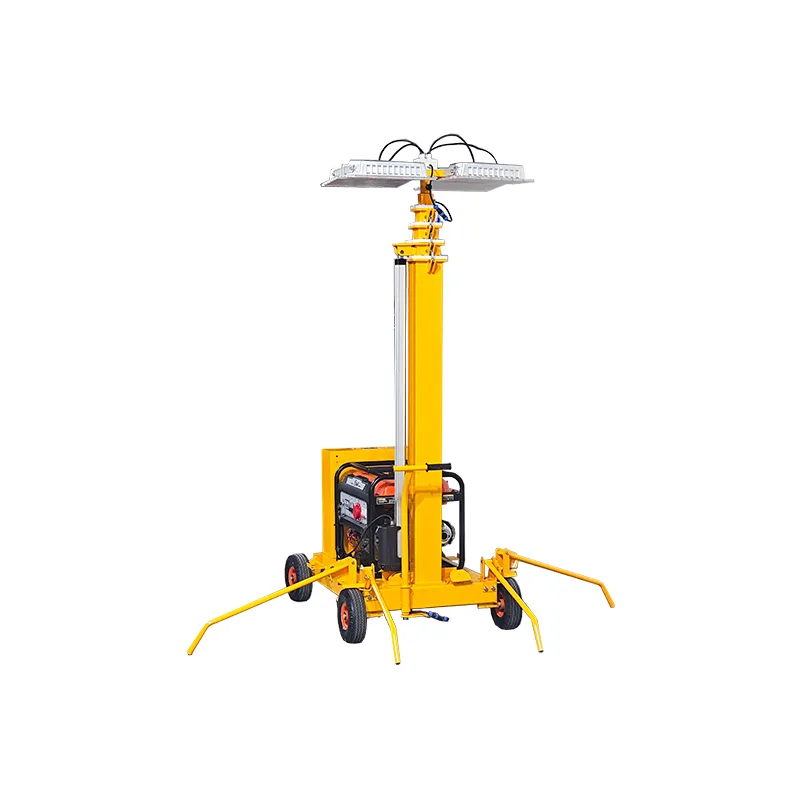
توصية المنتج: استخدم تكوين عمود هيدروليكي مقطورة مدرج as a document-review starting point when a trailer-class engine-driven unit is on the shortlist. The page names a configuration; it does not state fuel burn, runtime, or emission status. Related options sit under the مجموعة أبراج الإضاءة المتنقلة على شكل مقطورة.
الحد الأنسب
This comparison is suitable for narrowing the fuel decision and writing an RFQ. It is not suitable as an emissions ruling, a runtime promise, or a Keyyou performance commitment. For a configuration discussion, send the duty pattern and site notes.
Part 7. When is the fuel comparison not the real question?
Stop the diesel-gasoline debate when the duty record shows very light loads and reliable sun—then the solar comparison belongs first. Also stop when the generator package itself is unsized: fuel choice cannot fix an undersized engine, and the sizing inputs belong in the دليل شراء أبراج الإنارة المزودة بمولدات ديزل workflow before any fuel is locked.
الأسئلة الشائعة
أي نمط عمل يفضل برج الإضاءة الذي يعمل بالديزل على وحدة تعمل بالبنزين؟
تميل الكفة نحو الديزل في حالات التشغيل الطويلة دون مراقبة، والأحمال الليلية الأكبر، والمواقع التي يتم فيها بالفعل توريد الديزل لمعدات المصنع الأخرى.
تختلف لوجستيات الوقود بين الديزل والبنزين في أي موقع من حيث التخزين، ومعايير السلامة، واللوائح التنظيمية، وأنواع المعدات التي تستخدمها. إليك تفصيل هذه الاختلافات: 1. **متطلبات التخزين (Storage Requirements):** * **الديزل:** يُعتبر أقل تطايراً واشتعالاً مقارنة بالبنزين، مما يسهل تخزينه في صهاريج فوق سطح الأرض غالباً. كما أنه أقل عرضة للتبخر السريع في درجات الحرارة المرتفعة. * **البنزين:** شديد الاشتعال والتطاير، وله نقطة وميض (Flash point) منخفضة جداً. يتطلب خزانات مغلقة بإحكام مزودة بأنظمة استرجاع الأبخرة ومنع تراكم الغازات القابلة للاشتعال، وغالباً ما تكون خزاناته مدفونة تحت الأرض أو معزولة بشكل خاص لتجنب انفجارها بفعل الحرارة. 2. **السلامة ومكافحة الحريق (Safety & Fire Prevention):** * **الديزل:** يتطلب تدابير سلامة قياسية ضد الحرائق، ولكن خطر الاشتعال التلقائي أو بسبب شرارة بسيطة أقل مقارنة بالبنزين. * **البنزين:** يتطلب أقصى درجات الحذر؛ فبخاره أثقل من الهواء ويمكن أن ينتشر لمسافات ويشتعل من مصدر شرارة بعيد. تمنع تماماً مصادر اللهب المكشوف، ويُشترط استخدام معدات وأدوات مضادة للشرار (Non-sparking tools) وأنظمة إخماد حريق متطورة. 3. **المناولة والضخ (Handling & Pumping):** * **الديزل:** يمكن ضخه باستخدام مضخات أبسط نسبياً، وهو أقل تسبباً في تراكم الشحنات الكهربائية الساكنة أثناء التدفق. * **البنزين:** يتطلب مضخات وأنظمة أنابيب مصممة خصيصاً لمنع تولد الشحنات الكهروستاتيكية (التي قد تسبب شرارة واشتعالاً)، وغالباً ما تشمل أنظمة التأريض (Earthing/Grounding) الإجبارية أثناء التفريغ والتعبئة. 4. **اللوائح والاشتراطات البيئية والقانونية (Regulations):** * **الديزل:** تخضع تنقلاته وتخزينه لبيئة العمل (مثل مواقع البناء أو التعدين) لتشققات أقل صرامة نسبياً من البنزين، مع ضرورة وجود أحواض احتواء (Bundwalls) لمنع التسربات الأرضية وتلوث المياه الجوفية. * **البنزين:** يخضع لتشخيص وترخيص بيئي وقانوني صارم للغاية بسبب انبعاثات المركبات العضوية المتطايرة (VOCs) وخطورته العالية على الصحة والسلامة العامة. 5. **الاستخدام المستهلك في الموقع (Site Consumption):** * **الديزل:** يُستخدم عادة لتشغيل المعدات الثقيلة، المولدات الكبيرة، والآليات الإنشائية، وغالباً ما تُخصص له صهاريج متنقلة (Skid tanks) لتزويد المعدات في أماكن عملها بالموقع (Refueling on-site). * **البنزين:** يُستخدم للمركبات الخفيفة، ومعدات الصيانة الصغيرة، وغالباً ما يُحفظ بكميات أقل وفي مناطق محددة ومراقبة بدقة بعيداً عن مناطق الآليات الثقيلة.
عادة ما يصل وقود الديزل عبر تسليم بالجملة مشرك مع آلات أخرى؛ أما البنزين فيتحرك غالباً في عبوات، مما يزيد من جهد المناولة ومسائل التخزين.
هل يؤثر الطقس البارد على قرار اختيار الديزل أو البنزين؟
البرد يؤثر على الاثنين: يمكن لخلائط الديزل أن تتجمد ولحركات البنزين حدودها الخاصة في التشغيل البارد. وثائق الطقس البارد للمحرك المعروض هي التي تحكم، وليس اسم الوقود.
Are gasoline light towers cheaper to run than diesel?
ليس بالضرورة. تعتمد تكلفة التشغيل على مستوى الحمل، وأسعار الوقود المحلية، وعدد ساعات التشغيل، ونوع المحرك المستخدم. لذا، قارن الأرقام الموثقة بدلاً من الاعتماد على الصور النمطية المتعلقة بأنواع الوقود.
ما هي أسئلة السلامة والتخزين التي تنطبق على كل وقود؟
يتطلب البنزين عادةً إجراءات أكثر صرامة في التعامل مع تخزين الوقود المتطاير، بينما يحتاج الديزل أيضًا إلى الاحتواء واتباع ممارسات الحفاظ على نظافة الوقود. وتحدد اللوائح المحلية المعمول بها المتطلبات.
ما الفرق بين هذه المقارنة ومقارنة الطاقة الشمسية بالديزل؟
مقارنة الطاقة الشمسية بالديزل تقارن مصادر الطاقة. يقتصر هذا المقال على مقارنة الوقودين القابلين للاشتعال داخل الوحدات التي تعمل بالمحرك فقط.
What belongs in an RFQ when the fuel type is undecided?
Duty pattern, load list, refueling access, climate extremes, storage constraints, rule references, and a request for engine documents covering both options.


