
Diesel or Gasoline for a Mobile Light Tower: Which Fits Your Site?
Choose diesel when long unattended duty, larger nightly loads, and on-site diesel logistics dominate; consider gasoline only for short, light, attended duty where gasoline supply and storage rules are manageable—then confirm everything against the offered engine’s documents. The fuel decision is a duty-pattern decision first and a catalog decision last.
Part 1. What does the diesel vs gasoline decision actually cover?
It covers the engine fuel of an engine-driven mobile light tower: how the unit is fueled, stored, started, and serviced across the project. It does not decide between engine power and solar power—that comparison already lives in the solar vs diesel light tower comparison.
Buyers who already know they want diesel can go deeper with the portable diesel light tower guide. This article stays on the fork between the two combustion fuels.
Part 2. Which duty patterns favor each fuel?
Atlas Copco’s selection guidance starts from the application, and fuel choice follows the same logic. Write the duty pattern down before reading any brochure.
| Duty input | Leans diesel | Leans gasoline |
|---|---|---|
| Shift length | Long nightly runs, multi-week projects | Short attended tasks |
| Attendance | Unattended overnight duty | Operator stays with the unit |
| Load size | Larger fixture and accessory loads | Small single-task loads |
| Site fuel supply | Diesel already delivered for other plant | Only gasoline available locally |
| Fleet mix | Diesel machines dominate the site | Mixed light-duty equipment |
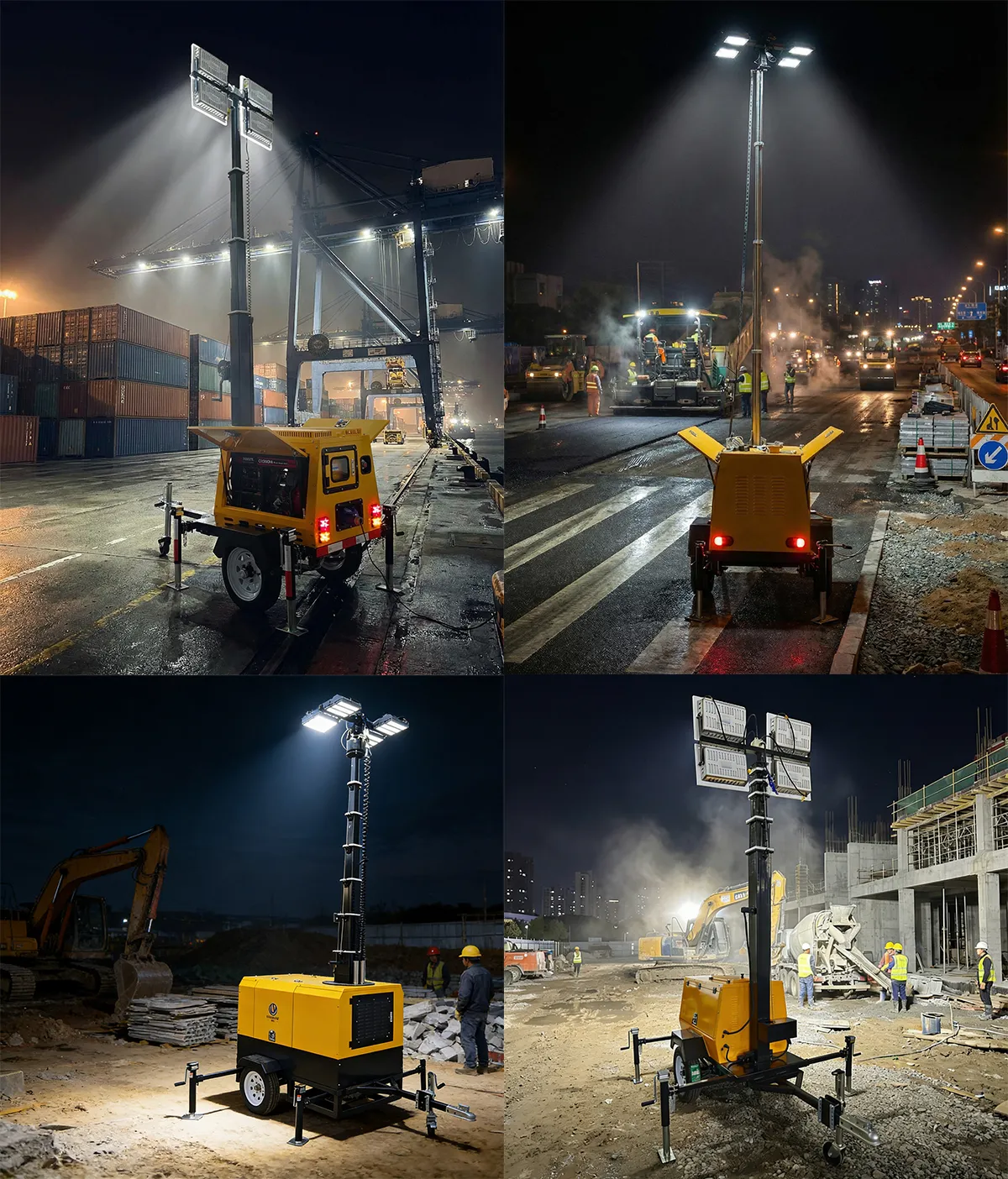
Most trailer-class lighting units in heavy site fleets are diesel because the surrounding machines already run on it. Gasoline shows up in smaller portable classes where duty stays short and attended.
Part 3. How do runtime and refueling logistics compare?
Runtime always depends on the load and the tank of the specific unit, so treat every published figure as conditional. Industry articles such as JC Davis’s generator overview keep runtime tied to load for exactly this reason.
| Logistics question | What to record | Why it matters |
|---|---|---|
| Refueling interval target | Hours between planned refuels | Sets tank and fuel-delivery needs |
| Fuel delivery path | Bulk delivery vs cans | Gasoline in cans raises handling effort |
| Overnight unattended runs | Yes / no | Unattended duty punishes small tanks |
| Fuel already on site | Diesel plant fleet vs none | Shared supply simplifies one fuel |
| Spill and refuel controls | Site procedure reference | Both fuels need a written procedure |
Tip: Ask the supplier for the documented tank capacity and the load basis behind any runtime line before comparing units. Source: JC Davis generator overview.
Part 4. How do climate and cold starts change the choice?
Cold sites raise start-and-run questions for both fuels: diesel can gel in severe cold without the right blend or heater options, while gasoline engines face their own cold-start and storage-life issues. Neither fuel wins by default; the offered engine’s cold-weather documents decide.
Record the site’s coldest expected conditions and ask the supplier which cold-start provisions the offered configuration carries. High heat and altitude also derate engine output, so note both extremes in the duty record.
Part 5. Which storage and safety questions apply to each fuel?
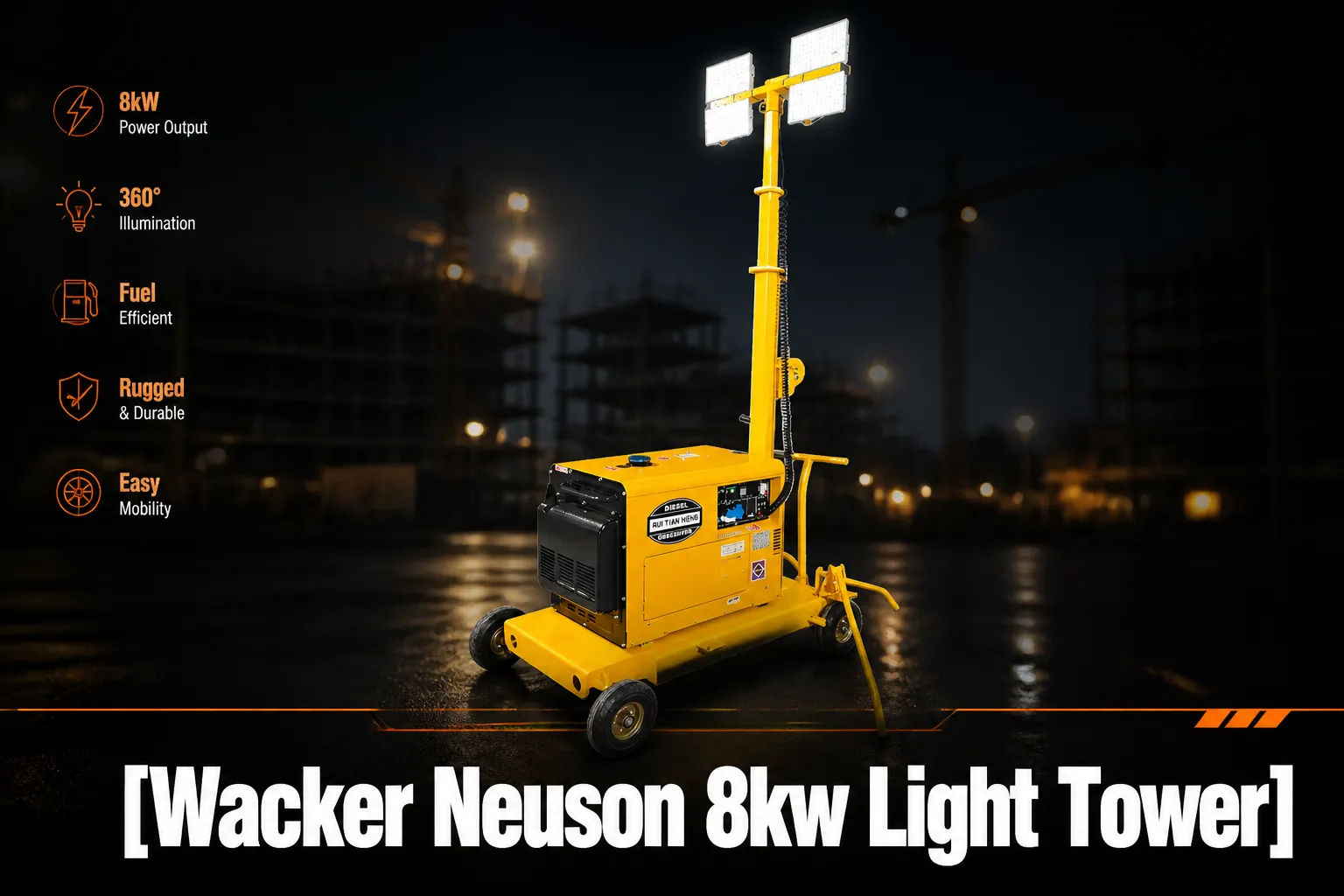
Gasoline is the more volatile fuel and usually draws tighter site storage handling; diesel simplifies some storage questions but still requires containment and clean-fuel practice. Flammable-liquid rule families such as OSHA 1926.152 show the kind of storage language inspectors use; the governing local rule defines the real requirement.
Emission rules also differ by engine family and market. Rule families exist for nonroad engines—see the EPA engine emission regulations overview—so ask for the emission documentation of the exact engine offered for your delivery market rather than assuming a tier.
Part 6. Which RFQ inputs settle an undecided fuel type?
Send the duty pattern, nightly load list, refueling access notes, climate extremes, storage constraints, and governing rule references, and ask each supplier to answer with engine documents for both fuel options where available.
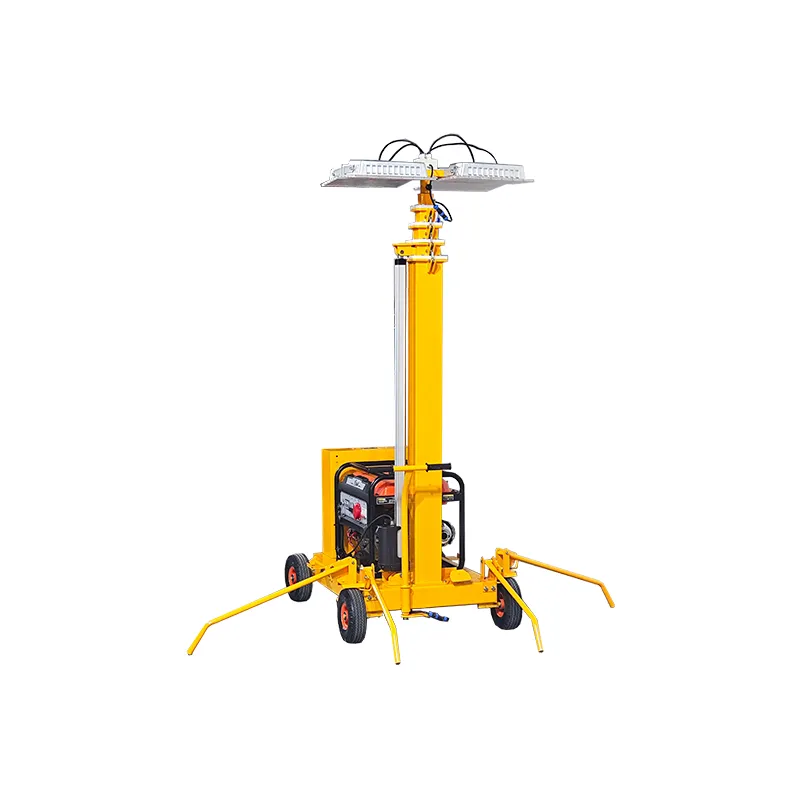
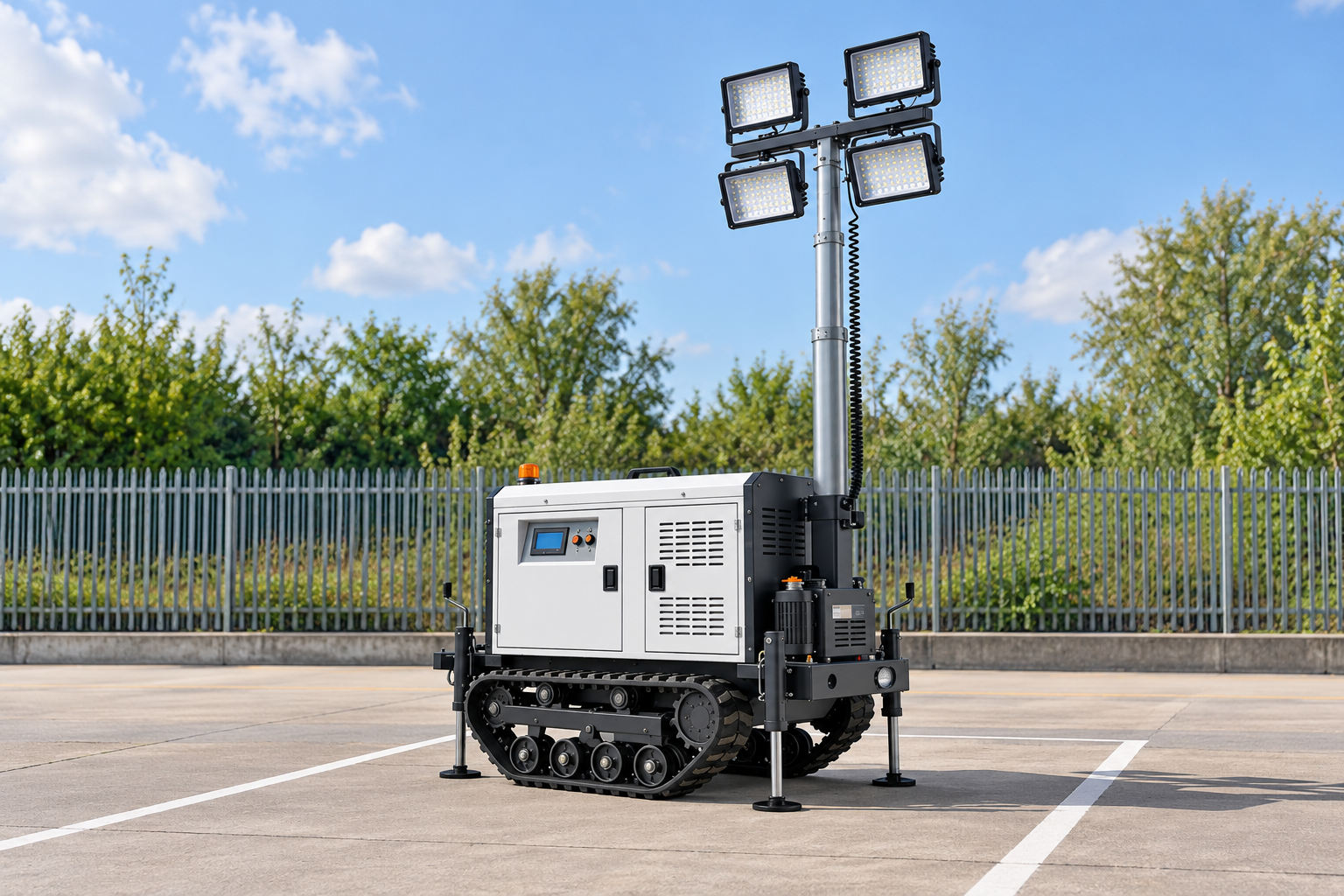
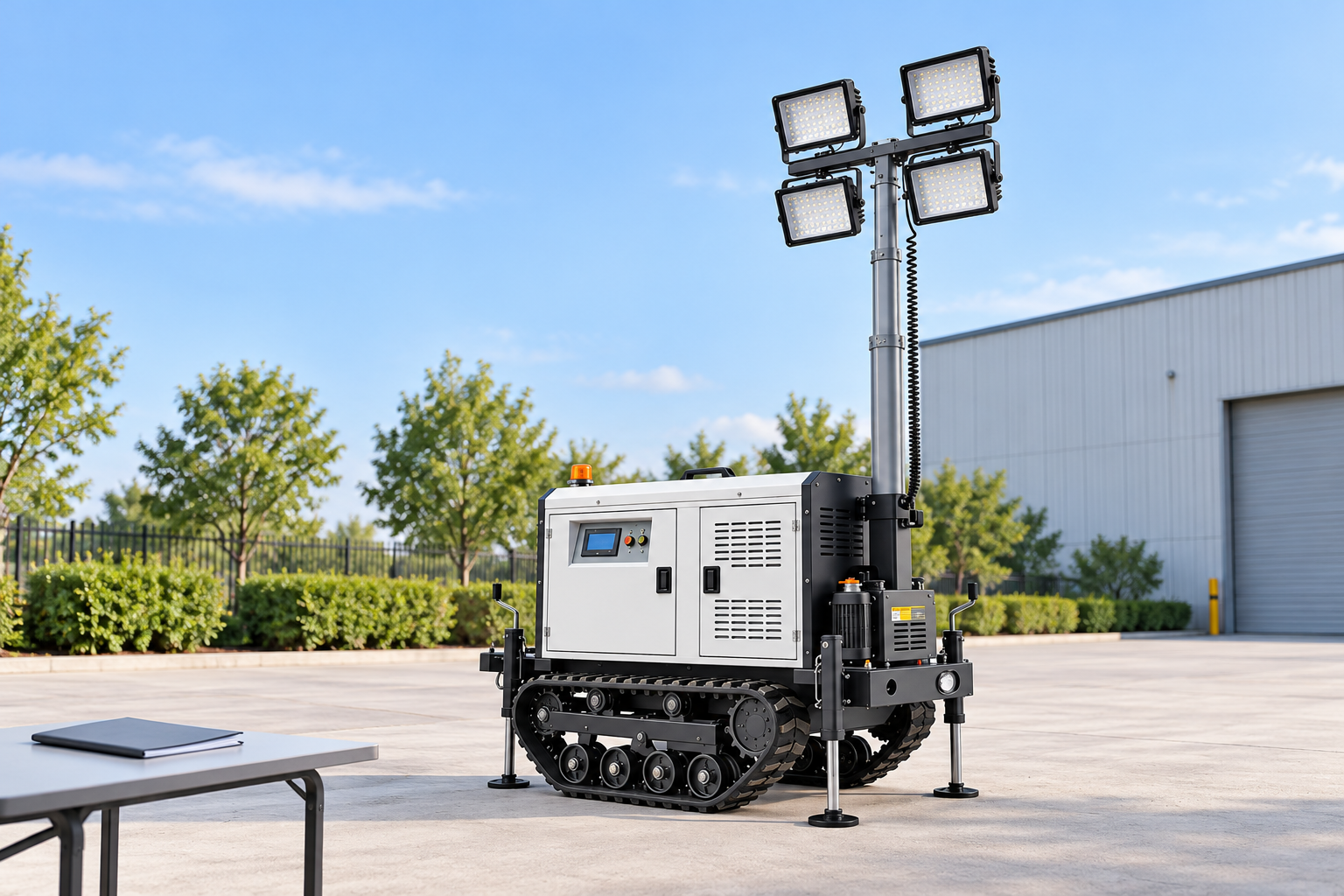
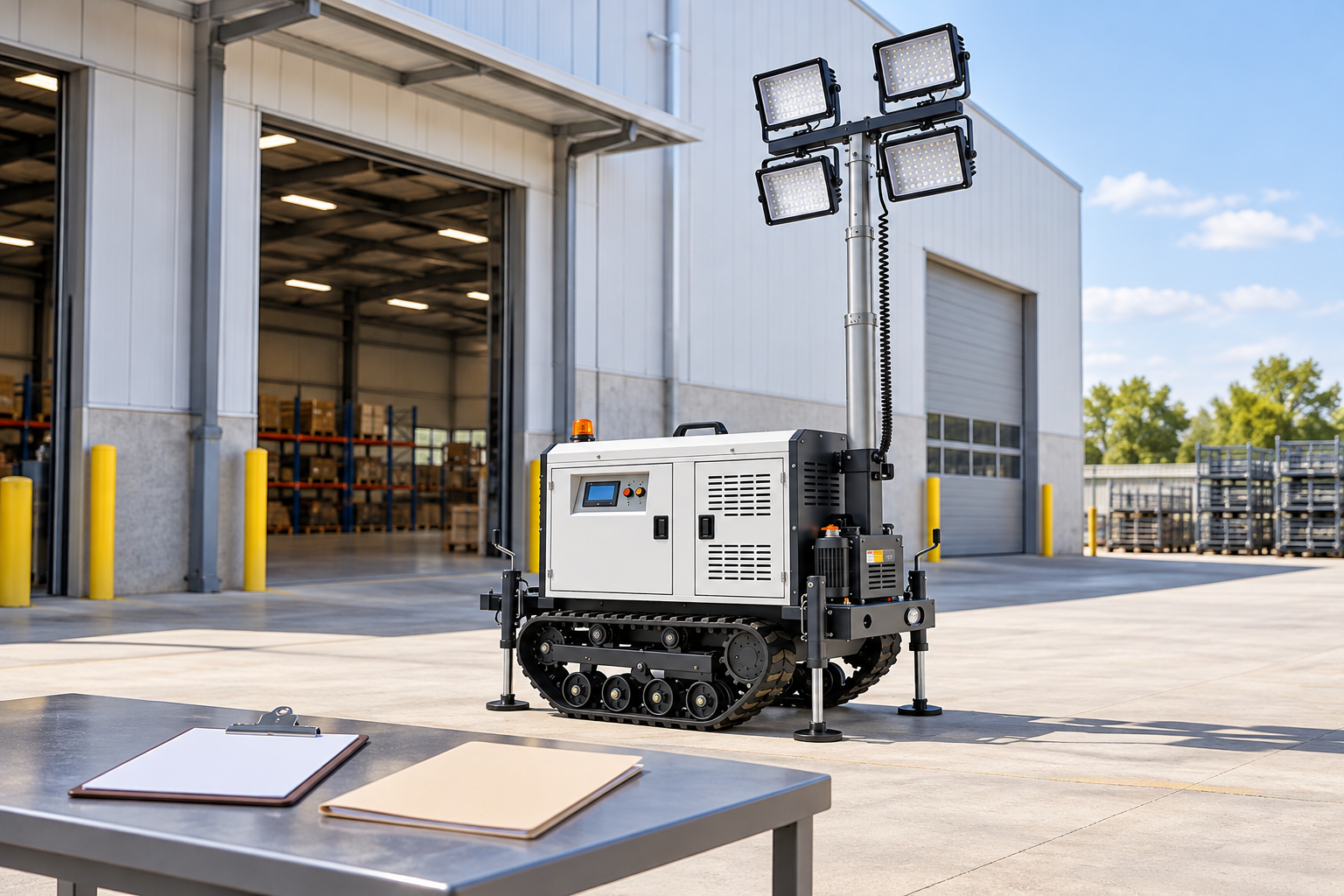
Product recommendation: use the listed trailer hydraulic-pole configuration as a document-review starting point when a trailer-class engine-driven unit is on the shortlist. The page names a configuration; it does not state fuel burn, runtime, or emission status. Related options sit under the trailer-style mobile light tower range.
Fit Boundary
This comparison is suitable for narrowing the fuel decision and writing an RFQ. It is not suitable as an emissions ruling, a runtime promise, or a Keyyou performance commitment. For a configuration discussion, send the duty pattern and site notes.
Part 7. When is the fuel comparison not the real question?
Stop the diesel-gasoline debate when the duty record shows very light loads and reliable sun—then the solar comparison belongs first. Also stop when the generator package itself is unsized: fuel choice cannot fix an undersized engine, and the sizing inputs belong in the diesel generator light tower buying guide workflow before any fuel is locked.
FAQs
Which duty pattern favors a diesel light tower over a gasoline unit?
Long unattended runs, larger nightly loads, and sites where diesel is already delivered for other plant all lean diesel.
How do fuel logistics differ between diesel and gasoline on a site?
Diesel commonly arrives by bulk delivery shared with other machines; gasoline more often moves in cans, which raises handling effort and storage questions.
Does cold weather change the diesel or gasoline decision?
Cold affects both: diesel blends can gel and gasoline engines have their own cold-start limits. The offered engine’s cold-weather documents decide, not the fuel name.
Are gasoline light towers cheaper to run than diesel?
Not by default. Running cost depends on load, local fuel prices, duty hours, and the specific engine—compare documented figures, not fuel stereotypes.
What safety and storage questions apply to each fuel?
Gasoline usually draws tighter volatile-fuel storage handling; diesel still needs containment and clean-fuel practice. The governing local rule defines requirements.
How is this different from the solar vs diesel comparison?
Solar vs diesel compares power sources. This article compares the two combustion fuels within engine-driven units only.
What belongs in an RFQ when the fuel type is undecided?
Duty pattern, load list, refueling access, climate extremes, storage constraints, rule references, and a request for engine documents covering both options.