
Solar Light Tower vs Diesel Light Tower: Which Is Better?
Choosing between a solar light tower and a diesel light tower is no longer a simple question of “which one is brighter?” For contractors, rental companies, event organizers, mining operators, road crews, and emergency response teams, the better choice depends on runtime, site conditions, fuel access, noise restrictions, maintenance expectations, total cost of ownership, and environmental requirements.
A solar LED light tower can dramatically reduce fuel costs, noise, and emissions, making it a strong option for projects that need clean, quiet, low-maintenance lighting. A diesel light tower, on the other hand, remains a dependable choice for high-output lighting in remote locations, harsh weather, and long overnight operations where solar charging may be limited.
This guide compares solar and diesel light towers from a buyer’s perspective, helping you decide which solution fits your jobsite, budget, and long-term operational needs.

What Is a Solar Light Tower?
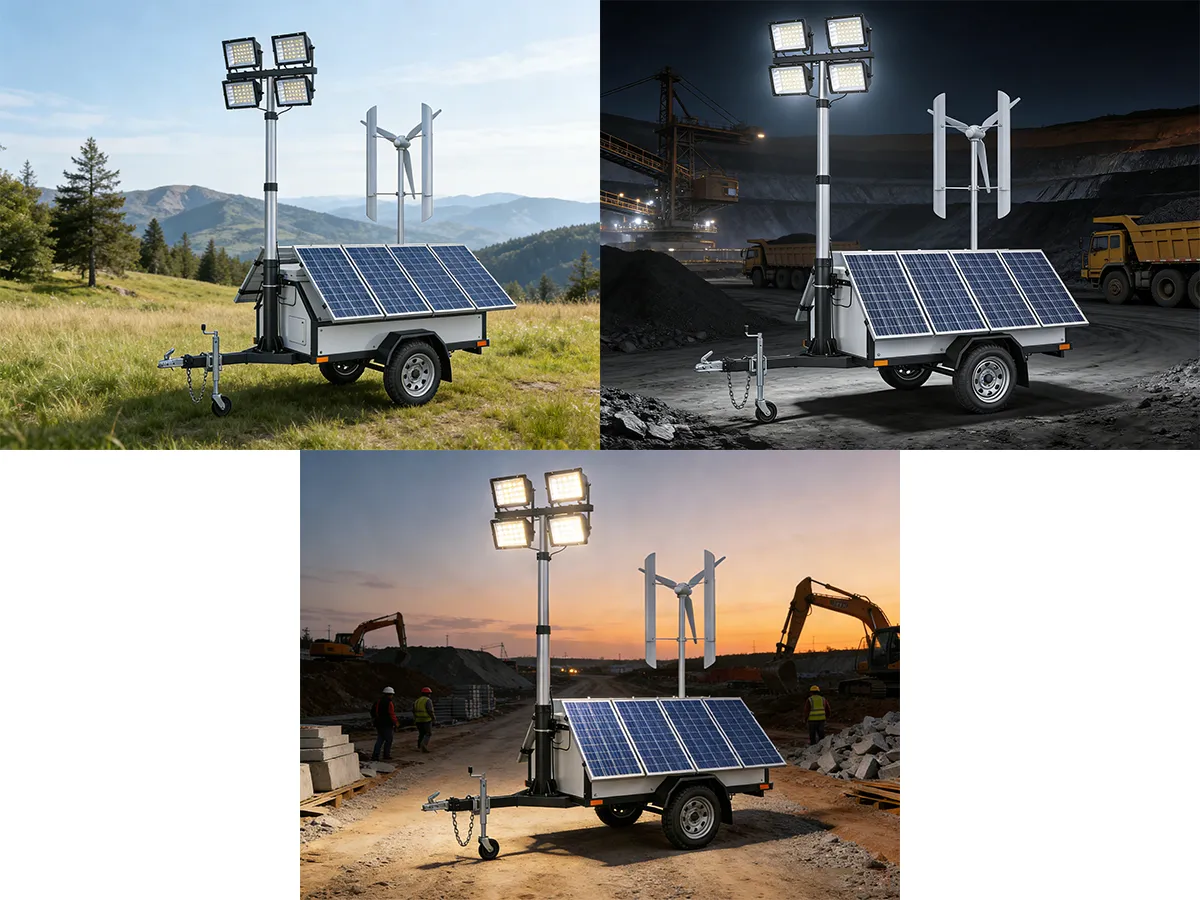
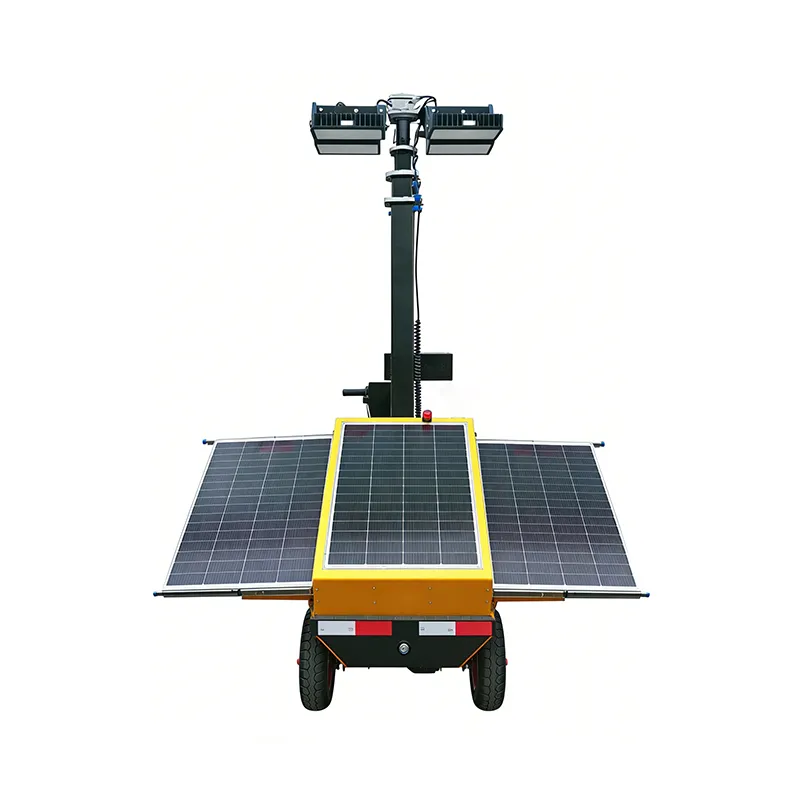
A solar light tower is a mobile lighting system powered by solar panels, batteries, and high-efficiency LED lamps. During the day, the solar panels collect sunlight and charge the battery bank. At night, the stored energy powers the LED lights. Many modern units include smart controllers, automatic dusk-to-dawn operation, adjustable mast systems, and backup charging options.
Common variations include the solar powered light tower, mobile solar light tower, hybrid solar light tower, and trailer-mounted solar LED tower. These systems are widely used for construction sites, road work, parking lots, outdoor events, security lighting, remote facilities, and temporary work zones where quiet operation is important.
What Is a Diesel Light Tower?
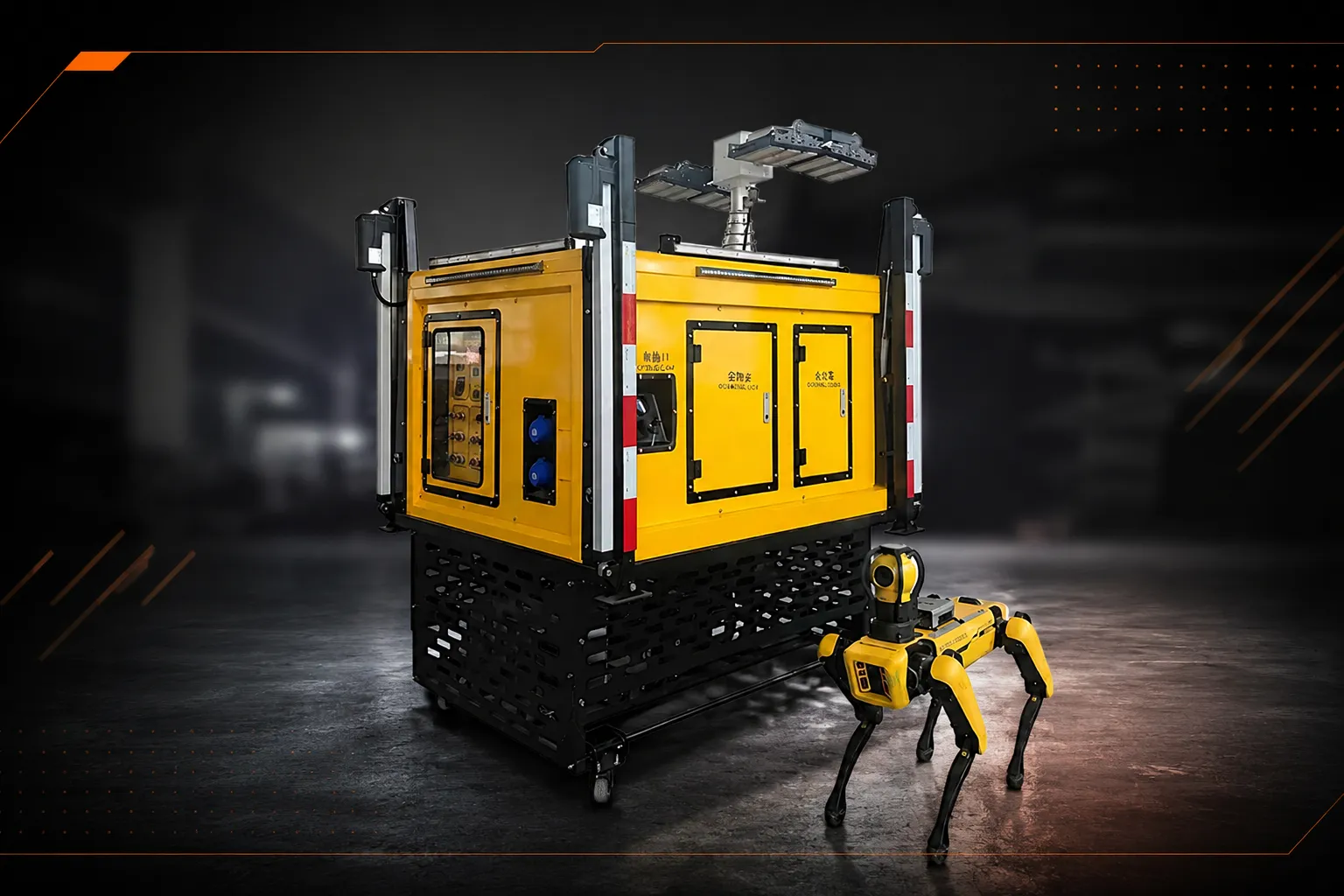
A Diesel Light Tower uses a diesel engine generator to power high-intensity lights, usually LED or metal halide lamps. The engine supplies continuous electricity as long as fuel is available, making it a practical solution for heavy-duty and long-duration lighting applications.
Buyers often search for a diesel light tower for sale when they need reliable lighting for construction, mining, oil and gas, emergency response, infrastructure maintenance, and industrial projects. A portable diesel light tower is especially useful where grid power is unavailable and lighting must run for many hours at a time.
Solar Light Tower vs Diesel Light Tower: Quick Comparison
The biggest difference between the two systems is the power source. A solar light tower uses sunlight and battery storage, while a light tower diesel system burns fuel to generate power. That difference affects almost everything: operating cost, maintenance, noise, emissions, runtime, and suitability for different environments.
| Comparison Factor | Solar Light Tower | Diesel Light Tower |
|---|---|---|
| Power Source | Solar panels and batteries | Diesel engine generator |
| Fuel Cost | Very low or zero during normal use | Ongoing diesel fuel cost |
| Noise Level | Very quiet operation | Engine noise during operation |
| Emissions | No direct emissions | Produces exhaust emissions |
| Maintenance | Lower maintenance | Requires engine servicing |
| Runtime | Depends on battery capacity and sunlight | Depends on fuel tank size and refueling |
| Best For | Noise-sensitive, eco-friendly, long-term cost-saving projects | Heavy-duty, high-output, remote, or demanding worksites |
Which One Has Lower Operating Costs?
In most long-term applications, the solar light tower has the advantage in operating cost. Since it uses renewable solar energy, there is little to no daily fuel expense. For companies running multiple towers across several jobsites, fuel savings can become significant over months or years.
Diesel light towers typically have a lower or competitive initial purchase price depending on specifications, but they require ongoing fuel, oil, filters, engine maintenance, and occasional repairs. Fuel transportation and storage can also add hidden costs, especially on remote sites.
If your project lasts only a few days and you need maximum lighting immediately, a portable diesel light tower may be cost-effective and convenient. If your project runs for weeks, months, or repeated deployments, a solar powered light tower may offer a better return on investment.
Brightness and Lighting Performance
Both solar and diesel models can deliver strong illumination when equipped with modern LED fixtures. LED technology has changed the market because it provides high lumen output with lower power consumption. This is why solar towers can now compete with traditional diesel lighting in many applications.
However, diesel units still have an advantage when extremely high output is required for all-night operation regardless of weather. For large-scale mining areas, major infrastructure projects, or emergency work in poor weather conditions, a Diesel Light Tower can provide consistent performance as long as fuel is available.
Solar light towers perform best when the system is properly sized. Buyers should consider LED wattage, lumen output, battery capacity, solar panel size, mast height, lighting coverage, and average sunlight hours at the jobsite. A well-designed solar LED light tower can provide reliable lighting for construction, security, and public works without the noise and fuel consumption of diesel systems.
Runtime: Which Light Tower Lasts Longer?
Runtime depends on system design and operating conditions. A diesel light tower can run continuously if it has fuel and regular maintenance. Many models operate for 40 to 100 hours on a full tank, depending on engine efficiency, load, tank size, and lamp type.
A solar light tower’s runtime depends on battery capacity, energy consumption, weather, and charging time. Many commercial solar towers are designed to run through the night after a full day of charging. Some models can operate for multiple nights with sufficient battery storage, while hybrid models include backup charging from grid power or a small generator.
If your site has reliable sun exposure and moderate lighting needs, solar can be very dependable. If your project is located in a region with long periods of rain, snow, dust storms, or limited sunlight, diesel or hybrid lighting may be safer.
Noise and Environmental Impact
Noise is one of the biggest reasons buyers choose solar. A mobile solar light tower operates almost silently because there is no engine running. This makes it ideal for residential construction, night road work near communities, public events, schools, hospitals, film production, and any site with strict noise limits.
Diesel towers create engine noise and exhaust. Newer models are much quieter and more efficient than older units, but they still produce sound, fumes, and emissions. In areas where environmental standards are becoming stricter, solar lighting can help companies meet sustainability targets and reduce their carbon footprint.
For organizations bidding on government, municipal, or corporate projects, using solar lighting may also improve the project’s environmental profile. This can be an important advantage when clients prioritize low-emission equipment.
Maintenance Requirements
A solar light tower generally requires less maintenance because it has fewer moving parts. Typical maintenance includes cleaning solar panels, inspecting wiring, checking batteries, testing controllers, and maintaining tires, mast components, and trailer parts.
A diesel light tower needs more regular service because of the engine. Maintenance often includes oil changes, fuel filter replacement, air filter replacement, coolant checks, battery checks, belt inspections, and engine diagnostics. If maintenance is neglected, fuel efficiency drops and breakdown risk increases.
For rental fleets, reduced maintenance can be a major advantage of solar towers. For companies with experienced mechanics and existing diesel equipment, maintaining a diesel tower may be routine and manageable.
Portability and Jobsite Flexibility
Both solar and diesel light towers are available in mobile, trailer-mounted designs. A mobile solar light tower is easy to deploy for temporary lighting, security coverage, parking areas, and construction zones. Because it does not require daily refueling, it can be especially useful in locations where labor access is limited.
A portable diesel light tower is also highly flexible and can be moved from site to site quickly. It is often preferred for rugged applications where lighting needs are intense and continuous. Diesel towers are also less dependent on local weather, which makes them attractive for emergency response and disaster recovery.
When Should You Choose a Solar Light Tower?
A solar light tower is usually the better choice when your project values low operating costs, quiet performance, and reduced emissions. It is especially suitable for projects with predictable night lighting needs and decent sun exposure during the day.
- Urban construction sites with noise restrictions
- Road work near residential areas
- Outdoor events, parking lots, and public spaces
- Security lighting for remote facilities
- Long-term projects where fuel savings matter
- Companies with sustainability or carbon reduction goals
Solar is also attractive when fuel delivery is difficult, expensive, or risky. Eliminating daily refueling can reduce labor time and improve site safety.
When Should You Choose a Diesel Light Tower?
A diesel light tower is often the better option when you need high-output lighting, reliable all-night operation, or performance in unpredictable weather. It is also a practical choice for sites that already use diesel machinery and have established fuel logistics.
- Mining and quarry operations
- Oil and gas sites
- Large construction projects
- Emergency response and disaster recovery
- Remote jobsites with limited sunlight
- Applications requiring maximum brightness for long hours
If you are comparing options and looking for a diesel light tower for sale, pay close attention to fuel tank capacity, engine brand, LED efficiency, mast height, alternator quality, trailer durability, and after-sales support.
Hybrid Light Towers: A Practical Middle Ground
For some buyers, the best answer is not purely solar or purely diesel. Hybrid light towers combine solar panels, battery storage, and backup diesel or grid charging. This design reduces fuel consumption while maintaining reliability during cloudy weather or high-demand use.
A hybrid system can be a smart choice if your site wants lower emissions and fuel savings but cannot risk downtime. It is especially useful for long-term construction projects, remote security lighting, and regions with seasonal weather changes.
Key Factors to Consider Before Buying
Before choosing between a solar powered light tower and a diesel model, focus on your real site conditions rather than only the purchase price. The right equipment should match how and where you will use it.
Consider how many hours per night the lights must run, the brightness required, local sunlight availability, weather conditions, noise limits, refueling access, maintenance resources, transport requirements, and total cost over the equipment’s life. A lower upfront price may not be the lowest-cost choice if fuel and maintenance expenses are high.
It is also important to evaluate supplier experience. A reputable manufacturer or dealer should help you calculate lighting coverage, runtime, battery capacity, and recommended specifications based on your application. This kind of technical support can prevent underpowered systems and unnecessary costs.
Total Cost of Ownership: The Buyer’s Perspective
Total cost of ownership includes purchase price, fuel, maintenance, labor, downtime, transport, parts, and resale value. Solar towers often cost more upfront but can save money over time by reducing fuel and maintenance. Diesel towers may be easier to justify for short-term, high-demand, or weather-independent use.
For rental companies, diesel towers may have broader familiarity among traditional customers, while solar units can attract clients looking for green, quiet, low-maintenance equipment. Carrying both options may help serve a wider market.
For end users, the decision should be tied to project length. Short projects with demanding lighting needs may favor diesel. Long projects with regular nightly lighting and good sunlight may favor solar. Sites with mixed conditions may benefit from hybrid systems.
FAQ
What are the advantages of a solar tower?
The main advantages of a solar tower are low operating cost, quiet operation, no direct emissions, reduced maintenance, and independence from daily fuel supply. A solar tower is especially useful for noise-sensitive areas, environmentally conscious projects, long-term jobsites, and locations where fuel delivery is difficult or expensive.
How long do diesel light towers last?
A well-maintained diesel light tower can last many years. The engine life depends on brand, load, service quality, operating environment, and maintenance schedule. Many diesel engines can operate for thousands of hours when oil, filters, coolant, fuel systems, and electrical components are properly maintained. The tower structure, mast, trailer, and lights can also last a long time with regular inspection and care.
Are solar light towers bright enough for construction sites?
Yes, many modern solar light towers with LED fixtures are bright enough for construction lighting, road work, parking areas, and security applications. The key is choosing the correct lumen output, mast height, battery capacity, and solar panel size for the required coverage area and runtime.
Can a solar light tower work on cloudy days?
Solar light towers can still charge on cloudy days, but charging efficiency is reduced. High-quality systems use battery storage to support operation during periods of limited sunlight. For regions with frequent bad weather, a larger battery bank, additional panels, or a hybrid backup system may be recommended.
Is a diesel light tower better for remote sites?
A diesel light tower can be better for remote sites that require strong, continuous lighting regardless of weather, especially if fuel supply is available. However, solar towers may be better for remote locations where refueling is expensive or difficult, provided there is enough sunlight and the system is correctly sized.
In summary, there is no single winner for every jobsite. A solar light tower is better for quiet, low-emission, cost-saving applications with good sunlight and predictable runtime needs, while a diesel light tower is better for demanding, high-output, all-weather operations. The best choice is the one that matches your lighting requirements, work environment, budget, and long-term operating strategy.