
What Should Buyers Specify in a Lighting and Charging Shelter?
Specify a lighting and charging shelter by naming the lighting duty, the charging load categories and user groups, the standby behavior between events, and the energy replenishment path as questions—then demand supplier documents for capacity, outputs, and limits instead of writing numbers yourself. Combined-duty assets fail exactly where their specification stayed vague.
Part 1. What does a lighting-charging shelter add over lighting alone?
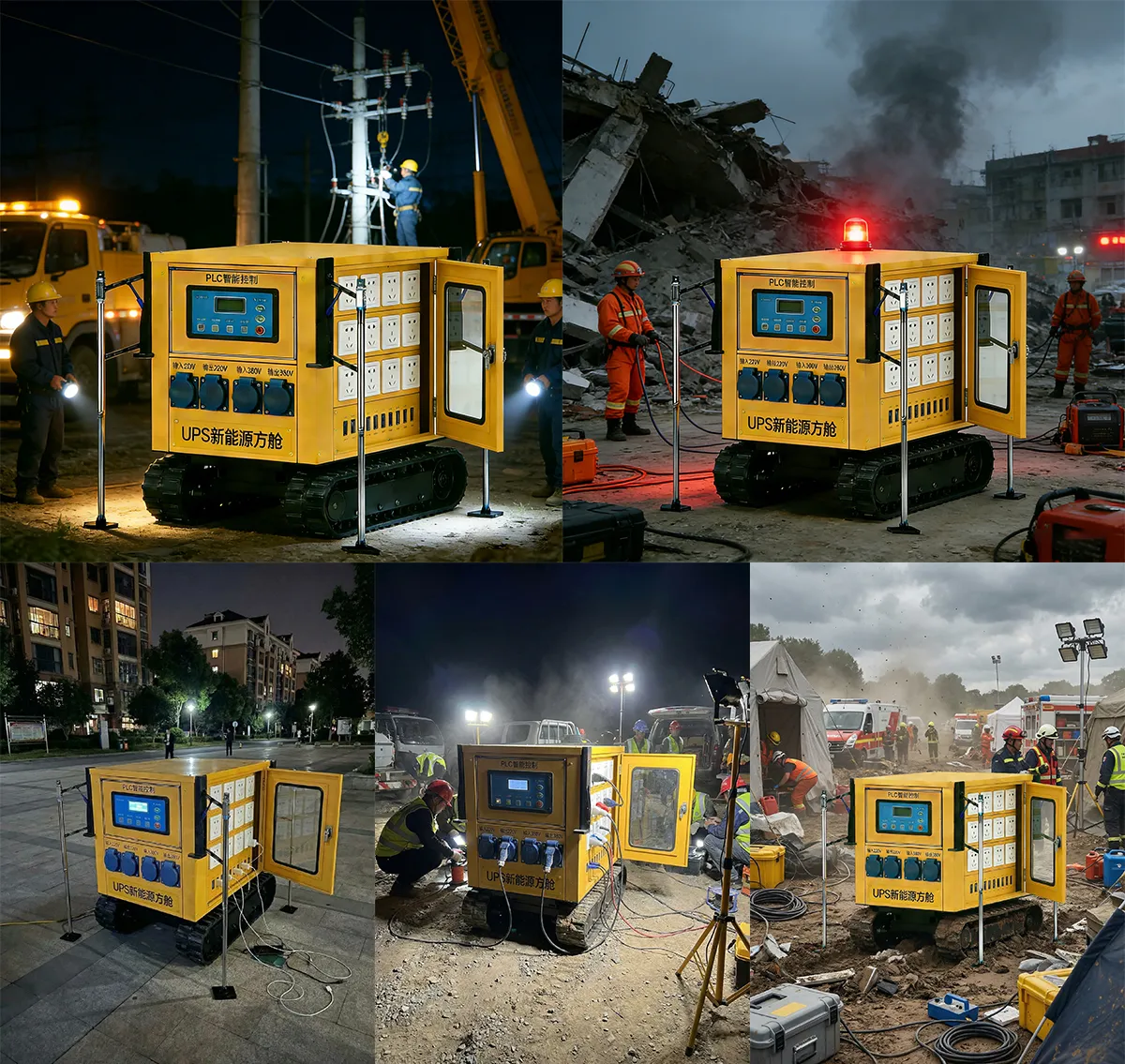
It adds an energy-service role: besides lighting an area, the asset feeds device charging and small equipment loads during an outage or incident. Outage preparedness resources such as Ready.gov’s power outage guidance treat device power as a core continuity concern, which is why the combined asset class exists.
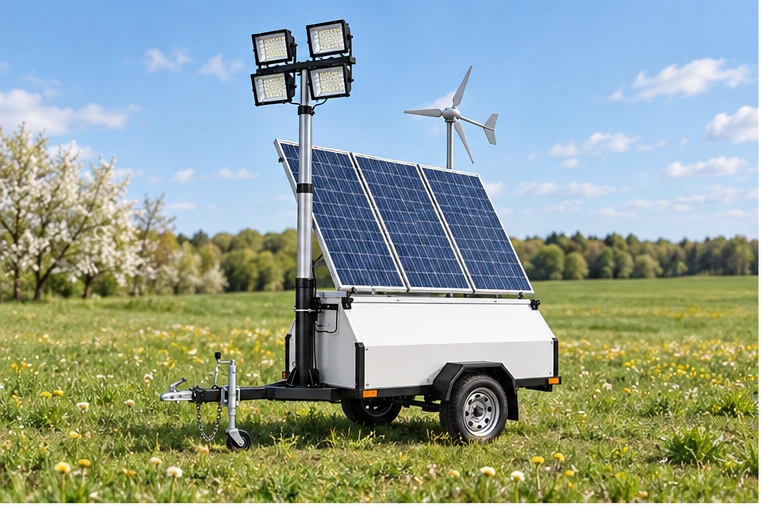
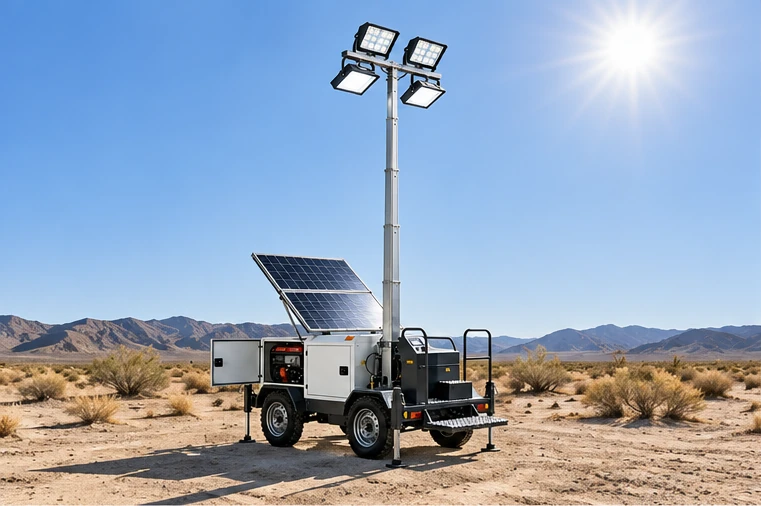
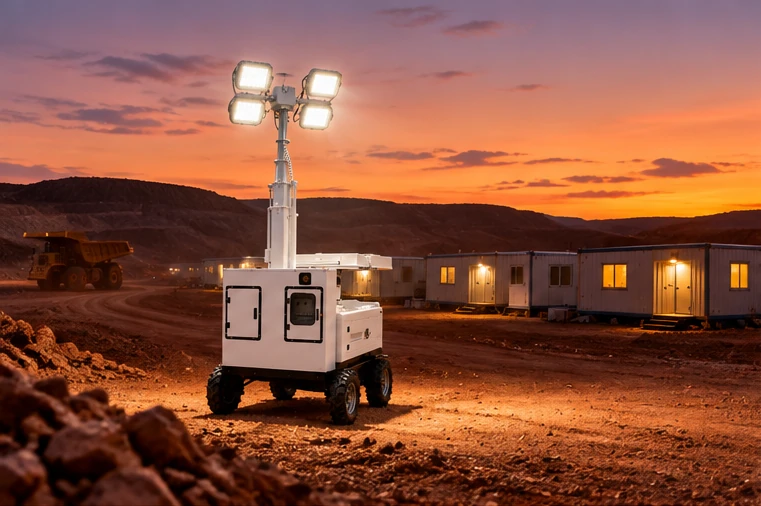
Lighting-only shelter requirements follow the method in the emergency-lighting specification workflow; mast-only decisions stay with the emergency lighting tower comprehensive guide. This article specifies the combined case.
Part 2. Which loads and user groups must be named?
Name who plugs in what, or the shelter will be sized by guesswork. Business continuity framing—see Ready.gov’s business preparedness pages—starts with knowing which functions must keep running.
| Load category | Typical user group | Record |
|---|---|---|
| Area lighting duty | Site or incident crew | Duty description and hours |
| Communication devices | Response and supervision teams | Device classes and counts |
| Tool and battery charging | Work crews | Charger classes and counts |
| Small equipment loads | Medical, monitoring, or control gear | Load class list |
| Future or surge users | Visiting agencies or contractors | Allowance statement |
Keep the list in classes and counts. The supplier’s documents translate classes into electrical figures.
Part 3. How should charging duty be written as questions?
Write duty as answerable questions: how many device classes at once, over which hours, at what priority when energy runs low. Battery arithmetic belongs to the supplier’s documented configuration—the estimation method in the battery capacity estimation guide shows why load lists, not wishes, drive capacity.
Important: Specify priority order for low-energy states—lighting first or charging first—so the supplier can document behavior rather than promise everything at once. Source: outage-planning discipline, Ready.gov power outage guidance.
Part 4. How does standby behavior belong in the specification?
An emergency asset spends most of its life waiting. State where the shelter waits, how its energy state is maintained, who checks it, and how fast it must leave standby. Workplace preparedness resources such as OSHA’s emergency preparedness pages frame readiness as a maintained state, not a purchase.
Ask suppliers to document standby consumption behavior and recommended standby checks for the offered configuration.
Part 5. Which energy replenishment questions must be recorded?
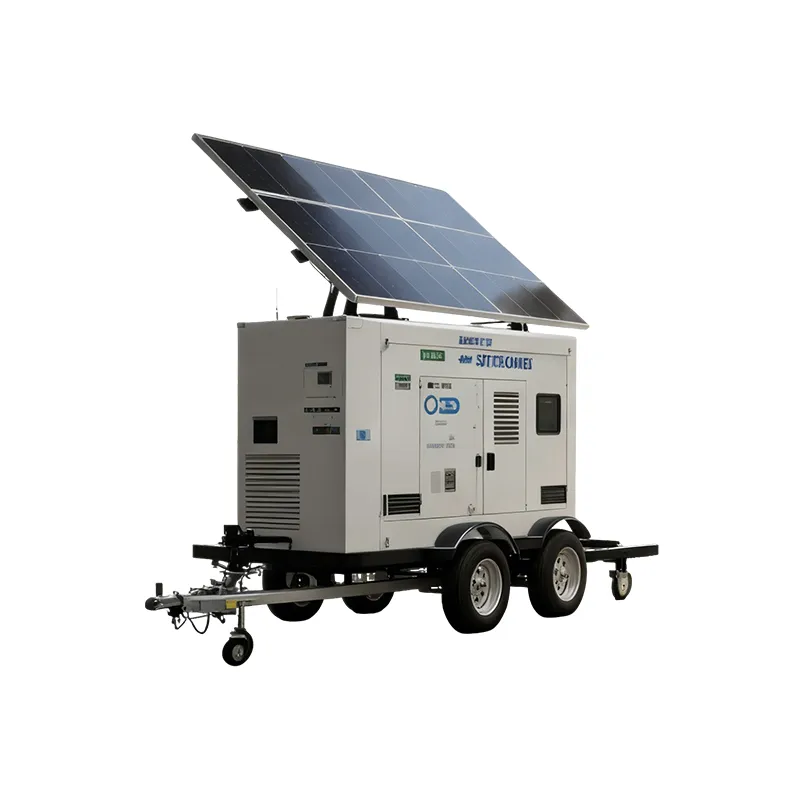
Every stored-energy asset drains; the specification must ask how it refills. Solar replenishment basics are public—see the DOE solar energy explainer—but the specification only records the site-side questions.
- Which replenishment paths does the site offer—grid connection, generator, solar exposure?
- How long between events can replenishment take?
- What happens when an event outlasts the stored energy?
- Which comparison questions from the battery storage buyer comparison apply to the storage inside the shelter?
Part 6. Which supplier documents close the RFQ?
Demand a numbered set: configuration description, capacity and output pages, charging interface list, standby behavior notes, replenishment options, environmental limits, transport and loading instructions, service intervals, and warranty terms.
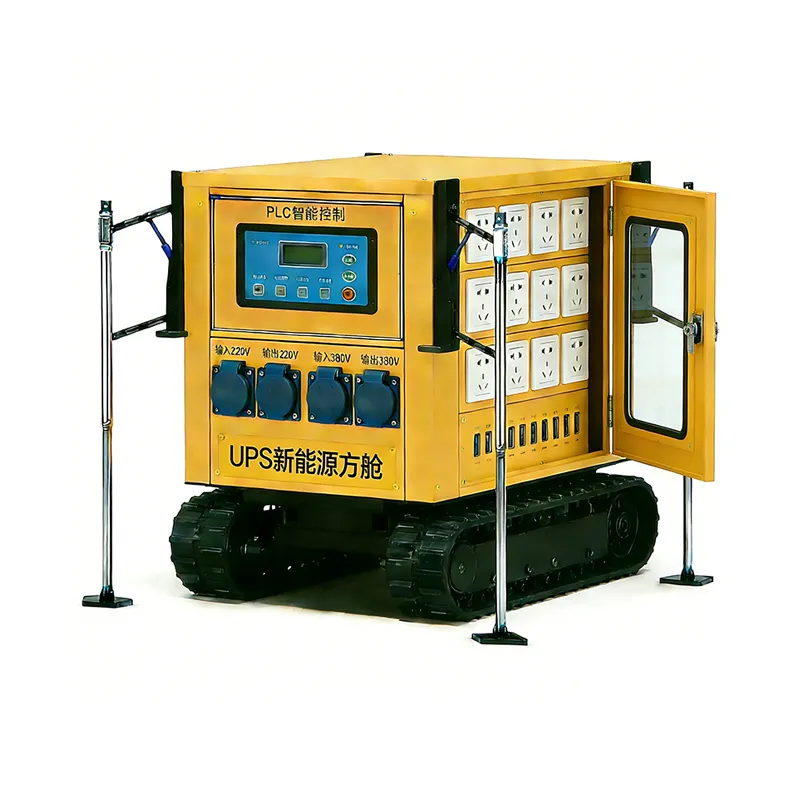
Product recommendation: use the listed self-loading UPS new-energy mobile cabin as a document-review starting point when a combined lighting-charging asset is on the shortlist. The page names a configuration; it does not state capacity, outputs, or runtime for your load list. Related energy assets sit under the energy storage system range.
Fit Boundary
This guide is suitable for writing specification inputs and an RFQ. It is not suitable as an electrical design, a continuity plan, or a Keyyou capability commitment. For a document-level review, send the load categories and user groups.
Part 7. When is a combined shelter the wrong answer?
Skip the combined asset when the mission is lighting alone—a mast unit serves that at lower complexity—or when charging demand is so large and constant that a dedicated power installation is the honest answer. The combined shelter earns its place in the middle: real lighting duty plus meaningful but bounded charging service.
FAQs
What is an emergency lighting and charging shelter used for?
It lights an area during an outage or incident while feeding device charging and small equipment loads from stored energy, as one deployable asset.
Which loads and user groups must the specification name?
Lighting duty, communication devices, tool charging, small equipment loads, and surge users—each as classes and counts with an owner group.
How should charging duty be written without inventing battery figures?
As questions: how many device classes at once, over which hours, at what priority when energy runs low. The supplier’s documents supply the figures.
How does standby behavior between events belong in the specification?
State where the shelter waits, how its energy state is maintained, who checks it, and how quickly it must leave standby—and ask for documented standby behavior.
Which energy replenishment questions must be recorded?
Available replenishment paths, allowable replenishment time, behavior when events outlast stored energy, and the storage comparison questions that apply.
What supplier documents close a lighting-charging shelter RFQ?
Configuration description, capacity and output pages, interface list, standby notes, replenishment options, environmental limits, transport instructions, service intervals, and warranty.
How is this different from specifying a lighting-only shelter?
The combined case adds charging load categories, priority rules, and replenishment questions that a lighting-only specification never needs.