

Light Tower Authorised Consignee Premises Readiness: Plan Arrival and Control
Prepare a UK transit receiving location for light tower deliveries with clear location scope, arrival control, records and onward procedure responsibilities.
Light tower authorised consignee premises readiness means checking that the intended UK receiving location, responsible people, information systems and onward customs arrangements can support the actual transit delivery. An ordinary warehouse address or a signed carrier receipt does not establish that the location can end a transit movement. Before dispatch, connect the goods description and movement references to the authorised destination and the consignee's instructions. This guide helps an equipment buyer prepare that handover. It does not grant authorisation, operate NCTS or provide a procedure for unloading a tower without the required permission.
Confirm the destination that the movement will use
Start with the destination in the planned transit arrangement. Ask the transit lead and receiving operator to confirm the exact location and the authorisation covering the intended activity. Record the address in a form the driver and carrier can use. A company's head-office address, invoice address and authorised receiving location may differ, even when they appear under the same business name.
HMRC guidance describes ending movements at an office of destination or an authorised consignee location. The route must match the actual arrangement. If the proposed warehouse is not covered, raise that issue before dispatch rather than asking the driver to improvise after arrival. The relevant operator should confirm the valid alternative and provide the resulting instruction to the carrier.
Keep that confirmation with the order and transit handover. Identify who supplied it and when it was checked. A location used on a previous shipment is useful context, but it should not be treated as permanent proof that a later delivery can follow the same route. Changes in premises, authorisation conditions or services can affect the arrangement.
Define the receiving operation without promising clearance
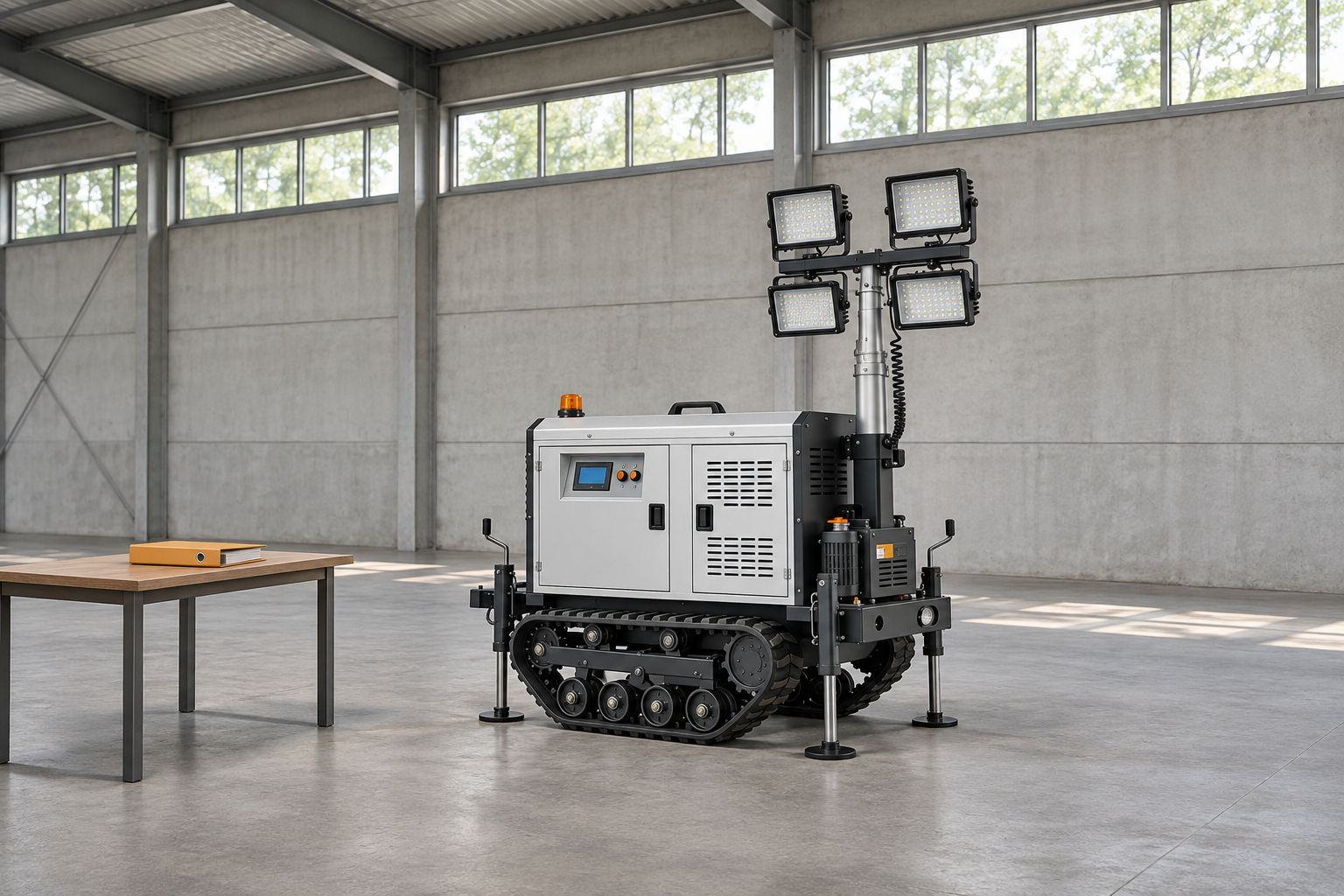
Describe the expected consignment using the accepted order, supplier-confirmed configuration, packing information and movement reference when available. The tracked tower pictured here provides equipment context. It does not identify the actual goods arriving, establish their customs status or prove that a receiving facility is authorised. Obtain the shipment-specific information separately.
Record what the receiving operator expects to do and what remains with the importer or representative. Physical custody, arrival messages, inspection coordination, discrepancy reporting and onward declaration work can involve different people. A short responsibility map helps prevent the warehouse team from assuming that another party has already handled an outstanding step.
The commercial delivery appointment should reflect those responsibilities. Explain whether the carrier must wait for confirmation or whether an inspection contact needs to be available. Use the actual consignee's instructions and current guidance, not a generic promise that every delivery can be unloaded immediately. The buyer should know whom to contact if arrival occurs outside the agreed arrangements.
| Condition | Review or action | Evidence or responsibility |
|---|---|---|
| Destination | Confirm the actual authorised location and route instruction | Transit lead resolves address mismatch before dispatch |
| Arrival | Assign custody, message handling and inspection contact | Consignee follows the authorisation and NCTS process |
| Unloading | Separate carrier arrival from permission and goods checks | Responsible operator records the actual permission |
| Discrepancy | Preserve seal, quantity or identity differences accurately | Consignee follows the applicable reporting instructions |
| Onward treatment | Connect records to the next approved treatment or use | Importer and representative retain separate release evidence |
This qualitative coordination checklist supports the workflow discussed here; apply the jurisdiction and scope of the Check if you can apply for other transit simplifications with consignor or consignee status – GOV.UK. It provides no universal numeric acceptance limit.
Check the information path before the vehicle leaves
Send the receiving operator the information it has requested through the agreed secure route. Confirm receipt and resolve missing references before dispatch where possible. The file should connect the transit movement to the equipment order without forcing staff to identify the consignment from a photograph or an informal chat message.
Prepare a contact sheet for the carrier and the receiving team. Include operational contacts, the escalation route for a destination mismatch and the person responsible for customs questions. Avoid distributing account passwords or unnecessary commercial files. The people responsible for system messages should use their own authorised access under the operator's controls.
If a shipment is delayed or the vehicle changes, check which information needs updating and who performs that work. Preserve the revised instruction with its time and sender. Do not overwrite the original route note so completely that the team cannot explain what the driver was told before the change. A dated correction provides a much clearer record.

Separate arrival from permission to unload
A truck arriving at a factory gate establishes a physical event. The consignee must follow the actual authorisation conditions and the applicable transit process before treating the goods as available for unloading or another action. Procurement should request the relevant confirmation from the responsible operator instead of deciding the procedural position from the delivery appointment alone.
HMRC's transit manual supplement discusses the authorised consignee process, unloading remarks and the responsibilities associated with approved locations. Use that guidance together with the actual conditions and system instructions. This article deliberately does not provide a universal message sequence, waiting period or seal-removal instruction because the operation must follow its specific arrangements.
Keep an arrival record that distinguishes the vehicle's arrival time, the operator's procedural actions and any later physical handling. If there is a delay, record the reason and the person managing it. A carrier's waiting-time claim can be assessed commercially without changing the customs record to make the sequence appear different.
Plan safe physical access as a separate task
Administrative readiness does not establish that the receiving bay can handle the delivered machine. The supplier's actual instructions and competent receiving personnel should govern unloading, lifting, moving and positioning. Confirm the equipment and packaging details needed by that team. Do not infer weight, lifting points or permitted handling methods from the illustrative photographs.
Keep access routes and inspection arrangements practical. The receiving contact should know how to make the goods available for an authorised check without losing control of the consignment or exposing staff to moving equipment. This is a planning question for the responsible site team, not a request for procurement to design a lifting operation.
If the delivered packaging or equipment condition differs from what was expected, preserve the facts and obtain the appropriate instruction. Do not start the tower or deploy its mast merely to make an identification photograph more attractive. Product condition, workplace safety and customs procedure each need the appropriate responsible person and evidence.
Make discrepancies visible while preserving originals
Agree how the receiver will record an identity, quantity, packaging or seal discrepancy. The consignee should follow the applicable reporting requirements, while procurement helps connect the observation to the order and supplier records. Describe what was actually seen. Avoid guessing whether a difference is harmless or changing a document to conceal the mismatch.
Photographs can support a factual record when taken lawfully and safely. Link them to the delivery and identify their date. They should supplement the operator's records rather than replace required messages or formal reports. An image of an intact tower cannot demonstrate that the entire consignment matches the transit declaration.
Where the supplier provides a later explanation, retain it as a later document. Keep the original packing list and the receiver's original observation. That sequence helps the responsible reviewer distinguish an actual dispatch difference, a description error and a misunderstanding at the destination. A clean summary can point to the evidence without erasing it.
Prepare the onward customs treatment
Ending transit and assigning goods to the appropriate subsequent treatment or use are connected but separate matters. HMRC guidance on consignee simplifications discusses arrangements for temporary storage and subsequent treatment. The importer and representative should confirm the applicable path for the actual consignment and provide the receiver with the relevant instructions.
A tower ordered for immediate project deployment should not simply leave the controlled arrangement because the site team needs it urgently. Ask the responsible parties for the evidence that supports the next movement or use. Keep customs release distinct from the buyer's technical acceptance and commercial ownership records, which answer different questions.
Where another customs procedure is intended, record its owner and the handover point. The receiver should know what information to retain and which unresolved item prevents the next step. Do not create a substitute authorisation or assume that the first import document visible in the purchasing folder covers every stage of the operation.
Test communications with a realistic arrival scenario
Before the first delivery to a location, walk through a hypothetical arrival with the actual contacts. Ask what happens if the driver arrives early, the expected reference cannot be found or the normal coordinator is absent. Record the agreed escalation rather than leaving the answer as a person's private knowledge. This is a communication rehearsal, not a live customs transaction.
Include an interruption in ordinary system access. The authorised operator should explain its approved contingency arrangements and who decides when they apply. Procurement can record the contact and resulting instruction but should not invent an alternative message route. If the contingency cannot be confirmed, keep the issue open for the responsible operator to resolve.
The rehearsal should end with a short list of concrete actions. An incorrect phone number, unavailable shift contact or missing delivery reference can be corrected before a vehicle is waiting at the gate. Preserve the date of the review and revisit it when the receiving service or authorisation arrangement changes.
Example: a depot delivery with a different invoice address
Consider a hypothetical buyer whose invoice shows a city office while the carrier is booked to deliver a tracked tower to a depot. The buyer first asks the transit lead to confirm the intended authorised destination. It does not assume that either address is suitable because both belong to the same group. The confirmed route and receiving contact are then given to the carrier.
The depot checks the expected goods information and assigns the authorised person responsible for arrival handling. Procurement remains available for supplier document questions. When the truck arrives, the depot follows its actual procedural and physical handling arrangements. The buyer tracks outstanding evidence without treating the carrier's signature as proof that transit and onward import steps are complete.
If a discrepancy occurs, the depot records it and follows the applicable instructions. Procurement obtains the supplier's factual response and keeps the original documents. The example illustrates divided responsibilities; it does not guarantee release or specify which authorisation or subsequent procedure is appropriate for another transaction.
Keep the completed record useful for the next delivery
The handover index should connect the destination confirmation, responsibility map, movement references, arrival evidence, discrepancy handling and onward instructions. Retain the actual operator confirmations rather than a checklist containing only ticks. A later reviewer should be able to distinguish physical delivery, procedural completion and release for the intended use.
Before repeating the route, confirm that the location, service and contacts still apply. An identical model does not make every customs movement identical. A maintained receiving record helps the buyer arrange a predictable delivery while allowing the authorised consignee and customs representative to make and document the decisions within their responsibilities.
Equipment and related guidance
Identify the equipment context using the Keyyou tracked lifting light tower product page. Request documentation for the actual supplied configuration. Read the Light Tower Customs Debt Liability Evidence: UK Buyer File and related guidance on transit MRN closure handover, customs temporary storage handover.
Further learning: How to use the secure file upload service on the Customs Declaration Service
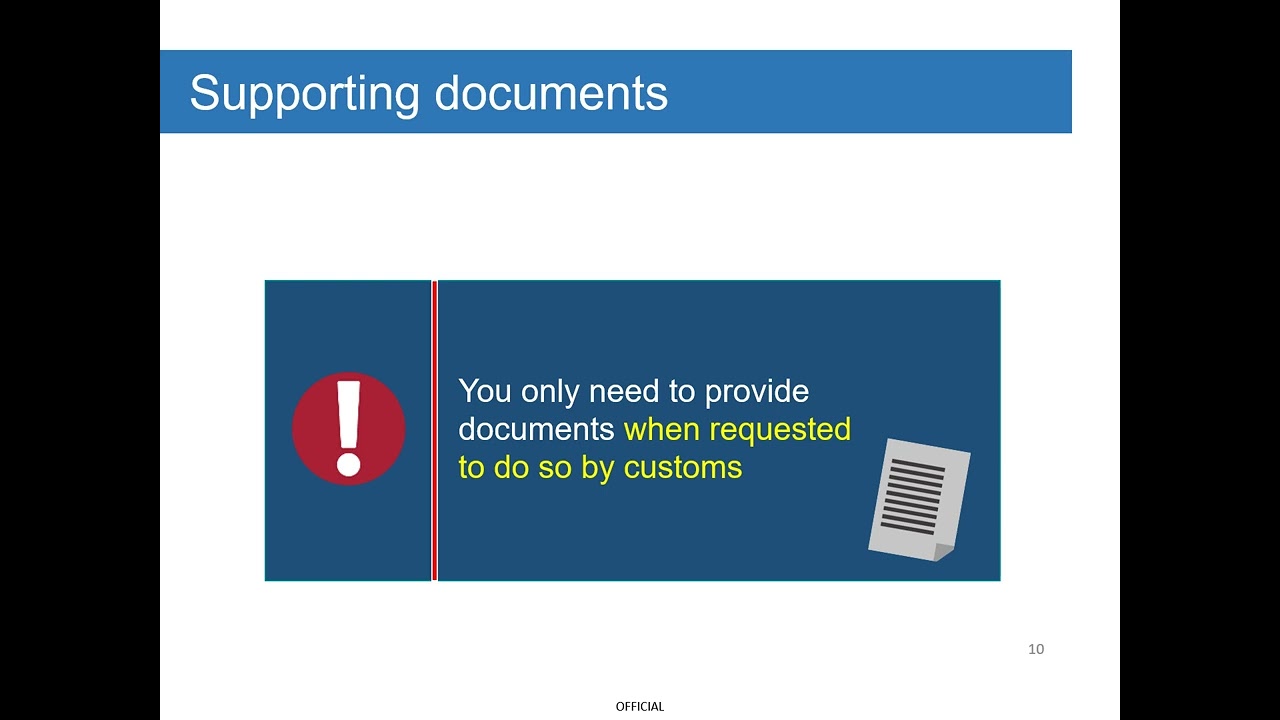
This HMRC video covers supporting-document upload for Customs Declaration Service declarations. It is relevant to the separate onward import document handover. It does not demonstrate NCTS arrival messages, grant unloading permission or confirm that transit has ended.
Watch the educational video on YouTube.
Frequently asked questions
Does an ordinary receiving warehouse count as an authorised consignee location?
No. Check that the actual location is covered by the relevant authorisation and agreed arrangements.
Can a driver unload immediately after arriving?
Do not assume so. The consignee must follow the actual permission, control and inspection requirements.
Does ending transit automatically release a tower for unrestricted use?
No. The subsequent customs treatment or use and its evidence must be addressed separately.
Does a photograph prove the transit movement is closed?
No. A photograph can support physical identification, while the actual customs messages and records establish the procedural position.
Sources and scope
These sources support the specific background principles discussed above. Their jurisdictions and subjects differ; they do not certify the pictured equipment or approve an individual shipment or installation.