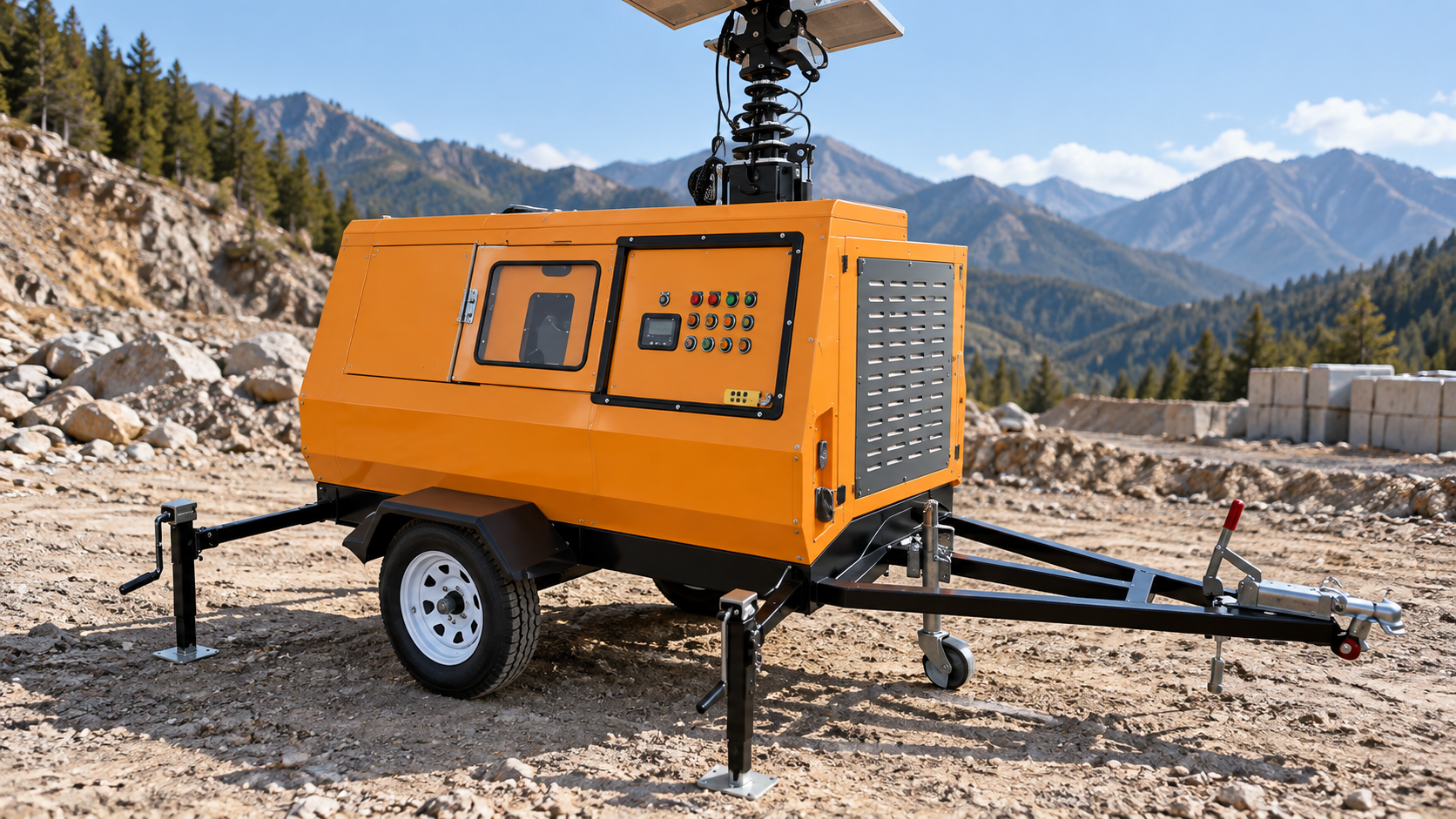
Diesel Light Tower Generator Derating at High Altitude
Size diesel light tower generator capacity at elevation. Check engine, alternator and cooling limits, site temperature, startup loads and model-specific derating curves.


Size diesel light tower generator capacity at elevation. Check engine, alternator and cooling limits, site temperature, startup loads and model-specific derating curves.

Estimate electric light tower runtime from usable battery energy, actual lighting load, conversion losses and reserve. See a worked example and field checklist.
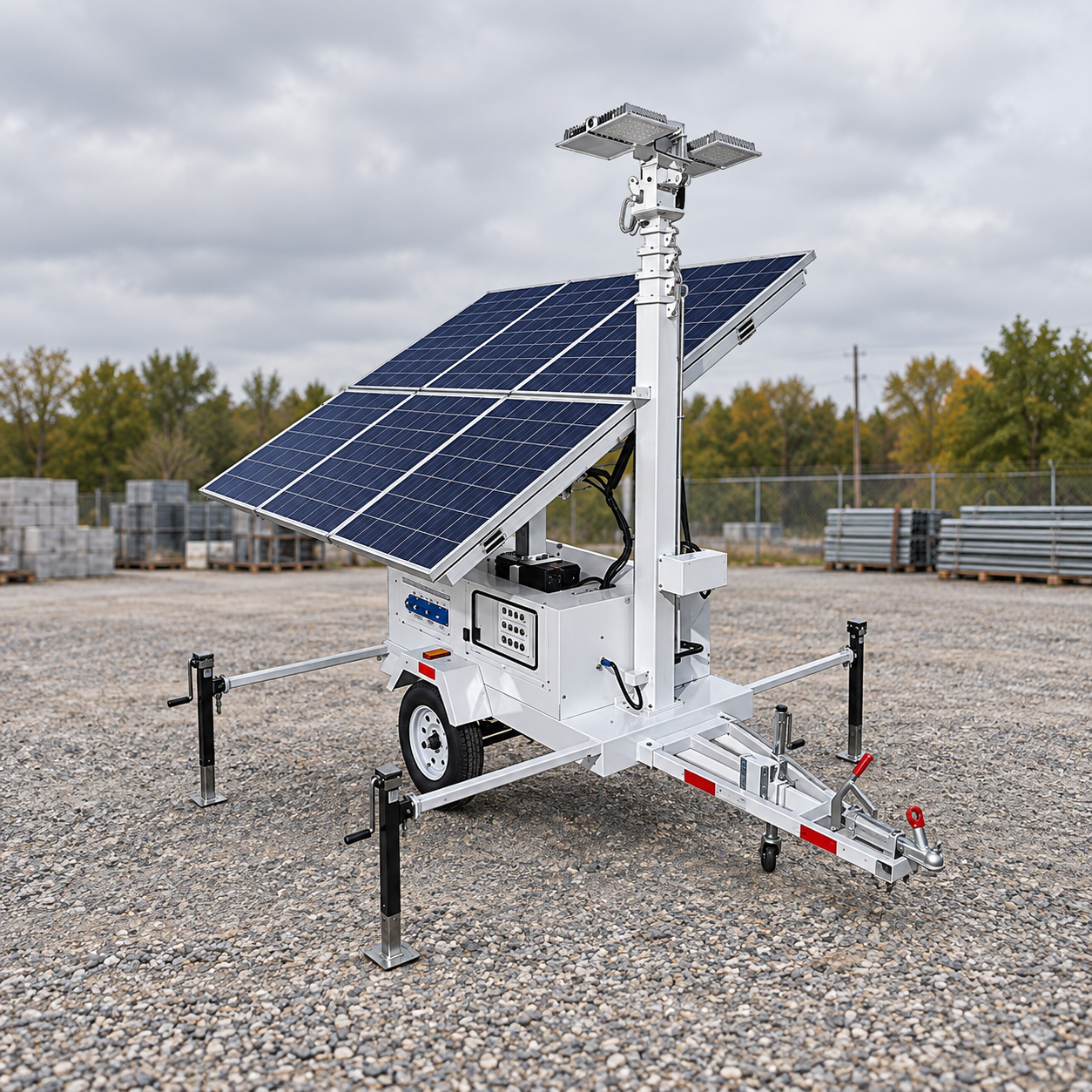
Read light tower battery enclosure IP ratings correctly. Separate cabinet, lamp and connector ratings, compare NEMA types, and inspect the actual outdoor assembly.
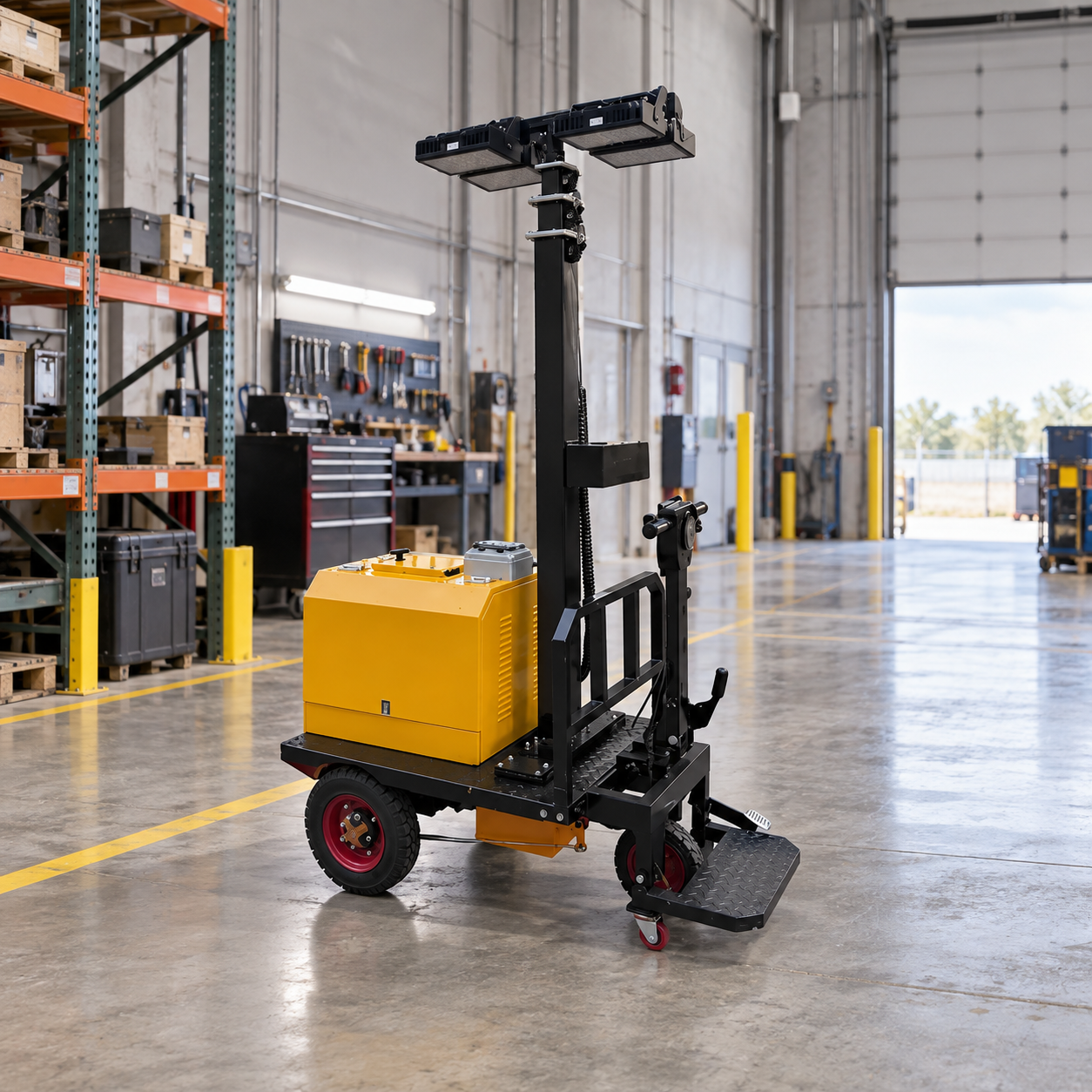
Evaluate replaceable light tower battery designs with a practical check of pack compatibility, safe handling, depot charging and fleet downtime. No unverified swap claim.
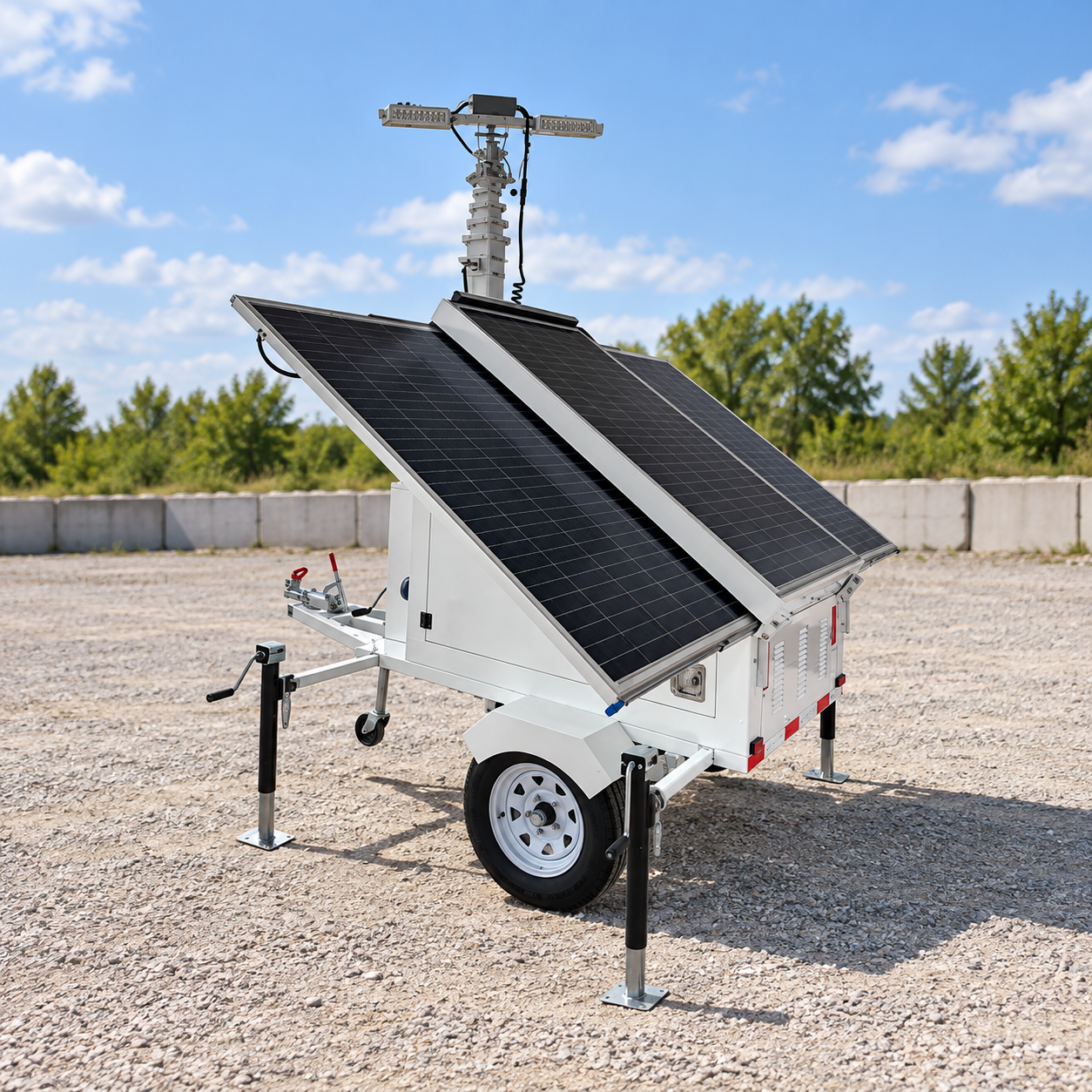
Check electric light tower charging standards by separating site supply, charger, cable, outdoor enclosure and market compliance. Use this AC safety procurement checklist.
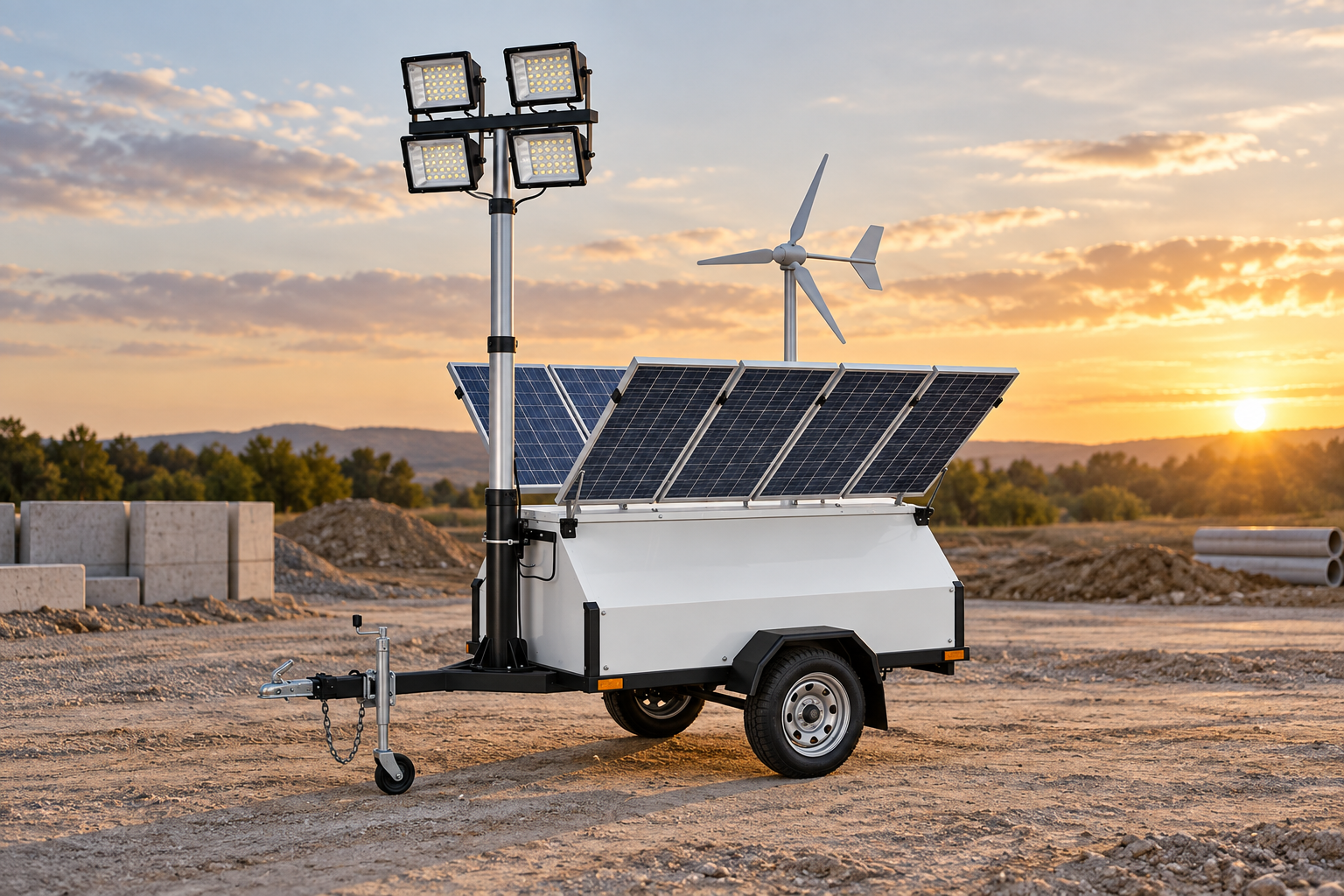
Calculate light tower charging time from usable battery energy, actual charger power and state of charge. Compare AC and off-grid solar replenishment with a field-check method.
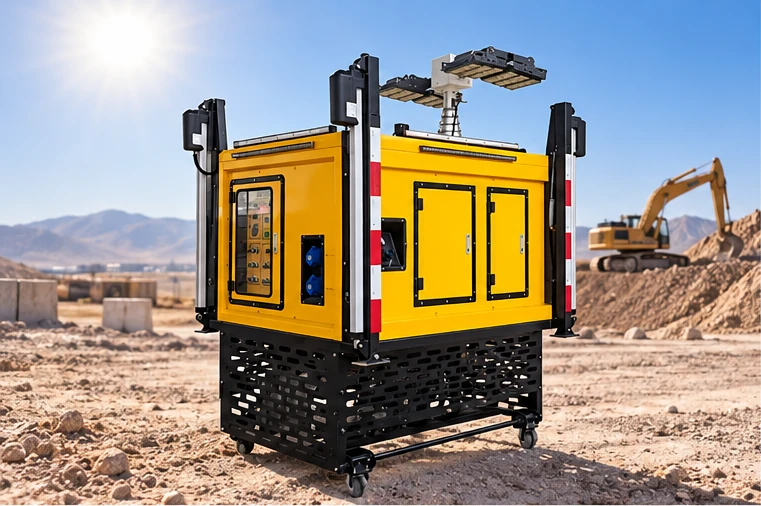
Light tower battery thermal management keeps cells within permitted temperature limits and minimizes temperature differences during charging, discharge, storage and standby. It can combine enclosure design, insulation, passive conduction, ventilation
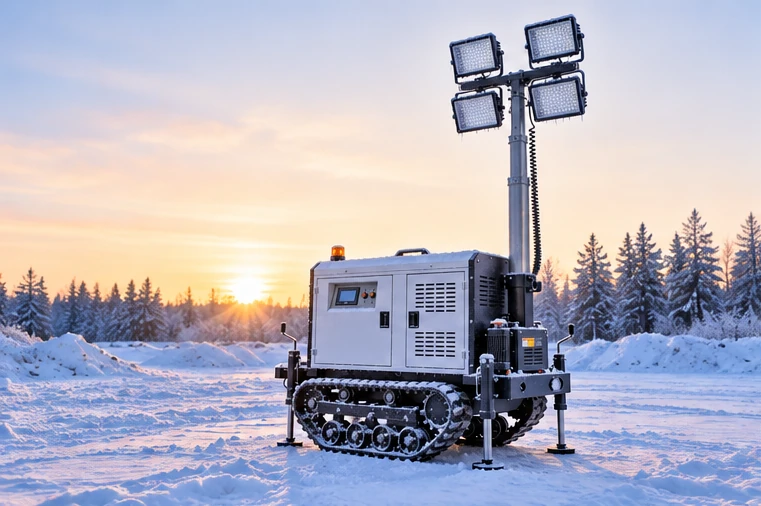
Battery heating may be needed when cells are colder than their permitted charging or power range, especially for lithium systems. Heating should be engineered and controlled by measured cell temperature, with insulation, sensors, independent limits,
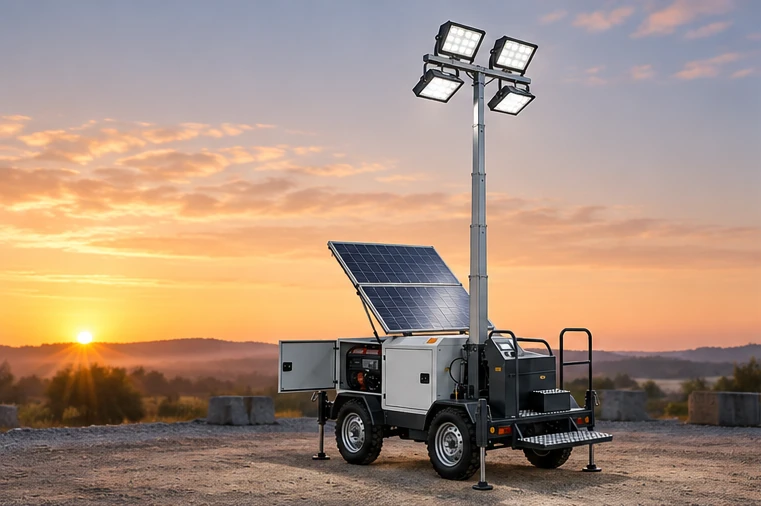
Battery state of charge is an estimate of remaining usable charge, not a direct fuel-gauge measurement. Reliable light tower control combines current integration, voltage behavior, temperature, cell data, calibration and the battery model. Operators
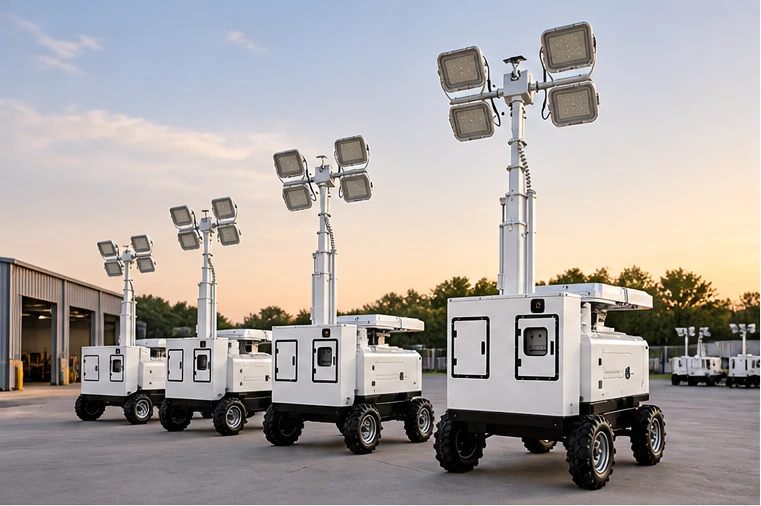
Light tower battery cycle life is the number of qualifying charge-discharge cycles achieved before an agreed capacity or performance threshold under stated conditions. It is not a fixed countdown. Depth of discharge, temperature, charge and discharge
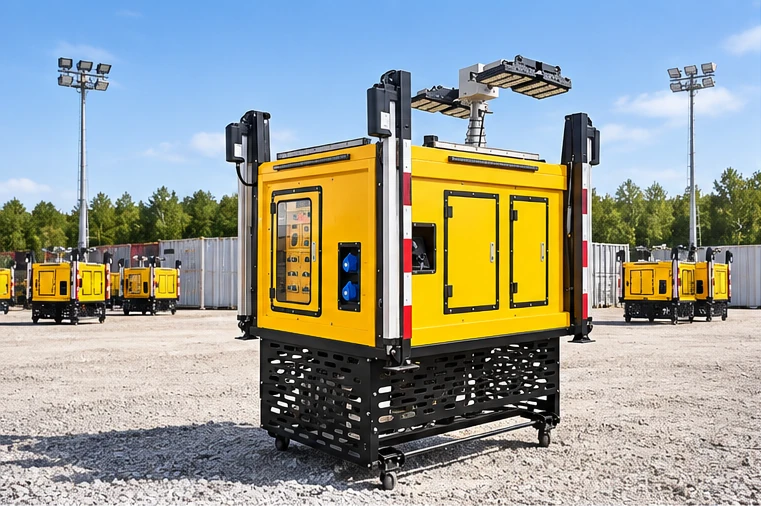
LiFePO4 batteries usually offer deeper usable energy, higher cycle efficiency, lower mass per usable kilowatt-hour and longer cycle potential, while lead-acid systems can have lower initial cost and established service channels. Selection must compar
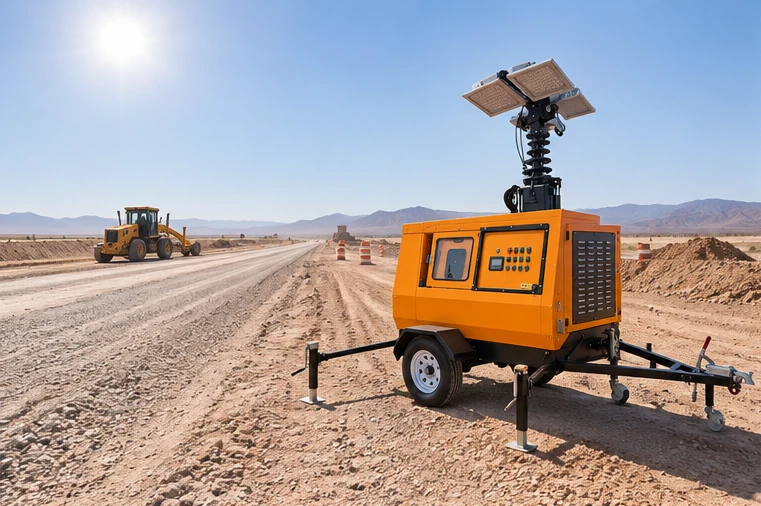
Desert solar light tower design must manage heat, dust, wind-blown sand, intense irradiance, large day-night temperature swings, scarce cleaning water, unstable ground and remote service. High sunshine does not guarantee high delivered energy: hot mo