
Light Tower Auxiliary Power Outlets: Capacity and Protection
Light tower auxiliary power outlets are useful only when their voltage, phase, protection, grounding, and combined-load limits are understood. The outlet r
Light tower auxiliary power outlets are useful only when their voltage, phase, protection, grounding, and combined-load limits are understood. The outlet rating is not automatically available while all lamps operate, and motor starting current can be more important than a small tool’s running watts. Buyers should request a configuration-specific load schedule and test the complete system.
This guide is for contractors, fleet managers, distributors, and procurement teams comparing light tower auxiliary power. It separates measurable requirements from sales labels and identifies where the current manufacturer manual, a qualified technician, or a site-specific engineering and safety review must control the decision.
Schnelle Antwort und Entscheidungsumfang
Light tower auxiliary power outlets are useful only when their voltage, phase, protection, grounding, and combined-load limits are understood. The outlet rating is not automatically available while all lamps operate, and motor starting current can be more important than a small tool’s running watts. Buyers should request a configuration-specific load schedule and test the complete system.
Beginnen Sie mit den vorgesehenen Arbeitsbereichen, den Betriebsstunden, der Bewegungshäufigkeit, dem Energiezugang, der Umgebung, der Besatzungsfähigkeit und der Abnahmemethode. Ein Angebot ist nur dann vergleichbar, wenn diese Eingangsparameter übereinstimmen. Jede Zahl für Leistung, Laufzeit, Höhe, Gewicht, Geräuschentwicklung, Kraftstoff, Batteriekapazität oder Abdeckung sollte ihre Einheiten, Konfiguration, Betriebsart und Testbedingungen ausweisen.
Die fünf Probleme, die die Entscheidung bestimmen
| Entscheidungsbereich | Was zu überprüfen ist |
|---|---|
| Outlet rating | Verify voltage, frequency, phase, receptacle type, continuous current, breaker, RCD/GFCI or equivalent protection, and enclosure rating. |
| Combined load | Subtract the lighting and control demand from the site-rated generator or inverter capacity under the actual environment. |
| Starting demand | Check inrush and starting kVA for motors, chargers, pumps, and compressors rather than using only running watts. |
| Grounding and cables | Confirm earthing method, bonding, cable size, length, connector condition, and protection coordination. |
| Operating rules | Label permitted simultaneous loads, inspection intervals, weather limits, and isolation steps for users and service teams. |
1. Outlet rating
Verify voltage, frequency, phase, receptacle type, continuous current, breaker, RCD/GFCI or equivalent protection, and enclosure rating. Ask the supplier to state the applicable configuration, test condition, limit, and inspection method so the claim can be checked during bid review and handover.
2. Combined load
Subtract the lighting and control demand from the site-rated generator or inverter capacity under the actual environment. Ask the supplier to state the applicable configuration, test condition, limit, and inspection method so the claim can be checked during bid review and handover.
3. Starting demand
Check inrush and starting kVA for motors, chargers, pumps, and compressors rather than using only running watts. Ask the supplier to state the applicable configuration, test condition, limit, and inspection method so the claim can be checked during bid review and handover.
4. Grounding and cables
Confirm earthing method, bonding, cable size, length, connector condition, and protection coordination. Ask the supplier to state the applicable configuration, test condition, limit, and inspection method so the claim can be checked during bid review and handover.
5. Operating rules
Label permitted simultaneous loads, inspection intervals, weather limits, and isolation steps for users and service teams. Ask the supplier to state the applicable configuration, test condition, limit, and inspection method so the claim can be checked during bid review and handover.
Ein praktischer Bewertungsworkflow
- List every light and auxiliary load with running and starting demand.
- Confirm the exact outlet and protection configuration with the supplier.
- Check power quality, grounding, and cable arrangements before connection.
- Witness the lights and intended auxiliary loads operating together.
- Label the accepted limits and record any change in equipment or configuration.
Notieren Sie Annahmen und Ausnahmen direkt neben dem Angebot. Wenn ein Bieter den Motor, die Batterie, die Leuchte, die Optik, den Mast, die Steuerung, den Anhänger oder das Zubehörpaket ändert, ist die betroffene Prüfung zu wiederholen. Die Konfigurationskontrolle ist besonders wichtig, wenn Muster, Datenblätter und gelieferte Maschinen zu unterschiedlichen Zeitpunkten erstellt werden.
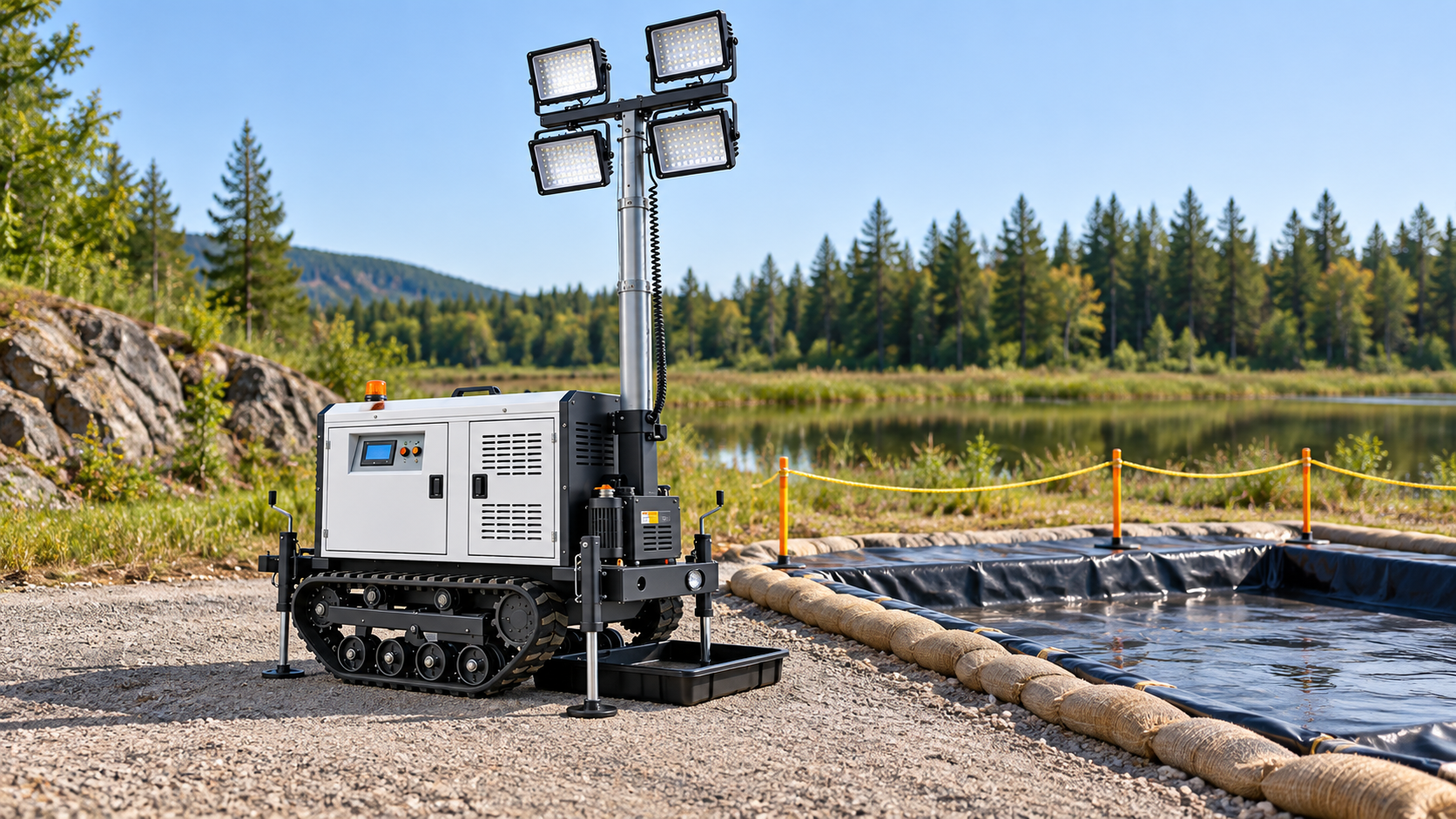
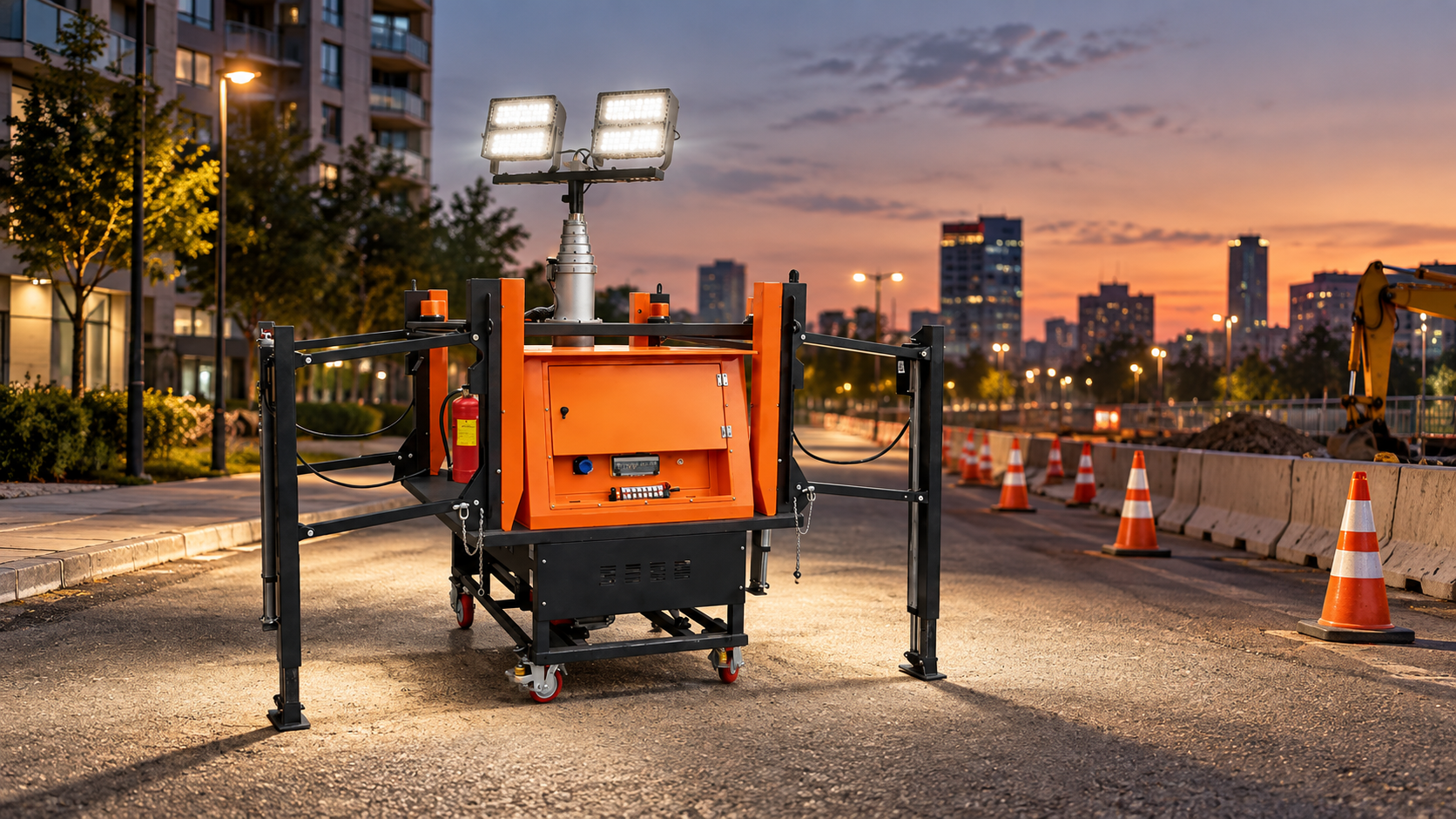
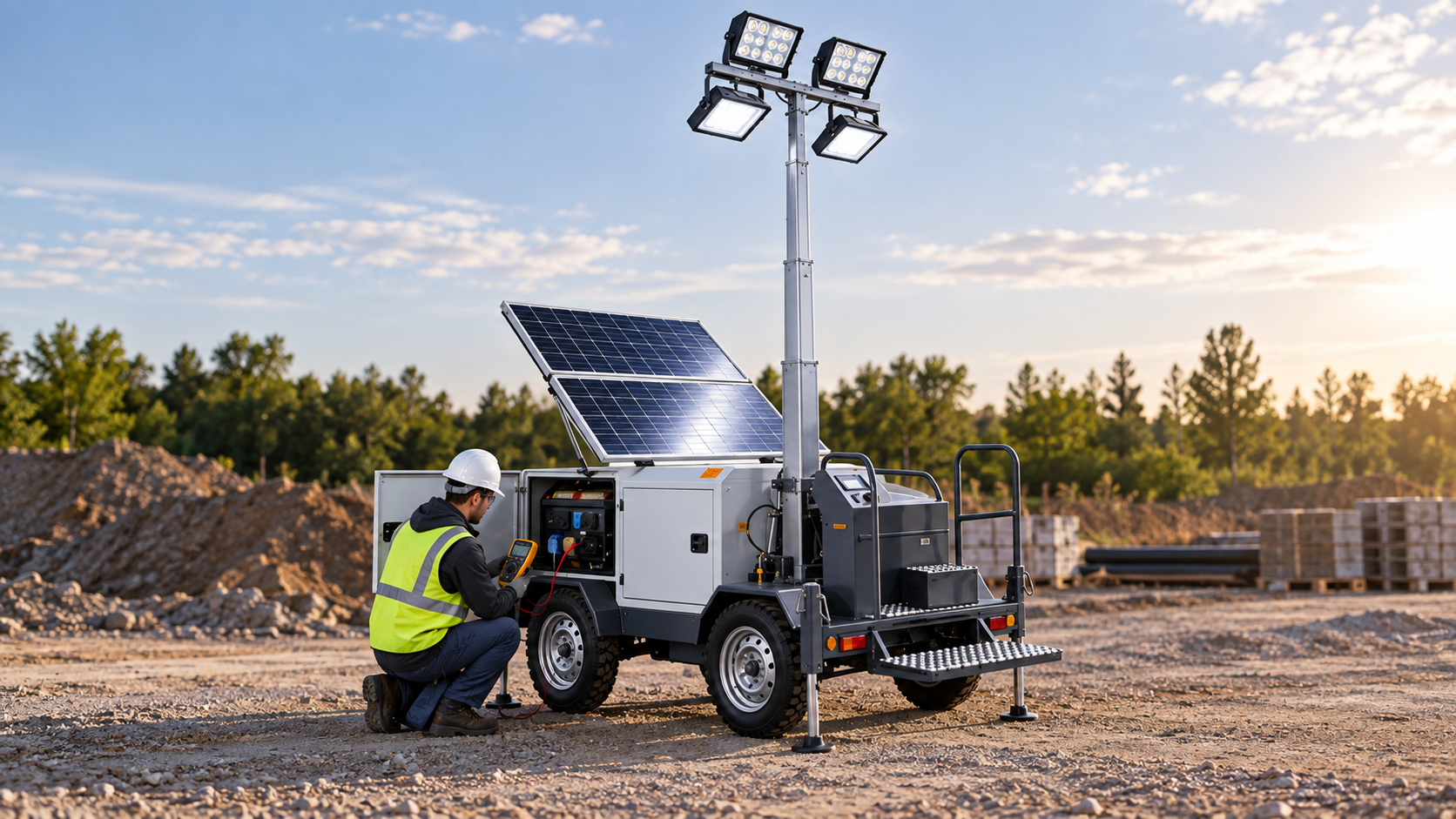
The relevant Keyyou product reference is the Light Tower Auxiliary Power Outlets. Product photographs identify the physical form only; request the exact configuration, rating and operating limits for procurement.
Nachweise, die vor dem Kauf oder der Bereitstellung anzufordern sind
- Konfigurationsspezifisches Datenblatt und Maßzeichnung
- Komplettleuchten-Photometriedatei oder Beleuchtungsplanung mit angegebenen Annahmen
- Leistungs-, Laufzeit- oder Kraftstoffdaten bei der vorgeschlagenen Betriebslast
- Mast, Stabilität, Wind, Transport, Aufbau, Inspektion und Notfallanweisungen
- Elektrische Informationen, Sicherheitsschilder, Handbücher und Bestimmungsdokumente
- Garantieumfang, Wartungsintervalle, empfohlene Ersatzteile, Ersatzteillieferzeiten und Eskalationskontakte
- Werks- oder Lieferabnahmeverfahren in Verbindung mit der Endkonfiguration
Für die Grundlagen der Beleuchtung LED-Richtlinien des US-Energieministeriums erklärt, warum die Gesamtleistung der Leuchte, die Lichtverteilung und die Energieumwandlung wichtig sind. Für Bauarbeiten in den USA, OSHA 29 CFR 1926.56 listet die Beleuchtungsanforderungen für bestimmte Arbeitsbereiche auf. Projektregeln und die Gefährdungsbeurteilung der Baustelle können mehr erfordern.
Einrichtung, Verifizierung und Änderungskontrolle
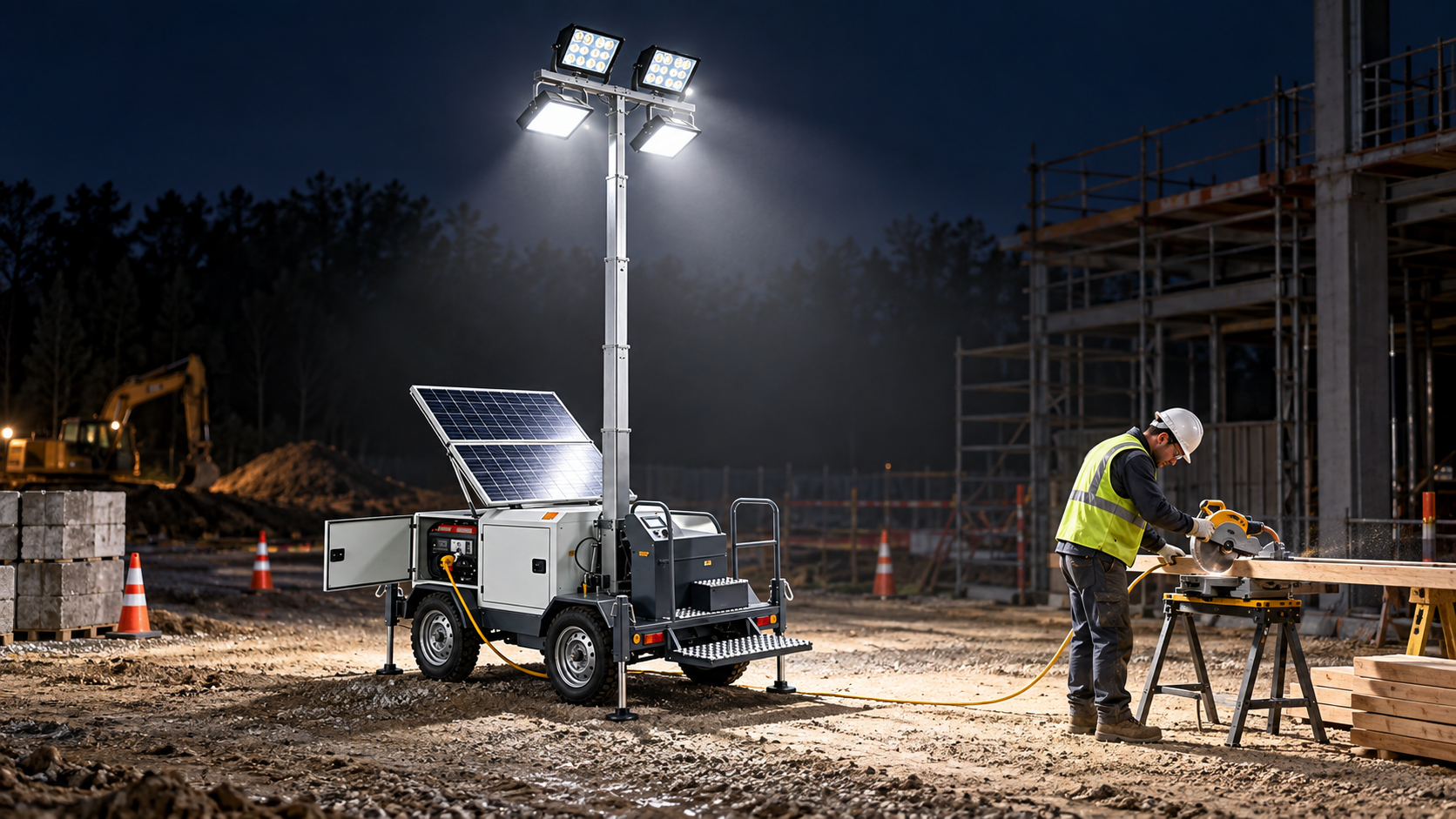
Vor dem Einsatz sind Boden, Neigung, Gefahrenquellen im oberen Bereich, Verkehr, öffentliche Schnittstellen, Wetter und Notzugänge zu überprüfen. Positionieren und stabilisieren Sie die Basis gemäß den aktuellen Anweisungen des Herstellers. Richten Sie die Leuchten nach Möglichkeit aus, bevor Sie den Mast ausfahren, halten Sie Personal außerhalb von Quetsch- und Sturzzonen und schützen Sie die Ausrüstung vor Fahrzeuganprall.
Überprüfen Sie die Beleuchtung an repräsentativen Arbeits-, Rand-, Übergangs- und Schattenpunkten unter Verwendung der projektspezifisch vorgeschriebenen Messebene. Beachten Sie dabei auch Blendeffekte aus der Perspektive von Arbeitern, Fahrern und Nachbargrundstücken. NIOSH-Richtlinien zu interne Verkehrskonzepte unterstützt die Trennung von Arbeitern und Baustellenfahrzeugen sowie Geräten, soweit dies praktikabel ist.
Nach einem Umzug, Unwetter, Instandhaltungsarbeiten, Geräteaustausch, neuen baulichen Anlagen oder Lagerplätzen, veränderten Verkehrsführungen oder einer neuen Arbeitsphase ist eine Neubewertung vorzunehmen. Die genehmigte Zeichnung, die Messergebnisse, Mängel, Korrekturmaßnahmen und endgültigen Einstellungen sollten beim Anlagen- oder Projektdatensatz verbleiben.
Lebenszykluskosten und Support
Vergleichen Sie den Lieferpreis einschließlich Transport, Montagekosten, Kraftstoff oder Strom, Ladeinfrastruktur, routinemäßiger Inspektionen, planmäßiger Wartung, Verbrauchsmaterialien, Batterien oder Motorkomponenten, Reifen und ggf. Arbeiten am Anhänger, Ersatzleuchten, Ausfallzeiten, Schulungen und Restwert. Verwenden Sie für jede Option dieselben Betriebsstunden und Energiepreise.
Die Support-Qualität ist messbar. Fragen Sie, wer Fehler diagnostiziert, welche Teile auf Lager sind, wie die typischen Reaktionszeiten aussehen, welche Remote-Informationen erforderlich sind und welche Arbeiten von autorisiertem Personal ausgeführt werden müssen. Ein niedriger Einkaufspreis kann durch fehlende Handbücher, lange Lieferzeiten für Ersatzteile, unklare Gewährleistungsverantwortung oder eine Konfiguration, die nicht vor Ort gewartet werden kann, zunichte gemacht werden.
Häufige Beschaffungsfehler
- Der Kauf anhand einer einzigen Kennzahl wie Lumen, Watt, Laufzeit, Masteshöhe oder Preis
- Vergleich von Angeboten mit unterschiedlichen Lasten, Umgebungen, Zubehören und Ausschlüssen
- Verwechslung von Transportabmessungen mit dem im Einsatz befindlichen Betriebsbereich
- Akzeptanz von Modellreihen-Broschüren anstelle von konfigurationsspezifischen Nachweisen
- Überspringen von Feldmessungen, Bedienersulungen und Mängelbeseitigung
- Die ungeklärte Situation bezüglich Ersatzteilen, Gewährleistungsreaktionen und der Verantwortung für Modifikationen
Verwandte Anleitungen für Lichttürme
- Dieselturm-Lichtmast-Anleitung
- Leitfaden für Lichtmastgeneratoren
- OEM-Leuchtturm-Generator-Handbuch
- Pflanzenlicht-Ratgeber
Häufig gestellte Fragen
Can the outlet use the generator’s full nameplate?
No. Lighting, controls, derating, transient response, protection, and duty rating reduce the capacity available to auxiliaries.
Are household extension cords acceptable?
Only when their rating, outdoor suitability, protection, length, connectors, and site rules match the approved electrical plan.
Why does a breaker trip when a tool starts?
Starting current, overload, voltage drop, incompatible protection, or a fault may be involved. Stop and diagnose rather than repeatedly resetting it.
Should outlets be used in rain?
Only when the complete outlet, plug, cable, protection, and operating procedure are rated and approved for the conditions.
Neutral safety reference
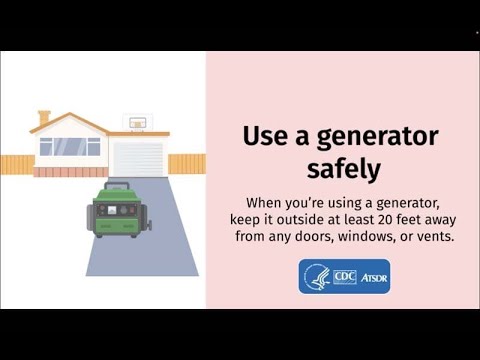
This neutral video explains safe portable-generator practice. It is not a substitute for the applicable engine, electrical, environmental or wind instructions.
Häufig gestellte Fragen
Can the outlet use the generator’s full nameplate?
No. Lighting, controls, derating, transient response, protection, and duty rating reduce the capacity available to auxiliaries.
Are household extension cords acceptable?
Only when their rating, outdoor suitability, protection, length, connectors, and site rules match the approved electrical plan.
Why does a breaker trip when a tool starts?
Starting current, overload, voltage drop, incompatible protection, or a fault may be involved. Stop and diagnose rather than repeatedly resetting it.
Should outlets be used in rain?
Only when the complete outlet, plug, cable, protection, and operating procedure are rated and approved for the conditions.
FAQ summary
Can the outlet use the generator’s full nameplate?
No. Lighting, controls, derating, transient response, protection, and duty rating reduce the capacity available to auxiliaries.
Are household extension cords acceptable?
Only when their rating, outdoor suitability, protection, length, connectors, and site rules match the approved electrical plan.
Why does a breaker trip when a tool starts?
Starting current, overload, voltage drop, incompatible protection, or a fault may be involved. Stop and diagnose rather than repeatedly resetting it.
Should outlets be used in rain?
Only when the complete outlet, plug, cable, protection, and operating procedure are rated and approved for the conditions.
Wichtigste Erkenntnisse
A reliable decision about light tower auxiliary power is traceable from a real operating requirement to verified evidence and an acceptance test. Define the task and constraints, compare complete configurations under common assumptions, inspect safe deployment, and retain the records needed for service and future procurement.
Recordkeeping and review
Keep the approved requirement, supplier response, calculation or test method, measurement record, deviation log, and acceptance result together. The person who checks a light tower after delivery should be able to identify the serial number, configuration revision, environmental conditions, operating mode, instruments, and any limitation that was accepted. When the tower moves to a new project, repeat the site-specific review instead of copying an old assumption. Fuel, sound, emissions, electrical outlet, spill, and wind conditions can all change with the location and attachments. A short documented review before each deployment is less costly than discovering a mismatch after a shutdown, complaint, release, or severe-weather event. Escalate any value that is outside the manufacturer’s instruction to a qualified technical contact and keep the written disposition with the asset record.
For fleet buyers, use the same evidence fields across every quotation and every delivered unit. This makes differences visible and protects the purchasing team from a model-family brochure being treated as a configuration certificate. It also gives operators a usable handover: what the unit can do, what it must not do, which checks are required, and who can authorize a change. The resulting record supports maintenance planning, training, environmental reporting, and a defensible comparison when the next project is scoped.