
Soll ich einen Lichtmast mieten oder kaufen?
What is the Purpose of a Light Tower?
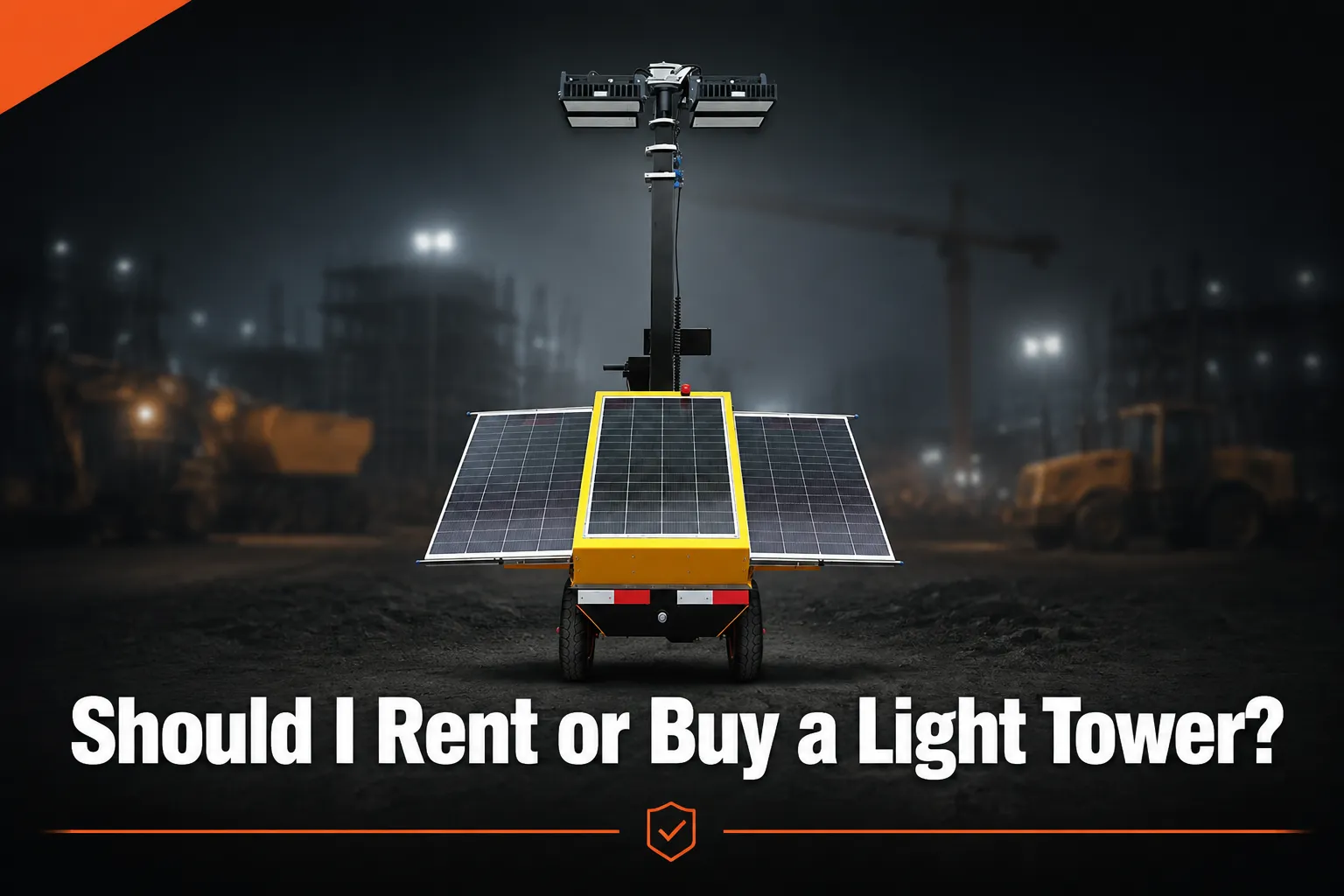
A portable light tower is mobile equipment fitted with strong lights on an extendable mast. It is highly valuable for nighttime construction, outdoor events, or emergencies because of its ability to efficiently illuminate large areas. Its durability and mobility make it suitable for temporary lighting requirements in diverse situations.Benefits of Purchasing a Light Tower
If you foresee frequent use across projects or have a business dependent on lighting equipment, buying can be an effective decision. Consider these advantages of owning one: 1. Long-Term Cost Savings: Owning eliminates recurring rental expenses for multiple long-term projects, delivering cost benefits over time. 2. Guaranteed Availability: Having your own light tower ensures it’s always accessible, sparing you the hassle of coordinating rental availabilities. 3. Customization: Ownership enables choosing a tailored model to meet your requirements, such as added fuel efficiency, solar power options, or adjustable mast capabilities. 4. Business Asset: As a business asset, a purchased light tower offers resale value if you decide to upgrade in the future.Advantages of Renting a Light Tower
Renting is particularly appealing for short-term or infrequent needs. Here are its main benefits: 1. Lower Upfront Costs: Light towers for rent offer cost-efficient access without the burden of a sizeable upfront investment. 2. Flexibility: Rentals allow easy access to different sizes or models based on specific project needs, negating the necessity to purchase multiple units. 3. No Maintenance Responsibilities: Repairs or maintenance are typically covered by the rental company, reducing expenses and logistical concerns. 4. No Storage Needs: There is no requirement for storage space when renting light towers temporarily, freeing up space at your worksite.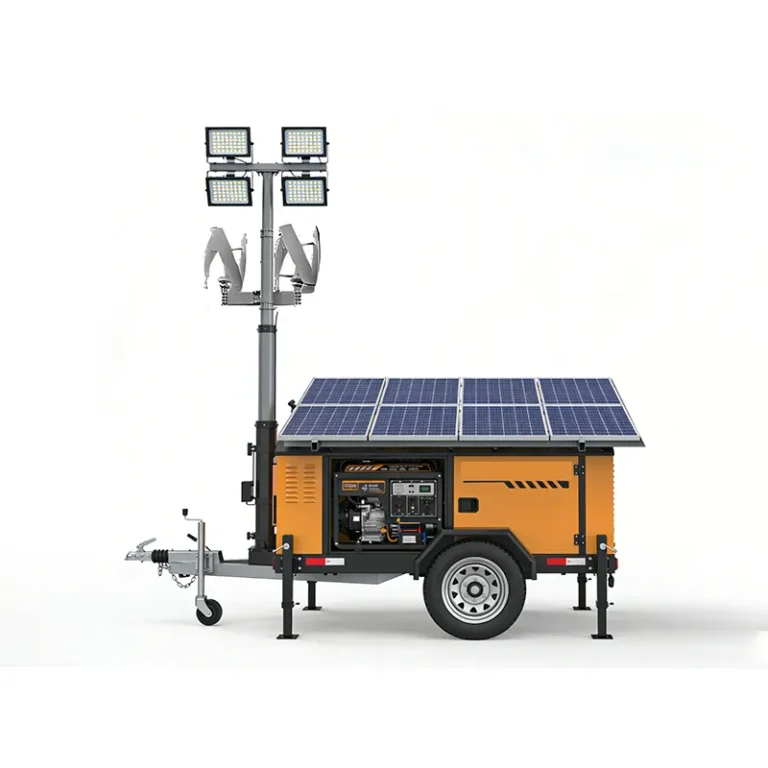
Cost of Renting a Light Tower
The rental price for light towers fluctuates based on location, duration, and the type of tower selected. On average, light tower rental prices range between $50 and $150 per day. Weekly rentals may cost between $200 and $600, while monthly rentals typically go for $600 to $1,500 depending on features like size and fuel source. Rental discounts are often provided for long-term bookings, so discussing terms in-depth with the company is advisable. Additionally, remember to account for extra charges such as transport, fuel, and insurance when calculating overall expenditures.Buy or Rent: Critical Considerations
Weigh these factors to decide between renting or purchasing: 1. Usage Frequency: If consistently required for ongoing projects, buying is ideal. Conversely, rentals suit irregular or one-off scenarios. 2. Financial Constraints: Rentals offer flexibility without requiring a significant upfront investment, unlike purchases. 3. Project Scope: Evaluate the magnitude, timeframe, and specific lighting requirements. Renting provides access to customized solutions for diverse tasks. 4. Storage and Maintenance: A lack of storage or maintenance capability weighs the decision toward renting.Common Scenarios for Renting vs. Buying
Use case examples to guide you in making a decision: – Temporary construction or roadwork projects: Renting is the preferred cost-efficient option. – Prolonged large-scale construction work: Buying may be more cost-effective for continuous usage. – Emergency situations: Both options are feasible based on emergency response frequency. – Single-occasion outdoor events: Renting fits one-time events like weddings, concerts, or sports.Zugehörige Ressourcen für Lichtmasten
- Was ist ein Lichtturm?
- Lichtmast-Spezifikationen
- So wählen Sie einen Lichtmast aus
- Flutlichtmast-Produktpalette
Rahmenwerk für den Käufervergleich
| Entscheidungsbereich | Frage zum Stellen | Aufzubewahrende Beweismittel |
|---|---|---|
| Anwendungseignung | Entspricht die Konfiguration dem Arbeitsbereich und der Einschaltdauer? | Anforderungskatalog und Layout |
| Leistung | Sind Angaben zu Beleuchtung, Leistung und Laufzeit konfigurationsabhängig? | Datenblatt und Prüfgrundlage |
| Bereitstellung | Kann die Einheit unter den Bedingungen vor Ort transportiert und aufgestellt werden? | Zeichnung, Handbuch und Vorführung |
| Support | Wer liefert Ersatzteile, Schulungen und den Störungsdienst? | Garantie und Servicepaket |
| Gesamtkosten | Welche Kosten fallen nach der Lieferung an? | Gemeinsames Arbeitsblatt zur Lebenszykluskostenberechnung |
Frequently Asked Questions (FAQ)
Welche Vorteile hat das Mieten im Vergleich zum Kaufen?
Mieten bietet geringere anfängliche Kosten, Flexibilität, den Wegfall von Instandhaltungspflichten und vermeidet Lagerungsprobleme bei vorübergehendem Bedarf.
Wie viel kostet das Mieten eines Lichtmasts?
Mietpreise für Lichtmasten Je nach Mietdauer und Modellspezifikationen liegen die Werte in der Regel täglich zwischen $50 und $150, wöchentlich zwischen $200 und $600 oder monatlich zwischen $600 und $1.500.
Wann sollte ich den Kauf eines Lichtmasts in Betracht ziehen?
Wenn Lichtmasten oft oder über längere Zeiträume benötigt werden, bietet der Kauf eine bessere Wirtschaftlichkeit und mehr Anpassungsmöglichkeiten und baut gleichzeitig einen Unternehmenswert auf.
Gibt es zusätzliche Mietgebühren?
Ja, potenzielle versteckte Kosten umfassen Transport, Kraftstoff und Versicherung. Bestätigen Sie diese vor dem Abschluss einer Vereinbarung mit den Vermietern.
Können solarbetriebene Lichtmasten gemietet werden?
Yes, solar-powered light towers are available through contractors and provide eco-friendly and more cost-efficient energy options.
The decision to rent or buy a light tower depends on usage frequency, budget, and project specifics. Regular usage across multiple projects suits buying, while infrequent or short-term needs align with exploring tower light for rent opportunities.
Consider the pros and cons carefully and consult industry professionals if required. Opt for a dependable supplier offering high-quality equipment and outstanding customer service. Regardless of your choice, ensure the selected option illuminates your work effectively.