
Diesel Generator Light Tower Buying Guide for Construction Sites
How to choose a diesel generator light tower for construction: runtime, noise, mast height, LED output, refueling, and OEM options from Keyyou factory supply.
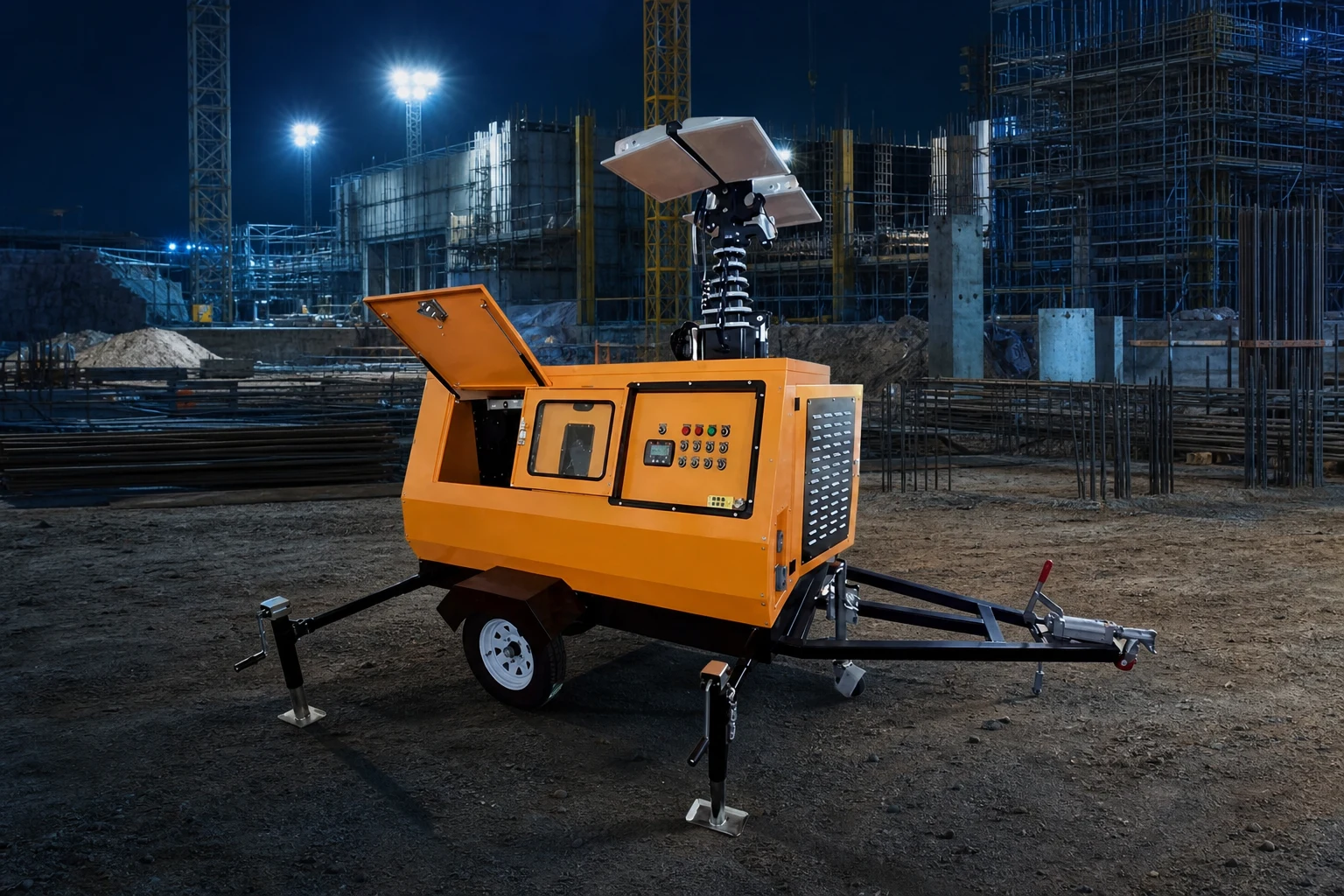
Diesel generator light towers still dominate night shifts on highways, plants, and remote construction zones where grid power is unavailable and solar runtime cannot cover full shifts. Buyers should compare tank capacity, engine tier, dB(A) at 7 m, mast height, and service intervals—not only headline lumens. This guide focuses on practical evaluation steps for industrial and commercial buyers—coverage, runtime, mobility, and lifecycle support—not generic marketing claims. Where equipment selection is involved, cross-check public specifications on keyyoutrade.com and confirm project-specific limits with your safety officer or lighting consultant. Section checklists can be reused as RFQ attachments and commissioning handover outlines.
Part 1. When Diesel Generator Light Towers Still Win
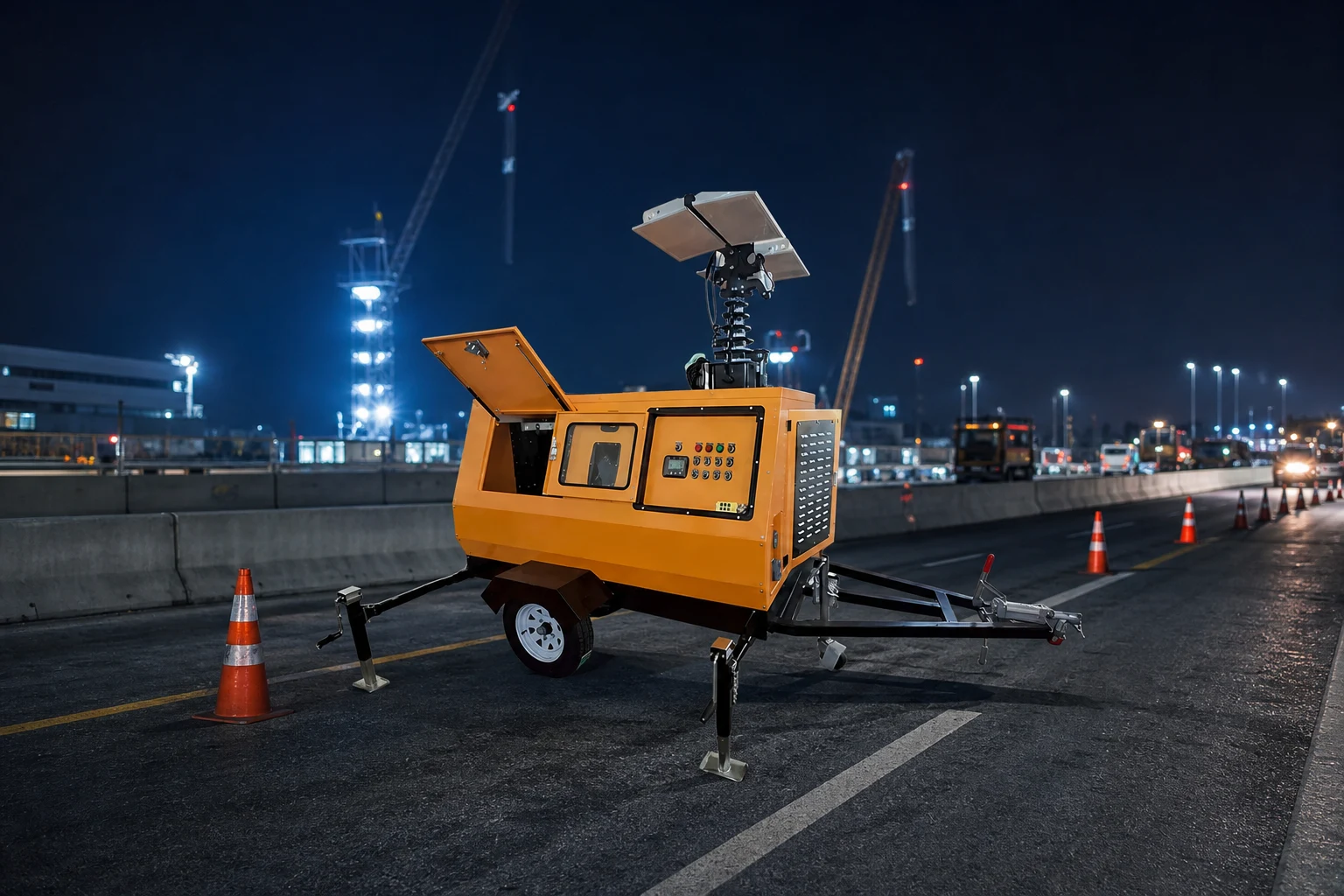
Solar and battery towers reduce fuel logistics, but diesel units deliver predictable multi-night runtime when clouds, dust, or winter cut recharge.
Contractors often pair diesel towers with milling machines, paving trains, and crane picks that need consistent all-night illumination.
Evaluate emissions rules, refuel access, and whether the site allows overnight generator noise before RFQ.
Mobile light tower projects succeed when illumination targets, runtime, and repositioning frequency are defined before SKU selection.
Document ambient temperature, wind exposure, and ground bearing capacity—they affect trailer ballast and mast stability.
Use conservative performance claims until photometric review confirms coverage on your actual site plan.
Capture site layout, required lux levels, and refuel or recharge access in the RFQ so suppliers can propose realistic mast height and power type.
Compare total cost of ownership—fuel, maintenance, transport, and downtime—not catalog lumens alone when shortlisting towers.
Define acceptance tests before shipment: mast raise/lower, rotation, light output at agreed load, and stability in wind per manufacturer data.
| Factor | Diesel tower | Solar tower |
|---|---|---|
| Multi-night runtime | Strong with large tank | Depends on battery + sun |
| Fuel logistics | Required | Minimal |
| Noise | Engine dB(A) limits apply | Quieter operation |
| Upfront cost | Often lower capex | Higher battery/solar capex |
Part 2. Specifications Checklist
Engine kVA, alternator class, and LED wattage together define usable light—not any single catalog number.
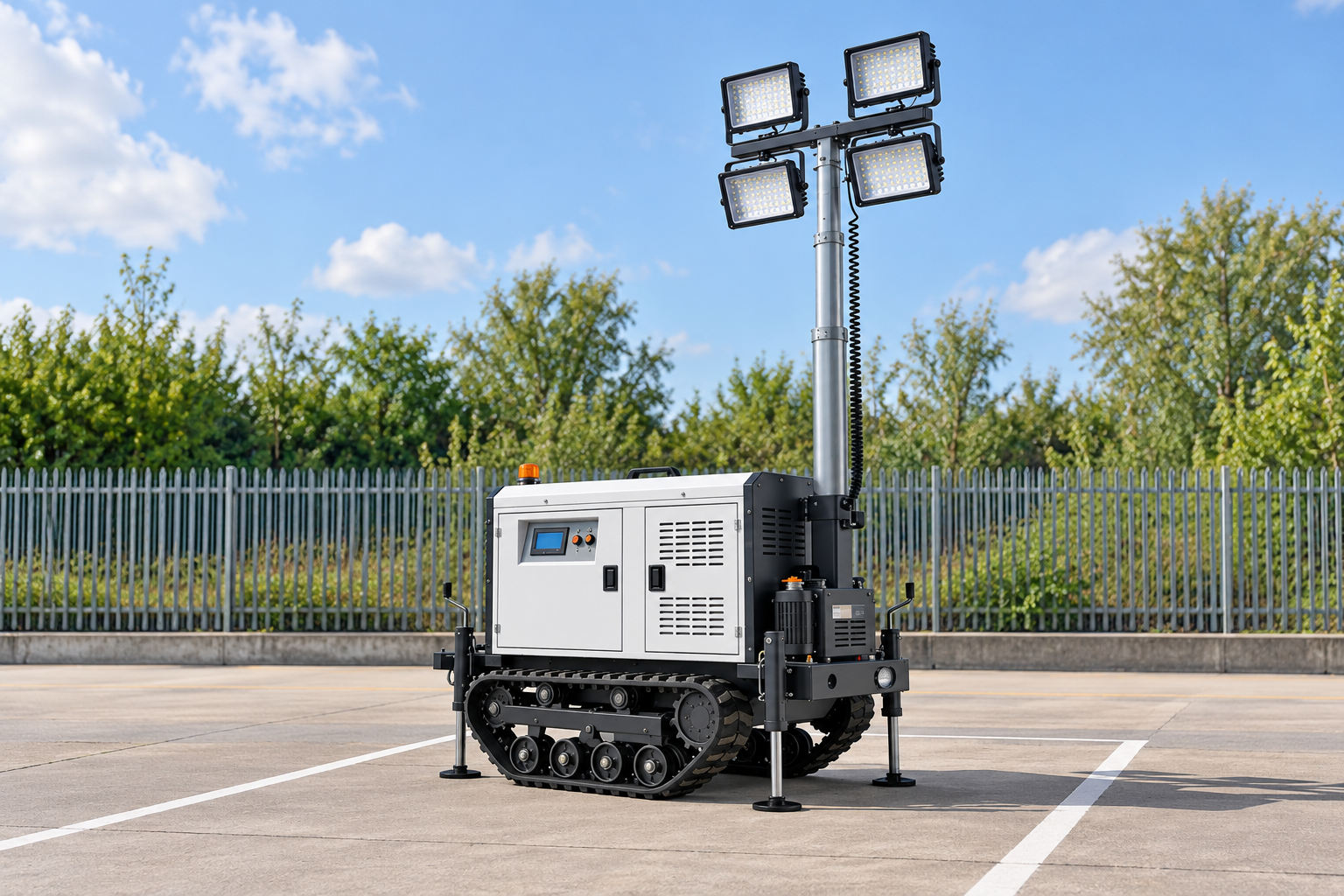
Hydraulic or pneumatic masts affect deployment speed; trailer ballast affects wind rating.
Request wind speed auto-lowering limits and stabilizer requirements for your terrain.
Compare installed cost including transport, commissioning, and first-year consumables—not list price alone.
Link readers to mobile light tower product line and application-specific guides on keyyoutrade.com rather than duplicating every spec inline.
Lead times vary by mast type and export crating; confirm in quotation for overseas shipments.
Capture site layout, required lux levels, and refuel or recharge access in the RFQ so suppliers can propose realistic mast height and power type.
Compare total cost of ownership—fuel, maintenance, transport, and downtime—not catalog lumens alone when shortlisting towers.
Define acceptance tests before shipment: mast raise/lower, rotation, light output at agreed load, and stability in wind per manufacturer data.
| Spec | Why it matters | RFQ question |
|---|---|---|
| Tank capacity | Nights between refuel | Hours at 75% load? |
| Mast height | Coverage / glare | Rotation range? |
| dB(A) at 7 m | Permits / neighbors | Night-mode idle noise? |
| LED modules | Uniformity | Photometric data available? |
Part 3. Procurement and Maintenance
Include spare filters, belts, and LED modules in export packages for remote sites.
Pre-shipment tests should cover mast cycle, lighting output, and controller alarms.
OEM buyers may need custom paint, multilingual panels, and crating for ocean freight.
After deployment, log lux readings at critical work zones and refuel/recharge intervals for future job estimates.
Maintain spare lamps, fuses, and filters based on site dust and continuous-run duty.
Use Keyyou engineering contact for OEM customization when standard catalog masts do not meet clearance or weight limits.
Capture site layout, required lux levels, and refuel or recharge access in the RFQ so suppliers can propose realistic mast height and power type.
Compare total cost of ownership—fuel, maintenance, transport, and downtime—not catalog lumens alone when shortlisting towers.
Define acceptance tests before shipment: mast raise/lower, rotation, light output at agreed load, and stability in wind per manufacturer data.
| Document | Purpose | When |
|---|---|---|
| Runtime log | Verify tank sizing | Factory test |
| Maintenance schedule | Field service planning | Before PO |
| Spares list | Reduce downtime | Contract |
| Incoterms | Freight quote | RFQ |
Part 4. Documentation and Handover Checklist
Site acceptance should include light output checks at agreed points—not only a visual walk-through at dusk.
Use the tables below as a starting RFQ checklist; your EPC or rental contract may require additional items.
Cross-check related Keyyou product pages for datasheets missing from the initial quote.
Align factory tests with insurer or agency requirements when towers operate on public roads or airports.
When comparing quotations, normalize transport, commissioning, and spare parts bundles before ranking suppliers.
| Document / item | Purpose | When to request |
|---|---|---|
| Photometric / IES file | Verify coverage and glare on site layout | Before purchase order |
| Mast wind rating & stability data | Safe deployment in open yards | Design / safety review |
| Engine or battery datasheet | Runtime and refuel/recharge planning | RFQ comparison |
| Spare parts list (LED, fuses, filters) | Lifecycle and downtime planning | Contract negotiation |
| Pre-shipment functional test report | Acceptance at delivery | Before energization on site |
| Application | Runtime need | Typical tower choice |
|---|---|---|
| Continuous plant turnaround | 24/7 high output | Diesel generator light tower, large tank |
| Mining haul roads | Dust, vibration | Heavy-duty trailer or crawler tower |
| Emergency response | Rapid deploy | Towable diesel with fast mast raise |
| Cold climate sites | Battery limitations | Diesel or hybrid with block heater options |
Part 5. Commissioning, Monitoring, and Long-Term Operations
Commissioning should verify lux or foot-candle levels at critical work zones, mast stability, and control functions at full extension.
Functional tests typically include raise/lower cycles, rotation stops, light output at rated load, and fuel or battery runtime spot checks.
Monitoring after deployment helps catch vibration loosening, LED degradation, or battery capacity loss before they affect night shifts.
Train operators on wind limits, outrigger deployment, and lockout/tagout for mast maintenance per manufacturer manuals.
Schedule a post-warranty review when site loads change—new haul routes or extended shifts often require different tower positioning.
Fleet managers should track hours per unit to balance maintenance across rental pools and avoid overworking single assets.
Keep a critical spares list (LED modules, fuses, filters, battery packs) based on lead time and production impact.
Recommended Keyyou Products
For project support, explore our related product line, solution options, and OEM/ODM capabilities on keyyoutrade.com.
FAQ
What is a diesel generator light tower?
A diesel generator light tower is a mobile elevating lighting system designed for the specific use case described in this guide, combining a mast, LED heads, and a power source.
How long can a diesel light tower run on one tank?
Runtime depends on tank size, engine load, and lighting wattage—request fuel consumption at rated load from the manufacturer.
Are diesel towers too loud for concerts?
Many venues impose noise limits; solar or battery-assist towers may be required near audiences—check local permits.
How many towers do I need for a parking lot?
Coverage depends on mast height, beam spread, and required foot-candles—use a lighting layout or photometric plan.
Should rental companies standardize on one mast type?
Standardization simplifies spares and crew training; align with your most common event and construction clients.
Can Keyyou customize towers for export events?
OEM branding and specification adjustments are available—confirm in RFQ.
What should I verify before shipment?
Mast cycle, lighting output, controller functions, and transport restraints should be tested and documented.
References
Ready to discuss your project? Contact Keyyou engineering support with your project parameters and technical requirements.