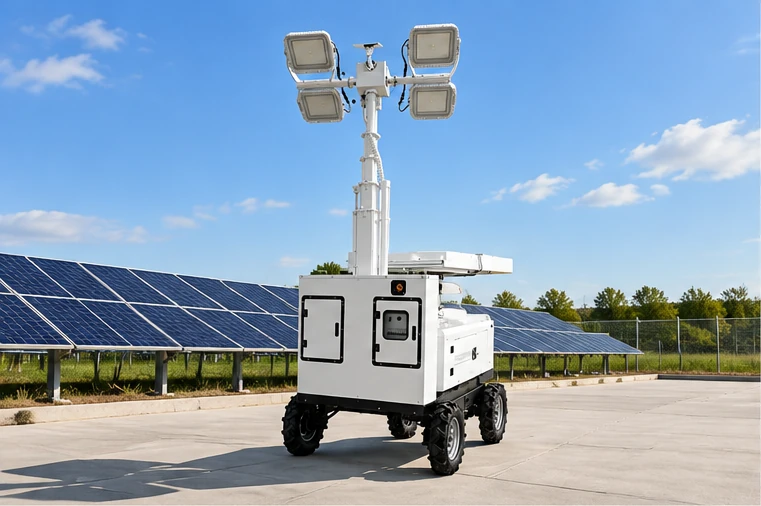

How Should Site Teams Plan Temporary Pumping With a Drainage Shelter?
Plan temporary pumping by fixing duty windows and triggers, rotating a trained crew, writing water routing as permit-checked questions, monitoring level and equipment state on a schedule, and enforcing stop rules—with every equipment figure drawn from the vendor’s manual, not the plan itself. An operating plan is the difference between a pumping asset and a parked box.
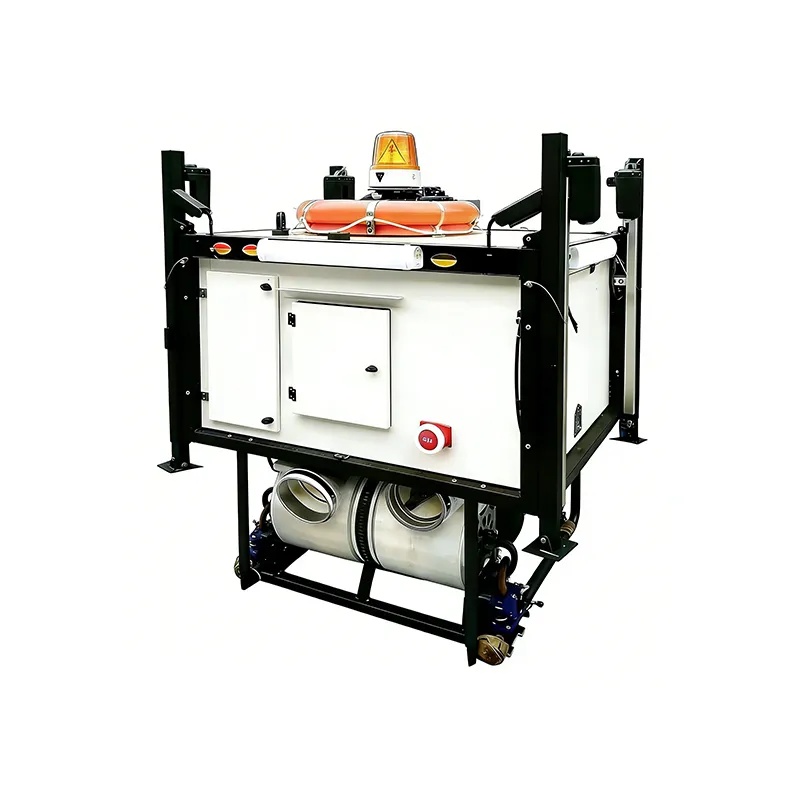
Part 1. What does a pumping plan cover, and what stays out?
It covers the operating half of a drainage deployment: when pumping runs, who runs it, where water goes, what gets watched, and what stops the work. The purchasing half—mission, sites, and document demands—belongs in the procurement file, which this plan assumes already exists.
Hydraulic design also stays out. The plan asks routing and duty questions; the vendor’s manual and the governing permit answer them.
Part 2. Which duty windows and triggers shape the plan?
Flood events do not follow shift calendars. Preparedness framing such as Ready.gov’s flood guidance pushes teams to define triggers before water arrives.
| Plan element | Question to fix | Record |
|---|---|---|
| Start trigger | What water level or warning starts pumping? | Trigger statement |
| Duty window | Continuous, night-only, or tide-driven? | Window definition |
| Standby state | How does the unit wait between windows? | Standby checklist |
| Escalation | Who is called when the window is exceeded? | Contact chain |
| Demobilization | What condition ends the deployment? | End-state definition |
The same window-based discipline used for lighting duty in the night-shift operating plan applies to pumping duty: define the window first, then staff it.
Part 3. How are crew roles and rotations set for temporary pumping?
Assign a named operator per window, a relief rotation, and one supervisor who owns the stop rules. Flood response work carries its own hazards, and worker-safety resources such as OSHA’s flood response pages exist precisely because response crews take risks maintenance crews do not.
Important: Keep crews out of moving or contaminated water and rotate fatigue-critical roles; flood-response safety resources treat these as baseline discipline. Source: OSHA flood response resources.
Long events burn crews faster than equipment. Write the rotation before the first window, not during it.
Part 4. How should water routing be planned as questions?

Pumped water must go somewhere legal and somewhere that does not return. Discharge rule families exist—the EPA stormwater discharge program is the construction-facing example—so the plan records routing as answerable questions per site.
- Where does each site’s water legally go, and which authority confirms it?
- What path do hoses or channels take without crossing traffic or access routes?
- What stops the discharge point from feeding the water back?
- Who checks the discharge point during operation?
Part 5. Which monitoring keeps the operation honest?
Watch three things on a written schedule: water level against the trigger and stop marks, equipment state per the vendor’s manual checks, and the discharge point. Log each check; a temporary operation without logs cannot defend its decisions afterward.
Temporary-operations practice such as the FHWA practices library treats staffed monitoring as part of the plan, not an optional extra.
Part 6. Which supplier inputs and documents support the plan?
Ask the supplier for the manual pages that anchor the plan’s equipment lines: duty limits, fuel or power consumption basis, maintenance checks during sustained duty, and the loading cycle instructions for repositioning mid-event.
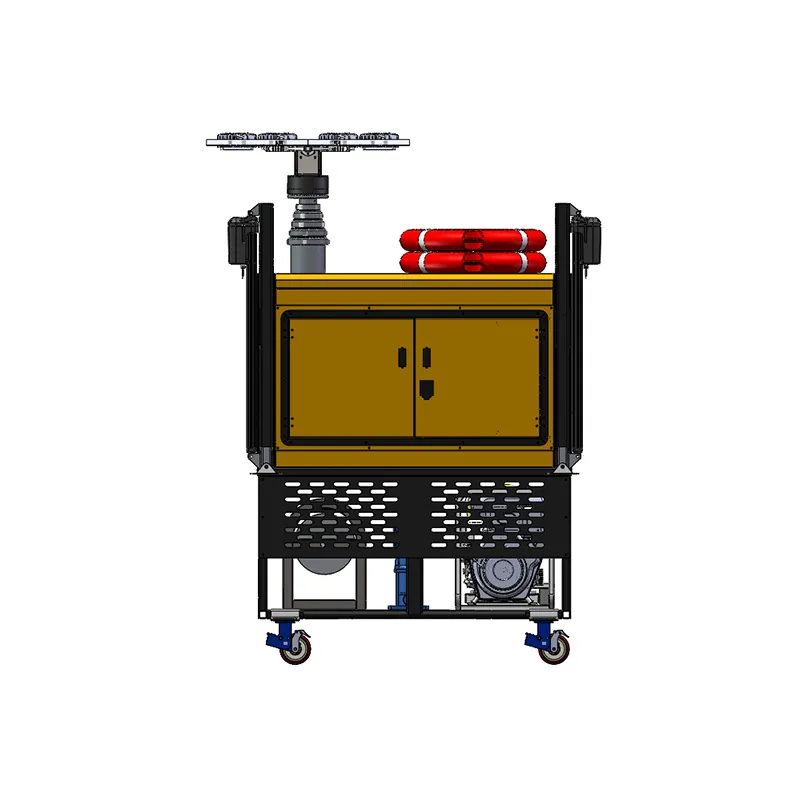
Product recommendation: use the listed self-loading mobile drainage shelter box as a document-review starting point when building a pumping plan around a deployable drainage asset. The page names a configuration; the manuals—not this article—supply duty figures. The wider deployable family sits under the self-loading mobile lifting light tower range.
Fit Boundary
This plan template is suitable for site teams organizing temporary pumping duty. It is not suitable as hydraulic design, a discharge permit, an emergency-response plan, or a Keyyou performance commitment. For a document-level review, send the duty windows and routing questions.
Part 7. Which conditions stop the operation?
Stop pumping when water threatens crew access or exceeds the plan’s marks, when equipment checks fail against the manual, when the discharge point misbehaves, or when weather warnings escalate beyond the plan’s assumptions—flood safety language from the NWS flood safety pages belongs in every stop-rule briefing. Restart only when the trigger conditions are freshly met and the supervisor signs the restart.
FAQs
What does a pumping plan for a mobile drainage shelter cover?
Duty windows, triggers, crew rotation, routing questions, monitoring schedule, and stop rules for the operating side of a deployment.
How are duty windows and crew rotations planned for temporary pumping?
Define start triggers and window types first, then assign a named operator per window with a relief rotation and one supervisor owning stop rules.
How should water routing be planned without hydraulic design?
As permit-checked questions per site: where water legally goes, what path it takes, what prevents return flow, and who watches the discharge point.
What monitoring keeps a temporary pumping operation honest?
Scheduled, logged checks of water level against marks, equipment state per manual, and the discharge point.
What conditions should stop a pumping operation?
Threats to crew access, exceeded marks, failed equipment checks, discharge problems, or escalating weather warnings—each written as a stop rule.
How does the pumping plan connect to the procurement file?
The procurement file buys documented capability; the pumping plan operates it. Plans reference manual figures obtained during procurement.
What information does the supplier need to support an operating plan?
Duty windows, crew structure, routing questions, and a request for manual pages on duty limits, consumption basis, sustained-duty checks, and repositioning.