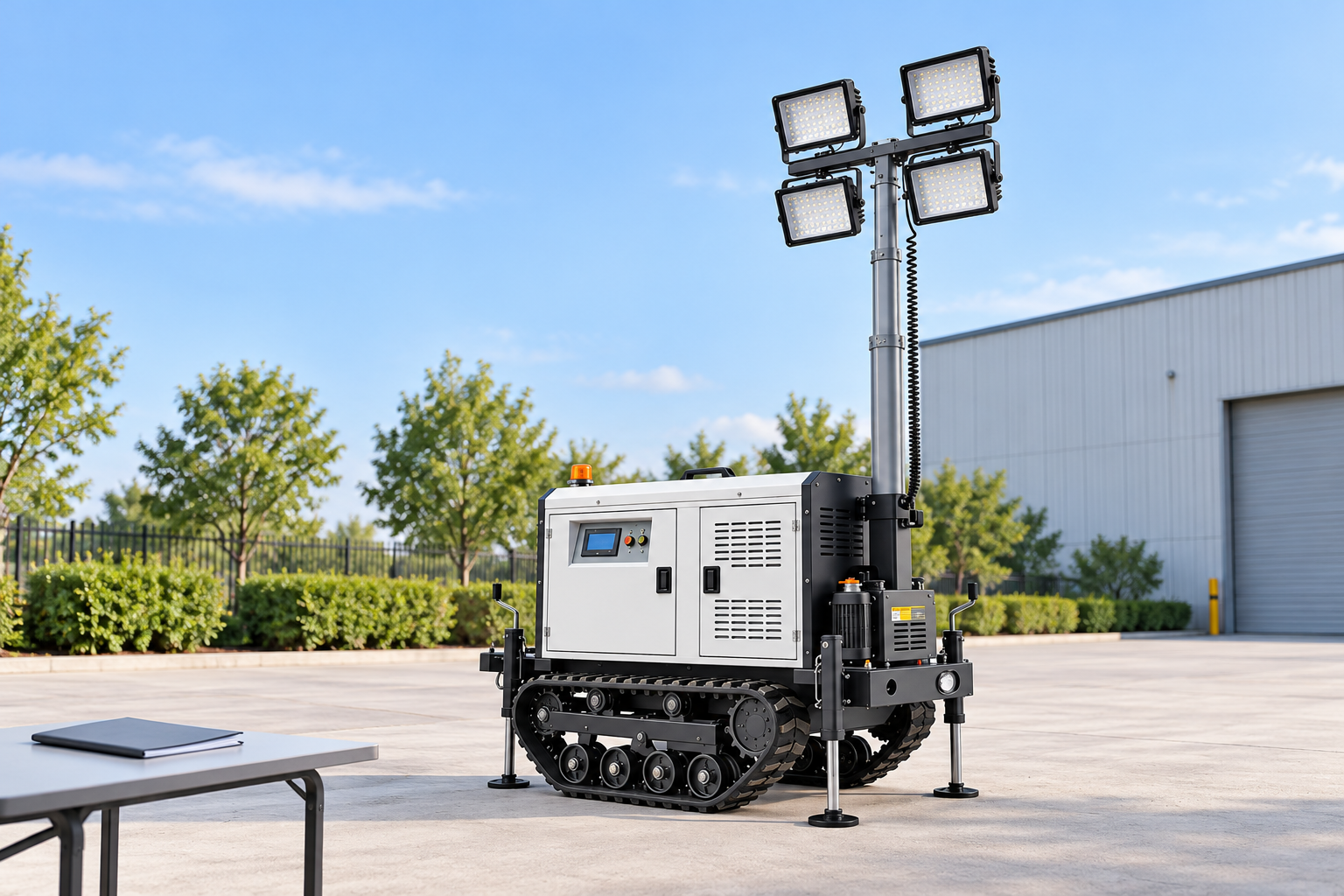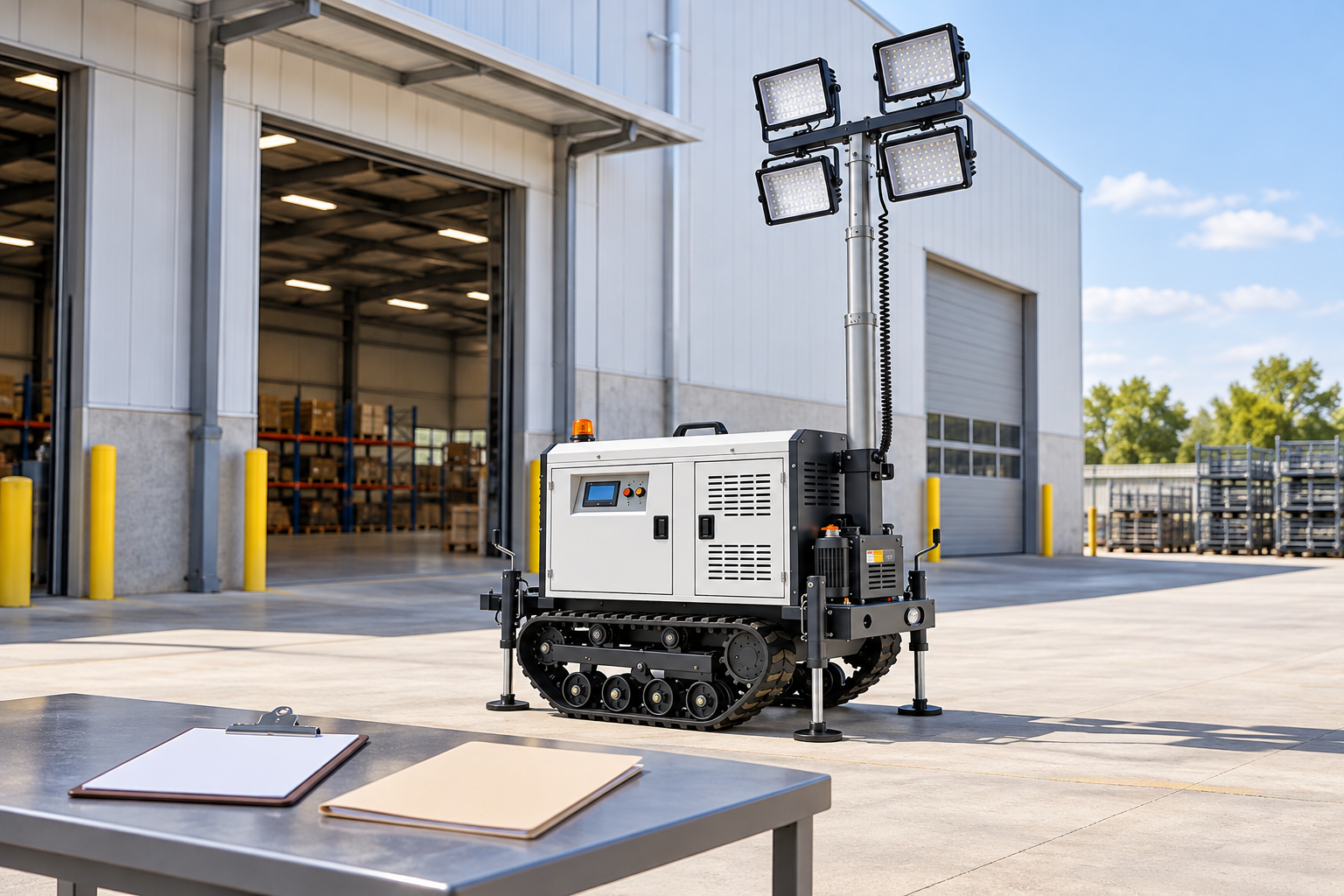

How Can Buyers Evaluate a Mobile Light Tower Manufacturer?
Buyers can evaluate a mobile light tower manufacturer more clearly by comparing an offer-specific identity record, configuration record, scope of supply, evidence list, and responsibility record. A polished supplier profile or product image is not enough to establish what will be supplied, who will confirm it, or whether it fits a particular project.
- FAQ
Part 1. Start With a Buyer-Owned Evaluation File
Build one file that every candidate supplier must answer. Its purpose is not to score a company from marketing statements; it is to make each response traceable to the same project requirement.
The file should identify the intended work, the decision team, the requested product route, and the records required before a commercial decision. That approach follows the general procurement principle that value and quality must be considered with fit for purpose, not as a price-only exercise.
Part 2. Verify Who Is Answering the Quote
Ask the responding party to identify its legal or trading identity, the contact responsible for technical answers, and the contact responsible for commercial terms. Then keep that identity record with the quotation and later revisions.
| Record to request | Buyer check | Why it belongs in the file |
|---|---|---|
| Quotation issuer | Is the named party the party answering the quote? | Keeps revisions attributable to one respondent |
| Technical contact | Who can clarify the offered model and documents? | Gives the evaluator a route for factual questions |
| Commercial contact | Who owns price, scope, and terms in the quote? | Separates commercial acceptance from technical review |
| Revision reference | Which quote version is being evaluated? | Prevents a later file from being mistaken for the original offer |
This is an identity check, not a statement about ownership, factory status, capacity, or service coverage. Request written evidence when a project needs those points reviewed.
Part 3. Lock the Offered Configuration Before Comparing Claims
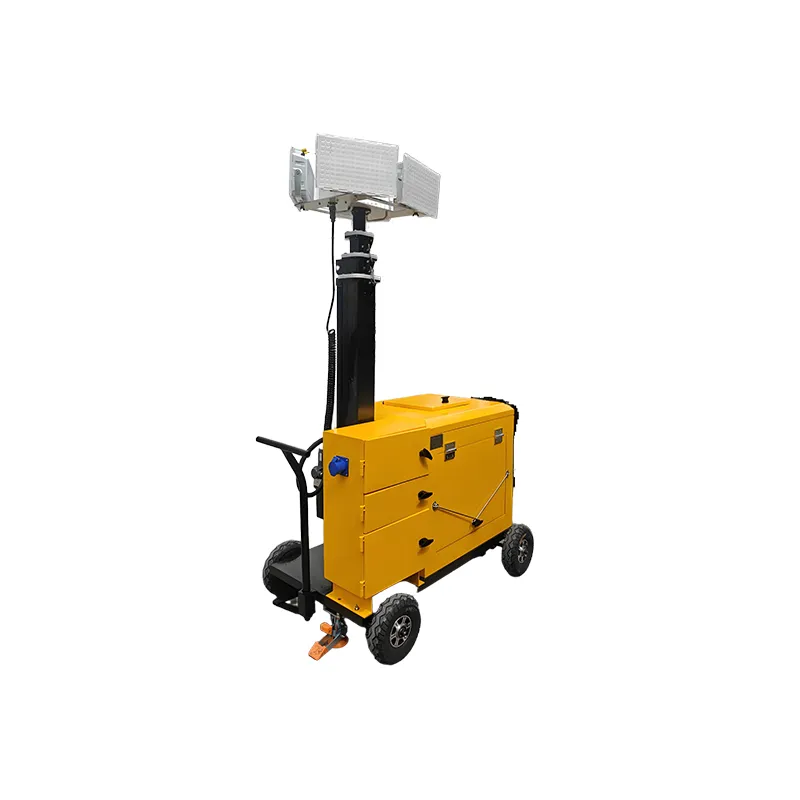
Each quoted unit needs a clear model or configuration reference. Describe the application inputs first, then ask the supplier to map the offered configuration to those inputs. Do not compare a product-family image against a different written description.
| Buyer input | Supplier response to request | Evaluation question |
|---|---|---|
| Intended application and operating environment | Offered model or configuration identifier | Is the response tied to the stated use case? |
| Mobility and access constraints | Transport and deployment description | Does the supplied description address the stated constraint? |
| Required lighting task | Applicable model document | Is the document for the offered configuration? |
| Requested controls or interfaces | Included, excluded, or pending item list | Are assumptions visible before quote comparison? |
| Project-required evidence | Named evidence and document revision | Who must review it, and when? |
Important: A generic product page or image does not establish equipment fit, a rating, or project approval. HSE work-equipment guidance explains that equipment needs assessment and controls appropriate to its intended use.
Part 4. Request Evidence With a Clear Review Owner
Evidence is useful only when it is linked to the offered configuration and assigned to a reviewer. Put the document name, revision, supplied date, and reviewer beside each requirement so that no one assumes an unreviewed attachment was accepted.
| Evidence item | What the buyer should ask | Review owner to name |
|---|---|---|
| Model identification | Which exact offered model or configuration does this record cover? | Buyer technical reviewer |
| Scope of supply | What is included, excluded, or left open? | Buyer commercial reviewer |
| Operating information | Is there documentation for the offered configuration? | Intended operator or technical reviewer |
| Project-required evidence | Which evidence is requested by the project, if any? | Project authority designated by the buyer |
| Approval or sample record | What needs written acceptance before release? | Buyer approval owner |
NIST supply-chain guidance treats supplier information and verification activities as part of risk management. In this setting, that supports a simple discipline: record what was supplied and who is expected to review it; it does not prove that an attachment satisfies a project requirement.
Part 5. Compare Commercial Responses Without Losing the Scope
Place competing quotations beside the same requirement file. A lower headline price cannot show whether the scope, documentation, or assumptions are comparable.
| Quote-review line | Compare across responses | Escalate when |
|---|---|---|
| Offered configuration | Identifier and written description | The identifier is absent or changes between files |
| Scope | Included and excluded items | One response leaves a material item open |
| Evidence | Named documents and revisions | The document is generic or not tied to the offer |
| Responsibilities | Buyer and supplier actions | Review ownership is unclear |
| Commercial terms | Quote date, validity, and stated terms | The comparison uses different commercial bases |
The World Bank procurement framework describes procurement as considering quality and value as well as cost. For a mobile light tower enquiry, use that principle by recording scope differences before selecting on a headline number.
Part 6. Use Product Pages as a Starting Point, Not Proof
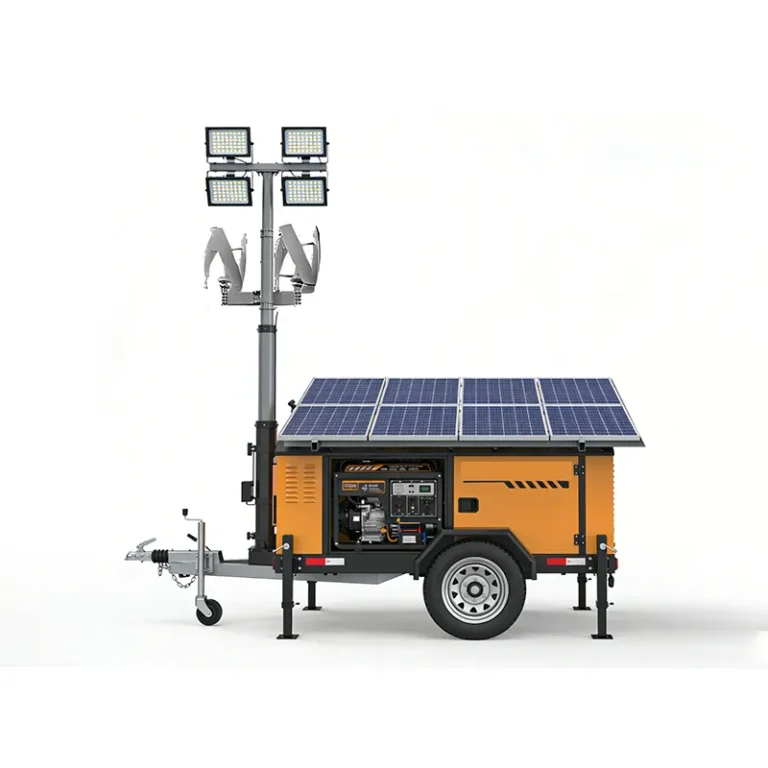
Use the mobile lighting tower range to identify product routes for discussion, then request evidence for the particular offer. For example, the trailer type mobile lighting tower can be an initial route to discuss, not a confirmation that any pictured or named arrangement matches the buyer’s project.
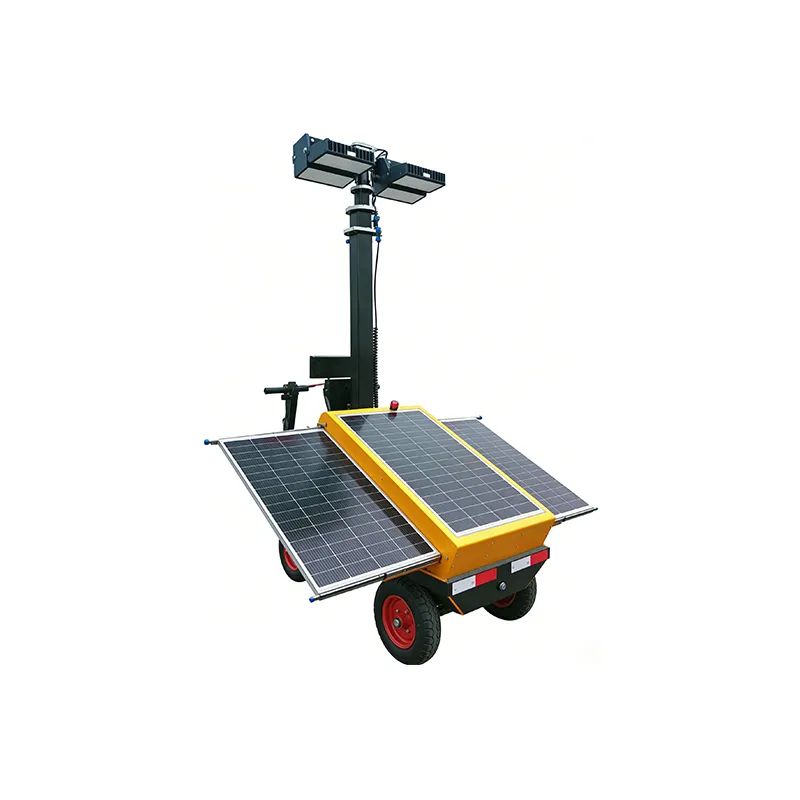
For related preparation, read the mobile light tower RFQ guide, the trailer-mounted buying guide, and the mobile light tower handover checklist.
Part 7. Send a Focused Enquiry for the Specific Offer
Send the completed requirement file with the enquiry. Ask the respondent to return the proposed configuration, scope, document list, open assumptions, and named contacts in the same format.
This process does not establish availability, delivery timing, approvals, warranty, performance, or project suitability. Contact Keyyou only after preparing the questions and request written information for the specific offer under review.
FAQ
What does evaluating a mobile light tower manufacturer involve?
It involves comparing the responding party’s identity, the proposed configuration, scope, documents, responsibilities, and commercial response against one buyer-owned requirement file.
Is a supplier profile enough to select a unit?
No. A profile can start research, but the buyer still needs offer-specific records and project review before selecting a unit.
Which identity records should a buyer request?
Request the quotation issuer, technical contact, commercial contact, and the revision reference for the response being evaluated.
How should two quoted configurations be compared?
Compare the written identifier, scope, included and excluded items, document references, and open assumptions against the same project inputs.
Should project-required evidence be named in the RFQ?
Yes. Name the evidence the project requires and identify who will review it. Do not treat a generic attachment as proof that the requirement has been met.
Can a catalog page confirm delivery or approval status?
No. A catalog route is not a confirmation of commercial timing, approval status, or the configuration in a specific offer.
When should a buyer contact Keyyou?
Contact Keyyou after preparing the application, requested configuration, scope questions, and evidence list that need to be addressed in a specific offer.