
Agricultural Harvest Lighting With Mobile Towers
Plan agricultural harvest lighting for unloading points, machinery service, temporary yards, vehicle approaches, field access, power availability, and night visibility.
Harvest light towers are useful for defined outdoor work such as crop unloading, machinery service, temporary storage yards, and vehicle access after dark. They should be selected for those tasks rather than confused with greenhouse grow lights or the work lights fitted to a combine. Start with the farm's current harvest layout, working hours, traffic movements, and power options. Then review permitted tower positions, task visibility, glare, servicing, and the response to an outage. This guide addresses temporary area lighting. It does not certify a machine for combustible dust, establish a safe operating slope, or guarantee a particular area of coverage.
Identify the harvest tasks that stay in one place
Separate fixed unloading and service locations from mobile field operations. A tower serving a yard should not be assumed to replace the lights required on a moving tractor or combine. List the unloading points, inspection tasks, parking areas, service locations, and pedestrian routes that need area illumination. The farm's responsible team should identify the applicable operating requirements and any locations needing specialist review.
Put the tasks on the actual layout, including where trailers and machinery stand during the busiest part of the shift. The view from an empty yard can be very different from the view when a vehicle occupies the unloading position. Ask operators and ground crews which details must remain visible. A quotation based on a named task and location is easier to evaluate than a general promise that one tower can light the entire harvest operation.
Protect the unloading approach and turnaround
Mark the vehicle approach, queue, turning movement, unloading position, and departure route. Reserve permitted places for the full deployed lighting footprint, including supports and servicing space. Avoid locating the unit where it becomes an obstacle when a longer trailer arrives or the queue changes. The site's traffic arrangement controls placement; equipment should not be moved into a working route simply to improve illumination.
Assess lamps from the actual driver's approach in a controlled nighttime review. Bright light aimed towards an arriving vehicle can make the useful view worse even where the yard appears well illuminated from the side. Check that route boundaries, people, and instructions remain distinguishable when representative machinery is present. Record any lamp adjustment and recheck affected positions. The farm team must resolve traffic and operating controls alongside the lighting arrangement.
A harvest-location review table
Use this checklist when preparing an equipment inquiry. It is a qualitative planning tool, not a universal agricultural lighting level, an operating approval, or a performance claim for the reference machine.
| Planning item | Evidence to review |
|---|---|
| Harvest location | Separate unloading and service yards from moving-machine lighting tasks. |
| Vehicle approach | Check instructions, boundaries, and glare with representative vehicles. |
| Changing storage | Document stock and parking changes that require another visibility check. |
| Ground and deployment | Review the exact support, mast, wind, travel, and ground instructions. |
| Power window | Include late unloading, service, cleanup, charging, and outage response. |
Check machinery service positions separately
A service area may need views of controls, inspection points, connections, and the route used to reach them. A tower lighting the ground around a machine can still leave a close task behind a wheel, guard, body panel, or parked vehicle in shadow. Review the required view with the people performing the approved service procedure. Where area lighting cannot reveal the task, obtain an appropriate approved task-light arrangement.
Keep the service procedure and lighting decisions separate. Better illumination does not remove isolation, guarding, or other required controls. Do not improvise a fixture mount on agricultural equipment, alter connections, or enter an operating zone just to improve a view. Locate the tower so that routine inspection and service access remain practical without crossing the active vehicle approach. If a proposed position conflicts with those movements, review a permitted alternative before setup.
Plan for changing stock and temporary storage
Harvest yards can change quickly as materials, trailers, bins, and parked equipment accumulate. Document which objects may obstruct the light or narrow a route during the shift. A beam reaching an inspection point at startup may be blocked later by a parked trailer. Identify the changes that require a new lighting check and assign responsibility for reviewing the affected tasks.
Do not infer an electrical or dust-related approval from an LED label or a sealed-looking enclosure. Where the proposed environment raises classification or equipment-protection questions, have the responsible authority assess the complete assembly and exact documentation. A tower picture supplies no proof of certification. Keep any required review with the work package and recheck replacements or configuration changes against the same conditions.
Review the field and yard ground conditions
The lighting position must comply with the exact model's ground, support, mast, wind, and movement instructions. Tracks or large wheels do not establish safe operation on arbitrary soil, a slope, or a soft verge. Review the permitted footprint with the farm's responsible team, including underground services or covers, overhead constraints, and access needed for shutdown or removal. Do not convert the equipment's appearance into a ground-loading or stability claim.
If a unit is relocated between field-edge and yard tasks, use its actual shutdown, mast-lowering, transport, and setup sequence. A position should be checked again when weather or vehicle traffic changes the ground. Document the installed location and support arrangement so the next shift can distinguish the current setup from an earlier one. Avoid moving a raised mast unless the exact instructions permit the operation under the real conditions.
Compare power options over the complete harvest window
Ask for runtime evidence at the proposed lighting mode and environmental conditions. Include unloading delays, machinery service, cleanup, overtime, and shift handover. A quoted figure from reduced output or a different engine and battery package is not equivalent to a full-output night on the supplied machine. Require the final configuration and test profile to be identified in the proposal.
Engine-powered units need a reviewed exhaust location, fuel procedure, maintenance window, and service access. Batteries need a charging location, compatible supply, achievable schedule, and a readiness check before deployment. External power needs an approved connection, protection, and cable route. A hybrid should identify its engine-start conditions. Compare those practical arrangements alongside equipment price rather than choosing only by a fuel, wattage, or runtime headline.
Include servicing and outage response in the work plan
Assign inspection of the lighting arrangement before the shift. Use the exact manual for controls, supports, mast checks, visible damage, connections, and abnormal indications. Routine servicing should not take place inside an active unloading movement. Plan refueling or charging so that a required area is not left unexpectedly without its lighting. Identify who can authorize an equipment move or substitution.
Define how the affected task responds if the tower fails. The farm's responsible team should decide which operations stop, which routes remain available, who is contacted, and how lighting is restored. Do not assume a handheld light or a parked machine's work lights can replace every function of the accepted area arrangement. A backup unit also needs review of its footprint, power package, instructions, and installed view before use.
Verify useful visibility after installation
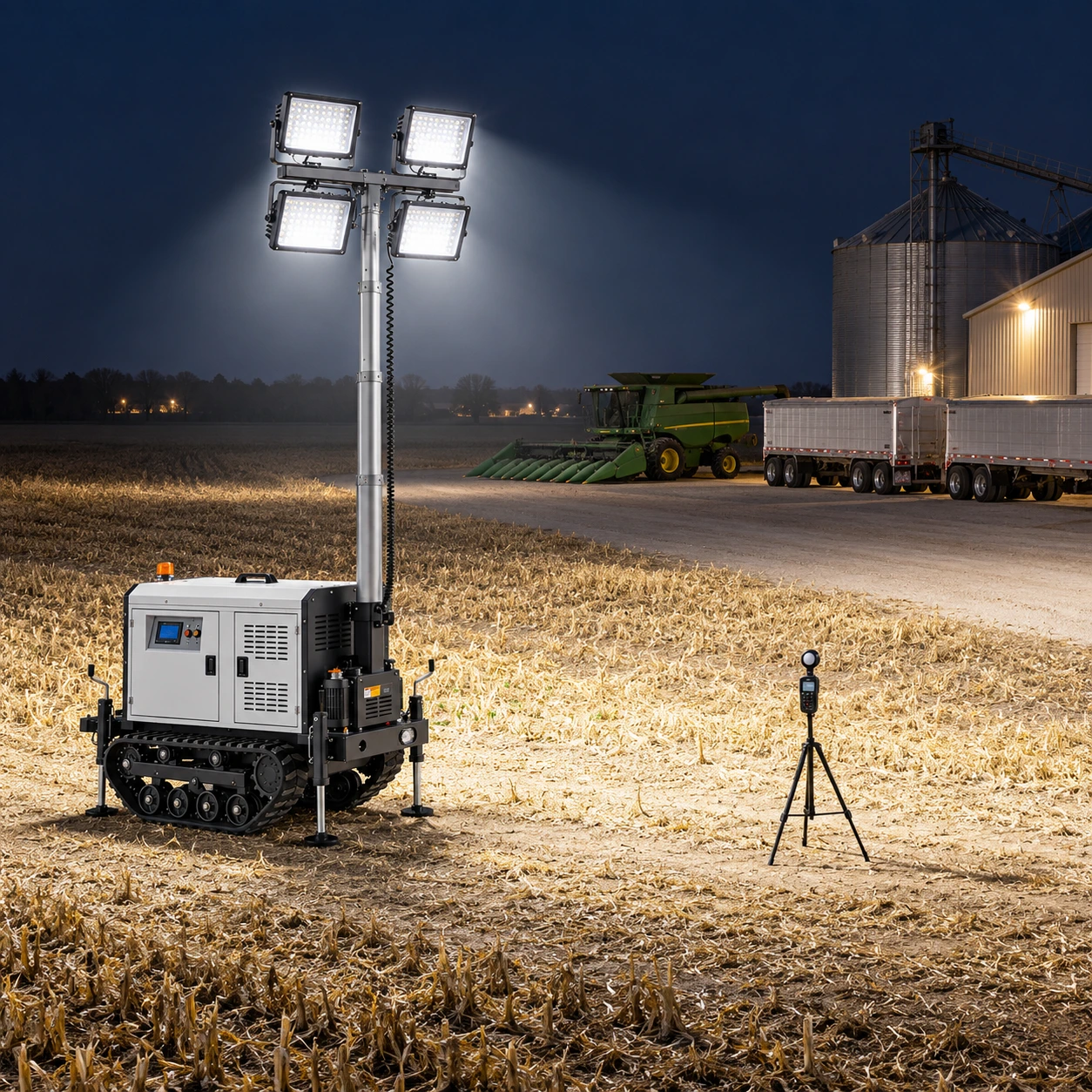
Agree on acceptance criteria with the farm team before delivery. A proposed layout should identify the exact luminaires, optics, output mode, positions, aiming, and obstructions. Inspect the installed work area after dark from permitted operator, driver, service, and pedestrian positions. Where measurements are required, record the agreed working plane, instrument, locations, environmental conditions, and background light. This article does not supply a universal quantity of towers or site-specific lighting level.
Look for individual deficiencies rather than relying on a yard average. A bright open area may coexist with a hidden step, an obstructed unloading view, or glare along the approach. Document the point and correct its cause through the reviewed arrangement. Recheck after changing lamp direction, stock layout, vehicle positions, or the active task. Keep the configuration and installed-position record with the photographs for later shifts and inspections.
Send an inquiry that reflects the actual farm operation
Provide the supplier with the current layout, task list, vehicle arrangement, shift duration, relocation frequency, available power, ground constraints, and acceptance procedure. Request model-specific support and mast instructions, complete-luminaire photometric information, runtime evidence, service requirements, and spare-parts availability. Identify environmental or approval questions that need resolution before equipment is ordered. Require written disclosure of substitutions affecting the configuration.
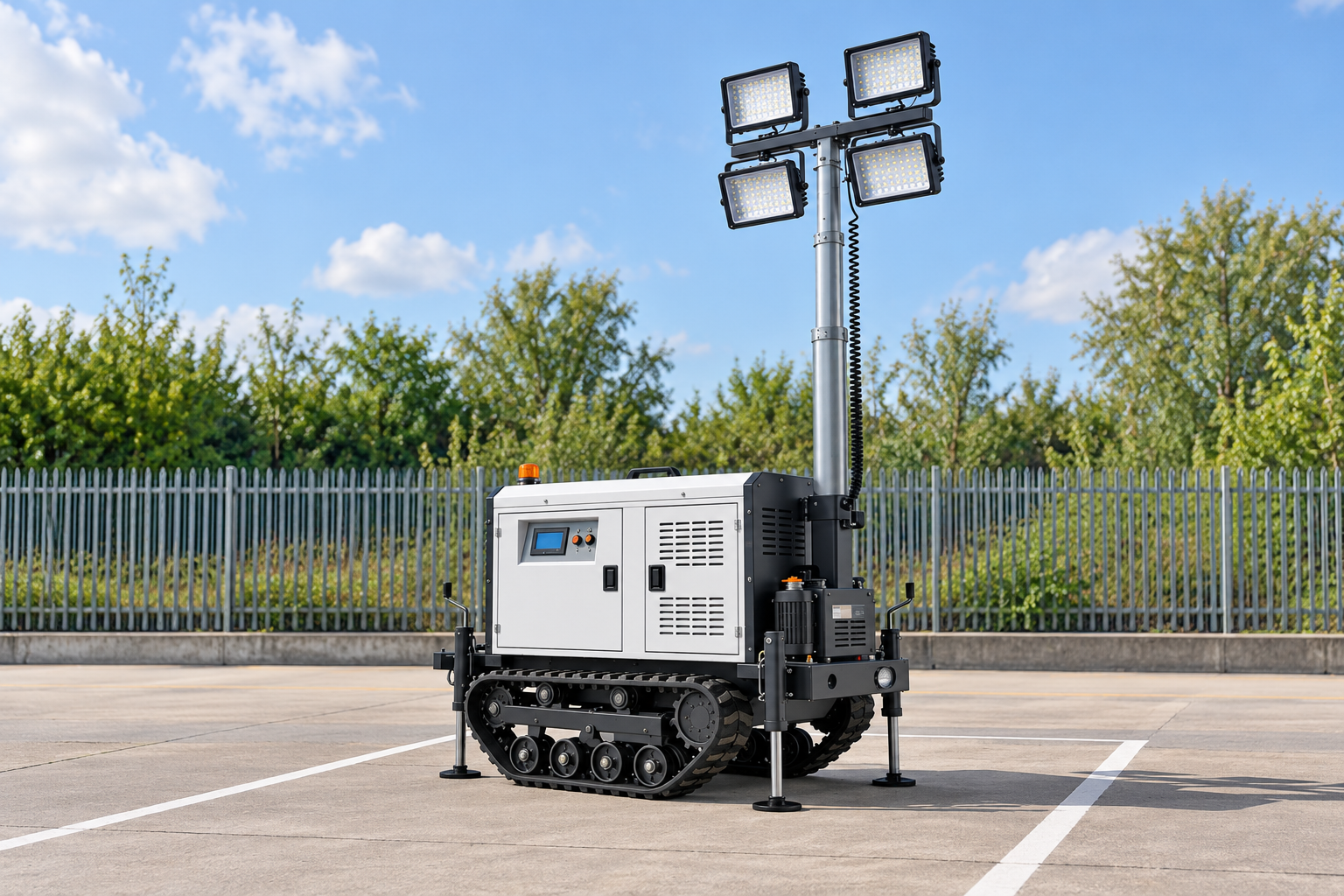
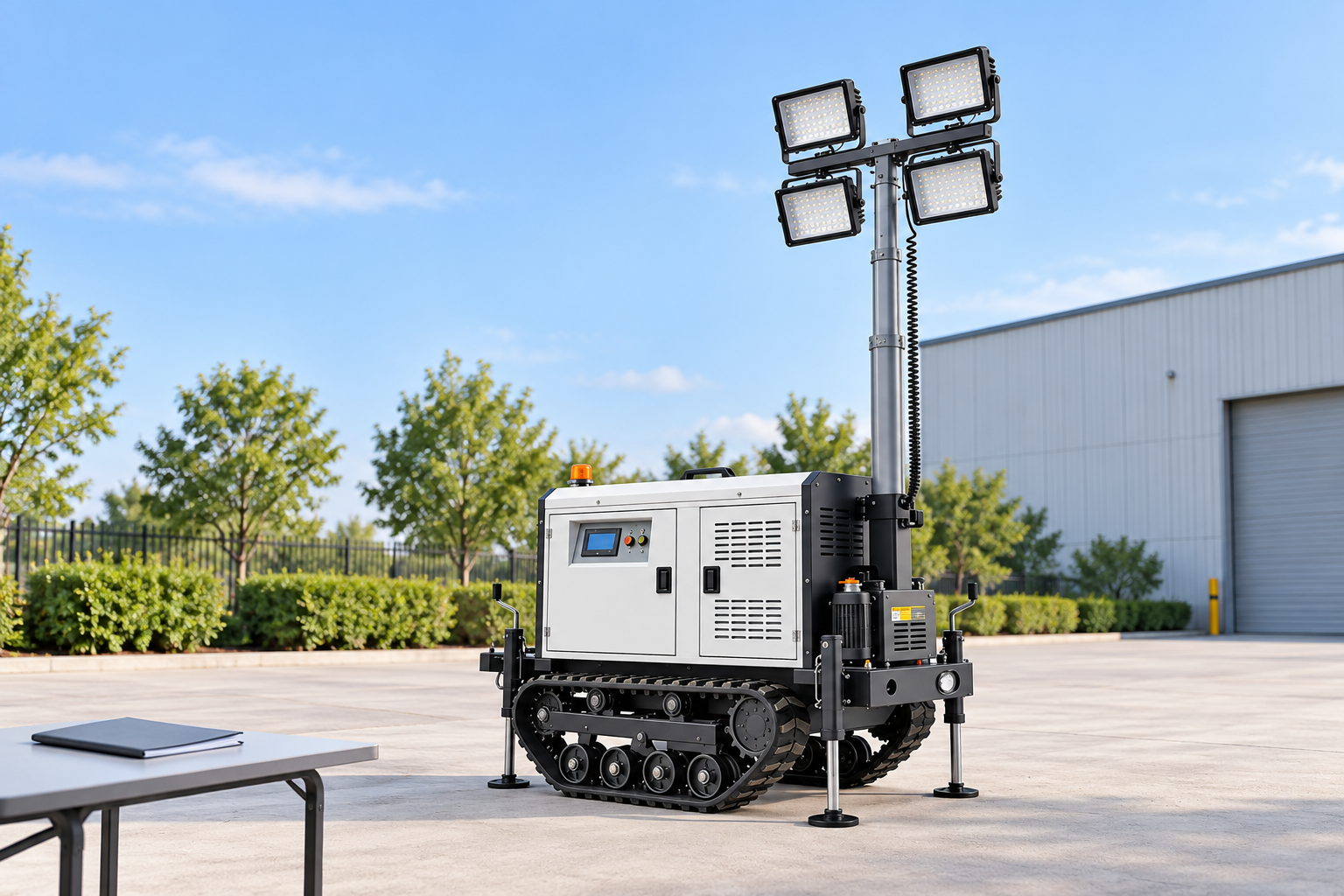
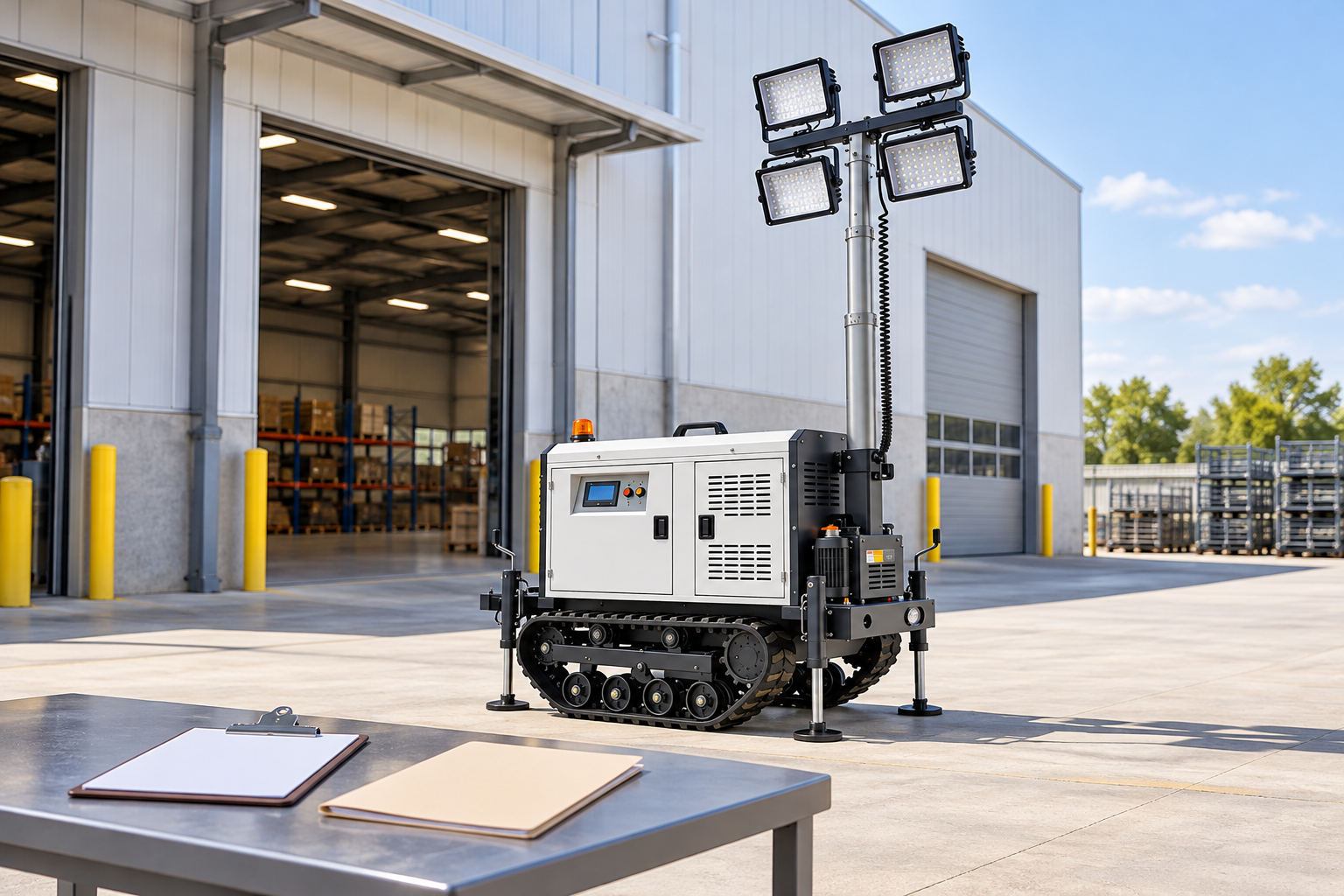
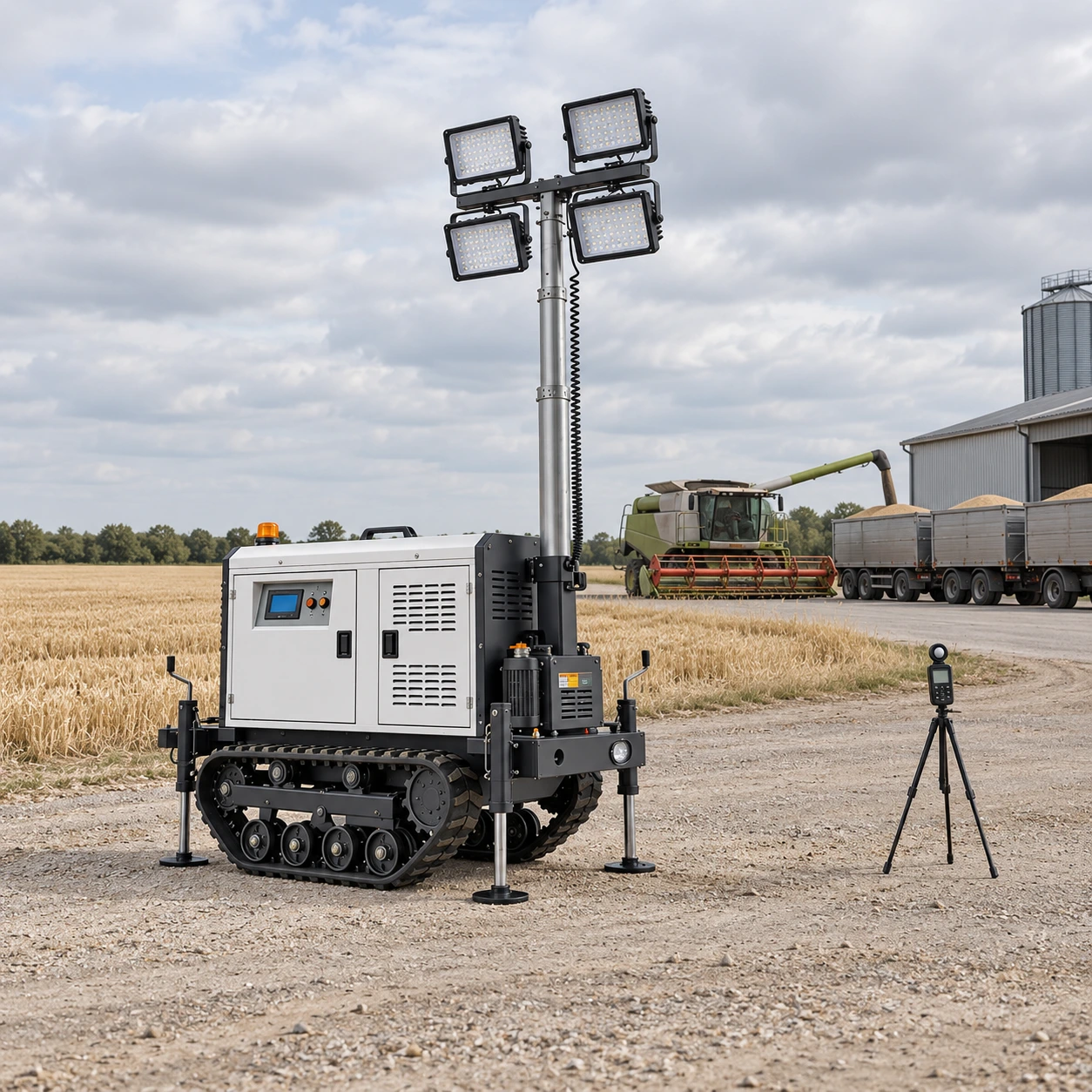
The referenced Keyyou tracked mobile lifting work light identifies the product family illustrated here. Its photograph does not establish agricultural dust approval, a permitted soil condition, coverage, or runtime. Use the mobile light tower overview, selection guide, equipment specifications, and safety guide for complementary equipment questions. The supplied configuration and farm authority's approved arrangement should determine deployment; a harvest setting in a generated illustration is not an operating instruction.
Sources and generator safety background
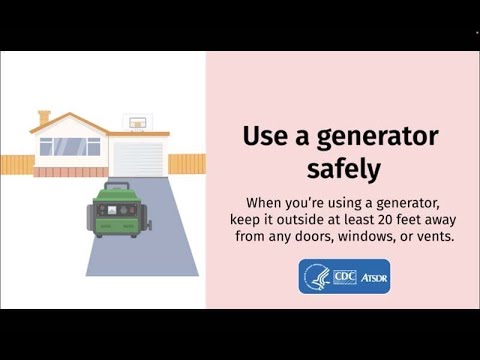
The Department of Energy's LED guidance explains general lighting technology. CDC's carbon-monoxide guidance addresses generator exhaust around enclosed and occupied spaces, which needs a separate assessment for an engine-powered arrangement near buildings or accommodation. Neither source establishes the farm's traffic plan, ground suitability, crop-handling procedure, or a combustible-dust approval for an illustrated tower.
The CDC video below introduces generator safety for teams considering an engine-powered configuration. It supplements the article's power discussion and does not replace the equipment's exact operating instructions or the farm's reviewed installation, servicing, and shutdown plan.
Watch Use a Generator Safely by CDC
Frequently asked questions
Are harvest light towers the same as agricultural grow lights?
No. This guide concerns temporary illumination for people, vehicles, unloading, and service tasks, rather than lighting used to influence plant growth.
Can a tower replace the lights on a combine?
Do not assume so. Define the tasks assigned to area lighting and retain the machine's required, approved lighting arrangement for its own operation.
Is tracked equipment suitable for every field surface?
No universal suitability follows from tracks. Review the exact ground, support, mast, wind, and movement instructions against the permitted location.
When does a harvest yard need another lighting check?
Recheck after vehicle or stock changes, shifted unloading positions, altered routes, equipment relocation, ground changes, or adjustments to output mode and lamp aiming.