
Light Tower Long Term Storage: Preservation and Return to Service
Plan seasonal light tower storage with exact component instructions, recorded preparation, periodic responsibilities, controlled movement, and recommissioning evidence.
Light tower long term storage requires a configuration-specific preservation plan and a documented return-to-service check. Start with the supplied tower, engine, battery, mast, and transport instructions; define where the equipment will be kept, what preparation is required, who performs periodic checks, and what must be verified before dispatch. A general instruction to park the tower and cover it is incomplete. This guide helps seasonal fleets organize the evidence and responsibilities for storage without inventing fuel, battery, lubricant, or inspection intervals. It concerns preservation while equipment is out of service, rather than the routine maintenance schedule of an operating machine.
Define the stored asset and expected period
Record the tower identifier and exact supplied configuration, including its energy system, mast, lamps, chassis, and accessories. Identify whether the equipment will remain in one bay or be moved periodically, and describe the expected environment. The preparation for a tracked combustion-powered tower is not necessarily the preparation for a wheeled solar trailer or a battery-only machine.
Retain the applicable manual revisions and storage instructions for supplied components. If the expected storage period changes, review the plan rather than extending the old date without assessment. A project that ends sooner than expected can leave equipment idle for an undocumented period. Set a named owner for the asset throughout that period, including who can authorize movement, access, inspections, and eventual release.
Inspect and record condition before preservation
Complete the permitted condition assessment and identify unresolved damage or defects before marking the unit stored. Separate preparation work from repairs that remain outstanding. Record the status of the mast, lighting assembly, support arrangement, enclosure, accessible electrical condition, and chassis as applicable. Use the supplied process and authorized personnel for work beyond normal operator observations.
Photographs can support the record, but they do not replace required inspections or prove internal condition. Retain the actual findings, component identifiers where required, and any technician's work record. A machine awaiting diagnosis should not disappear into the same available-stock category as a preserved machine with completed preparation. Make both the storage status and the unresolved work visible to future dispatch staff.
Select a bay that supports preservation and access
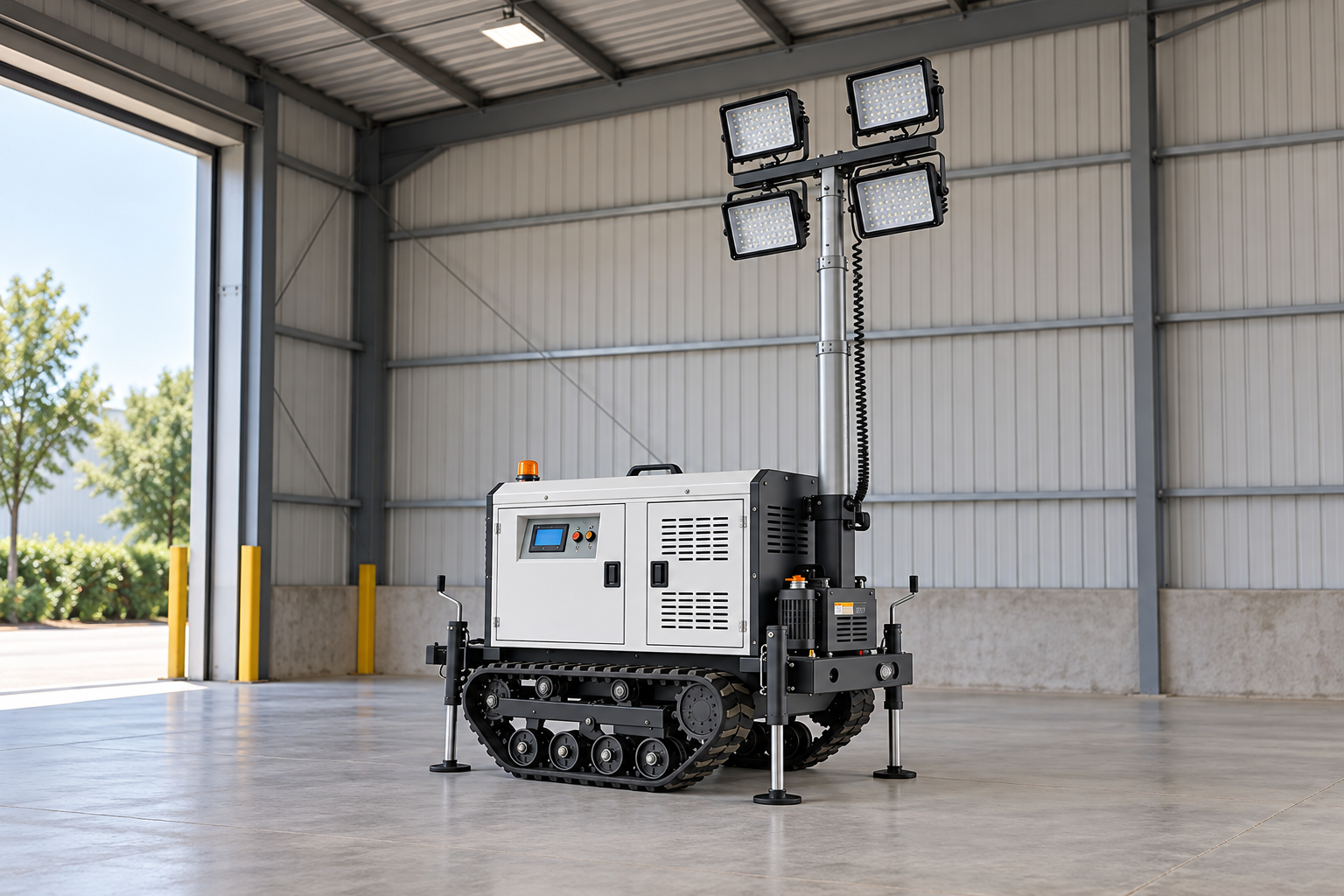
Assess the proposed location against the equipment instructions and site conditions. Consider surface, weather exposure, drainage, unauthorized access, movement routes, inspection space, and surrounding work. Keep the stored equipment from becoming a traffic obstruction or a hidden asset behind newly stacked materials. The bay should permit the checks that the preservation plan actually requires.
Where shelter or a cover is used, follow the supplied instructions and assess moisture, ventilation, attachment, and access. Do not assume any tightly sealed cover is beneficial in every environment. Avoid improvised coverings that interfere with equipment components or conceal a developing condition. The illustrations in this guide show stopped equipment in dry covered assessment bays; they are not instructions for a particular mast position, cover, clearance, or preservation procedure.
Obtain the required engine and fuel preparation
If the tower has a combustion engine, use the instructions for that exact supplied engine and fuel system. Request any required preservation work, permitted fluids or treatments, storage conditions, and recommissioning tasks. This guide does not specify draining, filling, adding a treatment, or running an engine at a universal interval. A procedure appropriate for one engine or fuel can be inappropriate for another.
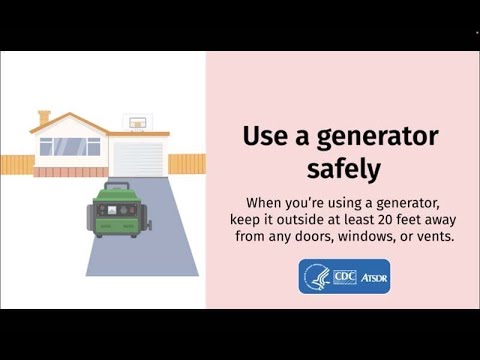
Record the preparation actually completed and the performer. Keep a purchased treatment or a service booking separate from evidence that the required work was performed. If a running inspection is specified, arrange it only in an appropriate location with the applicable exhaust and operating controls. Do not start combustion equipment inside a storage building because a door is open; generator carbon-monoxide safety remains relevant during preservation checks.
Preserve batteries using their specific documents
Identify each battery's supplied chemistry, application, and applicable storage instructions. A starting battery and an energy-storage battery can have different requirements. Obtain the required condition, approved charging arrangement, environmental limits, and periodic checks. Do not apply a universal charge percentage, charging interval, or temperature limit to every tower battery.
The Department of Energy storage material explains that storage systems differ in energy and power functions. It supports asking configuration-specific questions, rather than proving a particular preservation method. Use authorized procedures for isolation, charging, removal, or inspection. Do not bypass protection or improvise a charger to recover a battery that has been left unattended. Record an unavailable or abnormal battery condition as an issue requiring the appropriate technical assessment.
Protect mast, lamps, and support components
Follow the supplied instructions for the mast and lighting assembly during storage. Confirm the permitted position, locking or securing arrangement, inspection access, and any required preservation work. The correct arrangement must come from the actual equipment documents, not a photograph of a different model. Do not add braces, straps, ballast, or attachments without approval.
Keep accessible seals, vents, cables, and covers under the prescribed inspection process. Do not assume a component's environmental rating makes every stored configuration immune to weather or neglect. A cabinet can be closed while a damaged entry, seal, or accessory remains unresolved. Record the findings and required action rather than treating closed doors as proof of complete preservation.
Storage evidence and responsibility table
| Storage decision | Evidence to retain | Responsible follow-up |
|---|---|---|
| Configuration | Asset identity, supplied systems, and manual revisions | Review after an approved component change |
| Initial condition | Permitted inspection findings and unresolved defects | Keep required repairs separate from preparation |
| Location | Accepted bay, access, exposure, and movement restrictions | Reassess after surrounding layout changes |
| Engine preparation | Applicable procedure and work actually completed | No universal fuel or exercise instruction |
| Battery preservation | Exact battery instructions and approved check method | Record missed checks or abnormal conditions |
| Mechanical arrangement | Supplied mast, support, and securing requirements | No improvised attachments or assumed stow position |
| Release | Recommissioning evidence and acceptance decision | Do not dispatch directly from an old storage label |
This is an original qualitative register, not a preservation specification. The Department of Energy maintenance guide supports structured planning and records; the supplied tower and component instructions govern actual actions. The CDC material below supports the separate exhaust-safety boundary whenever a combustion-powered configuration must run.
Set periodic checks without inventing intervals
Translate the actual preservation instructions into a task register with a named owner and due conditions. Define how each check is documented and how a missed check is escalated. Avoid assigning an arbitrary monthly or weekly frequency as though it were supplied by the manufacturer. If the instructions are incomplete, obtain a decision and record its basis before treating the plan as approved.
Keep calendar records through changes in staffing or storage ownership. A facility can appear secure while no one has performed the required battery or condition review. Note actual observations, dates, and unresolved issues. A checked box without the required evidence should not establish that all components remain suitable for dispatch. Preservation is an ongoing controlled status, rather than a one-time parking action.
Control movement and changes during storage
A tower may be moved to make room for another asset, transported to a different yard, or accessed for parts or inspection. Record the authorized change and assess its effect on the preservation plan. The new surface, exposure, and access can differ from the original accepted bay. Retain the equipment's identity and outstanding tasks through the transfer.
Do not turn a stored machine into a parts source without documenting the resulting configuration and unavailable status. A removed battery, changed lamp, or altered cable can make an old preparation record misleading. The next team should be able to determine what is actually present, what must be restored, and which checks are required. Preserve historical entries rather than overwriting them with a new generic stored label.
Recommission before returning to the fleet
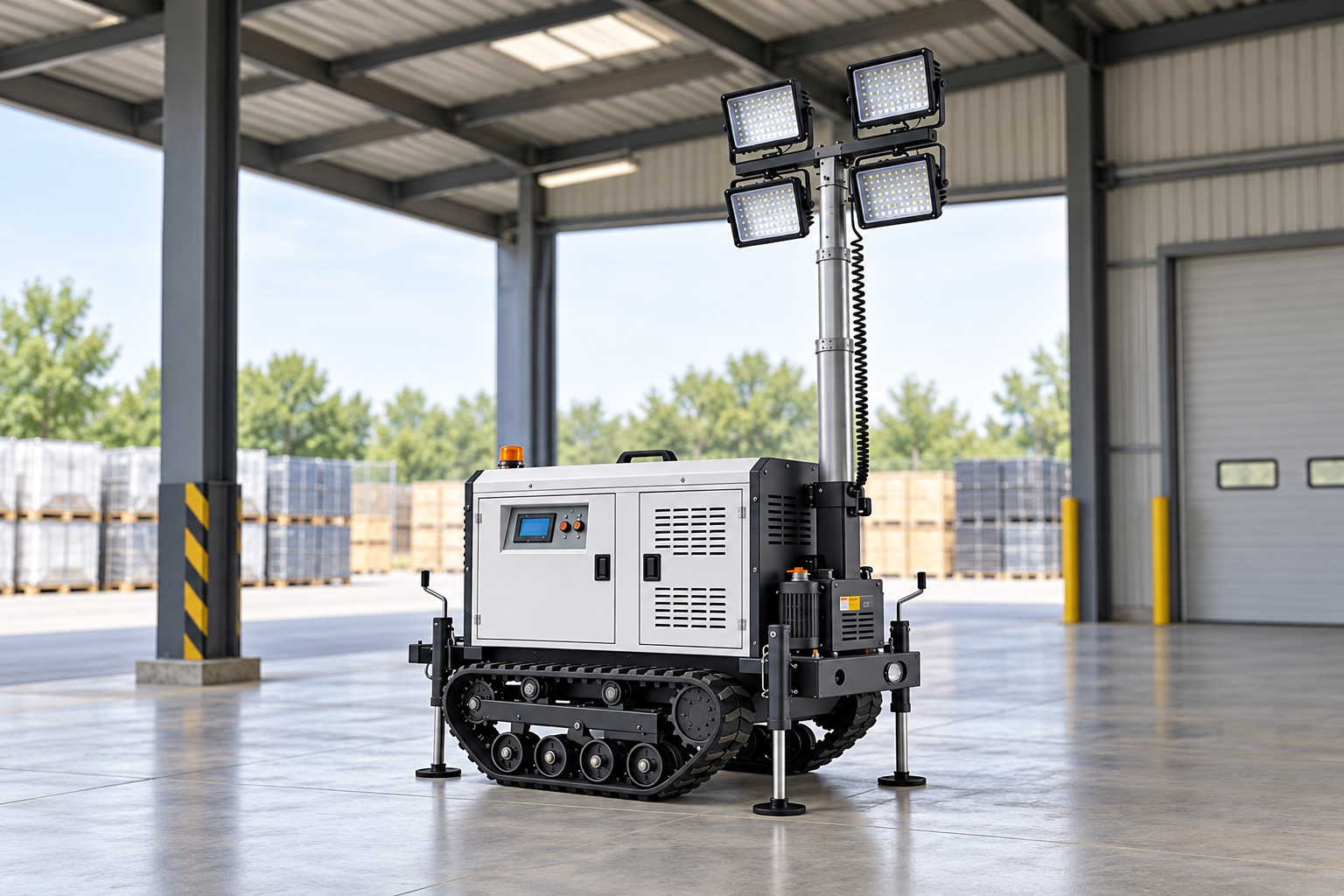
Use the supplied return-to-service instructions and resolve the storage record's open issues. Identify the required inspections, preparation reversals where applicable, authorized tests, and acceptance decision. Verify the offered or current configuration against the records. A unit can look clean and still require work before its electrical, mechanical, or power systems are released for operation.
Keep the evidence for the actual checks and the person responsible for release. If a required test cannot be completed, retain the limitation rather than marking the tower ready because it was needed urgently. Arrange any running or lighting verification in the appropriate accepted area. The return decision should establish the defined permitted service; it should not imply that every conceivable site condition has been tested.
Request the preservation package before purchase
Ask the supplier for the storage and recommissioning instructions that apply to the quoted configuration, together with component documents, permitted materials, and required technical support. Explain the expected seasonal inactivity and storage environment. Clarify warranty-related preservation evidence and whether any monitoring features are actually included in the offer.
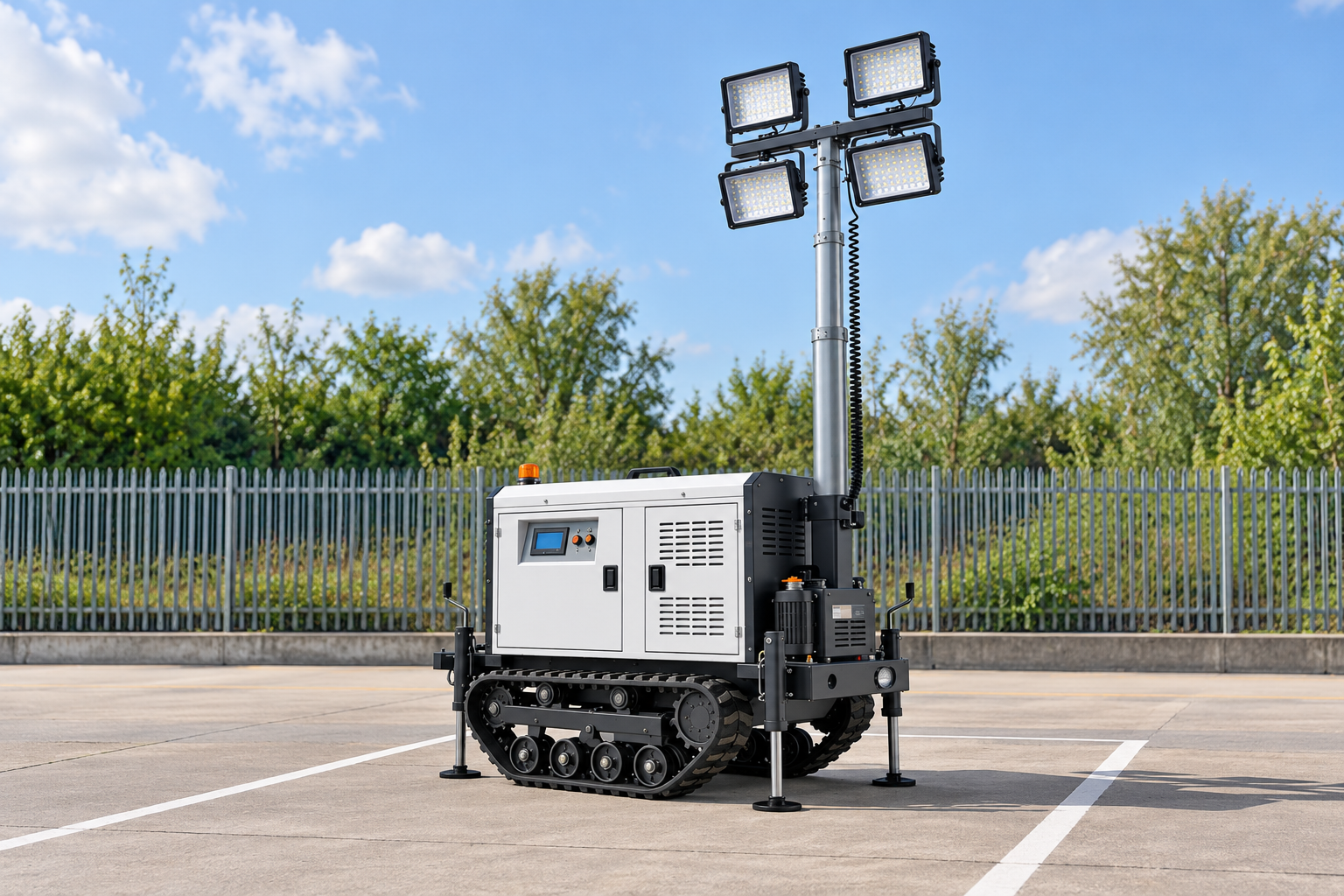
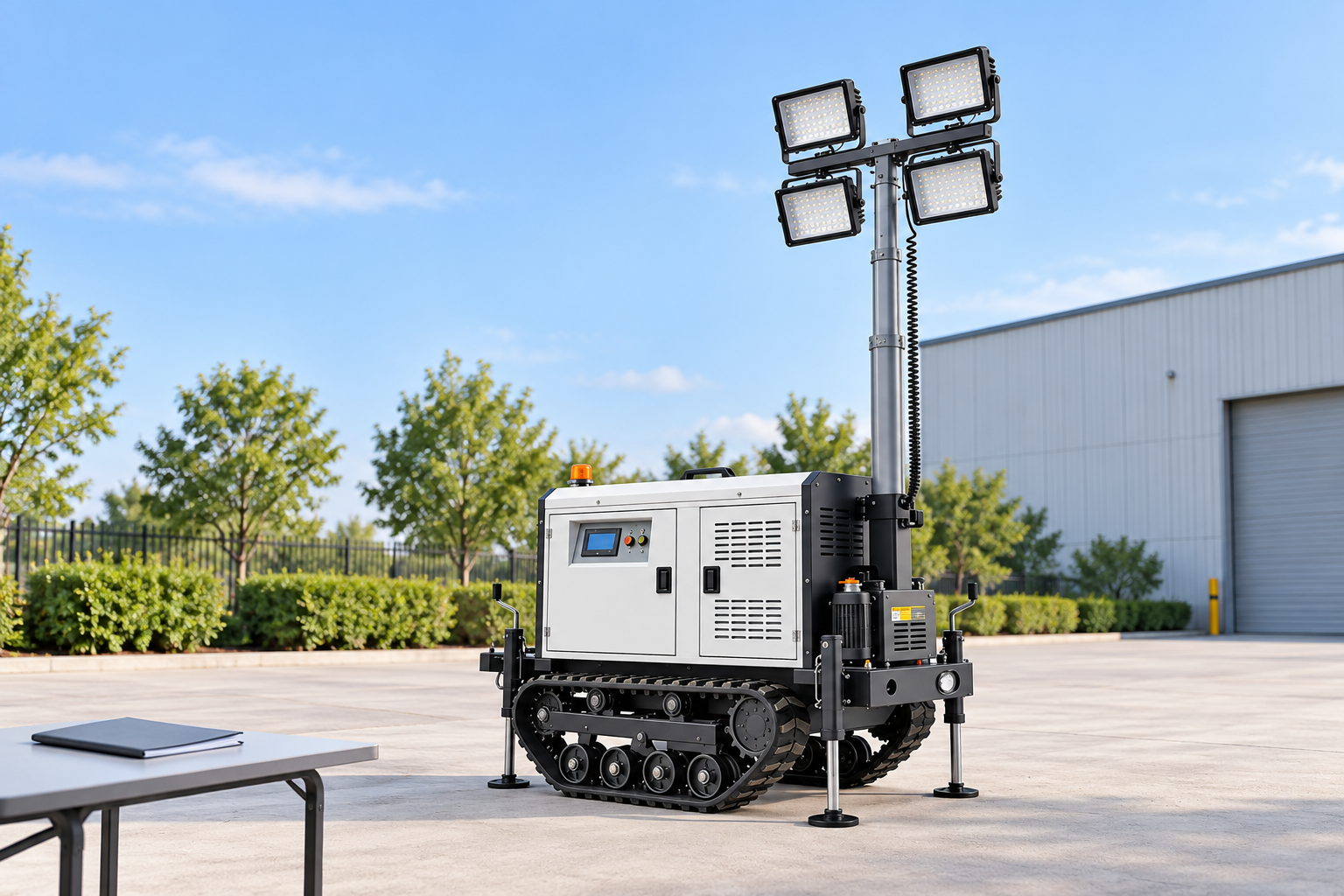
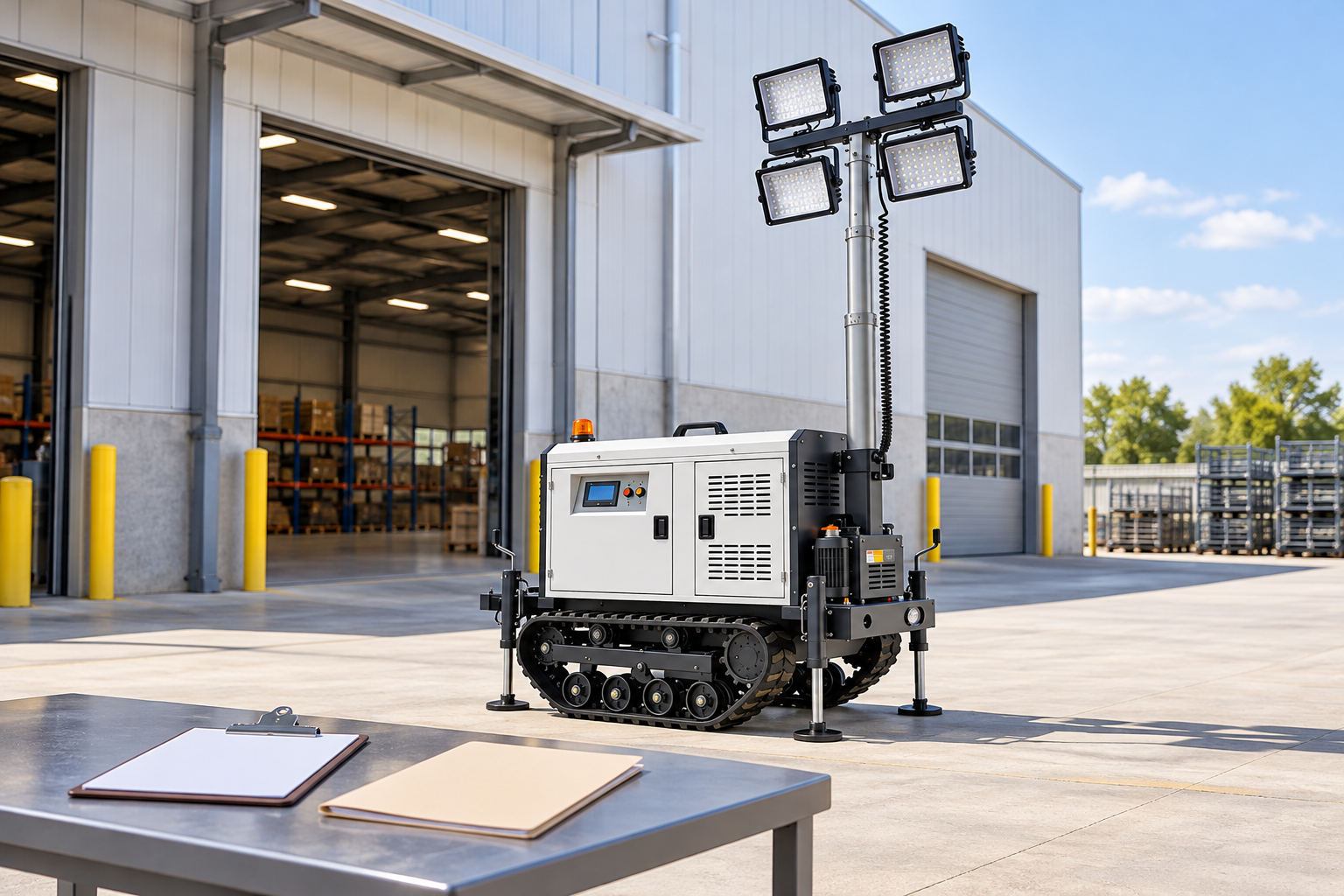
The current Keyyou tracked tower provides the product reference for these illustrations. Its white enclosure, crawler chassis, four lamps, and support arrangement identify the equipment family without establishing a particular engine or battery procedure. A complete preservation package connects that actual supplied configuration to planned storage, recorded checks, and controlled release. It helps the next project start with an understood equipment condition rather than an unsupported assumption.
Equipment and complementary planning
Confirm the offered configuration on the Keyyou tracked lighting tower product page and use the mobile light tower planning guide for the wider selection context. Review complementary subjects in light tower maintenance and light tower battery state of charge.
Exhaust safety during authorized running checks
The CDC video Use a Generator Safely explains carbon-monoxide hazards associated with combustion-generator operation. It supports the separate exhaust-safety discussion during an authorized running check; it does not prescribe service intervals, preservation treatments, or the grounding arrangement. Apply it only to a supplied combustion-powered configuration.
Frequently asked questions
Should every tower battery be stored at the same charge level?
No. Identify the supplied battery and apply its approved preservation instructions, charging arrangement, environment, and check requirements. A starting battery and an energy-storage battery need not have the same instructions.
Can a stored tower go directly to the next site?
Use the applicable recommissioning process first. Resolve open conditions, confirm the current configuration, complete required checks, and record responsible release. A clean appearance or an old storage label is not sufficient evidence.
Should an engine be exercised inside a storage bay?
Do not treat an open door as making indoor combustion operation safe. Use the exact engine instructions and an appropriate authorized operating location with exhaust controls. This guide does not prescribe a universal running or exercise interval.
Sources and scope
The cited primary material supports the specific planning and safety principles discussed. Annual CFR links are explicitly the 2025 edition; the responsible team must verify current applicable requirements. The decision table is original and contains no invented equipment limits. The exact offered configuration and supplied instructions govern equipment actions.