
Light Tower Lightning Protection: Engineering Scope and Weather Safety
Define tower lightning-protection evidence separately from personnel shelter, weather monitoring, advance actions, interruption plans, and post-event inspection.
Light tower lightning protection requires a site-specific engineering decision and a separate plan that moves people to appropriate shelter before a thunderstorm threatens. A mast, ground rod, rubber track, or equipment enclosure does not establish a safe outdoor refuge. Obtain the supplied tower's weather and operating instructions, identify the applicable site protection requirements, and assign authority to stop work and assess the equipment after an event. This guide organizes those procurement and operational questions; it does not design an air-terminal system, prescribe an earth electrode, or certify a mobile tower against a lightning strike. Lighting continuity must remain subordinate to the site's weather safety decision.
Separate equipment protection from personnel shelter
A lightning-protection arrangement concerns the assessed equipment and installation. A personnel plan concerns where people can shelter and how they reach it in time. One cannot be used as proof of the other. A supplier's electrical protection description should therefore not become a statement that staff may remain beside the tower during a thunderstorm.
NOAA's lightning-safety guidance explains that a substantial enclosed building or an appropriate enclosed metal-topped vehicle is a suitable shelter option, while open structures and equipment are not equivalent. Its guidance also rejects the idea that rubber tires provide lightning protection. Apply the relevant site plan and local guidance to the actual refuge and route. Do not treat crawler tracks, stabilizer feet, or a closed machine cabinet as protection for a nearby person.
Obtain the tower's supplied weather instructions
Identify the actual tower, mast, lamps, energy system, supports, and accessories. Request the conditions under which operation, deployment, or handling must stop and the permitted procedure when weather changes. A mast-height range or a wind rating is not a lightning certification. Do not derive a lightning-safe operating condition from a claim about another environmental hazard.
Keep instructions accessible to the people monitoring the site and authorizing work. Where the documents do not resolve a project requirement, request the supplier's clarification and the responsible engineering assessment. The gap must remain visible until resolved. An unsupported note that the tower is grounded is not sufficient evidence that the site's equipment-protection requirement has been met.
Ask the responsible engineer to define the protection scope
The engineering assessment should identify the intended installation, relevant equipment and connections, applicable requirements, and the evidence needed for acceptance. Clarify which elements are supplied with the tower and which belong to the site. A mobile unit can be moved between locations with different surroundings, utilities, and assessed conditions, so the original site's conclusions should not be assumed to transfer automatically.
This article provides no conductor size, electrode depth, separation distance, surge rating, or air-terminal layout. Those decisions depend on the actual arrangement and applicable requirements. Do not improvise a lightning rod on a mast, add a conductor, or connect to an unknown site electrode using general web advice. Obtain approval for any change to the complete tower and installation before treating it as protected.
Map shelter and travel time before deployment
Identify the refuge, route, access conditions, and the time needed for all personnel to reach it. Include visitors or contractors who may not know the compound. Keep the path usable as stored material, vehicles, and temporary structures change. A weather notice is less useful if staff do not know which building they may enter or find that its door is locked.
The National Weather Service outdoor-venue toolkit provides a planning framework for responsibility, monitoring, notification, and shelter. Adapt the process through the site's responsible team rather than copying a venue plan as a tower installation specification. Record how the plan reaches each shift. A shelter selected on paper should be verified as available before people begin work at an exposed lighting position.
Monitor conditions and communicate the stop decision
Assign a named monitoring role and define the information sources and communication method in the site plan. Explain who can halt work and how the decision is communicated to operators, maintenance staff, and contractors. Avoid relying on one person to notice a distant storm while simultaneously performing another demanding task.
NOAA advises people hearing thunder to seek appropriate shelter and remain there until at least 30 minutes after the last thunder. Follow the site's applicable safety process and responsible authority; do not wait for rain to arrive before acting. This statement concerns personnel safety and does not provide permission to handle a mast or electrical connection in threatening weather. The plan should allow required equipment actions to be completed only when they can be performed safely under the supplied instructions.
Avoid a last-minute mast-handling assumption
A plan that says lower the mast when thunder is heard can place staff beside exposed metal equipment at the wrong time. The responsible team should determine safe advance actions, their required time, and the point at which personnel must stop handling equipment and shelter. Obtain the actual lowering and shutdown instructions for the tower; do not assume a quick remote operation is fitted.
Do not send a worker back outside to change aiming, disconnect a cable, move a stabilizer, or protect an asset while the personnel plan requires shelter. Clarify which service interruptions are accepted and how the site maintains essential functions through an alternate arrangement. Equipment preservation cannot be used to override the stop decision or to describe outdoor activity as safe near a storm.
Lightning planning evidence table
| Planning question | Evidence to record | Assumption to reject |
|---|---|---|
| Personnel refuge | Accepted shelter, route, access, and travel time | Tracks, tires, or cabinet provide outdoor refuge |
| Tower instructions | Exact supplied weather, shutdown, and handling documents | Mast height or wind rating proves lightning protection |
| Engineering scope | Assessed installation and required protection evidence | One added rod certifies the complete arrangement |
| Monitoring | Named role, information sources, and notification method | Anyone nearby will notice the threat in time |
| Advance actions | Authorized procedure and safe timing | Staff can always lower the mast after thunder begins |
| Post-event status | Required inspection and responsible release decision | Working lamps prove no equipment issue remains |
| Relocation | Review of shelter and installation assumptions | Acceptance at the previous site transfers automatically |
This original qualitative table organizes decisions and records. It supplies no protection-system design or universal equipment limit. NOAA and National Weather Service sources support the personnel planning discussion; an appropriate engineer and the actual equipment instructions determine the installation and handling requirements.
Keep electrical protection claims specific
Ask what a quoted protection feature actually covers, its documentation, and its configuration. A surge-protection statement, an electrical grounding provision, and a lightning-protection system are different claims. Keep them separate in the procurement record and request the evidence relevant to the project. Do not infer immunity to direct strikes from a general protected-controller description.
The exact installation also matters when external circuits or accessories are used. Review their role with the responsible electrical and lightning-protection personnel. This guide does not instruct an operator to alter bonding, neutral arrangements, or connections. Those actions require the proper assessment and authorization, including the supplied equipment limits and applicable site requirements.
Inspect after an event through the authorized process
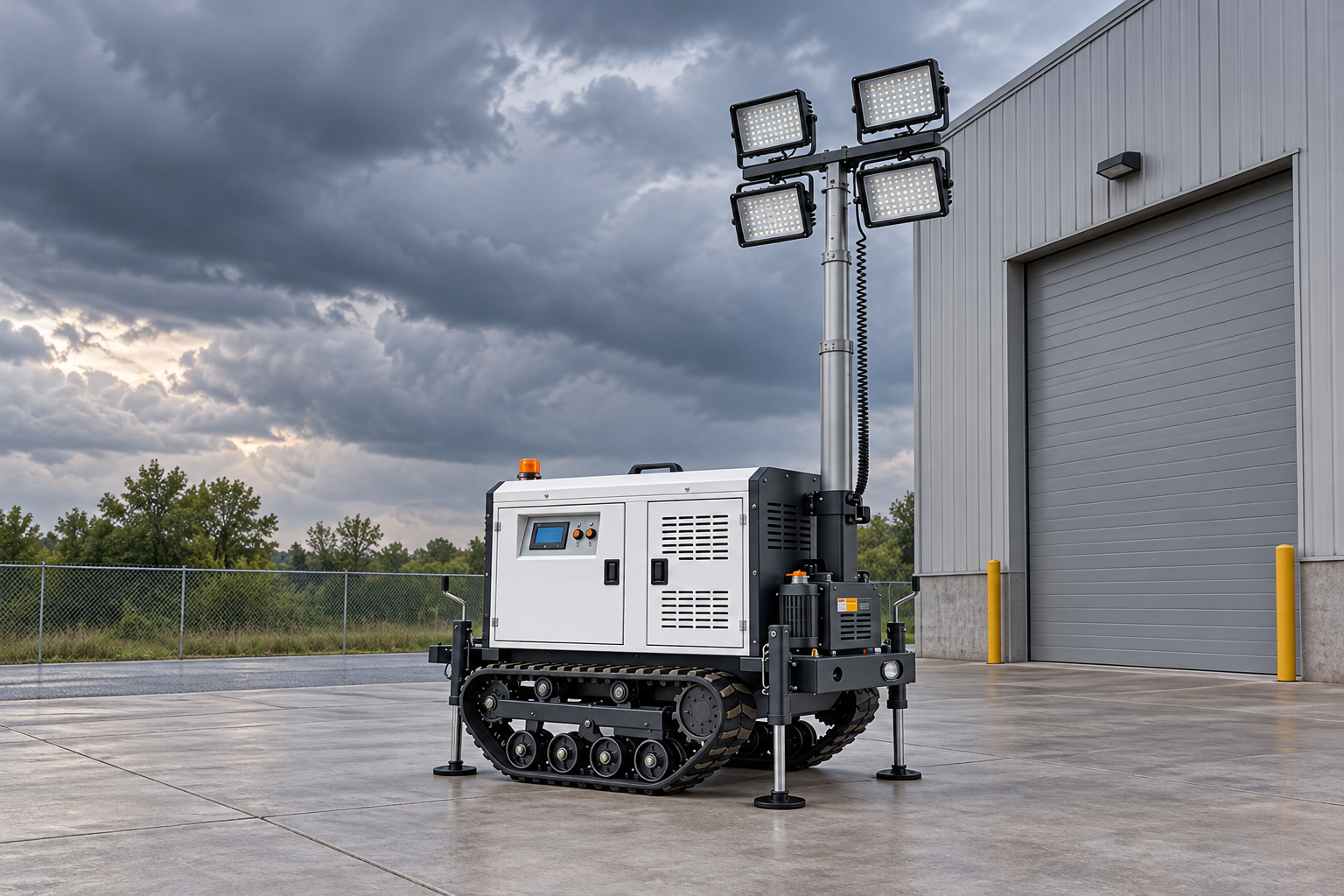
If the site procedure or observed condition requires post-event inspection, mark the equipment's status accordingly and prevent an unsupported return to operation. Record the reported event, visible findings from a safe position, available alarms, and required technical assessment. A tower that still lights up has not necessarily completed every required check.
Use authorized personnel and the supplied procedures for inspection and testing. Do not open cabinets, touch suspected damaged components, or repeatedly restart equipment to decide whether it survived. Keep the release decision and evidence linked to the asset. If weather conditions or access prevent assessment, preserve the limitation and maintain the defined alternate lighting arrangement until responsible approval is obtained.
Reassess when the tower or site layout changes
Moving a tower can change its relationship to buildings, electrical systems, shelter routes, and work areas. Review the relevant engineering and personnel assumptions before accepting the new position. Likewise, a new structure or a closed route can alter a previously workable plan even when the tower itself remains unchanged.
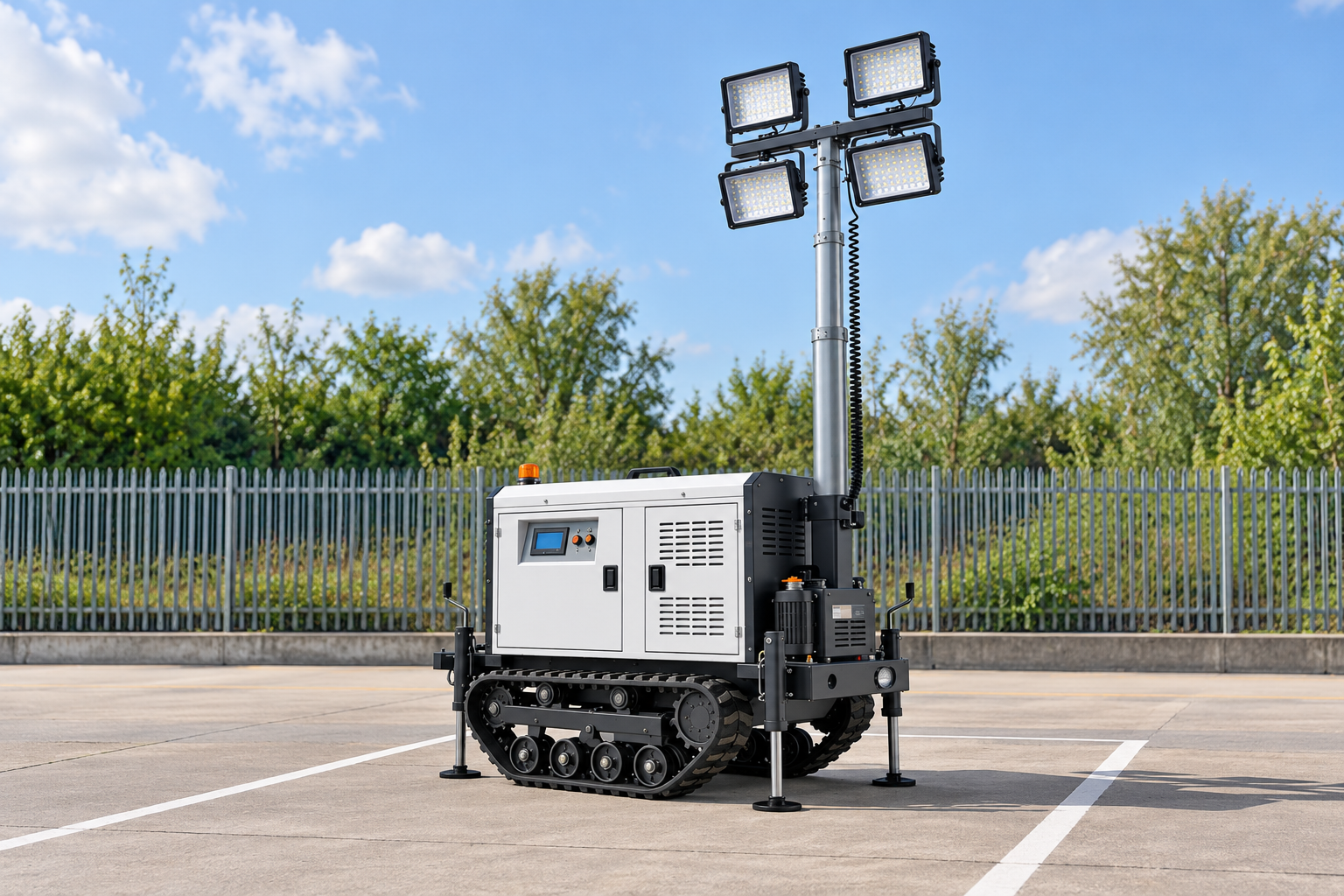
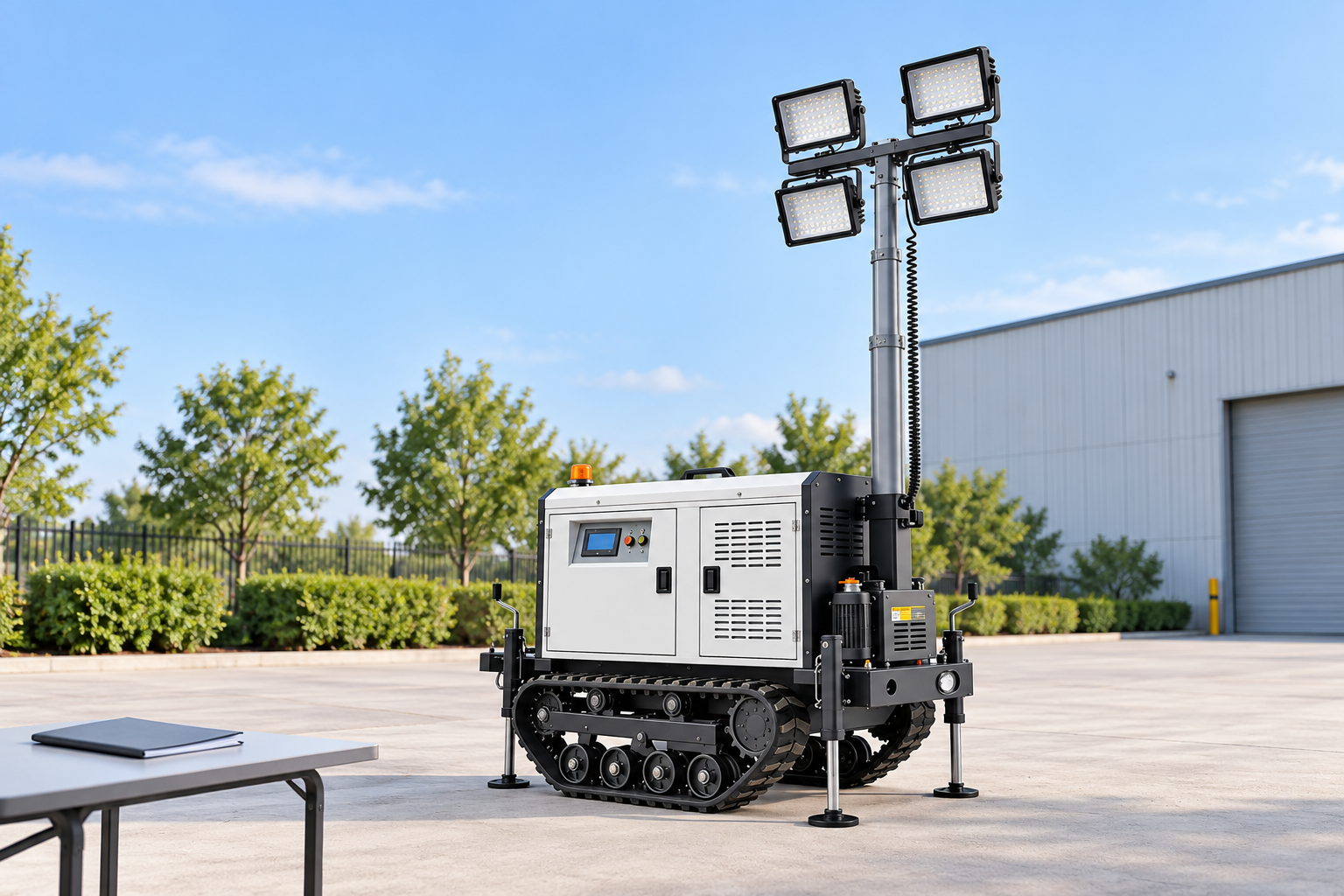
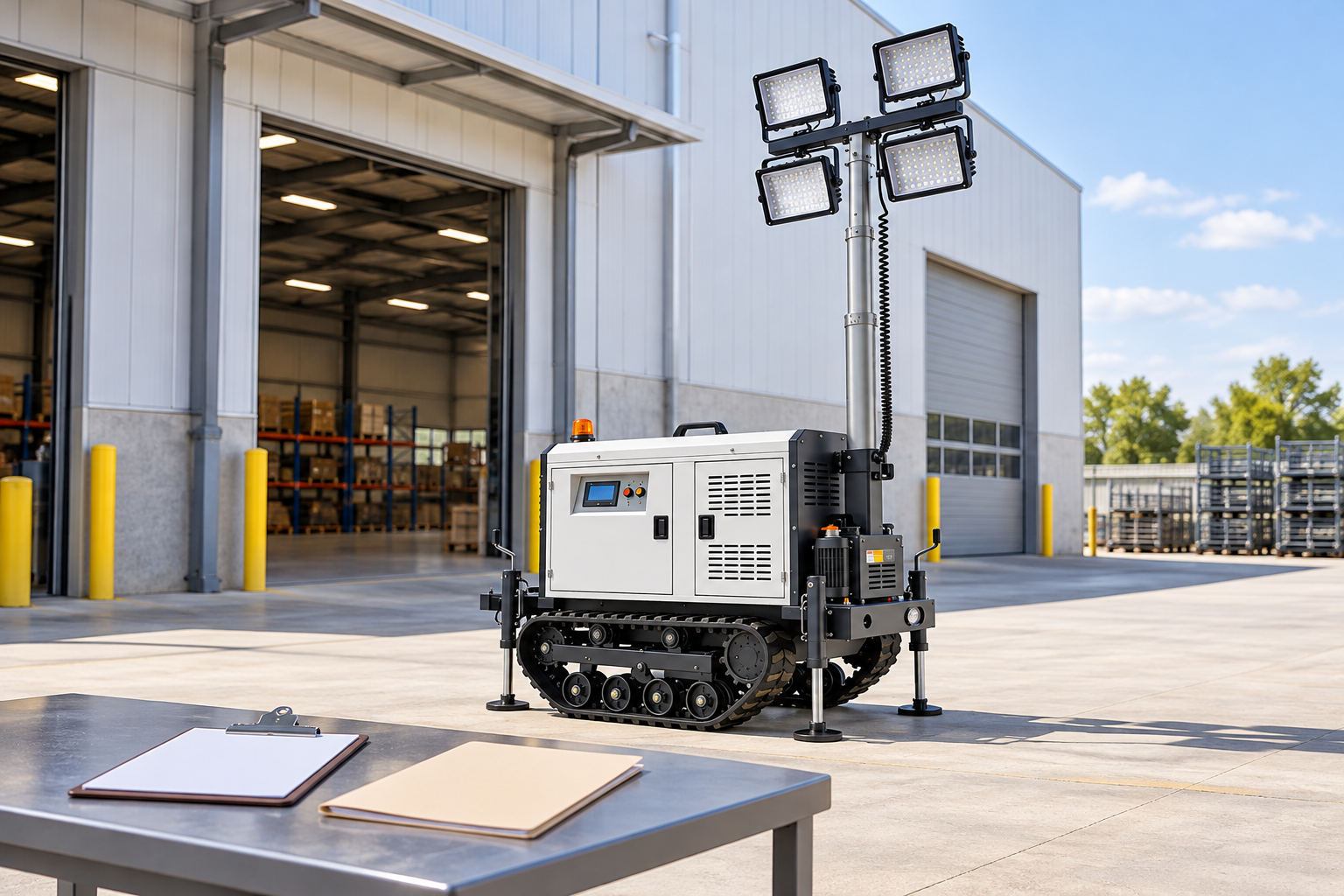
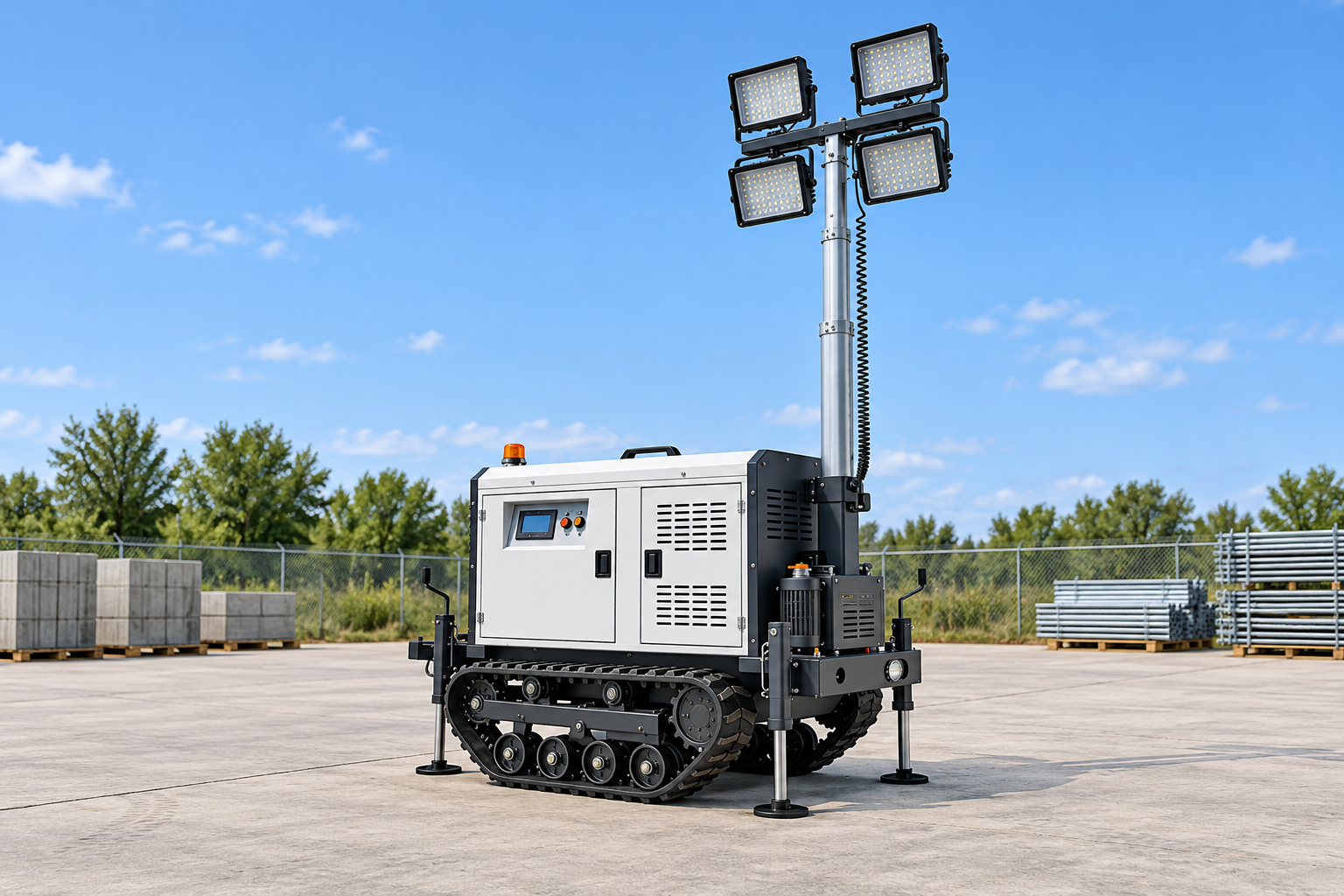
Retain the previous records and identify the reason for the revised decision. The current Keyyou tracked tower is used as the real product reference in these illustrations, shown stationary with closed covers in assessment settings. No added rod, conductor, or surge device is depicted. The illustrations identify the equipment family and planning context; they do not certify a protection arrangement or show an approved thunderstorm operation.
Prepare a complete procurement and handover brief
Send the supplier the actual application, equipment arrangement, weather requirements, and engineering questions. Request configuration-specific instructions and a clear statement of supplied protection features and exclusions. Coordinate the site refuge, stop-work communication, and release process with the responsible team rather than treating them as accessories included with a lighting quotation.
At handover, verify who owns each action and where the evidence is held. Distinguish engineering review, operator instruction, and personnel weather safety. An effective brief makes it clear what is supported, what still requires assessment, and how people are protected when lighting service must be interrupted. It avoids turning an equipment marketing claim into an unsupported assurance about a thunderstorm.
Equipment and complementary planning
Confirm the offered configuration on the Keyyou tracked lighting tower product page and use the mobile light tower planning guide for the wider selection context. Review complementary subjects in light tower wind load calculation and mobile light tower safety checklist.
Lightning hazard and weather awareness
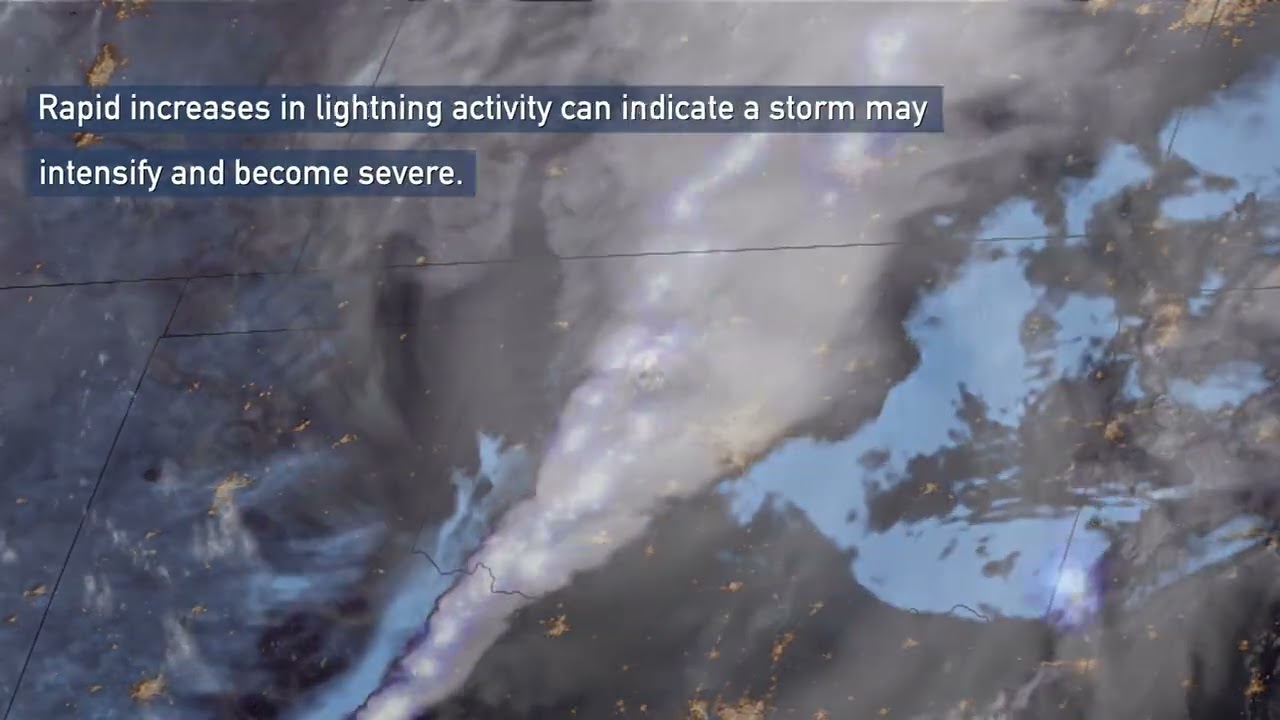
NOAA explains lightning as a weather hazard and the role of observing lightning activity. The educational video supports the weather-awareness discussion; it does not certify a trailer, provide a lightning-protection design, or permit personnel to remain near a mast in a thunderstorm.
Frequently asked questions
Does a grounded tower provide lightning shelter?
No. Keep the electrical installation decision separate from personnel shelter. Follow the applicable weather-safety process and use an appropriate refuge; a machine cabinet, track, tire, or stabilizer is not an outdoor refuge.
Should staff always lower a mast after hearing thunder?
Do not assume that exposed handling remains safe then. The responsible site team must define safe advance actions, timing, and the point at which staff stop handling equipment and shelter, using the supplied instructions.
Does a working lamp prove the tower is ready after an event?
No. Complete the post-event inspection and acceptance required by the equipment instructions and site process. Record the observed event, assessment, required work, and responsible release before treating the affected service as available.
Sources and scope
The cited primary material supports the specific planning and safety principles discussed. Annual CFR links are explicitly the 2025 edition; the responsible team must verify current applicable requirements. The decision table is original and contains no invented equipment limits. The exact offered configuration and supplied instructions govern equipment actions.