
Light Tower Site Acceptance Test: Verify the Delivered Unit and Deployment
Plan a light tower site acceptance test with received condition, deployment bay review, qualified electrical checks, lighting evidence, and operational handover.
A light tower site acceptance test checks an identified delivered tower against the agreed requirements at its actual deployment location. The record should distinguish received condition, installation and deployment readiness, authorized functional checks, and verification of the lighting task. Factory acceptance evidence is useful background, but it cannot establish local ground conditions, access, glare, obstacles, or electrical arrangements. Agree the method and responsible reviewers before the equipment arrives. A site acceptance decision needs clear evidence and stated limits; it should not be reduced to switching on the lamps and signing a delivery note.
Start with the intended work and acceptance scope
Describe what the lighting is meant to support, where that activity happens, when it happens, and who uses the area. A traffic route, equipment service area, pedestrian access path, and detailed work task may have different lighting needs. The responsible project team must identify the applicable requirements and assessment method. This guide does not prescribe one illuminance target or one tower arrangement for all sites.
Define which activities belong to delivery inspection, deployment approval, lighting verification, and specialist electrical review. List the evidence required for each and the person authorized to accept it. A receiving clerk may confirm a packing discrepancy without approving an electrical installation. A lighting assessment may reveal poor coverage without diagnosing a lamp defect. Keeping those roles and decisions separate makes the record useful when a problem appears later.
Connect the delivered unit to the purchase record
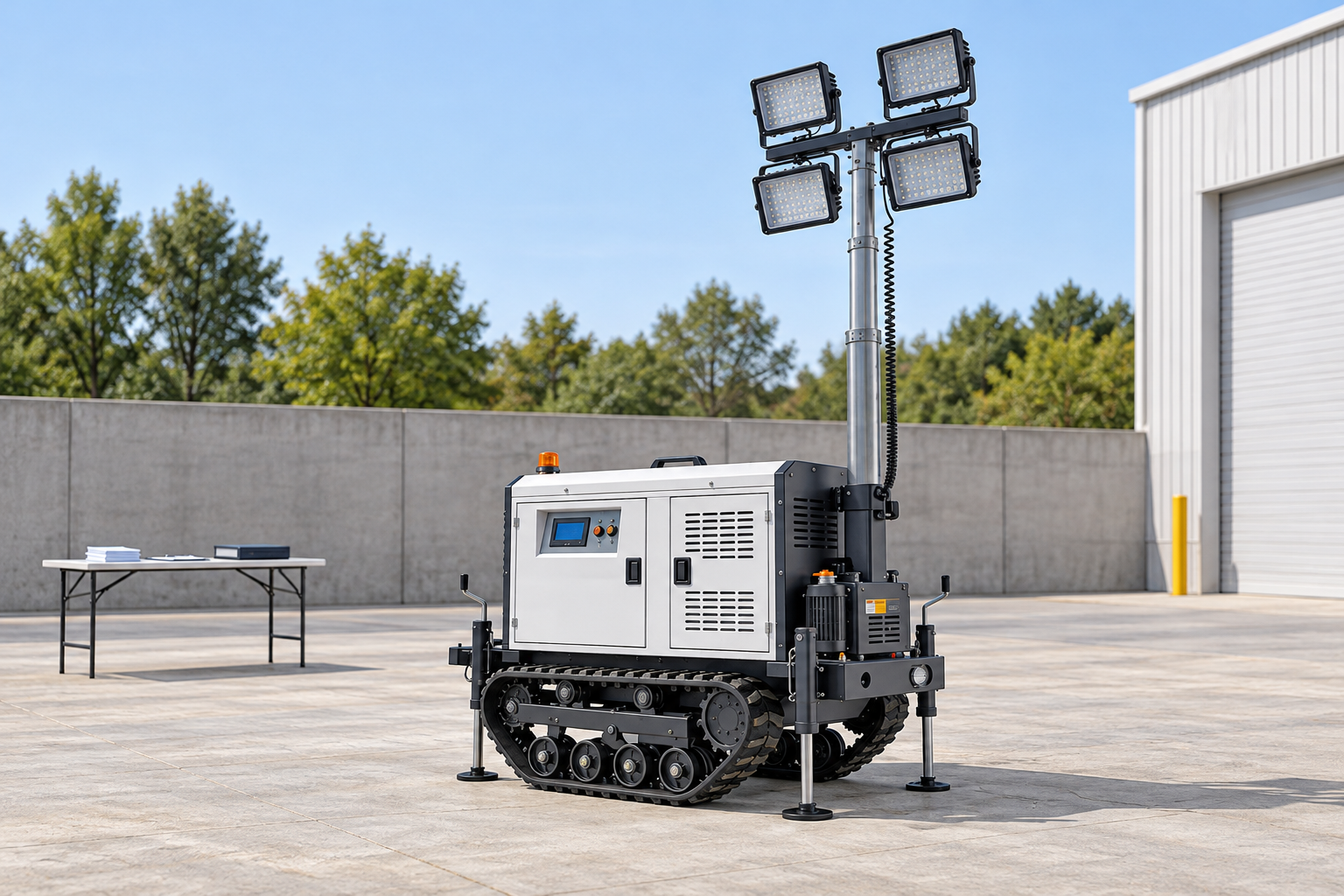
Record the actual equipment identifier and configuration and compare them with the order, packing documents, and any factory acceptance file. Identify included accessories and controlled instruction revisions. Do not copy the identifier from an earlier site checklist without checking the delivered machine. Similar looking equipment may have different source arrangements, mast limits, controls, or maintenance requirements that affect deployment.
Inspect received condition within the supplied procedure. Record visible damage, missing items, and differences from the agreed configuration with a precise location and supporting evidence. Distinguish a transit observation from a factory discrepancy that remains open. If the responsible team cannot determine whether a condition affects deployment, retain the appropriate hold and obtain an authorized assessment. A previously signed factory record does not erase a newly observed delivery problem.
Assess the deployment bay before raising the mast
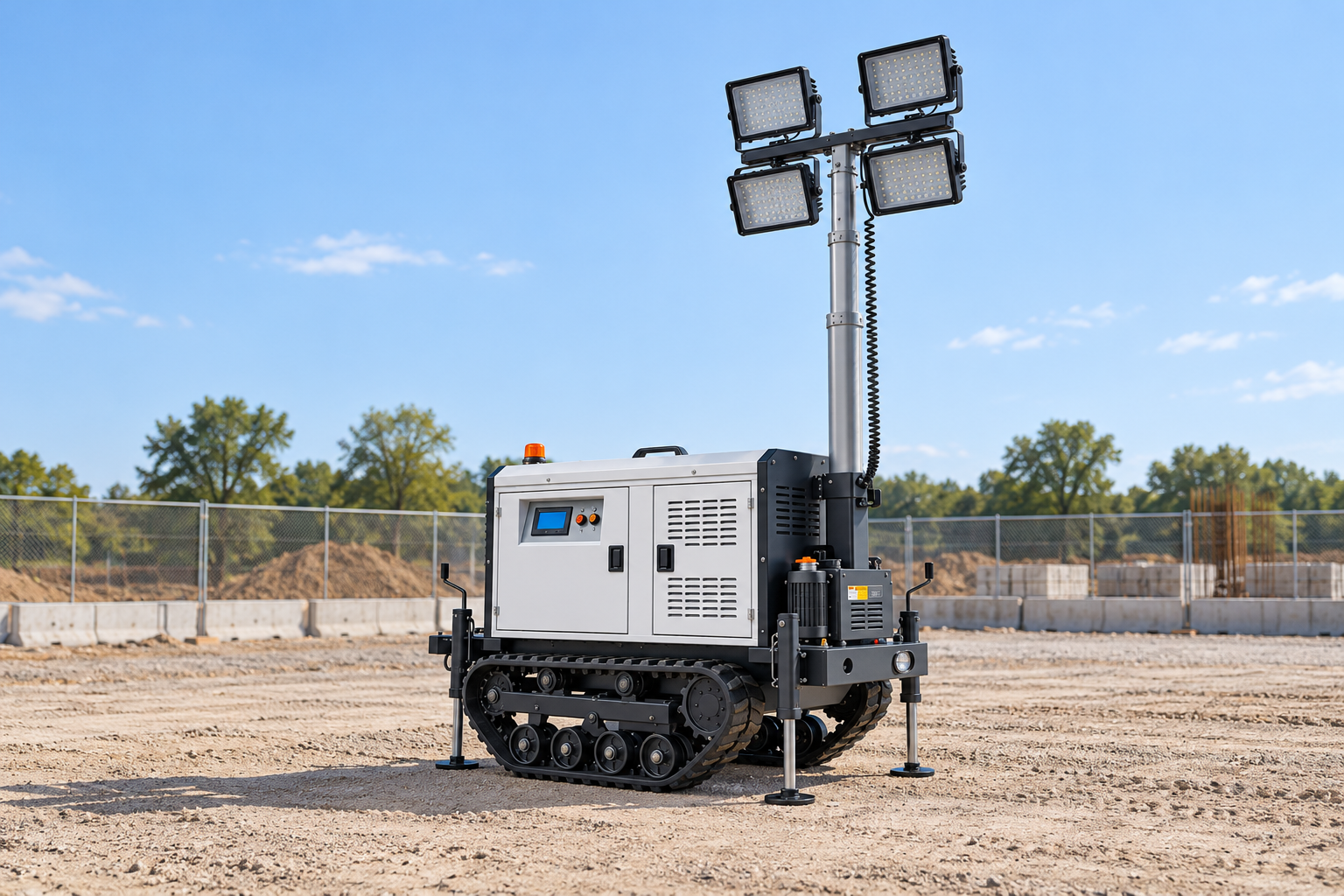
The bay assessment should address the actual surface, support footprint, access, surrounding activities, overhead conditions, and expected environmental exposure. The supplied instructions and responsible site assessment govern the required conditions. This article gives no general ground bearing value, minimum support spacing, mast height, wind limit, or clearance that can be applied to every lighting tower.
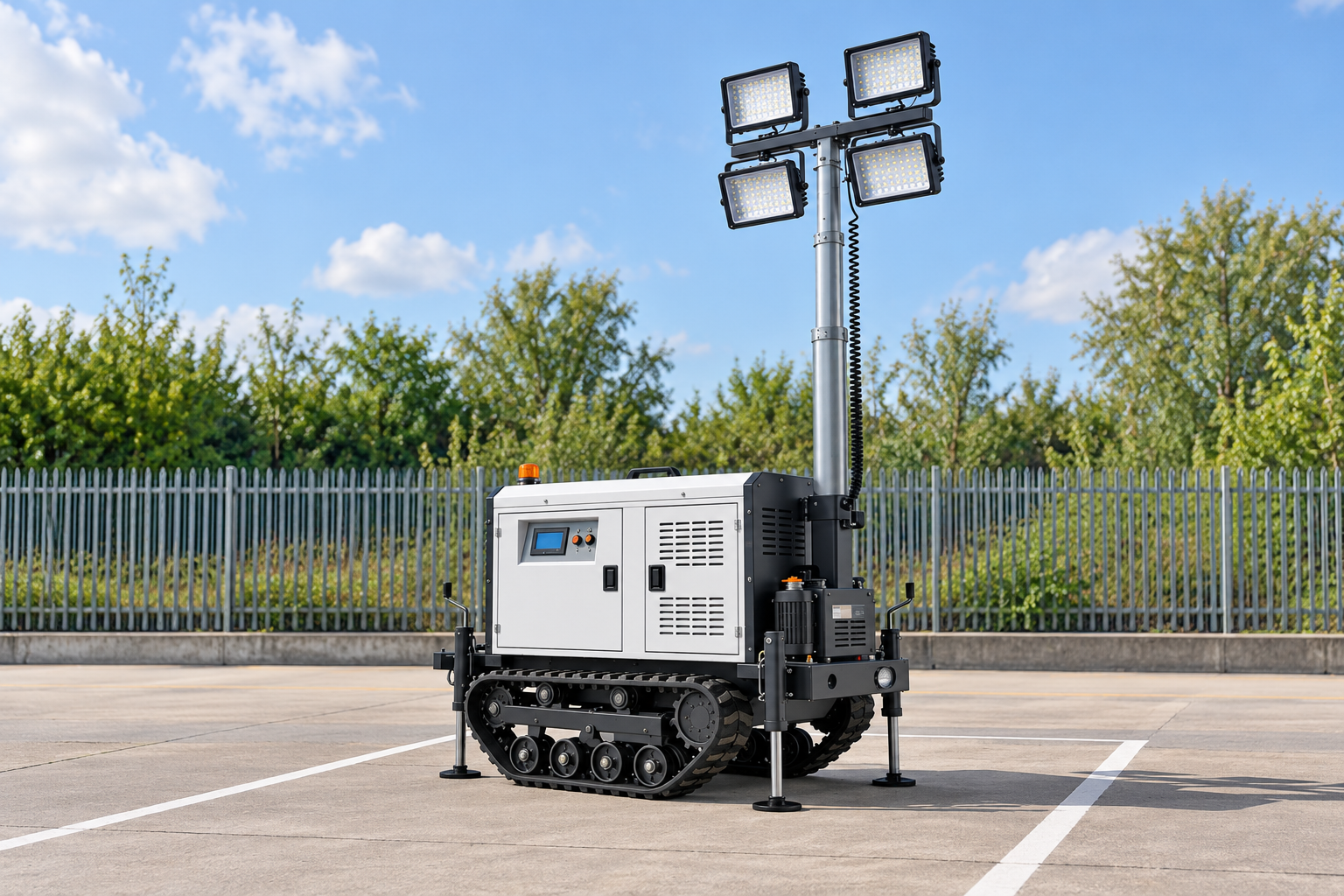
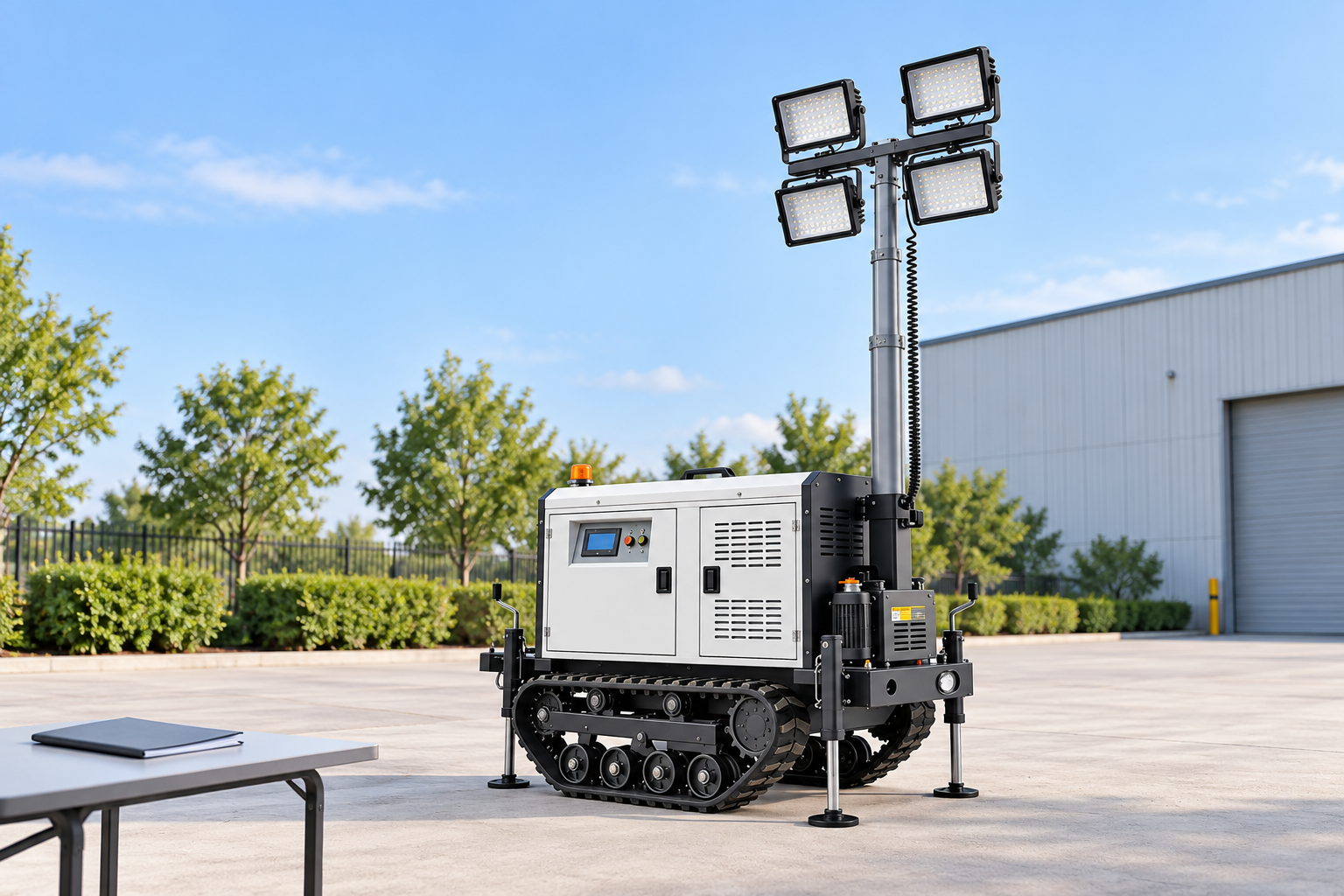
The referenced Keyyou tracked tower shows a white enclosure, crawler chassis, silver mast, four square lamps, and deployed support legs. These visible features identify the illustrated product family. They do not prove that any surface is suitable or that the machine is approved for a particular location. Confirm the offered configuration and supplied limits. The stationary reference based images show possible assessment settings; they are not signed deployment approvals or field test evidence.
Keep movement and deployment approval separate
Plan how the tower reaches the bay and how it can later be recovered without conflicting with work routes or emergency access. Confirm the supplied movement and handling procedure and the responsible personnel. A crawler chassis does not automatically establish permission to move on every slope or surface. A photograph cannot determine the permitted transport arrangement or handling method for the actual unit.
Before an authorized mast operation, ensure the required deployment conditions and role boundaries are satisfied. Do not improvise support arrangements, move a deployed tower, or use an operational demonstration to discover an unknown limit. Record the supplied procedure revision and the accepted starting condition. If a required condition changes during the assessment, stop the affected activity under the applicable process and return to the responsible reviewer.
Define the actual energy and electrical arrangement
Identify whether the delivered configuration uses a combustion generator, stored energy, solar input, an external supply, or another documented arrangement. Record the scope of connected loads and any separate site installation. The presence of a socket, control display, or battery enclosure does not establish permission for a connection or confirm that a protection function has been verified.
Qualified electrical review needs the supplied diagrams, source and bonding arrangement, protective provisions, connected installation, and applicable requirements. OSHA electrical material supports the need to consider the actual configuration and safe work scope; it is not a commissioning procedure for this tower. The acceptance record should refer to the relevant authorized checks and results. This guide provides no wiring instructions, energized testing steps, electrode specification, or universal grounding decision.
Include exhaust safety where combustion operation applies
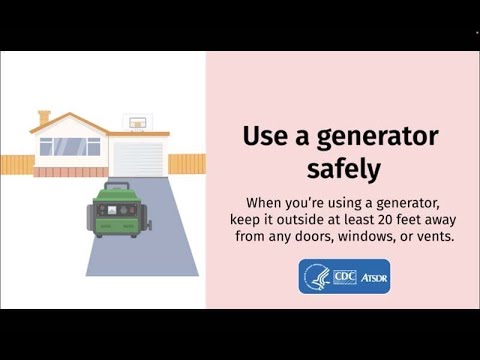
An authorized running check for a combustion powered configuration must account for exhaust exposure and the equipment instructions. CDC guidance explains carbon monoxide risks associated with generator operation. Use that information to identify a separate exhaust safety responsibility, while obtaining the actual placement and operational requirements for the supplied equipment. The educational video does not approve a tower location or replace a workplace assessment.
Nearby occupied spaces, access routes, temporary shelters, and changing site activities can affect the assessment. A location that was convenient during delivery may not remain appropriate when work starts or occupancy changes. Record the accepted condition and the triggers for review. Do not infer safe operation from a lack of visible smoke, an open cabinet, or a short demonstration that appears uneventful.
Verify lighting at the actual task locations
Agree the task planes, observation positions, operating condition, instrument requirements, and applicable acceptance criteria before taking readings. Retain the method, equipment configuration, positions, and conditions with the results. If the project requires measured illuminance or another metric, qualified assessment should provide a traceable result. A camera image or a general statement that the area is bright cannot replace that measurement.
Also review shadows, glare, access, and interaction with nearby work. A satisfactory reading at one position does not establish every relevant condition across an entire area. Define how changes to tower position, lamp direction, obstructions, work layout, or background lighting will be handled. Avoid treating a single night observation as an unlimited approval for a changing construction site.
Build a site acceptance evidence table
This qualitative table organizes the decisions that a site record may need. It does not establish mandatory product tests or numerical pass limits. Adapt it to the contract, applicable workplace requirements, supplied procedures, and responsible project assessment. Primary sources below support the electrical and exhaust safety boundaries; lighting criteria must come from the actual project basis.
| Site record area | Evidence needed | Responsible next decision |
|---|---|---|
| Delivered identity | Identifier, configuration and order comparison | Resolve mismatches before releasing the affected scope |
| Received condition | Location specific damage and discrepancy record | Obtain authorized assessment or correction |
| Deployment bay | Surface, footprint, access and exposure review | Approve the actual bay under supplied instructions |
| Energy and connections | Documented sources, loads and qualified records | Confirm the complete arrangement within the approved scope |
| Authorized function | Procedure, starting condition and observed response | Record verified functions and unresolved items separately |
| Lighting task | Agreed positions, method, criteria and actual results | Accept the assessed layout or arrange a controlled correction |
| Handover | Restrictions, inspections, review triggers and signatures | Assign ongoing responsibilities and close remaining items |
Resolve findings and repeat the affected checks
Keep each finding linked to its location, configuration, evidence, owner, and status. An inadequate lighting layout, missing document, damaged component, and unverified function are different findings. Do not label all of them equipment failure or close them with the same generic instruction. The responsible reviewer should identify the correct action and the scope of the required recheck.
When an authorized change is made, retain the original finding and add the action and new evidence. A changed tower position may require another bay review as well as new lighting observations. An electrical correction may require specialist verification before operation. Do not assume that a successful observation in one area automatically closes every linked issue. Keep the acceptance status conditional or on hold where the agreed scope remains unresolved.
Make the operational handover usable
The receiving operator needs more than a signed sheet. Provide the accepted location and configuration, supplied procedures, inspection responsibilities, operating restrictions, review triggers, and reporting path for abnormal conditions. Identify which adjustments are within the authorized operating scope and which need a new assessment. A brief handover should make those boundaries clear without becoming a substitute for the complete instructions.
Retain the site acceptance file where the responsible team can retrieve it after a shift or contractor change. If the machine moves to a different bay, is modified, or is used for a different lighting task, review which prior decisions still apply. Site acceptance establishes an assessed condition with defined limits. It does not create a permanent approval independent of future ground, access, weather, electrical, or work-layout changes.
Prepare the site before arranging the assessment
Before the visit, confirm that the actual tower, supplied documents, responsible personnel, agreed instruments, deployment area, and task layout will be available. Identify any planned activities that would prevent a safe demonstration or representative lighting assessment. A checklist cannot compensate for missing conditions, and a witness should not be asked to sign results for work that could not be performed.
Ask the supplier for configuration specific information and the project team for the local acceptance basis. Reconcile those inputs before arrival. Where uncertainty remains, identify the item, owner, and required evidence rather than assigning a guessed numerical threshold. The completed record should explain what was examined, what was verified, what remains open, and which condition was accepted for operational handover.
Equipment and complementary planning
Confirm the visible product arrangement on the Keyyou tracked lighting tower product page and use the mobile light tower planning guide for selection context. Prepare the deployment with pre-operation condition checks and operational handover planning.
Exhaust safety during authorized running checks
CDC explains carbon-monoxide hazards during combustion-generator operation. The video supports exhaust-safety review during an authorized site running check, only where the supplied tower includes combustion generation. It does not approve a deployment bay, lighting criterion, or electrical installation.
Frequently asked questions
Can factory acceptance replace the site acceptance record?
No. Factory evidence covers its agreed scope and conditions. The delivered condition, actual bay, electrical arrangement, work layout, and lighting task need their own site assessment and evidence.
Does switching the lamps on prove acceptable lighting?
No. Use the agreed task locations, method, operating condition, and applicable criteria. A bright photograph or one observation cannot establish all required coverage, glare, shadows, or measurements.
When should an accepted site arrangement be reviewed again?
Review the affected decisions after a move, configuration change, changed ground or access conditions, changed task layout, or another trigger identified in the supplied procedures and project assessment.
Sources and scope
The cited primary material supports the specific planning and safety principles discussed. Annual CFR links are explicitly the 2025 edition; the responsible team must verify current applicable requirements. The decision table is original and contains no invented equipment limits. The exact offered configuration and supplied instructions govern equipment actions.