
Spill Containment for Diesel Light Towers on Sensitive Sites
Spill containment for a diesel light tower should address refueling, leaks, maintenance, transport, weather, and emergency response. A small drip tray is n
Spill containment for a diesel light tower should address refueling, leaks, maintenance, transport, weather, and emergency response. A small drip tray is not a complete plan. The site needs compatible secondary containment, inspection, absorbents, drain protection, trained operators, and a clear escalation process that fits the fuel quantity and environmental risk.
This guide is for contractors, fleet managers, distributors, and procurement teams comparing light tower spill containment. It separates measurable requirements from sales labels and identifies where the current manufacturer manual, a qualified technician, or a site-specific engineering and safety review must control the decision.
إجابة سريعة ونطاق القرار
Spill containment for a diesel light tower should address refueling, leaks, maintenance, transport, weather, and emergency response. A small drip tray is not a complete plan. The site needs compatible secondary containment, inspection, absorbents, drain protection, trained operators, and a clear escalation process that fits the fuel quantity and environmental risk.
ابدأ بمناطق العمل المستهدفة، والساعات، وتكرار الحركة، ووصول الطاقة، والبيئة، وقدرة طاقم العمل، وطريقة القبول. يكون عرض السعر قابلاً للمقارنة فقط عندما تتم مشاركة هذه المدخلات. يجب أن يحدد أي رقم للإنتاج، أو وقت التشغيل، أو الارتفاع، أو الوزن، أو الصوت، أو الوقود، أو سعة البطارية، أو التغطية وحداته، وتكوينه، وضع تشغيله، ظروف الاختبار.
الخمس قضايا التي تحكم القرار
| منطقة القرار | ما الذي يجب التحقق منه |
|---|---|
| Containment capacity | Size secondary containment for the credible fuel and fluid release, rainfall where applicable, and the site’s environmental procedure. |
| Material compatibility | Use liners, trays, hoses, absorbents, and containers compatible with diesel, lubricants, coolant, and weather exposure. |
| Refueling control | Define delivery, bonding or grounding where required, nozzle control, supervision, shutoff, and no-go zones. |
| Inspection points | Check tanks, caps, hoses, filters, drains, engine seals, trays, wheels, and hidden surfaces before and after each shift. |
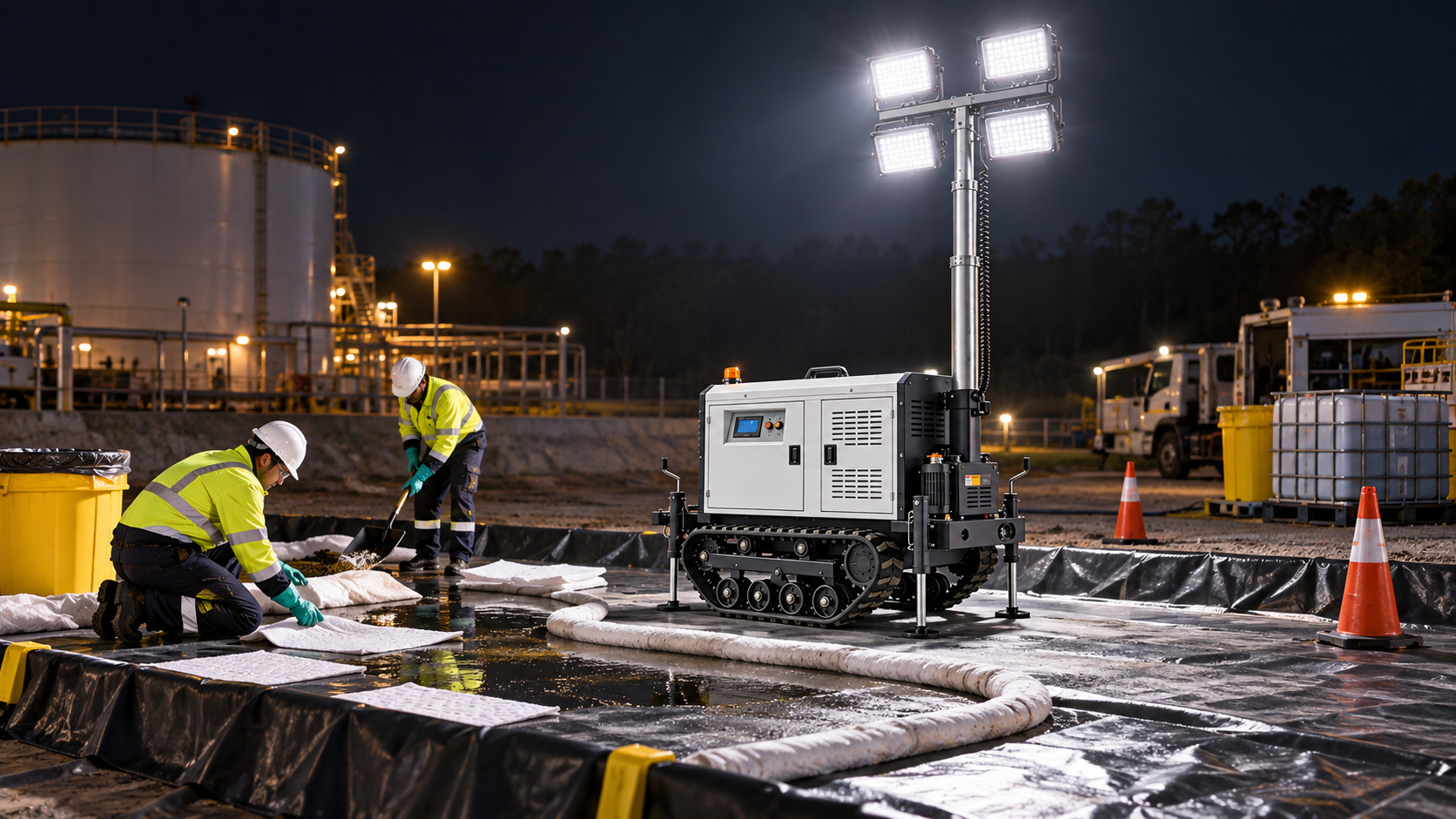
| Response and disposal | Keep labeled spill kits, isolate drains, report releases, recover contaminated material, and document disposal by approved channels. |
1. Containment capacity
Size secondary containment for the credible fuel and fluid release, rainfall where applicable, and the site’s environmental procedure. Ask the supplier to state the applicable configuration, test condition, limit, and inspection method so the claim can be checked during bid review and handover.
2. Material compatibility
Use liners, trays, hoses, absorbents, and containers compatible with diesel, lubricants, coolant, and weather exposure. Ask the supplier to state the applicable configuration, test condition, limit, and inspection method so the claim can be checked during bid review and handover.
3. Refueling control
Define delivery, bonding or grounding where required, nozzle control, supervision, shutoff, and no-go zones. Ask the supplier to state the applicable configuration, test condition, limit, and inspection method so the claim can be checked during bid review and handover.
4. Inspection points
Check tanks, caps, hoses, filters, drains, engine seals, trays, wheels, and hidden surfaces before and after each shift. Ask the supplier to state the applicable configuration, test condition, limit, and inspection method so the claim can be checked during bid review and handover.
5. Response and disposal
Keep labeled spill kits, isolate drains, report releases, recover contaminated material, and document disposal by approved channels. Ask the supplier to state the applicable configuration, test condition, limit, and inspection method so the claim can be checked during bid review and handover.
سير عمل تقييم عملي
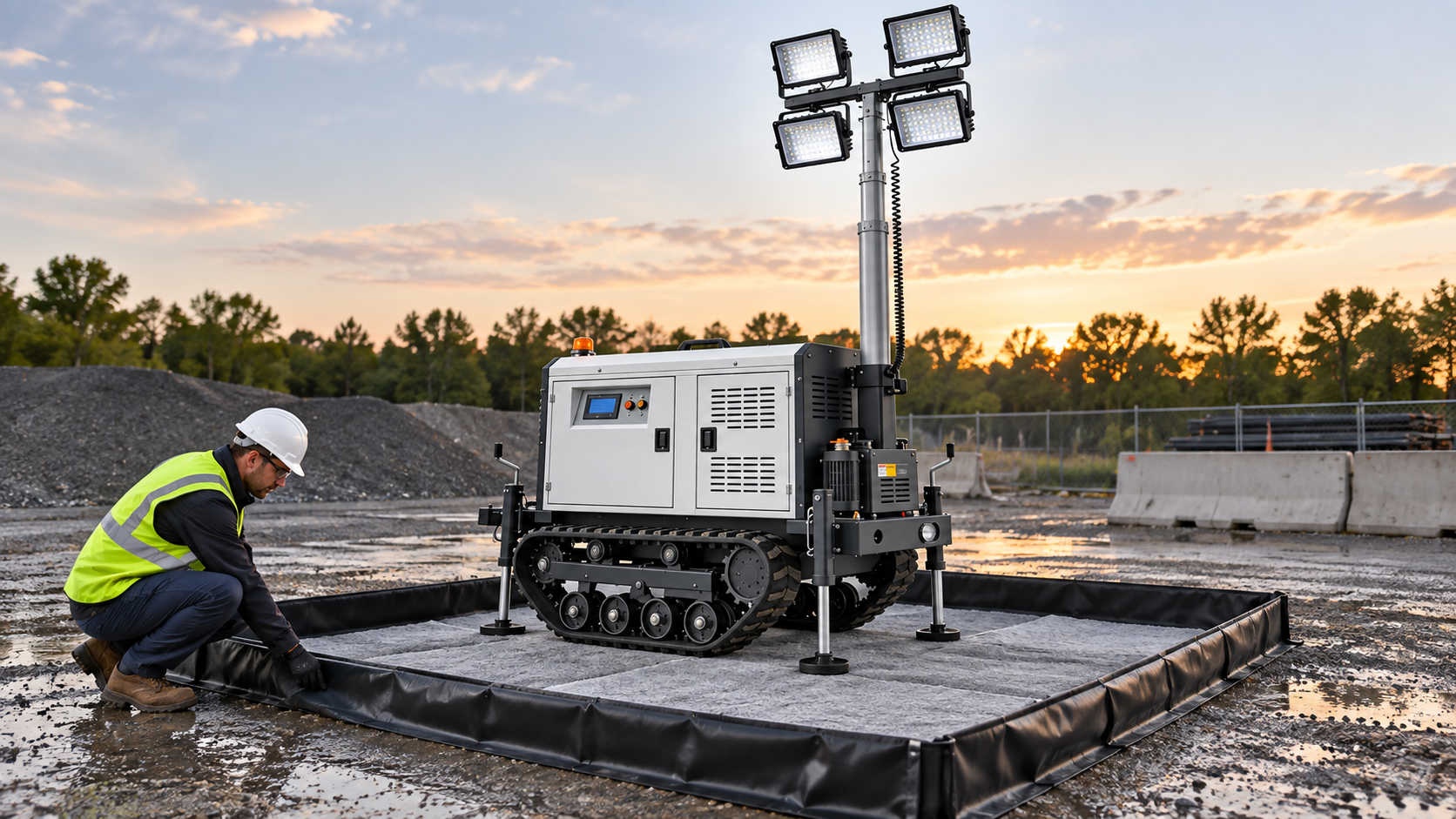
- Map sensitive receptors, drains, soil, water, and traffic before placing the tower.
- Select the containment arrangement and verify it fits the actual unit.
- Train operators on refueling, inspection, and spill response.
- Inspect before use, after movement, and after maintenance or severe weather.
- Record defects and close out any release before returning the unit to service.
سجّل الافتراضات والاستثناءات بجانب المقترح. إذا قام المزايد بتغيير المحرك، أو البطارية، أو وحدة الإضاءة، أو البصريات، أو الساري، أو أدوات التحكم، أو المقطورة، أو حزمة الملحقات، كرّر المراجعة المتأثرة. تُعد مراقبة التكوين مهمة بشكل خاص عندما يتم إنتاج العينات، وورق البيانات، والآلات المُسلّمة في أوقات مختلفة.
The relevant Keyyou product reference is the Spill Containment for Diesel Light Towers on Sensitive Sites. Product photographs identify the physical form only; request the exact configuration, rating and operating limits for procurement.
الأدلة المطلوبة قبل الشراء أو التنفيذ
- ورقة بيانات خاصة بتكوين معين ورسم الترتيب العام
- ملف توزيع الإضاءة للمصباح بالكامل أو مخطط إضاءة مع الافتراضات المذكورة
- بيانات الطاقة أو وقت التشغيل أو الوقود عند حمل التشغيل المقترح
- تعليمات السارية، والاستقرار، والرياح، والنقل، والإعداد، والفحص، والطوارئ
- المعلومات الكهربائية، وملصقات الأمان، والأدلة، ووثائق الوجهة
- نطاق الضمان، وفترات الصيانة، وقطع الغيار الموصى بها، وفترات تسليم قطع الغيار، وجهات الاتصال للتصعيد
- إجراء قبول المصنع أو التسليم المرتبط بالتكوين النهائي
أساسيات الإضاءة، إشرادات وزارة الطاقة الأمريكية بشأن مصابيح الإضاءة ذات الصمام الثنائي الباعث للضوء (LED) يوضح سبب أهمية الأداء الكامل لوحدة الإضاءة، والتوزيع البصري، وتحويل الطاقة. بالنسبة لأعمال البناء في الولايات المتحدة،, أوشا 29 CFR 1926.56 يحدد متطلبات الإضاءة لمناطق العمل المحددة. وقد تطلب قواعد المشروع وتقييم المخاطر في الموقع المزيد.
الإعداد والتحقق والتحكم بالتغيير
قبل نشر المعدات، قم بفحص الأرض، والمنحدرات، والمخاطر العلوية، وحركة المرور، ونقاط التلامس مع الجمهور، والطقس، ومطالع الطوارئ. قم بتحديد موضع القاعدة وتثبيتها باستخدام تعليمات الشركة المصنعة الحالية. قم بتوجيه التركيبات قبل رفع الصاري حيثما كان ذلك عملياً، واحتفظ بالأفراد خارج مناطق الانحصار والسقوط، واحمِ المعدات من اصطدام المركبات.
التحقق من الإضاءة في النقاط التمثيلية للمهام، والحواف، والانتقال، والظلال باستخدام مستوى القياس المطلوب من قبل المشروع. وأيضاً ملاحظة الوهج من وجهات نظر العامل، والسائق، والعقار المجاور. إرشادات المعهد الوطني للسلامة والصحة المهنية (NIOSH) بشأن خطط التحكم في المرور الداخلي يدعم فصل العمال عن مركبات البناء والمعدات قدر الإمكان.
إعادة التقييم بعد إعادة الموقع، أو الطقس السيئ، أو الصيانة، أو استبدال التركيبات، أو الهياكل أو المخزونات الجديدة، أو تغيير مسارات الحركة المرورية، أو مرحلة عمل مختلفة. يجب أن تبقى الرسمة المعتمدة، والنتائج المقاسة، والعيوب، والإجراءات التصحيحية، والإعدادات النهائية مع سجل الأصل أو المشروع.
تكلفة دورة الحياة والدعم
قارن سعر التسليم مع النقل، وعمالة التركيب، والوقود أو الكهرباء، وبنية شحن الطاقة التحتية، والف عمليات الفحص الروتينية، والخدمة المجدولة، والمستهلكات، والبطاريات أو مكونات المحرك، والإطارات وأعمال المقطورات عند الاقتضاء، ووحدات الإضاءة البديلة، ووقت التعطل، والتدريب، والقيمة المتبقية. استخدم نفس الساعات وأسعار الطاقة لكل خيار.
جودة الدعم قابل للقياس. اسأل عن الجهة التي تقوم بتشخيص الأعطال، والقطع المخزنة، وأوقات الاستجابة النموذجية، والمعلومات عن بُعد المطلوبة، والأعمال التي يجب إنجازها بواسطة موظفين معتمدين. يمكن محو سعر الشراء المنخفض بسبب الأدلة المفقودة، أو التأخير الطويل في قطع الغيار، أو مسؤولية الضمان غير الواضحة، أو التكوين الذي لا يمكن صيانته محلياً.
الأخطاء الشائعة في المشتريات
- الشراء بناءً على رقم واحد مثل اللومن، الواط، وقت التشغيل، ارتفاع الصاري، أو السعر
- مقارنة عروض الأسعار التي تستخدم أحمالاً، وبيئات، وملحقات، واستثناءات مختلفة
- الخلط بين أبعاد النقل وبصمة التشغيل المنشورة
- قبول كتيبات عائلة الطراز بدلاً من الأدلة الخاصة بالتكوين
- تخطي القياسات الميدانية، وتدريب المشغلين، وإغلاق عيوب التصنيع
- ترك قطع الغيار، والاستجابة للضمان، والمسؤولية عن التعديلات دون تحديد
أدlete برج الإضاءة ذات الصلة / أدلة أبراج الإضاءة ذات الصلة
الأسئلة الشائعة
Is a drip tray enough for a diesel light tower?
Usually not by itself. Capacity, rainfall, leaks, refueling, maintenance, drain protection, and site rules determine the complete arrangement.
Can absorbent pads replace secondary containment?
Pads are response equipment, not a substitute for planned containment where a credible release could reach soil or water.
What should be checked after moving the unit?
Inspect hoses, caps, tank and engine areas, tray position, ground protection, and any new path to drains or sensitive receptors.
Who decides whether a spill is reportable?
Follow the site and jurisdictional procedure. Operators should stop the source, protect drains, notify the responsible person, and preserve facts.
Neutral safety reference
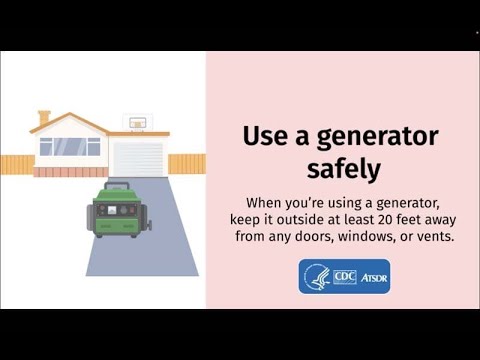
This neutral video explains safe portable-generator practice. It is not a substitute for the applicable engine, electrical, environmental or wind instructions.
الأسئلة الشائعة
Is a drip tray enough for a diesel light tower?
Usually not by itself. Capacity, rainfall, leaks, refueling, maintenance, drain protection, and site rules determine the complete arrangement.
Can absorbent pads replace secondary containment?
Pads are response equipment, not a substitute for planned containment where a credible release could reach soil or water.
What should be checked after moving the unit?
Inspect hoses, caps, tank and engine areas, tray position, ground protection, and any new path to drains or sensitive receptors.
Who decides whether a spill is reportable?
Follow the site and jurisdictional procedure. Operators should stop the source, protect drains, notify the responsible person, and preserve facts.
FAQ summary
Is a drip tray enough for a diesel light tower?
Usually not by itself. Capacity, rainfall, leaks, refueling, maintenance, drain protection, and site rules determine the complete arrangement.
Can absorbent pads replace secondary containment?
Pads are response equipment, not a substitute for planned containment where a credible release could reach soil or water.
What should be checked after moving the unit?
Inspect hoses, caps, tank and engine areas, tray position, ground protection, and any new path to drains or sensitive receptors.
Who decides whether a spill is reportable?
Follow the site and jurisdictional procedure. Operators should stop the source, protect drains, notify the responsible person, and preserve facts.
الخلاصة النهائية
A reliable decision about light tower spill containment is traceable from a real operating requirement to verified evidence and an acceptance test. Define the task and constraints, compare complete configurations under common assumptions, inspect safe deployment, and retain the records needed for service and future procurement.
Recordkeeping and review
Keep the approved requirement, supplier response, calculation or test method, measurement record, deviation log, and acceptance result together. The person who checks a light tower after delivery should be able to identify the serial number, configuration revision, environmental conditions, operating mode, instruments, and any limitation that was accepted. When the tower moves to a new project, repeat the site-specific review instead of copying an old assumption. Fuel, sound, emissions, electrical outlet, spill, and wind conditions can all change with the location and attachments. A short documented review before each deployment is less costly than discovering a mismatch after a shutdown, complaint, release, or severe-weather event. Escalate any value that is outside the manufacturer’s instruction to a qualified technical contact and keep the written disposition with the asset record.
For fleet buyers, use the same evidence fields across every quotation and every delivered unit. This makes differences visible and protects the purchasing team from a model-family brochure being treated as a configuration certificate. It also gives operators a usable handover: what the unit can do, what it must not do, which checks are required, and who can authorize a change. The resulting record supports maintenance planning, training, environmental reporting, and a defensible comparison when the next project is scoped.