
Drill Pad Lighting for Mining and Exploration
Plan drill pad lighting for drill controls, rod handling, servicing positions, access routes, glare, and changing shadows as the rig and support equipment move.
Drill pad lighting should reveal the operator's controls, approved rod-handling positions, service points, and access routes throughout the drilling sequence. A mobile tower can provide surrounding area light, while a close or obstructed task may need an approved task fixture. Plan both around the rig's actual geometry, glare, moving equipment, and the site's isolation and handling procedures. There is no universal tower spacing or lamp count for every drill pad. The drilling supervisor and responsible site team should approve the layout and nighttime inspection before work begins. This guide addresses surface mining and exploration pads, not underground drill lighting or aviation lighting.
Map the drilling sequence before choosing a position
Start with the work performed at the pad. Identify the operator station, rod or tooling storage, authorized handling area, sampling position, servicing points, and the routes used by support vehicles. Record which positions are occupied at each stage rather than assuming that one fixed working face describes the entire shift.
Ask the drilling supervisor to identify what a worker must distinguish at each permitted position. Examples may include a control label, a connection being inspected under isolation, a walking surface, or a communication signal. The approved drilling procedure determines who can enter a handling zone and when. Additional light does not authorize a person to approach rotating components or stand inside an equipment movement area.
Separate normal production from inspection and maintenance. A position used for a stopped and isolated rig may be unavailable while the machine operates. Show those conditions on the lighting drawing and acceptance checklist. This prevents a convenient maintenance lamp or tower location from being treated as a safe operating location merely because it reveals the task well.
Distinguish area lighting from close task lighting
Area lighting helps reveal the pad layout, boundaries, and approved access routes. It may also support the operator's broader view of equipment and people. A tower placed outside the rig's work envelope is often easier to service and relocate, but distance and obstructions can limit the detail visible at a particular connection or inspection point.
Task lighting addresses that particular view. Its fixture, supply, installation, and location must be appropriate for the environment and authorized by the responsible team. Do not attach a lamp to the drill structure, rod rack, or guard without permission and installation review. Improvised mounting can interfere with the rig, leave cables in movement areas, or introduce a hazard during handling.
Evaluate the two arrangements together. A close lamp can produce uncomfortable reflections or deep surrounding shadows even when the task surface is bright. An area tower can glare into the operator's view while failing to reveal a recess behind the rig. The acceptance test needs the actual observer positions and representative machine configuration, not a photograph of an empty brightly lit pad.
Review shadows as rods and support vehicles move
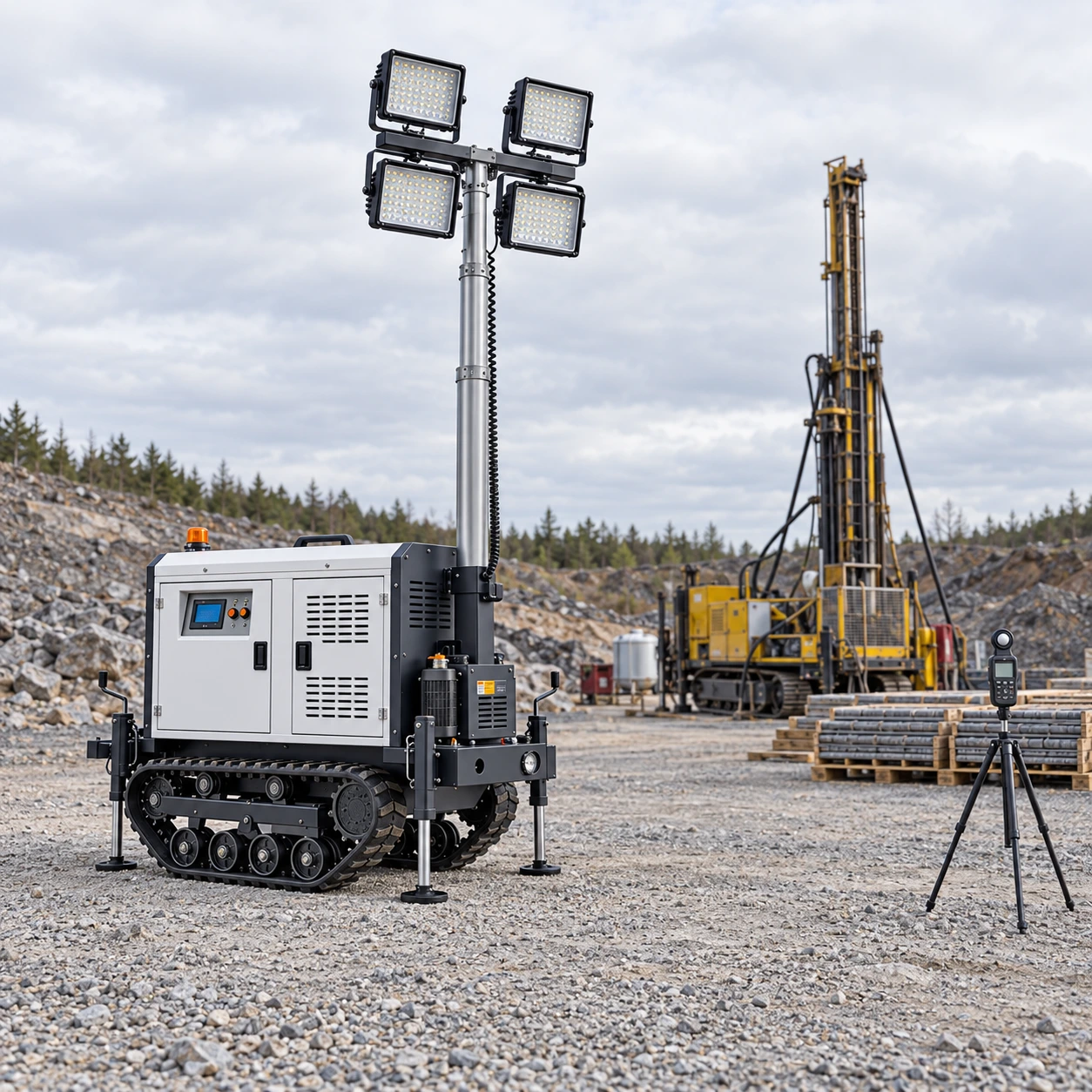
Use the approved drilling sequence to identify changing obstructions. The mast, rig body, racks, tools, and support vehicles can block light reaching a worker's permitted view. Check representative positions without putting observers in a moving-machine zone. Coordinate the inspection with the drilling supervisor and control the equipment state and access as required.
Consider the view from both the operator station and other authorized crew positions. A lamp behind one person may cast a shadow across a detail another needs to inspect. A service truck parked nearby can hide an access route previously visible during setup. Record the accepted parking and storage arrangement where those positions affect illumination.
Changing the tower's direction may solve one shadow and create another. After adjustment, repeat all affected observations rather than checking only the improved point. If the work sequence cannot be illuminated from an approved tower location, ask for a reviewed task-light solution or revise the lighting proposal. Moving the tower into the handling area should not be an improvised remedy.
Keep glare out of controls and communication views
Assess the lamp direction from the operator's normal position and from each crew position used for authorized communication. The inspection should include views toward the rig, its controls, and approved approach routes. Bright light near the line of sight can make an important detail harder to distinguish even when the surrounding ground appears well illuminated.
Look for reflections from wet surfaces, shiny equipment parts, and protective screens under the conditions relevant to the pad. Do not assume that the best-looking daytime position will produce the best nighttime view. Work with the responsible lighting designer on aiming, distribution, and any approved shielding arrangement; improvised covers may affect cooling or equipment safety.
NIOSH's illumination research discusses how visibility, contrast, and glare interact. Much of that work concerns underground equipment and cannot establish a surface drill-pad lighting specification. It nevertheless supports evaluating what the crew can see and the effect of glare together, rather than using brightness as the only acceptance measure.
| Planning item | Evidence to review |
|---|---|
| Drilling sequence | Identify controls, authorized handling positions, servicing, and access for each stage. |
| Area and task lighting | Inspect the pad view and any close task separately from approved positions. |
| Changing shadows | Check representative rig, rack, and support-vehicle configurations. |
| Deployment | Approve the complete footprint, mast envelope, power route, and service windows. |
| Acceptance | Record task observations, required measurements, failure response, and layout changes. |
Reserve the tower footprint and mast envelope
A suitable position must accommodate the complete deployed unit, including supports, raised mast, servicing access, and external cables where applicable. Check the pad drawing against rig movements, vehicle routes, rod storage, and approved exclusion zones. Include the relocation route because an acceptable operating location may be difficult to reach without crossing a controlled area.
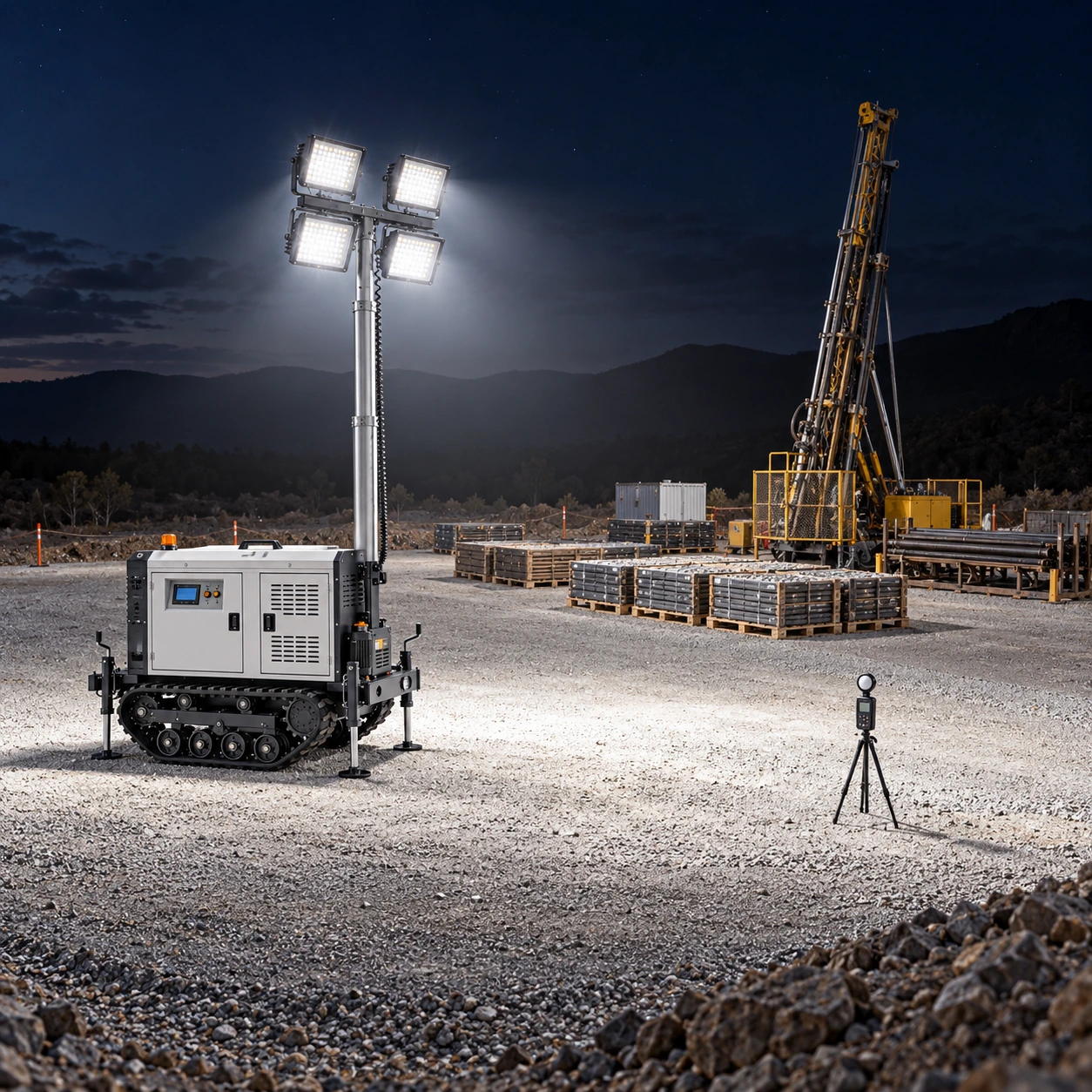
Obtain the exact model's instructions for ground condition, supports, wind, mast operation, and movement. A tracked lighting unit in a product illustration is not evidence of a permitted slope, ground-bearing requirement, or operating wind limit. Do not assign those figures from another model or rely on a chassis description alone.
The site's responsible team must review overhead constraints and the equipment's full movement envelope. That review includes deployment, adjustment, servicing, and removal, not just the final raised position. Provide an approved location for fuel or charging activities where relevant. Keep those activities outside the drilling sequence unless the site's procedure specifically provides for them.
Establish the applicable inspection requirements
The mine or exploration project's location, work classification, and responsible authority determine which requirements apply. Confirm the controlling rules and site procedures before quoting a numerical lighting target. A construction illumination table, underground coal rule, or helipad-lighting specification should not be transplanted into a surface exploration pad merely because it contains a convenient number.
Ask the responsible lighting specialist to specify the measurement locations and acceptance criteria. Request photometric information for the offered lamp and proposed mounting arrangement. Lumens indicate emitted light, while the actual task also depends on distribution, distance, mounting, reflections, and obstructions. A supplier should explain the conditions behind an advertised coverage area.
Pair required measurements with task observations. A numerical reading at ground level cannot confirm that a control label behind the rig is legible or that a handling position remains visible with the rod rack occupied. Record the rig configuration, equipment positions, lamp mode, and observation points so the test can be understood and repeated after changes.
Provide power through the whole shift
Define the complete lighting window, including setup, production, sampling, maintenance, and shift handover. Confirm how the offered tower provides power and the limits of that arrangement. Ask for runtime information in the intended operating mode and documentation for charging, supply protection, or fuel servicing as applicable.
Coordinate service windows with the drilling supervisor. A recharge or refuelling plan that assumes an idle period during continuous work needs revision. Where cables are required, have the responsible electrical team review the supply, protection, route, and interaction with vehicles and rig movements. Do not run an unreviewed temporary lead through a rod-handling zone because it is the shortest path.
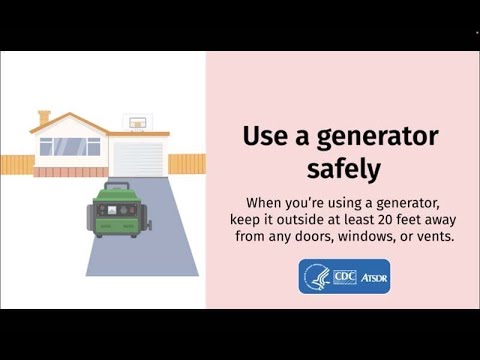
For generator-powered arrangements, review exhaust and occupied-space exposure. The CDC video below provides carbon-monoxide education; its domestic examples do not define a drilling installation. Apply the manufacturer's instructions and site controls to generator position, ventilation, refuelling, and maintenance. The video supports that specific power discussion and does not teach drilling operations.
Watch Use a Generator Safely by CDC
Request documentation for the actual product
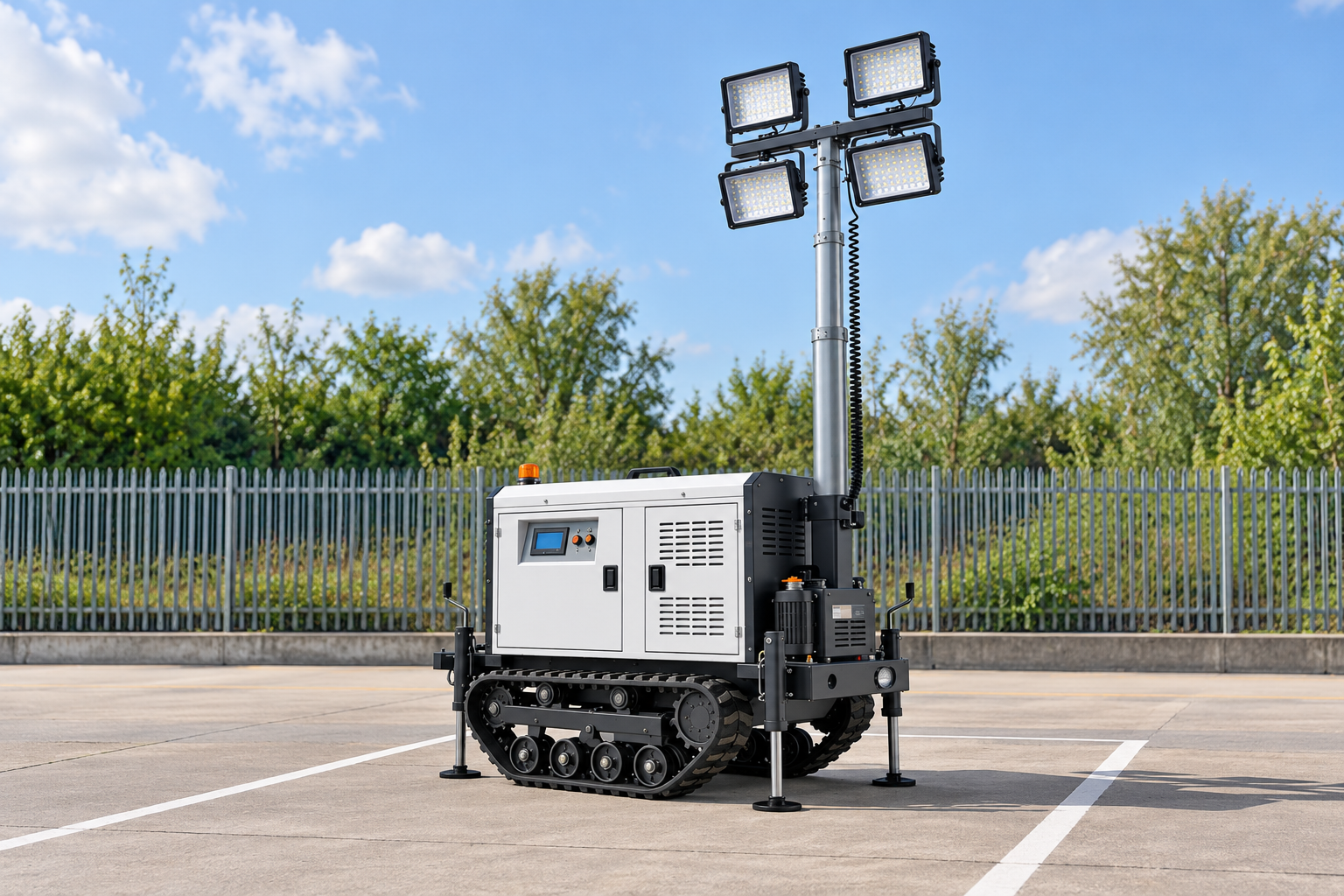
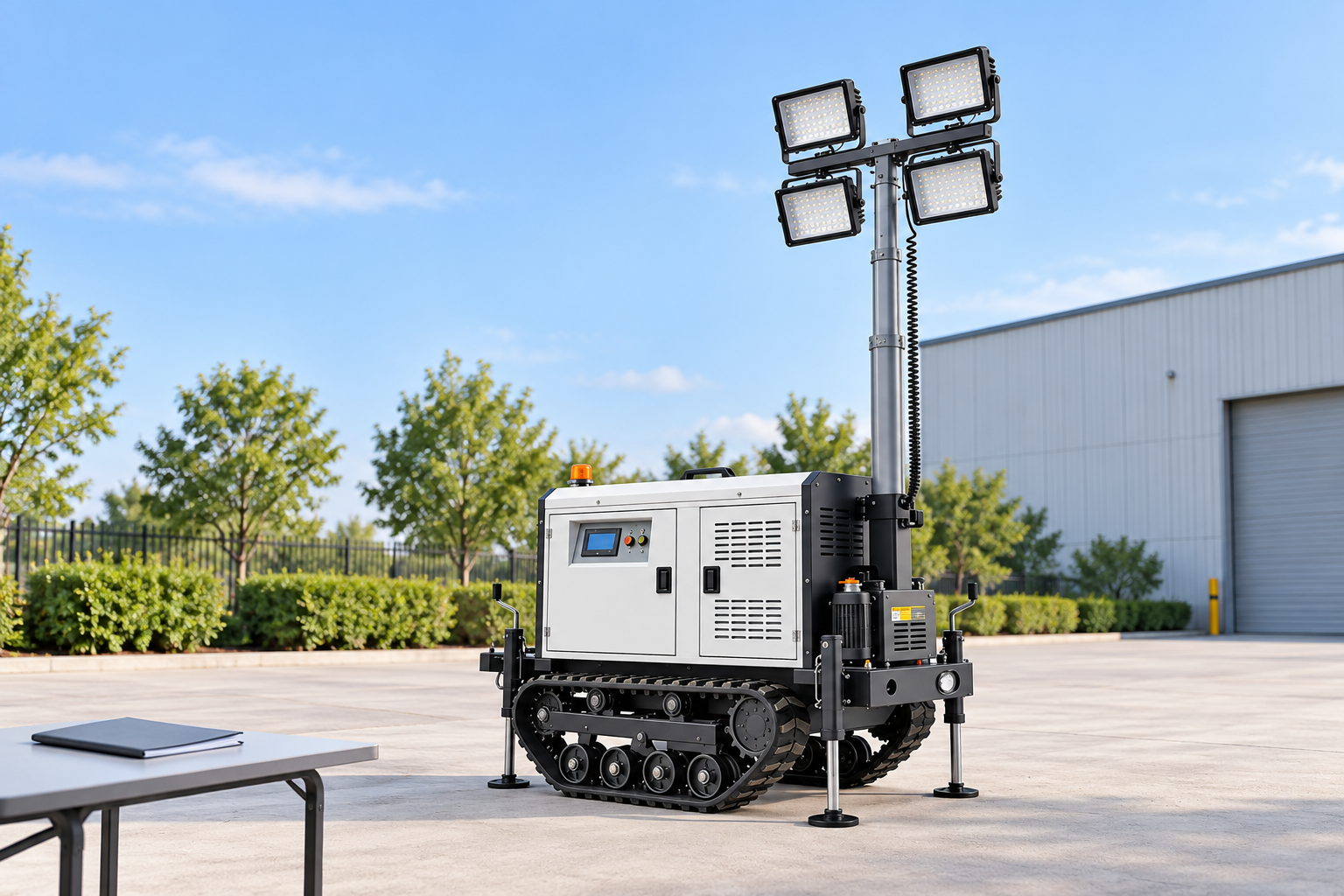
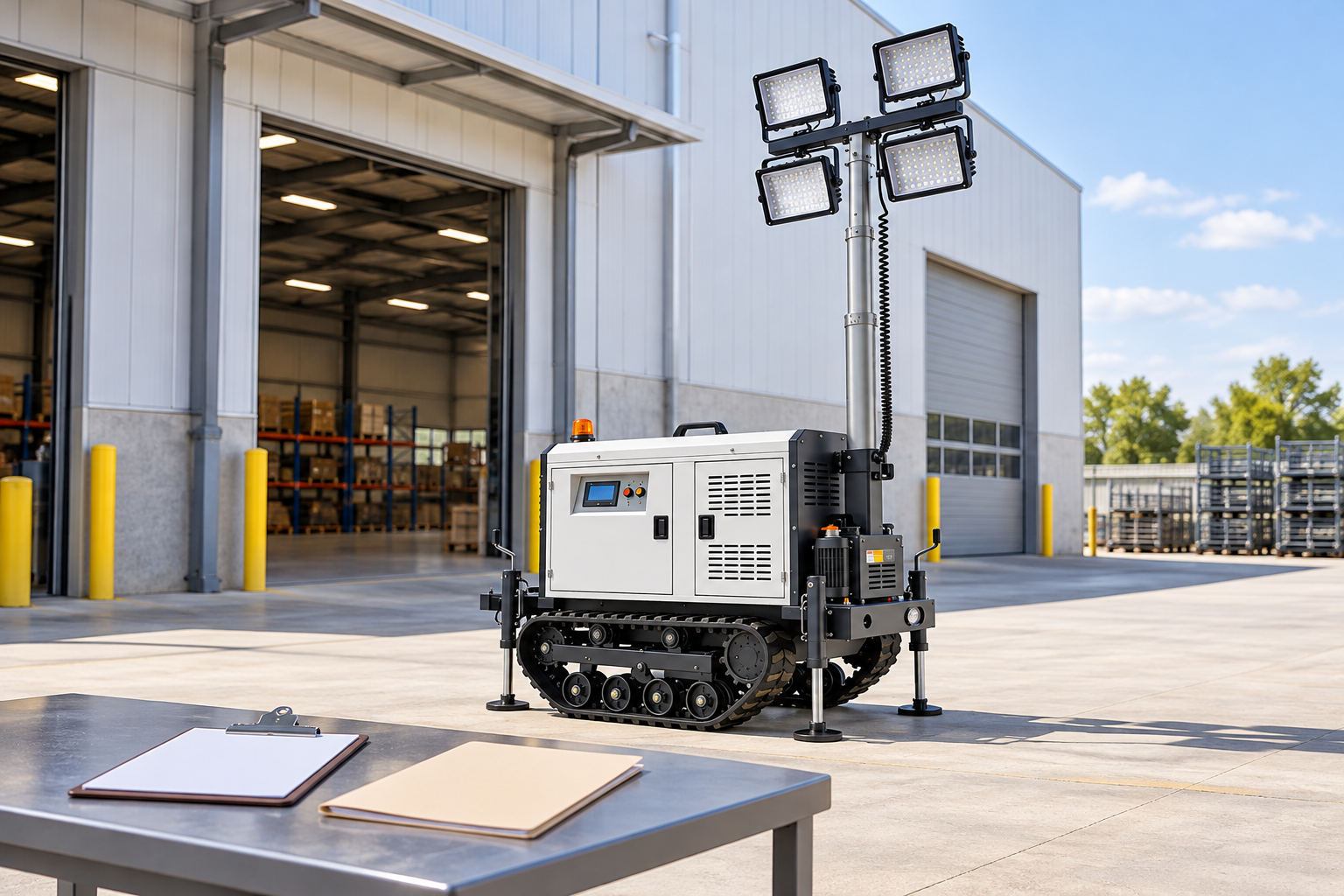
The Track-type lifting lighting tower shows the product structure used in this article's illustrations. Ask the supplier to identify the exact offered configuration and provide the current manual, deployed dimensions, fixture information, operating modes, and supporting environmental documentation. An image does not demonstrate mining approval, tested runtime, or the suitability of a specific installation.
Issue a quotation brief containing the pad drawing, work sequence, required observations, approved equipment positions, duty period, power access, and inspection process. Ask the supplier to state any assumptions and exclusions. A tower recommendation based on a clear open field may require revision when the actual rig obscures the working view.
The mobile light tower overview explains equipment families, while the selection guide helps compare proposals. Use equipment specifications for documentation questions and the safety guide when planning deployment. Those supporting articles complement the pad assessment; the drilling supervisor and responsible site team retain control of the operation and its acceptance requirements.
Accept, hand over, and revise the layout
Arrange an authorized nighttime inspection before normal work depends on the new lighting. Establish representative rig and vehicle positions with the supervisor, then review each required observation from permitted locations. Document tower identity, base position, supports, mast arrangement, aiming, power mode, and inspection conditions. Keep the applicable measurements and acceptance record with the shift information.
Define what happens when light fails. The response may include stopping an affected task until an approved arrangement is restored. A replacement unit should be checked for compatible limits, positioning, and aiming; matching a general product description does not guarantee the same light distribution. Review any change before resuming the affected operation.
Revisit the lighting after the rig moves, racks are rearranged, support vehicles change position, the tower is adjusted, or the ground condition changes. During ordinary inspections, follow the equipment's instructions for damage, dirty fixtures, connections, supports, and maintenance needs. A reliable handover tells the next crew both what was accepted and which conditions require another check.
Frequently asked questions
Can one tower illuminate every drill-pad task?
It depends on the rig geometry, approved locations, and required observations. Area light may reveal the pad while an obstructed close inspection still needs an approved task fixture. Check the actual sequence and observer positions rather than assuming that a powerful lamp reaches every detail.
Where should a tower be placed beside a drill rig?
Use a position approved by the site team outside handling zones, equipment movement envelopes, and vehicle routes. Reserve the complete support and mast footprint, service access, and any cable route. Follow the exact tower instructions and verify the nighttime view from authorized crew positions.
Is there a standard spacing for drill-pad lighting?
There is no universal spacing that resolves every surface pad. The controlling requirements, task criteria, fixture distribution, rig obstructions, and approved deployment locations determine the arrangement. Obtain the site's acceptance criteria and verify the proposed installation under representative conditions.
Does additional light change rod-handling precautions?
No. Lighting supports visibility but does not replace guarding, isolation, exclusion zones, or authorized handling procedures. The drilling supervisor controls the work sequence and access. Perform lighting observations under a controlled inspection arrangement that respects those procedures.