
Light Tower Towing Speed: Limits, Risks, and Route Planning
A light tower has no universal safe towing speed. Follow the lowest applicable limit from the tower manufacturer, trailer and tire ratings, tow-vehicle instructions, road law, site rules, and actual conditions. Reduce speed further for rough surfaces
A light tower has no universal safe towing speed. Follow the lowest applicable limit from the tower manufacturer, trailer and tire ratings, tow-vehicle instructions, road law, site rules, and actual conditions. Reduce speed further for rough surfaces, curves, wind, traffic, poor visibility, gradients, or an unfamiliar combination.
This guide helps contractors, rental fleets, distributors and procurement teams evaluate light tower towing speed. It provides a calculation and evidence workflow rather than a universal product claim. The current equipment manual, destination rules and a competent site review remain controlling.
Quick answer
A light tower has no universal safe towing speed. Follow the lowest applicable limit from the tower manufacturer, trailer and tire ratings, tow-vehicle instructions, road law, site rules, and actual conditions. Reduce speed further for rough surfaces, curves, wind, traffic, poor visibility, gradients, or an unfamiliar combination.
Start by defining the exact machine, operating state, location, season, working hours, movement method and acceptance criterion. Do not mix nominal ratings with usable performance. Record whether every input is measured, calculated, guaranteed or assumed, because that distinction determines how much margin and verification are needed.
Five factors that control light tower towing speed
| Decision factor | What to verify |
|---|---|
| Manufacturer limit | Use the current manual for the exact axle, tire, coupling and configuration; do not copy a speed from a similar-looking model. |
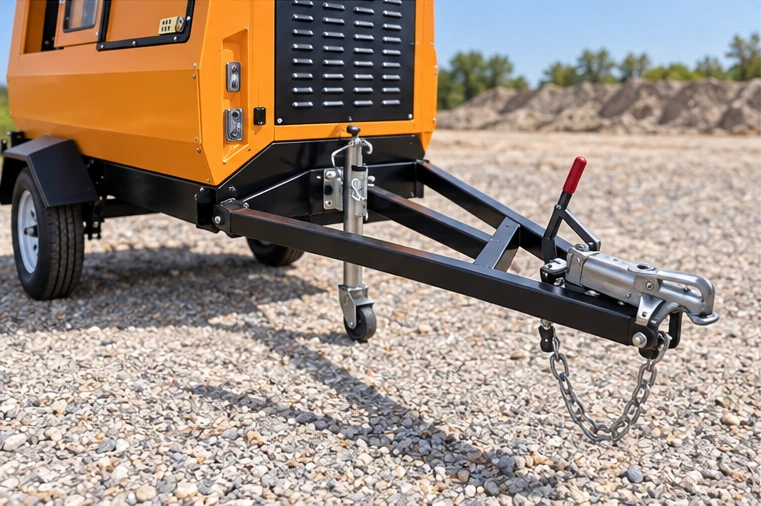
| Tire and bearing condition | Age, pressure, load, heat, damage, wheel fasteners and bearing maintenance directly affect safe travel. |
| Tow combination | Vehicle payload, hitch load, brakes, coupling height, electrical connection and gross combined ratings must all remain acceptable. |
| Route conditions | Surface, curves, grades, crosswind, bridges, work-zone traffic and emergency stopping distance may require a lower speed. |
| Site relocation | Off-road movement can be slower and more severe because of potholes, soft ground, side slope and nearby workers. |
1. Manufacturer limit
Use the current manual for the exact axle, tire, coupling and configuration; do not copy a speed from a similar-looking model. Write the assumption, unit, configuration and evidence beside the decision. Compare the proposed value with the manufacturer’s operating limits and the project’s acceptance requirement. If the equipment, location, weather or duty cycle changes, repeat this check rather than carrying the old conclusion forward.
2. Tire and bearing condition
Age, pressure, load, heat, damage, wheel fasteners and bearing maintenance directly affect safe travel. Write the assumption, unit, configuration and evidence beside the decision. Compare the proposed value with the manufacturer’s operating limits and the project’s acceptance requirement. If the equipment, location, weather or duty cycle changes, repeat this check rather than carrying the old conclusion forward.
3. Tow combination
Vehicle payload, hitch load, brakes, coupling height, electrical connection and gross combined ratings must all remain acceptable. Write the assumption, unit, configuration and evidence beside the decision. Compare the proposed value with the manufacturer’s operating limits and the project’s acceptance requirement. If the equipment, location, weather or duty cycle changes, repeat this check rather than carrying the old conclusion forward.
4. Route conditions
Surface, curves, grades, crosswind, bridges, work-zone traffic and emergency stopping distance may require a lower speed. Write the assumption, unit, configuration and evidence beside the decision. Compare the proposed value with the manufacturer’s operating limits and the project’s acceptance requirement. If the equipment, location, weather or duty cycle changes, repeat this check rather than carrying the old conclusion forward.
5. Site relocation
Off-road movement can be slower and more severe because of potholes, soft ground, side slope and nearby workers. Write the assumption, unit, configuration and evidence beside the decision. Compare the proposed value with the manufacturer’s operating limits and the project’s acceptance requirement. If the equipment, location, weather or duty cycle changes, repeat this check rather than carrying the old conclusion forward.
A calculation and evaluation workflow
- Freeze the requirement. List the work zones, hours, required output, route or weather assumptions, energy access, crew capability and consequence of interruption.
- Identify the configuration. Record model, serial range, batteries, panels, controller, luminaires, mast, trailer and all installed options.
- Build the model. Keep inputs in one unit system, show equations, separate nominal ratings from usable values, and state all losses and limits.
- Test sensitivity. Change the most uncertain inputs—temperature, weather, loading, aging, shading, route or operating mode—and identify the failure boundary.
- Verify evidence. Request drawings, manuals, test conditions, logs and configuration-specific declarations. Reject unexplained headline values.
- Commission the unit. Inspect, measure and operate a representative cycle under documented conditions, then close every defect before acceptance.
Evidence to request from a supplier
- Configuration-specific data sheet, general arrangement drawing and serial identification
- Definitions, units, test conditions and tolerances for every quoted performance value
- Operating, transport, inspection, maintenance and emergency instructions
- Electrical architecture, battery or trailer ratings, control settings and protection information relevant to the decision
- Environmental limits for temperature, wind, water, dust, slope, storage and transport
- Warranty conditions, required logs, service intervals, replacement parts and response responsibility
- A factory or delivery acceptance procedure tied to the final purchase configuration
Official references for the engineering review
- U.S. NHTSA trailer safety information — use the current official guidance and confirm which parts apply to the destination and configuration.
- UK DVSA trailer safety checks — use the current official guidance and confirm which parts apply to the destination and configuration.
- FMCSA cargo securement rules — use the current official guidance and confirm which parts apply to the destination and configuration.
These references explain general principles; they do not certify a particular light tower. Apply the current manufacturer instructions and local regulatory requirements, and obtain specialist review where transport, structural, electrical or battery safety decisions exceed the team’s competence.
Acceptance test and operating record
Agree the pass criteria before the equipment arrives. Record ambient conditions, configuration, instruments, starting condition, operator actions, measured values, alarms and the final operating state. A short demonstration without stable conditions cannot prove a multi-hour, seasonal or transport requirement.
| Stage | Record | Pass condition |
|---|---|---|
| Identity | Model, serial, options and software or controller settings | Matches approved documents |
| Pre-check | Damage, connections, locks, tires or battery condition as applicable | No unresolved safety defect |
| Controlled run | Load, energy or transport measurements under stated conditions | Within all agreed limits |
| Fault response | Alarms, derating, shutdown and recovery | Safe and documented behavior |
| Handover | Manuals, training, spares, records and open items | Complete and accepted |
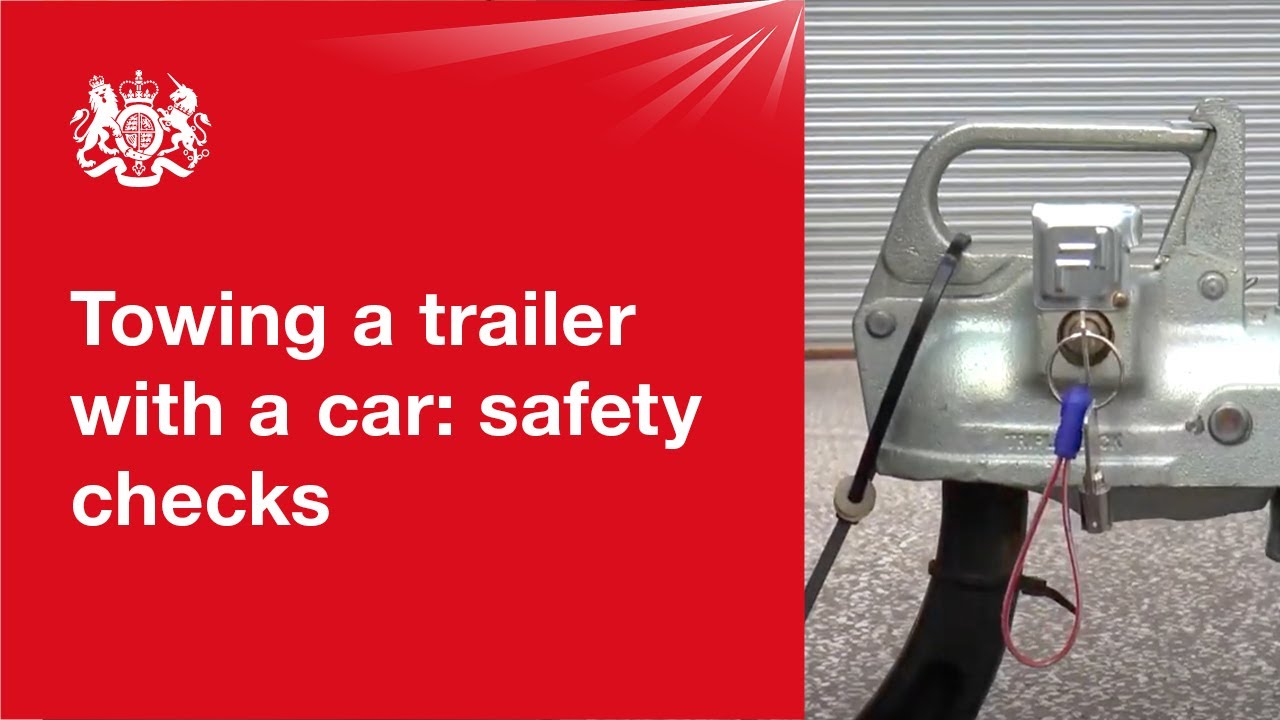
Video: an official technical overview
UK Driver and Vehicle Standards Agency provides this educational overview. Use it for background and retain the product-specific documents for the actual decision.
Common mistakes
- Using a category average as a guarantee for an unknown configuration
- Comparing nominal ratings while ignoring usable limits, losses, temperature and aging
- Assuming a similar model, photo or old data sheet represents the delivered unit
- Checking only normal operation and omitting recovery, fault and worst-case conditions
- Changing accessories, settings, batteries, panels, tires or controls without repeating the affected review
- Accepting a calculation without the input source, units, date and responsible reviewer
- Skipping the receiving site’s unloading, setup, charging, service or emergency capability
Procurement and lifecycle implications
The technically largest option is not always the best value. Compare delivered price with freight, setup, charging or fuel, inspection, cleaning, tires or batteries, scheduled service, replacement components, downtime, training and end-of-life handling. Use the same operating profile for every bidder and price the backup plan explicitly.
Ask the supplier to identify exclusions and substitutions in writing. For a relevant product configuration, review the Keyyou light tower product page, then request project-specific drawings and ratings. Continue with these related planning resources:
How to keep the decision valid after deployment
Assign an owner for the approved configuration and operating limits. The asset record should show the current batteries, panels, tires, luminaires, controller settings, firmware, accessories and maintenance state as applicable. Operators need a short pre-use check and a clear response to warnings, abnormal measurements and weather changes. Maintenance teams should compare new readings with the commissioning baseline instead of relying only on a pass or fail indicator. Review the decision after a repair, retrofit, relocation to a different climate, change in shift length, repeated low-state or high-temperature alarms, unusual transport event, or unexplained performance decline. This change-control step prevents an initially correct calculation from becoming obsolete while the label and model name remain unchanged.
Frequently asked questions
What is the maximum towing speed for a light tower?
Use the lowest limit stated by the exact equipment, tires, tow vehicle, road law and site rules. There is no reliable category-wide number.
Can a highway-rated tower be moved quickly on a jobsite?
Not automatically. Rough ground, workers, slopes, excavations and restricted visibility commonly require much lower controlled speeds.
Should the mast be partly raised during relocation?
Treat movement with a raised mast as prohibited unless the manufacturer gives a specific approved procedure.
Does an empty fuel tank allow a higher speed?
No. A small mass change does not override the trailer, tire, vehicle, route or legal limit.
What should drivers record?
Equipment identity, coupling and brake checks, tire condition and pressure, load and locks, route limits, defects and authorization.
Final takeaway
A defensible light tower towing speed decision connects a defined duty to configuration-specific evidence, a transparent calculation, worst-case checks and an acceptance test. Keep the assumptions and operating record with the asset, and repeat the review whenever the equipment or conditions change.