

What Should a Trailer Light Tower Transport Checklist Cover?
A trailer light tower transport checklist should confirm that the unit is in its documented transit condition, the tow connection is complete, visible defects are resolved, and the driver receives the information needed for the move. It is a pre-dispatch record, not a substitute for the selected model’s operator manual or local transport rules.
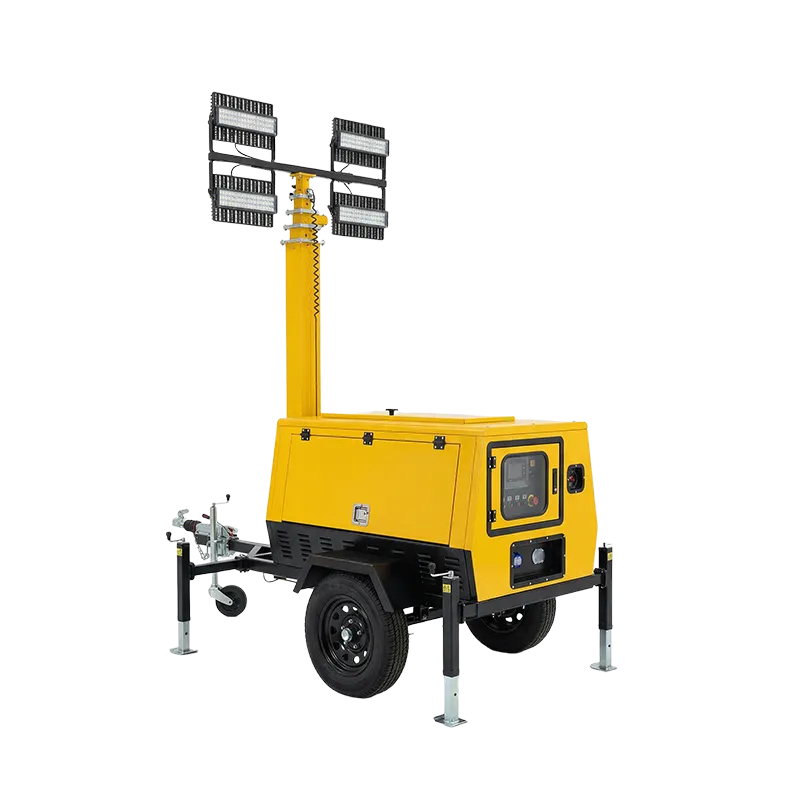
Part 1. What does pre-dispatch readiness decide?
Pre-dispatch readiness decides whether the planned move has a documented stop/go decision. It does not decide whether a buyer selected the right tower, whether the destination is ready for setup, or whether the unit can operate after arrival.
Use the trailer-mounted light tower buying guide for selection questions. After delivery, use the site’s on-site setup checklist for temporary worksites before mast movement or lighting operation.
| Decision | Belongs in transport checklist | Belongs elsewhere |
|---|---|---|
| Transit position confirmed | Yes | — |
| Tow connection and visible road items checked | Yes | — |
| Model selection / procurement fit | No | Buying guide |
| Parking position, support, and clearance | No | Setup checklist |
| Cleaning interval or service schedule | No | Field maintenance checklist |
Part 2. Which transit-position items must be confirmed?
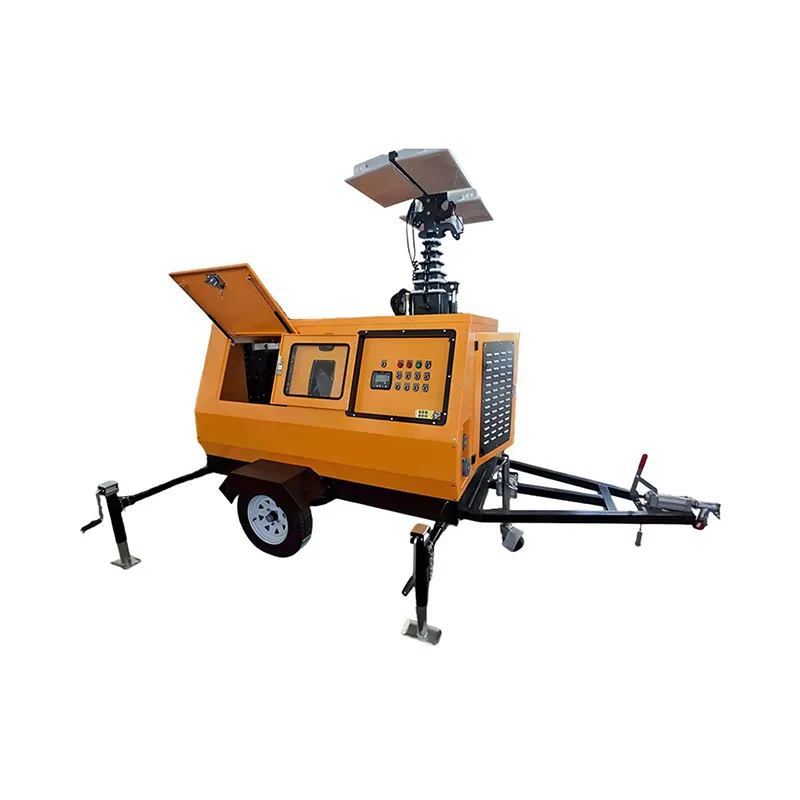
Confirm the mast, lights, outriggers, access doors, loose cables, and any detachable items are in the transport position required by the manual. A visual walk-around should identify loose hardware, damage, or an item that could move during travel.
| Item | Record before dispatch | Do not assume |
|---|---|---|
| Mast and fixtures | Transit lock or pin condition required by the manual | A generic lock sequence |
| Doors and panels | Closed and secured | A damaged latch is acceptable |
| Cables and accessories | Stowed so they cannot drag or snag | A loose cable will stay in place |
| Visible chassis condition | New damage, loose item, leak, or defect noted | A defect can wait until arrival |
Important: Confirm transit position from the selected unit’s manual. Industry pages often list mast locks and stowage as common concerns, but they do not replace model-specific instructions. Source: GOV.UK towing safety checks; Equipment World heavy-equipment hauling practices.
Part 3. Which tow-connection and visible road checks belong on the form?
The GOV.UK towing safety guidance identifies coupling, connection cable, tyre condition, lights, and secure load as pre-tow concerns. Check them against the unit and tow-vehicle documentation rather than copying a number from another trailer.
| Check | Evidence | Stop-and-escalate condition |
|---|---|---|
| Coupling and secondary connection | Visual confirmation following the manual | Damage, incomplete engagement, or uncertainty |
| Electrical connection and lights | Functional test where applicable | Damaged cable or non-working required light |
| Wheels and tyres | Visible condition and manufacturer-specified inflation | Cut, bulge, loose hardware, or unknown condition |
| Tow vehicle and route fit | Driver confirms applicable limits and route needs | Capacity, permit, or access question unresolved |
OSHA vehicle-inspection guidance supports correcting apparent defects before equipment is placed in service. A checklist can only record what was seen and what remains open; it cannot invent a tyre pressure, brake requirement, or tow rating.
Part 4. What should be secured or recorded before movement?
Use the approved securing points and the selected equipment’s transport instructions. Do not improvise a tie-down or electrical procedure. Equipment-hauling practice notes that tow-vehicle, trailer, and carried-equipment manuals must be considered together rather than treated as interchangeable.
Record the unit ID, condition notes, departure time, driver contact, document location, and the person releasing the unit. The record separates a known dispatch condition from a later arrival report.
Minimum hand-off fields
- Unit ID and configuration label available on site.
- Visible condition notes and open defects.
- Location of the operator manual and any required transport documents.
- Name of the person releasing the unit for road movement.
- Delivery contact and expected arrival window.
Part 5. Which route and arrival inputs should the driver receive?
Give the driver the delivery contact, arrival window, gate or access constraints, and the confirmed destination for the unit. Route, height, width, permit, and road restrictions are jurisdiction- and equipment-specific; the responsible transport team must check the applicable rules.
| Handover field | Why it matters |
|---|---|
| Delivery contact and site access | Reduces an unplanned roadside wait |
| Unit ID and condition record | Preserves traceability |
| Manual and configuration documents | Keeps model-specific requirements available |
| Arrival/setup contact | Separates road movement from on-site deployment |
Tip: Keep route and permit checks with the transport team of record. A blog checklist can prompt the question, but it cannot state a legal limit for every market. Source: Equipment World heavy-equipment hauling practices; local transport rules for the planned route.
Part 6. Which configuration questions belong in the RFQ?
Ask for the intended transport route, tow-vehicle context, access constraints, delivery location, expected storage period, and requested documents. The listed trailer light-tower configuration is a starting point for a document review; it does not prove a tow rating, transport limit, or route suitability.
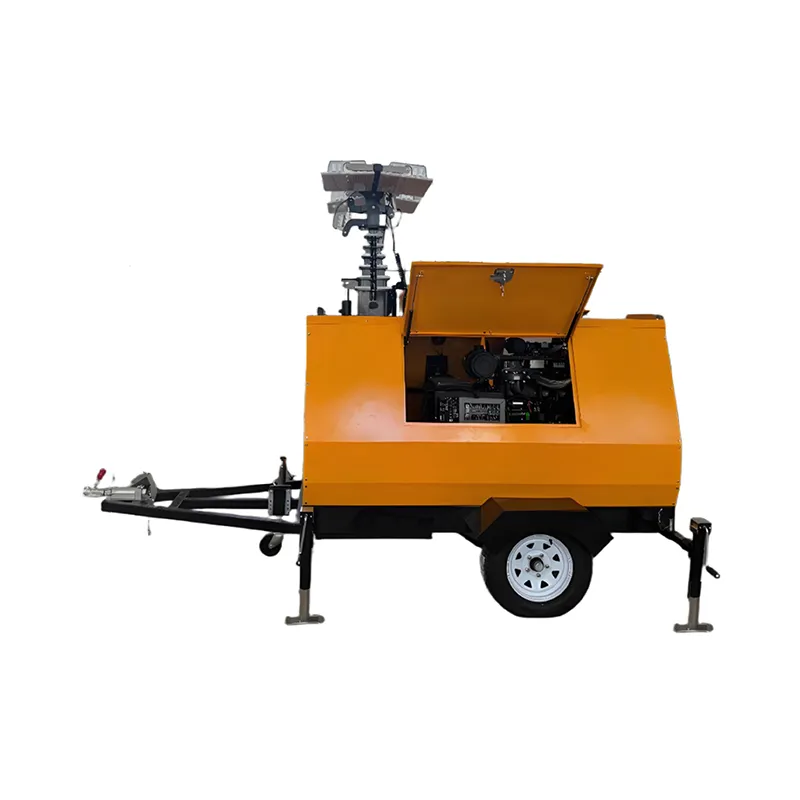
Product recommendation: use the listed trailer light-tower configuration when the buyer needs a trailer-style solar mobile lifting tower as a configuration-review starting point. Confirm the supplied version’s transport documents before assigning a dispatch procedure. Browse the trailer-style mobile light tower range when comparing related trailer constructions.
Fit Boundary
This checklist is suitable for a pre-dispatch readiness record. It is not suitable as a towing capacity calculator, a road-permit determination, a mast-locking procedure, a setup guide, or evidence of a Keyyou transport approval. For a configuration discussion, send the trailer model and transport context.
Part 7. When should dispatch stop?
Stop and obtain qualified review when a required connection is incomplete, a visible defect is unresolved, the manual is unavailable, the driver cannot confirm the transport context, or the route/access question remains open.
Do not convert an incomplete dispatch form into a “drive carefully” exception. If the destination team needs first-deployment steps after arrival, hand them to the setup process rather than expanding this transport checklist into on-site positioning or mast movement.
FAQs
Does a trailer light tower need a separate transport checklist?
Yes. A pre-dispatch form records the transit condition, tow connection, visible road items, and driver handover separately from buying, setup, and maintenance activities.
Should the mast be checked before towing?
Yes. Confirm its transit condition using the selected model’s manual. Do not rely on a generic mast-locking procedure.
What should a driver receive at handover?
The unit ID, condition record, delivery contact, access details, document location, and unresolved restrictions.
Can a checklist confirm towing capacity?
No. The responsible transport team must verify the tow vehicle, trailer, load, route, and applicable local requirements.
What if a light or cable is damaged?
Stop the dispatch decision and have the issue assessed under the equipment and transport procedures.
Is setup included in the transport checklist?
No. Transport ends when the unit reaches the site; on-site positioning and mast movement belong to the setup process.
What should be checked after delivery?
Record any condition change, then use the site’s setup procedure before operation.