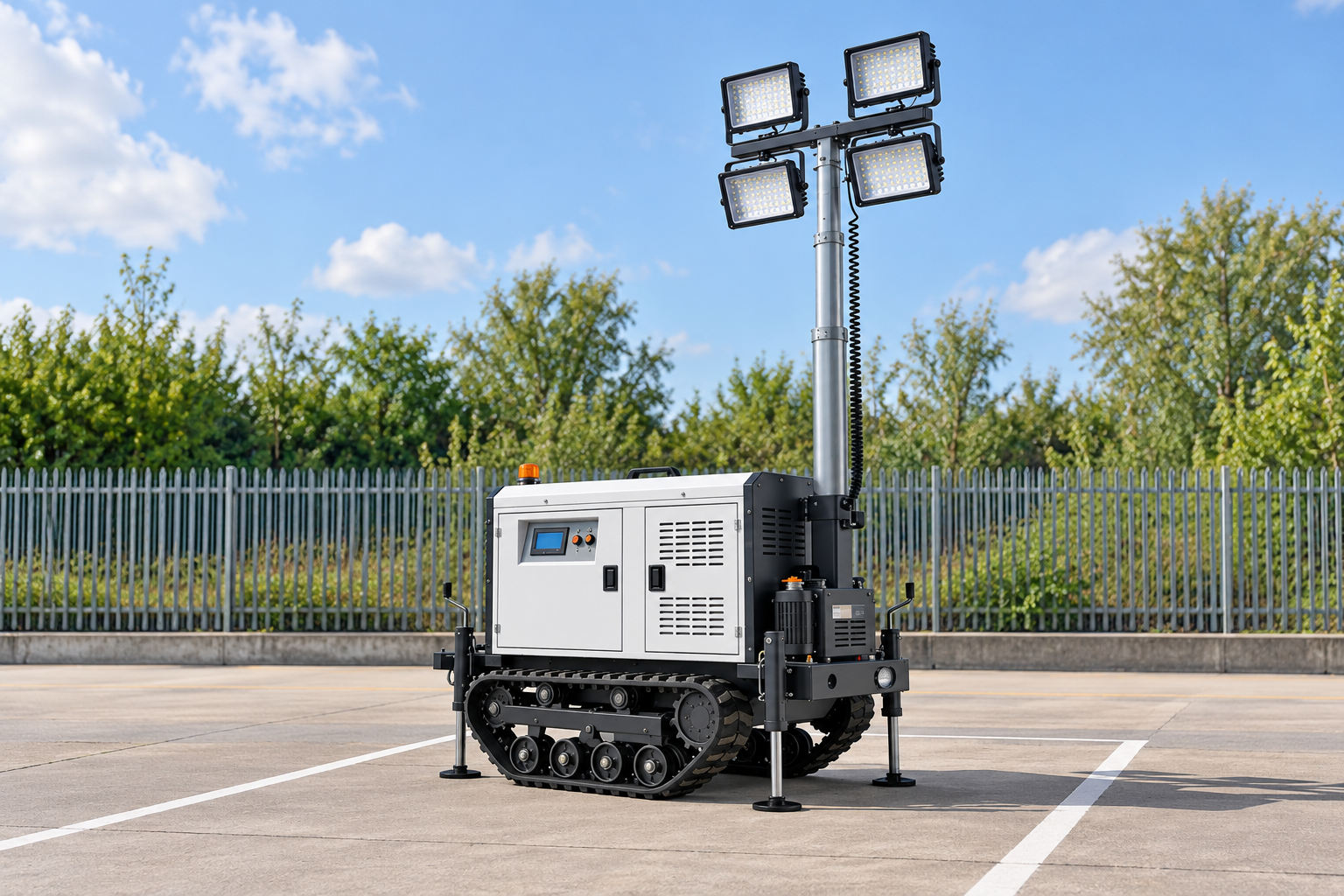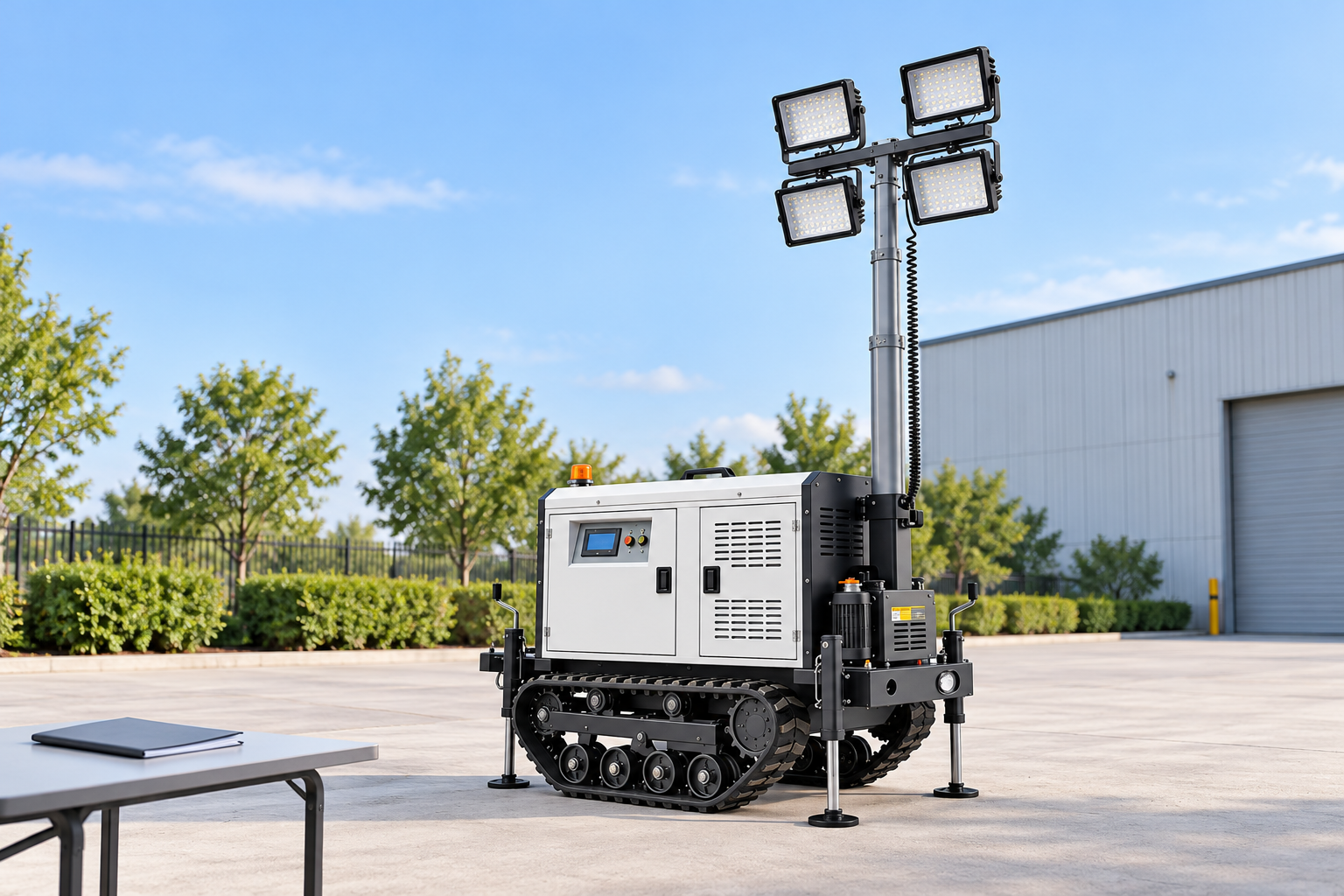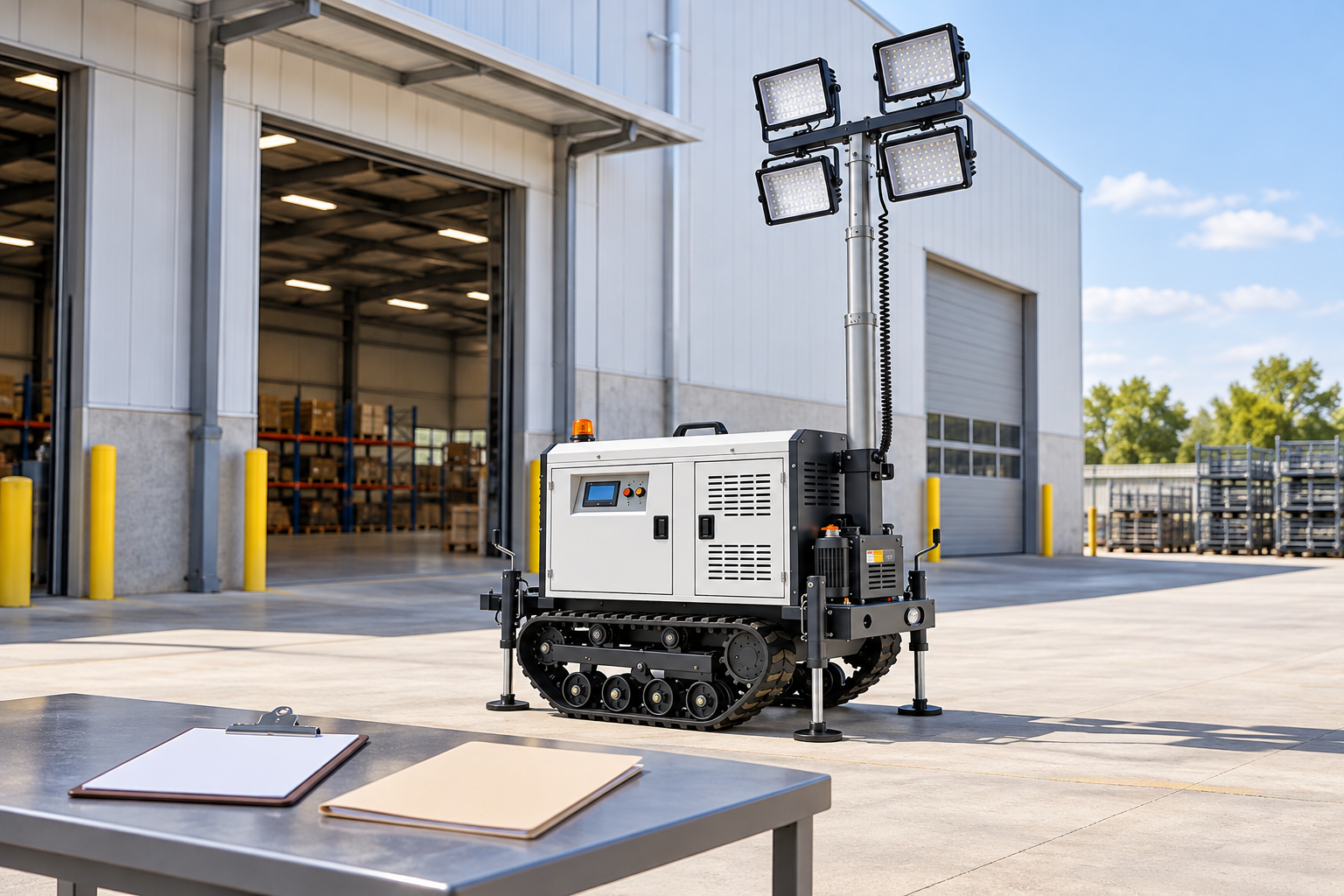

Mobile & Portable Solar Lighting Tower Solutions for Efficient Nighttime Work
Mobile and Portable Solar Lighting Tower services are quickly becoming a preferred choice for nighttime construction, mining, infrastructure maintenance and emergency response to projects. With rising fuel costs and increasing sustainability requirements, more contractors and rental companies are replacing traditional diesel-powered units with solar lighting towers that have lower operating costs, quieter operation and better energy efficiency. Currently, in addition to lighting performance, consumers have begun evaluating products based on more criteria than ever before, including low battery life, dependable product selection, ease of installation, customized or/or OEM design options, and long-term operating and maintenance costs associated with the product combined with the supplier. Manufacturers must now be able to provide a high-quality product but also have to have the ability to reliably produce products on an ongoing basis that offer the same level of quality control. The issue of mobile solar light towers is the focus of this article, and examines the growing need, how they are manufactured, what the key technical considerations are, and offers practical guidance for buyers looking for manufacturers to purchase from. Finally, this article describes how we at Keyyou support our customers around the world with consistent manufacturing standards, quality management, and flexibility with OEM options.
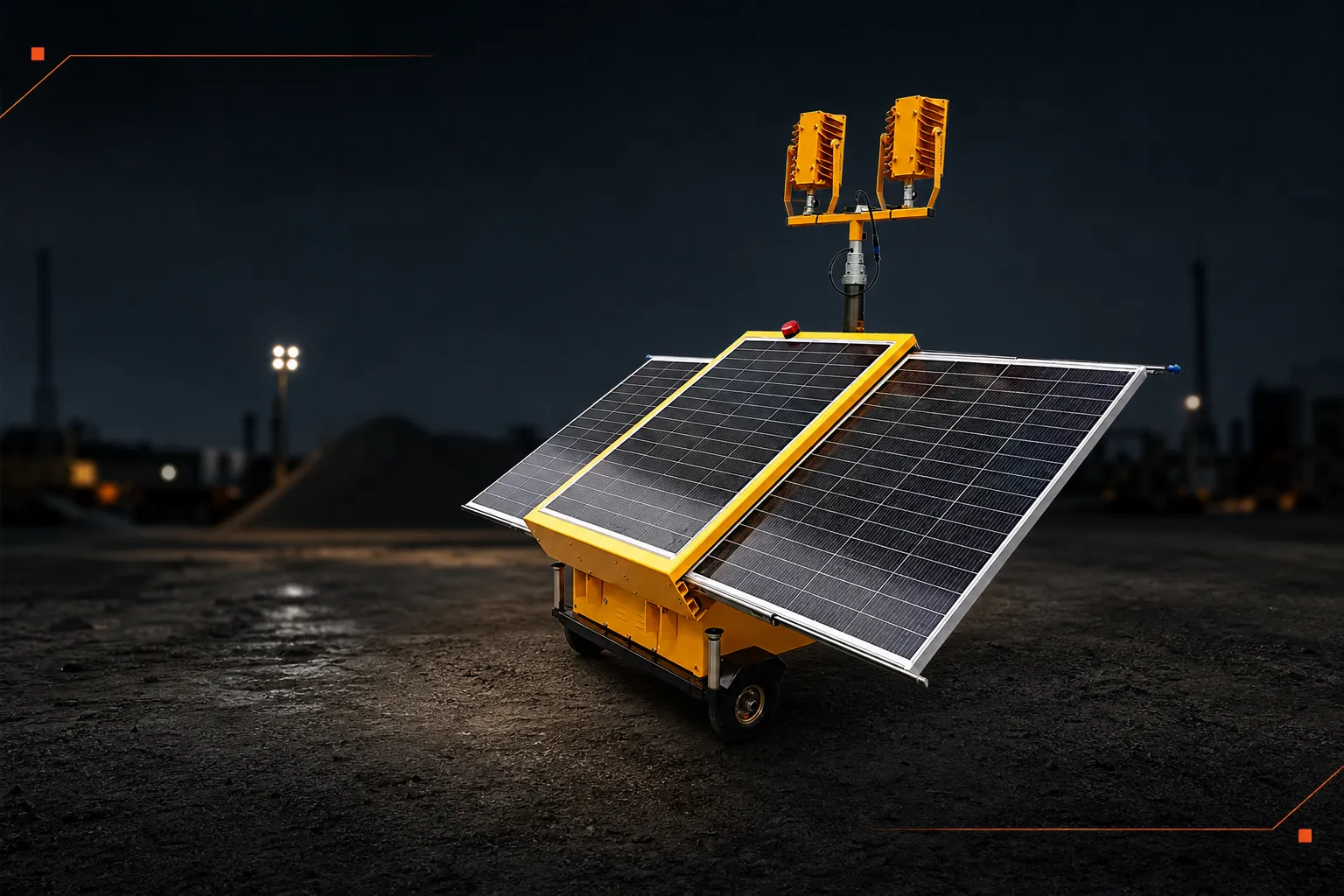
What Makes a Mobile Solar Lighting Tower Work Efficiently?
Though mobile and portable solar lighting towers may seem to be essentially the same upon first observe — that is, they each typically include a solar panel, battery pack, LED lights, a telescoping mast and trailer — actual performance of equipment with similar specifications can vary greatly from one manufacturer to another in the field. This can generally be attributed to how effectively the entire system is designed to produce, store and use energy and not just one or a few specific components. Purchasing decisions of Solar Lighting Towers for business professionals needs to go well beyond the batteries and light source alone. When selecting a quality manufactured system, a balance must be achieved between energy creation, battery storage, lighting efficiency, structural integrity and smart controls, all must work together to provide consistent reliable performance during the entire life cycle of the Solar Lighting Tower. Due to varying ambient temperatures across different job sites, Solar LED Light Towers require additional attention when operating during winter.For more detailed recommendations and best practices for cold-weather operation, please refer to our article: Winter Use Guide for Solar LED Light Towers.Solar Panels: The Foundation of Energy Generation
The job of solar panels is to transform solar radiation into electrical power or energy that she will use. Most industrial solar lighting towers employ monocrystalline PV panels as they produce higher conversion efficiencies than traditional PV, particularly at low levels of light or when cloud cover exists. The performance of a solar light tower depends upon the watt output of each panel and many other variables; surrounding factors such as: angle/orientation (toward the sun and location), charging efficiency and seasonal sunlight will all affect how much energy is produced on a daily basis. This type of system has been designed to operate optimally year round for energy use, rather than only when there are optimum weather conditions.Industry Insight | Monocrystalline Photovoltaic (PV) PanelMonocrystalline PV panels are made from one crystal of silicon, which allows for the highest amount of energy conversion efficiency and superior performance compared to most polycrystalline solar panels, especially in low sun conditions.
Battery Storage: More Than Just Capacity
A battery will collect energy throughout the day and provide lighting during night hours. One of the first things to consider is battery capacity; this is a characteristic that can easily be seen, but it doesn’t tell the complete story of how the system will operate. An increased number of solar lighting industrial towers utilize lithium iron phosphate (LiFePO₄) battery technology due to their long cycle life, high thermal stability, and enhanced safety for outdoor applications.Industry Insight | LiFePO₄ BatteryLiFePO₄ batteries are commonly used for industrial energy storage because of their long cycle life (3,000 to 6,000) compared to conventional lead-acid batteries as well as good thermal stability.Source: U.S. Department of Energy (DOE) | International Electrotechnical Commission (IEC)
Industry Insight | Battery Management System (BMS)Real-time monitoring of battery operating conditions, such as preventing overcharging and deep discharge, protecting lithium-ion batteries from overheating or cell imbalance, and improving overall battery life is accomplished through a Battery Management System (BMS), which can help to extend battery life.
LED Lighting: Focusing on Lighting Quality
This is how LED power consumption alone does not define how well a product is lit. Professionals evaluate how well a lighting system actually works based on many factors, including the amount of ambient light that shines from the fixture; the amount of light that evenly illuminates a room; the size of the space being illuminated; and the expected life of the fixture. A well-designed LED lighting system aims to create evenly-lit working environments with the lowest possible energy costs. This approach enhances both operational safety and battery life.Industry Insight | LED Luminous EfficacyLuminous efficacy measures how well an LED converts electrical energy to visible light, measured in lumens per watt (lm/W). The higher the luminous efficacy of an LED, the more light it produces for less energy used.
Structural Design and Mobility
Lighting tower structural engineering has an impact on both the efficiency of deployment as well as long-term durability due to their mobility from one job site to another. Most systems are mounted on trailers and are typically configured with an extending mast; stabilizing outriggers; and folding solar panels to protect the system’s critical parts from damage during transit as well as to allow for quick deployment at a site. Generally, portable units are only good for short-term applications that need to be deployed quickly. For example, trailer-based mobile systems would be better for large infrastructure projects (e.g., bridges) and mining operations or rental fleets where there is a need to move the mobile system frequently.Industry Insight | Telescopic MastTelescopic masts are a given type of adjustable-mast structure made up of multiple components that allow the lighting height to be increased while all of the structures are kept together during transport. The higher the mast is positioned the greater the area of illumination produced and also the better the distribution of light over the entire work area.
Intelligent Energy Management
Solar Powered Efficient Lighting Towers utilize intelligent control methods to optimize their ability to use available energy instead of simply increasing battery power. A key piece of technology is the Maximum Power Point Tracking, or MPPT, controller. It automatically and continuously adjusts the photovoltaic (PV) operating conditions to maintain the best possible charging efficiency, regardless of the amount of available sunlight.Industry Insight | MPPT (Maximum Power Point Tracking)An advanced technology called Maximum Power Point Tracking (MPPT) continuously optimizes the output from photovoltaic (solar) panels to generate the highest amount of energy possible from them through adjusting their operating points. MPPT is able to increase the amount charged into batteries by 10 to 30% based on various environmental factors compared to conventional Pulse Width Modulated (PWM) charge controllers.Source: U.S. National Renewable Energy Laboratory (NREL)
Industry Insight | Energy BalanceEnergy balance is a term that describes the matching of solar power production with battery storage capability and electrical loads to ensure that the lighting tower continues to function correctly for its intended use. As such, it is one of the core engineering principles when designing an off-grid PV system.
How Mobile Solar Lighting Towers Are Manufactured: From Raw Materials to Final Testing
The long-lasting performance of a mobile solar lighting tower is based on the design of the product and on the quality of the manufacturing process used to create it. Establishing a uniform production system allows for the proper level of structural durability, electrical reliability, and performance stability in a challenging outdoor environment. Quality at Keyyou is maintained through a series of procedures carried out throughout the entire production chain (e.g., from component selection through final inspection), whereby quality control is an integral part of every stage of production.Material Selection
The process of producing energy with these products starts with the selection of the core components – that is, photovoltaic panels, LiFePO₄ batteries (lithium iron phosphate), LED luminaires, controllers and structural steel. All of these components must be compatible to provide stable electrical energy generation, storage and lighting output.Industry Insight | LiFePO₄ BatteryDue to providing 3,000 to 6,000 cycles when charging, along with having high thermal stability and operational safety, Lithium Iron Phosphate (LiFePO₄) battery systems are very popular for use in industrial energy storage applications.
Structural Fabrication and Assembly
Steel parts undergo various processes, including cutting, welding, and surface preparation, prior to being assembled into the trailer frame and mast (hoses). Coatings that protect against corrosion also increase the durability of the assemblies in outdoor applications. Accurate assembly ensures the assembly remains stable during transport or while being used.Electrical Integration
The solar panels, maximum power point tracker (MPPT) controller, battery management system (BMS), battery pack, and LED lighting are all part of an integrated electrical platform. A correctly integrated system helps increase charge efficiency, provide battery protection, and enhance overall operational reliability.Industry Insight | MPPT ControllerMPPT (Maximum Power Point Tracking) is a technology that optimally adjusts the output of a solar panel in order to maximize charging. This allows a much greater amount of energy to be extracted from solar panels than with standard battery chargers.
Testing and Pre-Shipment Inspection
Prior to delivery, every lighting tower receives a functional test. This includes checking charging functionality, lighting, mast lift function, and the mobility of the trailer, as well as electrical safety. Performing standardized inspections will help ensure the equipment performs correctly when it is put into use on the job site.Procurement InsightIn addition to looking at the manufacturers’ product specs, also ask them how their inspection process is performed. The manufacturers’ inspection process can often provide you with a consistent level of quality assurance throughout the production process; therefore, it is a better measure of reliability over time compared to just looking at specific brands of components.
How to Compare Solar Lighting Tower Specifications Before Buying
Technical specifications are one of the first factors buyers compare, but not every specification has the same impact on actual performance. Looking beyond individual numbers can help identify products that deliver better long-term value. Focus on System Performance Instead of comparing battery capacity or LED wattage alone, consider how the complete system performs. Runtime is influenced by battery chemistry, solar charging efficiency, energy management, and lighting load working together. Evaluate Structural Design A stable mast, durable trailer chassis, and reliable lifting mechanism contribute to safe operation and efficient transportation. These features are particularly important for rental fleets and projects requiring frequent relocation. Check Environmental Protection Outdoor lighting towers should be designed to withstand dust, rain, and changing weather conditions. Protection ratings such as IP65 or higher generally indicate better suitability for demanding job sites.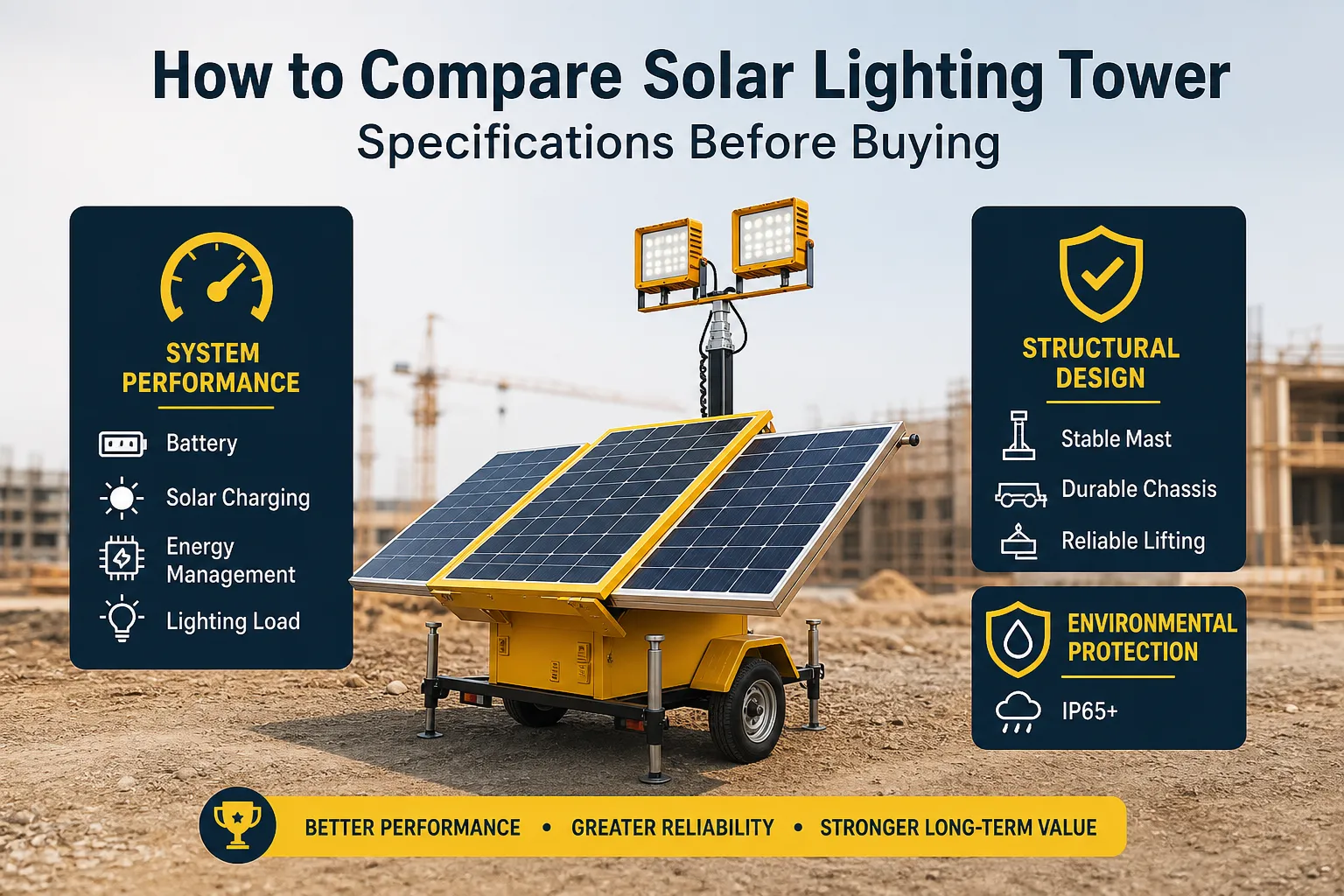
Industry Insight | IP RatingIP (Ingress Protection) ratings are defined by IEC 60529 and classify the level of protection provided against dust and water ingress. Higher ratings generally indicate greater environmental protection.
Consider Lifecycle Value
The purchase price represents only part of the total investment. Maintenance requirements, battery lifespan, energy efficiency, spare parts availability, and technical support all contribute to the total cost of ownership throughout the product lifecycle.Procurement InsightA reliable solar lighting tower should be evaluated based on its overall lifecycle value rather than its initial purchase price. Comparing engineering quality, quality management systems, and after-sales support often provides a more accurate assessment of long-term performance.
Quick Buyer Comparison Checklist
| Evaluation Item | What to Check | Why It Matters |
|---|---|---|
| Solar Panel | Monocrystalline PV, charging efficiency | Higher daily energy generation |
| Battery | LiFePO₄ chemistry, BMS protection | Longer service life and improved safety |
| Charging System | MPPT controller | Improves solar charging efficiency |
| Lighting | LED efficacy and illumination coverage | Better lighting with lower power consumption |
| Mast & Trailer | Structural strength and mobility | Safe transport and faster deployment |
| Protection Rating | IP65 or above | Reliable outdoor operation |
| Manufacturer | Quality system, OEM capability, testing | Long-term product reliability |
OEM & Custom Solar Lighting Tower Solutions for Different Markets
Different markets and applications often require different lighting solutions. Rather than using a one-size-fits-all product, many distributors, rental companies, and project contractors prefer equipment that can be adapted to local regulations, operating conditions, or brand requirements.As a manufacturer, Keyyou provides OEM and customization services to help customers develop products that better match their target markets while maintaining consistent manufacturing standards.Common Customization Options
| Customization Item | Description | Customer Benefit |
|---|---|---|
| Company Logo & Branding | Private labeling and customized product identification. | Supports brand recognition and distributor marketing. |
| Product Color & Appearance | Custom paint colors and exterior styling. | Matches local market preferences or fleet identity. |
| Packaging & User Manuals | Customized cartons, labels, manuals and documentation. | Improves localization and customer experience. |
| Battery Capacity | Different battery sizes for extended runtime. | Meets diverse operating duration requirements. |
| Mast Height & Lighting Configuration | Adjustable mast specifications and lamp arrangements. | Optimizes illumination for different job sites. |
| Voltage & Electrical Specifications | Configurations for regional electrical standards. | Supports global market compatibility. |
Procurement InsightWhen discussing OEM projects with a manufacturer, clarify not only branding requirements but also technical specifications, certification needs, packaging preferences, documentation, and expected delivery schedules. Early communication helps reduce development time and ensures smoother project execution.
Quality Assurance and Certification System
Consistent product quality depends on a structured quality management system rather than final inspection alone. Throughout the manufacturing process, inspections help ensure that every lighting tower meets defined technical and safety requirements before shipment.Quality Control Throughout Production
| Quality Stage | Main Inspection Focus | Purpose |
|---|---|---|
| IQC | Incoming raw materials and key components | Prevent defective materials from entering production. |
| IPQC | Assembly process monitoring | Ensure manufacturing consistency. |
| FQC | Completed product inspection | Verify product functionality before shipment. |
| Pre-Shipment Inspection | Lighting performance, charging, mast operation, trailer mobility and electrical safety | Confirm equipment is ready for field deployment. |
Typical Certifications
| Certification | Scope | Official Reference |
|---|---|---|
| ISO 9001 | Quality Management System | ISO 9001 |
| ISO 14001 | Environmental Management System | ISO 14001 |
| ISO 45001 | Occupational Health & Safety Management | ISO 45001 |
| CCC | China Compulsory Certification (where applicable) | Certification and Accreditation Administration of China (CNCA) |
How to Select a Reliable Solar Lighting Tower Manufacturer
Selecting a manufacturing partner is often more important than selecting a single product. A reliable supplier can provide consistent quality, stable delivery, and long-term technical support throughout the product lifecycle.| Evaluation Area | Questions to Ask | Why It Matters |
|---|---|---|
| Manufacturing Experience | How many years has the company produced solar lighting towers? | Reflects production maturity and accumulated engineering knowledge. |
| Engineering Capability | Does the manufacturer provide product development and technical support? | Supports customized solutions and continuous product improvement. |
| Quality Management | Are ISO-certified systems implemented throughout production? | Improves manufacturing consistency and traceability. |
| Production Capacity | Can delivery schedules be maintained during peak demand? | Helps reduce project delays. |
| OEM Service | Can branding and technical specifications be customized? | Supports distributors and regional markets. |
| After-sales Support | Are spare parts and technical assistance available? | Reduces equipment downtime and lifecycle costs. |
Frequently Asked Questions
What is a mobile solar lighting tower used for?
It provides temporary off-grid lighting for construction sites, mining operations, road maintenance, emergency response, infrastructure projects, and outdoor events.
What’s the difference between a portable and a mobile solar lighting tower?
Portable models are compact and suitable for smaller projects, while mobile models are trailer-mounted systems designed for larger sites and frequent relocation.
Are solar lighting towers better than diesel light towers?
For many applications, yes. Solar lighting towers reduce fuel consumption, lower maintenance costs, operate more quietly, and eliminate on-site emissions. Diesel units may still be preferred for projects requiring continuous operation in areas with prolonged low sunlight.
How long can a solar lighting tower run at night?
Runtime depends on battery capacity, LED power consumption, solar charging efficiency, and weather conditions. Many industrial models are designed to provide reliable overnight operation, with larger systems capable of supporting multiple nights under suitable conditions.
What should I look for when buying a solar lighting tower?
Consider battery type, runtime, lighting coverage, mast height, IP rating, structural durability, quality certifications, OEM capability, and after-sales support rather than comparing price alone.
Can a solar lighting tower operate during cloudy weather?
Yes. Energy stored in the battery allows the lighting tower to continue operating when sunlight is limited, although runtime depends on battery capacity and the duration of cloudy conditions.
How do I choose a reliable solar lighting tower manufacturer?
Evaluate the manufacturer’s engineering capability, production experience, quality management system, testing procedures, OEM flexibility, delivery performance, and technical support to determine long-term reliability.
Industry Standards & Certifications Referenced
The technical concepts and engineering practices discussed in this article are based on widely recognized international standards and industry guidelines related to photovoltaic systems, battery safety, electrical protection, and quality management.| Organization / Standard | Description | Official Website |
|---|---|---|
| International Electrotechnical Commission (IEC) | International standards for electrical, electronic, photovoltaic systems, battery safety, and IP protection ratings. | https://www.iec.ch/ |
| International Organization for Standardization (ISO) | Global standards for quality, environmental, and occupational health management systems. | https://www.iso.org/ |
| International Energy Agency (IEA) | Research and publications covering renewable energy, photovoltaic technologies, and global energy trends. | https://www.iea.org/ |
| National Renewable Energy Laboratory (NREL) | Research on photovoltaic performance, solar energy systems, MPPT technologies, and energy management. | https://www.energy.gov/cmei/ssl/led-basics |
| U.S. Department of Energy (DOE) | Technical guidance on battery technologies, renewable energy systems, and LED lighting. | https://www.energy.gov/ |
| Certification and Accreditation Administration of China (CNCA) | Authority responsible for China’s compulsory certification (CCC). | https://www.cnca.gov.cn/ |